Eight Core Products for Phuket Warehouse AMR Projects
The product family below covers the practical building blocks of a warehouse logistics AMR delivery robot program: heavy-duty drive units, matched AGV controllers, low-clearance horizontal wheels, suspended forklift wheels, and complete magnetic-guidance lurking robots. Product links are preserved for direct specification review and quotation.
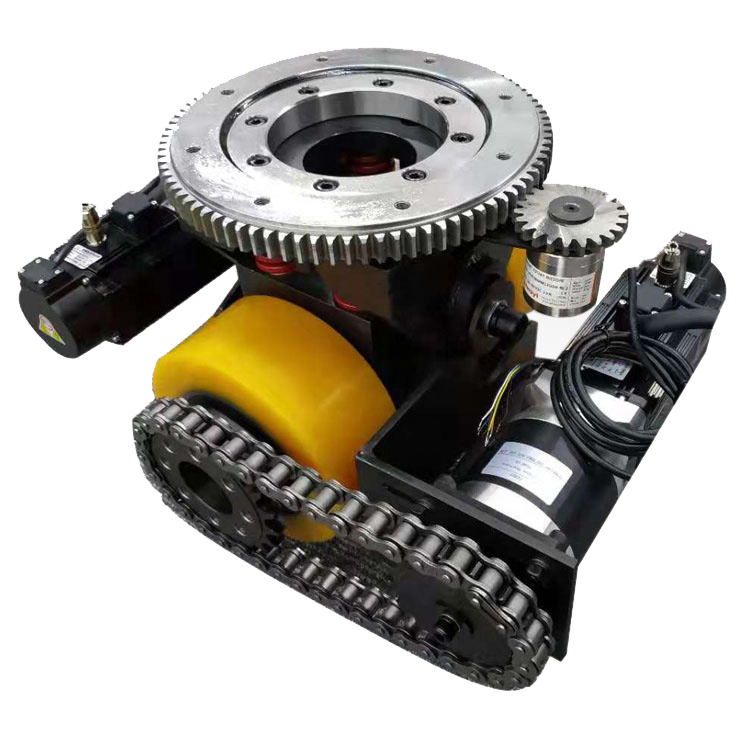
TZBOT 48V DC 2 Ton Heavy Duty Differential Unit AGV Wheel TZCS-750-30
For two-ton pallet movers, tuggers, and island warehouse platforms that need reliable traction, braking, and floor grip under continuous movement.
- 2 Ton class
- 48V DC
- Differential drive
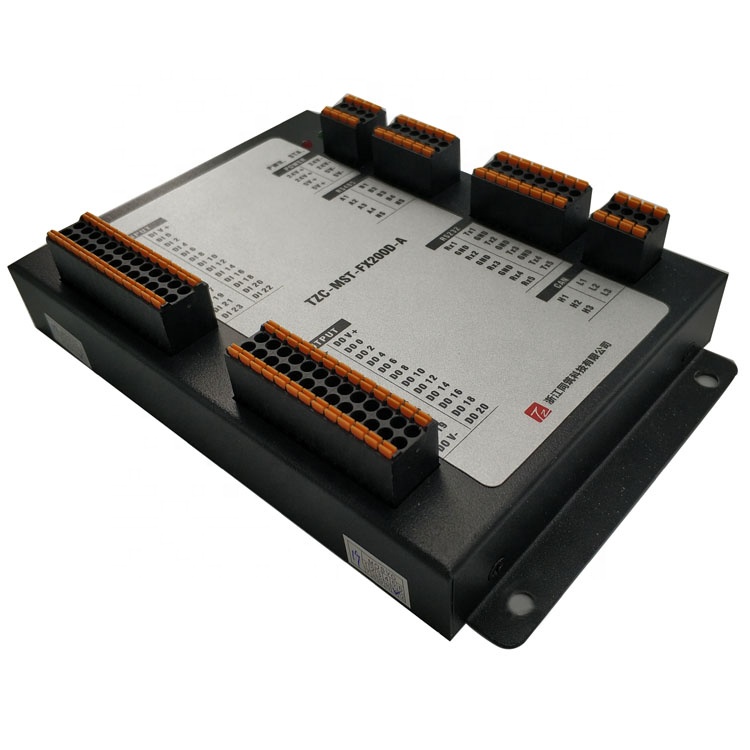
Smart AGV Controller TZC-MST-FX200D-A with Auto Guide Apply for Building Material Shops
Useful for compact route guidance, station logic, and automated material movement in building-supply yards and small logistics hubs.
- Auto guide
- TZC-MST-FX200D-A
- Commercial sites
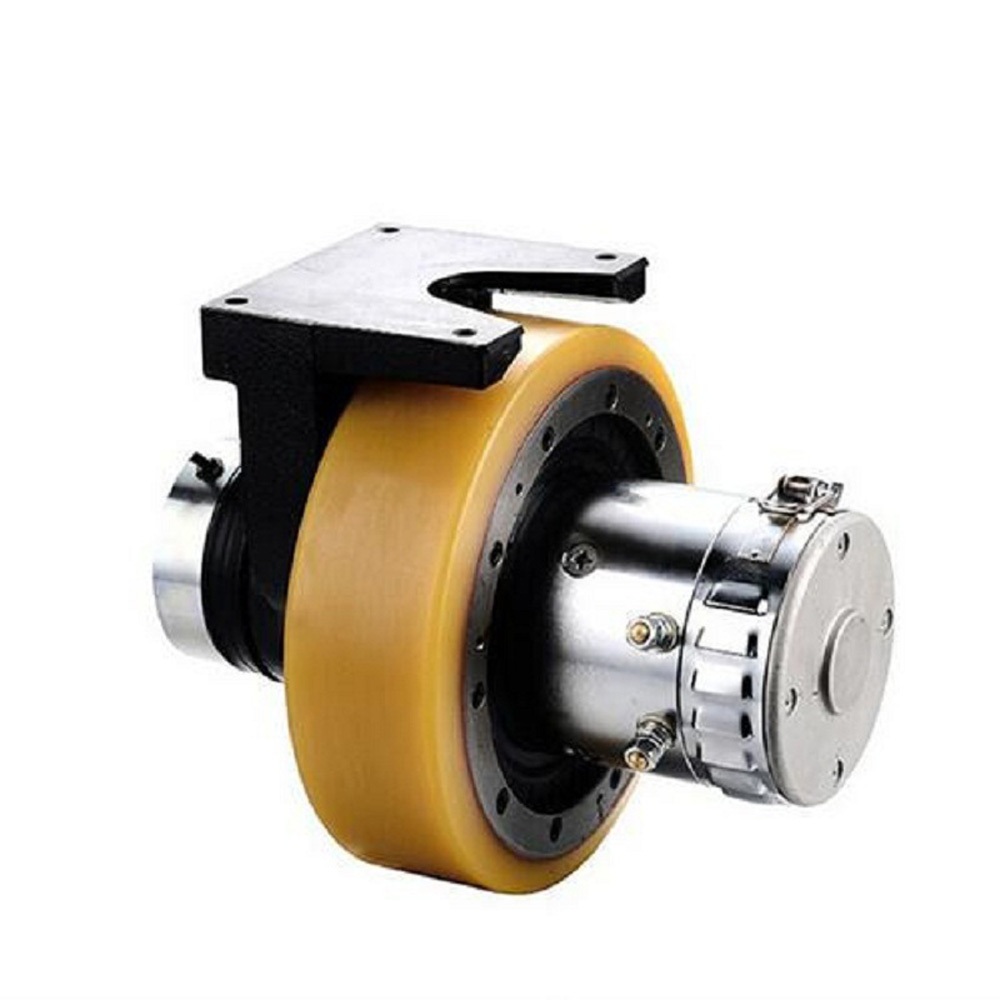
TZBOT TZ18-D12 1200W 24V Horizontal Drive Wheel Assembly
A low-height horizontal wheel unit for omnidirectional and automatic steering platforms where vertical space is limited.
- 1200W
- 24V
- Horizontal
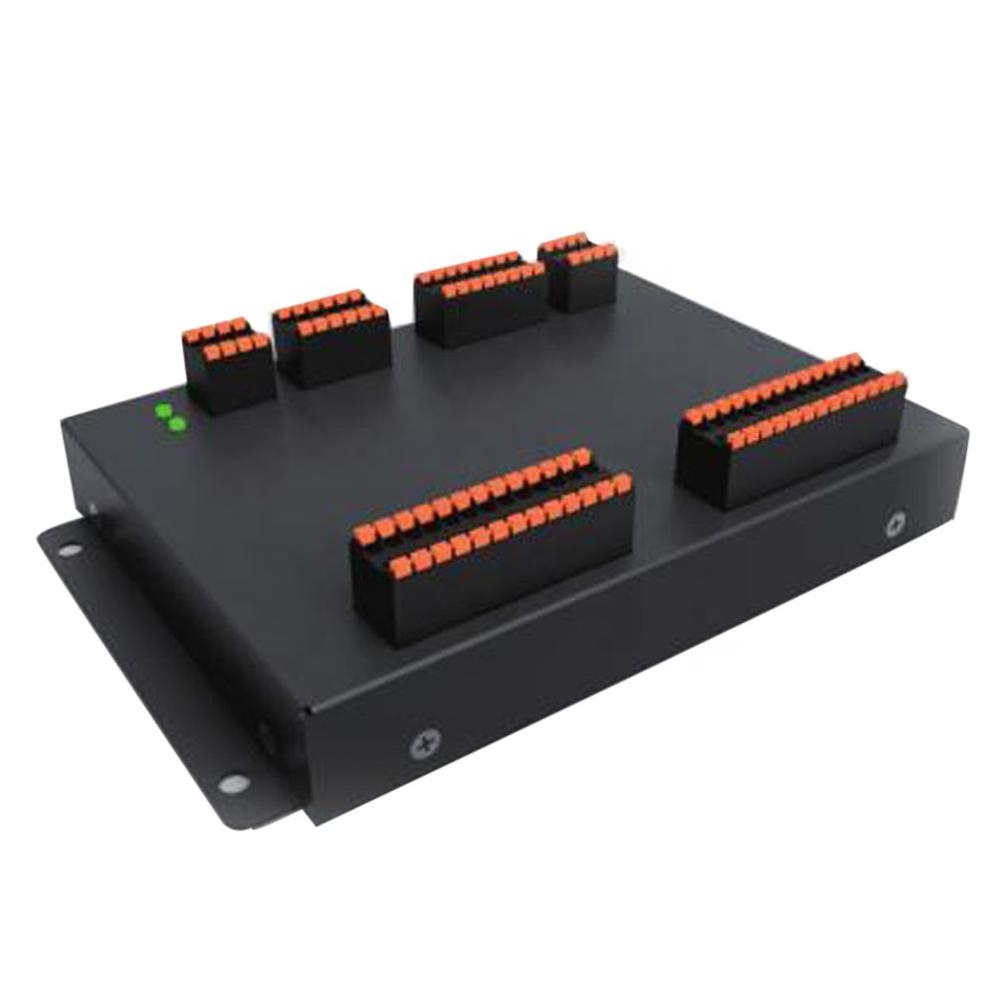
TZBOT TZC-MST-FX200D-A Controller for Commanding the AGV
A matched control module for coordinating traction, steering, safety chains, and route decisions in a complete vehicle build.
- FX200D-A
- Route control
- OEM integration
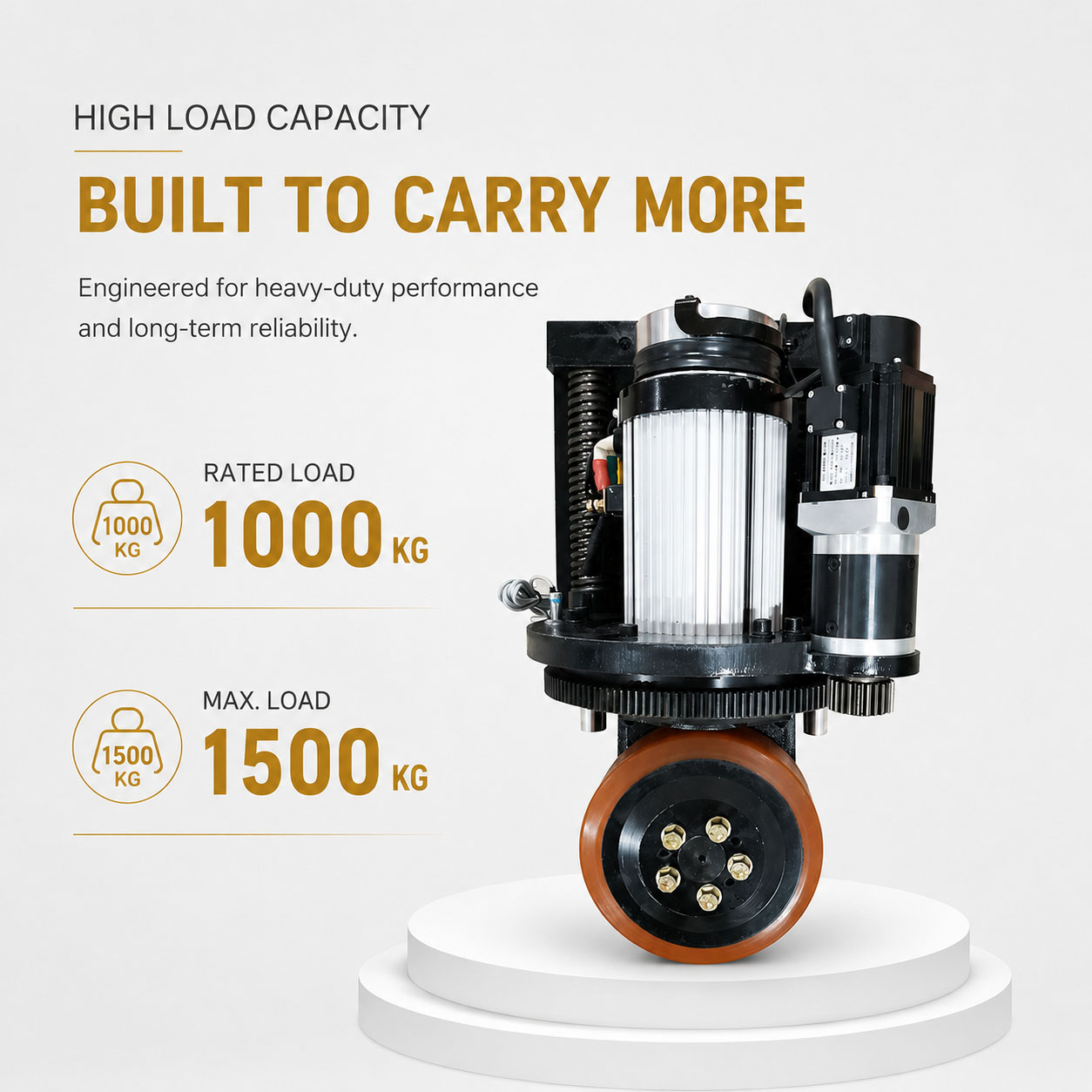
TZBOT 1000KG Bearing Duty 1500w Servo Motor AGV Forklift Driving Wheel with Suspension
For automatic forklifts and transfer vehicles that need suspension compliance, stable traction, and 1,000 kg class load support.
- 1000 kg
- 1500W servo
- Suspension
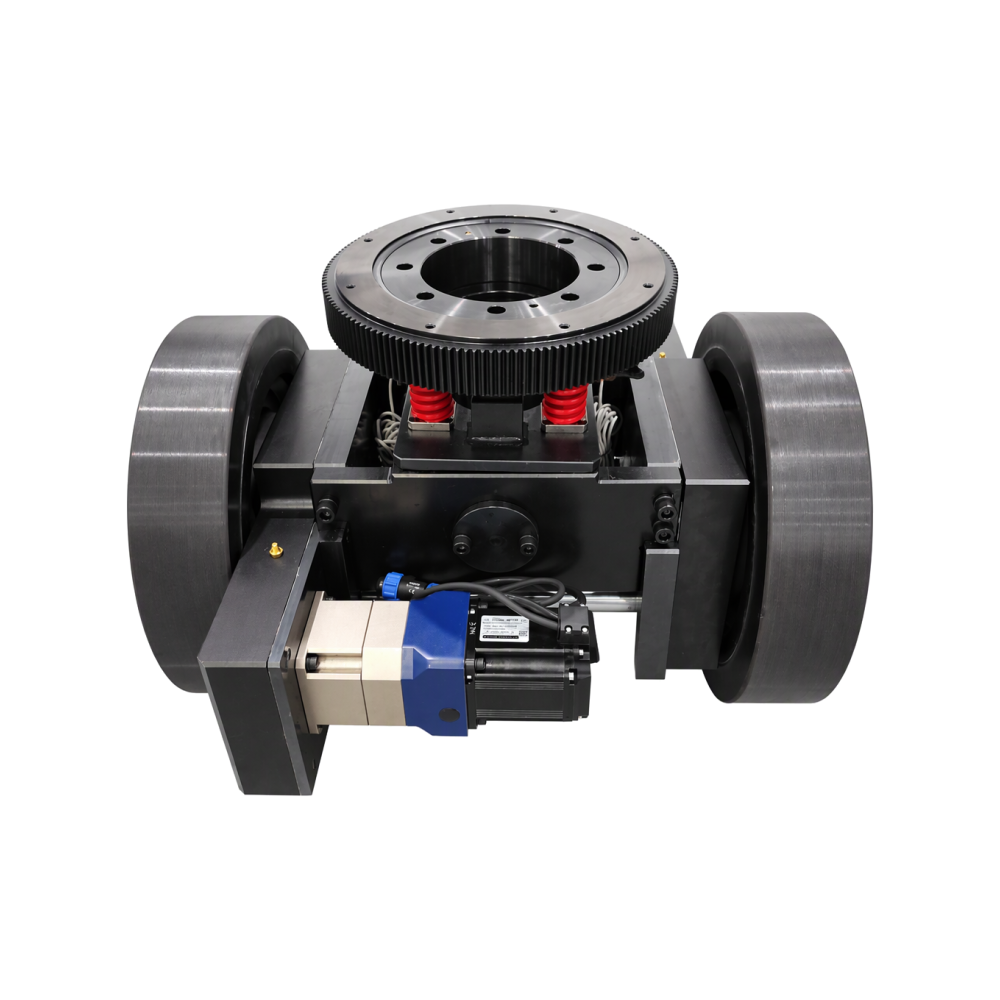
TZBOT Heavy Duty Series AGV Wheel 1000w 48v Servo Motor Differential Drive Wheel with Spring Suspension
Spring suspension and 48V servo control deliver stable traction for repeated warehouse delivery cycles and mixed floor transitions.
- 1000W
- 48V servo
- Spring suspension
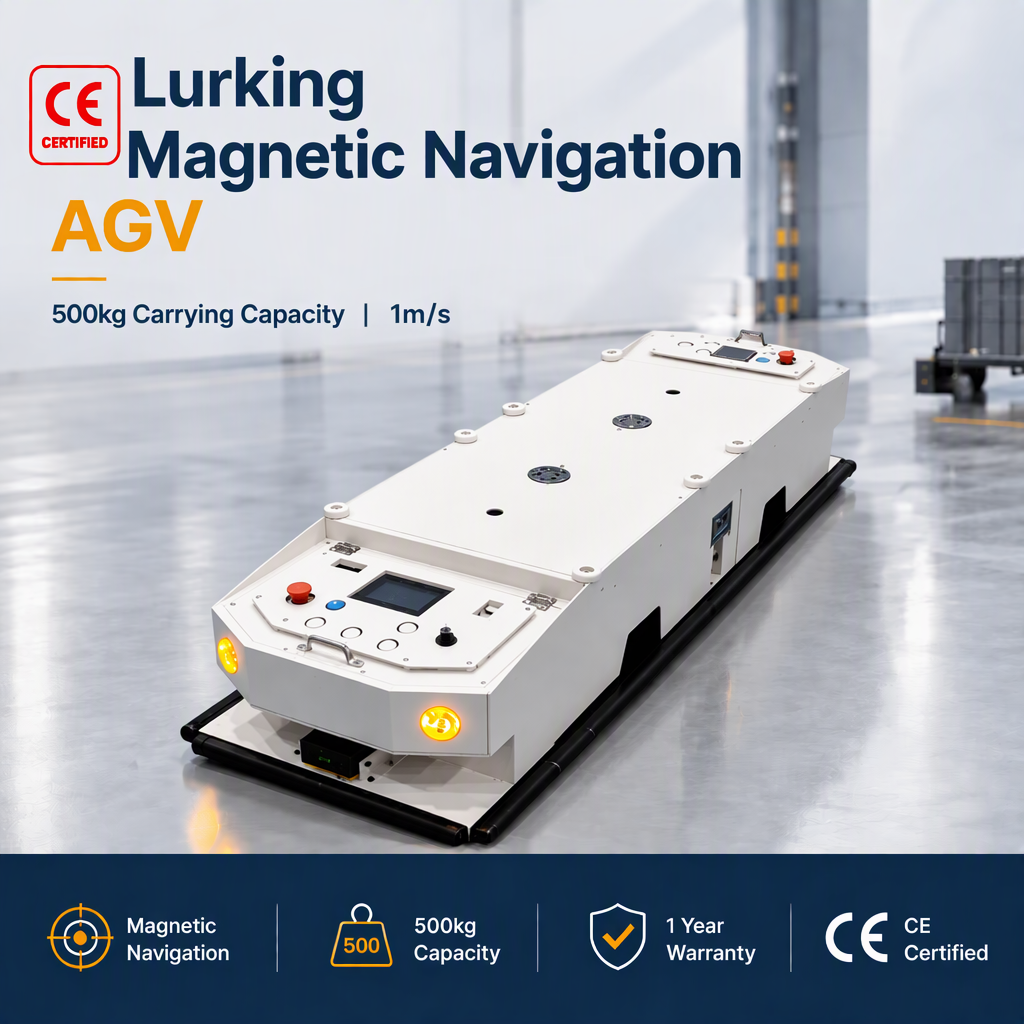
TZBOT EU CE Lurking AGV 500kg Bidirectional Magnetic Guidance Mobile Robot
A low-profile under-cart transfer robot for repetitive point-to-point movement in resorts, retail backrooms, and compact warehouses.
- 500 kg
- Magnetic guidance
- Bidirectional
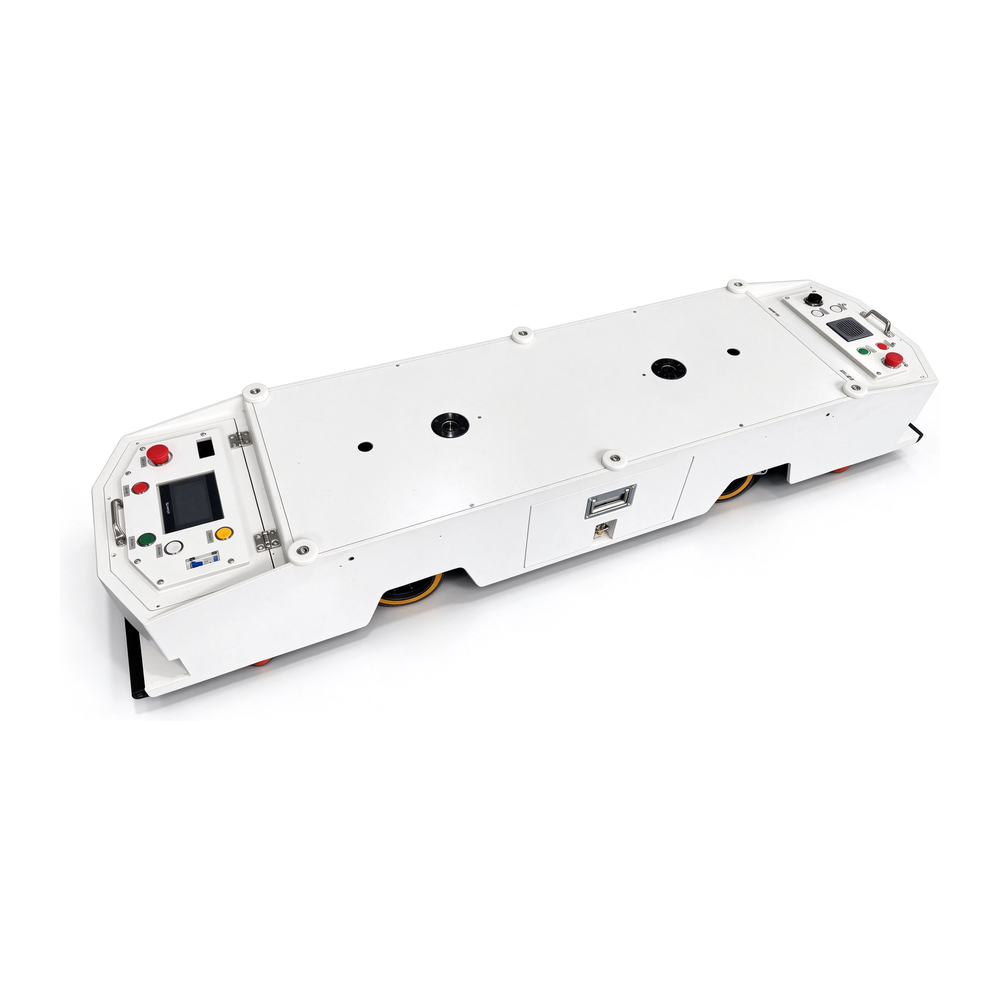
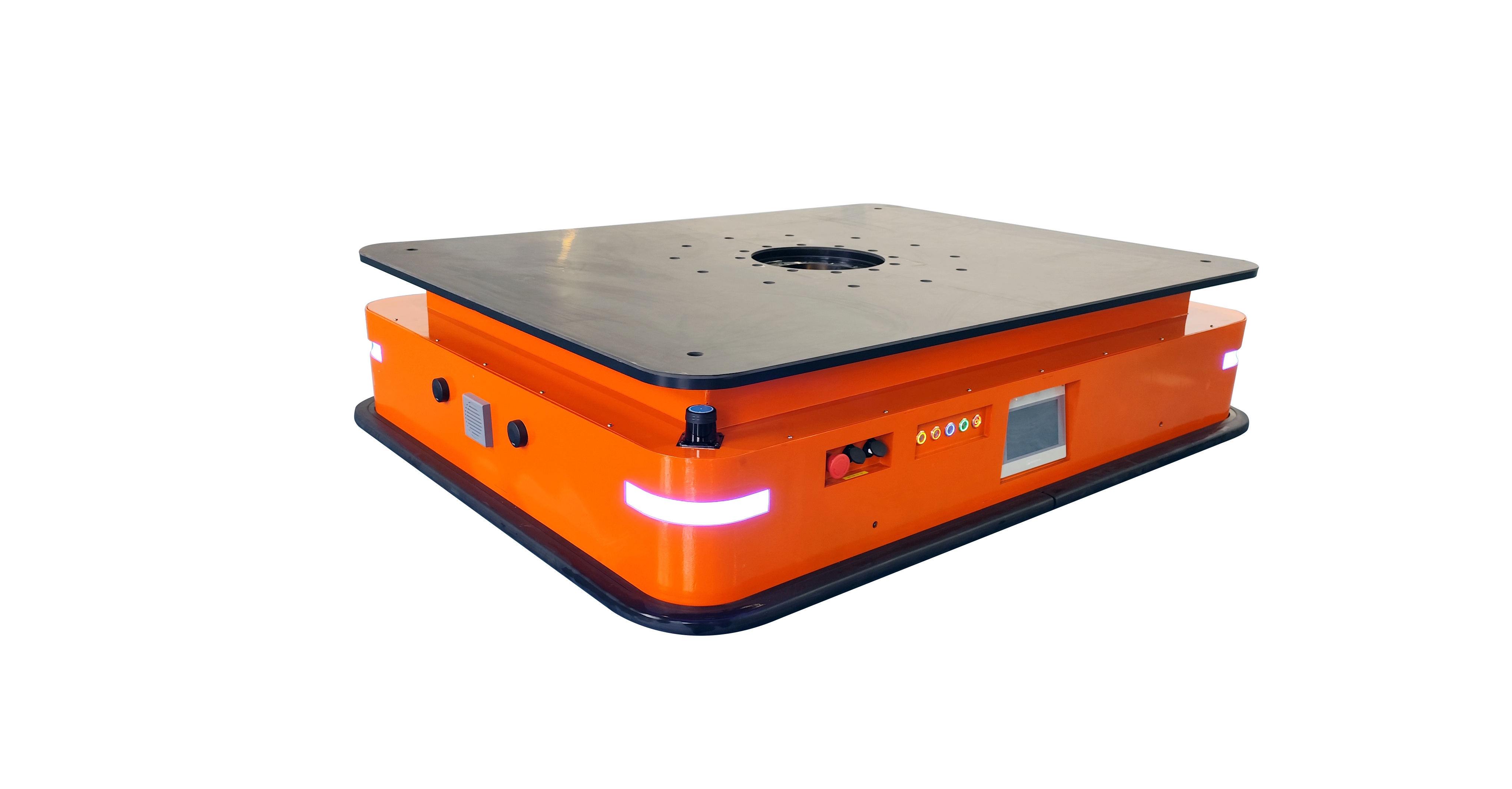
TZBOT 2500KG Lurking AGV Unmanned Control 8H Long Endurance Shelf Towing Robot
For heavy shelf towing, staging, and unmanned transport where 8-hour endurance and 2,500 kg capacity reduce route interruptions.
- 2500 kg
- 8H endurance
- Shelf towing
Founded in Zhejiang, China
Quality management system certified
Patents awarded in drive technology
Team size and engineering support
In-house testing instruments
Inquiry response rate
Serving Phuket: Why Warehouse Logistics AMR Delivery Robots Fit an Island Economy
Phuket is not a generic warehouse market. Its logistics footprint is shaped by tourism, high-value seafood, retail, marina services, medical tourism, and limited industrial land between Mueang Phuket, Kathu, Thalang, Patong, Chalong, Rassada Port, and Phuket International Airport.
A warehouse logistics AMR delivery robot project in Phuket must do more than move a cart from A to B. It must survive humid, salt-laden air, operate safely around seasonal staff and guests, fit compact back-of-house rooms, and deliver a measurable payback within a tourism-driven demand cycle. Buyers commonly evaluate latent lifting robots for under-cart transfer, shelf-towing AGVs for high-volume staging, and smaller 500 kg class units for hotel and retail replenishment.
Torqen approaches this as a factory-direct drivetrain and robot-builder problem, not a catalogue sale. We manufacture the drive wheel, servo or BLDC control, navigation sensors, and complete lurking AGV platforms so the motor, reducer, encoder, brake, wheel tread, and controller can be matched before shipment. For Phuket buyers, that reduces integration risk when the vehicle must work across tile, concrete, ramp, and loading-bay transitions.
This guide is written for hotel engineering teams, cold-chain operators, marina stores, retail distributors, construction-material shops, and 3PL managers who need a practical procurement path. It combines product specifications from our range with deployment considerations for a humid island market and cross-border supply from China.

Phuket Application Scenarios for AMR Delivery Robots
The right robot depends on load, route, floor, and safety environment. These eight Phuket use cases show where a factory-matched drive system or complete lurking AGV creates immediate operational value.
Resort Back-of-House
Move linen, amenities, F&B crates, and housekeeping supplies between stores, service lifts, and laundry rooms. Compact 500 kg lurking robots fit narrow service corridors.
Seafood & Cold Chain
Transfer chilled crates from receiving to cold rooms and packing lines. Specify corrosion protection, drainage-friendly cleaning, and stable traction in wet transition zones.
Marina & Yachting Supply
Transport tools, spare parts, and maintenance kits between stores and dockside staging. Salt-air exposure makes anti-corrosion finishes and sealed connectors important.
Airport-Area E-commerce Staging
Support short-cycle sortation, tote transfer, and parcel staging near Phuket International Airport. Magnetic guidance or QR navigation can be matched to throughput.
Retail & Pharmacy Replenishment
For duty-free, supermarket, and pharmacy backrooms, small AMRs can carry replenishment totes and return empty containers with simple station calls.
Hospitals & Clinics
Quiet movement of linen, consumables, and sterile supplies supports medical tourism and private clinics; route design should separate robot lanes from patient traffic.
Building Material Shops
Smart AGV controllers and heavy-duty drive wheels help material yards automate repetitive movement from storage bays to loading counters without rebuilding the whole site.
3PL & Warehouse Towing
Heavy shelf-towing robots and 2,500 kg lurking AGVs reduce travel time between receiving, put-away, staging, and outbound lanes during seasonal peaks.
Phuket Intralogistics Trends Buyers Should Plan For, 2025–2030
The island’s automation opportunity is not only about labor cost. It is about service consistency during peak arrivals, shorter delivery windows, food safety, guest experience, and resilient spare-parts planning.
Seasonality Drives Modular Capacity
High and low seasons create uneven demand. Buyers prefer scalable AMR fleets that can add one or two robots during peak periods instead of expanding fixed conveyor systems.
Compact Micro-Fulfillment
Limited industrial land and high rents push inventory into compact back-of-house areas. Low-clearance horizontal drive wheels and silent robots become more valuable.
Hybrid Navigation Becomes Standard
Magnetic tape for fixed lanes, RFID for station recognition, QR for grid warehouses, and lidar for obstacle avoidance can be combined to balance cost and flexibility.
Energy and Battery Safety
Hot and humid conditions require attention to charging ventilation, battery management, and operating cycles. 24V and 48V platforms with matched chargers reduce risk.
Local Service Becomes a Buying Criterion
Phuket buyers increasingly ask for spare-wheel kits, controller replacements, wiring diagrams, and remote commissioning support before placing wholesale orders.
Green, Quiet Operations
Electric AMRs support cleaner indoor operations, quieter night shifts, and better guest-facing service areas than diesel or propane handling equipment.
Product Recommendation Matrix for Phuket Buyers
Use this table to narrow the vehicle architecture before requesting a full engineering proposal. Load, route, and floor condition should always be confirmed by our engineers.
| Phuket Use Case | Typical Load / Layout | Recommended Product | Why It Fits |
|---|---|---|---|
| Hotel linen and F&B movement | 200–500 kg; narrow service corridors | 500 kg Magnetic Guidance Lurking AGV | Low-profile under-cart transfer with simple fixed-route deployment. |
| Cold-room and seafood transfer | 500–1,000 kg; wet transition zone | 1,000W 48V Heavy Duty Differential Drive Wheel | Spring suspension and servo traction support stable movement through floor changes. |
| Automatic forklift or pallet truck | 1,000 kg; ramps and loading bays | 1,000 kg Forklift Driving Wheel with Suspension | Load-bearing drive wheel designed for automatic forklift architecture. |
| Heavy warehouse towing | 1,500–2,500 kg; long endurance | 2,500 kg Lurking AGV Shelf Towing Robot | 8-hour endurance and heavy towing capacity reduce repeated battery swaps. |
| Low-clearance chassis | Compact AMR; limited vertical height | 1,200W 24V Horizontal Drive Wheel Assembly | Horizontal motor layout helps preserve low vehicle deck height. |
| Heavy pallet mover | 2,000 kg; industrial yard or warehouse | 2 Ton Heavy Duty Differential Unit AGV Wheel | 48V DC traction for high-load movement and robust floor grip. |
| Building-material shop automation | Route guidance; compact site | Smart AGV Controller TZC-MST-FX200D-A | Auto-guide controller suited to material shops and small logistics hubs. |
| Vehicle control and integration | OEM AGV build; command layer | TZBOT TZC-MST-FX200D-A Controller | Coordinates motion, routing, and safety behavior in a matched electronics stack. |
How to Specify an AMR Delivery Robot for Phuket Conditions
Before comparing quotations, define five variables: gross moved load, required speed, maximum gradient, floor condition, and available chassis height. These values determine motor power, reduction ratio, wheel diameter, tread, brake, and battery voltage.
Start With Tractive Force, Not Price
Required tractive force is the sum of rolling resistance, grade resistance, and acceleration force. Add a 20–30% safety margin for wet floors, ramps, and aging wheels. For a 1,000 kg vehicle on a slight ramp, undersized wheel torque is a more common failure than controller programming.
Protect Against Humidity and Salt Air
For Phuket, specify sealed connectors, corrosion-resistant fasteners, and a practical IP rating for the actual cleaning method. Avoid high-pressure washdown near exposed electronics unless the robot is designed for it. Use stainless or treated hardware in marina and cold-chain areas.
Match Battery and Charging to Thai Power
A 220V/50Hz supply is common, but the robot battery may be 24V or 48V DC. Use a matched charger, ventilated charging area, and clear charging procedure. For multi-shift operations, opportunity charging during breaks is often preferable to a larger heavy battery.
Design Navigation Around the Building
Magnetic guidance is cost-effective for fixed lanes; RFID marks stations and speed zones; QR grids fit warehouse floors; lidar supports obstacle avoidance. Many Phuket projects use a hybrid approach to keep deployment simple while allowing future routing changes.
Planning note: deployment-fit percentages are qualitative planning scores based on route regularity, load profile, floor condition, and the need for human avoidance. They are not performance guarantees. A site survey and acceptance test should be completed before fleet expansion.
Why Choose Torqen as Your China AMR Robot Manufacturer and Wholesaler for Phuket
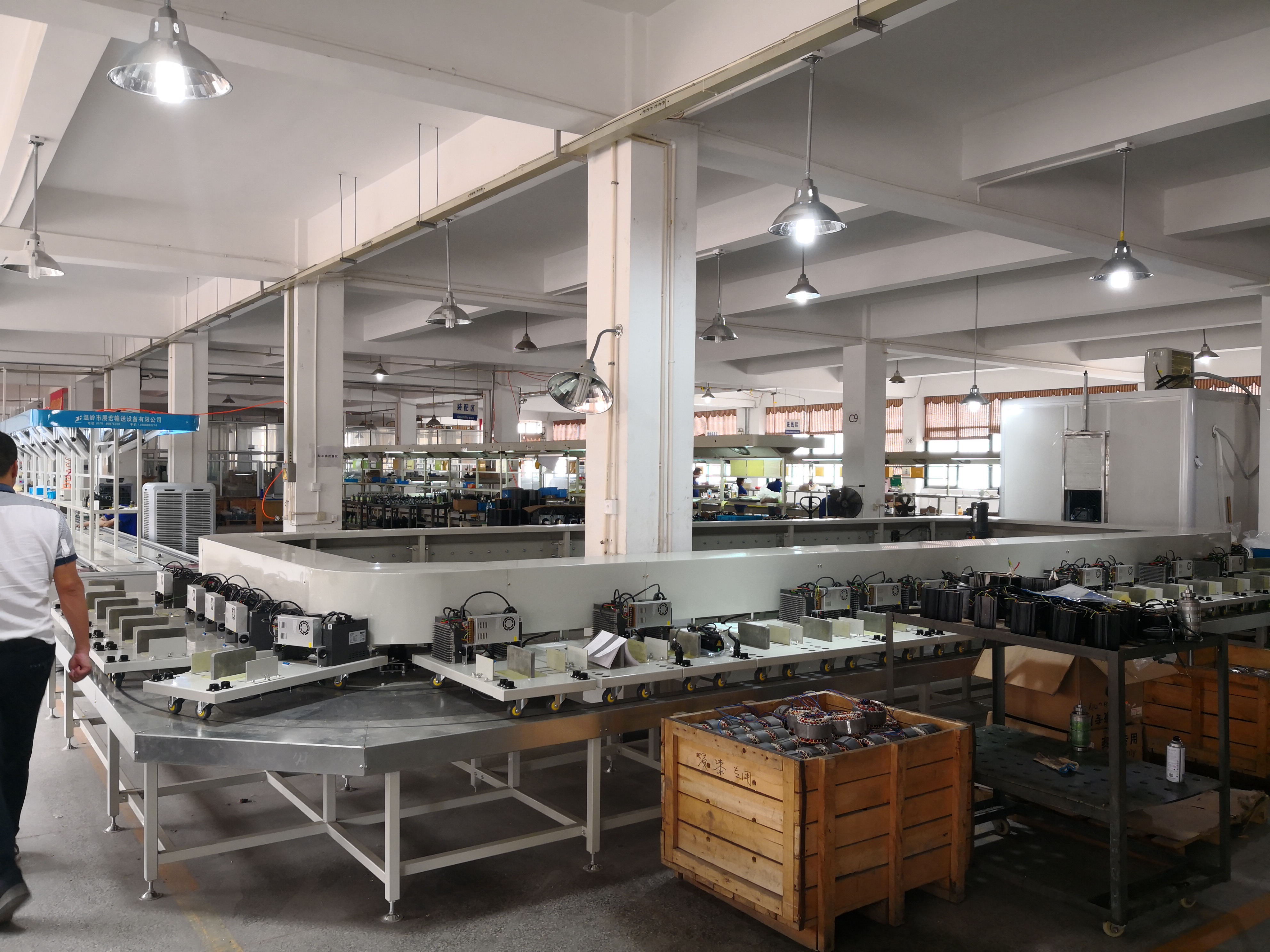
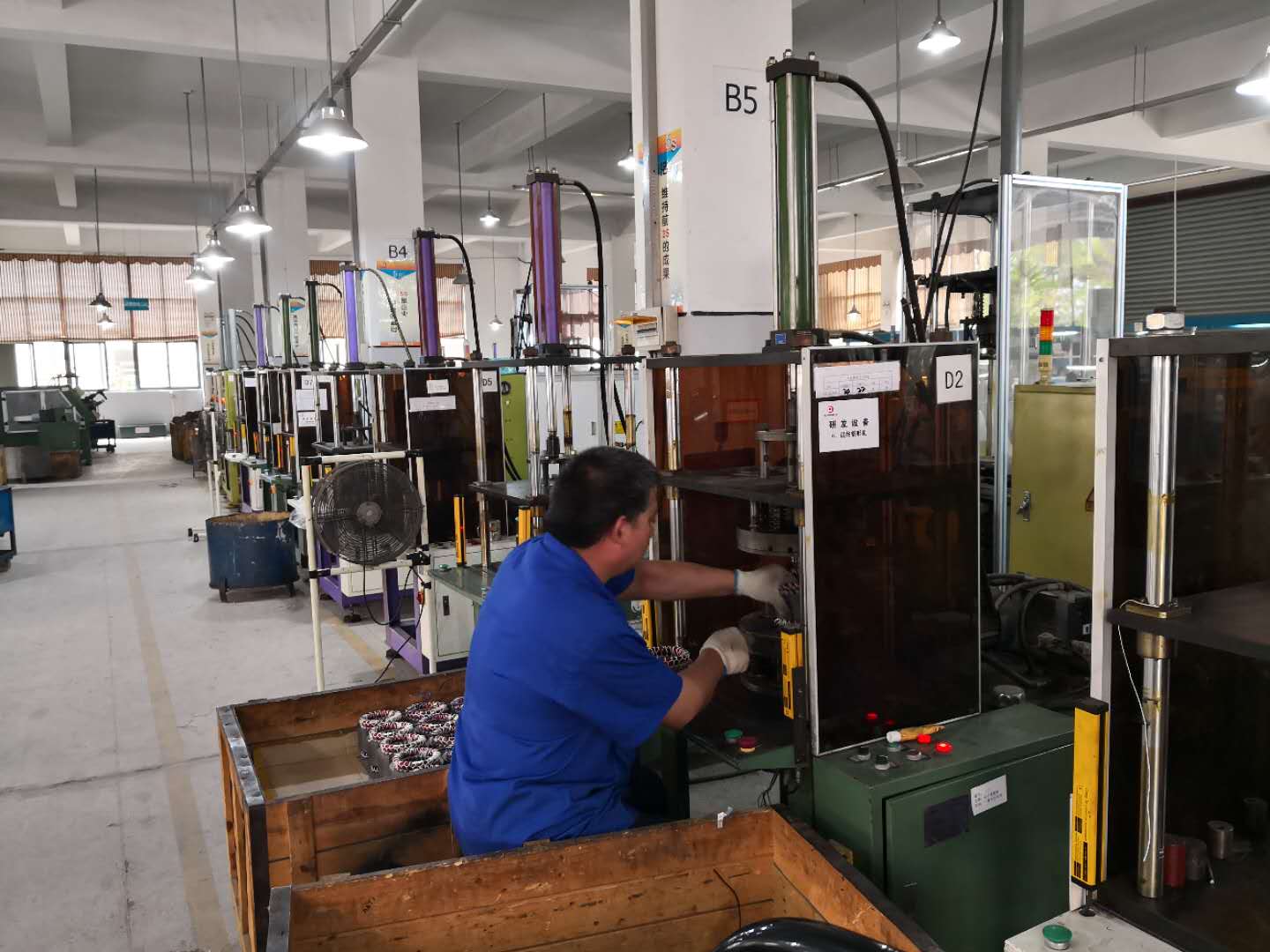
Zhejiang Torqen Technology Co., Ltd. has designed and manufactured AGVs, drive wheel assemblies, DC/AC motors, encoders, reducers, motor controllers, caster and PU wheels, and in-wheel motor units since 2015.
Factory-Direct Customization
Sample-based and design-based customization of motor power, voltage, reduction ratio, wheel diameter, tread material, encoder, brake, and mounting interface for OEM/ODM builds.
Verified Quality System
ISO 9001:2015 quality management certification, Intertek onsite factory verification, and a documented inspection process before production parts are released.
Tested Before Shipping
Five in-house testing instruments and extended-duration prototype testing support performance verification before mass production and export packing.
Matched Electronics
Servo and BLDC drivers are tuned to our own drive wheels, with magnetic, RFID, and lidar sensor options for a single-source bill of materials.
Export-Ready Wholesale
FOB, CFR, CIF, EXW, CIP, FCA, CPT, DDU, and express delivery options, with payment methods including T/T, L/C, D/P, D/A, credit card, PayPal, Western Union, cash, and escrow in multiple currencies.
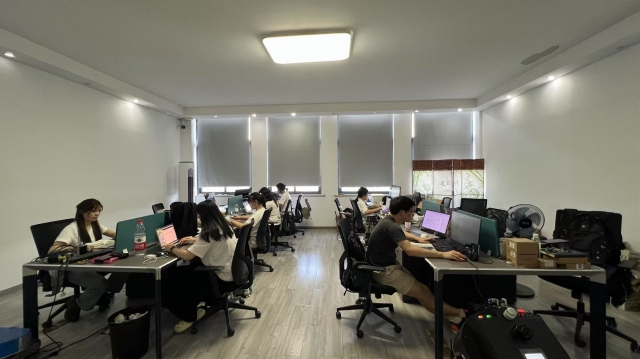
Responsive Engineering Support
Online support with a 97.9% inquiry response rate, integration guidance, wiring diagrams, driver parameter files, spare-parts planning, and after-sales assistance.

Phuket AMR Deployment Checklist and Information Gain
A faster quotation comes from better input data. Collect these site facts before contacting a manufacturer; it reduces back-and-forth and prevents an oversized or undersized robot.
| Site Input | What to Measure | Why It Matters in Phuket |
|---|---|---|
| Floor condition | Flatness, joints, slope, tile transitions, wet zones | Wheel tread, suspension, and traction affect safety through hotel and cold-room transitions. |
| Route and access | Corridor width, turning radius, lift size, door thresholds | Back-of-house spaces are often narrower than new warehouses. |
| Load and duty cycle | Gross load, operating hours, lifts per hour, route length | Determines motor power, battery size, and whether shelf towing is practical. |
| Navigation preference | Magnetic tape, RFID stations, QR grid, lidar/SLAM | Fixed lanes may favor magnetic guidance; changing layouts may favor lidar or QR. |
| Safety environment | Pedestrian traffic, blind corners, forklift sharing, emergency exits | Requires obstacle avoidance, speed zones, warning lights, e-stop, and route rules. |
| Power and charging | 220V/50Hz availability, charging location, ventilation | Battery charging must be planned with resort, cold-chain, and warehouse safety teams. |
| Spare-parts plan | Wheels, driver, encoder, controller, sensors, harness | Island logistics benefit from pre-agreed spares to avoid long downtime. |
| Acceptance test | Route, speed, payload, stopping distance, shift endurance | Clear acceptance criteria protect both buyer and supplier before wholesale rollout. |
Frequently Asked Questions from Phuket Buyers
These are the commercial and technical questions most often raised by Phuket hotel groups, distributors, marina stores, cold-chain operators, and warehouse integrators.
Do you have a local office in Phuket?
Our factory is located in Zhejiang, China, and we serve Phuket through export sales, remote engineering support, and international shipping. We can supply spare parts, technical documentation, and commissioning guidance for your local integrator or maintenance team. Buyers who need onsite installation can discuss third-party service coordination with our team.
Can you ship warehouse AMR delivery robots to Phuket?
Yes. We support export packing and delivery to Thailand through air and sea freight channels, with terms such as FOB, CIF, EXW, CFR, CPT, and express delivery depending on the product and order. Shipping route and Incoterm should be confirmed at quotation because a complete robot and a spare drive wheel have different packing requirements.
Which model should I choose for a 500 kg hotel or retail application?
For repetitive under-cart transfer, a 500 kg magnetic guidance lurking AGV is often suitable. If the route changes frequently or the environment has many pedestrians, a larger site survey is needed before selecting navigation and safety sensors. Share route length, floor transitions, cart height, and daily trips so our engineers can confirm the drive wheel and controller pairing.
What about heavier shelf towing or 2,500 kg loads?
For heavy shelf towing, the 2,500 kg lurking AGV with 8-hour endurance is a better starting point. For heavy pallet movers or automatic forklifts, a 2-ton differential drive unit or 1,000 kg suspended forklift wheel may be more appropriate. The final choice depends on ramp angle, wheel tread, braking requirement, and duty cycle.
Will Phuket humidity and salt air damage the robot?
Standard industrial equipment needs appropriate protection. For coastal and marina environments, we recommend discussing sealed connectors, corrosion-resistant fasteners, wheel tread selection, and a maintenance schedule. Avoid washing electronics with high-pressure water unless the robot is specifically configured for that cleaning method.
Can the robot work with Thai 220V power?
Yes, chargers can be configured for the local supply, while the robot itself may operate on a 24V or 48V DC battery platform. Confirm the charger plug, charging room ventilation, charging time, and whether opportunity charging is needed during seasonal peak operations.
Do you support OEM and ODM customization?
Yes. We offer sample-based customization, design-based customization, OEM production, design services, and buyer-label packaging. Typical changes include motor power and voltage, reduction ratio, wheel diameter and tread material, encoder type, brake options, and mounting interfaces.
What is the MOQ and how do I request a quote?
MOQ depends on the product family and customization level. Sample evaluation and wholesale orders can be discussed separately. To receive a practical quotation, send your load, speed, route, floor condition, battery voltage, chassis height, navigation preference, and required delivery term. You can use the Get a Quote button on this page to start the conversation.
What payment and delivery terms are accepted?
Accepted payment methods include T/T, L/C, D/P, D/A, MoneyGram, credit card, PayPal, Western Union, cash, and escrow, in currencies such as USD, EUR, JPY, CAD, AUD, HKD, GBP, and CNY. Delivery terms include FOB, CFR, CIF, EXW, CIP, FCA, CPT, DDU, and express delivery.
Are spare parts available after delivery?
Spare-parts planning is part of a serious AMR deployment. We can discuss recommended spares for drive wheels, controllers, encoders, sensors, and wear parts based on your fleet size and operating hours. For Phuket buyers, pre-shipping a small critical-spares kit with the main order can reduce downtime.
Request a Phuket AMR Deployment Review
Send your payload, route, floor condition, and operational hours. Our engineering team will help match the drive wheel, controller, navigation sensor, and robot platform for your Phuket warehouse, hotel, cold-chain, marina, retail, or 3PL project.
Get a Quote