8 AGV Drive-Wheel & Encoder-Ready Platforms for Local Integration
These platforms are selected from Torqen’s production range for Dortmund-area integrators who need compact mobility, heavy-duty traction, servo feedback, or SLAM-based warehouse automation. Encoder type, reduction ratio, wheel tread, brake logic and mounting geometry can be reviewed as a custom package.
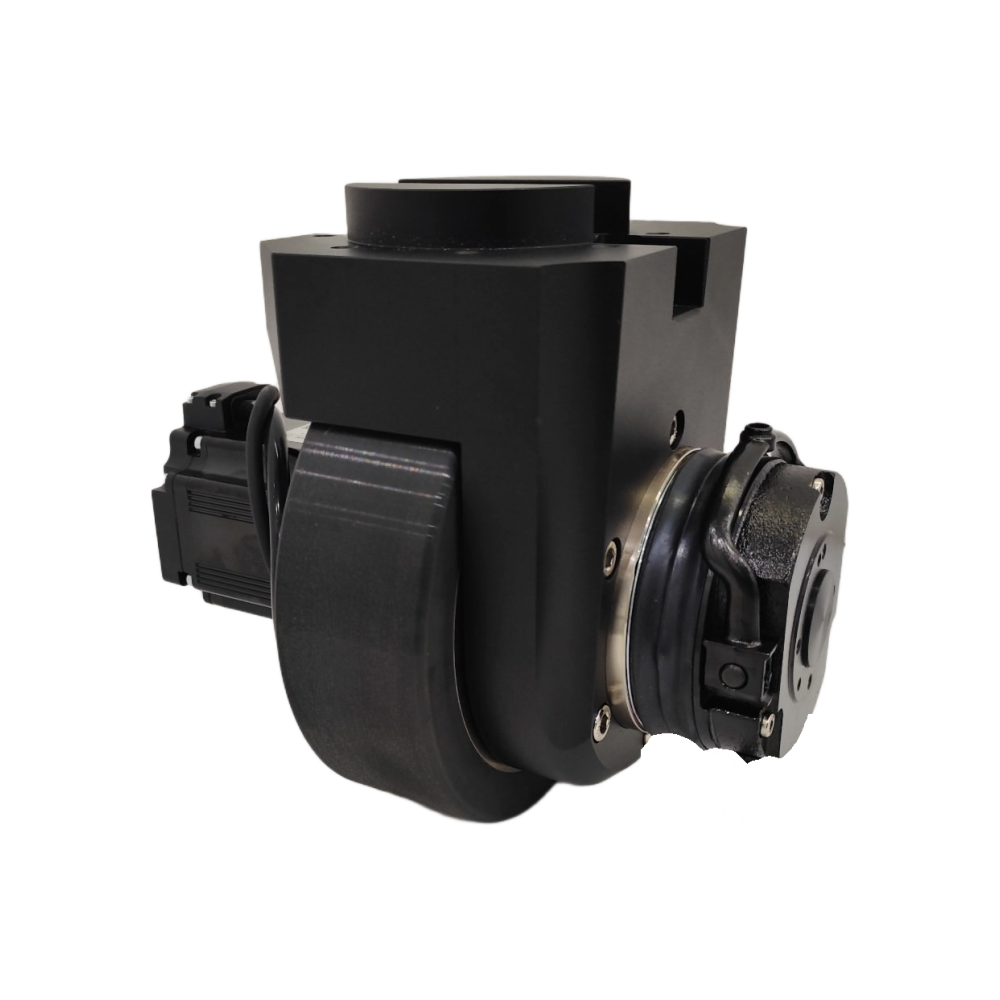
TZBOT Compact Structure agv Wheel Imported Polyurethane 1000kg Load Duty Mobile Robot Horizontal Drive Wheel Unit
A low-profile horizontal drive unit for compact AMRs and under-ride carts. For Dortmund warehouses, specify encoder feedback, PU tread hardness and braking logic to improve repeatable docking on smooth floors.
- 1,000 kg
- Imported PU
- Encoder options
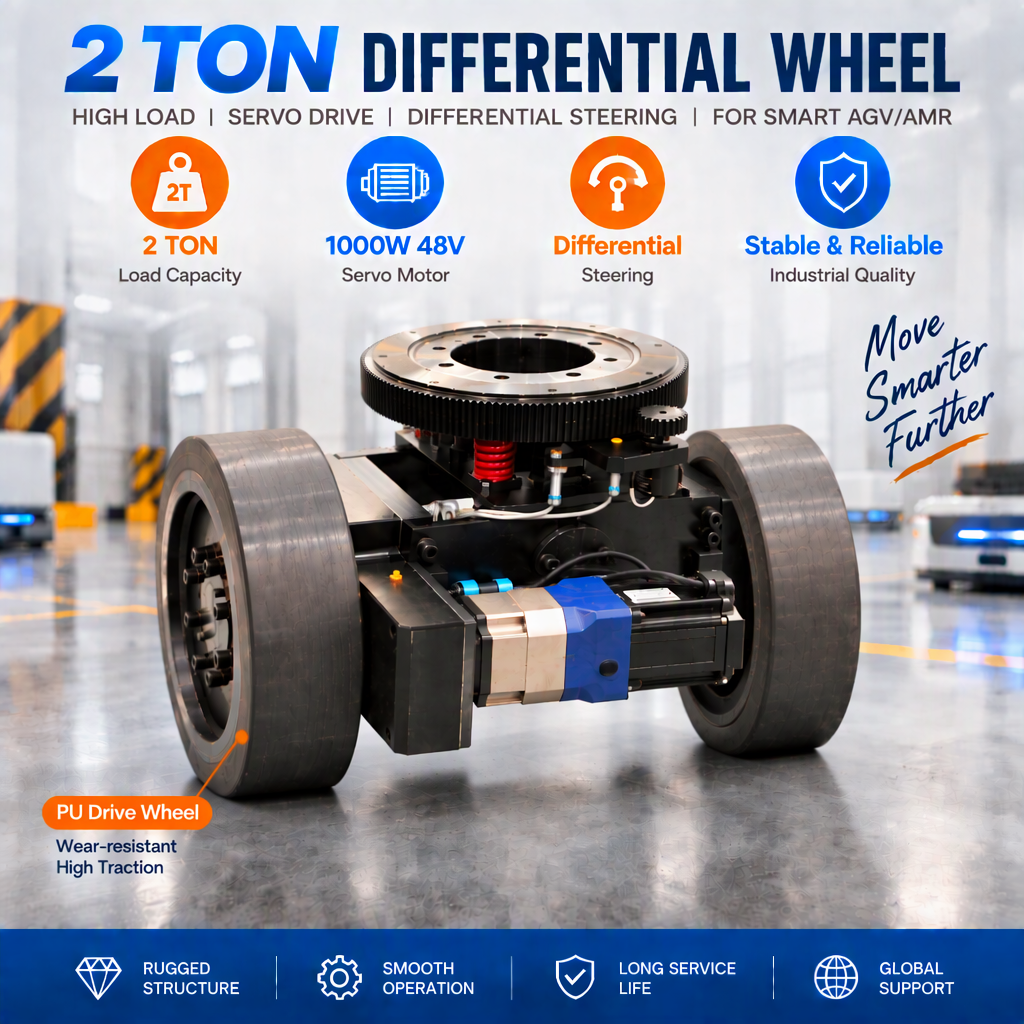
TZBOT 2000KG Heavy Duty Series AGV Wheel 1000w 48V Strong Power Mobile Robot Differential Drive Wheel with Spring Suspension
Spring suspension helps maintain wheel contact across floor transitions, giving the encoder cleaner speed feedback during multi-shift work. A practical choice for tow tractors and heavy transfer platforms.
- 2,000 kg
- 1,000 W / 48 V
- Suspension
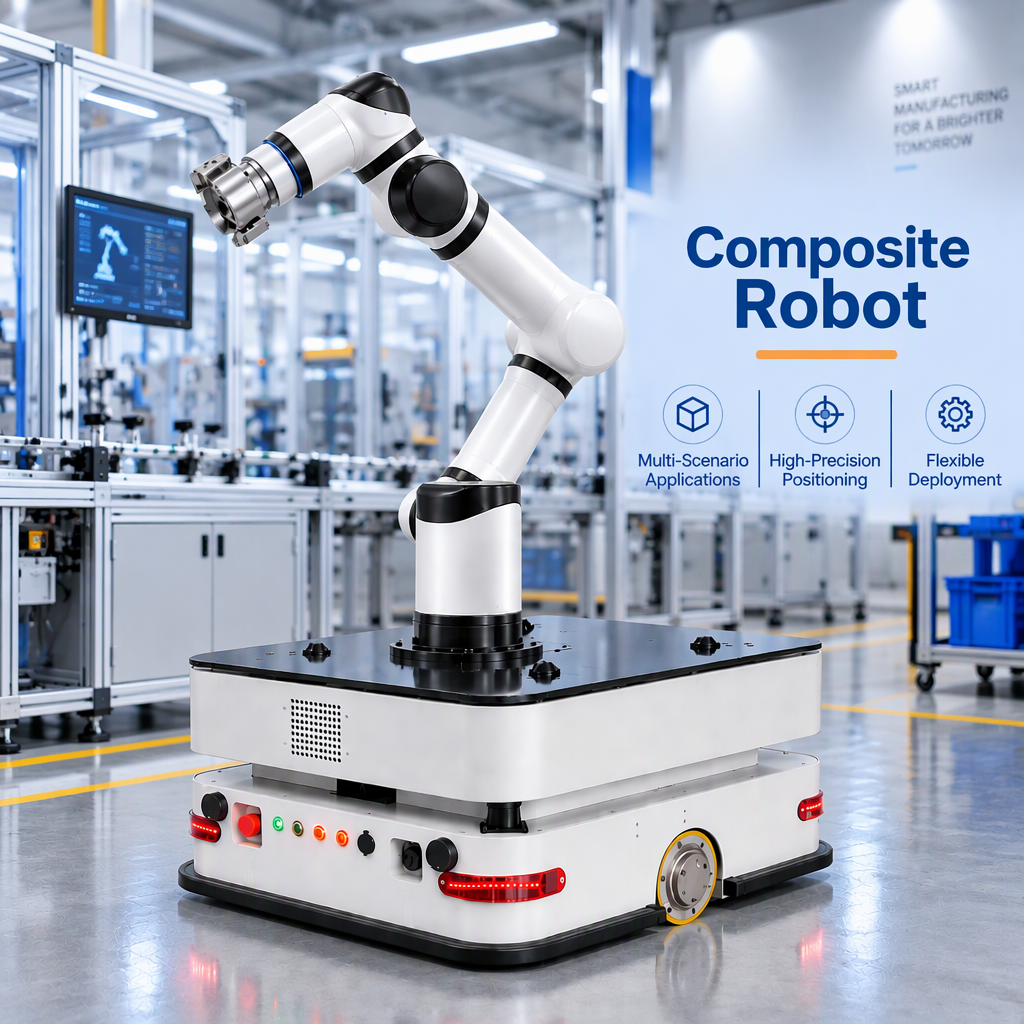
TZBOT Auto Guidance Mobile Chassis 1000kg Payload AGV Integrate Arm Robotic Intelligent Composite Robot
A mobile chassis for arm-robot integration. Recommended for Dortmund machine tending, inspection or flexible production cells where the base must provide repeatable positioning and stable encoder odometry.
- 1,000 kg
- Arm integration
- OEM/ODM
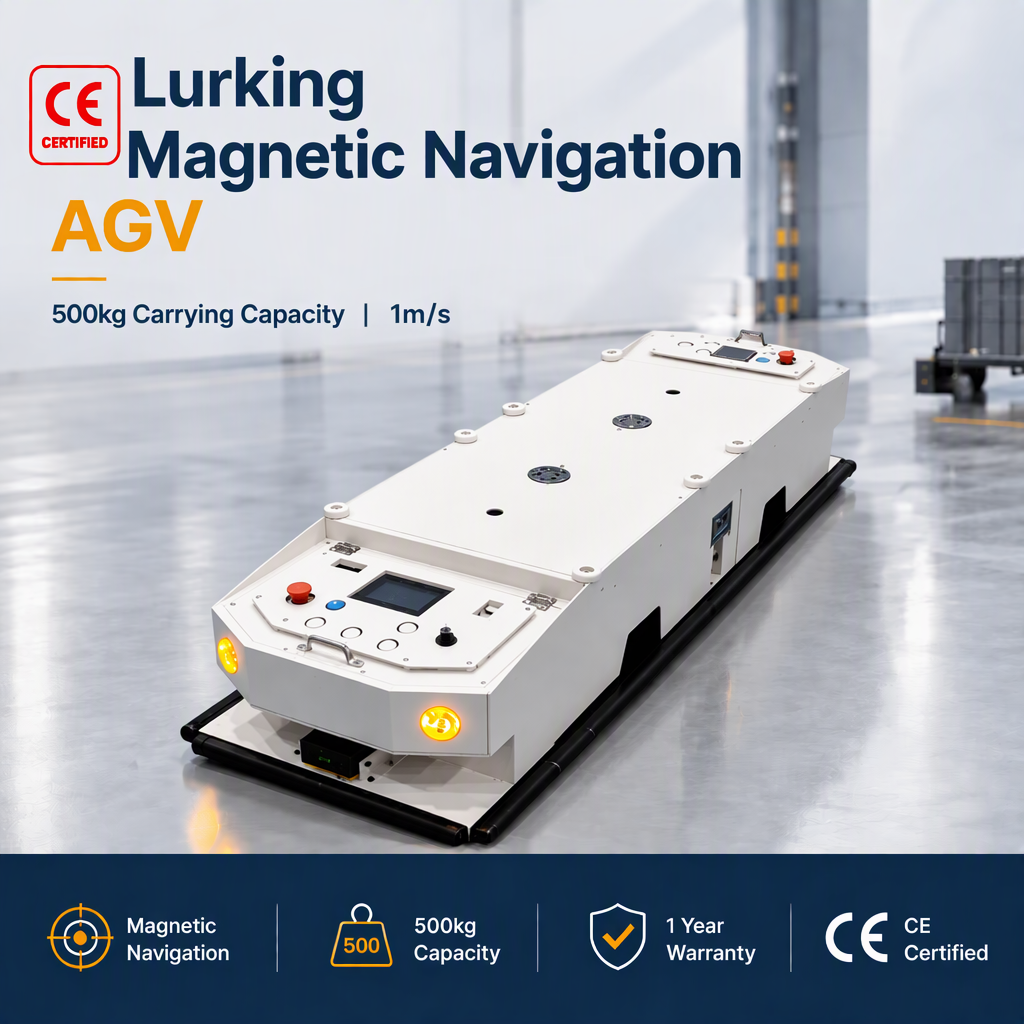
TZBOT EU CE Lurking AGV Material Handling Equipment Logistic Automation 500kg Bidirectional Magnetic Guidance Mobile Robot
Bidirectional magnetic guidance for fixed-route logistics. Dortmund workshops can deploy it quickly for station-to-station movement, using RFID or magnetic markers with encoder feedback for stable speed control.
- 500 kg
- Magnetic guidance
- Bidirectional
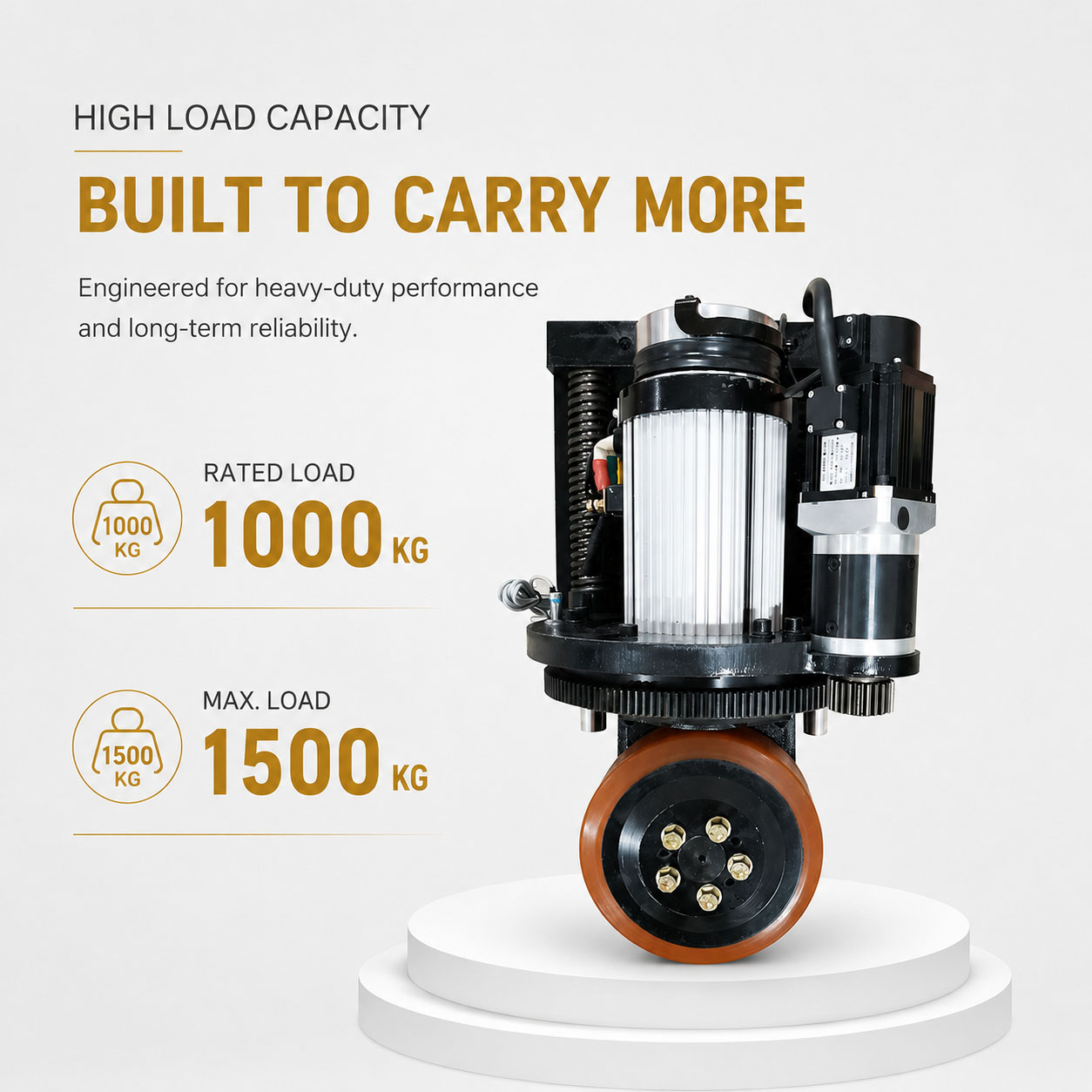
TZBOT 1000KG Bearing Duty 1500w Servo Motor AGV Forklift Driving Wheel with Suspension for Automatic Forklift
Low-speed torque and encoder feedback are valuable for pallet pickup, ramp holding and repetitive trailer moves. Suspension supports traction when the forklift AGV crosses dock plates or uneven concrete.
- 1,500 W servo
- Forklift AGV
- Suspension

TZBOT 48V DC 2 Ton Heavy Duty Differential Unit AGV Wheel TZCS-750-30
A robust differential unit for tow tractors and heavy transfer platforms. It suits Dortmund buyers who need strong traction, accessible maintenance and encoder-matched speed control.
- 2,000 kg
- 48 V DC
- Differential
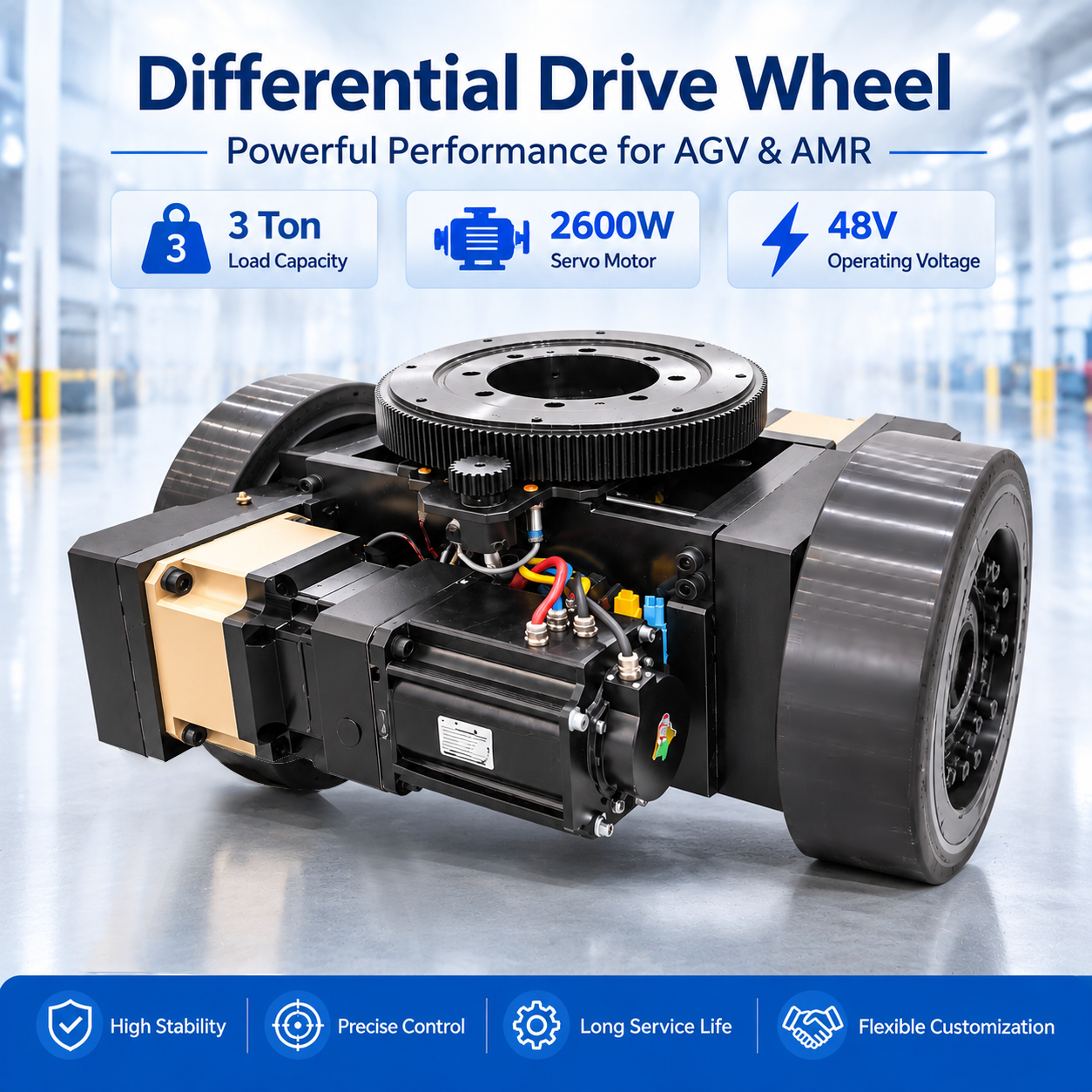
TZBOT Customizable 3000kg Load Capacity agv Wheel Automatic Guided Vehicle Differential Drive Wheel with 2600w 48V Servo Motor
For heavy line-side or port-area transfer, the 2,600 W servo package can be matched with encoder type, reduction ratio, wheel tread and brake. Customization shortens adaptation time for German chassis designs.
- 3,000 kg
- 2,600 W / 48 V
- Customizable
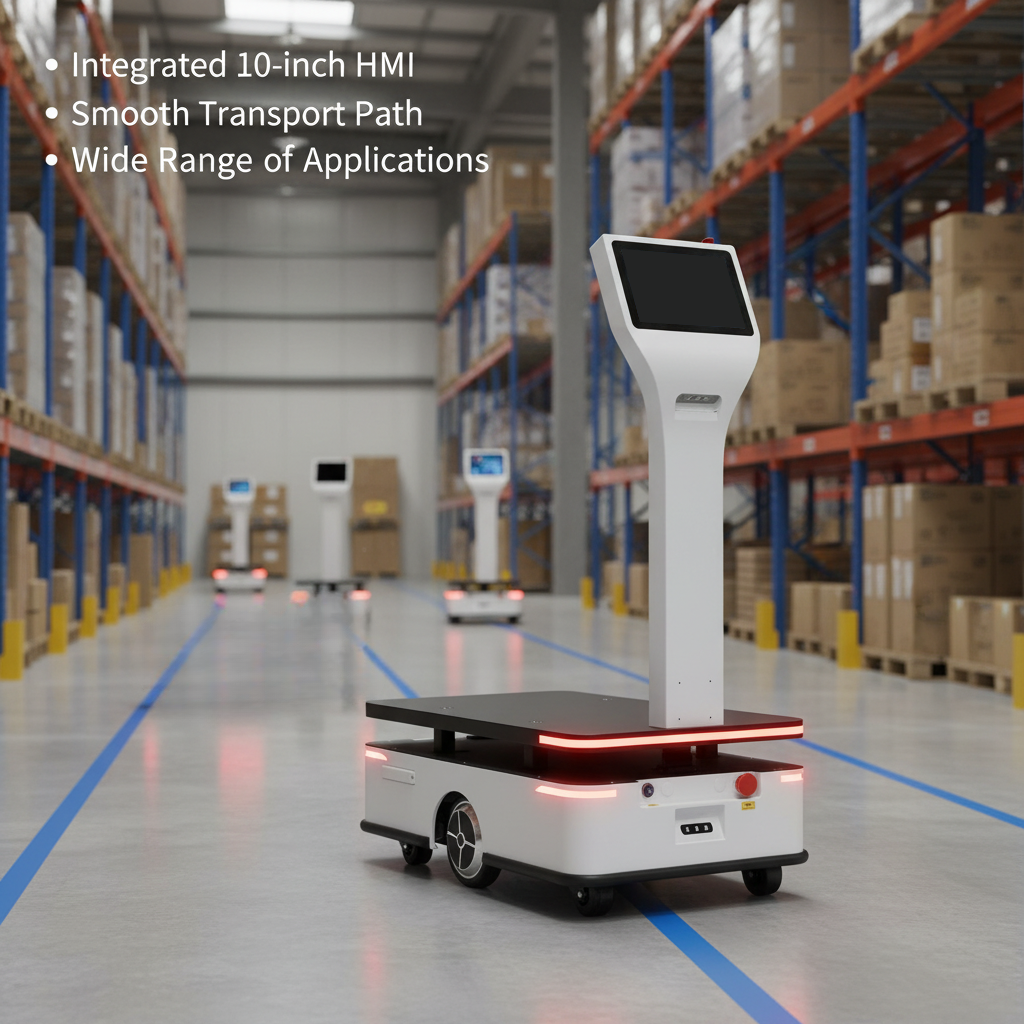
TZBOT Intelligent Warehouse Logistic Robot Unmanned Control System Customizable 80kg Payload agv Transfer Cart Slam Amr
A flexible SLAM AMR for warehouse logistics. Encoder odometry and sensor fusion support route learning, station alignment and safe movement in mixed pedestrian zones.
- 80 kg
- SLAM AMR
- Warehouse
Why Encoder Integration Is a Drive-Train Decision, Not a Catalogue Checkbox
AGV positioning accuracy is rarely decided by encoder resolution alone. Wheel slip, suspension stiffness, tread hardness, floor condition, brake timing and controller tuning can dominate the final result.
For Dortmund OEMs and integrators, the practical advantage of buying from an AGV encoder manufacturer and drive-wheel factory is system matching. A high-resolution encoder can still produce unstable speed feedback if the wheel loses contact at a floor joint. A sealed encoder can still fail if the cable route lacks strain relief. This is why Zhejiang Torqen Technology Co., Ltd. reviews the wheel, motor, reducer, encoder, driver and brake as one motion package — and why prototypes are run for extended periods before production parts are released.
Wheel contact first
Spring suspension and correct tread hardness keep the drive wheel loaded. Stable contact improves encoder speed feedback and reduces controller correction on uneven concrete.
Sealed feedback path
Dust, coolant mist and wash-down zones require protected encoder housings, proper cable glands and strain relief. These details matter in NRW metalworking and multi-shift logistics.
Resolution is not repeatability
Choose encoder resolution after reviewing gear ratio, wheel diameter, controller bandwidth and docking tolerance. Over-specifying can add cost without improving station repeatability.
Brake and holding logic
On ramps, dock plates and safety stops, brake timing must be matched to the servo driver. A tested wheel-driver-encoder set reduces roll-back and fault codes during commissioning.
Where Encoder-Integrated AGVs Fit in Dortmund and North Rhine-Westphalia
Dortmund sits inside one of Europe’s densest industrial and logistics regions. The local opportunity is not only standard warehouse robots; it is the adaptation of drive and encoder technology to real floors, real shift patterns and real integration teams.
Port of Dortmund & multimodal yards
Container, steel and bulk flows need tow tractors and transfer platforms with strong traction. Encoder stability supports controlled acceleration and safe braking when loads shift.
Automotive and Tier-1 suppliers
In the Dortmund–Unna–Hamm corridor, line-side replenishment and sequencing require precise stopping. Servo drive wheels with matched encoders help reduce mechanical tolerance work.
Warehousing along the A2/A45
High-bay, e-commerce and spare-parts hubs need latent AGVs, SLAM AMRs and compact horizontal units. Smooth docking and low maintenance are more valuable than peak speed.
Metalworking and machinery
Machine builders in the Ruhr area often use 2–3 t platforms. Heavy differential wheels, protected encoders and accessible brake service reduce downtime in dusty production halls.
Chemical, energy and utilities
Outdoor-to-indoor transitions and EMC-sensitive environments require matched servo drivers, cable shielding and sealing review. The encoder should be selected with the operating zone in mind.
SME retrofit and mixed fleets
Many Mittelstand plants need a replacement drive unit rather than a complete new robot. Custom encoder, reducer and mounting interfaces help extend the life of existing AGV fleets.
What Dortmund Buyers Are Changing in AGV and Encoder Procurement
Demand in Dortmund is moving from isolated automation cells toward mixed fleets and measurable uptime. That changes the questions buyers ask before they approve a supplier.
Documentation-led procurement
EU buyers increasingly request drawings, test records and material data to support the machine builder’s CE file. Torqen’s ISO 9001:2015 system and traceable production records help this review.
48 V efficiency pressure
Energy costs make drive efficiency visible. Matched servo motors, reducers and drivers can reduce unnecessary current spikes, especially in start-stop warehouse routes.
Labour shortage and multi-shift use
When a robot runs three shifts, maintenance access and spare-part traceability matter as much as payload. Heavy-duty wheels and protected encoders reduce unplanned stoppages.
High-mix customization
Dortmund integrators serve automotive, metal, logistics and SMEs at the same time. OEM/ODM wheel diameter, encoder type, brake and interface customization shortens project cycles.
The most important local development is the shift from “buy a robot” to “buy a maintainable motion package.” Buyers now ask how encoder data will be used for odometry, how a wheel module will be replaced, and how fleet software will handle faults. A sensible validation path is bench test, pilot cell, then multi-shift route review. This lowers the risk of a small feedback fault becoming a full-line stoppage.
Why a Dortmund Engineer Can Work With Torqen Without Adding Integration Risk
Zhejiang Torqen Technology Co., Ltd. was founded in 2015 and operates as a manufacturer and trading company in Zhejiang, China. The factory designs and manufactures AGVs, drive wheel assemblies, DC/AC motors, encoders, reducers, motor controllers, caster and PU wheels, sensors and in-wheel units.

Factory evidence, not just catalogue claims
Torqen is ISO 9001:2015 certified and has been verified onsite by Intertek. The company holds 8 patents, employs a 51–100 person team, and operates a 1,000–3,000 m² factory with annual output in the US$5–10 million range. Five in-house testing instruments support finished-product inspection.
For OEM projects, customization can cover motor power and voltage, reduction ratio, wheel diameter and tread material, encoder type, brake options and mounting interfaces. Prototypes undergo extended-duration testing before production parts are released, which is useful for Dortmund customers who need a transparent sampling stage before series deployment.
One matched drive train
Drive wheel, motor, reducer, encoder, driver, brake and sensor are reviewed together. This reduces compatibility risk between separate vendors.
OEM/ODM customization
Sample-based and design-based customization includes encoder type, voltage, power, reduction ratio, wheel tread and mounting interface.
Tested before shipping
Five testing instruments, finished-product inspection, and extended-duration prototype runs support the release of production parts.
Flexible trade terms
Payment may include T/T, L/C, D/P, D/A, credit card, PayPal, Western Union, cash and escrow. Delivery terms include FOB, CFR, CIF, EXW, CIP, FCA, CPT, DDU and express.
Sensor and controller ecosystem
Magnetic guide sensors, RFID position sensors, lidar and servo/BLDC drivers help create a single-source bill of materials.
Responsive engineering support
The company reports a 97.9% inquiry response rate and a 4.9/5 buyer rating. Technical support covers wiring, parameters and commissioning questions.
How Dortmund Buyers Compare Suppliers and Plan the First Order
For a Dortmund project, compare total landed cost rather than unit price alone. Freight, EU import VAT, customs, spare-wheel stock and commissioning support can outweigh a small hardware difference.
Fixed-route workshop transport
or 1,000 kg horizontal drive unit
Encoder feedback supports speed loop and docking stability
Pallet pickup and ramp holding
or 2 t differential unit
Review low-speed torque, brake timing and wheel slip
Metal, port or production logistics
and 3,000 kg customizable servo wheel
Specify sealing, maintenance access and encoder type for duty cycle
Flexible warehouse and intralogistics
Custom top module available
Use encoder data for route learning and station alignment
Shipping to Dortmund is usually arranged by sea or rail to a European port and then by truck to the Rhine-Ruhr region; express delivery is suitable for samples and urgent spare parts. The original Torqen trade terms include FOB, CFR, CIF, EXW, CIP, FCA, CPT, DDU and express delivery, with payment in USD, EUR, JPY, CAD, AUD, HKD, GBP or CNY. Import VAT and duties are normally handled by the importer unless otherwise agreed. A strong inquiry should include gross vehicle weight, target speed, floor condition, battery voltage, available chassis height, docking tolerance and required documentation.
Questions Dortmund Buyers Ask Before Ordering AGV Encoders and Drive Wheels
Are you a true AGV encoder manufacturer or only a trading company?
Zhejiang Torqen Technology Co., Ltd. is a manufacturer and trading company founded in 2015. It designs and manufactures AGV drive wheel assemblies, DC/AC motors, encoders, reducers, motor controllers, sensors and related drive components. The factory is ISO 9001:2015 certified and has been onsite-verified by Intertek.
Which encoder option should a Dortmund integrator specify for precise docking?
Start with the controller and docking tolerance, not only the encoder line count. Wheel diameter, gear ratio, tread hardness, suspension and brake timing all affect final repeatability. For fixed-route AGVs, magnetic guidance plus encoder speed feedback is often practical; for flexible AMRs, encoder odometry must be reviewed together with SLAM and sensor fusion.
Can Torqen support CE-oriented documentation for Germany?
Torqen can provide product data, drawings, test records and configuration information to support the machine builder’s CE file. Final CE marking of the complete AGV remains the responsibility of the integrator or operator. Dortmund buyers should confirm applicable directives and standards with their safety engineer before series release.
What is the usual delivery path to Dortmund?
Most projects use sea or rail freight to a European port, followed by truck delivery to Dortmund or a Rhine-Ruhr warehouse. Air and express options are available for prototypes and spare parts. Common terms include FOB, CIF, EXW and DDU; please confirm the consignee, customs broker and delivery window before ordering.
Which product fits a 500 kg to 1,000 kg warehouse AGV?
For fixed-route work, the 500 kg EU CE lurking AGV is a direct option. For a custom chassis, the 1,000 kg horizontal drive unit or 1,000 kg servo forklift drive wheel may fit. For arm integration, the 1,000 kg composite robot chassis is appropriate. Share gross weight, speed, floor type, wheel layout and battery voltage for a recommendation.
How do you protect encoder reliability in dust, cold and multi-shift use?
Review enclosure protection, cable gland sealing, strain relief, brake logic and service access at the specification stage. Dortmunder operations that cross cold docks, dusty metalworking areas or wash-down zones should avoid exposed encoder connectors and use a protected cable route. Prototypes can be run for extended periods before production release, and production records support traceable spare-part planning.
Send Your Dortmund Project Data — Get a Drive and Encoder Configuration
Share your payload, target speed, battery voltage, chassis height, floor condition and docking tolerance. Our engineers will recommend a drive wheel, encoder option, servo driver and navigation sensor combination for your Dortmund or NRW application.
Email: info@torqenbot.com Send an Inquiry