Eight AGC & AGV Components Recommended for León Buyers
These eight products cover the practical motion, control, navigation and charging chain used by automatic guided cart projects. Every product image and URL below is retained from the original product catalogue; buyers can request a quotation, drawing or compatibility review before committing to a batch order.
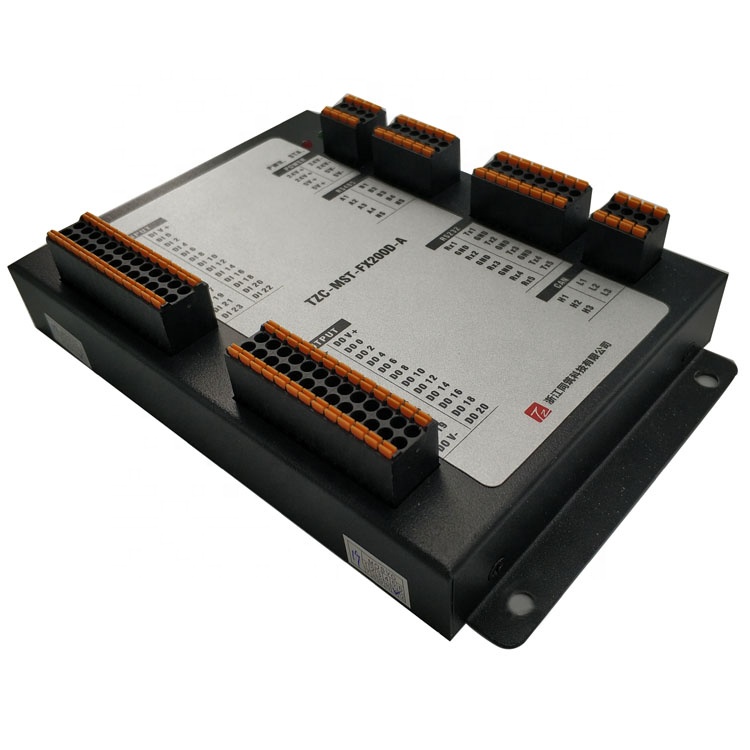
Smart AGV Controller TZC-MST-FX200D-A with Auto Guide
A practical controller for building-material shops, small warehouses and retrofit carts that need reliable auto-guide logic without a full platform redesign.
- Auto guide control
- Retrofit-friendly
- León shop-floor use
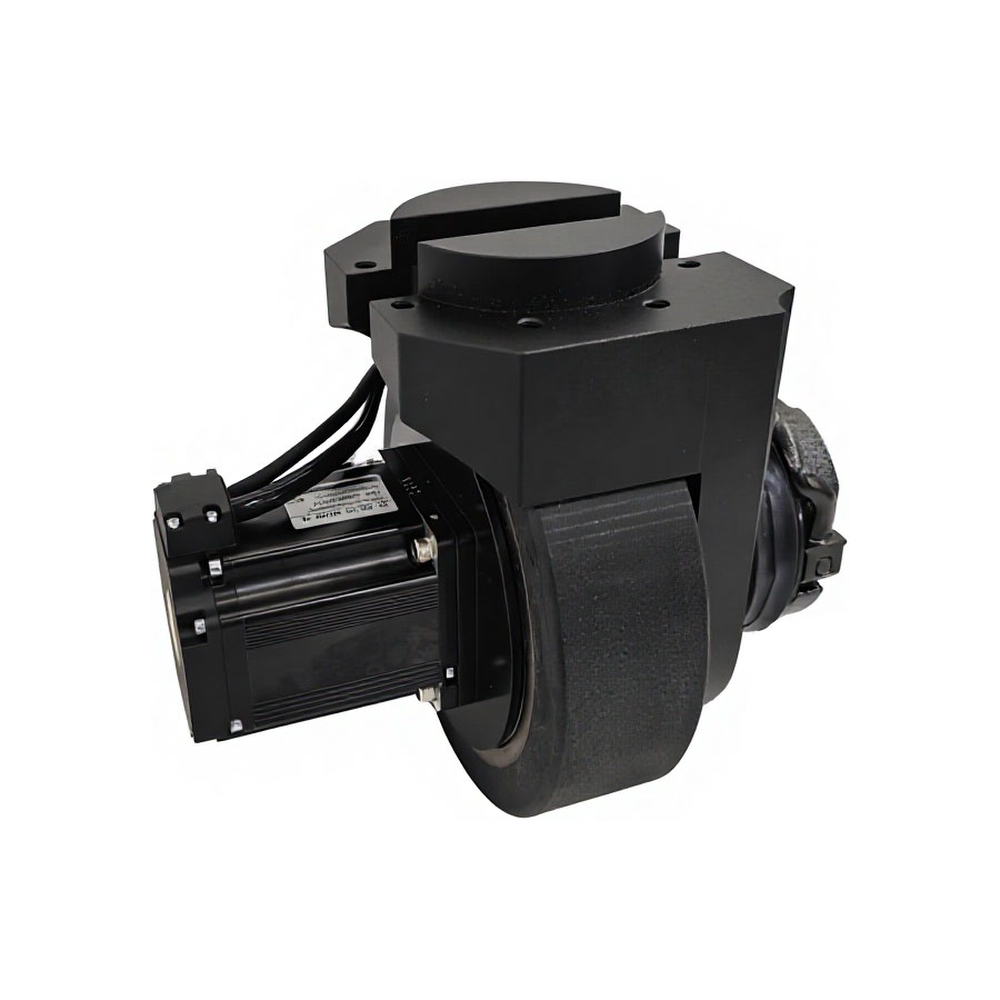
TZBOT 1000kg Bearing Capacity AGV Wheel with 1000W Servo Motor
Horizontal drive wheel assembly for low-clearance chassis, internal material handling carts and compact automatic guided vehicles operating in mixed storage areas.
- 1000 kg bearing
- 1000 W servo
- Low build height
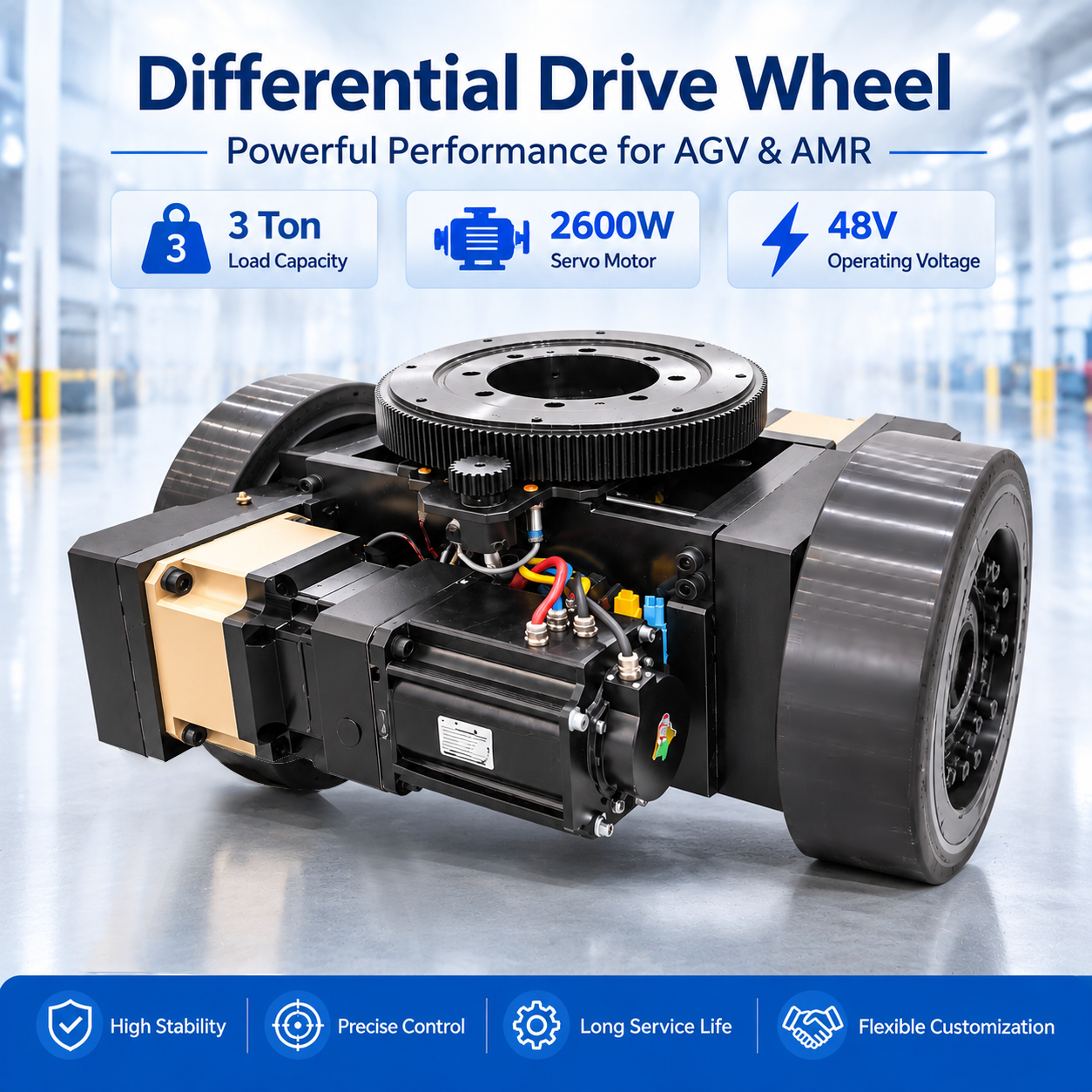
TZBOT Customizable 3000kg AGV Differential Drive Wheel
Heavy-load differential drive unit for pallet transfer, paper and metal handling, and industrial carts that need high traction with controlled turning.
- 3000 kg load
- 2600 W 48 V
- Custom ratio
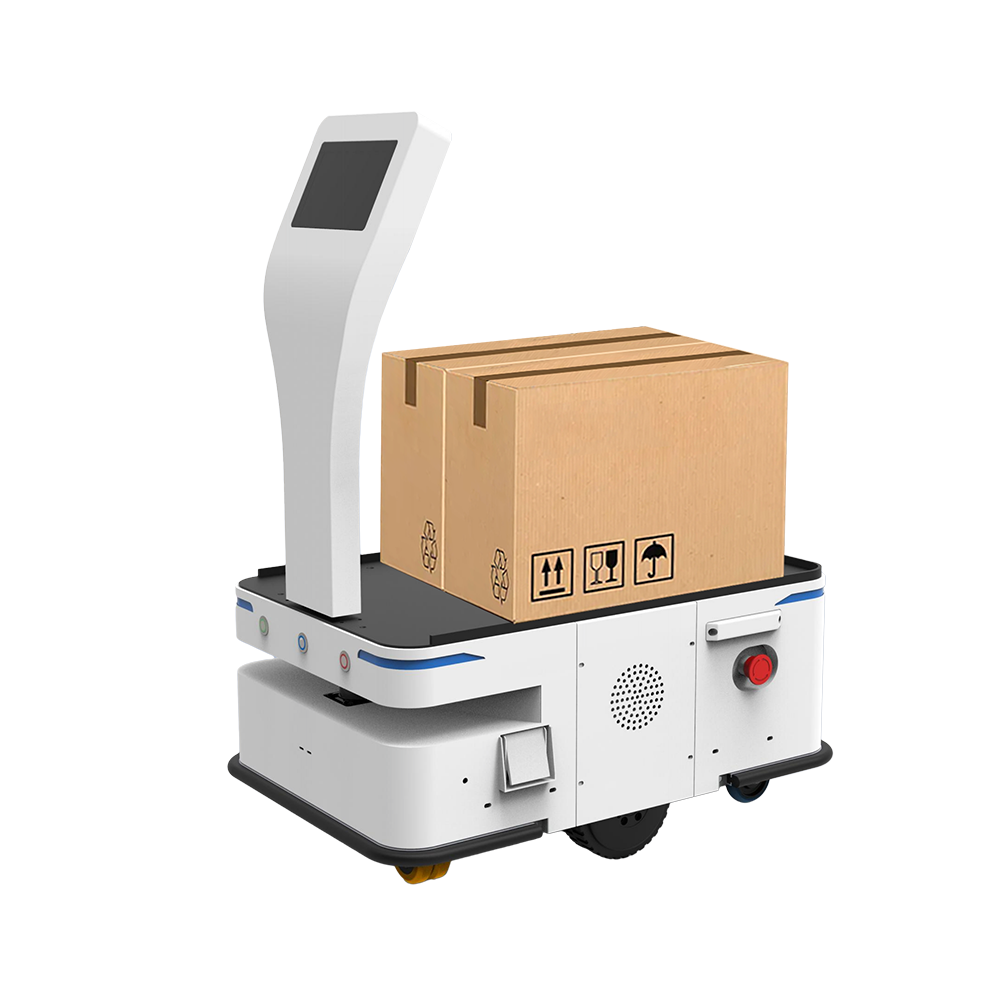
TZBOT Laser SLAM Navigation AMR Robot 80kg
Compact AMR with high-precision laser SLAM guidance and 7-inch HMI for agile material handling in electronics, pharmaceutical and small-parts logistics.
- 80 kg payload
- Laser SLAM
- 7-inch HMI
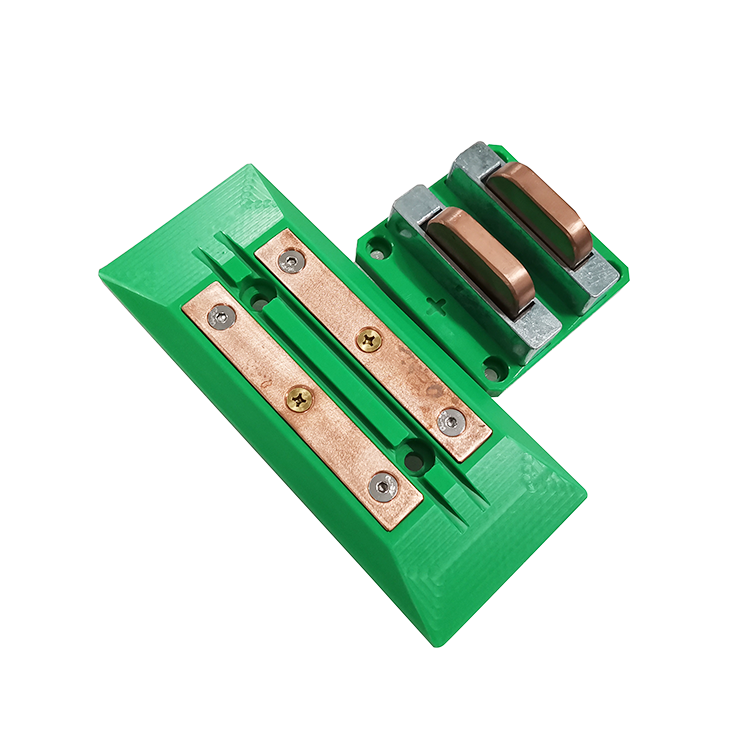
TZBOT Charger Pad TZ-CP-50A with Brush Plate
Automatic charging pad for opportunity charging and unmanned operation. Brush plate and brush block help maintain contact reliability in dusty logistics areas.
- Automatic charging
- Brush plate
- Fleet uptime
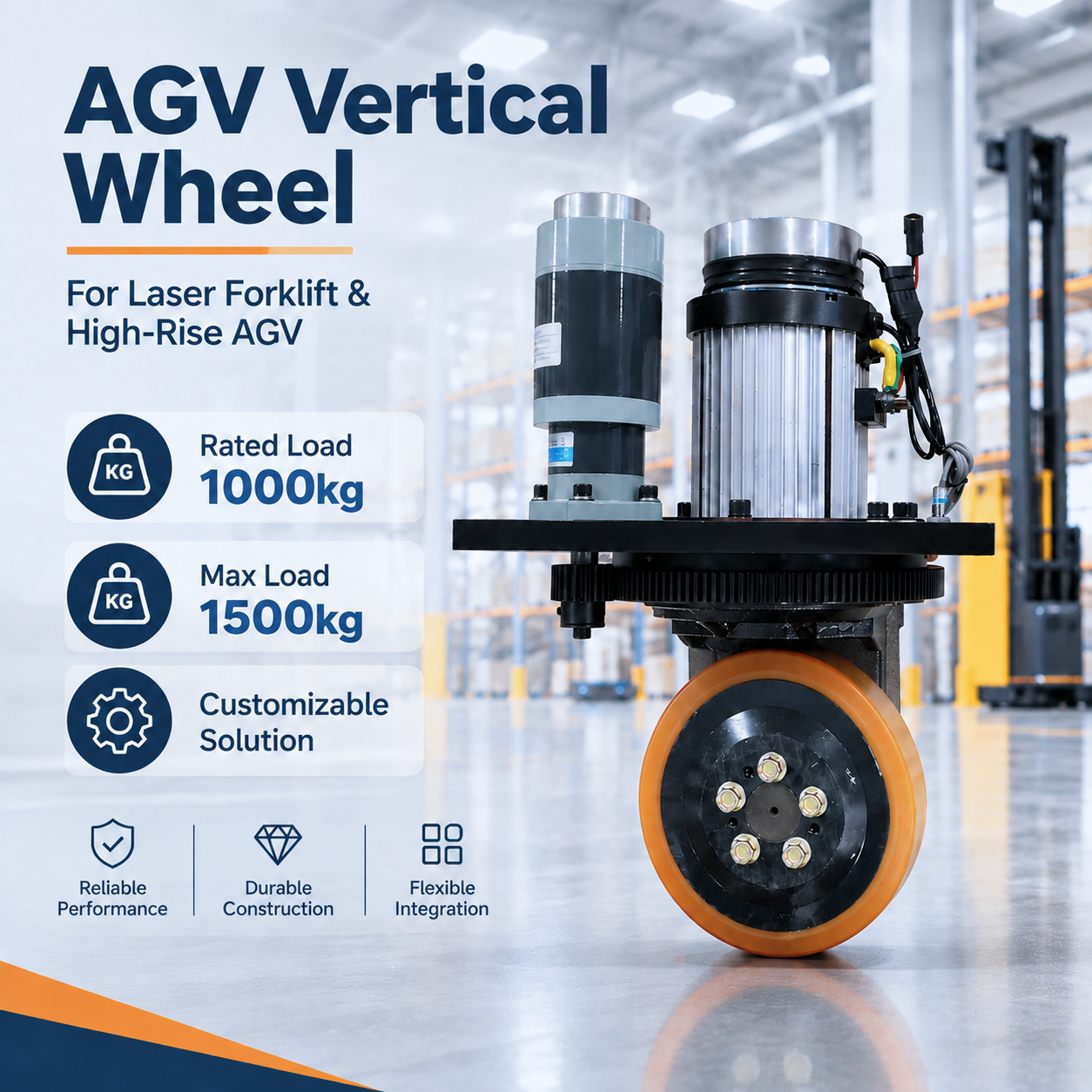
TZBOT 2590r/min Vertical Driving Unit Electric Traction Wheel
Vertical traction wheel for steering forklift accessories, tricycle-type AGVs and tow tractors requiring controlled steering and compact mounting.
- 1500 W
- 2590 rpm
- Steering support
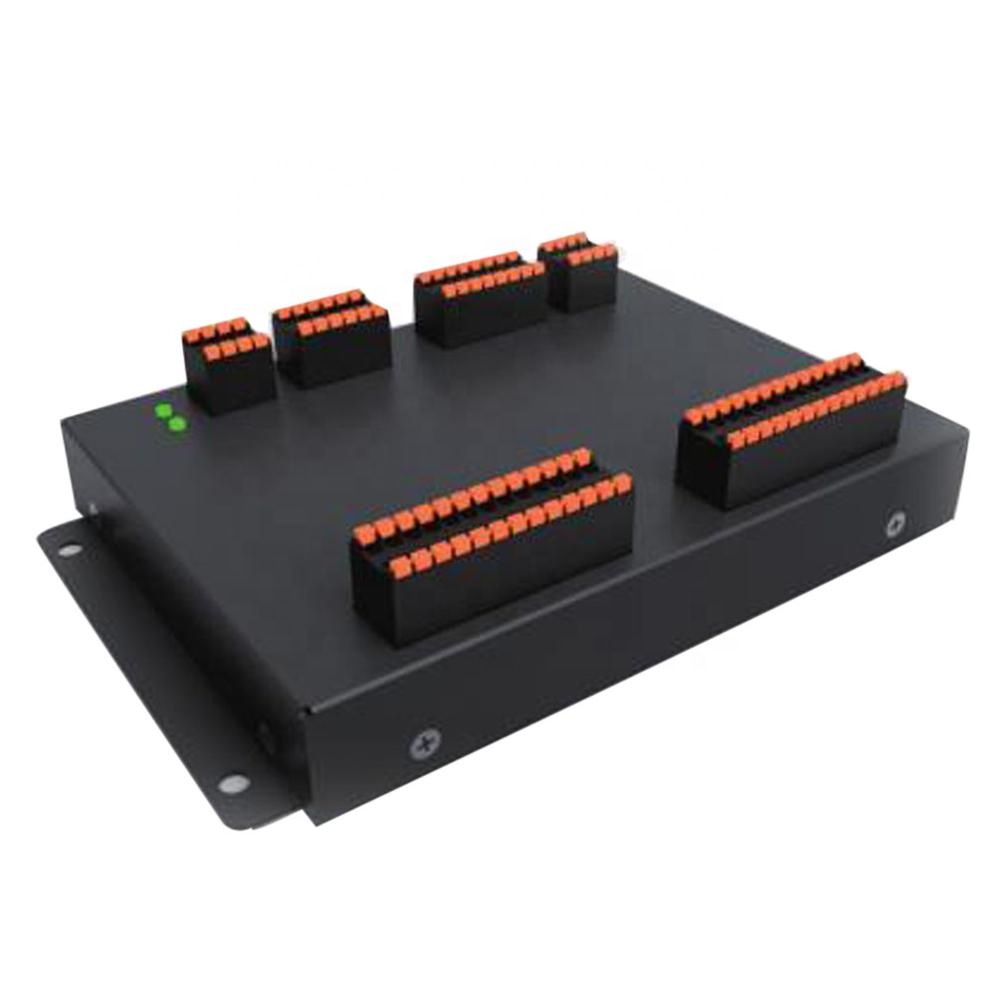
TZBOT Smart Controller TZC-MST-FX200D-A for AGV Robots
Smart controller for guiding AGV robots, useful for OEMs building new automatic guided carts or updating an existing control cabinet.
- AGV guidance
- OEM integration
- Compact control
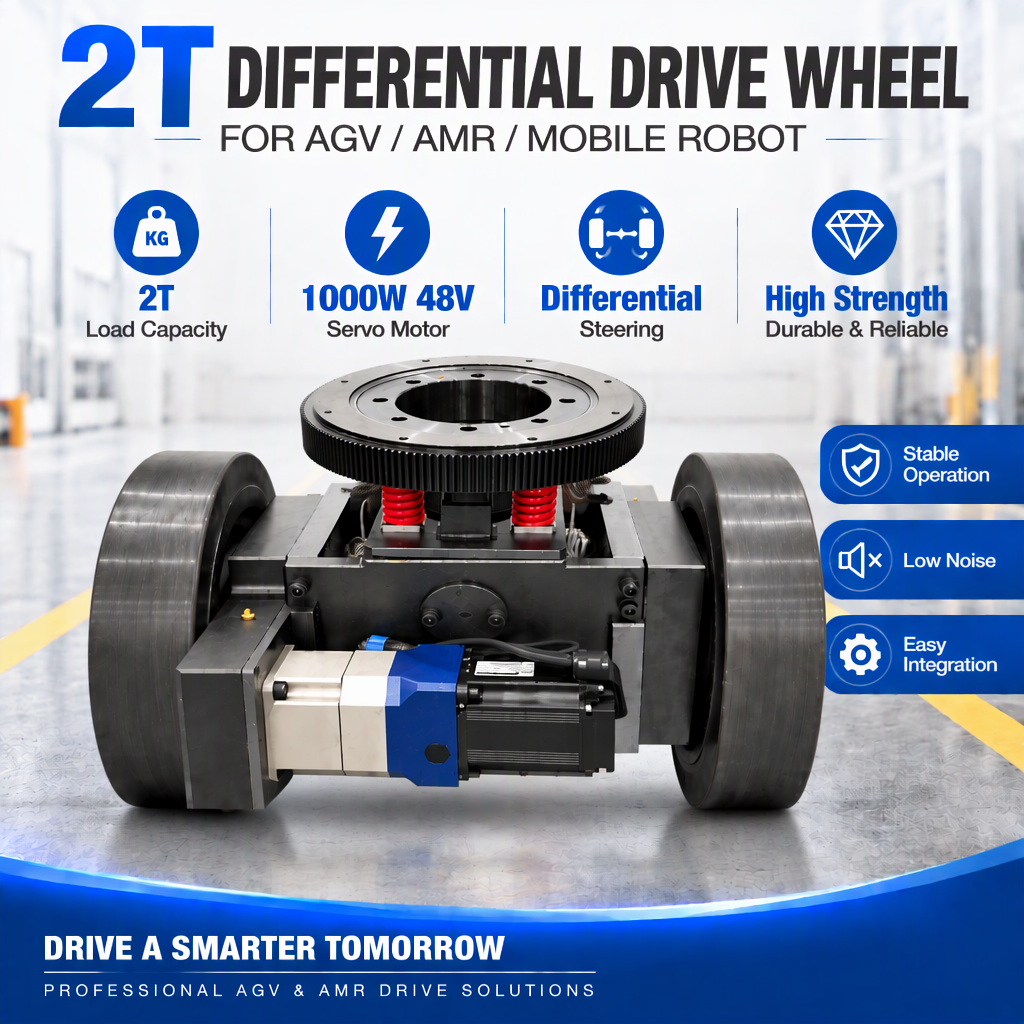
TZBOT 2000kg Traction Capacity Differential Steering Drive Wheel
Differential steering drive wheel for logistics robots that combine straight-line traction with controlled turning in medium-load warehouse routes.
- 2000 kg traction
- Differential steering
- Logistics robot
What León Buyers Should Verify Before Ordering an Automatic Guided Cart
The search intent behind “China top automatic guided cart factory & wholesaler serving the León market” is rarely about finding the lowest quotation alone. Serious buyers need a supplier who can reduce commissioning risk, document the drive train, and support Spanish-speaking engineers during integration.
Lowest price is not the same as lowest total cost
An automatic guided cart is a mobile machine, not a commodity cart. A wheel that is undersized for the real payload can overheat; a controller that is not matched to the motor can create jerky acceleration; a charger pad that tolerates too little misalignment can turn a simple opportunity-charging routine into a daily maintenance issue. For León buyers, the practical question is not “Who sells the cheapest drive wheel?” but “Which factory can provide a traceable, tested and replaceable drive train that local maintenance teams can understand?”
This is where the factory-wholesaler model creates value when it is managed properly. Zhejiang Torqen Technology Co., Ltd. designs and manufactures AGV drive wheel assemblies, motors, reducers, controllers and navigation sensors, and has supplied automation builders since 2015. The advantage is not simply a lower unit price; it is the ability to match wheel diameter, gear ratio, encoder, brake and driver parameters before shipment. That reduces the trial-and-error phase that often consumes engineering time after a container arrives in Spain.
Where a China factory-wholesaler model creates real value
For León system integrators, the strongest use cases are modular cart platforms, replacement drive units, low-volume OEM batches, and maintenance programmes for mixed fleets. A wholesaler can consolidate drive wheels, controllers, charger pads, sensors and spare parts into one shipment, simplifying documentation and reducing the number of suppliers that must be audited. However, buyers should still request drawings, inspection records, test data and a clear Incoterm before purchase. A reliable supplier welcomes these requests because they clarify the engineering interface and prevent disputes later.
The local procurement context in León also matters. Buyers often compare a China factory quote with EU distributors, local integrators and second-hand equipment. The China factory route can be attractive for custom drive wheels and OEM components, while EU distributors may be preferable for urgent replacement parts or non-standard service visits. A balanced sourcing strategy often uses a China manufacturer for engineered components and a local partner for fast-moving spares. The key is to specify the interface, documentation and warranty clearly from the start.
Five data points that shorten the technical review
- Gross vehicle weight: empty cart weight plus maximum payload, not just the rated load.
- Target speed and acceleration: average speed, maximum speed and preferred ramp behaviour.
- Battery voltage and drive topology: 24 V, 48 V or another platform voltage, plus differential, steering or horizontal assembly.
- Route and floor conditions: gradients, expansion joints, dust, cold-store zones, wash-down areas or ramps.
- Safety and documentation: required CE marking route, risk-assessment responsibilities, Spanish manuals and spare-parts list.
Send these five points with your first inquiry and the engineering discussion becomes much more precise. It also gives the factory a defensible basis for recommending motor power, reduction ratio, wheel tread and sensor configuration.
Automatic Guided Cart Use Cases in León and Castilla y León
León is not a single industry. It combines agri-food production, automotive components, logistics, consumer goods and public services. That variety rewards a modular cart platform that can be adapted with different drive wheels, sensors and charging routines.
Automotive component plants
Towing, kitting and line-side replenishment require predictable traction. Heavy-duty differential wheels and matched drivers help carts handle steel totes and assembly parts.
Agri-food and cold chain
Carts moving pallets between cold stores and packing halls need sealed connectors, appropriate tread and reliable charging in low-temperature areas.
Footwear, leather and consumer goods
León’s consumer-goods warehouses often use repeating pick-and-replenish routes. Magnetic guide carts and QR-navigation AMRs can reduce walking time.
Pharmaceutical and medical distribution
Traceability and smooth acceleration matter. Servo-driven wheels, RFID station recognition and controlled charging support clean, repeatable routines.
Retail and e-commerce fulfilment
Goods-to-person grids and batch picking need compact AMRs. Laser SLAM and QR navigation can coexist with existing racking and sortation systems.
Heavy pallets: metal, paper and packaging
High-traction wheels and robust controllers help carts move dense loads without wheel slip or excessive current draw during starts and stops.
Logistics and cross-docking hubs
Flexible routes around León’s road corridors favour laser SLAM or hybrid navigation, while fixed lanes can use magnetic tape for fast deployment.
Export-oriented factories
Factories that export across Europe need documentation, repeatable component quality and spare-parts continuity to keep automated lines running.
What Is Changing in Automatic Guided Cart Procurement
Buyers in León are moving from isolated automation experiments to repeatable, serviceable fleets. That shift changes what “factory price” should include.
From fixed routes to hybrid navigation
Magnetic tape remains cost-effective for stable lanes, but laser SLAM and QR code navigation are increasingly requested where layouts change. A supplier should explain how sensors coexist rather than forcing one technology.
Modular carts beat one-off machines
Instead of a unique custom cart for every process, León buyers are asking for modular drive units, controllers and sensor kits that can be reused across departments.
Safety documentation is part of the purchase
European buyers need risk-assessment input, emergency-stop logic, bumper and lidar choices, and clear responsibilities for CE marking. The component supplier should provide technical information, not silence.
Serviceability matters as much as payload
Wheel tread replacement, encoder access, brake adjustment and charger alignment all affect uptime. Look for a spare-parts list and a design that local technicians can maintain.
Energy efficiency enters the business case
Matched motor, reducer and driver combinations reduce current spikes and wasted heat. Opportunity charging with a reliable pad can also lower battery stress.
Spanish-language support reduces friction
León buyers value clear communication during layout review, parameter setting and after-sales troubleshooting. Ask for wiring diagrams, parameter files and manuals in accessible English or Spanish.
Match the Drive Wheel and Navigation Sensor to the Route
Use this practical comparison to prepare a technical brief before contacting a factory. It is written for engineers who need a defensible starting point, not a generic catalogue description.
Drive Wheel Configurations
| Type | How it steers | Best fit |
|---|---|---|
| Differential drive unit | Two wheels driven independently; rotation comes from speed difference. | Latent, jacking and compact carts with tight turning needs. |
| Single steering drive wheel | Drive motor plus a steering motor sets the wheel angle. | Forklift AGVs, tricycle chassis and tow tractors. |
| Horizontal drive assembly | Motor mounted horizontally for a low deck height. | Low-clearance carts and under-ride material handling vehicles. |
| Vertical traction wheel | Compact vertical layout with steering support. | Steering forklift accessories and medium-load special vehicles. |
Navigation and Positioning
| Method | Infrastructure | Best fit |
|---|---|---|
| Magnetic guide sensor | Magnetic tape on the floor. | Fixed routes, low cost and fast deployment. |
| RFID position sensor | RFID tags at stations. | Station recognition, speed zones and junctions. |
| QR code navigation | Floor QR grid. | Goods-to-person grids and dense warehouse layouts. |
| Laser SLAM / lidar | Natural features; no floor tape required. | Flexible routes and frequent layout changes. |
Inside Zhejiang Torqen Technology Co., Ltd.
Authoritativeness should be inspectable. The company was founded in 2015 in Zhejiang, China, operates as a manufacturer and trading company, and supports OEM/ODM buyers with drive-wheel and motion-control engineering. Its quality management system is certified to ISO 9001:2015 and its facility has been onsite-verified by Intertek.
One supplier for the complete motion chain
Torqen designs and manufactures automatic guided vehicles, AGV drive wheel assemblies, DC and AC motors, encoders, reducers, servo and BLDC motor controllers, magnetic guide sensors, RFID position sensors, lidar sensors, caster and PU wheels, and in-wheel motor units. That breadth matters for León integrators because a single technical contact can compare the wheel, driver and sensor behaviour together rather than treating each part as an isolated purchase.
The company reports a factory size of 1,000–3,000 m², a team of 51–100 people and annual output in the US$5M–10M range. It holds eight patents and uses five in-house testing instruments for finished-product inspection. Prototypes are subjected to extended-duration testing before production parts are released. For buyers, these are not just marketing statements: they are the questions to validate during a factory audit, sample approval and first-article inspection.
OEM/ODM customization without losing traceability
Customization options include motor power and voltage, reduction ratio, wheel diameter and tread material, encoder type, brake options and mounting interfaces. Buyer-label packaging and design-based customization are also available. The practical benefit for León buyers is the ability to adapt a proven drive platform to a Spanish cart design while retaining serial numbers, inspection records and spare-parts references. That is more useful than a generic “customized” claim because it supports maintenance planning after commissioning.

Company facility and production support for AGV drive components.
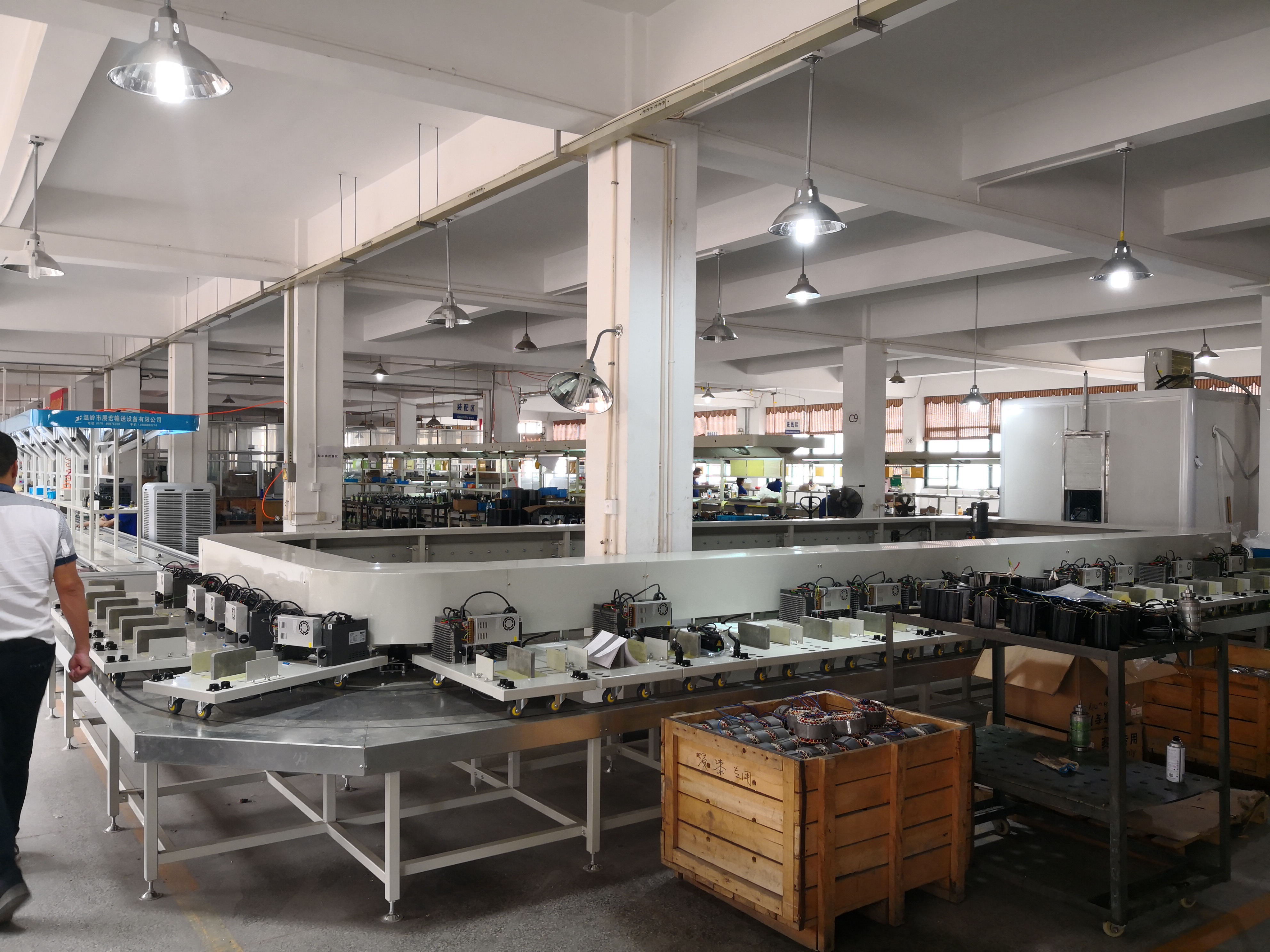
Drive-wheel assembly workshop and component handling.
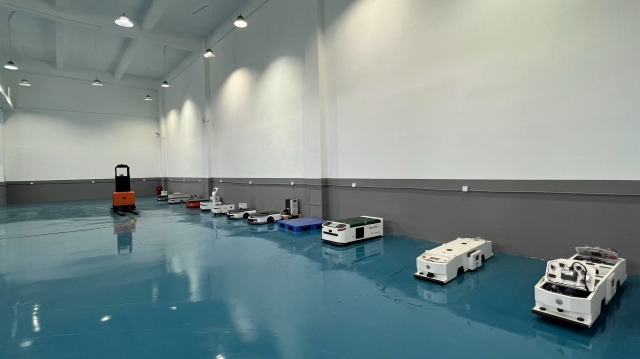
Testing and inspection before export packing and shipment.
ISO 9001:2015
Quality management system certification for manufacturing and inspection workflows.
Intertek Onsite Verified
Facility assessment evidence available for serious buyers to review.
8 Patents
In-house development around drive units, controllers and motion components.
5 Testing Instruments
Finished-product inspection and extended-duration prototype testing.
OEM / ODM Support
Sample-based customization, design-based customization and buyer-label packaging.
51–100 Team
Engineering, production, quality and export support for global buyers.
Factory Advantages That Matter to León Integrators
For a wholesaler enquiry, evaluate the supply chain behind the quotation. These four advantages are the practical reasons buyers request samples from Torqen rather than buying isolated parts from several traders.
Matched drive-train engineering
Wheel, motor, reducer and driver are reviewed together. This reduces mismatch risk and gives your engineers a single interface for drawings and parameters.
Practical customization
Motor power, voltage, reduction ratio, wheel diameter, tread material, encoder, brake and mounting interface can be adapted to a defined application.
Testing before shipment
ISO-controlled manufacturing, finished-product inspection, five in-house testing instruments and extended-duration prototype runs support buyer confidence.
Export-ready support
Payment and delivery terms are flexible, with shipping options suited to Spanish buyers and an after-sales process built around spare parts and fault analysis.
From León Specification to Factory Shipment in Six Steps
A clear process reduces sampling delays. The sequence below reflects the information a serious drive-component factory should request before releasing a production order.
Requirement review
Review payload, speed, gradient, wheel diameter, battery voltage, chassis height, route conditions and required documentation.
Engineering proposal
Match motor, reducer, wheel and driver; share drawings and interface data for the buyer’s mechanical and electrical teams.
Prototype build
Produce a sample or design-based customization for fit checks, parameter testing and local trial preparation.
Endurance testing
Run extended-duration tests and inspect critical parameters before approving the design for production.
Mass production
Manufacture under ISO 9001:2015 controls with traceable materials, assembly records and finished-product inspection.
Inspection and delivery
Complete final inspection, export packing and shipping arrangements under the agreed Incoterm for the León destination.
Payment, Delivery and Documentation for León Orders
Confirm every commercial detail in the quotation. The terms below reflect the supplier’s published capabilities, but the final contract, HS classification, import VAT and customs treatment must be verified with your freight forwarder or customs broker.
Payment Methods
- T/T
- L/C
- D/P
- D/A
- MoneyGram
- Credit card
- PayPal
- Western Union
- Cash
- Escrow
Delivery Terms
- FOB
- CFR
- CIF
- EXW
- CIP
- FCA
- CPT
- DDU
- Express
Currencies & Documents
- USD
- EUR
- JPY
- CAD
- AUD
- HKD
- GBP
- CNY
- Commercial invoice
- Packing list
- Test records
Questions León Buyers Ask Before Purchasing
These are the practical questions that appear in procurement, engineering and maintenance conversations. Answers are written to help buyers prepare a better inquiry rather than to replace a formal technical agreement.
Can you ship automatic guided cart components to León, Spain?
Yes. The supplier supports export delivery terms including FOB, CFR, CIF, EXW, CIP, FCA, CPT, DDU and express delivery. For León buyers, confirm the final destination address, preferred Spanish port or inland hub, Incoterm, package dimensions and whether import VAT and duties are to be paid by the buyer. Use a customs broker to confirm the correct HS code and compliance requirements for the complete machine.
Which component should I specify first: drive wheel, motor, driver or sensor?
Start with the cart’s mechanical and safety requirements: gross weight, maximum speed, gradients, wheel diameter, chassis height, braking and turning method. Then match the drive wheel and motor. The driver follows the motor’s voltage, current and encoder requirements. Navigation sensors should be selected after the route strategy is clear. Sending all five values together avoids a chain of incompatible component choices.
Are these drive wheels compatible with an existing AGV chassis?
Compatibility depends on mounting pattern, wheel diameter, load rating, output shaft, brake, encoder and available space. Torqen offers sample-based and design-based customization, so a buyer can request a drawing review before ordering. Provide photos, CAD files or a measured mounting sketch. A factory that does not ask for these details cannot responsibly confirm fit.
Do you provide CE documentation and Spanish manuals?
Component suppliers can provide technical information, drawings, declarations and test records that support the machine builder’s CE process. However, the final CE marking of the complete automatic guided cart remains the responsibility of the machine manufacturer or integrator placing it on the EU market. Ask for the specific documents you need before purchase, and clarify who is responsible for risk assessment, safety functions, translation and installation checks.
What about 24 V, 48 V and local charger voltage?
AGV and AMR drive platforms commonly use 24 V or 48 V DC batteries, while the charger may be fed from a local AC supply. The buyer must specify the battery chemistry, nominal voltage, charging profile, connection method and site power supply. Do not assume a charger pad alone solves the AC side; the complete charging system must be reviewed by an electrical engineer.
What is the MOQ and lead time for samples and batch orders?
MOQ and lead time vary by product and customization level. Standard catalogue parts, customized wheel assemblies, controller variants and complete AMR units have different production cycles. Ask for a written lead time that includes drawing approval, sample production, testing and export packing. If the project has a tight commissioning date in León, request the factory’s production schedule and agree on a milestone plan before paying a deposit.
How are spare parts and after-sales support handled?
Request a recommended spare-parts list with the initial order: wheel treads, sensors, charger contact components, fuses, connectors and critical controller spares. Confirm the warranty period, failure-analysis process, replacement lead time and technical contact. The supplier states 24/7 online support and a 97.9% inquiry response rate; buyers should still document communication channels and escalation contacts in the purchase agreement.
Is a China factory-wholesaler suitable for a first automation project in León?
It can be suitable when the project is technically well defined and the buyer has access to local integration support. A first project should not rely on price alone. Request references, drawings, inspection records, sample testing and a clear interface-responsibility matrix. For urgent, high-risk production lines, a hybrid approach is often sensible: use the factory for engineered components and maintain a local partner for emergency service and rapid spare-parts supply.
Send Your León Automatic Guided Cart Specification
Tell us the payload, speed, route, battery voltage, chassis height and required documentation. Our engineering team can recommend a matched drive wheel, controller, sensor and charging configuration, then prepare a factory-direct quotation for delivery to Spain.
Zhejiang Torqen Technology Co., Ltd. · Hangzhou, Zhejiang, China · ISO 9001:2015 · Intertek onsite-verified · OEM/ODM support
