Eight Robot Drive Components Recommended for Japan Automation Projects
These are the core drive, traction, chassis, and AMR products most relevant to Japanese AGV/AMR builders. Each product link is preserved. Final selection should be confirmed against payload, speed, ramp grade, wheel diameter, battery voltage, chassis height, duty cycle, and maintenance strategy.
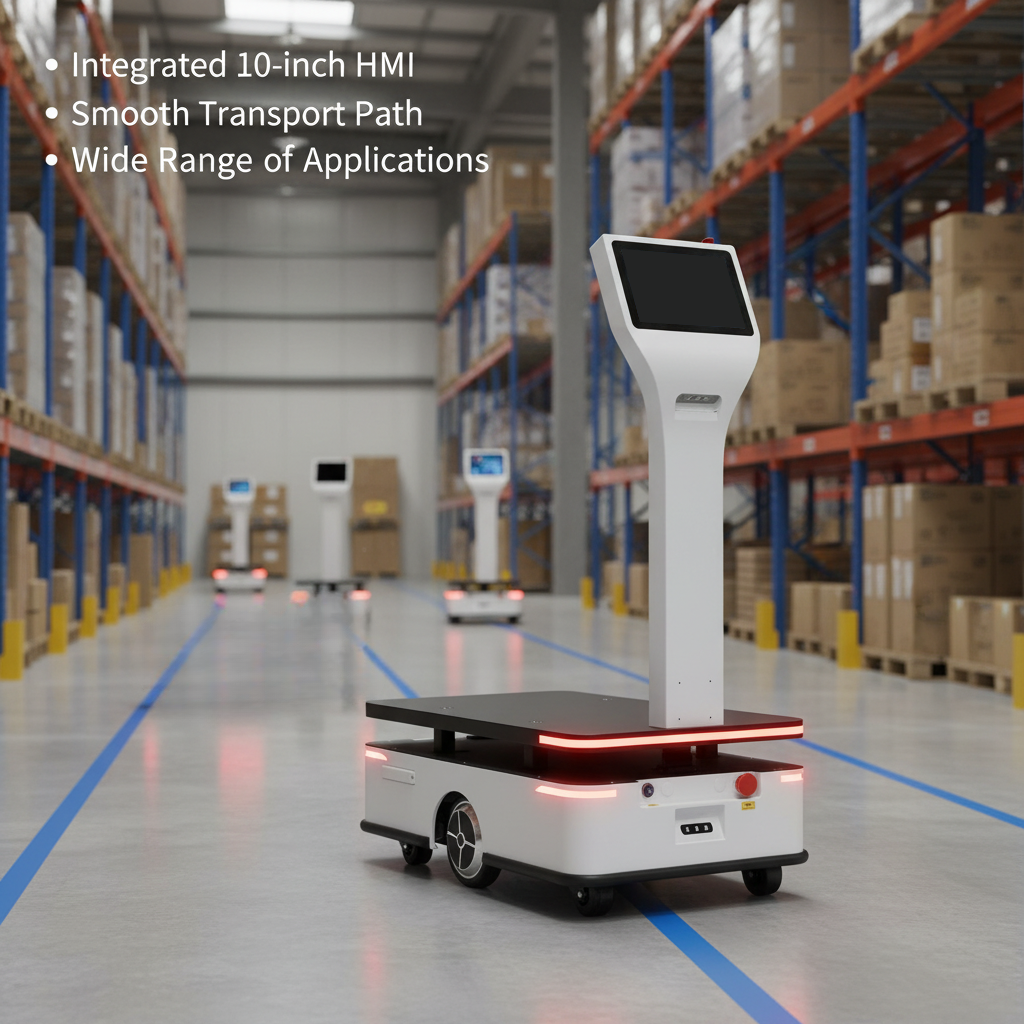
TZBOT Intelligent Warehouse Logistic Robot Unmanned Control System Customizable 80kg Payload AGV Transfer Cart SLAM AMR
Best-fit role: compact 80 kg SLAM AMR transfer carts, flexible warehouse routes, and projects where quick layout changes matter more than fixed magnetic tape.
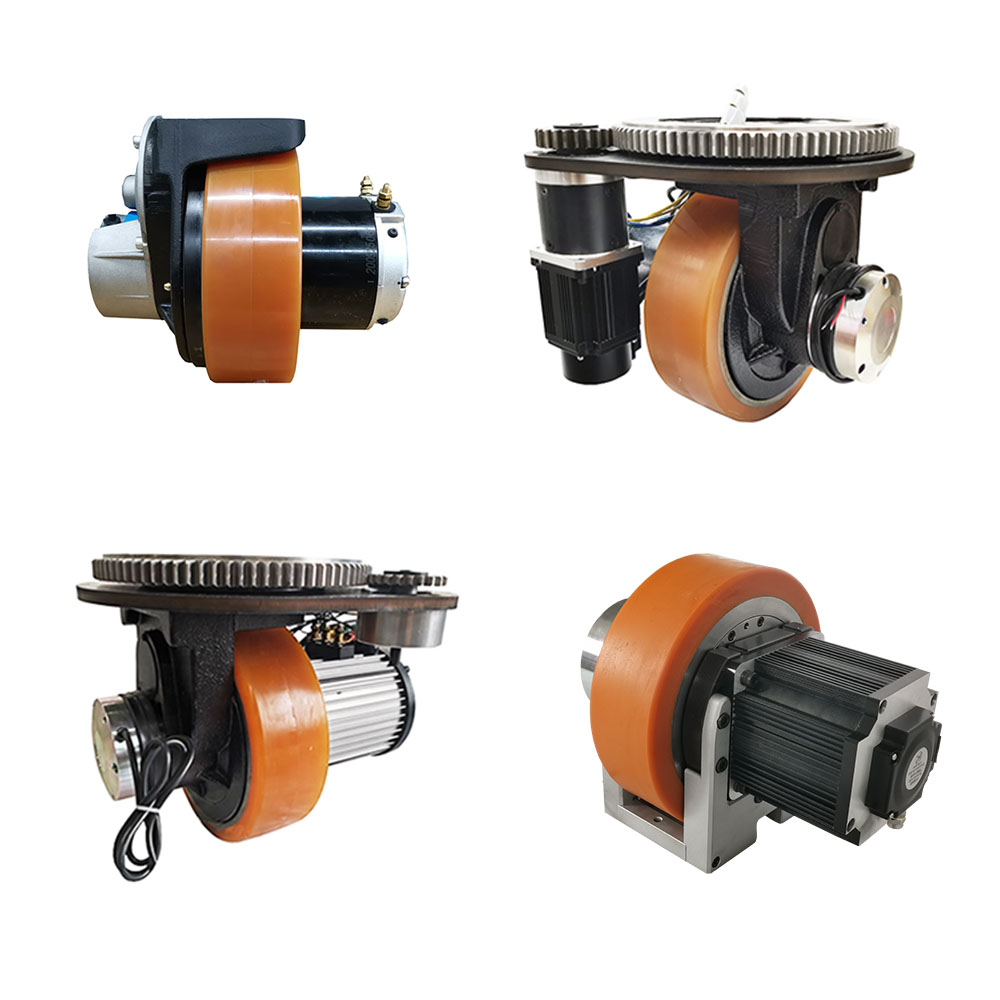
TZBOT 750W 1000KG Load Capacity Horizontal Drive Wheel Assembly AGV Wheel for Wholesale Automated Guided Robot
Best-fit role: low-clearance AGV chassis with up to 1,000 kg load capacity, where horizontal motor placement saves valuable vertical height.
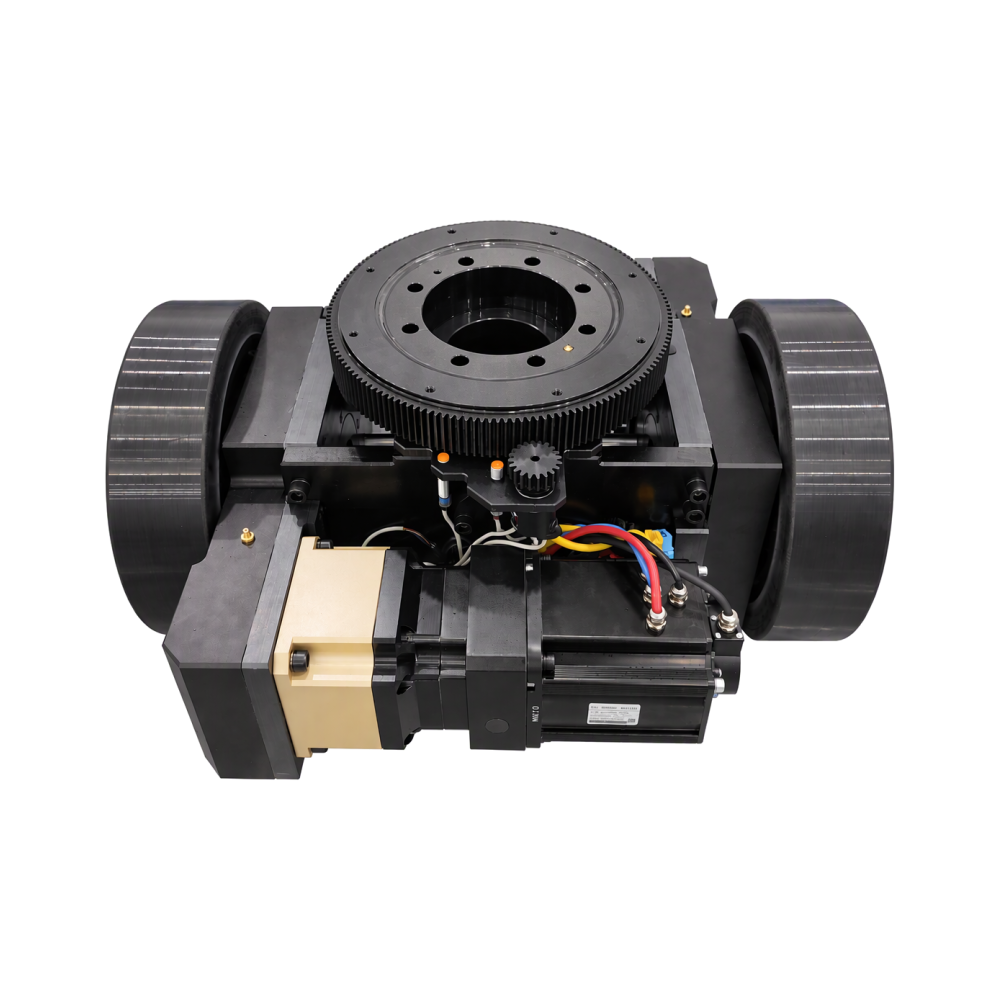
TZBOT Heavy Duty Series Robot Wheel 3000kg Bearing Capacity AGV Material Handling Equipment Differential Drive Wheel Assembly
Best-fit role: 3,000 kg material handling platforms, heavy automotive parts movement, and robust differential-drive industrial robots.
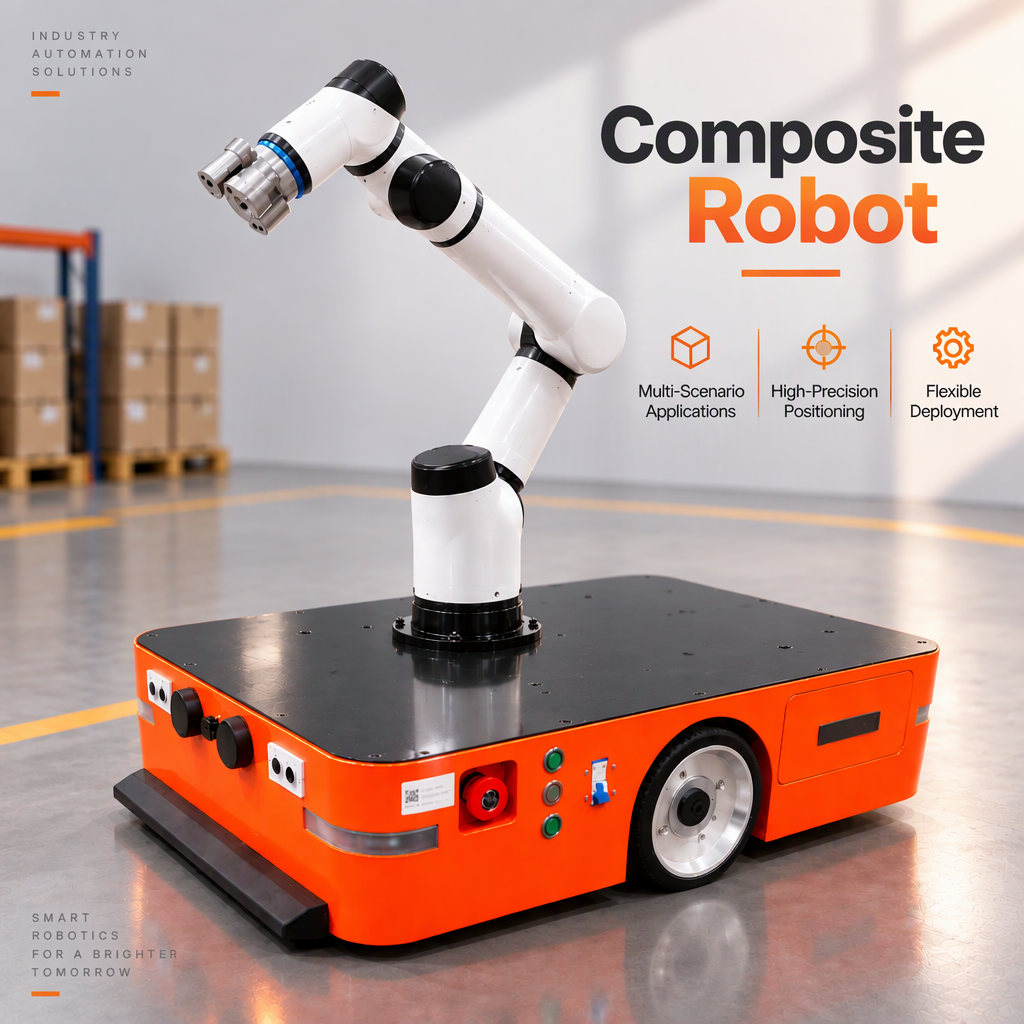
TZBOT Backpack AGV 200kg Load Capacity Chassis Magnetic Guidance Composite Robot with Robotic Arm
Best-fit role: 200 kg backpack AGV platforms combining magnetic guidance with robotic arm integration for composite automation cells.
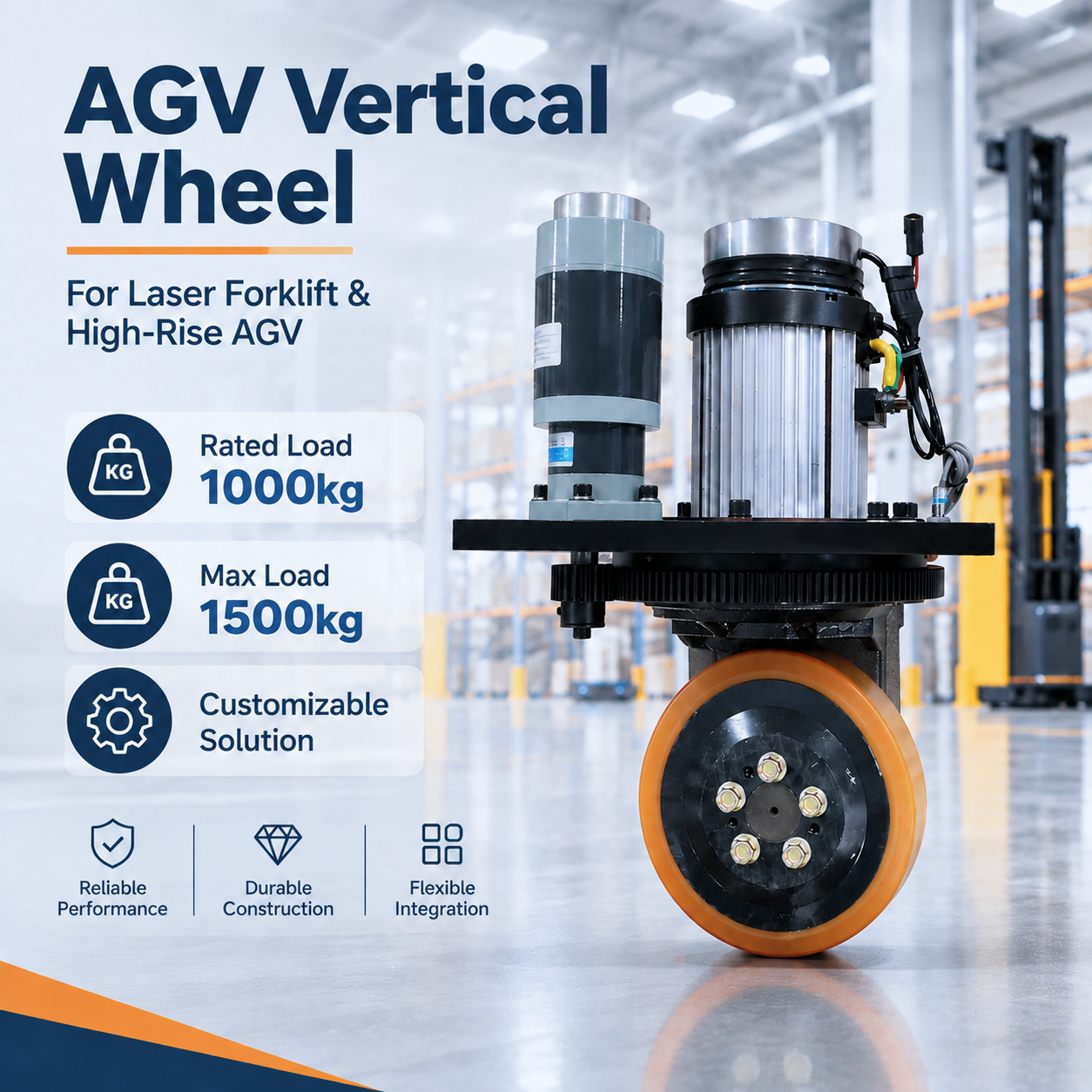
TZBOT 2590r/min Vertical Driving Unit Electric Traction Wheel 1500W Steering Forklift Accessories
Best-fit role: 1,500 W vertical traction and steering layouts for forklift accessories, airport equipment, and controlled steering-angle AGV designs.
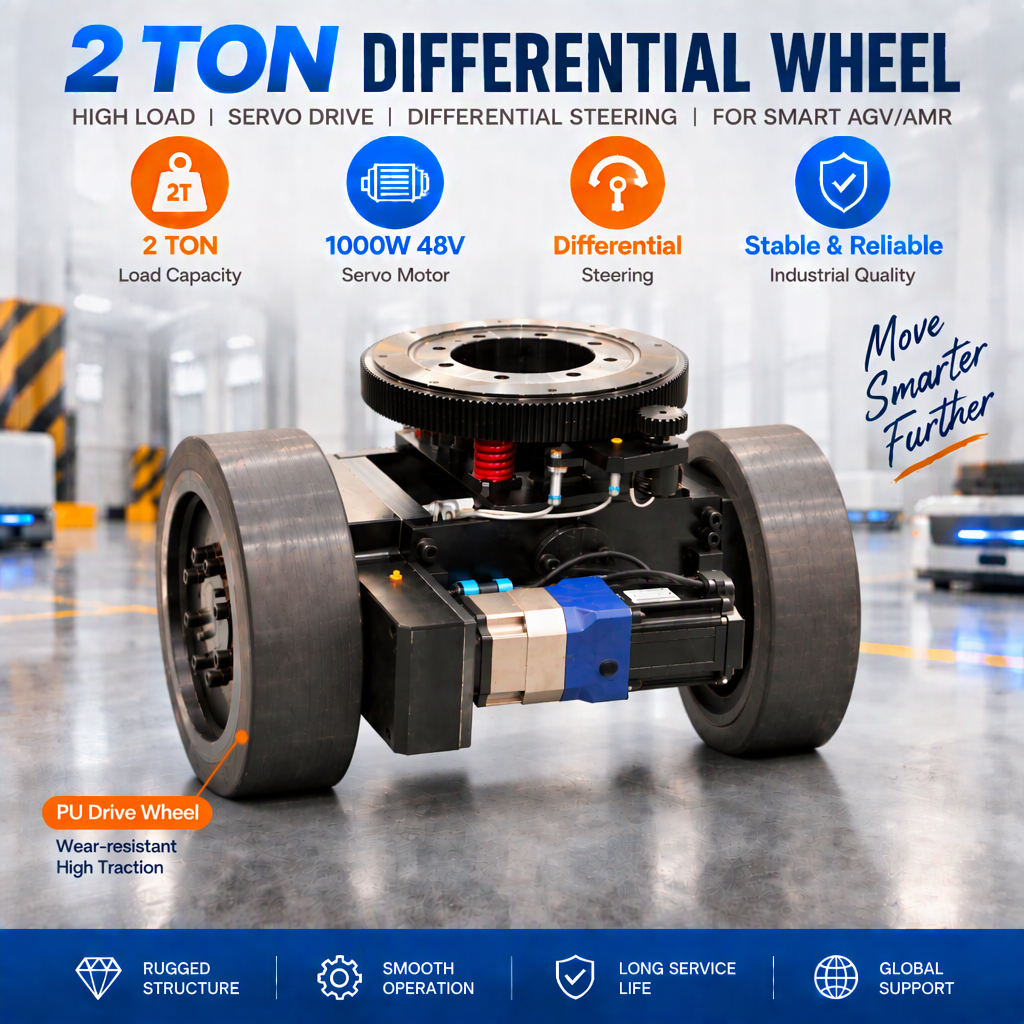
TZBOT Customized 2000kg Bearing Duty AGV Wheel 1000w 48V Heavy Duty Series Mobile Robot Differential Drive Wheel with Suspension
Best-fit role: 2,000 kg differential-drive mobile robots that need suspension for floor transitions, uneven concrete, and stable traction.
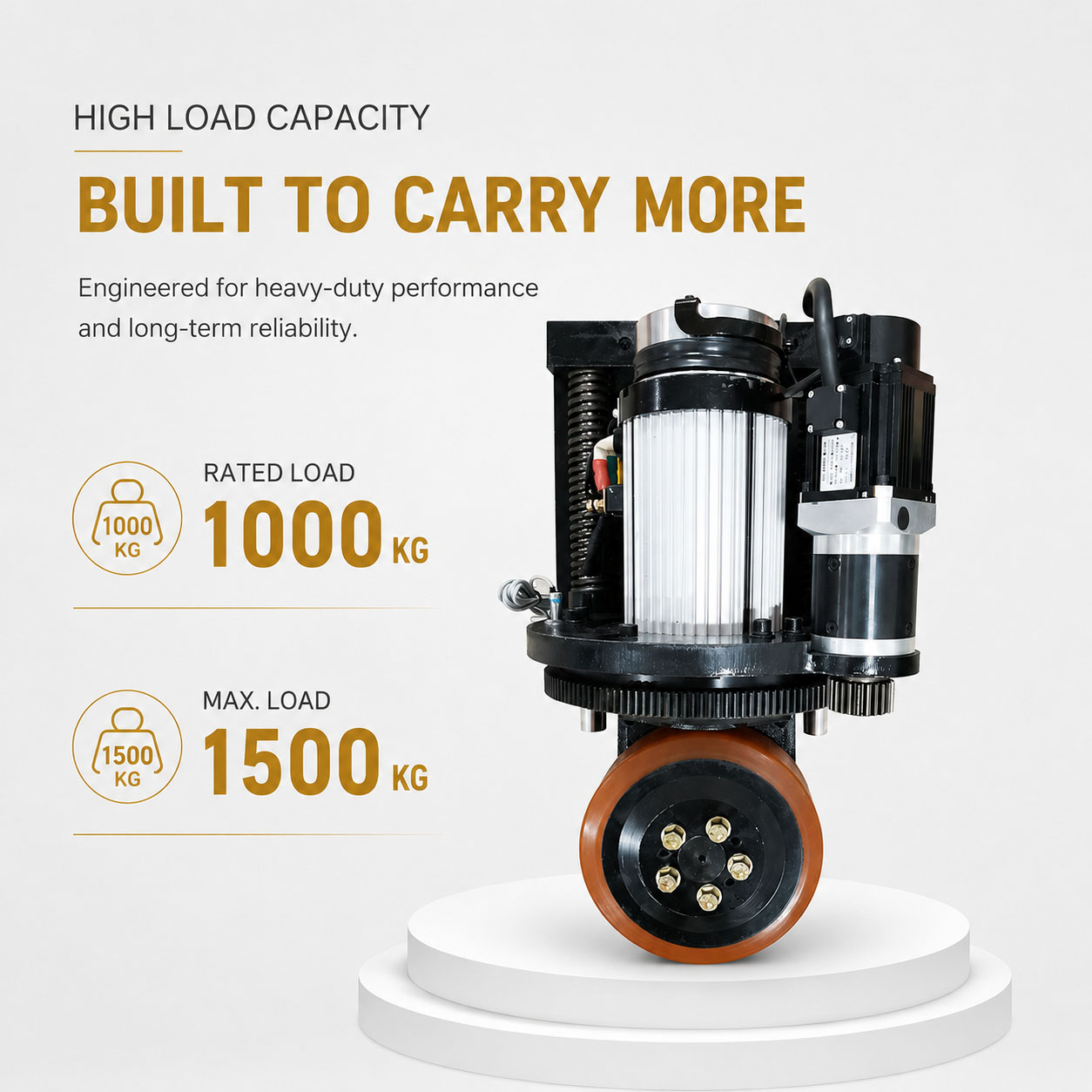
TZBOT 1000KG Bearing Duty 1500w Servo Motor AGV Forklift Driving Wheel with Suspension for Automatic Forklift
Best-fit role: 1,000 kg automatic forklifts and traction platforms that need 1,500 W servo power, suspension, and dependable starting torque.
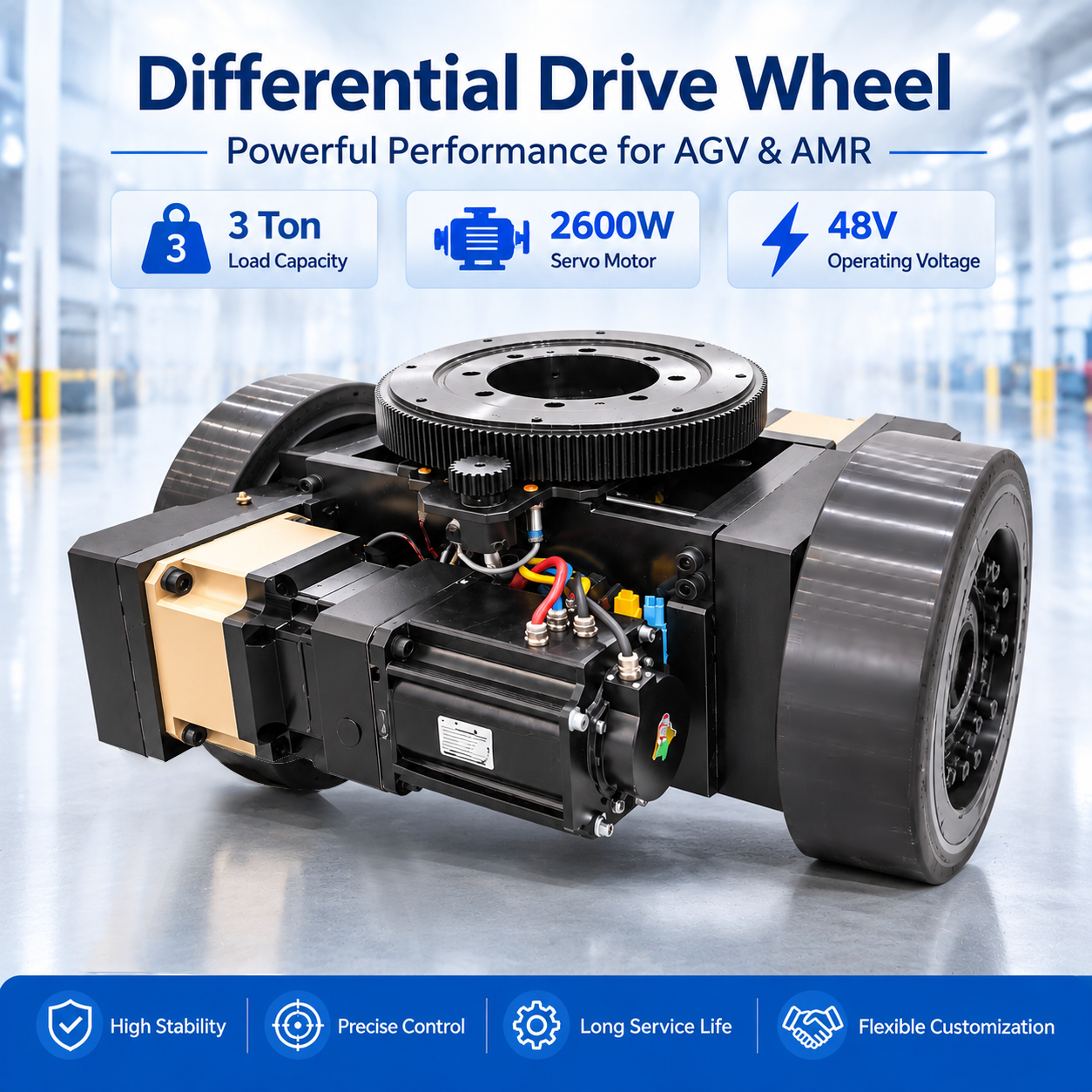
TZBOT Customizable 3000kg Load Capacity AGV Wheel Automatic Guided Vehicle Differential Drive Wheel with 2600w 48V Servo Motor
Best-fit role: 3,000 kg customizable differential-drive AGV platforms using a 2,600 W 48 V servo motor for high-load, high-torque motion.
What Japanese Buyers Should Verify Before Selecting a China Drive Component Supplier
Japan’s automation buyers rarely select a drive wheel on price alone. In a market where floor space is tight, uptime is visible, and maintenance teams are lean, the supplier must prove repeatable torque, low noise, stable braking, encoder quality, and documentation discipline.
One Factory, Matched Drive Train
Drive wheels, motors, reducers, servo/BLDC controllers, and navigation sensors can be matched together instead of creating integration risk across four suppliers.
Customization to Production
OEM/ODM support covers motor power, voltage, reduction ratio, wheel diameter, tread material, encoder, brake, mounting interface, and buyer-label packaging.
Verification Before Shipment
ISO 9001:2015 quality management, Intertek onsite verification, five in-house testing instruments, and extended-duration prototype runs before production release.
Japan-Ready Commercial Terms
JPY is accepted alongside USD, EUR, and other currencies. FOB, CFR, CIF, EXW, CIP, FCA, CPT, DDU, and express delivery can be discussed during quotation.
Established in Zhejiang, China
Patents awarded
Employees and engineers
Inquiry response rate
Information gain for engineering buyers: do not size a drive wheel by payload alone. Torque, wheel diameter, reduction ratio, duty cycle, floor friction, ramp grade, braking distance, and controller current limits interact. A heavier wheel with suspension may be the safer choice than a lighter unit with insufficient traction.
Where Torqen Drive Components Fit Japanese Automation Environments
Japanese warehouses and factories often combine limited floor space, high cleanliness expectations, mixed-product flows, and lean maintenance teams. These scenarios show where each drive family creates practical value.
Electronics & Precision Assembly
Compact AMRs and latent transfer carts with differential or horizontal drive units support narrow aisles, smooth acceleration, and repeatable station docking.
Automotive Parts & Heavy Machinery
2,000–3,000 kg differential drive wheels with suspension are suitable for heavy part movement, ramps, and floor transitions in production logistics.
Food, Beverage & Cold Chain
For wet or cold floors, specify tread material, sealing expectations, braking behavior, and cleaning routines early; engineering review should confirm the final configuration.
Pharmaceutical & Medical Devices
Low-noise motion, controlled acceleration, traceable production records, and stable replacement parts matter when automation supports regulated workflows.
3PL & Distribution Centers
80 kg SLAM AMR transfer carts and 200 kg composite robot chassis support flexible route changes, goods-to-person workflows, and rapid deployment.
Forklift Automation & Airport Logistics
Steering drive wheels, vertical traction units, and suspended forklift wheels provide controlled steering angles, stable traction, and serviceable assemblies.
Localized Development Trends Reshaping AGV/AMR Procurement in Japan
Japan is not a single-market specification. Electronics, automotive, food, pharmaceuticals, and logistics each impose different duty cycles, cleanliness levels, and documentation expectations.
Labour Shortage and the 2024 Logistics Issue
Japan’s tightening logistics labour capacity is pushing warehouses toward small-footprint AMRs, autonomous transfer carts, and forklift automation. Drive components must deliver low noise, high uptime, and predictable maintenance intervals rather than maximum speed alone.
High-Mix, Low-Volume Production
Manufacturers increasingly need reconfigurable routes. This lifts demand for SLAM AMRs, QR/magnetic hybrid navigation, and modular drive units that can be customized without redesigning the entire chassis.
Safety, Traceability, and Lifecycle Documentation
Japanese buyers increasingly ask for drawing sign-off, test records, clear spare-parts lists, and stable change control. A low-cost component that lacks documentation can create a higher total cost of ownership.
Torqen Japan-Fit Readiness Snapshot
How to Match a Robot Drive Component to a Japanese AGV/AMR Chassis
Use this practical guide to align mechanical, electrical, and procurement variables before requesting samples.
Differential Drive Unit
Two independently driven wheels turn by speed difference. Best for latent, jacking, shelf-lifting, and compact AMRs that need tight turning. Confirm wheel tread, suspension, torque margin, and controller match.
Horizontal Drive Assembly
Motor is mounted horizontally to reduce build height. Best for low-clearance chassis and under-ride carts. The 750 W / 1,000 kg horizontal unit is a practical starting point for space-constrained platforms.
Steering / Vertical Traction
Drive plus steering angle control suits forklift AGVs, tricycle chassis, airport equipment, and tugger vehicles. Suspension and steering motor matching are critical for stable floor contact.
Mechanical Inputs
- Gross vehicle weight and maximum payload
- Required travel speed and acceleration
- Ramp grade and floor friction
- Wheel diameter and chassis clearance
- Suspension, brake, and mounting interface
Electrical Inputs
- Battery voltage: 24 V, 48 V, or other
- Motor power, rated torque, and peak torque
- Encoder type and control interface
- Servo or BLDC driver compatibility
- Duty cycle, ambient temperature, and IP expectation
Commercial & Documentation Inputs
- Target annual quantity and sample plan
- OEM labeling, packaging, or drawing changes
- Maintenance strategy and spare-parts list
- Incoterm, destination port, and currency
- Required test records and approval documents
Expert recommendation: for Japan-bound projects, request a drawing-based quotation rather than a catalog-price quotation. The drawing should confirm mounting points, shaft dimensions, wheel tread, connector type, and driver pairing before a prototype is released.
Inside Torqen: A Motion-Control Supplier Built for Overseas OEM Projects
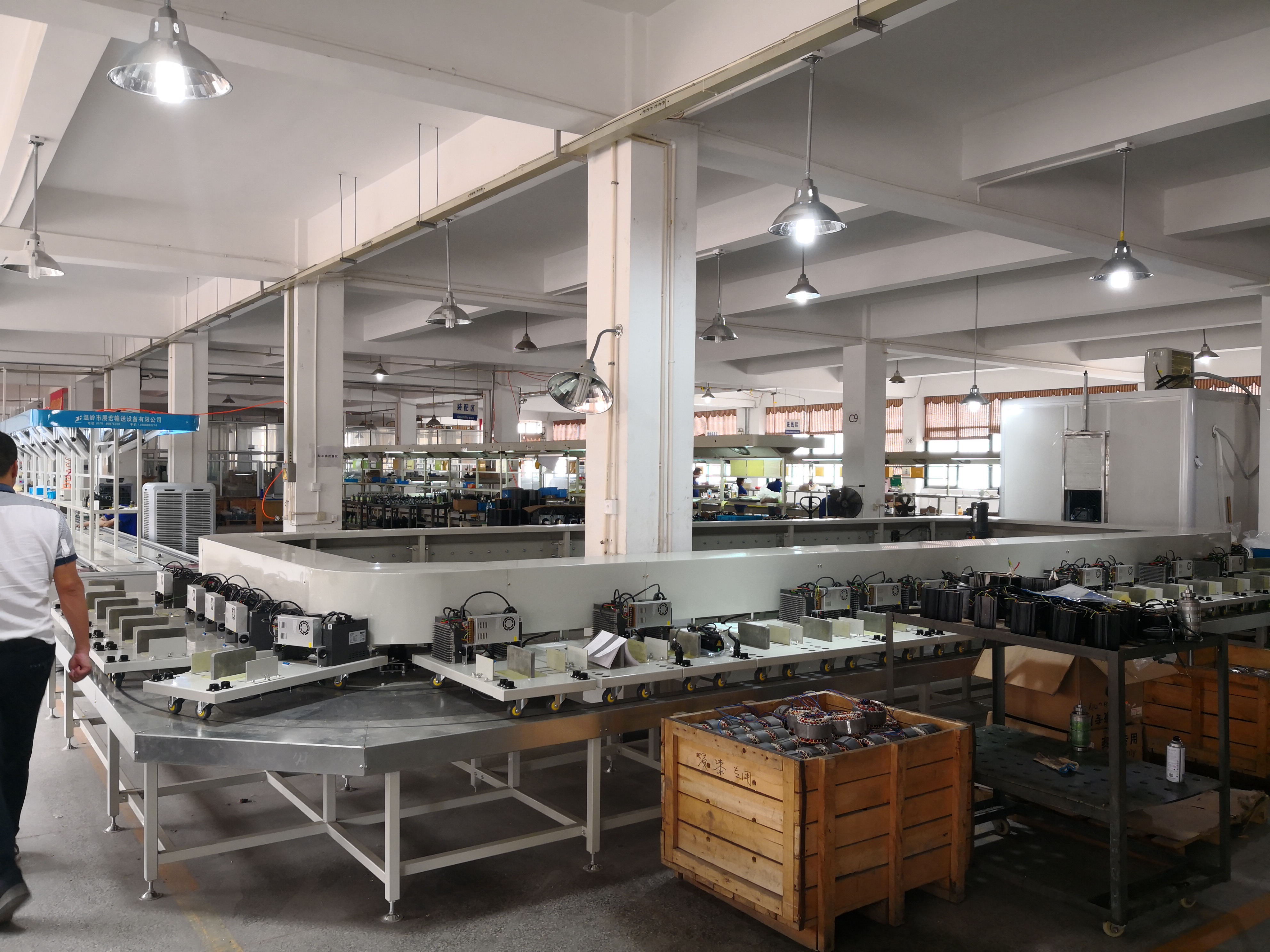
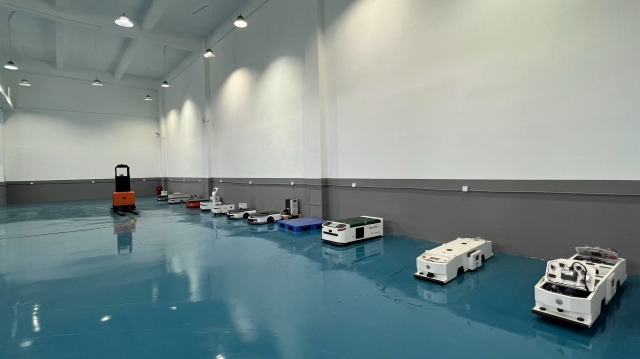
Zhejiang Torqen Technology Co., Ltd. was founded in 2015 in Zhejiang, China. The company designs and manufactures automatic guided vehicles, AGV drive wheel assemblies, DC/AC motors, encoders, reducers, motor controllers, caster and PU wheels, and in-wheel motor units for automation builders worldwide.
Torqen combines manufacturing and export coordination. Its factory covers 1,000–3,000 m² with 51–100 employees and annual output in the US$5M–10M range. The company holds 8 patents, has an ISO 9001:2015 quality management system, and has been onsite verified by Intertek. Five in-house testing instruments support finished-product inspection, while prototypes are run for extended periods before production release.
For Japanese integrators, the practical advantage is not simply a catalog of parts. It is the ability to match wheel, motor, reducer, brake, encoder, driver, and sensor as one drive train. OEM/ODM support includes sample-based customization, design-based customization, OEM production, design services, and buyer-label packaging.


Questions Japanese AGV/AMR Buyers Commonly Ask
These answers are written for engineering and purchasing teams who need a reliable China-based supplier without adding integration risk.
Which drive wheel should a Japanese integrator choose for a narrow-aisle AGV?
For compact latent, jacking, or shelf-lifting AGVs, a differential drive unit is usually the best starting point because it turns by wheel-speed difference. For forklift or tricycle layouts, choose a steering drive wheel. For low-clearance chassis, use a horizontal drive assembly. Share gross weight, speed, ramp grade, wheel diameter, and chassis height for a recommendation.
Can Torqen customize motors, reducers, brakes, encoders, and mounting for our chassis?
Yes. Torqen supports sample-based customization, design-based customization, OEM production, design services, and buyer-label packaging. Typical changes include motor power and voltage, reduction ratio, wheel diameter, tread material, encoder type, brake options, and mounting interfaces. Final drawings should be approved before production.
How is quality verified before shipment to Japan?
Torqen’s quality management system is certified to ISO 9001:2015, and the facility has been onsite verified by Intertek. Finished-product inspection uses five in-house testing instruments. Prototypes undergo extended-duration testing before production parts are released, and buyers can request drawing sign-off and inspection records.
What payment and shipping terms are available for Japanese buyers?
Accepted payment methods include T/T, L/C, D/P, D/A, MoneyGram, credit card, PayPal, Western Union, cash, and escrow. Currencies include USD, EUR, JPY, CAD, AUD, HKD, GBP, and CNY. Delivery terms include FOB, CFR, CIF, EXW, CIP, FCA, CPT, DDU, and express delivery. Confirm the final terms in your quotation.
Do you support technical communication and spare parts after delivery?
Yes. Torqen reports a 97.9% inquiry response rate and provides 24/7 online response support. Integration assistance can include wiring diagrams, driver parameter files, commissioning guidance, spare-parts supply, and fault analysis supported by traceable production records.
What information should we send for a fast engineering quotation?
Send gross vehicle weight, payload, target speed, maximum ramp grade, wheel diameter, battery voltage, available chassis height, duty cycle, navigation method, brake and encoder requirements, IP expectation, target quantity, destination port, and required documentation. These details shorten the sampling cycle and reduce the risk of mismatch.
Request a Japan-Fit Drive Component Recommendation
Send your load, speed, chassis height, battery voltage, ramp grade, and navigation method. Our engineers will help match the drive wheel, motor, controller, and sensor for your Japanese AGV/AMR project.
