8 Smart Logistics Robot Products for Kobe Warehouses, Port 3PL and Production Lines
The shortlist below preserves the original product URLs and images. Every item can be supplied as a sample, an OEM/ODM project or a replacement part. Kobe buyers can combine drive wheels, controllers and charger pads with complete AGVs to reduce integration risk.
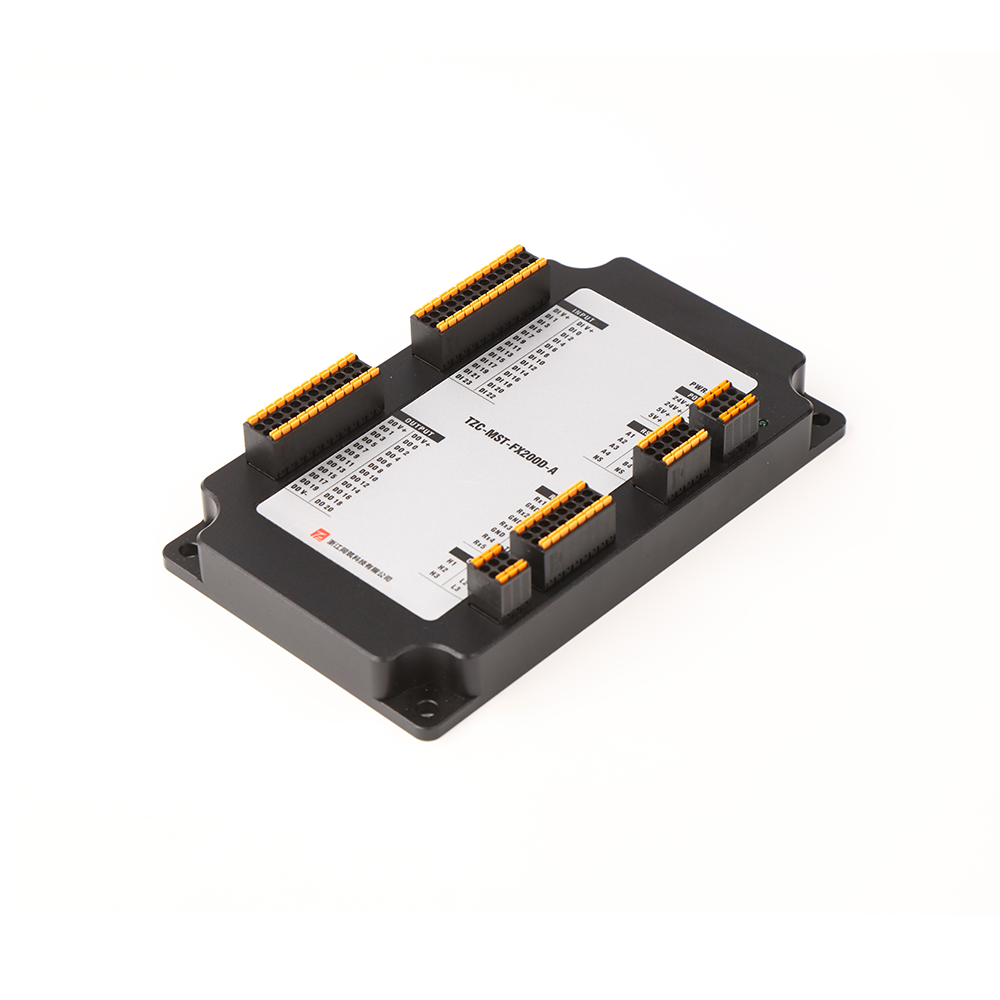
AGV Automated Guided Vehicle Controller with 19V–29V Power
A compact control accessory for AGV builders that need stable low-voltage power management in narrow Kobe 3PL vehicles. Useful for retrofit projects where the chassis envelope is fixed.
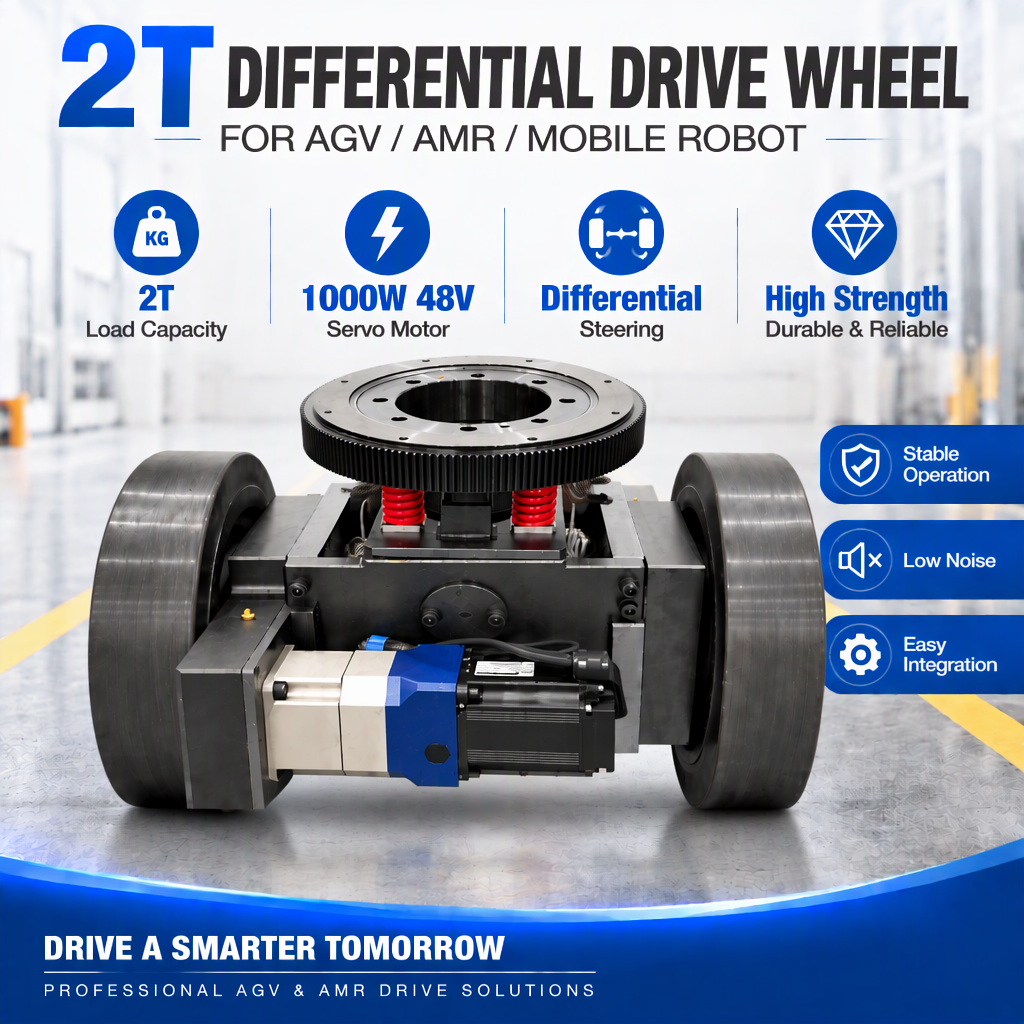
TZBOT 2,000 kg AGV Differential Steering Drive Wheel
A heavy-duty differential steering drive wheel for AMRs and towing platforms carrying mixed pallets around Hanshin industrial sites. The integrated assembly reduces alignment work for local integrators.
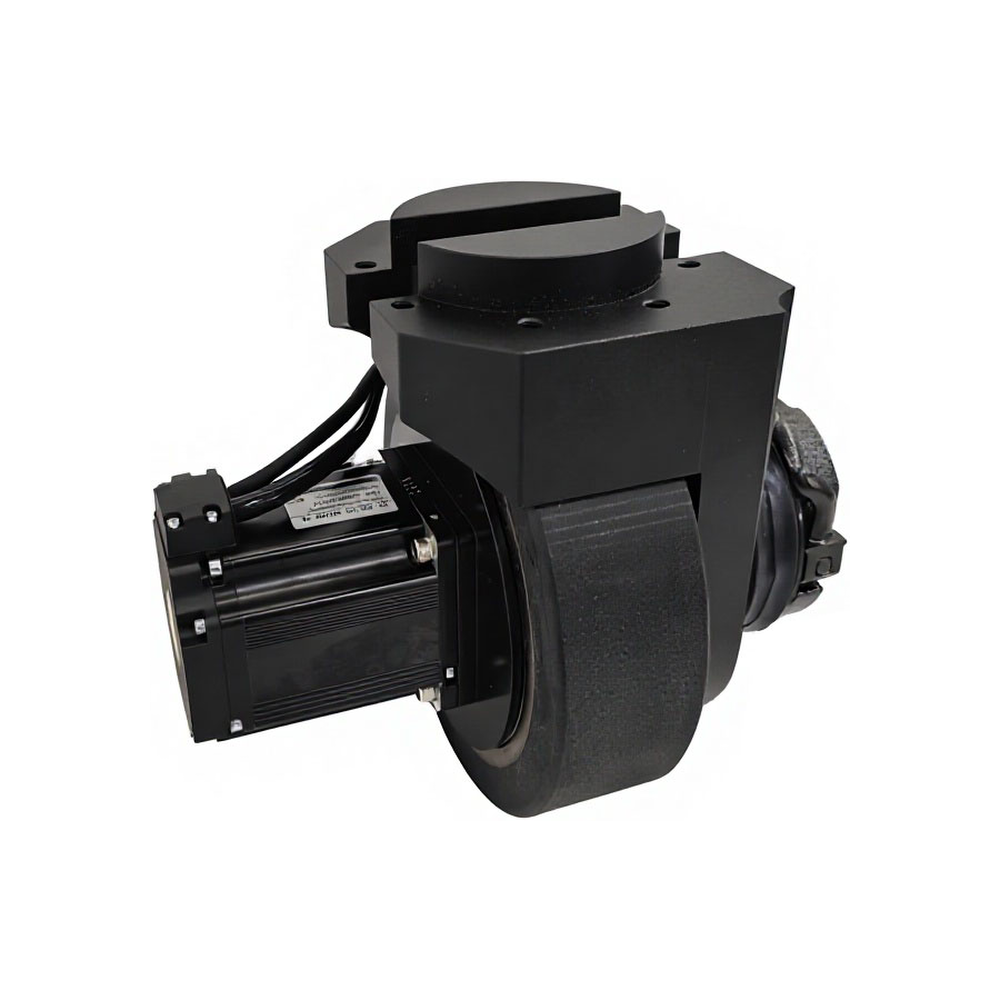
TZBOT 1,000 kg Horizontal Drive Wheel Assembly
A low-clearance horizontal drive assembly for latent AGVs and under-ride carts often used in compact Kobe distribution centers. Designed to keep the chassis low while maintaining traction.
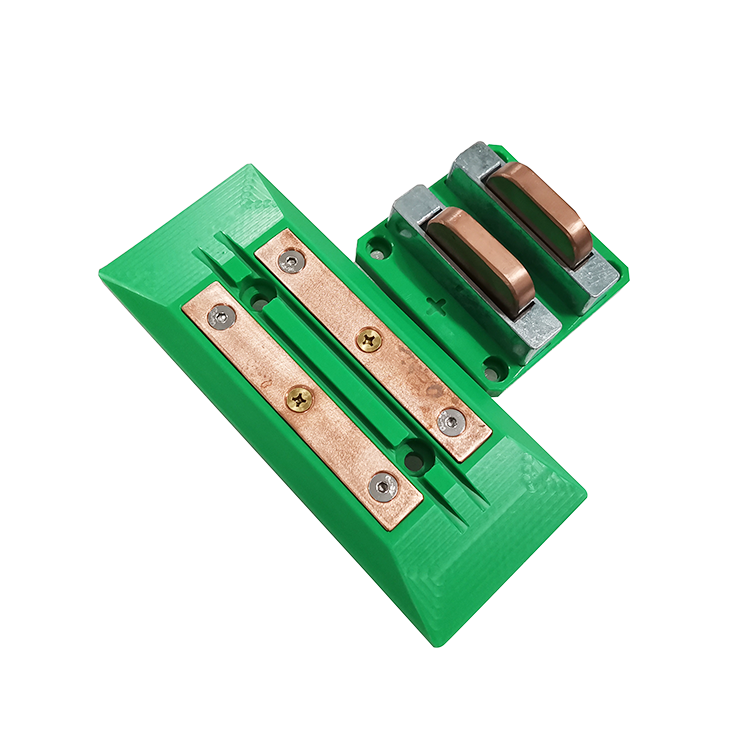
TZBOT TZ-CP-50A Charger Pad with Brush Plate
An automatic charging contact pad with brush plate and brush block for AGV navigation vehicles. It supports opportunity charging in 24/7 port and warehouse operations where manual plug-in time is costly.
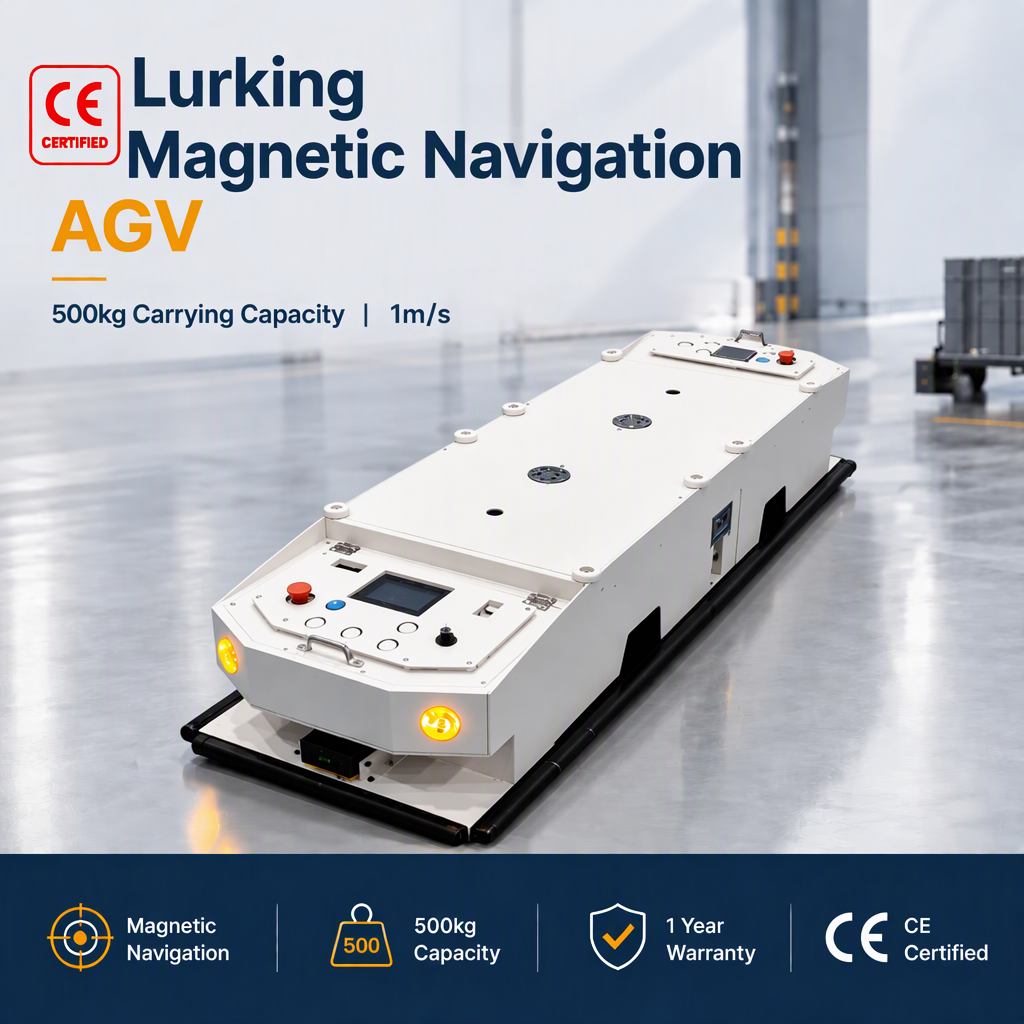
TZBOT CE-Approved 500 kg Bidirectional Lurking Robot
A CE-approved bidirectional lurking AGV with magnetic navigation for shelf and cart movement in food, retail and electronics facilities. Its compact body suits Kobe sites with shared pedestrian aisles.
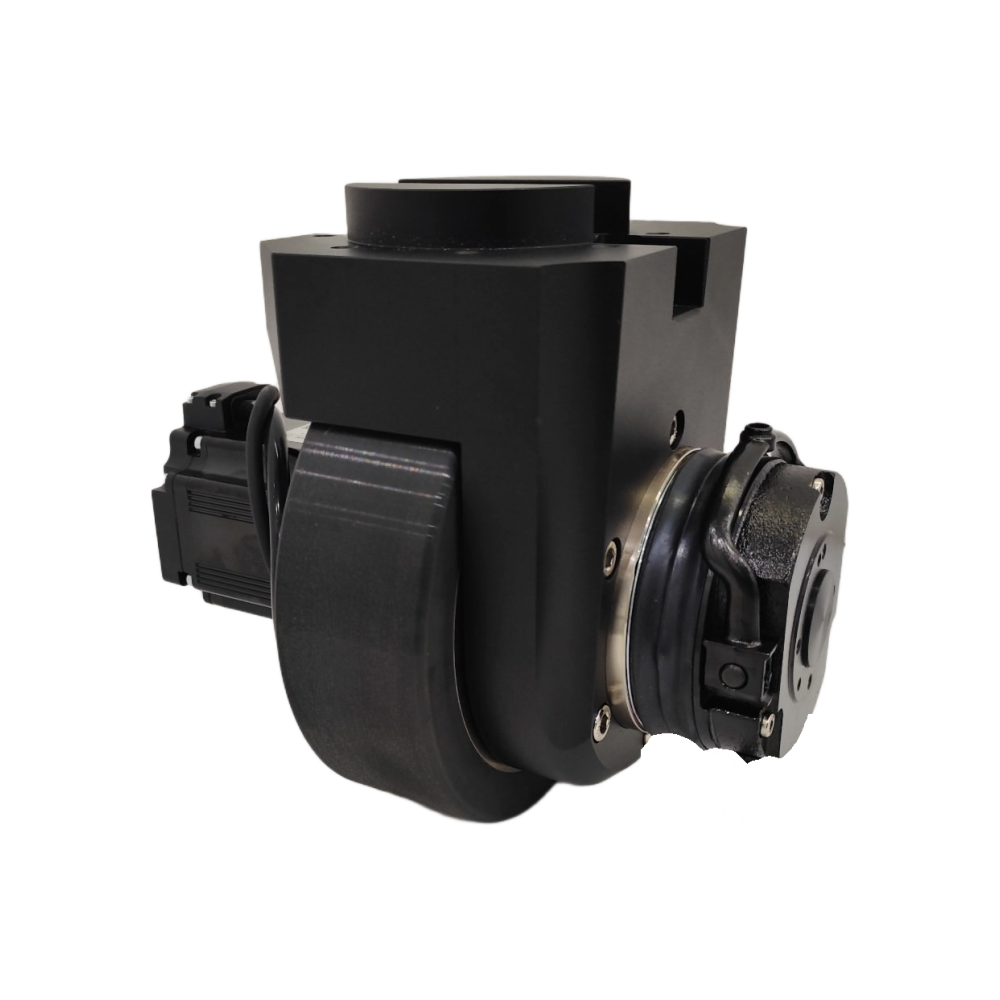
TZBOT 1,000 kg Horizontal Drive Wheel Unit with Imported Polyurethane
A horizontal drive wheel unit with imported polyurethane tread for quiet, clean-floor movement. A practical choice for Kobe food, beverage and medical logistics where wheel marks and vibration are unwelcome.
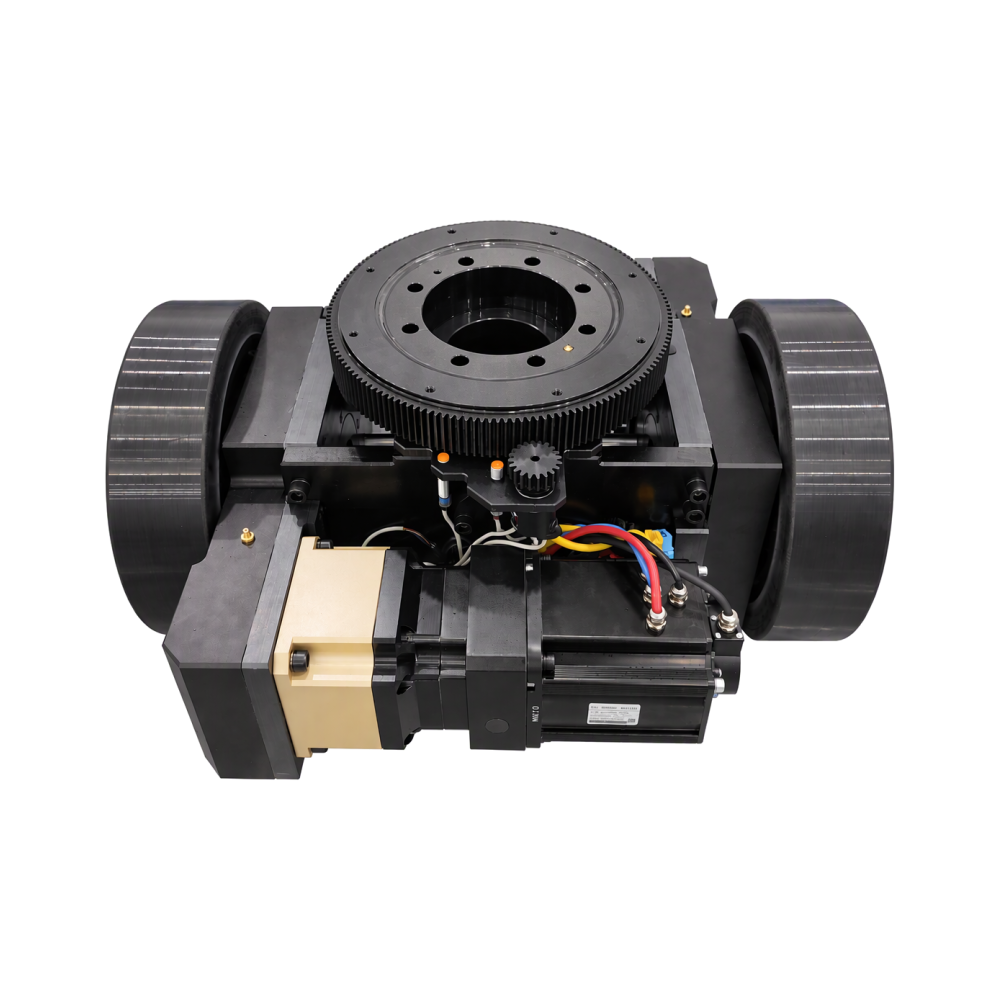
TZBOT 3,000 kg Heavy-Duty Differential Drive Wheel Assembly
A 3,000 kg bearing-capacity differential drive assembly for heavy material handling equipment, industrial towing and large-format production logistics in the Hanshin cluster.
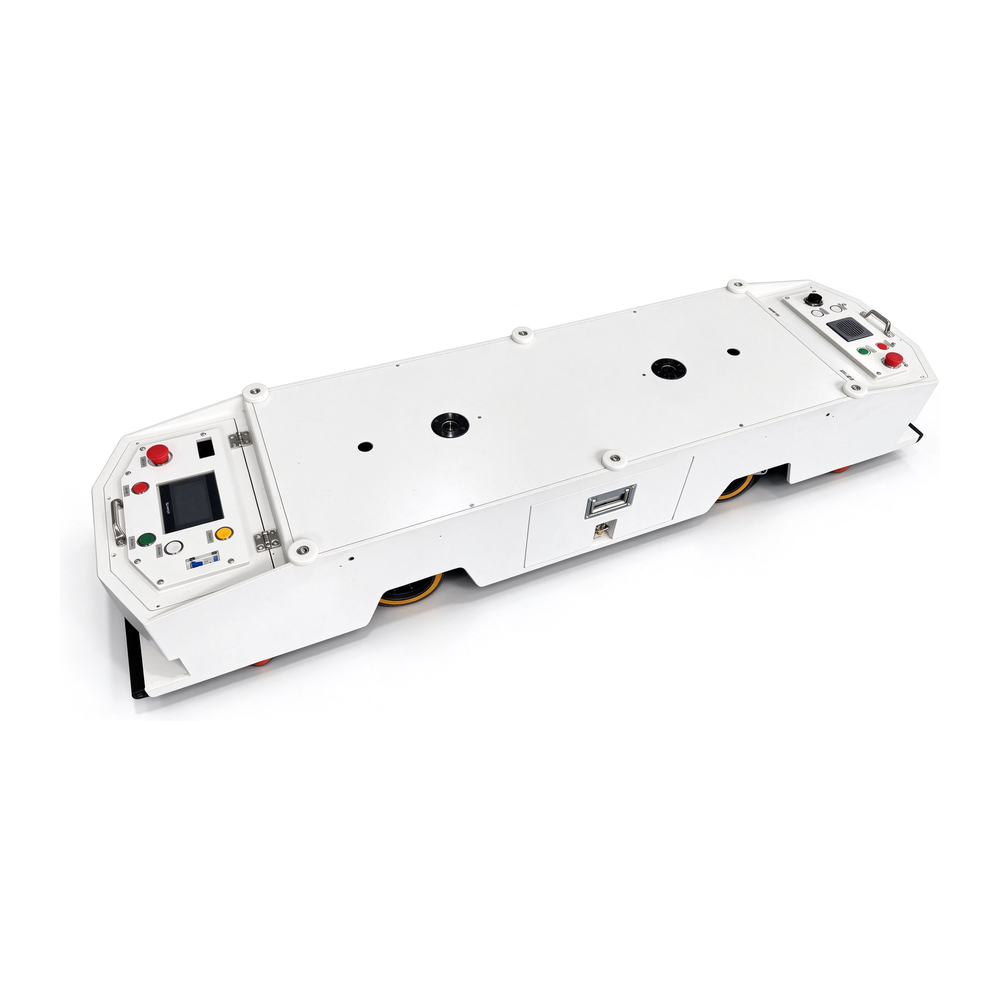
TZBOT 2,500 kg Lurking AGV Shelf Towing Robot with 8-Hour Endurance
An unmanned 2,500 kg lurking AGV for shelf towing and repetitive transport, with 8-hour endurance for long shifts. A strong fit for Port of Kobe 3PL operations and high-throughput warehouses.
Why Kobe Is a Practical Test Market for Smart Logistics Robots
Kobe combines a working port, high-value manufacturing, food and medical clusters, and compact urban logistics. That mix rewards robots that are reliable, maintainable and easy to integrate — not simply large.
Kobe is more than a gateway city. The Port of Kobe and the wider Hanshin industrial belt create a dense flow of pallets, parts, packaged food, medical supplies and consumer goods. Much of this flow moves through facilities that were not designed for large autonomous fleets. A robot that works in a greenfield warehouse may struggle in a Kobe 3PL site with narrow aisles, mixed pallet heights, shared forklift traffic and limited charging space. The practical requirement is therefore not maximum size, but predictable motion, compact turning and fast fault recovery.
The second driver is labor. Japan's logistics sector continues to face constrained truck capacity, rising delivery expectations and an aging warehouse workforce. For Kobe operators, automation is not only about replacing headcount. It is about stabilizing shift coverage, reducing walking distance, improving handover consistency and freeing experienced staff for exception handling. That is why latent AGVs, shelf-towing robots and horizontal drive units often deliver a stronger business case than fully customized flagship vehicles.
The third driver is quality and site sensitivity. Kobe's food, beverage, sake, medical device and pharmaceutical operations require clean floors, low noise, precise stopping and careful handling. In these environments, imported polyurethane tread, RFID position tags, magnetic guidance and lidar obstacle avoidance are more than technical options; they are part of the operating permit and brand promise. Buyers should request drawings, test records and spare-part lists before committing a route.
As a China-based manufacturer serving Kobe, Torqen approaches localization as an engineering exercise. The company can match a drive wheel, motor, controller, charger pad and navigation sensor as one drive train, then ship samples for the local integrator to validate on the actual floor. This reduces the common failure mode in which separately sourced components work on paper but require rework after installation.
Kobe Deployment Fit Matrix
Illustrative engineering fit indicators from Torqen application criteria, not Kobe market statistics. Final performance depends on payload, floor, route, safety rules and local integration.
Labor flexibility, not just headcount
Aging workforces and shift variation make route stability and quick changeover more valuable than peak speed alone.
Compact flows in existing buildings
Kobe facilities often retrofit automation into older floors, tight aisles and shared pedestrian zones; low-clearance drive units help.
Port and 3PL uptime
24/7 operations demand opportunity charging, accessible spare parts and controllers that local technicians can service.
Clean, quiet and safe movement
Food, medical and urban retail sites reward low-vibration PU wheels, precise RFID stops and lidar-based avoidance.
Where Smart Logistics Robots Fit in Kobe's Local Economy
The following scenarios translate product specifications into site-level uses. They are written for Kobe warehouse owners, 3PL managers and automation integrators preparing a first or second deployment.
Port of Kobe 3PL and bonded warehouse
Shelf-towing and lurking AGVs move cages, trolleys and pallets between receiving, storage and dispatch. The 2,500 kg lurking AGV and TZ-CP-50A charger pad support multi-shift flows while reducing manual plug-in time.
Hanshin precision machinery and electronics
Heavy differential drive wheels from 2,000 kg to 3,000 kg suit towing platforms, production logistics and large component movement. Local integrators can pair them with matched servo and BLDC controllers.
Food, beverage and sake production
Low-noise PU wheels, magnetic guide sensors and stable low-speed control help move ingredients, cartons and finished goods without marking clean floors or disrupting sensitive production areas.
Medical device and pharmaceutical logistics
In the Kobe Medical Industry City and nearby life-science facilities, RFID position sensors and precise stopping support controlled handovers. Buyers should validate cleanroom, EMC and safety requirements with the site.
Urban retail and e-commerce fulfillment
Compact bidirectional lurking AGVs and horizontal drive units fit existing buildings where turning space is limited. Magnetic tape routes can be deployed quickly for new product lines or seasonal peaks.
Air cargo, cold chain and cross-docking
Opportunity charging, 8-hour endurance and simple maintenance matter in cold-chain and transfer operations. Export documentation and spare-part planning should be agreed before shipment.
How to Specify a Kobe-Ready AGV Drive and Navigation Package
A drive wheel is not a standalone purchase. Motor power, reducer ratio, wheel tread, controller current, navigation method and charging strategy must be matched to the route and floor.
Drive wheel configurations
| Type | Steering method | Best Kobe use |
|---|---|---|
| Differential drive unit | Two driven wheels turn by speed difference | Compact latent, jacking and shelf-lifting AGVs in older facilities |
| Single steering drive wheel | Separate steering motor controls wheel angle | Forklift-type AGVs, tuggers and tricycle chassis needing controlled turns |
| Horizontal drive assembly | Motor laid horizontally for low build height | Under-ride carts and low-clearance chassis in space-constrained DCs |
Navigation and positioning
| Method | Infrastructure | Kobe suitability |
|---|---|---|
| Magnetic guide sensor | Magnetic tape on floor | Fast retrofit and fixed routes in 3PL and food facilities |
| RFID position sensor | Tags at stations and junctions | Precise stops, speed zones and station recognition |
| QR code navigation | Floor QR grid | Grid warehouses and goods-to-person systems with clean floors |
| Lidar / SLAM | Natural features | Flexible routes where layout changes or tape is impractical |
Why Torqen Is a Credible China Factory Partner for Kobe Integrators
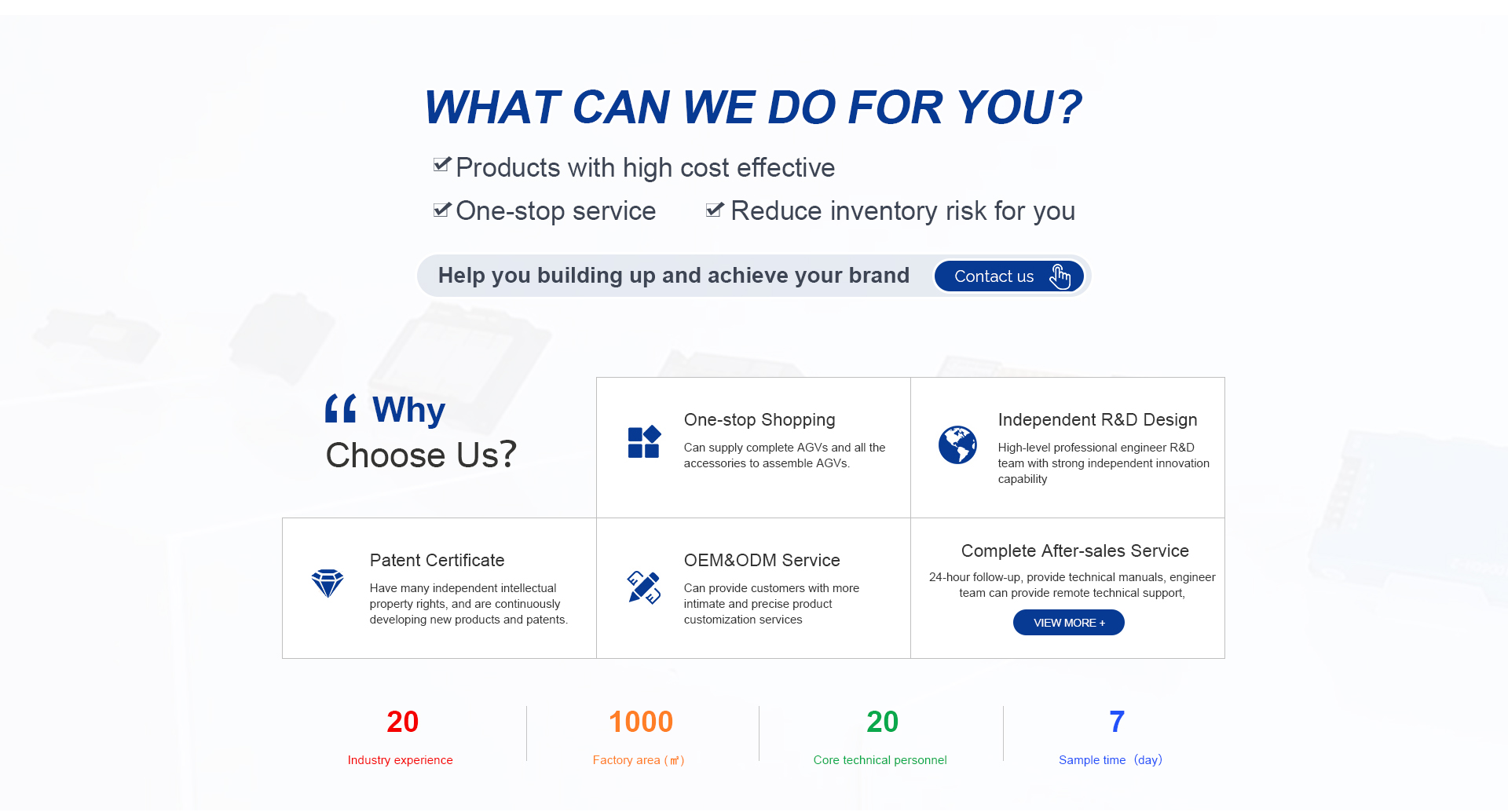
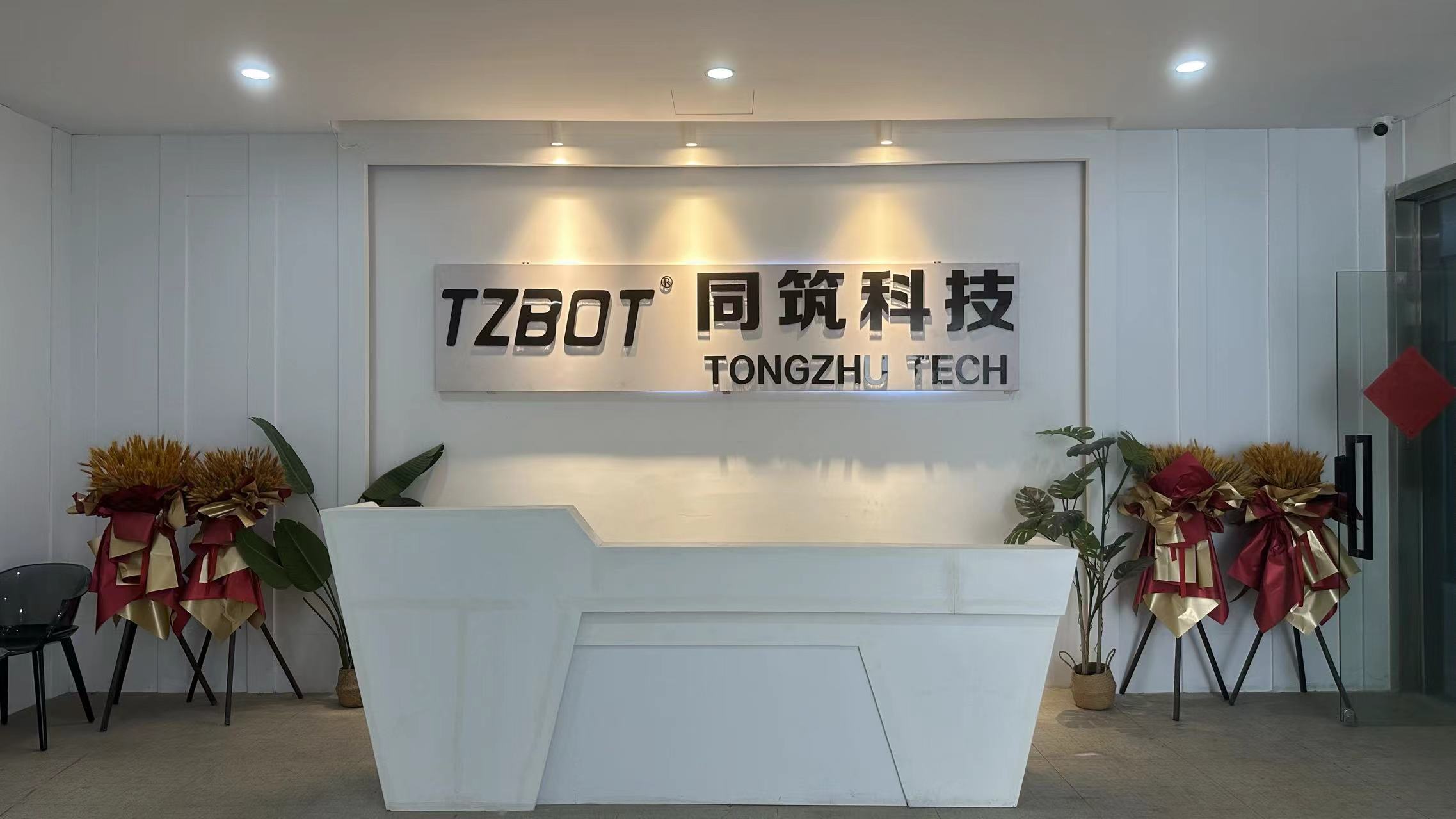
Torqen is a manufacturer and trading company founded in 2015 in Zhejiang, China. Its published profile states a 1,000–3,000 m² factory, 51–100 employees, annual output of US$5–10 million and a focus on AGVs, drive wheels, motors, controllers and sensors.
Years in drive technology
Patents awarded
Inquiry response rate
Buyer rating


One factory, one matched drive train
Buying wheels, motors, drivers and sensors from separate vendors creates integration risk. Torqen designs, matches and tests them together. The company offers sample-based customization, design-based customization, OEM production, design services and buyer-label packaging. Typical customization covers motor power and voltage, reduction ratio, wheel diameter and tread material, encoder type, brake options and mounting interfaces.
Quality is supported by ISO 9001:2015 certification and an Intertek onsite-verified factory profile. Torqen reports finished-product inspection with five in-house testing instruments, and prototypes undergo extended-duration testing before production parts ship. These claims matter to Kobe buyers because a drive wheel failure can stop an entire route, and replacement lead time is often more expensive than the component itself.
Export experience is also relevant. Accepted payment methods include T/T, L/C, D/P, D/A, MoneyGram, credit card, PayPal, Western Union, cash and escrow. Currencies include USD, EUR, JPY, CAD, AUD, HKD, GBP and CNY. Delivery terms include FOB, CFR, CIF, EXW, CIP, FCA, CPT, DDU and express delivery — practical options for shipments to the Port of Kobe or Kansai-area integrators.
Founded in 2015
A decade of drive and motion technology experience from Zhejiang, China.
ISO 9001:2015
Quality management certified; Intertek onsite-verified factory profile.
In-house matching
Drive wheels, motors, servo/BLDC controllers and sensors designed to work together.
Testing discipline
Five in-house testing instruments and extended-duration prototype runs.
OEM / ODM support
Motor power, voltage, ratio, tread, encoder, brake and mounting customization.
Kobe-ready trade terms
JPY quoting, flexible payment methods and DDU / CIF options to Japan.
Torqen products are used in AGVs and AMRs, forklifts, aerial work platforms, airport equipment, agricultural machines, hydraulic applications, floor scrubbers and sweepers, wind energy, marine equipment and medical devices. That cross-industry experience is useful for Kobe integrators who need one supplier to understand both a vehicle platform and the component-level constraints behind it.
From Kobe Inquiry to Factory Shipment in Six Controlled Steps
A transparent process helps Kobe buyers compare quotations and plan site trials. The workflow also creates a documented path from sample approval to production.
Requirement Review
Payload, speed, gradient, voltage, chassis height and route data are assessed.
Engineering Proposal
Motor, reducer, wheel, controller and sensor are matched; drawings are shared.
Prototype or Sample
Sample-based or design-based customization is produced for local validation.
Endurance Testing
Extended runs and parameter checks are completed before approval.
Mass Production
ISO 9001:2015 controlled manufacturing and finished-product inspection.
Export & Delivery
Export packing, documentation, FOB/CIF/DDU or express delivery is arranged.
A dedicated sales and technical team handles 97.9% of buyer inquiries and supports wiring diagrams, driver parameter files and commissioning questions. Spare parts and fault analysis are backed by production records, which helps Kobe integrators plan maintenance and avoid unplanned downtime.
Procurement, Compliance and Application Questions from Kobe Buyers
These are the practical questions that arise before a sample order, a local site trial or a first production release.
Can Torqen supply a single sample to a Kobe integrator before mass production?
Yes. Torqen offers sample-based customization, design-based customization, OEM production, design services and buyer-label packaging. For a first Kobe trial, a practical starting point is one drive wheel assembly plus a matched controller, or one 500 kg lurking AGV for route validation. Share the route, payload, floor condition and acceptance criteria so the sample can be configured before shipment.
Which AGV drive wheel should I choose for a compact Kobe warehouse?
Differential drive units suit compact latent, jacking and shelf-lifting AGVs that turn by wheel-speed difference. Horizontal drive assemblies suit low-clearance chassis and under-ride carts. Single steering drive wheels suit forklift-type AGVs, tuggers and tricycle chassis that need controlled steering angles. Provide gross vehicle weight, target speed, maximum gradient, battery voltage and chassis height, and the engineering team can recommend a configuration.
How is product quality verified before shipment?
The quality management system is certified to ISO 9001:2015, and the factory profile is Intertek onsite-verified. Torqen reports finished-product inspection with five in-house testing instruments, and prototypes undergo extended-duration testing before production parts ship. Kobe buyers should specify inspection points, acceptance criteria and documentation requirements directly in the purchase order.
What payment and shipping terms are practical for Japan?
Accepted payment methods include T/T, L/C, D/P, D/A, MoneyGram, credit card, PayPal, Western Union, cash and escrow. Quoting currencies include USD, EUR, JPY, CAD, AUD, HKD, GBP and CNY. Delivery terms include FOB, CFR, CIF, EXW, CIP, FCA, CPT, DDU and express delivery. For Kobe projects, confirm the Incoterm, customs broker, port or airport of arrival, and spare-parts plan before production.
Can Torqen customize voltage, wheel tread, encoder, brake or mounting?
Yes. Typical customization covers motor power and voltage, reduction ratio, wheel diameter and tread material, encoder type, brake options and mounting interfaces. For food, beverage and medical sites in Kobe, discuss polyurethane tread, clean-floor requirements and noise targets. For cold-chain or outdoor applications, review lubrication, condensation and floor conditions with the local integrator.
What about Japanese electrical compliance and site safety?
Selected Torqen products are described as CE-approved, including the 500 kg bidirectional lurking AGV. CE is not the same as Japanese PSE approval or site-specific safety approval. Kobe buyers should ask the local integrator to verify charger input voltage, grounding, EMC, emergency stop, bumper protection and lidar configuration against the facility's rules. Torqen can provide drawings and component data to support that review; final compliance remains a project responsibility.
Send Your Kobe Project Data — Get an Engineered Quotation
Share payload, speed, aisle width, chassis height, battery voltage, navigation preference and target delivery window. The engineering team will recommend a matched drive wheel, controller and sensor package, and confirm sample or production lead time.
