Eight AGV Components for a Mexico City Wireless Charging AGV Project
Start with the drive wheel, controller and charging interface, then add the AMR platform or replacement assembly. Product links below are preserved from the original catalog. For true inductive wireless charging, confirm coil gap, misalignment tolerance, power level and safety documentation before design freeze.
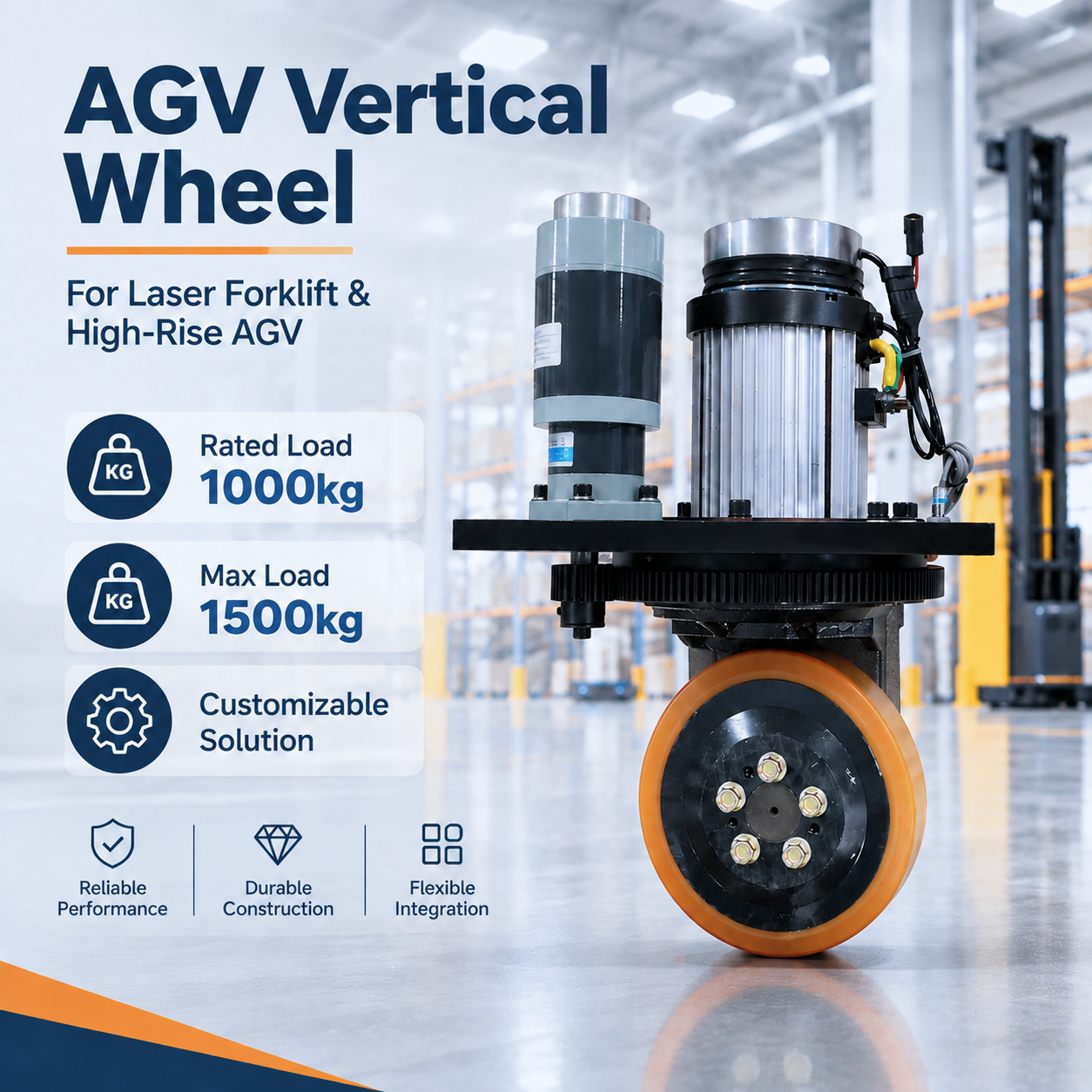
TZBOT 2590r/min Vertical Driving Unit Electric Traction Wheel 1500W Steering Forklift Accessories
High-torque steering drive for forklift-type AGV chassis. Validate mounting interface, brake logic, encoder protocol and steering-angle feedback during RFQ.
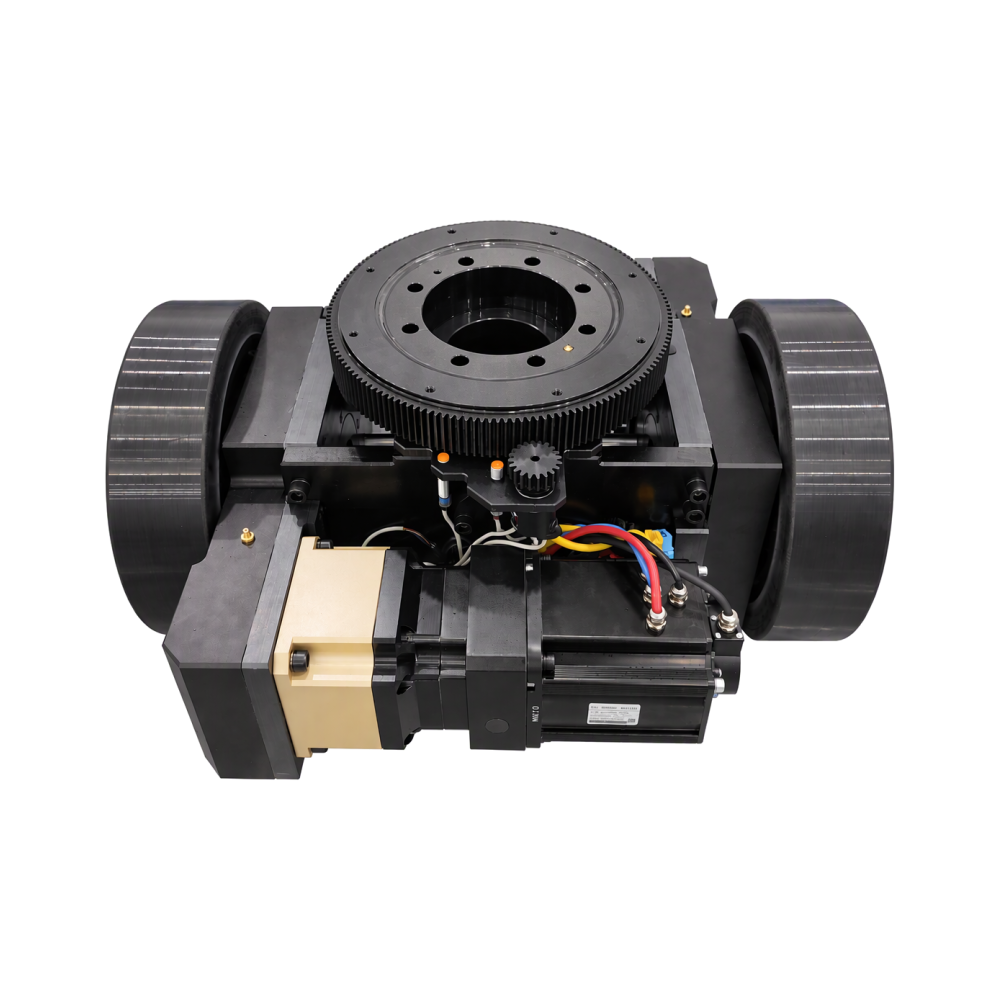
TZBOT Heavy Duty Series Robot Wheel 3000kg Bearing Capacity AGV Material Handling Equipment Differential Drive Wheel Assembly
3,000 kg class differential drive wheel for heavy material handling. Match traction, floor friction, duty cycle and thermal margin before selecting the reducer.
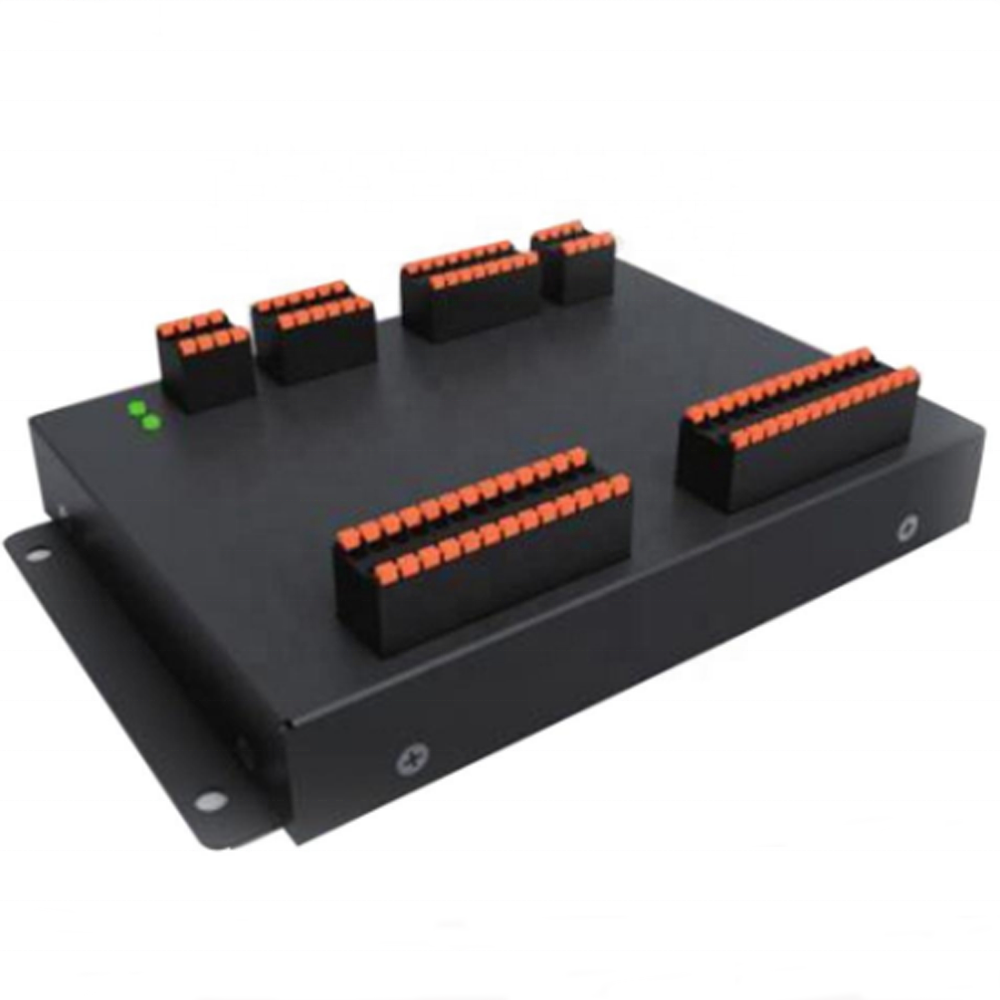
TZBOT FX Series Controller of HX Support Magnetic Tap Guided AGV
Magnetic-tap guided AGV controller for fixed-route transport. Clarify I/O count, safety chain, fleet communication and Spanish HMI requirements in Mexico City.
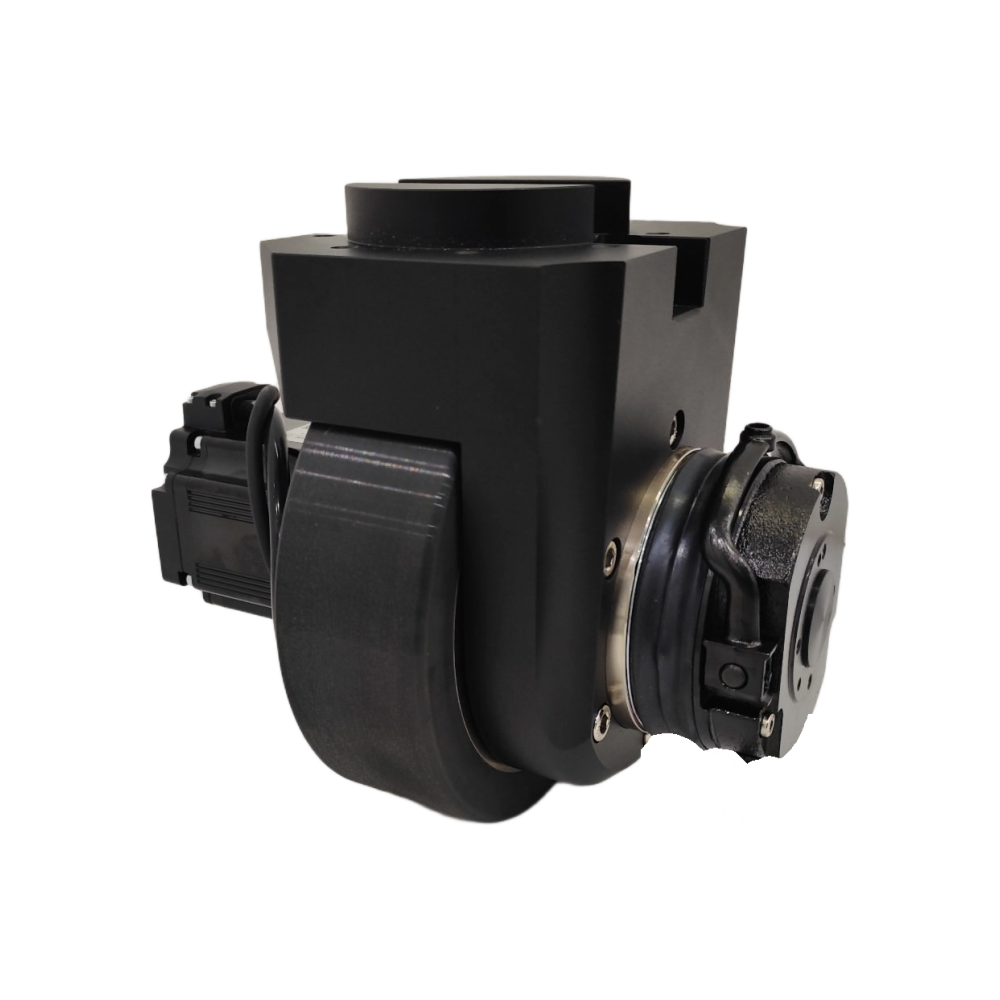
TZBOT Compact Structure agv Wheel Imported Polyurethane 1000kg Load Duty Mobile Robot Horizontal Drive Wheel Unit
Compact horizontal drive unit for 1,000 kg class mobile robots. Imported polyurethane tread can suit smooth warehouse floors and tight turning envelopes.
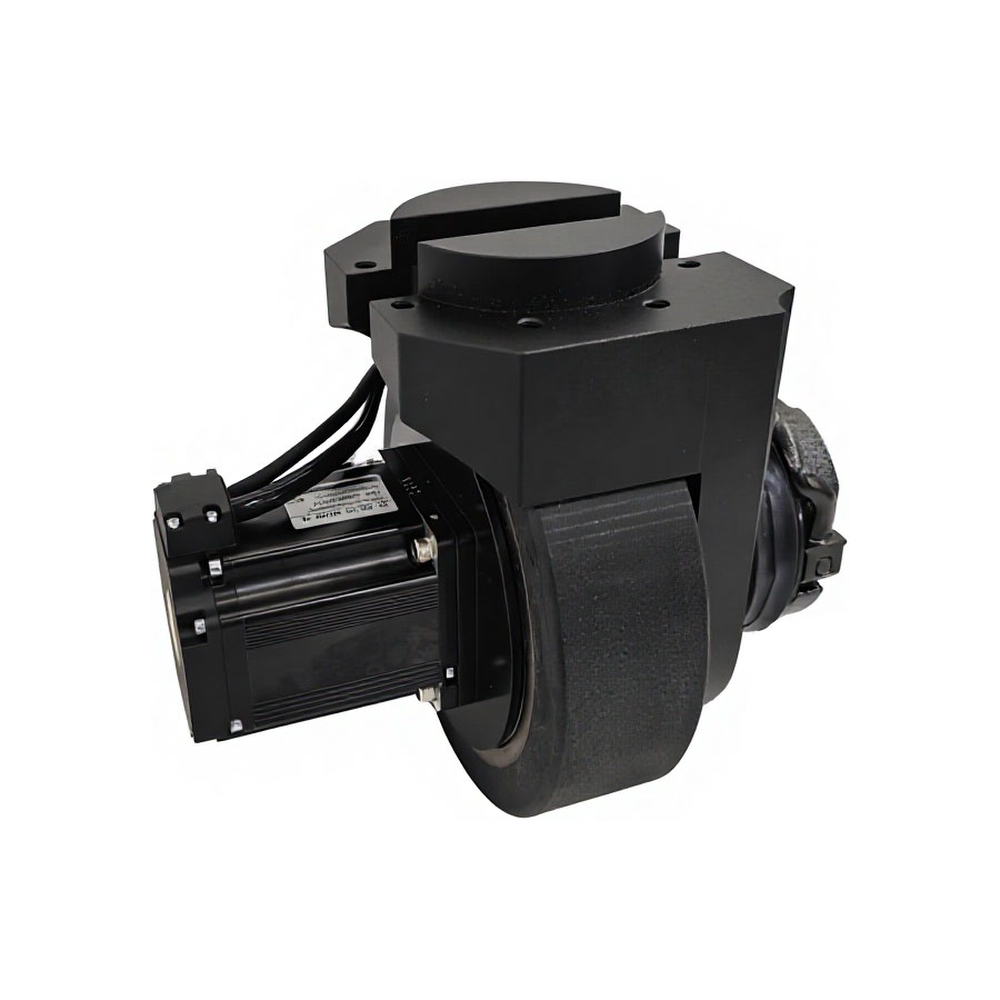
TZBOT 1000kg Bearing Capacity agv Wheel 1000w Servo Motor Material Handling Equipment Part Horizontal Drive Wheel
1,000 kg horizontal drive wheel with 1000 W servo motor. Useful for low-clearance chassis, replacement programs and matched controller selection.
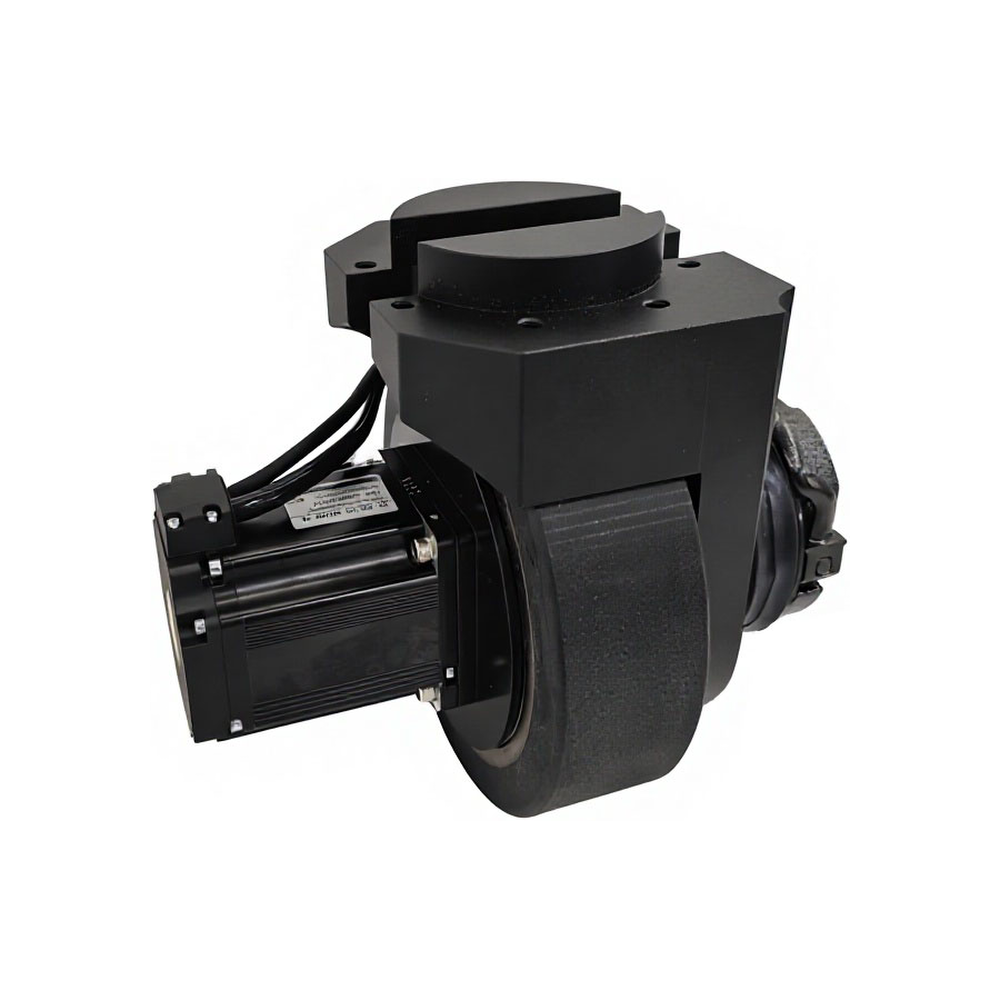
TZBOT agv Wheel Traction Accessories 1000kg Heavy Duty Capacity Material Handling Equipment Part Horizontal Drive Wheel Assembly
Complete horizontal drive assembly for 1,000 kg AGV traction. Request wiring diagram, driver parameters and spare-parts kit for local maintenance.
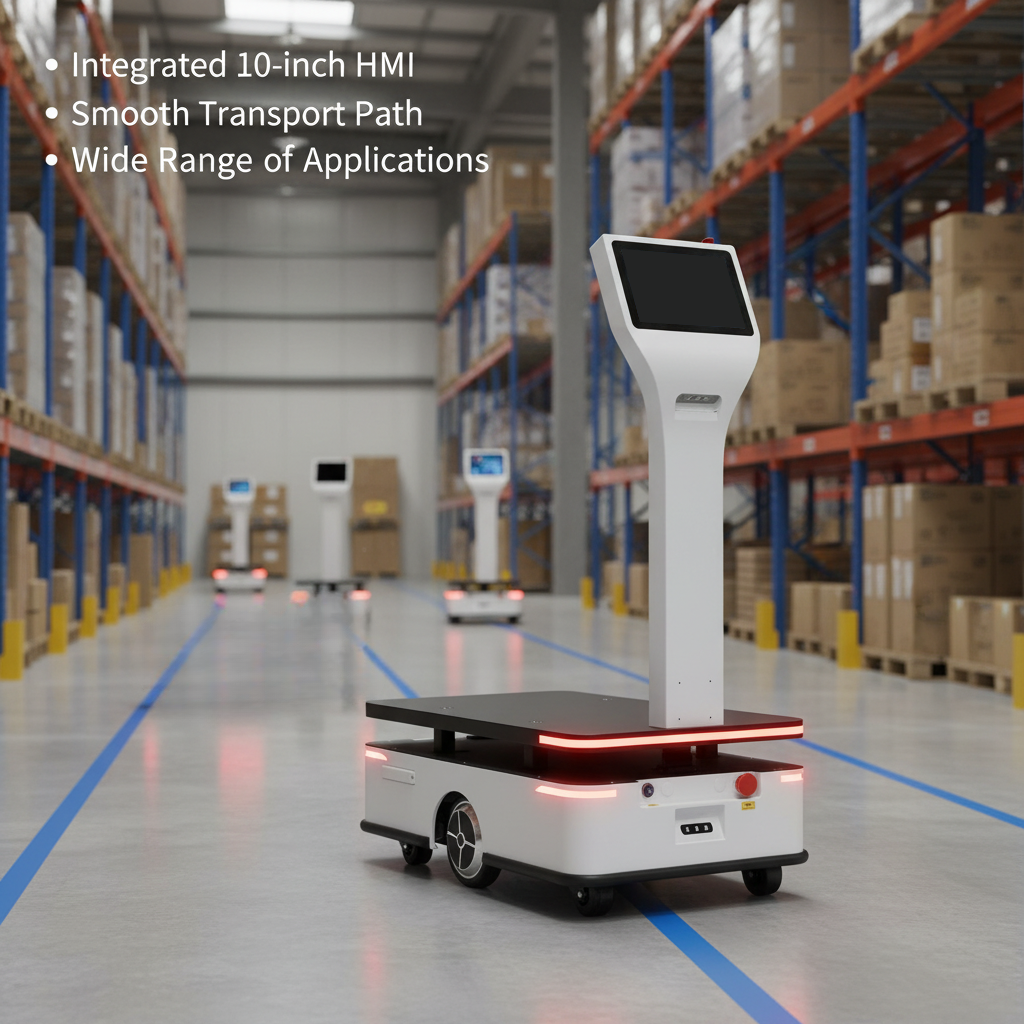
TZBOT Intelligent Warehouse Logistic Robot Unmanned Control System Customizable 80kg Payload agv Transfer Cart Slam Amr
Customizable 80 kg payload SLAM AMR transfer cart for light logistics. Confirm floor map, Wi-Fi coverage, safety scanners and charging strategy.
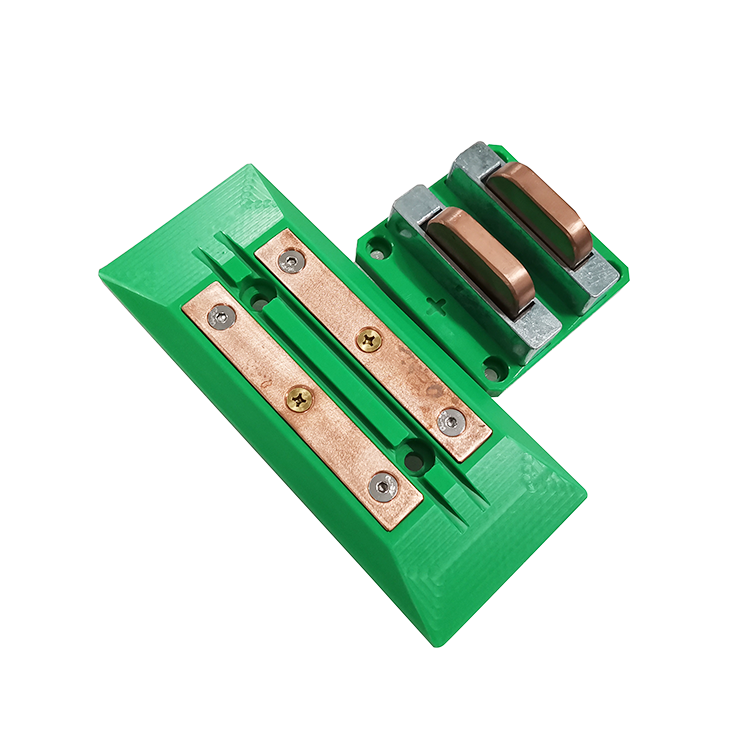
TZBOT Charger Pad Model TZ-CP-50A with Brush Plate and Brush Block for AGV Navigation Vehicles
TZ-CP-50A charger pad with brush plate and brush block. Clarify whether your Mexico City project needs automatic contact charging or true inductive wireless power transfer.
Why Mexico City Is Not a Generic AGV Market
The phrase “wireless charging AGV” can mean different things to a plant engineer in Cuautitlán, a 3PL operator in Vallejo and an importer in CDMX. The winning supplier clarifies the intent before quoting hardware.
High-density, leased warehouses
Many Mexico City warehouses are leased, multi-tenant or retrofit into older buildings. Route changes, floor expansion joints and limited charging space make opportunity charging more valuable than a single overnight charger.
Altitude and thermal margin
Mexico City sits at roughly 2,240 m. Lower air density reduces convective cooling for motors, drivers and charging electronics. For three-shift operations, specify thermal derating and verified duty cycle, not just peak power.
Electrical and documentation context
Mexico commonly uses 127/220 V, 60 Hz building power. Buyers should confirm input voltage, plug standard, Spanish manuals, CFDI invoicing requirements and any NOM documentation requested by their customs broker.
Integrator-led specification
Mexico City projects are often specified by local integrators who need matched drive wheels, controllers, sensors and charger interfaces. A component wholesaler that can supply a complete bill of materials reduces commissioning risk.
Company established in Zhejiang, China
Team size with engineering and sales support
Inquiry response rate stated by the supplier
In-house testing instruments for finished products
Three Buyer Intents Behind “Wireless Charging AGV Exporter”
Google’s Search Quality Rater Guidelines reward content that helps users complete a real task, not content that repeats a keyword. For this query, the task is usually one of three procurement jobs.
End user replacing manual charging
The buyer wants less cable handling, fewer connector failures and safer charging in a busy warehouse. They need a charger pad, AGV drive components, a charging strategy and Spanish operator training. The key question is not “wireless or not” but how many seconds of dwell time are available per opportunity.
Integrator building a new AGV
The integrator needs a matched drive wheel, servo or BLDC controller, navigation sensor and charging interface. They care about wiring diagrams, firmware parameters, brake logic, encoder feedback and spare-parts availability. A single-source drive train shortens the commissioning cycle.
Wholesaler or importer building stock
The importer wants repeatable SKUs, mixed-container flexibility, spare-parts kits and clear Incoterms for Mexico. They need to know which components are standard, which are customized and which documentation must travel with the shipment. Commercial clarity matters as much as product specification.
Inductive Wireless Charging vs Automatic Contact Charging
Some suppliers use “wireless charging AGV” to describe an automatic brush or contact pad that removes the manual cable. Others mean true inductive power transfer with no exposed contacts. Both can work in Mexico City, but they carry different engineering risks.
| Decision area | Inductive wireless charging | Automatic contact / brush pad | Manual cable charging |
|---|---|---|---|
| Best fit in Mexico City | Clean, high-value processes where reduced connector wear and operator safety justify higher validation effort; confirm foreign-object detection and EMC. | Fixed-route warehouses with predictable docking positions, lower capital budget and mature local maintenance capability. | Low-volume fleets, pilot projects or sites without fixed parking positions. |
| Alignment tolerance | Critical. Coil gap, lateral offset and floor slope affect efficiency and heat. Ask for a tolerance map, not a single best-case number. | Mechanical guidance and brush contact geometry must tolerate floor wear, cleaning and pallet damage. | Operator dependent; training and cable management are the main controls. |
| Maintenance and safety | No exposed contacts, but needs thermal monitoring, foreign-object detection and fault diagnostics. Validate against water, dust and metal debris. | Brushes and contact plates wear; specify replacement intervals and spare parts. Verify electrical safety and emergency stop logic. | Connectors and cables suffer abuse. Need lockout/tagout, cable hangers and inspection routines. |
| Information to request | Coil gap, power level, efficiency curve, misalignment tolerance, EMC report, thermal rise, IP rating and battery charging profile. | Rated current and voltage, contact material, spring force, wear life, polarity protection, IP rating and charger communication protocol. | Charger voltage and current, connector type, charge profile, cable length and local plug standard. |
Recommended AGV Configurations for Mexico City Projects
Use these starting points to structure an RFQ. Final selection must be based on payload, speed, ramp, floor friction, battery voltage, available chassis height and charging dwell time.
Opportunity-charging transfer cart for dense fulfillment
For 500–1,000 kg shelf or tote transfer, begin with a 1,000 kg horizontal drive wheel, a matched controller and a charger pad placed at high-dwell pick stations. Verify floor flatness, Wi-Fi coverage and the number of charging opportunities per shift.
Heavy-duty tugger or forklift AGV
For automotive corridors such as Cuautitlán–Toluca, start with the 3,000 kg differential drive or steering drive and validate thermal margin for three-shift operation. Ask for brake logic, encoder protocol and emergency-stop integration.
Light SLAM AMR with clean charging interface
For an 80 kg payload SLAM AMR in a clean assembly or medical distribution site, pair the AMR platform with a compact drive and a charging interface that matches the battery management system. Require Spanish alarms and traceable test records.
Where Wireless Charging AGV Systems Fit in the Mexico City Market
Mexico City demand is shaped by warehouse density, 3PL multi-client operations, automotive supply chains and a strong need for training in Spanish.
E-commerce fulfillment in Vallejo and Iztapalapa
High picking density and short dwell windows make opportunity charging attractive. Place charger pads at pick faces or staging lanes and measure actual dwell time before sizing the charger.
Automotive JIT in Cuautitlán and Toluca
Three-shift operation and heavy loads favor robust drive wheels, thermal validation and spare-parts kits. Wireless charging must not interrupt the safety chain or line-side delivery rhythm.
Pharma and medical distribution
Clean floors, traceability and Spanish alarm messages matter. Define cleaning agents, acceptable surface temperature and documentation before selecting the charging pad or AMR.
Food and beverage cold chain
Wet washdown, condensation and metal debris demand careful IP and foreign-object validation. A contact pad may be easier to inspect, while inductive charging needs extra fault diagnostics.
Multi-client 3PL warehouses
Routes change when contracts change. A modular AGV with standardized drive wheels, controllers and charging interfaces is easier to redeploy than a heavily customized fleet.
Air cargo and airport-adjacent logistics
High-value cargo and 24-hour operations require predictable charging and quick fault recovery. Specify spare charger pads, drive wheels and controller parameters in the first order.
Mexico City Procurement Trends Shaping 2025–2027 AGV Decisions
Buyers are not only comparing price per wheel. They are comparing uptime, documentation quality and the cost of keeping an autonomous fleet running in Mexico.
Nearshoring drives faster line changes
Manufacturers expanding in Mexico need flexible material flow. AGV and AMR systems are being specified with modular drive units and chargers that can be redeployed as production layouts change.
Spanish documentation becomes a spec item
Operators and maintenance teams need Spanish safety labels, alarm lists and troubleshooting guides. Add this to the RFQ so it is not handled as an afterthought during commissioning.
Uptime beats headline charger power
Warehouse managers care about availability, not the highest nameplate rating. A well-matched 1,000 kg drive and a reliable opportunity-charging routine can outperform an oversized system with poor diagnostics.
Energy management enters the RFQ
Charging windows, peak demand and battery chemistry affect operating cost. Buyers are asking for charge profiles, efficiency curves and thermal data before approving a wireless charging pilot.
How to Size a Wireless Charging AGV Project Before You Buy
A simple energy model prevents the most expensive mistake: buying a charger or drive wheel that works on paper but misses the real duty cycle.
Typical energy demand split to validate
Use the site’s measured duty cycle, not an average from a different warehouse. For Mexico City, add margin for altitude, heat, floor friction and route changes.
- Payload and center of gravity: confirm gross vehicle weight, load height and floor friction.
- Charging dwell time: measure approach, alignment, handshake, charge and release time.
- Floor tolerance: check expansion joints, slopes, coating wear and cleaning routines.
- Electrical environment: confirm 127/220 V, 60 Hz, earthing, surge protection and EMC surroundings.
- Battery and BMS: match charge profile, temperature limits and communication protocol.
- Safety validation: define emergency stop, foreign-object detection, thermal monitoring and maintenance lockout.
- Spare-parts plan: stock tires, brushes, contact plates, controllers and charger modules for local maintenance.
Buying from a China Wireless Charging AGV Wholesaler for Mexico City
Wholesale value is not just unit price. It is the cost of matching components, documentation, spare parts and repeatable lead times across multiple projects.
Payment methods
Accepted methods stated by the supplier include T/T, L/C, D/P, D/A, MoneyGram, credit card, PayPal, Western Union, cash and escrow. Confirm the correct method for samples, repeat orders and wholesale programs.
Delivery terms
Options include FOB, CFR, CIF, EXW, CIP, FCA, CPT, DDU and express delivery. For Mexico City, discuss port of entry, inland trucking, customs broker and final-mile handling before freezing the Incoterm.
Currencies and documents
The supplier lists USD, EUR, JPY, CAD, AUD, HKD, GBP and CNY. For Mexican imports, prepare commercial invoice, packing list, bill of lading or airway bill, certificate of origin where applicable, and any NOM documentation requested by your broker.
Why Zhejiang Torqen Technology Fits Mexico City AGV Projects
Torqen has manufactured AGV drive wheels, motors, servo and BLDC controllers and navigation sensors since 2015. The practical advantage is not a single component; it is the ability to match the drive train and support the buyer after shipment.
Zhejiang Torqen Technology Co., Ltd. is an ISO 9001:2015 certified manufacturer and trading company based in Hangzhou, Zhejiang, China. Its product scope includes automatic guided vehicles, AGV drive wheel assemblies, DC/AC motors, encoders, reducers, motor controllers, caster and PU wheels, and in-wheel motor units.
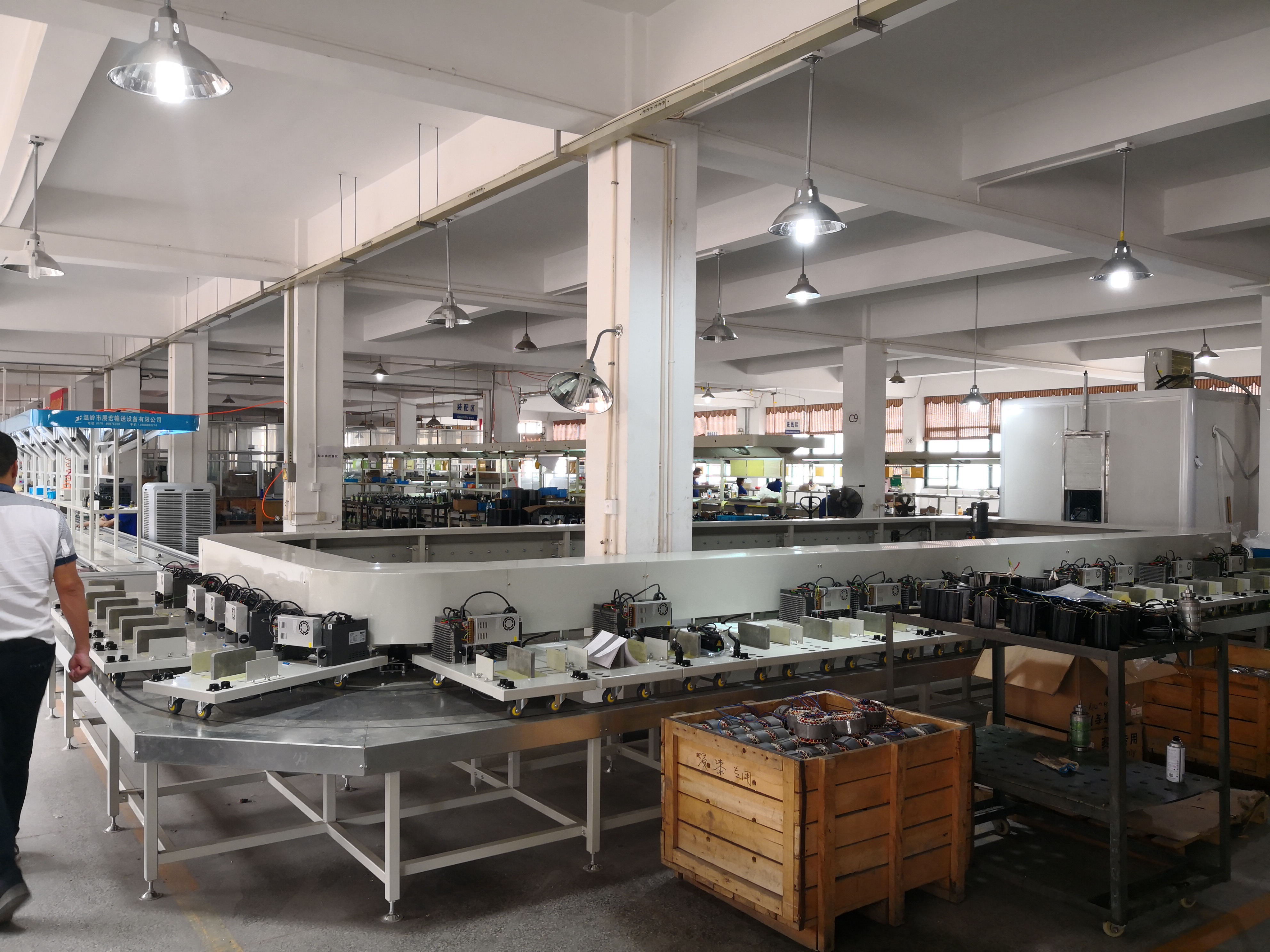
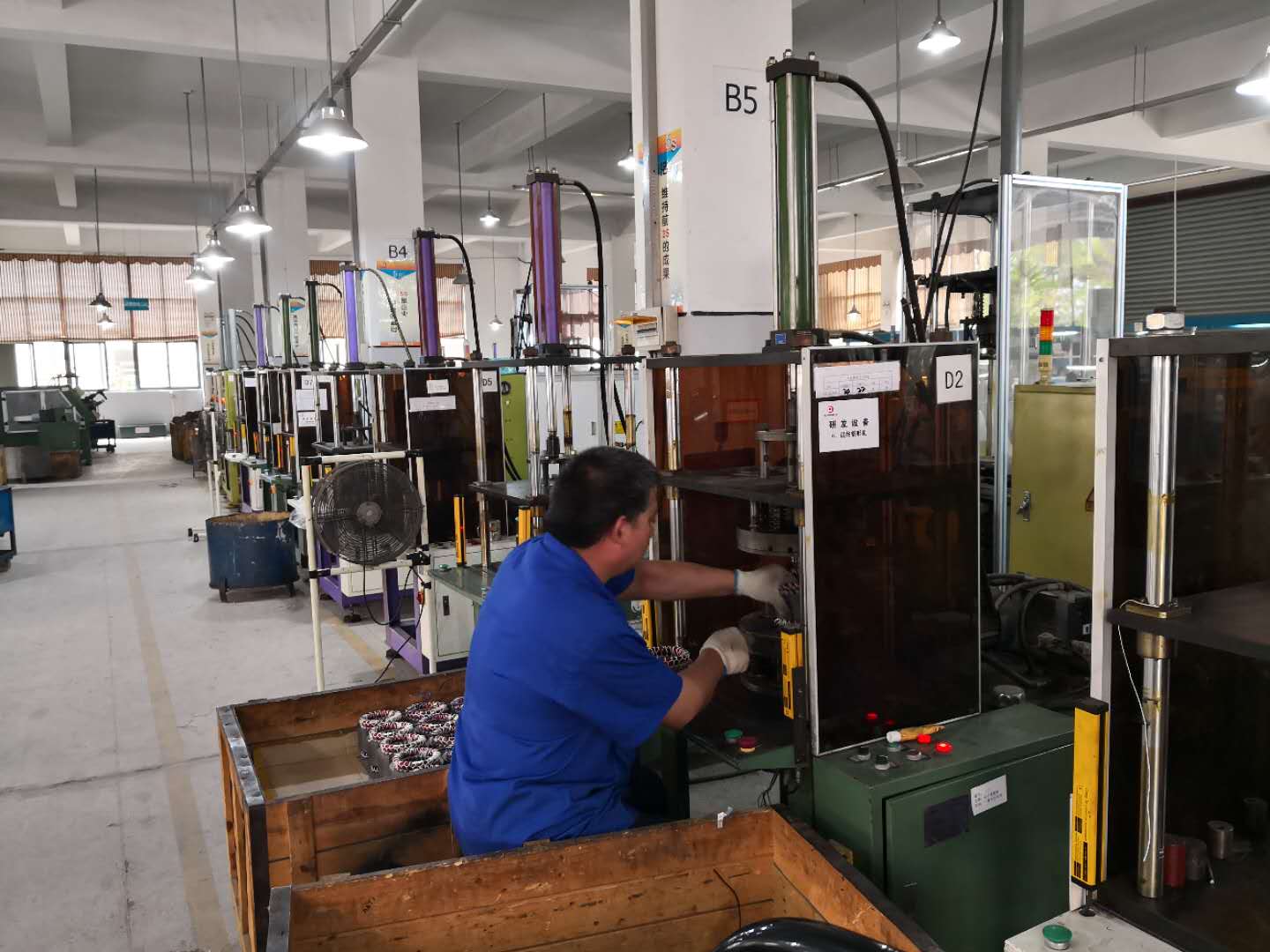
For a Mexico City wireless charging AGV project, that means the drive wheel, servo or BLDC driver, magnetic guide sensor and charger interface can be reviewed as one system. The supplier states an onsite-verified factory assessment by Intertek, eight patents, five in-house testing instruments and finished-product inspection. Prototypes are tested for extended periods before production parts are released.
OEM/ODM support covers sample-based customization, design-based customization, buyer-label packaging and design services. Typical customizations include motor power and voltage, reduction ratio, wheel diameter and tread material, encoder type, brake options and mounting interfaces. This matters for Mexican integrators adapting a global AGV platform to local floor conditions, Spanish documentation and a specific charging strategy.

Questions Mexico City Buyers Ask Before Ordering
These answers address the commercial and technical questions that most often appear in RFQs from CDMX, Estado de México and nearby industrial corridors.
Are you a wireless charging AGV exporter or mainly a component wholesaler?
The company supplies both AGV-related platforms and core motion components: drive wheels, controllers, motors, sensors, charger pads and accessories. For a true wireless charging AGV project, share the required power level, coil gap, misalignment tolerance, battery voltage and safety requirements. The supplier can then confirm which parts are standard catalog items and which require a customized engineering review.
Can you ship to Mexico City and provide import documents?
Yes, the supplier lists global export terms including FOB, CFR, CIF, EXW, CIP, FCA, CPT, DDU and express delivery. For Mexico, confirm the commercial invoice, packing list, bill of lading or airway bill, certificate of origin where applicable, and any NOM or customs documentation requested by your broker. The exact document set depends on the product and the Incoterm.
What is the minimum order for samples or wholesale quantities?
MOQ depends on the product configuration and whether the item is standard or customized. Drive wheels and controllers may be available as samples, while customized motor power, voltage, reduction ratio or mounting interfaces may require a minimum production quantity. Ask for a sample quotation and a separate wholesale price schedule so the two are not mixed.
How do we choose between inductive wireless charging and automatic contact charging?
Start with dwell time, floor tolerance, cleaning routine and maintenance capability. If the AGV can align accurately and needs frequent opportunity charging in a clean area, inductive wireless charging may be worth the additional validation. If the site has fixed docking positions and a lower capital budget, an automatic contact pad may be more practical. Do not label a contact pad as inductive wireless unless the supplier provides coil gap, misalignment and foreign-object detection data.
Which drive wheel suits Mexico City warehouse floors?
For smooth concrete and 1,000 kg class loads, start with a horizontal drive wheel or compact polyurethane unit. For heavier automotive or industrial loads, review the 3,000 kg differential drive wheel. For forklift-type steering, use the vertical steering drive unit. Always confirm floor friction, expansion joints, ramp grade and cleaning chemicals before selecting the tread material.
Do you support 127/220 V, 60 Hz and Spanish documentation?
Mexico City electrical environments commonly include 127/220 V, 60 Hz supply, and many buyers request Spanish labels, alarm lists and maintenance instructions. Raise these requirements at quotation stage so the charger input, plug standard, manuals and label set can be confirmed before production. Do not assume a generic export configuration will match every site.
What about NOM, CFDI and customs clearance for Mexico?
NOM and CFDI requirements depend on the product, importer and transaction structure. The supplier can provide commercial documents and product information, but the Mexican importer should confirm the applicable NOM standard and CFDI treatment with a qualified customs broker or tax advisor. Build this review into the project schedule rather than leaving it until the shipment arrives.
How is product quality verified before shipment?
The company states ISO 9001:2015 certification, an Intertek onsite-verified factory assessment, eight patents, five in-house testing instruments and finished-product inspection. Prototypes are run for extended periods before production release. For Mexico City projects, request the inspection record, test parameters and spare-parts list with the quotation.
What payment and delivery terms are accepted?
Payment methods listed by the supplier include T/T, L/C, D/P, D/A, MoneyGram, credit card, PayPal, Western Union, cash and escrow. Currencies include USD, EUR, JPY, CAD, AUD, HKD, GBP and CNY. Delivery terms include FOB, CFR, CIF, EXW, CIP, FCA, CPT, DDU and express delivery. Confirm the most suitable combination for your first order and repeat wholesale order.
What after-sales support is available for a CDMX deployment?
The supplier states a 97.9% inquiry response rate and 24/7 online response. For local deployment, request wiring diagrams, driver parameter files, commissioning guidance, troubleshooting flowcharts and a recommended spare-parts kit. If Spanish-language training is required, include it in the quotation so responsibilities and deliverables are clear.
Specifying a Wireless Charging AGV for Mexico City?
Send your payload, speed, floor condition, available charging dwell time, battery voltage and chassis height. The engineering team can match drive wheels, controllers, charger pads and spare parts for a Mexico City deployment.
Email: info@torqenbot.com · Hangzhou, Zhejiang, China · ISO 9001:2015 · Intertek onsite-verified