China Wholesale Robot Drive Wheel Factory & Supplier for the Tokyo Market
Engineering-led AGV drive wheels, differential units, steering drive assemblies, automatic chargers and robot mobility components from Zhejiang Torqen Technology Co., Ltd. — an Intertek onsite-verified manufacturer supporting Tokyo warehouse automation, electronics production, food logistics, automotive line-side handling and high-mix intralogistics projects.
Eight Robot Drive Wheel & AGV Components for Tokyo Integrators
Start with a complete drive train or request a single replacement unit. The shortlist below combines heavy-duty traction, low-profile chassis engineering, magnetic guidance vehicles and automatic charging hardware — all sourced from Torqen’s factory-direct product range.
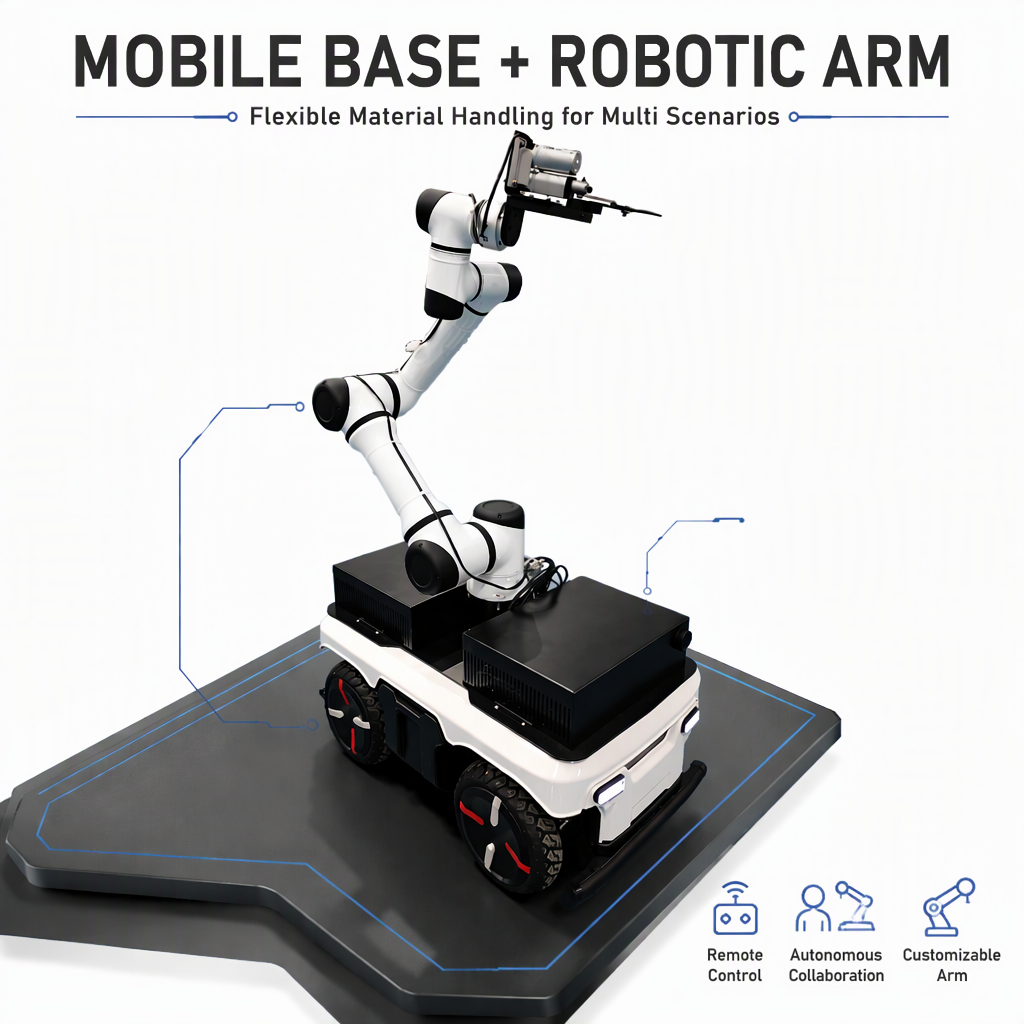
TZBOT Four Wheel Drive Ackerman Chassis AGV Collaborative Remote Control Composite Robot with Arm
For Tokyo assembly cells and laboratory automation that combine smooth Ackerman transport with light robotic manipulation. Remote control simplifies commissioning and route teaching.
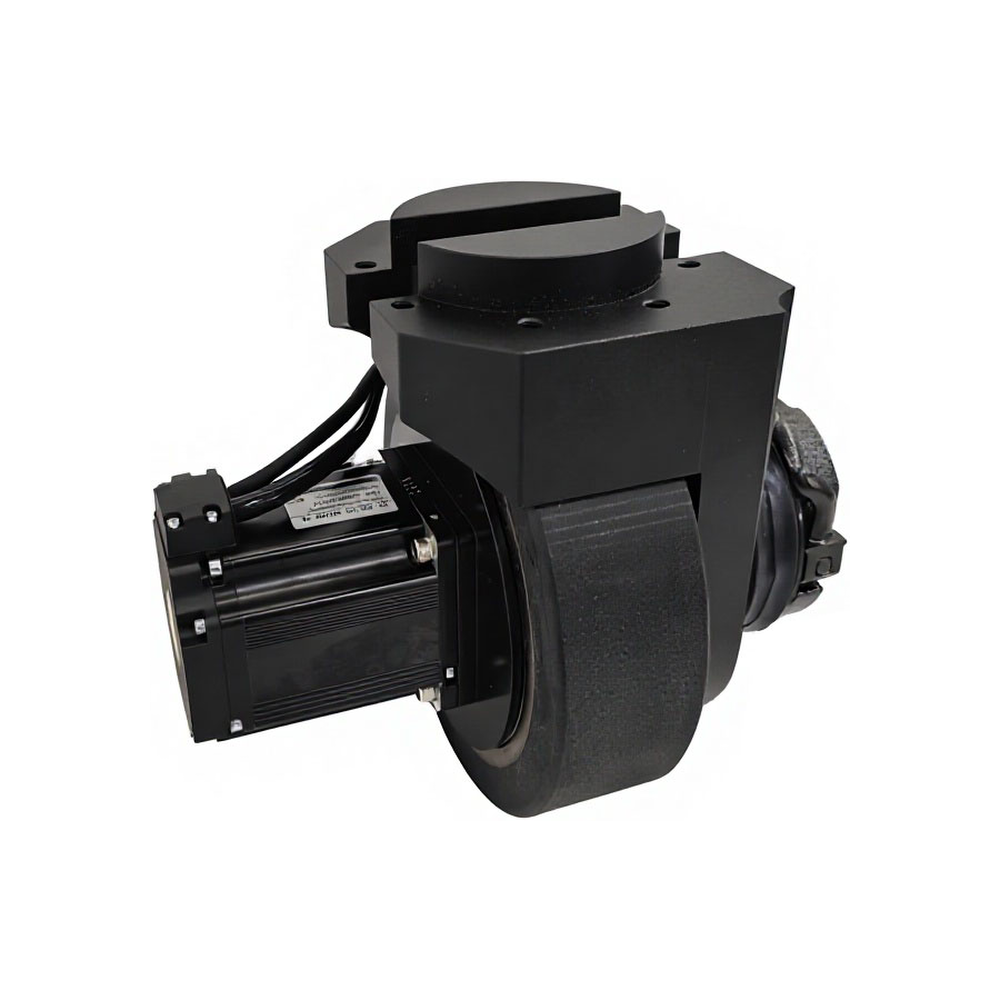
TZBOT agv Wheel Traction Accessories 1000kg Heavy Duty Capacity Material Handling Equipment Part Horizontal Drive Wheel Assembly
A 1,000 kg class horizontal drive assembly for latent AGVs and low-clearance carts. The compact build height suits dense Tokyo facilities with existing conveyor and lift interfaces.
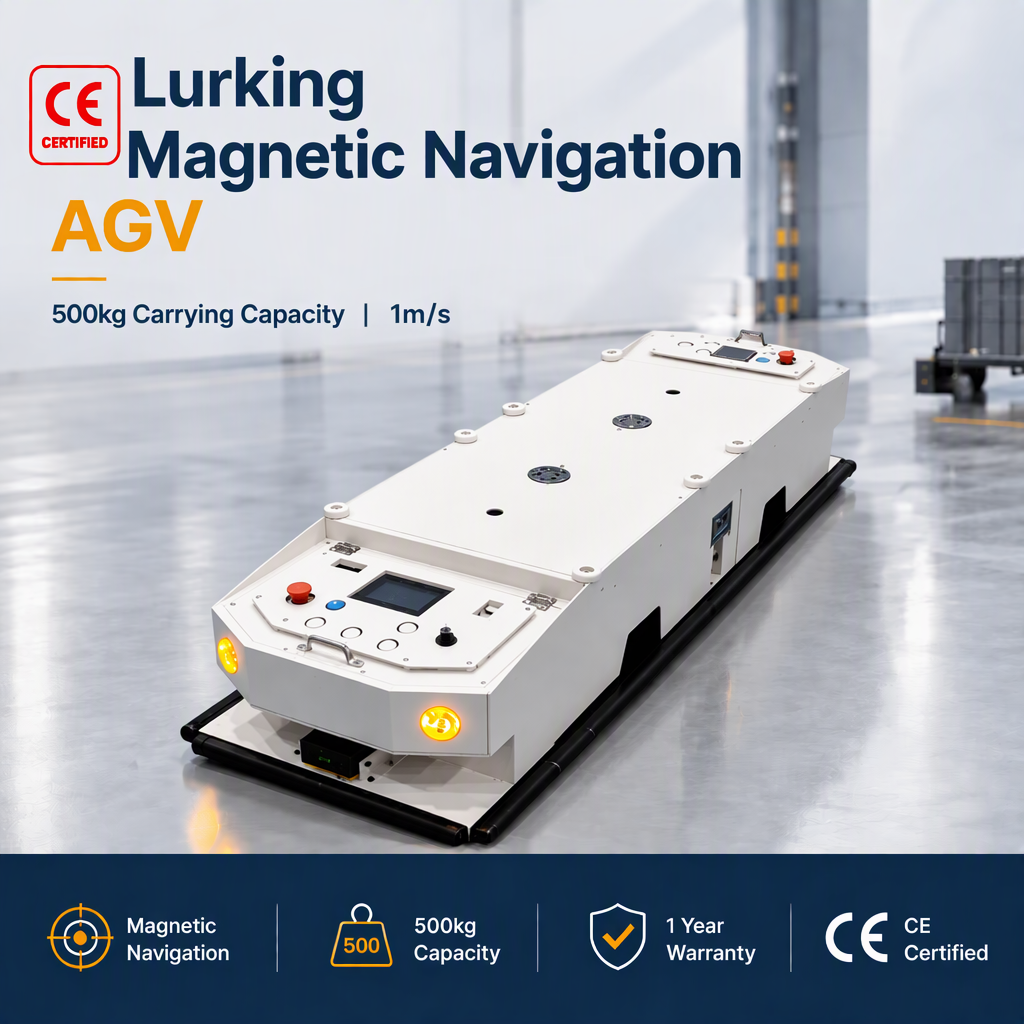
TZBOT EU CE Lurking AGV Material Handling Equipment Logistic Automation 500kg Bidirectional Magnetic Guidance Mobile Robot
Stable magnetic guidance for fixed routes, repeatable stops and fast deployment on existing floors. A practical choice for Tokyo 3PL retrofits and production-line replenishment.
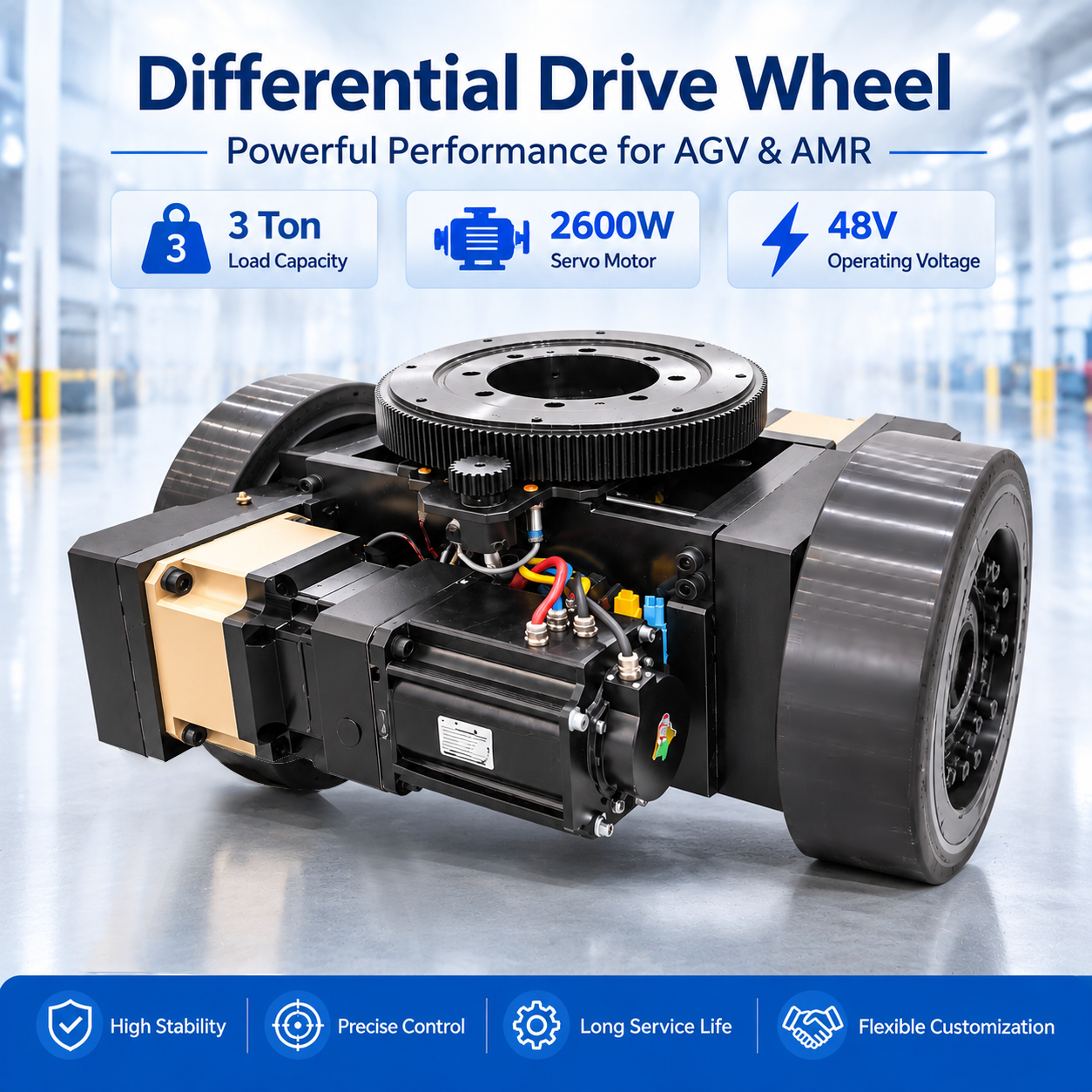
TZBOT Customizable 3000kg Load Capacity agv Wheel Automatic Guided Vehicle Differential Drive Wheel with 2600w 48V Servo Motor
Heavy-duty differential traction with a 2,600 W 48 V servo motor. Designed for industrial platforms, tow tractors and automotive line-side logistics in Japan’s capital region.
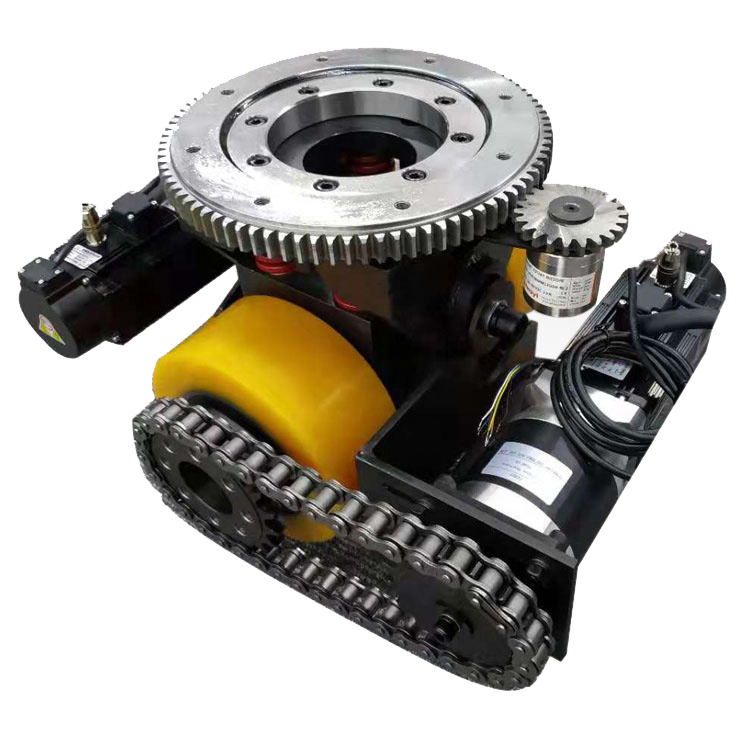
TZBOT 48V DC 2 Ton Heavy Duty Differential Unit AGV Wheel TZCS-750-30
A robust 2-ton differential unit for press-shop material movement, battery-powered tow tractors and heavy platforms where torque reserve and gearbox durability matter.
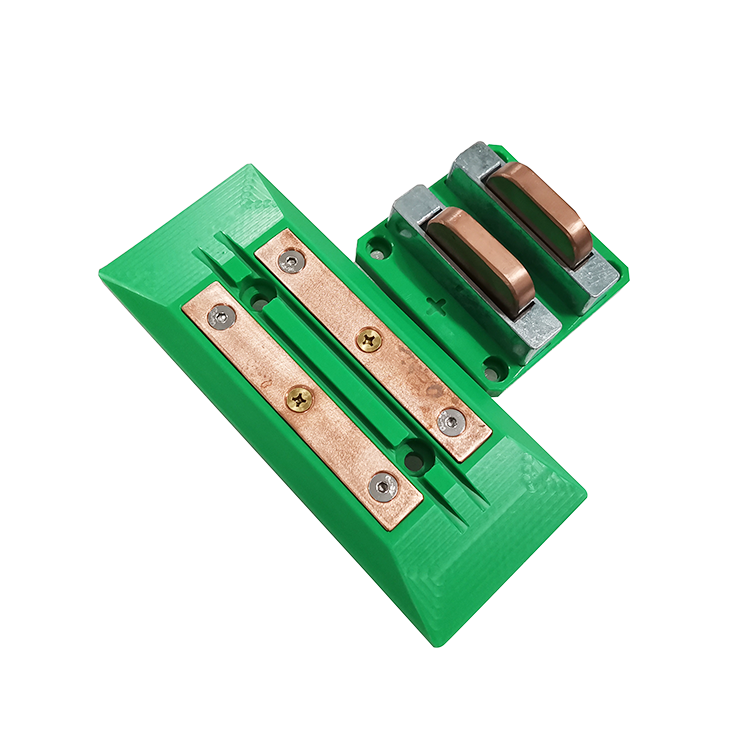
TZBOT Charger Pad Model TZ-CP-50A with Brush Plate and Brush Block for AGV Navigation Vehicles
Charging contact hardware for opportunity-charging AGV fleets. Helps reduce manual plug-in labor in multi-shift Tokyo operations and supports predictable docking routines.
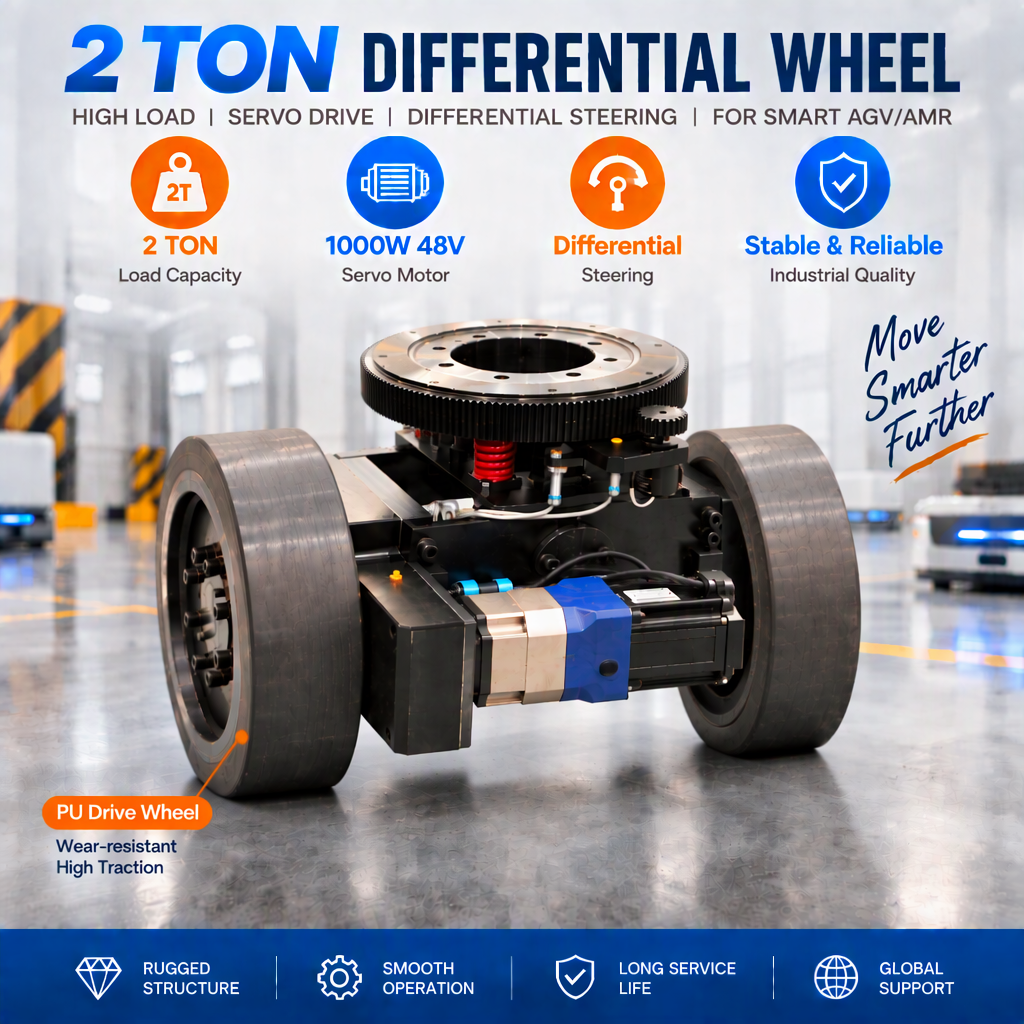
TZBOT 2000KG Heavy Duty Series AGV Wheel 1000w 48V Strong Power Mobile Robot Differential Drive Wheel with Spring Suspension
Spring suspension helps maintain wheel contact on uneven floors, ramps and older factory surfaces. A 1,000 W 48 V drive for 2,000 kg platforms requiring stable traction.
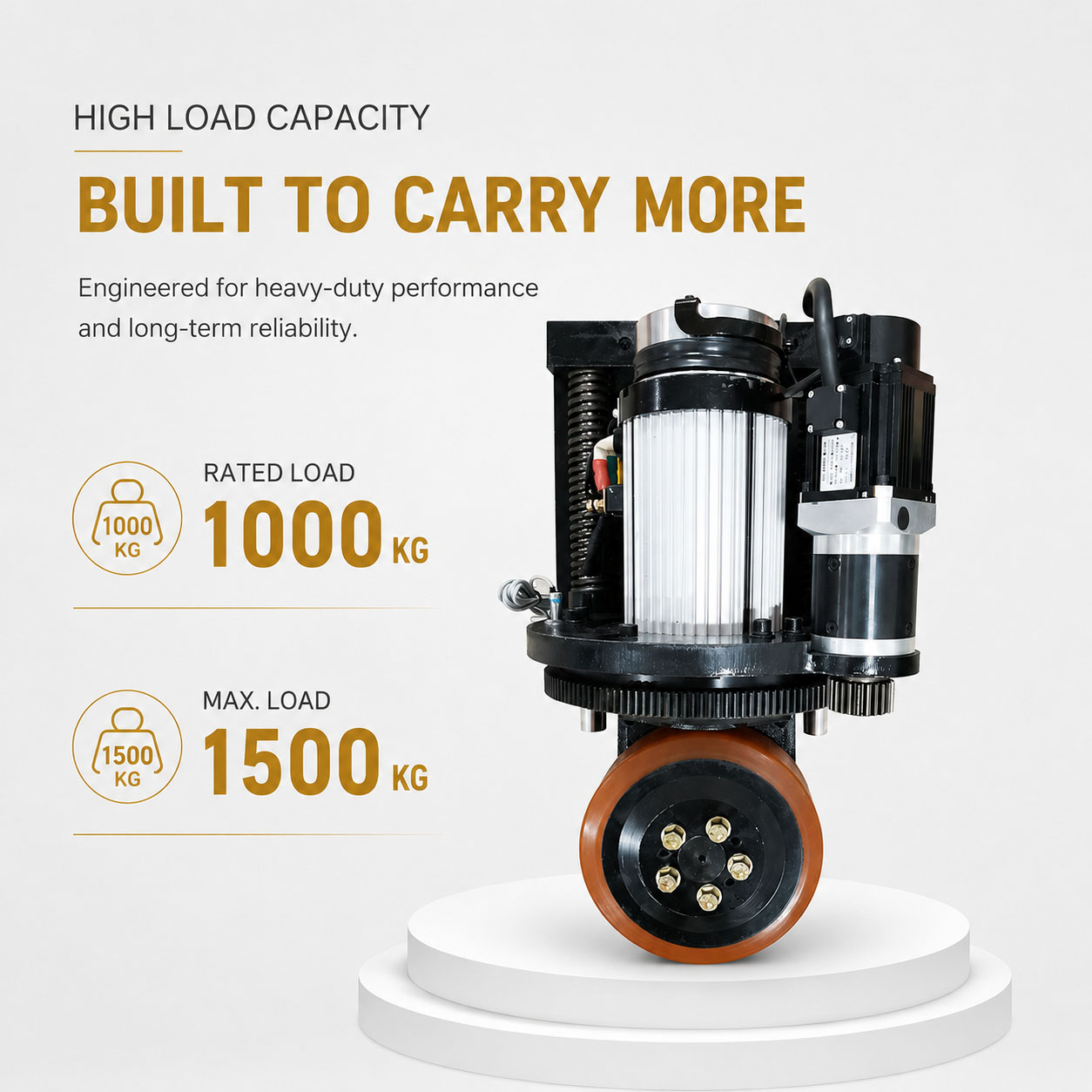
TZBOT 1000KG Bearing Duty 1500w Servo Motor AGV Forklift Driving Wheel with Suspension for Automatic Forklift
Designed for automatic forklifts and lifting vehicles that need controlled traction during pallet pick-up, ramp travel and repeated warehouse cycles.
Why China Wholesale Robot Drive Wheels Are Moving Up Tokyo Procurement Agendas
Tokyo’s automation buyers are not simply looking for the lowest price. They are balancing labor availability, building constraints, line-side flexibility, safety documentation, delivery reliability and total cost of ownership. A qualified Chinese drive wheel factory can satisfy that balance when the engineering interface is managed properly.
Labor-Saving Imperative
Japan’s shrinking working-age population and the “2024 logistics problem” push warehouses to reduce walking, pushing and manual transfer. Drive wheels matched to payload and floor conditions are the mechanical foundation of reliable AGV uptime.
Space-Constrained Facilities
Tokyo warehouses often operate inside older buildings with narrow aisles, low ceilings and limited room for charging stations. Horizontal and low-profile drive assemblies help keep chassis height under control.
High-Mix Operations
Electronics, food, cosmetics and automotive parts sites increasingly run small batches. Modular AGVs with customizable wheels, suspension and chargers can be reconfigured faster than fixed conveyors.
Quality Evidence
Japanese buyers commonly request factory verification, inspection records, prototype endurance testing and responsive technical answers. Torqen’s ISO 9001:2015 system and Intertek onsite verification support that due-diligence path.
Where Torqen Drive Wheels Fit Tokyo Automation Projects
Local application requirements differ by floor surface, route length, payload centre of gravity, cleaning regime and building management rules. These scenarios are frequently used in Japanese integrator specifications.
3PL & E-Commerce Fulfilment
Latent and lifting AGVs move totes, cages and shelf units between receiving, picking and dispatch zones. Magnetic guidance and RFID stop points are commonly preferred for predictable deployment.
Electronics & Precision Assembly
Clean floors and repeatable docking require stable traction and low vibration. Ackerman chassis and suspension drive wheels help protect sensitive components during transport.
Food, Beverage & Cold Chain
Washdown, condensation and temperature transitions demand careful material selection. Specify wheel tread, drain paths and charger placement before evaluating the lowest unit price.
Automotive & Industrial Parts
Heavy differential units from 2,000 kg to 3,000 kg support line-side replenishment, tow tractors and engine or transmission subassembly movement.
Pharmaceutical & Medical Logistics
Smooth speed control, low-noise traction and controlled acceleration help protect cartons, trays and medical consumables while reducing operator fatigue.
Airport, Retail & Service Robotics
Remote-controlled Ackerman platforms and compact battery-powered vehicles can support baggage-cart movement, retail replenishment and facility service tasks.
Three Procurement Shifts Shaping Tokyo Robot Drive Wheel Demand
These trends explain why a drive wheel should be selected as part of a drivetrain system, not as an isolated commodity. The interaction among motor, reducer, wheel, suspension, controller and charger determines real uptime.
Safety Evidence Before Price Negotiation
Tokyo integrators increasingly request traceable inspection records, supplier credentials and application-specific risk notes. Torqen’s ISO 9001:2015 certification, Intertek onsite verification and finished-product inspection routine give buyers concrete starting evidence. Final risk assessment, guarding and emergency-stop design remain the integrator’s responsibility.
Mixed AGV and AMR Fleets
Rather than replacing an entire warehouse, many operators add AMRs beside existing magnetic AGVs. A supplier that offers differential, steering and horizontal drive units — plus magnetic, RFID and lidar sensor categories — reduces integration friction and spare-part complexity.
Opportunity Charging & Uptime
Multi-shift operations favor automatic charging contacts and predictable docking. Charger pads, brush blocks and battery-voltage compatibility should be reviewed together with drive motor current, acceleration profiles and route cycle times.
A Practical Selection Matrix for Tokyo Buyers
The following indicators are not a substitute for engineering review, but they help narrow the specification before a sample request. Use them to align procurement, mechanical design and controls teams early.
What Japanese Buyers Often Compare
Before You Request a Drive Wheel
Add wheel diameter, tread material, brake/encoder choice, mounting interface and duty cycle to shorten the sampling cycle.
Due Diligence Checklist
Ask for project-specific wiring diagrams, driver parameters and maintenance-recommended spares alongside the commercial quotation.
| Drive Configuration | Steering Method | Best-Fit Tokyo Use Case | Selection Note |
|---|---|---|---|
| Differential drive wheel | Two independently driven wheels create a speed difference. | Latent AGVs, jacking robots, shelf-lifting vehicles and compact pallet movers inside existing warehouses. | Efficient for tight turning; confirm floor friction, tyre wear and controller tuning. |
| Heavy-duty differential unit | Same differential principle with reinforced gearbox and motor. | Automotive line-side logistics, tow tractors, 2–3 tonne industrial platforms. | Review start-up torque, ramp holding and heat dissipation under multi-shift duty. |
| Steering drive wheel | Drive motor plus a dedicated steering motor controls wheel angle. | Automatic forklifts, tricycle AGVs and vehicles that must track precise curves or perform side docking. | Specify steering zero position, encoder type, brake logic and maximum steering torque. |
| Horizontal drive assembly | Motor mounted horizontally to reduce overall chassis height. | Low-clearance latent AGVs, under-cart systems and space-constrained retrofits. | Confirm mounting height, suspension travel and maintenance access before chassis release. |
| Drive wheel with suspension | Integrated spring suspension maintains floor contact. | Older factories, ramps, expansion joints and mixed floor finishes common in Tokyo facilities. | Spring rate, permitted load variation and wheel wear should be reviewed together. |
Why Zhejiang Torqen Technology Co., Ltd. Is a Credible China Wholesale Partner
Torqen was founded in 2015 in Hangzhou, Zhejiang, and manufactures automatic guided vehicles, AGV drive wheel assemblies, DC/AC motors, encoders, reducers, motor controllers, caster and PU wheels, and in-wheel motor units. The company serves automation builders that need engineering communication, customization and export-ready logistics rather than anonymous parts trading.
Verified Quality System
ISO 9001:2015 certification, Intertek onsite verification and a documented finished-product inspection routine provide a credible foundation for Japanese buyer audits.
OEM / ODM Customization
Sample-based and design-based customization covers motor power and voltage, reduction ratio, wheel diameter, tread material, encoder type, brake options and mounting interfaces.
Endurance Testing
Prototypes can undergo extended-duration testing before production release, using five in-house testing instruments and inspectors experienced in motion components.
Export-Ready Support
Trade terms include FOB, CFR, CIF, EXW, CIP, FCA, CPT, DDU and express delivery. Payment methods include T/T, L/C, credit card, PayPal, Western Union and escrow; currencies include JPY and USD.
Requirement Review
Share load, speed, gradient, voltage, chassis height and floor condition. Torqen engineers assess the drive architecture.
Engineering Proposal
Motor, reducer, wheel and mounting interface are matched. Drawings and key parameters are reviewed by both teams.
Prototype Build
Sample-based or design-based customization is produced for validation with the Tokyo integrator’s chassis.
Endurance Testing
Extended-duration runs and parameter checks help identify thermal, mechanical or control issues early.
Mass Production
Production follows ISO 9001:2015 controlled processes, with attention to repeatability, traceability and packing.
Inspection & Delivery
Final inspection, export packing and international shipping are coordinated against the agreed Incoterm and schedule.
Common Questions from Japanese Automation Integrators
These answers address the practical procurement points that appear repeatedly in drive wheel, AGV and motion-component inquiries from Japan.
Q.Can Torqen support OEM and ODM customization for Tokyo AGV projects?
Yes. Torqen offers sample-based customization, design-based customization, OEM production, design services and buyer-label packaging. Typical changes include motor power and voltage, reduction ratio, wheel diameter and tread material, encoder type, brake options and mounting interfaces. Provide a drawing, 3D model or sample measurement for an accurate review.
Q.Which drive wheel type should I choose for a new AGV platform?
Differential drive units suit compact latent and jacking AGVs that turn by wheel-speed difference. Steering drive wheels suit forklift and tricycle-type vehicles that need controlled steering angles. Horizontal drive assemblies suit low-clearance chassis, while suspension drive wheels improve floor contact on uneven surfaces. Share payload, speed, gradient, chassis height and battery voltage for a configuration recommendation.
Q.How is voltage matched to Japanese electrical environments?
AGV drive wheels normally operate from a DC battery system, while the charger’s AC input must be matched to the facility supply. Tokyo buildings commonly use 100 V or 200 V supplies at 50 Hz or 60 Hz depending on the area. Confirm the charger input specification, battery voltage and charging strategy before order; Torqen can review the compatible combination with the integrator.
Q.What proof of quality and factory capability can buyers request?
Torqen’s quality management system is certified to ISO 9001:2015 and the facility has been verified onsite by Intertek. The company discloses 8 patents, 51–100 employees, a 1,000–3,000 ㎡ factory footprint and five in-house testing instruments. Buyers can request inspection records, prototype endurance test arrangements and product-specific drawings during technical review.
Q.Can you provide samples before a production order?
Yes, sample orders and prototype builds are part of the customization workflow. The fastest sampling process begins with five values: gross vehicle weight, target speed, maximum gradient, battery voltage and available chassis height. Add wheel diameter, tread material, brake, encoder and mounting details to reduce back-and-forth communication.
Q.What payment methods and currencies are accepted for Japan?
Accepted payment methods include T/T, L/C, D/P, D/A, MoneyGram, credit card, PayPal, Western Union, cash and escrow. Currencies include USD, EUR, JPY, CAD, AUD, HKD, GBP and CNY. Delivery terms include FOB, CFR, CIF, EXW, CIP, FCA, CPT, DDU and express delivery; final terms depend on consignee requirements and shipment size.
Q.Can Torqen help with drivers, chargers and navigation accessories?
Yes. The product range includes DC/AC motors, servo and BLDC motor controllers, magnetic guide sensors, RFID position sensors, lidar sensors, charger pads and AGV accessories. Matching the drive wheel, driver and charger from one supplier can reduce integration risk and simplify spare-part planning.
Q.What after-sales support is available for overseas buyers?
Torqen reports a 97.9% inquiry response rate and provides online technical communication for wiring, driver parameters and commissioning questions. Buyers should agree on a recommended spare-parts list, maintenance intervals and warranty terms before mass production. Final safety validation and local regulatory compliance remain with the equipment integrator.
Flexible Commercial Terms for Tokyo Procurement
Commercial terms should be agreed in writing, including packaging, inspection, spare parts and shipment responsibility. The options below reflect Torqen’s disclosed trade capabilities.
Payment Methods
Delivery Terms
Currencies
Send Your Tokyo AGV Specification to a Drive Wheel Engineer
Share payload, speed, gradient, battery voltage, chassis height and required drive type. The Torqen team will review the application and recommend a drive wheel, motor, driver and charger combination for your Tokyo project.
