Eight Traction AGV Products for Los Angeles Integrators & Distributors
A practical shortlist spanning drive wheels, AGV controllers, magnetic tape, composite robot chassis, lifting AMRs and laser SLAM navigation. Product URLs are preserved for direct specification and quotation.
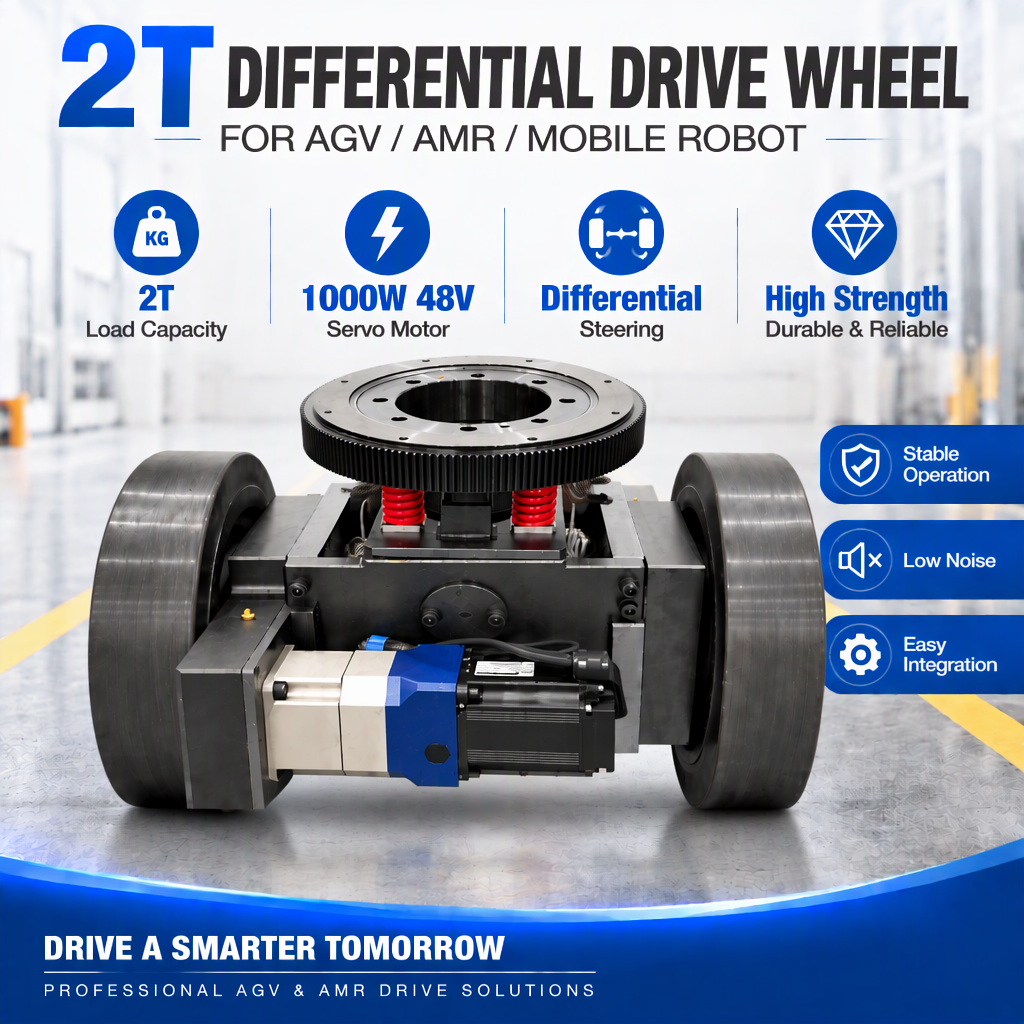
TZBOT 2000kg Traction Capacity Logistic Robot Part AGV AMR Differential Steering Drive Wheel for Sale
High-load differential drive wheel for compact latent, jacking and heavy material-handling AGVs.
- 2000 kg class
- Differential steering
- Logistic robot
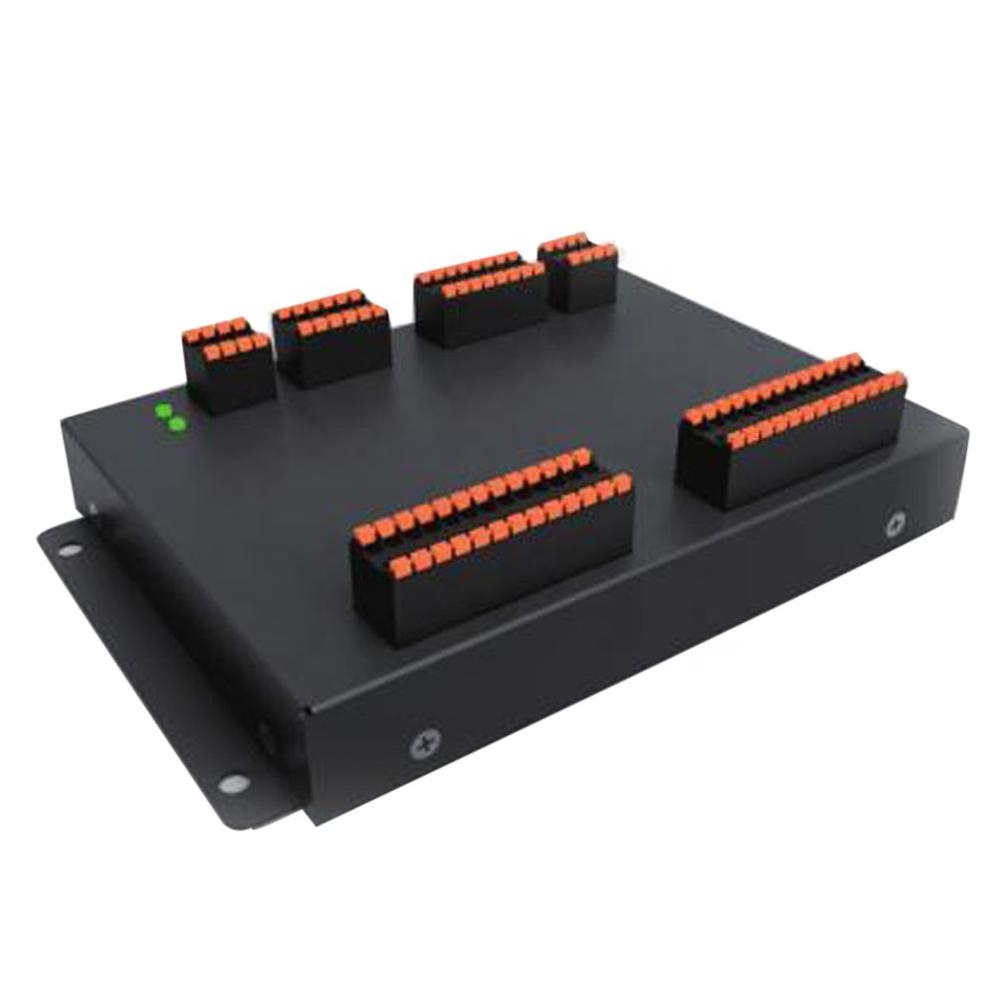
TZBOT TZC-MST-FX200D-A Controller for Commanding the AGV
Command and motion control module for integration into automated guided vehicle platforms.
- AGV command
- OEM integration
- Matched electronics
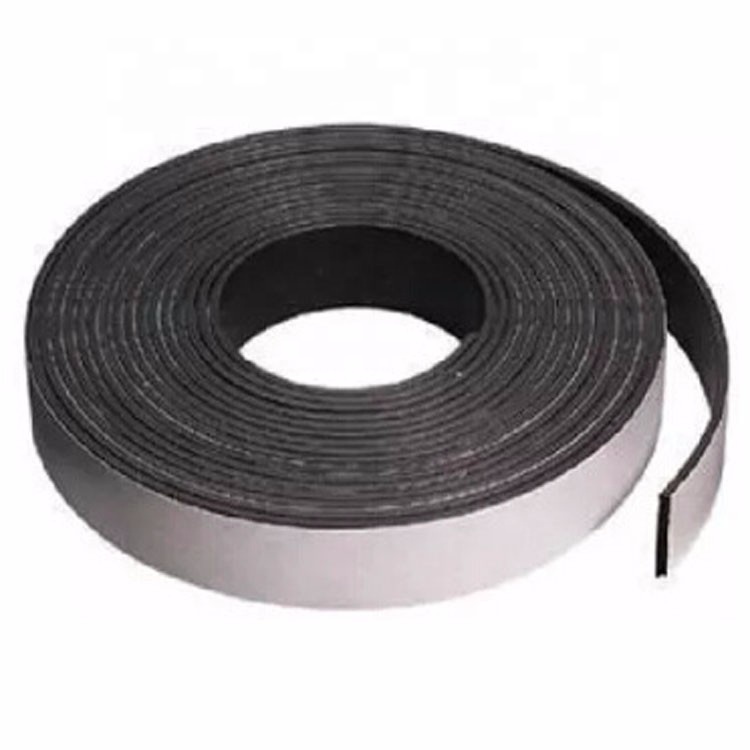
Sell Well Magnetic Tape Which N Pole up of 5cm Width, 25m One Roll for AGV Paved Path Can Retail or Wholesale
Reliable magnetic guideline tape for fixed-route AGV deployment, retail or wholesale quantities.
- 5 cm × 25 m
- N pole up
- Retail / wholesale
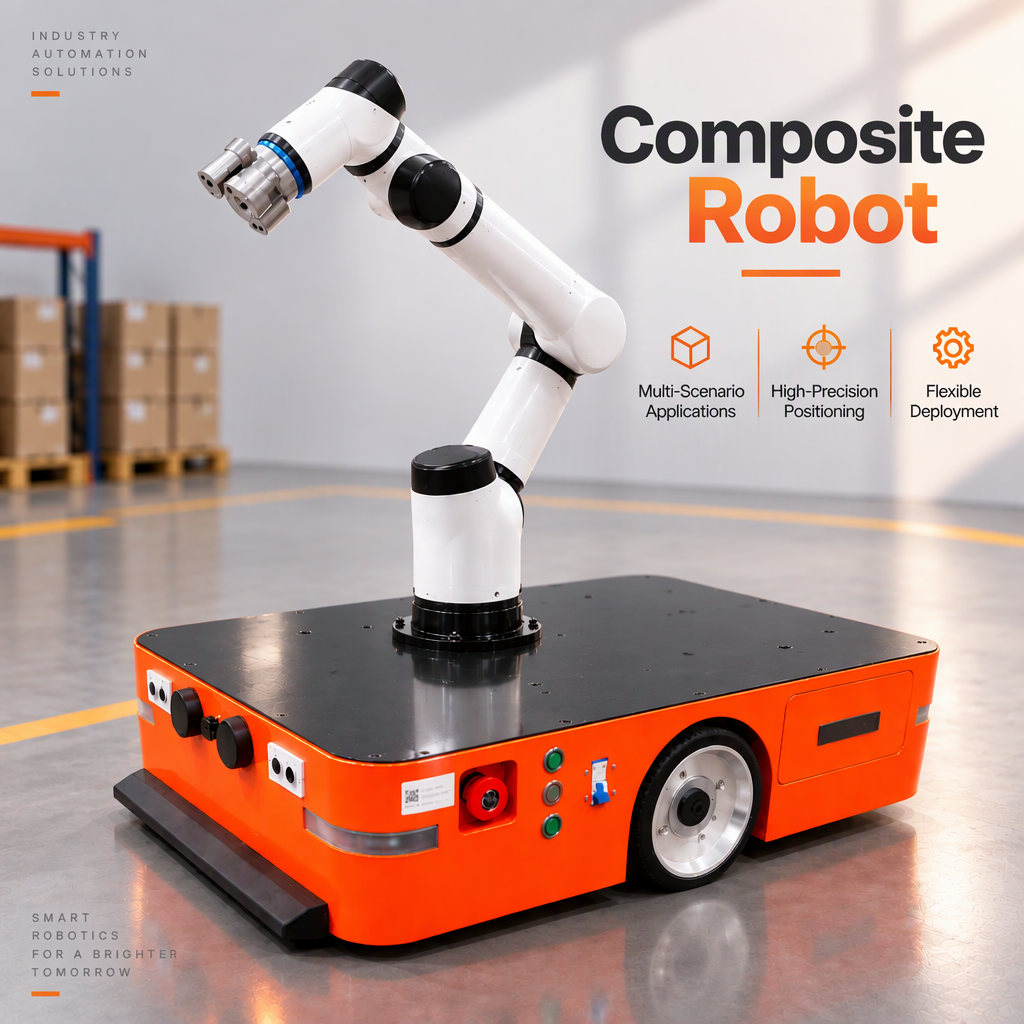
TZBOT Backpack AGV 200kg Load Capacity Chassis Magnetic Guidance Composite Robot with Robotic Arm
Compact 200 kg-class backpack AGV chassis for composite robot builds and light material handling.
- 200 kg load
- Magnetic guidance
- Robotic arm ready
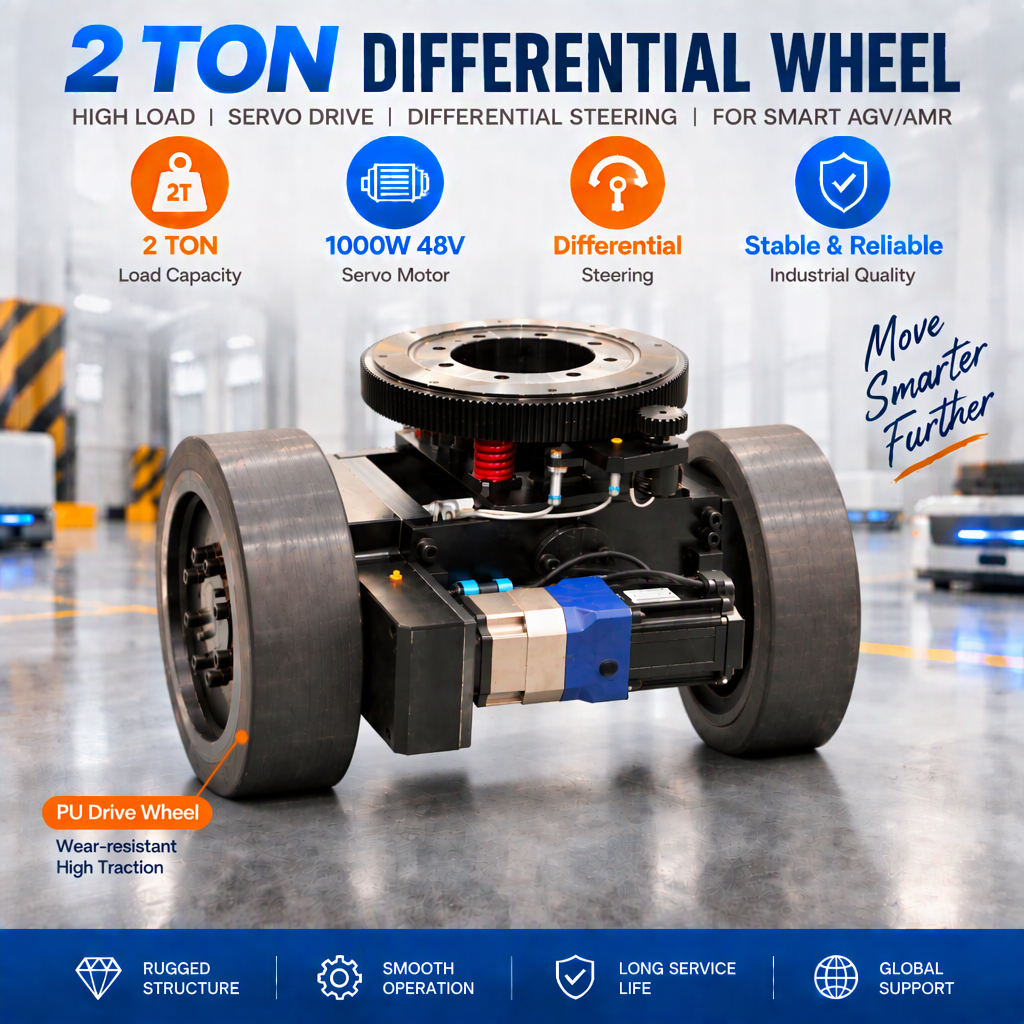
TZBOT Customized 2000kg Bearing Duty AGV Wheel 1000W 48V Heavy Duty Series Mobile Robot Differential Drive Wheel with Suspension
Heavy-duty 48 V suspension drive wheel for high-payload mobile robots and demanding floor conditions.
- 1000 W / 48 V
- Suspension
- 2000 kg duty
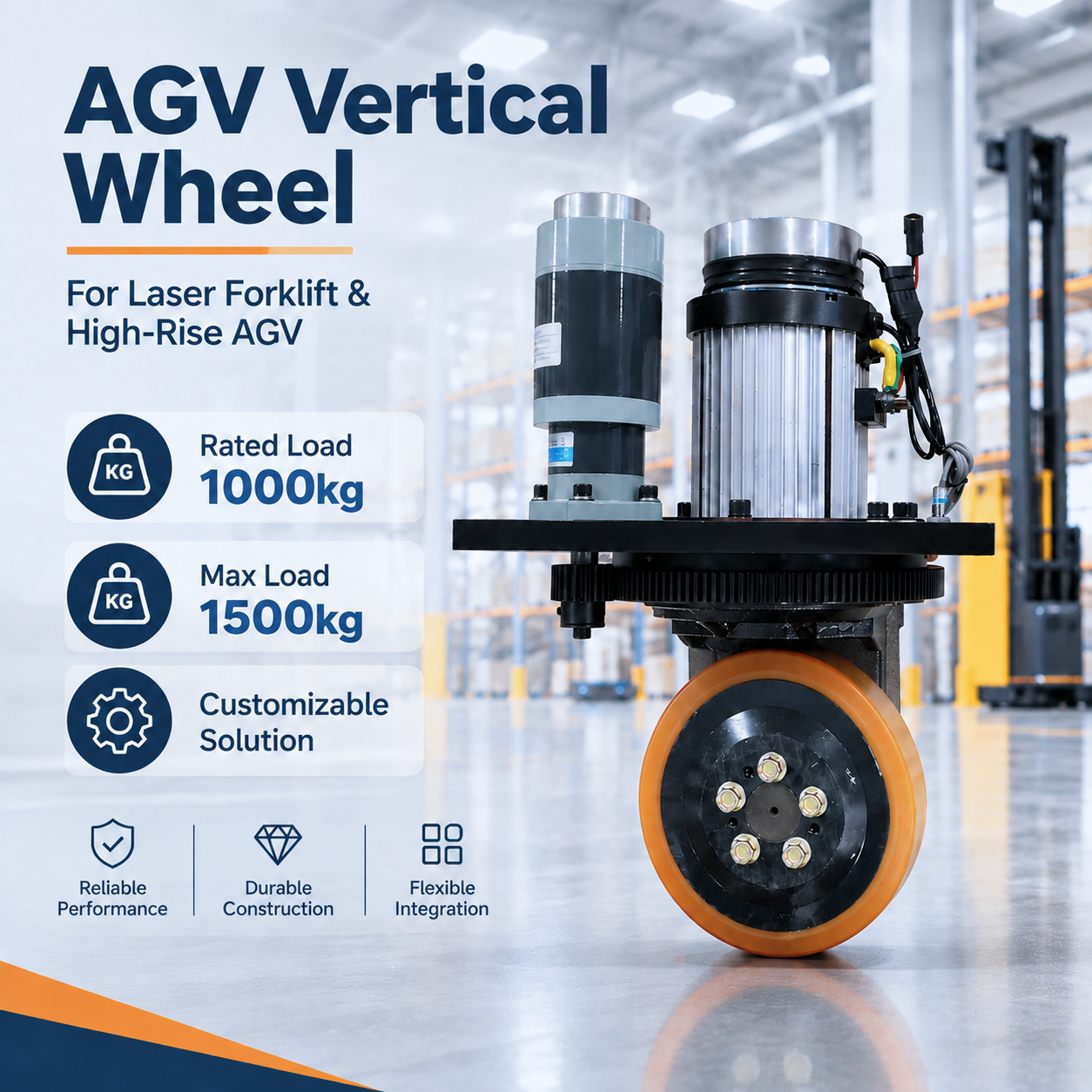
TZBOT 2590r/min Vertical Driving Unit Electric Traction Wheel 1500W Steering Forklift Accessories
Vertical electric traction and steering unit for forklift-type AGVs and tricycle-drive chassis.
- 1500 W
- 2590 r/min
- Steering type
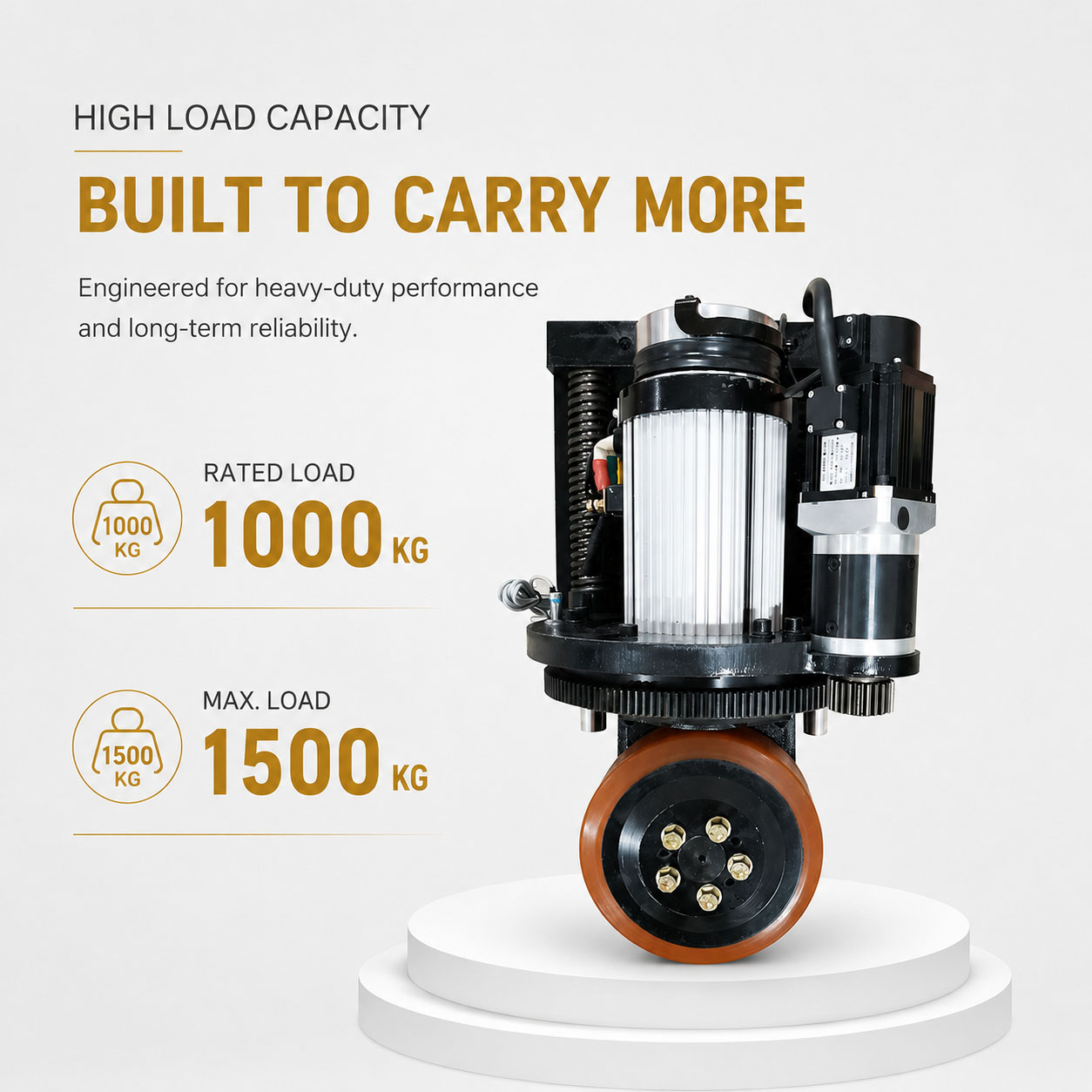
TZBOT 1000KG Bearing Duty 1500w Servo Motor AGV Forklift Driving Wheel with Suspension for Automatic Forklift
Servo-driven forklift AGV wheel with suspension for controlled acceleration and stable payload travel.
- 1000 kg class
- 1500 W servo
- Suspension
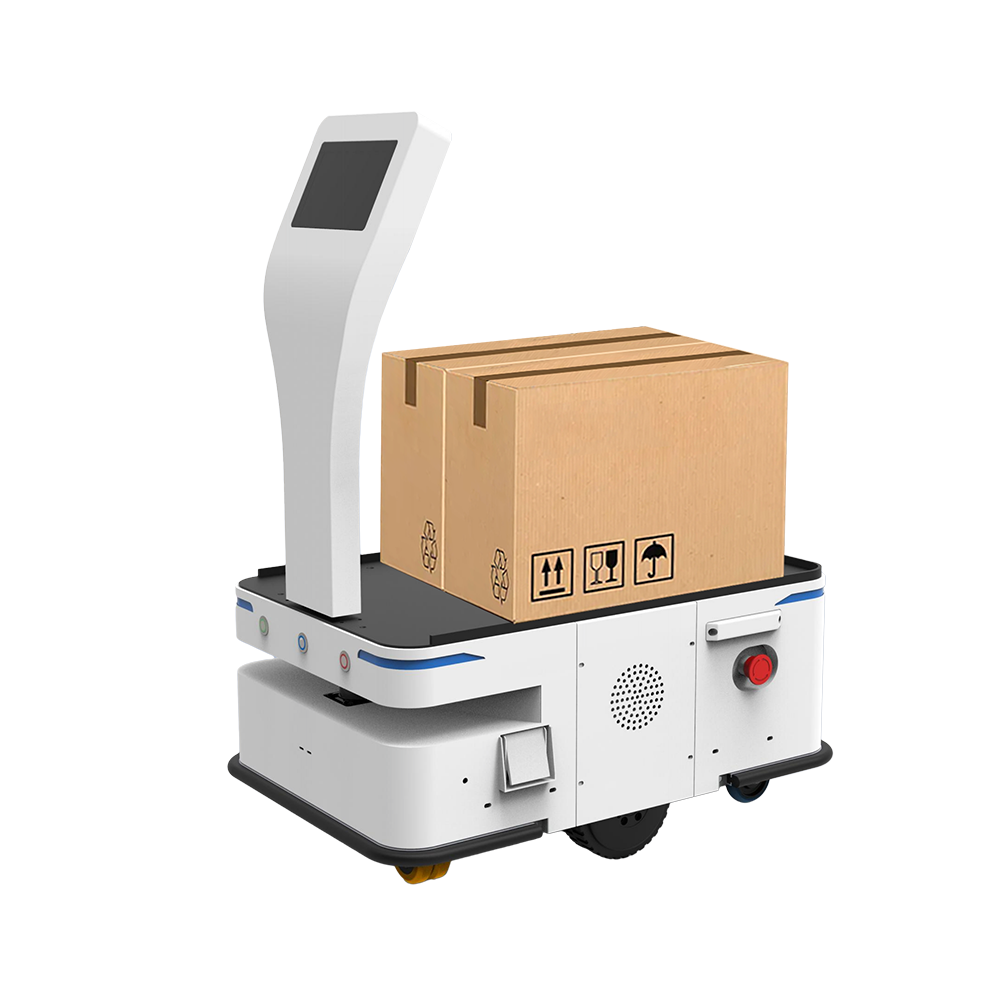
TZBOT High Precision Guidance Laser Slam Navigation AMR Robot 80kg Carrying Capacity Material Handling AMR Robot with 7 Inch HMI
Flexible 80 kg laser SLAM AMR with 7-inch HMI for adaptable material transport and rapid route changes.
- 80 kg capacity
- Laser SLAM
- 7-inch HMI
What Los Angeles Buyers Should Expect from a China Wholesale Traction AGV Exporter
Los Angeles is not a generic warehouse market. It combines the Ports of Los Angeles and Long Beach, dense cross-dock operations, high-rent industrial space, round-the-clock e-commerce fulfillment, cold-chain distribution, aerospace manufacturing and a deep base of systems integrators. Buyers are not simply shopping for a wheel or controller; they are protecting vehicle uptime, integration speed and spare-part continuity across a fleet.
A credible China wholesale traction AGV exporter should shorten the distance between engineering and procurement. That means providing matched drive wheels, motors, controllers and navigation components; sharing drawings and wiring information; testing prototypes before release; and documenting export packing, payment terms and delivery responsibilities clearly. Torqen has manufactured AGV drive wheel assemblies, automatic guided vehicles, motors, controllers, sensors and accessories since 2015 from Zhejiang, China, with an ISO 9001:2015 quality management system and onsite-verified manufacturing credentials.
For Los Angeles projects, the strongest sourcing strategy is usually a matched drivetrain plus a local integration plan. The AGV builder specifies gross vehicle weight, speed, floor transitions, battery voltage and chassis height. The factory matches motor power, reduction ratio, wheel diameter, tread and encoder. The controller is then tuned to the drive unit, and the navigation method is selected based on whether the site needs fixed magnetic routes, RFID station recognition, QR grids or flexible laser SLAM.
This article is written from a factory engineering and export perspective, not as a local stock claim. Its purpose is to help Los Angeles buyers compare suppliers with better technical questions, clearer acceptance criteria and fewer integration surprises.
What LA Buyers Evaluate Most Often
Illustrative evaluation weighting based on common RFQ priorities for AGV drivetrain and automation-component sourcing. Actual scores depend on vehicle class, duty cycle and site layout.
Where Traction AGV Components Fit in Los Angeles Operations
The right component depends on how the vehicle moves through the facility, not only on the payload shown in a catalogue.
Port-Adjacent Cross-Dock & Pallet Transfer
Near the Ports of Los Angeles and Long Beach, the priority is steady transfer between staging, cross-dock and trailer-loading zones. Heavy-duty differential drive wheels with suspension help maintain traction through floor seams, dock plates and wash-down areas.
E-Commerce Micro-Fulfillment
High-rent Los Angeles facilities reward compact AGVs that turn tightly and use vertical space. A 200 kg backpack chassis or 80 kg laser SLAM AMR can support goods movement where fixed conveyors are too expensive or too slow to reconfigure.
Cold Chain & Food Distribution
Cold storage and food distribution teams prioritize predictable acceleration, sealed components and cleanable paths. Magnetic tape and RFID station markers remain useful where condensation, racking and pallet flow make fully flexible navigation harder to validate.
Aerospace, Automotive & Industrial Assembly
Los Angeles County manufacturers often need traceable material movement and repeatable positioning. Servo-driven forklift AGV wheels, matched controllers and RFID position markers support controlled acceleration and station-level recognition.
Forklift Automation & Tugger Routes
Automatic forklifts and tugger vehicles benefit from steering drive wheels with defined steering angles. A vertical 1500 W traction unit or 1000 kg suspension wheel can be selected according to chassis layout, floor grade and desired manoeuvrability.
Medical, Laboratory & High-Value Logistics
Sensitive environments value flexible laser SLAM AMRs and compact composite robot chassis. Smooth speed control, obstacle avoidance and clear HMI feedback matter more than maximum payload, especially where routes change frequently.
Three Automation Trends Shaping AGV Procurement in Los Angeles
Sourcing decisions increasingly reflect real estate economics, labor continuity and emissions strategies rather than technology novelty alone.
Port-Linked, 24/7 Flow Demands Uptime
Port-adjacent logistics in Southern California rewards equipment that keeps moving through shift changes, trailer windows and peak import seasons. Buyers now ask for spare tires, controller spares, wiring diagrams and commissioning files before placing a fleet order. A matched factory source reduces the risk of mixing a drive wheel from one supplier with a controller from another.
High-Rent Warehouses Need Compact, High-Payload AGVs
Industrial vacancy and leasing costs push Los Angeles operators toward compact turning radius, low chassis height and higher payload per square metre. Differential steering drive wheels, low-clearance horizontal units and 1000–2000 kg heavy-duty wheel series are increasingly specified together, with suspension chosen for uneven floors and dock transitions.
Mixed-Fleet Navigation and Retrofit Demand
Many Los Angeles sites are not greenfield. They combine magnetic-tape routes, QR grid storage zones, RFID stations and laser SLAM vehicles. Integrators need drop-in components that can be diagnosed across time zones. Magnetic tape, RFID positioning and laser SLAM AMRs can coexist when the vehicle architecture and change-control documentation are planned from the start.
How to Specify an AGV Drive Unit & Navigation Method
Use these two comparison tables to shortlist components before requesting a quotation from China.
| Drive Configuration | How It Steers | Best-Fit Los Angeles Scenarios |
|---|---|---|
| Differential drive unit | Two independently driven wheels turn by speed difference. | Compact latent AGVs, jacking robots, shelf-lifting AMRs and space-constrained fulfillment layouts where tight turning matters. |
| Single steering drive wheel | Drive motor plus dedicated steering motor sets wheel angle. | Forklift AGVs, tricycle chassis, tugger routes and controlled docking where steering angle must be repeatable. |
| Horizontal drive assembly | Motor mounted horizontally to reduce build height. | Low-clearance chassis, under-ride carts and mobile platforms where vertical space is limited. |
| Heavy-duty wheel with suspension | Differential or steering drive with suspension travel. | Port-adjacent cross-docks, uneven floors, 1000–2000 kg loads and high-duty cycles needing traction stability. |
| Navigation / Positioning | Infrastructure Required | When to Choose It |
|---|---|---|
| Magnetic guide sensor with tape | 5 cm × 25 m N-pole magnetic tape on the floor. | Fixed routes, predictable cost, fast deployment and warehouses where paths rarely change. |
| RFID position sensor | RFID tags at stations and decision points. | Station recognition, speed zones, junction confirmation and route logic where tape alone is insufficient. |
| QR code navigation | Floor QR grid and suitable camera/sensor. | Grid storage and goods-to-person systems that need dense position references. |
| Laser SLAM with LiDAR | No fixed tape for route following; site mapping required. | Flexible routes, changing layouts, mixed traffic and 80 kg-class AMR applications with HMI interaction. |
The Five Numbers to Prepare Before You Request a Quote
Los Angeles integrators can reduce sample cycles by providing five values up front: gross vehicle weight, target travel speed, maximum gradient or ramp, battery voltage, and available chassis height. These values determine motor power, reduction ratio, wheel diameter, suspension choice and controller current rating. Add floor surface, wash-down requirements, ambient temperature and desired spare-parts stock to the brief if the application is cold-chain, port cross-dock or aerospace assembly.
Zhejiang Torqen Technology Co., Ltd. — One Factory for the Complete AGV Drive Train
Founded in 2015 in Zhejiang, China, Torqen designs and manufactures automatic guided vehicles, AGV drive wheel assemblies, DC/AC motors, encoders, reducers, motor controllers, caster and PU wheels, and in-wheel motor units. For Los Angeles buyers, the practical advantage is not simply price. It is the ability to source a drive wheel, a matched servo or BLDC controller and navigation accessories from one engineering team that understands how the parts must work together.
Our team works with OEM integrators to adapt torque, speed, mounting geometry, wheel diameter, tread, encoder type and brake options. A 2000 kg heavy-duty wheel can be specified with 1000 W / 48 V drive and suspension; a compact AMR may use a 200 kg backpack chassis; a forklift AGV may use a 1000 kg or 1500 W steering drive unit. The goal is a configuration that fits the chassis, duty cycle and local maintenance plan.
Quality is supported by an ISO 9001:2015 quality management system and an onsite-verified manufacturing assessment by Intertek. Torqen has 8 awarded patents, uses five in-house testing instruments for finished-product inspection, and runs extended-duration prototype testing before production release. These are the evidence points a serious wholesale buyer should ask about when comparing China traction AGV exporters.

Built for Integration, Tested Before Shipping, Supported After Delivery
Wholesale sourcing works best when technical support, trade terms and quality evidence are part of the offer.
Prototype & Endurance Validation
Prototypes undergo extended-duration testing before production parts are released. Finished-product inspection is supported by five in-house testing instruments, helping reduce the chance that a drive wheel or controller fails during early commissioning.
Commissioning Documentation
OEM and ODM support can include sample-based customization, design-based customization, buyer-label packaging, drawings, wiring references and parameter guidance. This helps Los Angeles engineers integrate components into an existing AGV architecture rather than starting from trial and error.
Export-Ready Terms & Response
Payment methods include T/T, L/C, D/P, D/A, MoneyGram, credit card, PayPal, Western Union, cash and escrow. Delivery terms include FOB, CFR, CIF, EXW, CIP, FCA, CPT, DDU and express delivery. Currencies include USD, EUR, JPY, CAD, AUD, HKD, GBP and CNY.
From Los Angeles RFQ to Factory Shipment in Six Steps
A clear workflow keeps engineering, purchasing and logistics aligned.
Requirement Review
Share payload, speed, voltage, chassis height, floor type and navigation preference. Identify whether the project needs differential, steering, horizontal or suspension drive.
Engineering Proposal
Torqen proposes motor power, reduction ratio, wheel size, tread, encoder and controller. Drawings and configuration notes are prepared for review.
Prototype or Sample Build
Sample-based customization or design-based customization is produced, including OEM labeling or mounting-interface adjustments where required.
Testing & Validation
Extended-duration prototype testing and finished-product inspection help confirm electrical and mechanical readiness before mass production.
Production & Quality Control
Production is managed under ISO 9001:2015 controls, with inspection records and spare-parts planning for fleet buyers.
Export Packing & Delivery
Final inspection, protective export packing and shipping under FOB, CIF, EXW, DDU or express terms, with documentation prepared for the Los Angeles destination.
Questions Wholesale Buyers Ask Before Ordering Traction AGV Components
Practical answers for engineering, purchasing and warehouse teams evaluating a China-based AGV component supplier.
What should a Los Angeles buyer verify before ordering AGV drive wheels from China?
Verify the supplier’s manufacturing credentials, test process and component matching. Ask for ISO 9001:2015 evidence, onsite verification information, drawings, motor and controller specifications, and sample-test records. Confirm that the drive wheel, controller, encoder and brakes are offered as a matched system rather than unrelated catalogue parts.
Can Torqen support the 24 V and 48 V systems used in Los Angeles warehouse robots?
Product options include 24 V AC/DC configurations, 48 V heavy-duty drive wheels and controllers operating at up to 60 V. Share your battery voltage, current limit and desired speed so the factory can recommend the appropriate controller, motor winding and reduction ratio. Any additional local electrical documentation should be discussed during the RFQ stage.
Which drive wheel is best for port-adjacent or high-load Los Angeles operations?
For high payload and uneven floor transitions, a 2000 kg heavy-duty differential drive wheel with suspension and 48 V / 1000 W drive is often a logical starting point. For tighter maneuvers, compare the 2000 kg differential steering drive wheel. The final choice depends on gross vehicle weight, floor friction, ramp grade, wheel diameter limits and duty cycle.
How are products packed and shipped to Los Angeles?
Export packing is planned around the component type, weight and quantity. Delivery terms available include FOB, CFR, CIF, EXW, CIP, FCA, CPT, DDU and express delivery. Buyers can request a quotation that clearly separates product value, export packing, freight arrangement and destination delivery responsibilities.
Does Torqen support OEM and ODM customization for LA integrators and distributors?
Yes. Torqen offers sample-based customization, design-based customization, OEM production, design services and buyer-label packaging. Typical changes include motor power and voltage, reduction ratio, wheel diameter and tread material, encoder type, brake options and mounting interfaces. This is useful for Los Angeles integrators who need a component to match an existing chassis or customer-specific maintenance plan.
What payment terms and currencies are accepted?
Accepted payment methods include T/T, L/C, D/P, D/A, MoneyGram, credit card, PayPal, Western Union, cash and escrow. Supported currencies include USD, EUR, JPY, CAD, AUD, HKD, GBP and CNY. Purchasing teams can choose the combination that fits their internal approval and risk-control process.
Specifying an AGV Project for Los Angeles?
Send your payload, speed, floor conditions, chassis height, battery voltage and preferred navigation method. Torqen’s application team will recommend a matched traction AGV drive wheel, controller, magnetic guidance or laser SLAM option and prepare a wholesale quotation with export terms.
