info@torqenbot.com Hangzhou, Zhejiang, China ISO 9001:2015 · Onsite-Verified Manufacturer

Custom OEM AMR Forklift Manufacturers & Supplier in the Seattle Market

Torqen helps Seattle OEMs, integrators, warehouse operators and automation teams source custom AMR forklift drive wheels, smart controllers, magnetic guidance, robotic chassis modules and heavy-duty motion components — engineered under ISO 9001:2015 and supported with export-ready documentation.

Since 2015 ISO 9001:2015 Intertek Onsite-Verified OEM / ODM Ready
Product Recommendations

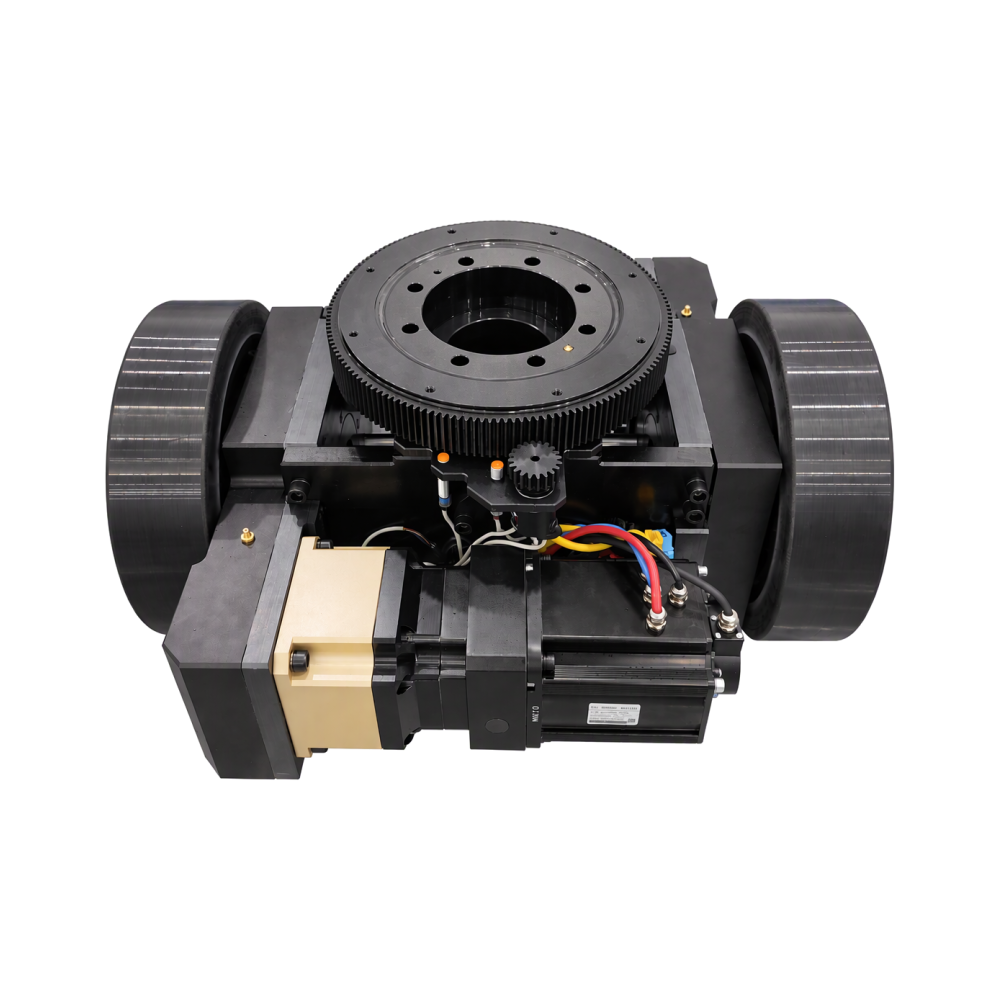
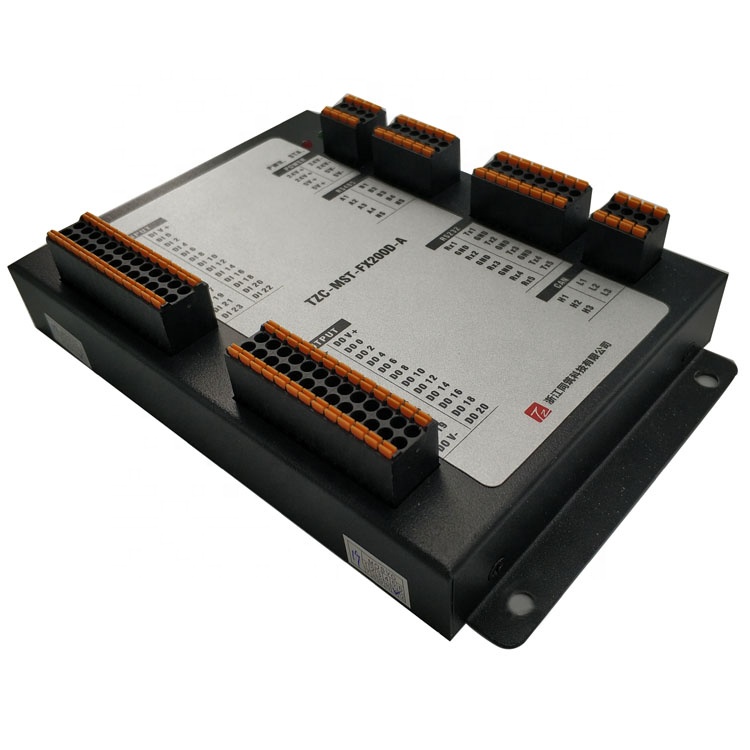
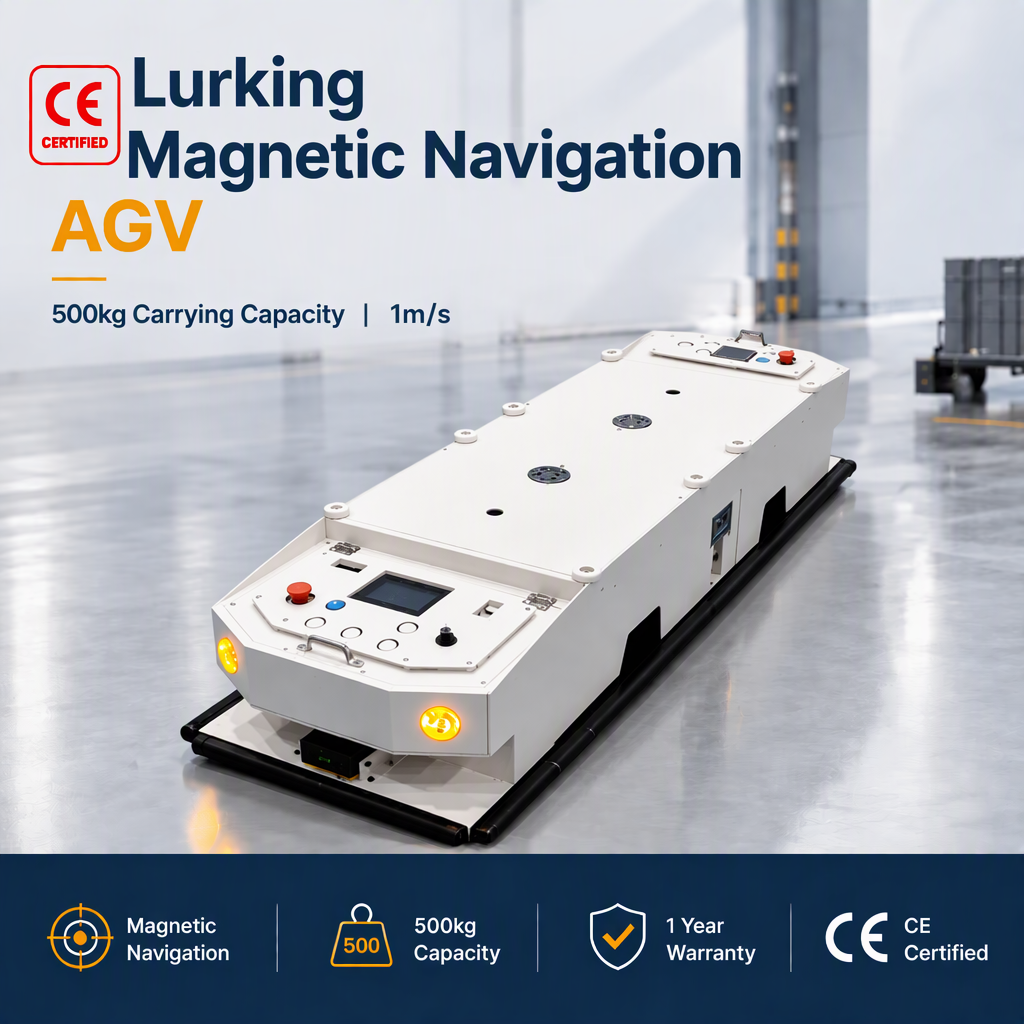
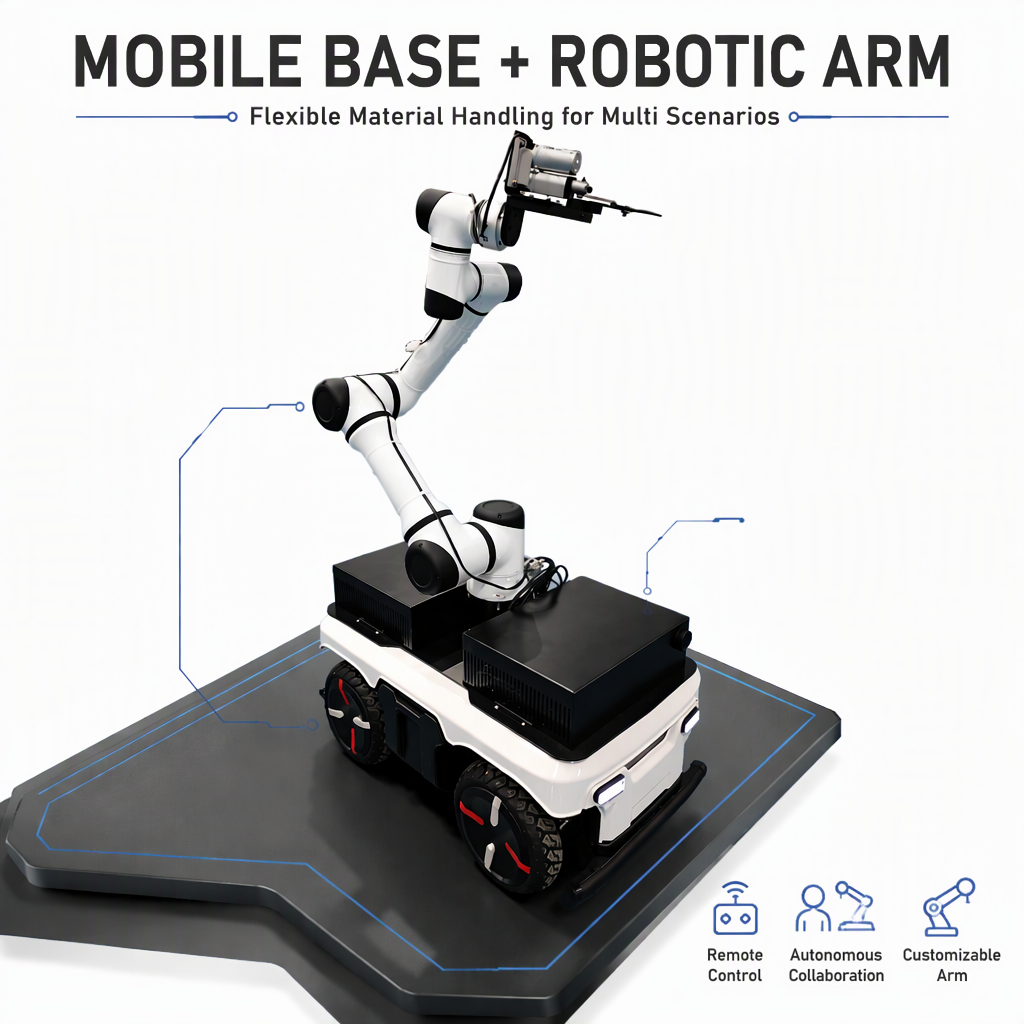
Eight Recommended Modules for Custom OEM AMR Forklift Programs in Seattle

These modules form a practical bill of materials for Seattle-area AMR forklift, AGV and autonomous material handling projects. Product URLs and catalog names are preserved from the supplier listing, while the application notes below focus on local integration requirements.

Seattle Market Perspective

Why Seattle OEMs Use a Component-First AMR Forklift Strategy

Seattle is not a generic warehouse market. From the Kent Valley distribution belt to aerospace suppliers in Everett, Renton and Auburn, from cold-chain seafood facilities to the Port of Seattle and Port of Tacoma, the operating environment rewards AMR forklift platforms that are customized around the building — not forced into it. Torqen supports this market with a component-first OEM approach: drive wheels, smart controllers, guidance hardware and composite robot chassis that can be matched at the specification stage, then produced under ISO 9001:2015 controls.

Custom OEM AMR forklift projects rarely fail because a single part is weak; they fail at the interfaces. A drive wheel may fit the chassis but not the desired aisle width. A controller may support auto guide but not the exact stopping tolerance needed near a dock door. A magnetic tape route may work in a clean aisle but degrade in a cold room or wet yard. The most reliable Seattle programs specify the drive train, electronics, navigation and safety envelope together. That is the information advantage of buying from a supplier that builds and tests multiple motion components instead of reselling unrelated parts.

  • Custom motor power, voltage, reduction ratio, wheel diameter, tread material, encoder, brake and mounting interface.
  • Factory-direct engineering support for sample-based and design-based OEM customization.
  • Export documentation and trade terms suitable for Seattle buyers importing from Zhejiang, China.
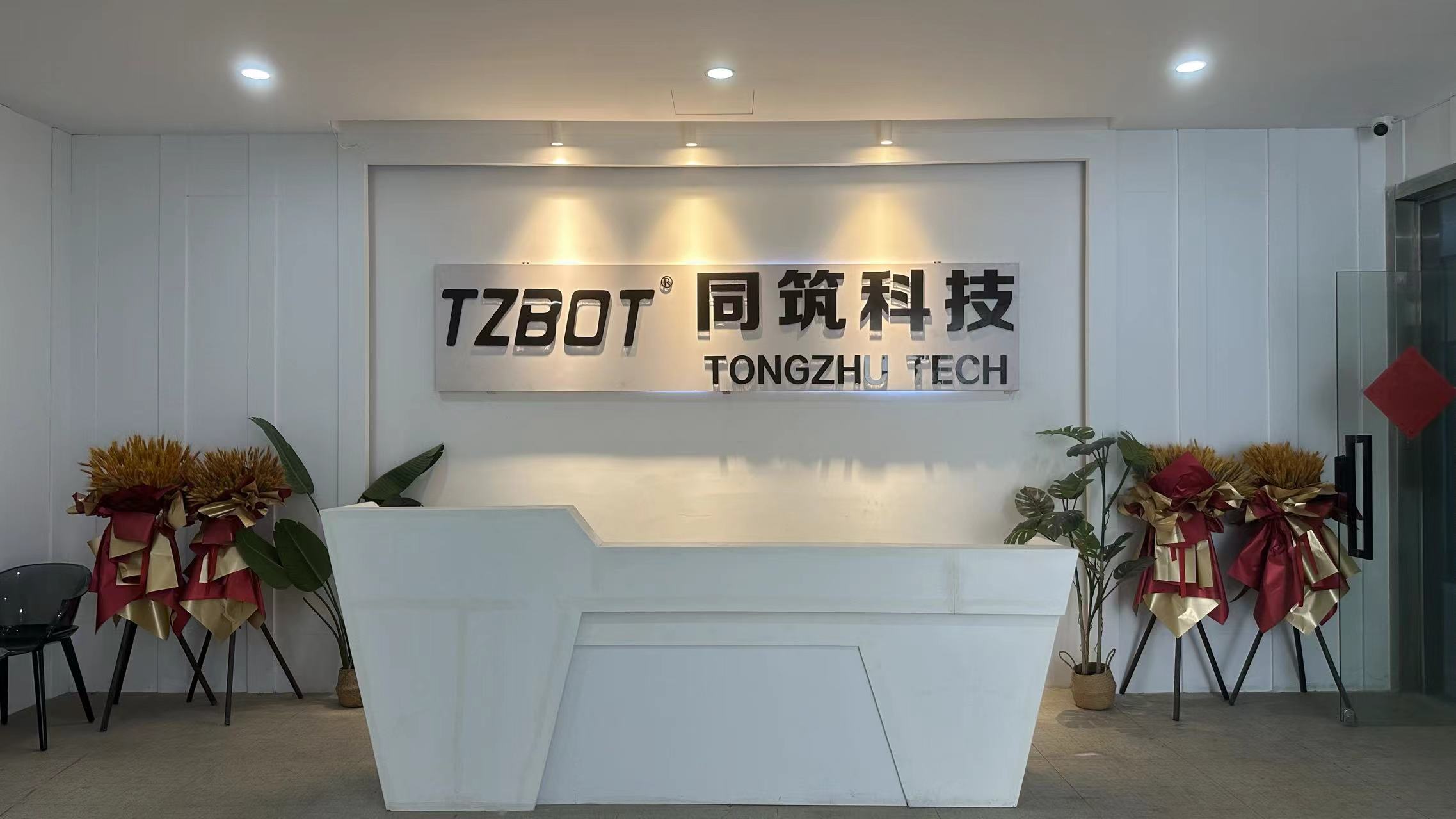
Zhejiang Torqen Technology office and production facility Torqen factory production workshop for AGV AMR components

Factory-direct engineering, assembly and inspection from Zhejiang, China — serving OEM programs for the Seattle market.

10+

Years building AGV, AMR and motion-control products since 2015

8+

Patents awarded through in-house research and development

51–100

Employees and engineers in a 1,000–3,000 m² factory environment

97.9%

Inquiry response rate with 24/7 online support for global buyers

Localized Applications

Seattle Application Scenarios for AMR Forklifts and Autonomous Material Handling

Seattle-area deployments vary sharply by floor surface, aisle width, temperature, payload and safety expectations. The scenarios below show where custom OEM AMR components deliver practical value.

Aerospace and Advanced Manufacturing

In Everett, Renton, Auburn and surrounding supplier parks, AMRs can move tooling, kitting carts and subassemblies through mixed concrete floors. Low-profile chassis, precise stopping and robust controllers are usually more important than maximum speed.

E-commerce and 3PL in the Kent Valley

High-throughput fulfillment centers need predictable route control and fast changeover. Magnetic guidance, RFID stations and smart controllers let Seattle 3PLs automate repeatable moves while keeping expansion costs visible.

Cold Chain and Seafood Distribution

Cold rooms, washdown zones and condensation require careful discussion of wheel tread, sealing, controller placement and braking. The 500kg magnetic AGV and heavy-duty drive modules can be adapted for chilled-route logistics.

Port, Rail and Maritime Logistics

Near the Port of Seattle and Port of Tacoma, yards and cross-docks demand heavier drive solutions. The 3,000kg differential wheel and Ackerman chassis support larger loads, longer routes and harsher floor conditions.

Building Materials and Construction Supply

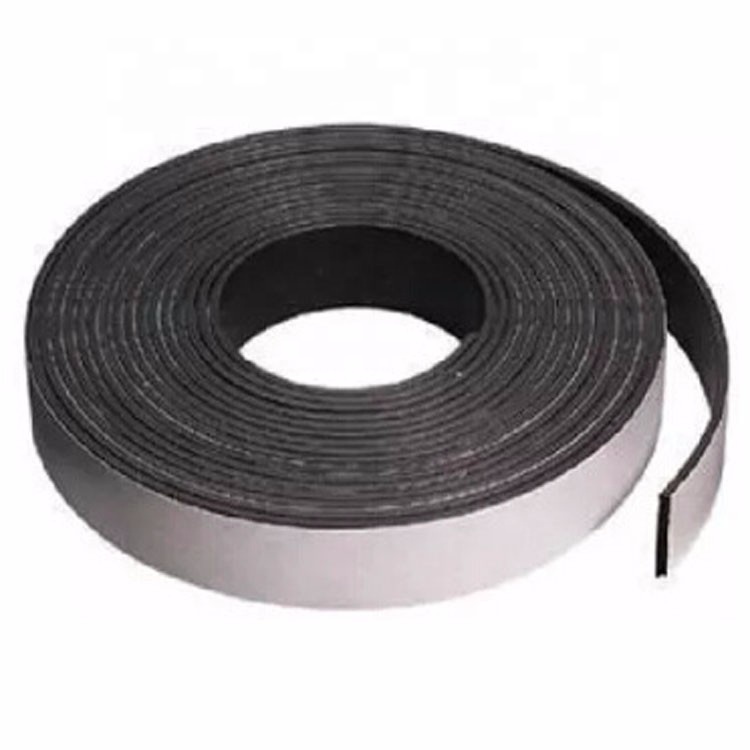
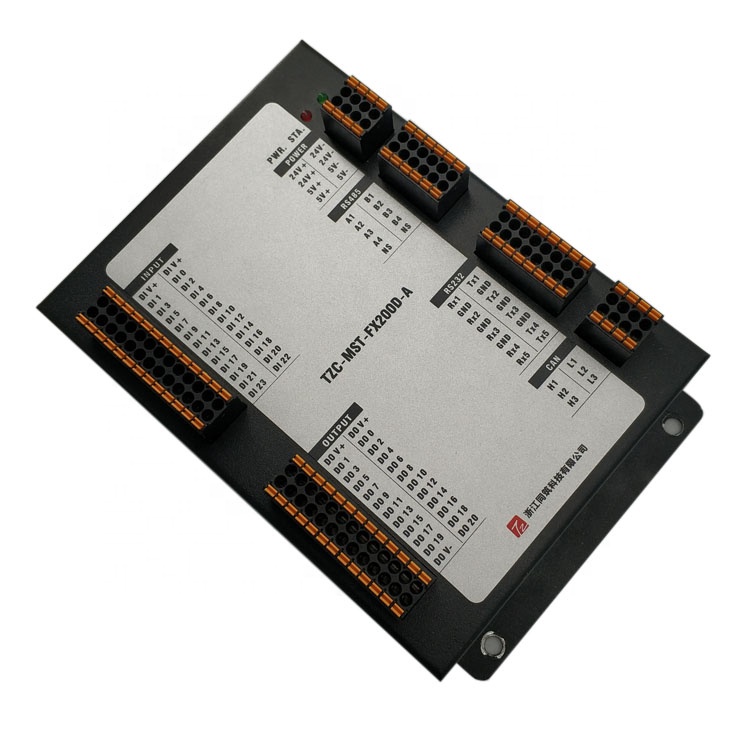
Lumber, masonry and construction-material depots often need simple, repeatable yard routes. The building-material controller and N-pole magnetic tape support phased automation without requiring every process to be redesigned at once.

Hospitals, Labs and Campus Logistics

Quiet operation, small turning radius and safety sensing matter in clinical and research environments. Compact AMR chassis and matched controllers can move supplies, samples and linen carts with minimal infrastructure change.

Local Trends

Seattle Automation Trends Shaping AMR Forklift Requirements

Buyers in the Seattle market are not only asking whether an AMR can move a load. They are asking how quickly it can be commissioned, how safely it shares space with people, and how easily it can be adapted when the building layout changes.

Urban Warehouse Constraints

Narrow aisles, low ceilings and high land costs push OEMs toward compact drive units, low-profile chassis and precise steering control rather than oversized vehicles.

Electrification and Air Quality

Indoor air quality and battery-management goals make efficient 24V/48V motion systems attractive for warehouses, labs and food facilities seeking cleaner internal logistics.

Hybrid Navigation

Seattle facilities increasingly combine magnetic tape, RFID tags and SLAM. The practical goal is to reduce installation risk while keeping future flexibility for route changes.

Port and Supply-Chain Resilience

As import planning and port drayage remain strategic, OEMs want suppliers who can provide stable documentation, traceable production records and export-ready delivery terms.

Specification Intelligence

Selection Matrix for Seattle AMR Forklift and AGV Projects

Use this matrix as an early specification aid. The right configuration is confirmed after reviewing load, speed, floor, aisle, battery, environment and safety requirements.

Seattle Operating ConditionRecommended Component DirectionWhy It Matters
Narrow aisle or compact warehouseDifferential drive unit or low-profile horizontal assembly with matched controllerSupports compact turning, predictable path following and efficient use of existing floor space.
Heavy payload or yard transfer3000kg differential drive wheel with reinforced mounting and brake discussionImproves traction and durability where loads, gradients and floor transitions are demanding.
Longer routes or outdoor-like surfacesAckerman chassis with four-wheel drive and appropriate steering controlProvides stable travel and controlled steering on routes where zero-radius turning is not the main priority.
Fixed routes with rapid pilot deploymentN-pole magnetic tape, RFID tags and smart AGV controllerCreates a visible, serviceable guidance layer that can be expanded in phases.
Mixed navigation or future flexibilityHybrid controller approach: magnetic guidance plus RFID and optional SLAM sensorsBalances installation simplicity with the ability to change routes as Seattle operations evolve.
Cold room, wet dock or washdown zoneCustom tread, sealing, controller placement and braking reviewReduces condensation, slippage and maintenance risk before the platform is built.

Information gain for Seattle buyers: before requesting a drive wheel or AMR forklift quotation, prepare gross vehicle weight, target speed, maximum gradient, battery voltage, available chassis height, aisle width, floor type, duty cycle, stopping distance and environmental protection expectations. These values determine motor power, reduction ratio and wheel diameter — and they shorten the sampling cycle considerably.

Factory Advantages

Company Advantages: Why Torqen Fits Seattle OEM and Integrator Programs

Zhejiang Torqen Technology Co., Ltd. has manufactured AGVs, drive wheel assemblies, motors, servo/BLDC controllers and navigation sensors since 2015. For Seattle buyers, the value is not only the product catalog — it is the ability to custom-match components, verify quality and ship with clear documentation.

Factory-Direct Engineering

Founded in 2015 in Zhejiang, China, with a 1,000–3,000 m² factory, 51–100 employees and US$5M–10M annual output. Buyers can discuss custom drive and control requirements directly with a manufacturer.

Verified Quality System

ISO 9001:2015 quality management certification and Intertek onsite verification support a more reliable sourcing process for Seattle OEMs that need traceable production records.

OEM / ODM Customization

Sample-based customization, design-based customization, buyer-label packaging and design services are available. Typical changes include motor power, voltage, reduction ratio, wheel diameter, tread, encoder and brake options.

Matched Electronics

Servo and BLDC drivers, smart controllers, magnetic guide sensors, RFID readers and lidar options can be specified alongside drive wheels to reduce integration risk and simplify the bill of materials.

Testing Before Release

Five in-house testing instruments, finished-product inspection and extended-duration prototype testing help confirm that production components are ready before they are exported.

Export-Ready Support

FOB, CFR, CIF, EXW, CIP, FCA, CPT, DDU and express delivery are supported, with payment options including T/T, L/C, credit card, PayPal and other terms. Online support is available 24/7.

Controlled Process

From Requirement Review to Shipment: Six Controlled Steps

A transparent OEM/ODM workflow for Seattle buyers who need predictable sampling, testing and production.

01

Requirement Review

Load, speed, voltage, chassis height, aisle width and environmental conditions are assessed.

02

Engineering Proposal

Motor, reducer, wheel, controller and navigation options are matched and drawings are shared.

03

Prototype Build

Sample-based or design-based customization is produced for engineering evaluation.

04

Endurance Testing

Extended-duration runs and parameter checks compare performance with the agreed specification.

05

Mass Production

Production follows ISO 9001:2015 controlled manufacturing and agreed inspection points.

06

Inspection & Delivery

Final inspection, export packing, documentation and global shipping are coordinated.

Seattle Buyer FAQ

Common Local Procurement Questions About Custom OEM AMR Forklifts

These are the questions OEMs, integrators and warehouse operators in the Seattle area ask most often before requesting samples or production quotations.

Can Torqen customize an AMR forklift drive for Seattle aisle widths and floor conditions?

Yes. Provide the aisle width, minimum turning requirement, floor material, slope, load weight and wheel layout. Torqen can adjust wheel diameter, tread material, motor power, reduction ratio, encoder type, brake options and mounting interface. For tight Seattle warehouses and mixed concrete surfaces, the earlier these inputs are shared, the faster the engineering proposal can be matched to the application.

How do you ship to Seattle, and which trade terms can you support?

Typical delivery options include FOB, CFR, CIF, EXW, CIP, FCA, CPT, DDU and express delivery. Buyers can route shipments through the Port of Seattle or Port of Tacoma, or use air/express for samples. Payment terms can include T/T, L/C, D/P, D/A, credit card, PayPal, Western Union, cash and escrow, subject to the order value and agreed contract. Your customs broker can advise on Washington State import documentation and local tax requirements.

What information should a Seattle OEM prepare before requesting a custom drive wheel?

Prepare gross vehicle weight, target speed, maximum gradient, battery voltage, available chassis height, aisle width, wheel diameter limit, floor type, duty cycle, stopping distance and environmental requirements such as cold, dust or washdown. If the AMR forklift will carry a robotic arm or perform loading tasks, share the load center and acceleration profile as well.

Which navigation setup is best for warehouses with mixed concrete and cold storage?

For fixed routes, magnetic tape with RFID stations is often cost-effective and easy to service. For changing layouts or mixed traffic, a hybrid approach using magnetic guidance plus SLAM sensors may be more suitable. Cold rooms and wet docks require additional review of condensation, traction, controller placement and braking, so the navigation decision should be made together with the drive and safety specification.

Do you support small pilot orders, buyer-label packaging and after-sales documentation?

Yes. Sample-based customization, design-based customization, OEM production, design services and buyer-label packaging are available. For pilot programs, Torqen can provide product drawings, agreed inspection records, wiring or parameter guidance where applicable, and spare-part planning support so Seattle integrators can test before scaling to production.

How is product quality verified before shipment?

The quality management system is certified to ISO 9001:2015, and the facility has been verified onsite by Intertek. Finished-product inspection is supported by five in-house testing instruments, and prototypes undergo extended-duration testing before production parts are released. Buyers can request the inspection plan and documentation package that match the purchased components and order value.
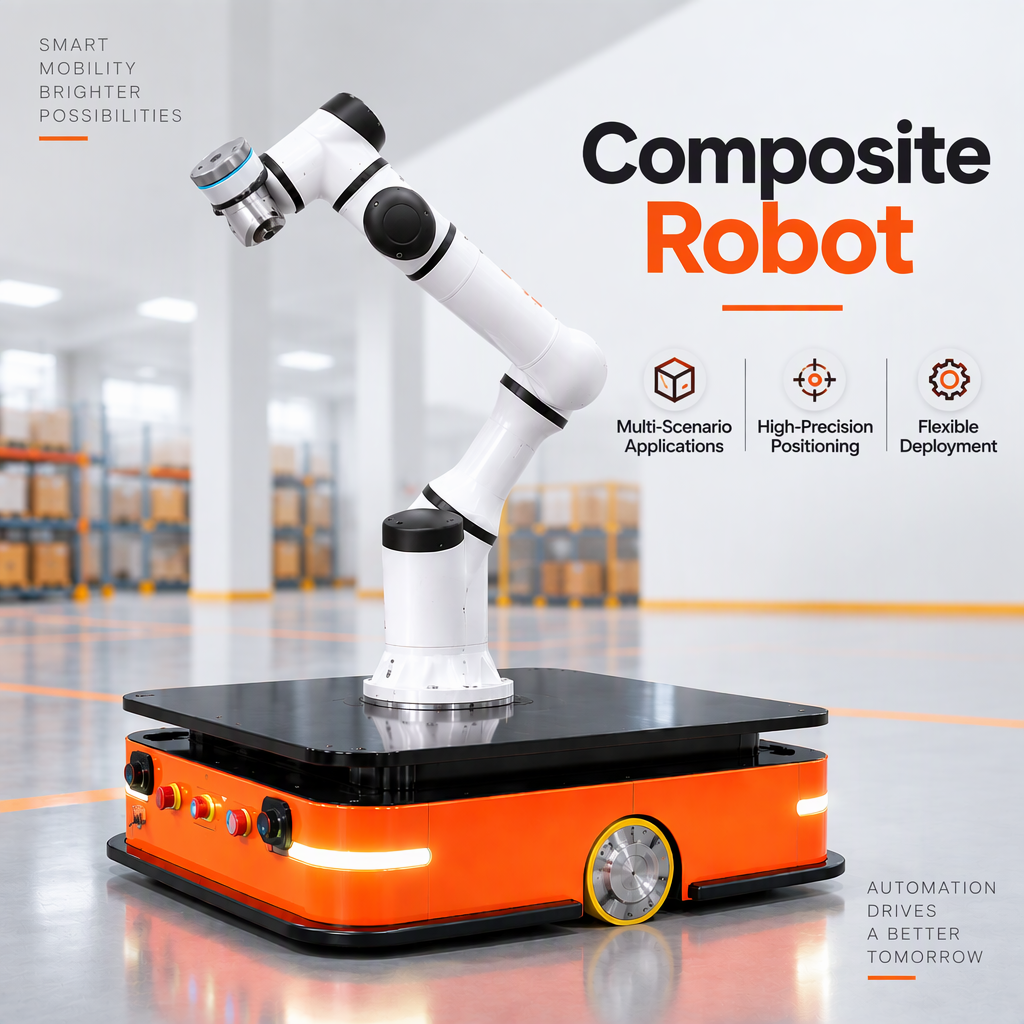
Request a Seattle-Specific AMR Forklift Configuration Review

Send your load, aisle, speed, floor, battery and navigation requirements. Torqen engineers will recommend a custom drive wheel, smart controller, guidance module or composite AMR chassis configuration suited to the Seattle market.

info@torqenbot.com