Eight OEM AGV Products for Denver Drive-Train Projects
Each product can be quoted as a replacement assembly or reviewed as part of a complete AGV drive-train package. Product URLs are preserved from the source product line so Denver integrators can move directly from evaluation to specification.
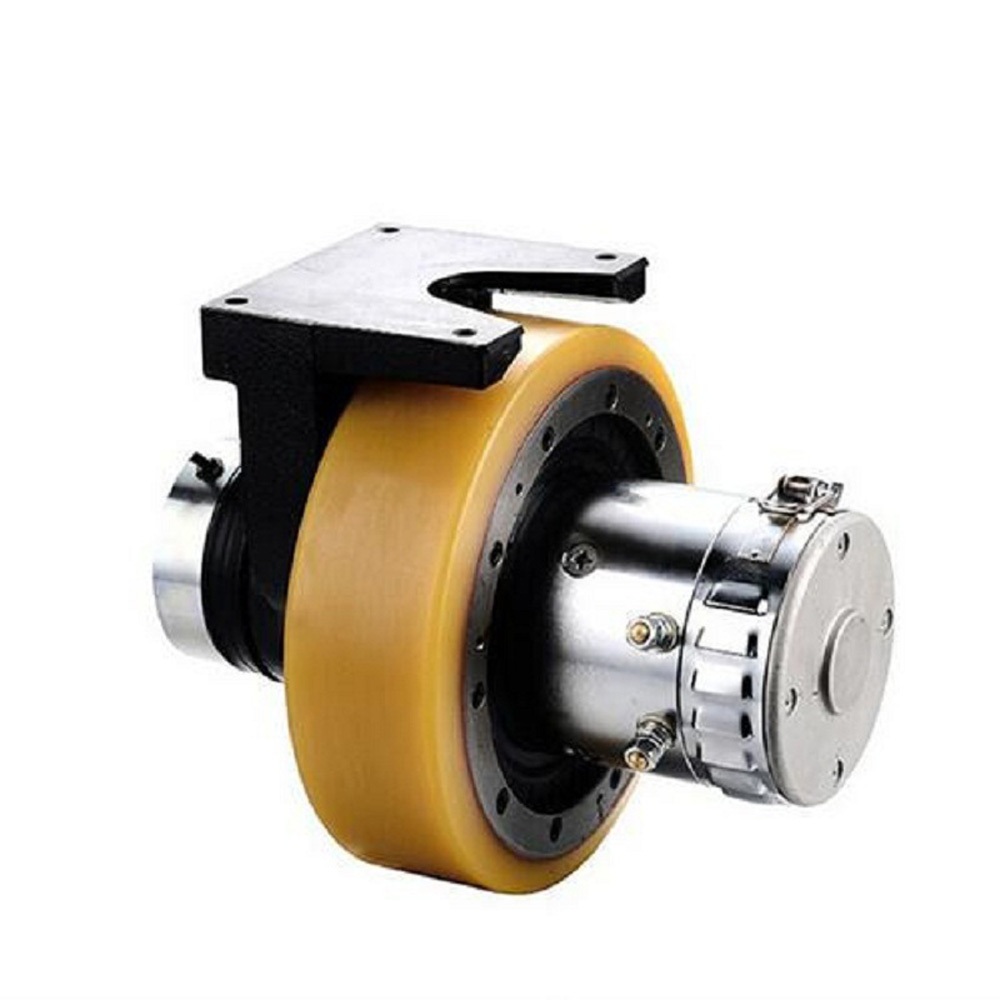
TZBOT TZ18-D12 1200W 24V Horizontal Drive Wheel Assembly Horizontal Wheel Unit Omnidirectional Automatic Steering Wheel
A compact horizontal drive wheel for low-clearance and omnidirectional AGV chassis. Recommended when existing Denver rack aisles demand tight turning and minimal vertical build height.
- 1,200 W
- 24 V
- Omni steering
- Low deck
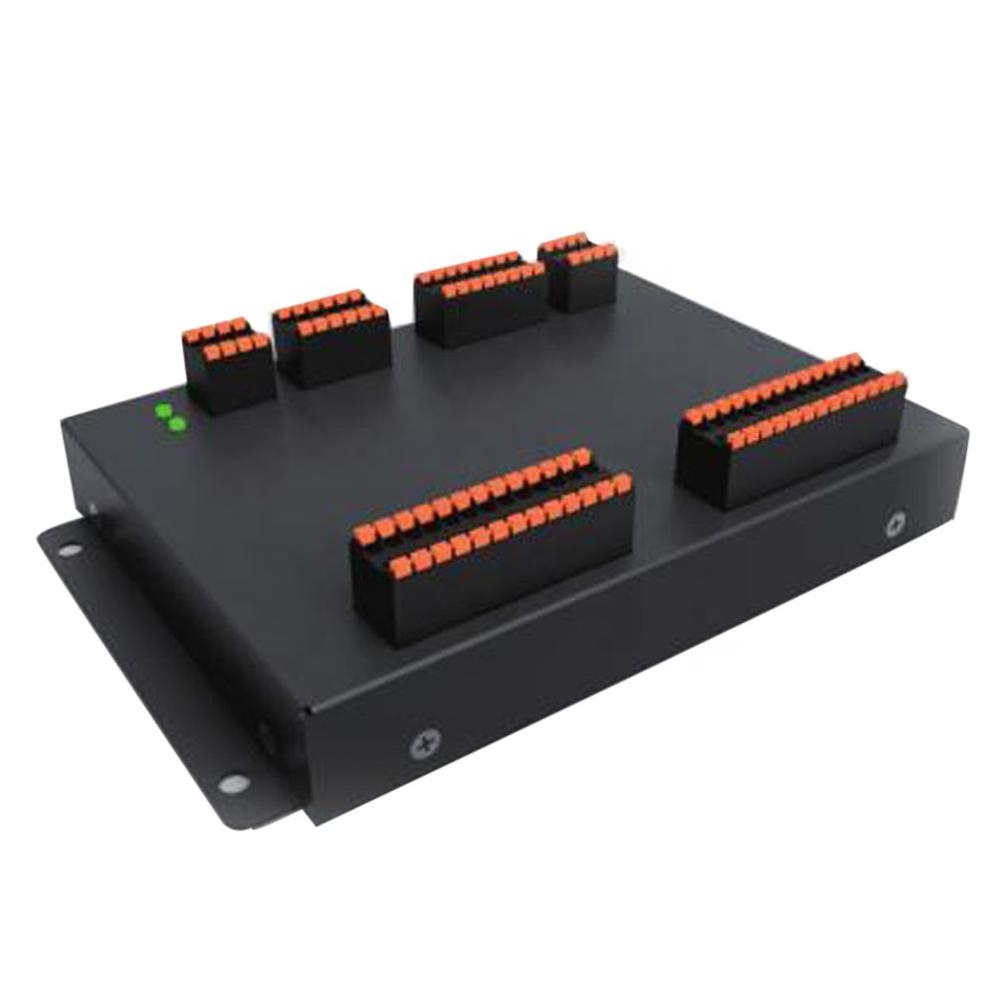
TZBOT TZC-MST-FX200D-A Controller for Commanding the AGV
A command controller for AGV platforms where the drive wheel, motor and control cabinet need a matched command layer. Useful when standardizing multiple vehicle builds.
- AGV command
- System integration
- Matched control
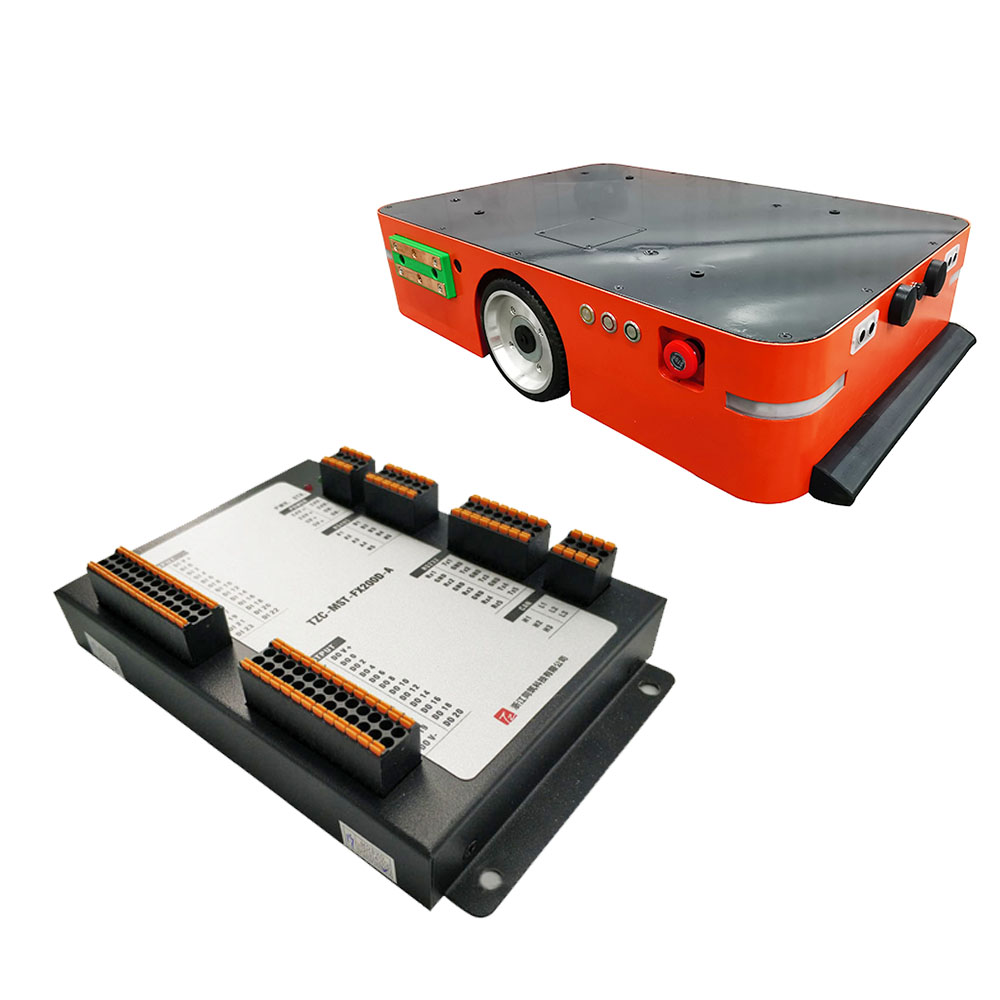
TZBOT Smart agv Controller for Commanding the AGV
A smart AGV controller for coordination and command functions. Suitable for projects planning to scale from a pilot aisle to a multi-vehicle deployment across a Denver campus.
- Smart control
- Fleet-ready
- Application review
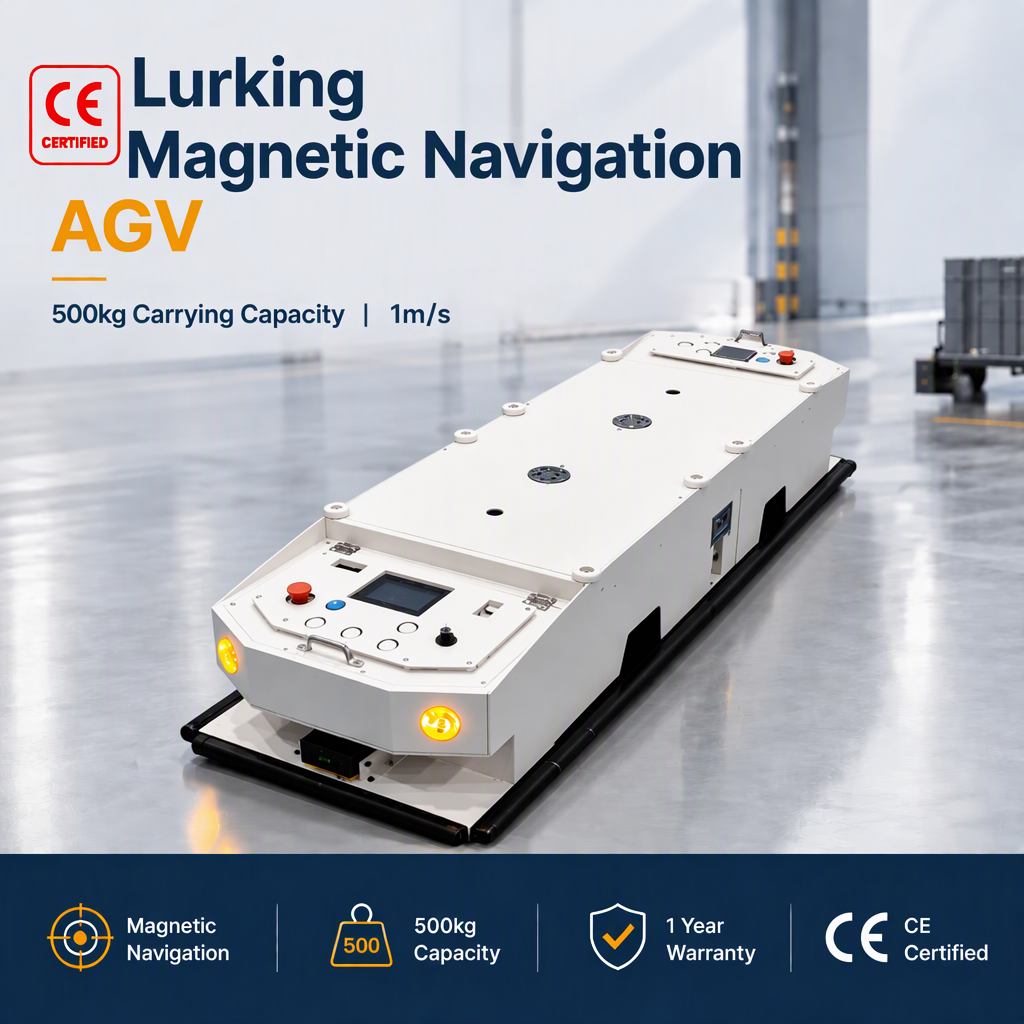
TZBOT CE Approved 500kg Bidirectional Lurking Robot 500kg Towing Capacity Material Handling Equipment Magnetic Navigation AGV
A 500 kg bidirectional lurking robot with magnetic navigation and towing capability. Recommended for shelf movement, line-side replenishment and repetitive transport.
- 500 kg
- Bidirectional
- Magnetic navigation

TZBOT 48V DC 2 Ton Heavy Duty Differential Unit AGV Wheel TZCS-750-30
A 48 V DC, 2-ton heavy-duty differential wheel unit for high-load towing and industrial material handling. Relevant to beverage, building-products and manufacturing flows.
- 2 ton
- 48 V DC
- Differential
- TZCS-750-30
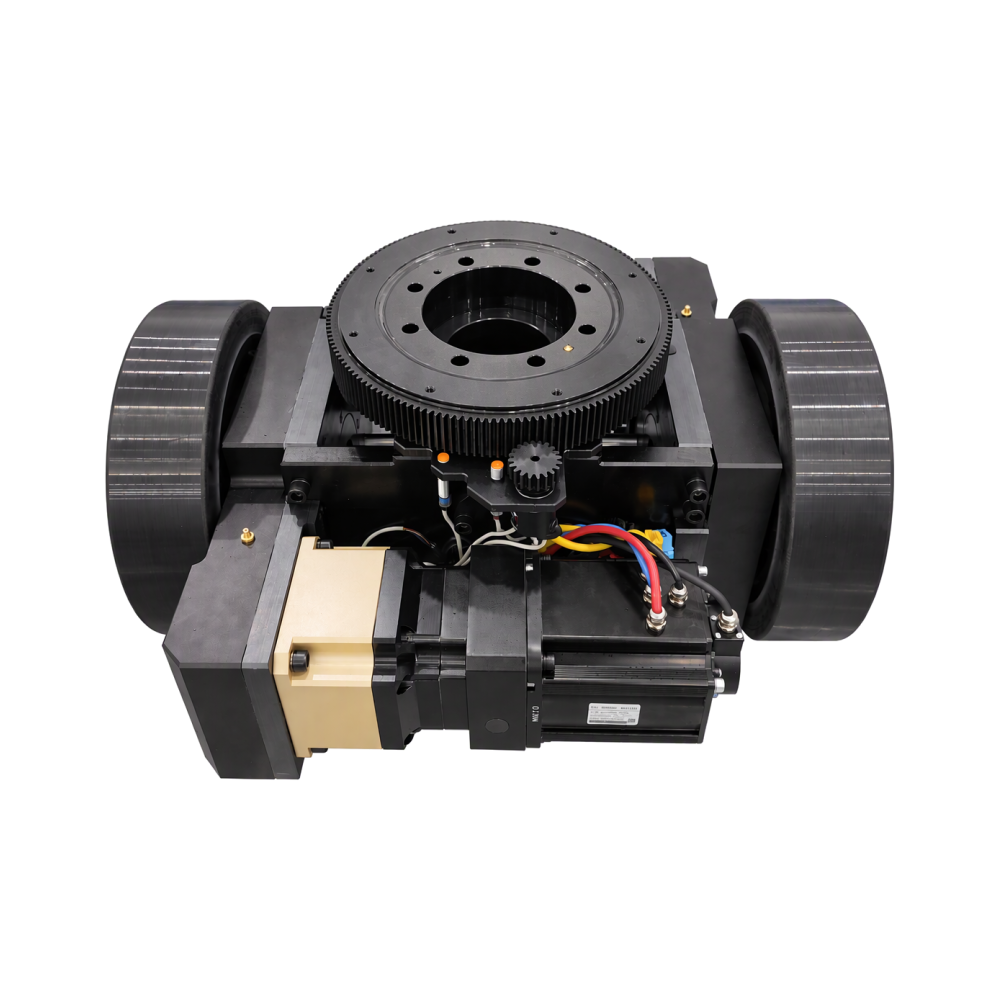
TZBOT Heavy Duty Series Robot Wheel 3000kg Bearing Capacity AGV Material Handling Equipment Differential Drive Wheel Assembly
A 3,000 kg bearing-capacity differential drive wheel assembly for heavy AGV platforms where traction, reducer life and floor pressure must be reviewed together.
- 3,000 kg
- Differential
- Heavy duty
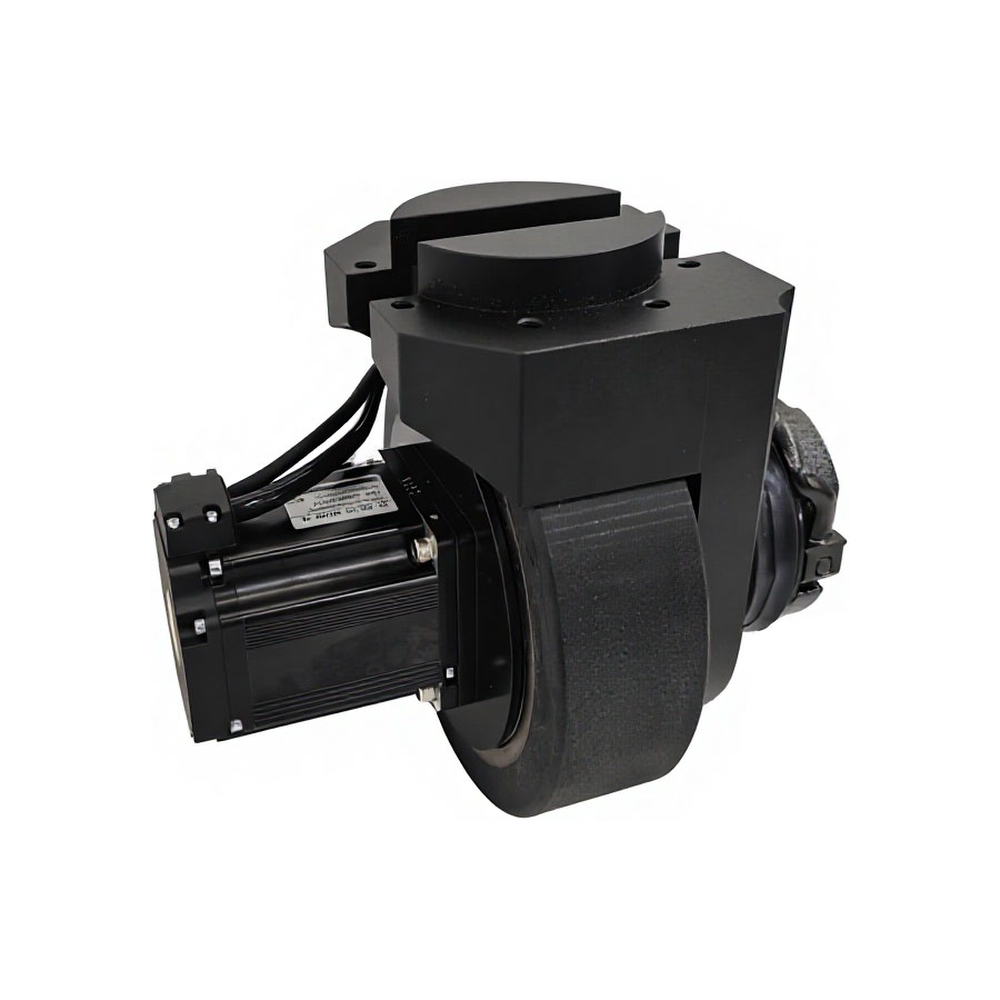
TZBOT 1000kg Bearing Capacity agv Wheel 1000w Servo Motor Material Handling Equipment Part Horizontal Drive Wheel
A 1,000 kg horizontal drive wheel with a 1,000 W servo motor. A strong fit for low-deck chassis and existing carts where vertical installation space is limited.
- 1,000 kg
- 1,000 W
- Servo motor
- Horizontal
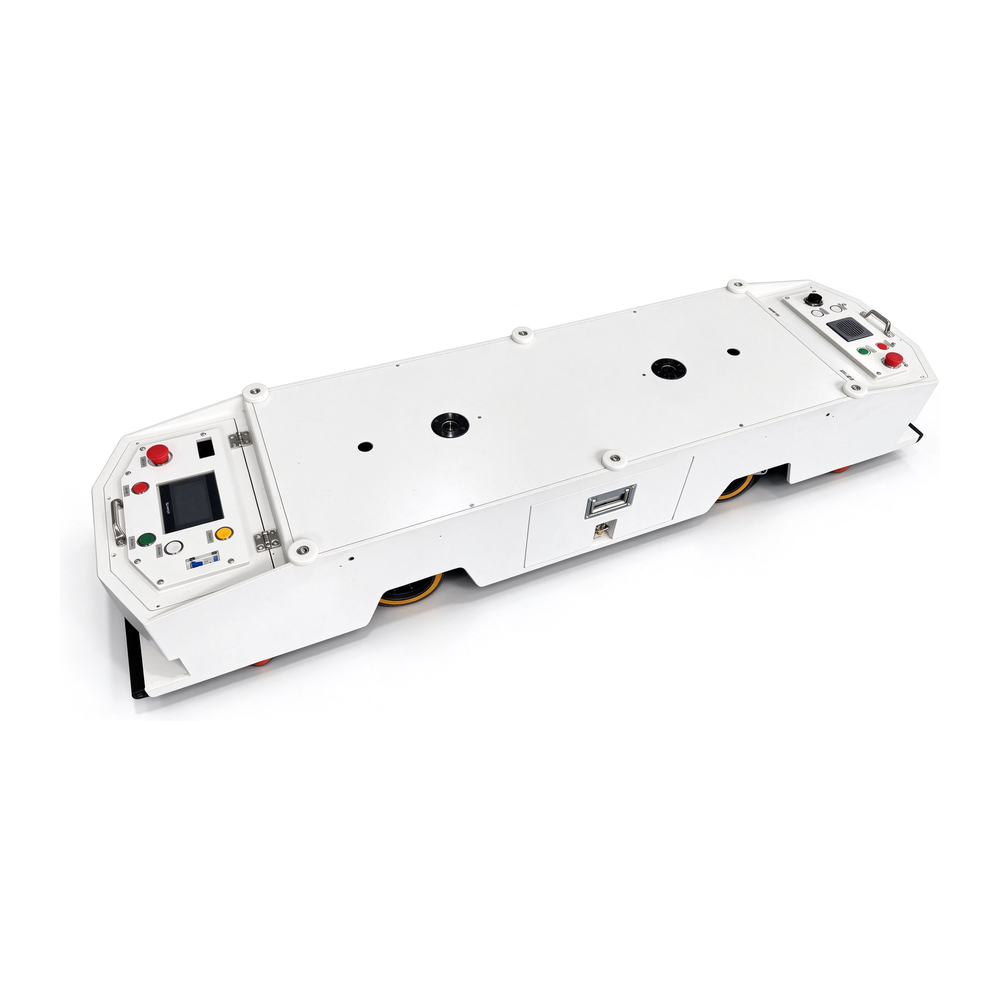
TZBOT 2500KG Lurking AGV Unmanned Control 8H Long Endurance Material Handling Mobile Robot for Shelf Towing
A 2,500 kg lurking AGV with 8-hour endurance and shelf-towing capability. Recommended for long shifts where battery window and route density affect fleet sizing.
- 2,500 kg
- 8 h endurance
- Shelf towing
Not sure which assembly fits your chassis? Share gross vehicle weight, target speed, battery voltage, floor finish and available chassis height. Our engineers will narrow the drive type, motor, reducer and controller combination.
Contact UsA Drive Wheel Assembly Is a System Decision, Not a Catalogue Part
Denver's material handling mix rewards application-specific engineering: distance, elevation, cold docks, mixed floor finishes and multi-vehicle scaling all affect the right drive-train choice.
In Denver, a custom OEM automatic guided vehicle drive wheel assembly is rarely just a wheel and a motor. The assembly sets traction, steering repeatability, floor wear, encoder feedback and the amount of engineering time needed to integrate the controller. A 3PL center in Commerce City, a cold-storage dock near Aurora, an aerospace kitting cell in Centennial and a beverage distributor along the Front Range may share the same 24 V or 48 V platform, but they do not share the same duty cycle. That is why our first step is not a generic catalogue quote; it is a requirement review covering gross vehicle weight, speed, grade, wheel diameter, tread, brake, encoder, battery voltage, chassis height and ambient conditions.
Altitude information gain: Denver sits at roughly 5,280 ft / 1,600 m. Lower air density reduces cooling capacity compared with sea-level warehouses. A sealed servo motor or controller that performs comfortably in a coastal facility may need a thermal-margin review in Denver when the AGV runs continuous high-torque duty. This is not a blanket derating rule. It depends on enclosure design, current limit, duty cycle, ambient temperature and whether the motor is air-cooled or sealed.
Dry winter air and rapid temperature swings also matter. Unheated docks can stiffen PU tread, change start-up torque and create condensation risk around electronics. We review tread hardness, lubricant choice, encoder protection and controller enclosure together. For facilities with expansion joints, dock levelers and mixed concrete finishes, wheel diameter and tread profile can influence both ride quality and maintenance interval.
Torqen is a Zhejiang-based OEM manufacturer and exporter serving Denver integrators, not a catalogue reseller. That means the drive wheel, motor, encoder, brake, controller and navigation sensors can be reviewed as one bill of materials. The goal is a vehicle that commissions predictably, not a collection of parts that only looks compatible on paper.
Denver Specification Emphasis
Illustrative weighting used during application review. It is not a product rating or a safety certification.
Years in drive technology
Patents awarded
Employees & engineers
Inquiry response focus
Factory footprint range begins at 1,000 m²
Product Recommendations for Denver Metro Applications
Start with the operating environment, then choose the drive wheel family. These four starting points shorten the specification discussion for common Front Range projects.
Low-clearance aisles
For existing racks and under-ride carts, start with the TZ18-D12 1,200 W horizontal wheel or the 1,000 kg horizontal drive with 1,000 W servo motor. Keep the mounting envelope and service access visible in the drawing review.
Review horizontal driveShelf movement and towing
For shelf replenishment and line-side delivery, review the 2,500 kg lurking AGV with 8-hour endurance or the CE-approved 500 kg bidirectional magnetic-navigation unit. Route density and battery window determine fleet size.
Review shelf-towing AGVHeavy differential towing
For 2-ton to 3-ton platforms, the TZCS-750-30 48 V DC differential unit and the 3,000 kg bearing-capacity differential drive wheel assembly are stronger starting points than a light horizontal unit.
Review differential unitMatched control architecture
When multiple vehicle types share a controller cabinet, review the TZC-MST-FX200D-A command controller and the smart AGV controller together with the drive wheel’s encoder and brake options.
Review AGV controllerWhere Denver and Front Range AGV Drive Assemblies Are Used
Localization is not a postcode in the copy. It is a set of floor, climate, labor and safety conditions that change the specification.
3PL and e-commerce
In Commerce City, Denver and nearby fulfillment nodes, rapid SKU churn and dock congestion reward vehicles with tight turning, predictable docking and replaceable tread. Horizontal or differential drive units with controller commonality reduce commissioning time.
Cold storage and food distribution
Unheated docks and freeze-thaw cycles near Aurora can stiffen tread and change start-up torque. Specify low-temperature lubricant, PU hardness and condensation protection during the requirement review rather than after the first winter shift.
Aerospace and advanced manufacturing
Along the US-36 corridor and in Centennial or Longmont, clean floors, high mix and traceability favor servo-based drive units with encoder feedback and matched controllers. Keep critical spare assemblies for high-availability lines.
Beverage and building products
Heavy towing and dock-level transitions load the wheel, reducer and brake. A 2-ton or 3-ton differential assembly with a verified mounting interface is often a better starting point than a light AGV wheel pushed beyond its duty class.
How to Specify an AGV Drive Unit Before You Request a Quote
Use this comparison as a first filter. The final recommendation still depends on the vehicle envelope, duty cycle, safety logic and controller architecture.
| Drive type | How it steers | Typical Denver fit |
|---|---|---|
| Differential drive unit | Two independently driven wheels turn by speed difference. | Latent, jacking and shelf-lifting AGVs; compact turning. Verify floor traction, tread wear and controller pairing. |
| Single steering drive wheel | A dedicated steering motor sets wheel angle while the drive motor controls travel. | Forklift, tricycle and tugger chassis that need controlled steering angles. Keep steering encoder and service access in the design review. |
| Horizontal drive assembly | The motor is mounted horizontally to reduce vertical build height. | Low-clearance chassis and under-ride carts. Verify ground clearance, cable routing and maintenance access before fixing wheel diameter. |
Denver RFQ Checklist
Five values shorten the sampling cycle: gross weight, target speed, maximum grade, battery voltage and available chassis height.
- Gross vehicle weight including load, shelf, towing frame and attachments
- Target speed, acceleration, grade and dock-level transitions
- Wheel diameter, tread material, floor finish and expansion joints
- Battery voltage, controller current, encoder type and brake requirement
- Ambient range, altitude, duty cycle and annual volume
Denver-Metro Automation Trends Shaping 2026 AGV Specifications
Buyers are no longer asking only for a wheel that fits. They are asking how the assembly will behave as the fleet, building and safety review mature.
Modular fleet expansion
Denver operators are adding vehicles in phases. Standardizing drive-wheel mounting, encoder feedback and controller protocols reduces spare-parts inventory and commissioning time as the fleet grows from one pilot aisle to a multi-building network.
Cold-chain and energy-aware design
Cool-chain capacity along the Front Range puts more vehicles into unheated docks. Buyers now ask for battery management, low-temperature lubricants, condensation review and serviceable wheel tread instead of treating the drive wheel as an afterthought.
Safety and data visibility
AGV projects are reviewed against site traffic patterns and safety practices, including ANSI/ITSDF B56.5 considerations where applicable. Drive-level encoder feedback and controller logs make fault analysis faster after a stop event.
Why Denver Buyers Work With Torqen
Torqen combines custom mechanical engineering, matched electronics and export experience for buyers who need traceable changes rather than anonymous replacement parts.
Customization reaches the core
Sample-based and design-based customization can include motor power and voltage, reduction ratio, wheel diameter and tread material, encoder type, brake options and mounting interfaces.
One source for matched electronics
Servo and BLDC drivers, motors, encoders, reducers and navigation sensors can be matched to the drive wheel, reducing integration gaps between mechanical and electronic suppliers.
Quality system and testing
ISO 9001:2015 certification, Intertek onsite verification, five in-house testing instruments and extended-duration prototype runs before production release.
Export-ready project support
FOB, CFR, CIF, EXW, CIP, FCA, CPT, DDU and express delivery are available, with flexible payment terms and currencies for global buyers.

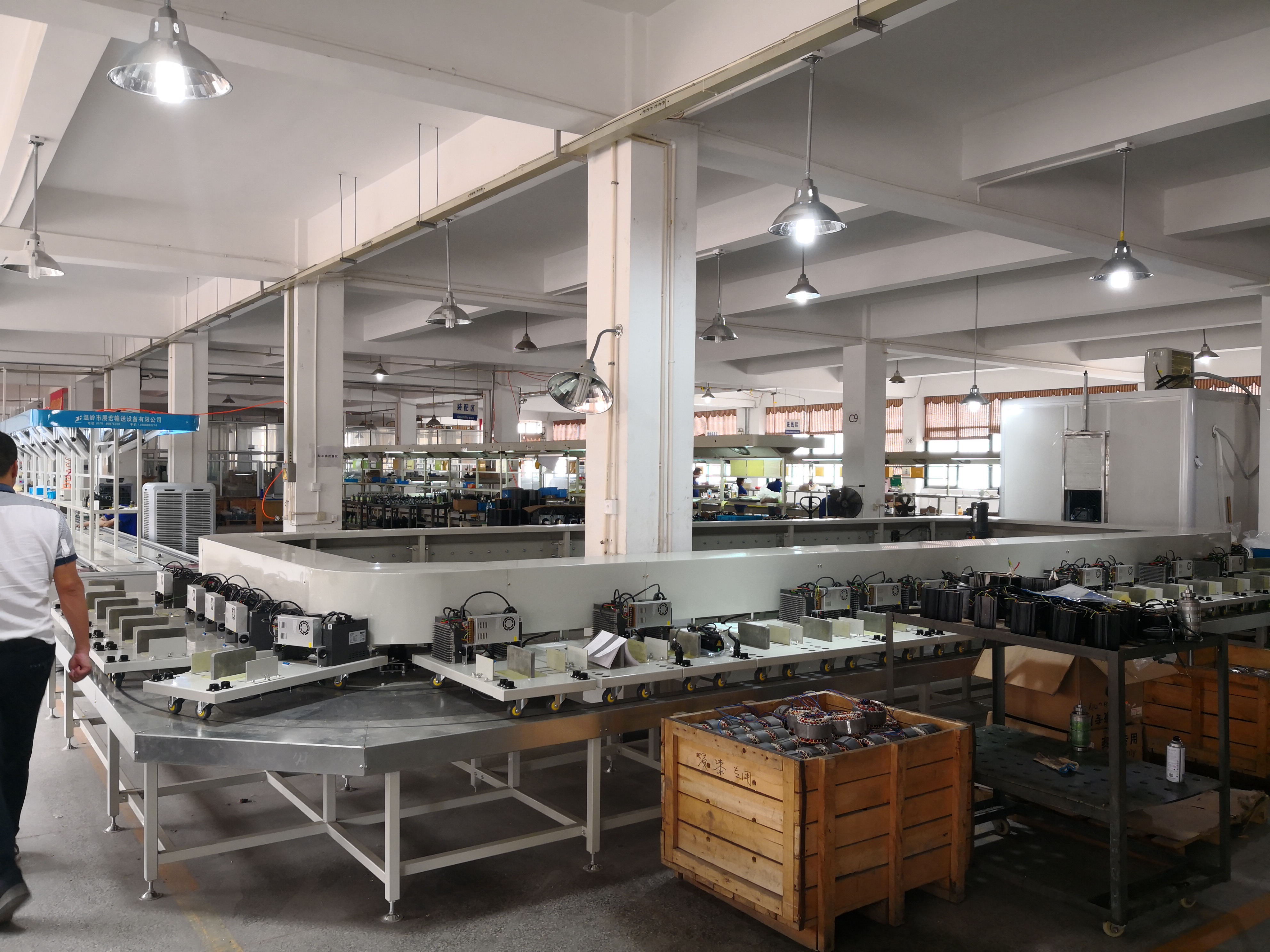
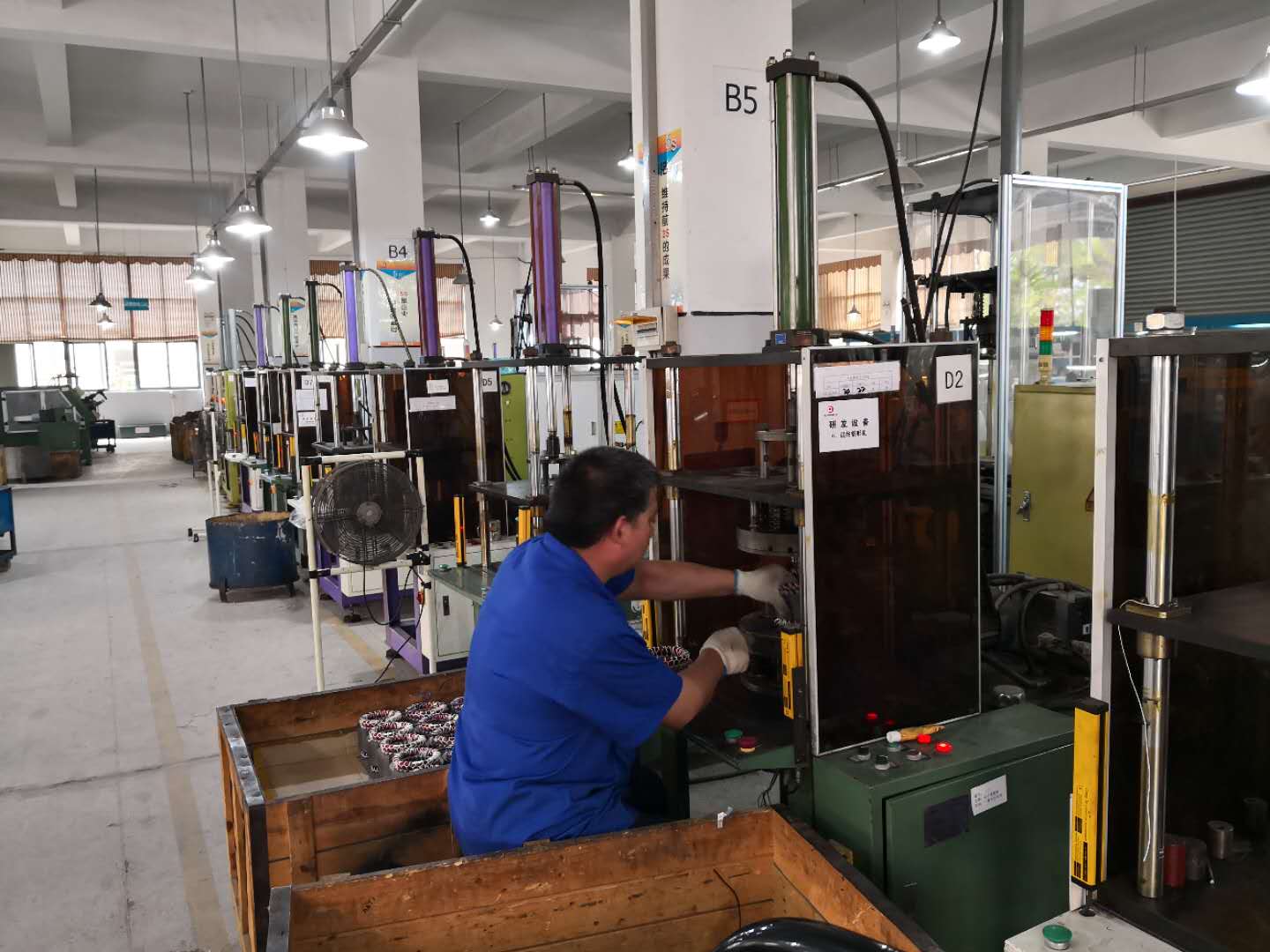
Zhejiang Torqen Technology Co., Ltd. — Built Around Motion Control
Founded in 2015 in Zhejiang, China, Torqen designs and manufactures automatic guided vehicles, AGV drive wheel assemblies, DC/AC motors, encoders, reducers, motor controllers, caster and PU wheels, and in-wheel motor units. The company serves OEM integrators worldwide and works directly with engineering buyers to adapt torque, speed and mounting geometry to each vehicle.
For Denver projects, this factory-direct relationship matters because drive wheel, motor, reducer, encoder, brake and controller can be reviewed together. Prototypes are run for extended periods before production parts are released, and finished-product inspection uses five in-house testing instruments.
OEM production, design services and buyer-label packaging are available for integrators who need a repeatable bill of materials across multiple vehicle builds.
From Denver Requirement to Export-Ready Drive Assembly in Six Steps
A transparent process for engineering buyers who need predictable sampling and production, not vague lead-time promises.
Requirement review
Load, speed, voltage, chassis height, floor finish, duty cycle and ambient conditions are assessed.
Engineering proposal
Motor, reducer, wheel diameter, tread, encoder and brake are matched; drawings are shared for review.
Prototype build
Sample-based or design-based customization is produced against the approved specification.
Endurance testing
Extended-duration runs and parameter checks are completed before production release.
Mass production
Manufacturing is controlled under the ISO 9001:2015 quality management system.
Inspection & delivery
Final inspection, export packing, documentation support and global shipping are arranged.
Quality, Payment and Delivery Support for Global Buyers
Procurement teams need more than a product photo. These are the commercial and verification details that support a Denver purchase order.
Payment methods
Delivery terms
Currencies
Need a Denver-specific packing and freight review? Share your ZIP code, Incoterm preference and whether the first shipment is a sample, pilot batch or production order. The inquiry path stays simple and traceable.
Contact UsQuestions Denver Integrators Ask Before Ordering
These answers focus on the practical issues that appear in Colorado projects: altitude, cold docks, shipping, customization and controller support.
Do you ship AGV drive wheel assemblies directly to Denver?
Yes. Export packing and shipping can be quoted under FOB, CFR, CIF, EXW, CIP, FCA, CPT, DDU or express delivery. Typical import paths into Colorado include a West Coast port plus rail or truck, while urgent samples may use air express. Share your ZIP code, Incoterm preference and shipment size for a practical landed-cost discussion.
How does Denver’s altitude affect motor and controller selection?
Denver sits at about 5,280 ft. Lower air density reduces cooling capacity compared with sea-level facilities, so continuous high-torque duty may call for a thermal-margin review of the motor and controller. This is not a blanket derating rule. It depends on enclosure design, current limit, duty cycle, ambient temperature and whether the motor is sealed or air-cooled.
Can you customize tread and lubrication for Colorado cold docks?
Yes. Customization can include motor power and voltage, reduction ratio, wheel diameter, tread material and hardness, encoder type, brake options and mounting interfaces. For unheated docks, tell us the lowest start-up temperature and floor finish so the tread, lubricant and condensation protection can be reviewed together.
What is the lead time for a custom sample?
Custom work does not have a fixed catalogue lead time. The schedule depends on the motor, reducer, encoder, brake, mounting changes, drawing approval and endurance-test scope. We confirm the sample plan and dates before order. Prototypes undergo extended-duration testing before production parts are released.
Are controllers preconfigured for our AGV platform?
We can match servo/BLDC drivers to our drive wheels and provide integration assistance such as wiring diagrams, parameter files and commissioning guidance. Final vehicle-level tuning still depends on your chassis, sensors, payload and safety logic. Sharing your existing controller architecture early reduces integration risk.
What payment and delivery terms are accepted?
Accepted payment methods include T/T, L/C, D/P, D/A, MoneyGram, credit card, PayPal, Western Union, cash and escrow. Currencies include USD, EUR, JPY, CAD, AUD, HKD, GBP and CNY. Delivery terms include FOB, CFR, CIF, EXW, CIP, FCA, CPT, DDU and express delivery.
What information should a Denver integrator include in an RFQ?
Send gross vehicle weight, target speed, acceleration, maximum grade, battery voltage, available chassis height, wheel diameter limits, floor finish, dock transitions, ambient temperature range, altitude, duty cycle, brake requirement, encoder preference and annual volume. Photos or drawings of the mounting envelope help. If you have an existing AGV platform, include the controller model and communication protocol.
Do you support OEM labeling and buyer packaging?
Yes. OEM production, design services and buyer-label packaging are available. The scope should be defined before quotation so labels, packaging, documentation and inspection requirements are included in the production plan.
Start Your Custom AGV Drive Wheel Project for Denver
If you are comparing a custom OEM automatic guided vehicle drive wheel assembly manufacturer and exporter for Denver, begin with a requirement review rather than a generic wheel size. Send your load, speed, floor, battery and chassis constraints. The engineering team can return a configuration direction for drive type, motor, reducer, encoder, brake and matched controller, plus the information needed for a formal quotation.
