8 Pallet-Handling Robot Components for OEM and Wholesale Supply
This product set is organized for Montreal buyers who are sourcing a complete pallet-handling robot drive train or replacing a specific controller, drive wheel, chassis or sensing module. Product images and URLs are retained from the original TZBOT / Torqen catalogue so technical buyers can verify specifications before an inquiry.
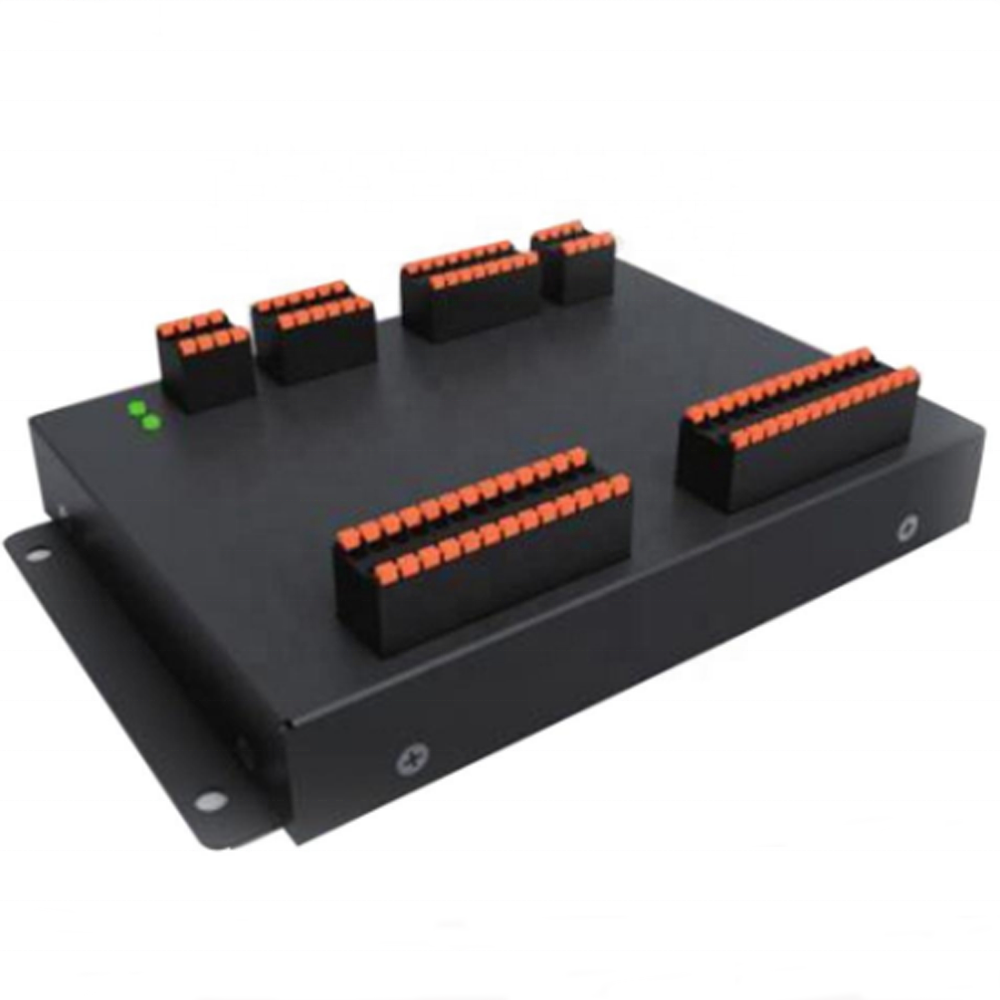
TZBOT FX Series Controller of HX Support Magnetic Tap Guided AGV
Magnetic-tape guidance controller for pallet-transfer AGVs that need repeatable route following, stable station stops and straightforward retrofit commissioning in dense Montreal warehouse aisles.
- Magnetic tape guidance
- HX support
- Retrofit friendly
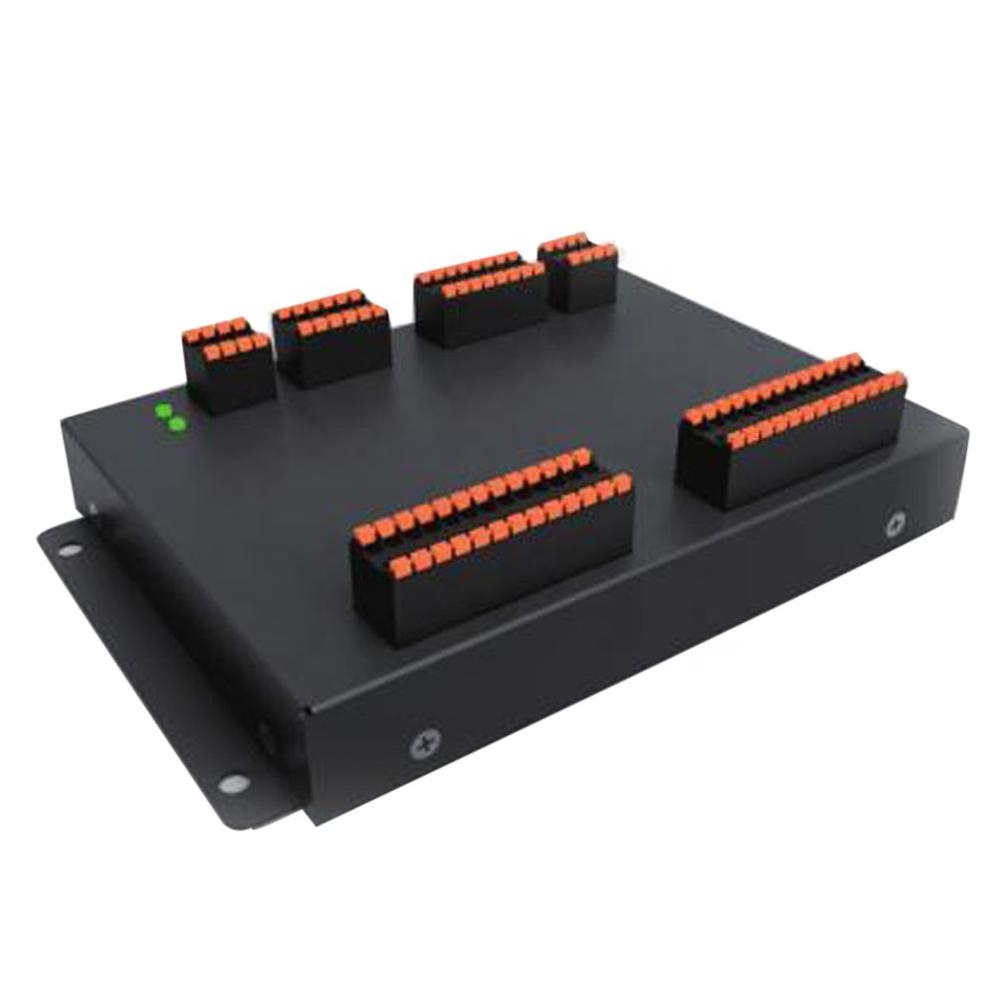
TZBOT TZC-MST-FX200D-A Controller for Commanding the AGV
Command-level controller for coordinating pallet-handling AGV motion, navigation inputs and operational logic. Suitable for OEMs that need a clear electronics architecture rather than mixing unmatched control boards.
- AGV command control
- System integration
- OEM configuration
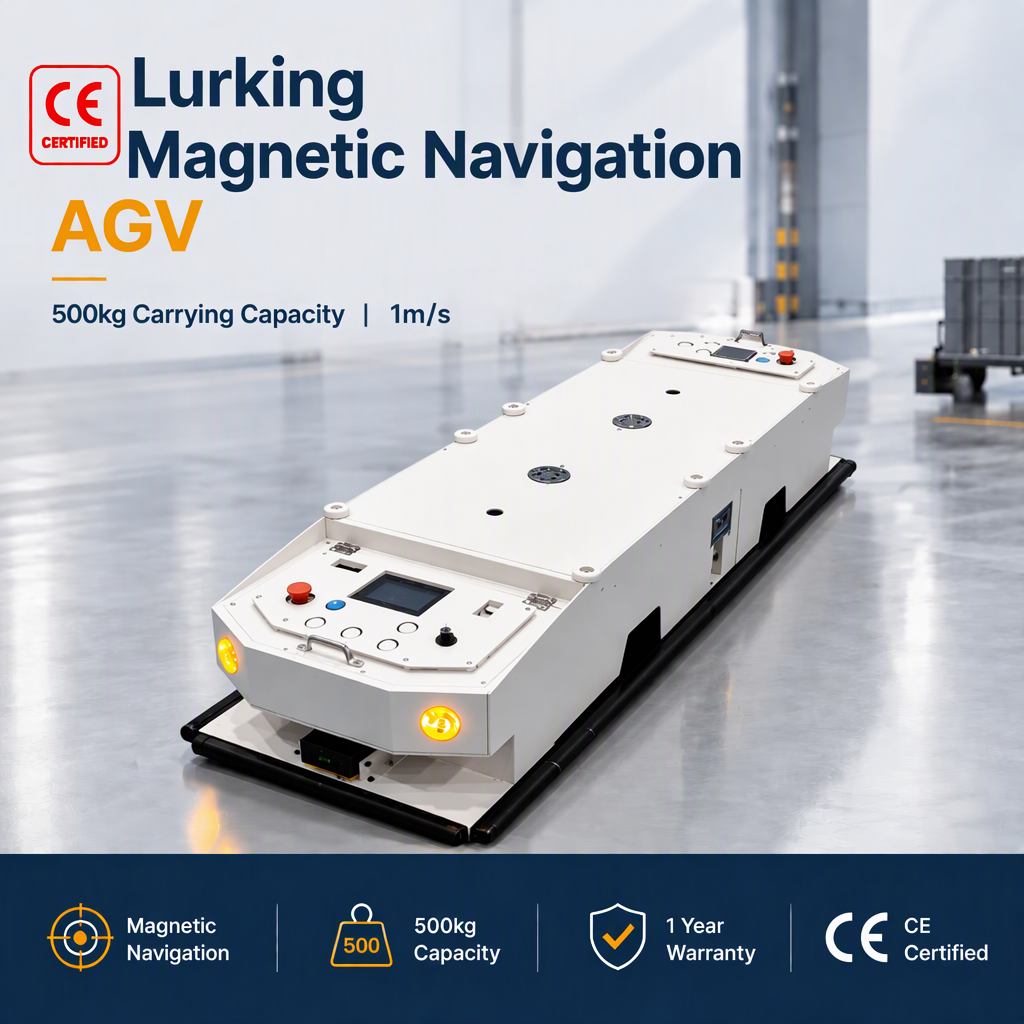
TZBOT CE Approved 500kg Bidirectional Lurking Robot 500kg Towing Capacity Material Handling Equipment Magnetic Navigation AGV
Bidirectional lurking AGV for pallet carts, shelf movers and light tow applications. A practical choice for Montreal 3PLs and food distributors that need flexible route changes without rebuilding the whole container-handling flow.
- 500 kg towing
- Bidirectional
- Magnetic navigation
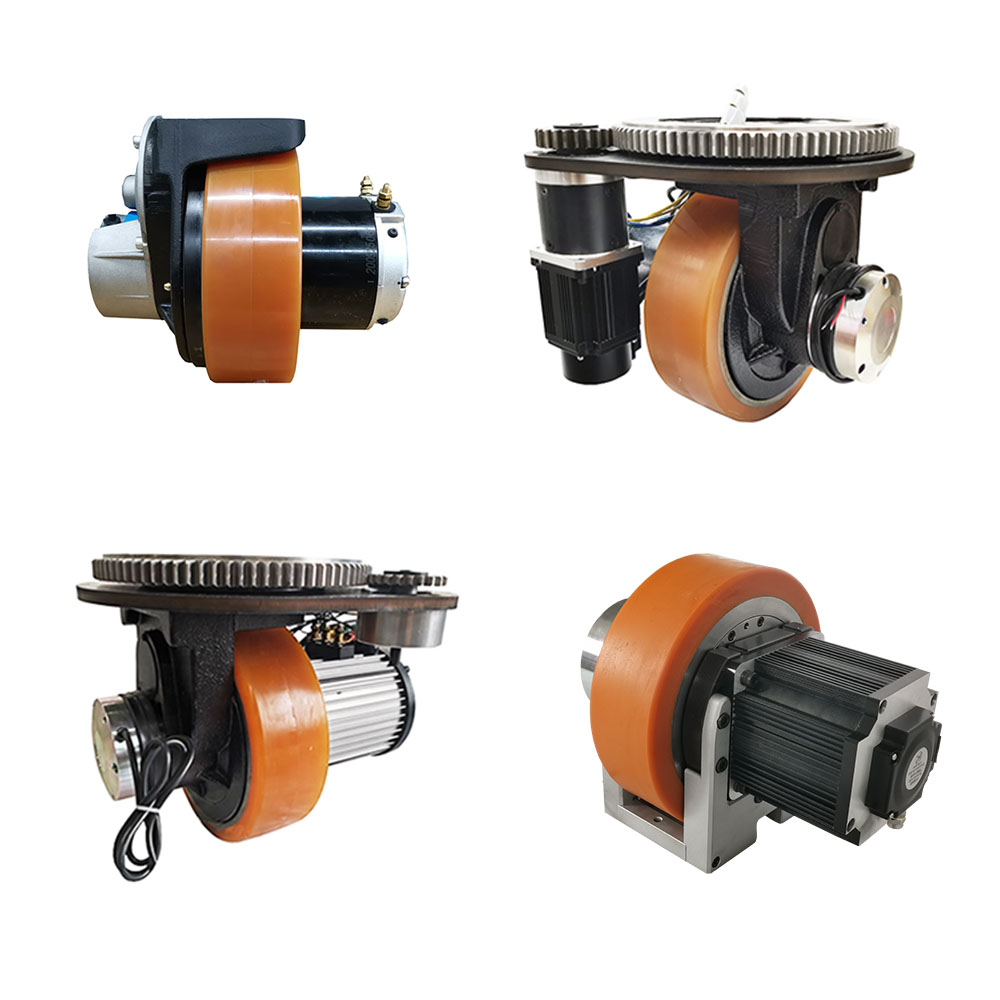
TZBOT 750W 1000KG Load Capacity Horizontal Drive Wheel Assembly AGV Wheel for Wholesale Automated Guided Robot
Horizontal drive wheel assembly for low-clearance pallet movers. It is a strong fit when Montreal buyers need to keep the chassis deck low while maintaining traction on long receiving-dock runs and cross-dock transfers.
- 750 W
- 1000 kg load class
- Low-clearance layout
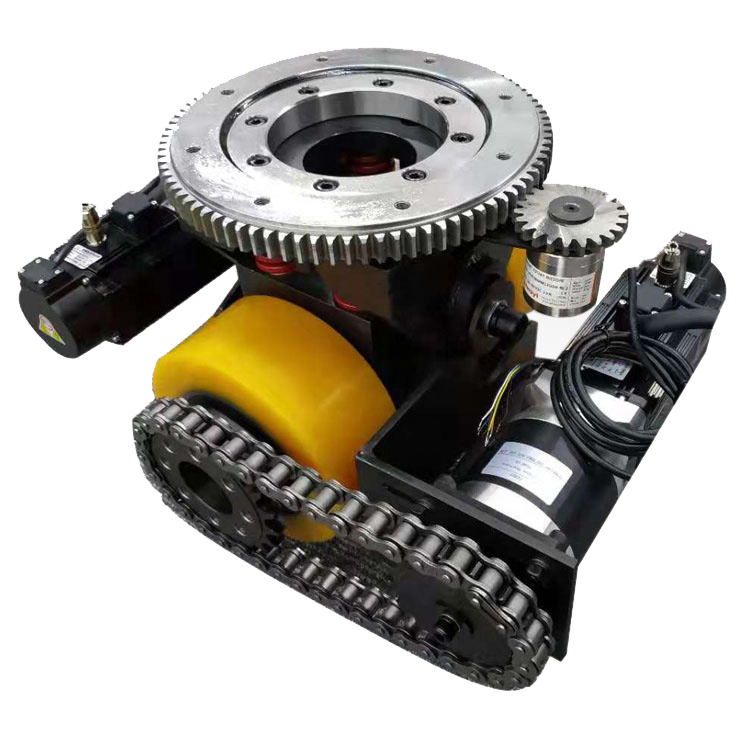
TZBOT 48V DC 2 Ton Heavy Duty Differential Unit AGV Wheel TZCS-750-30
Heavy-duty differential drive unit for pallet trucks, tow tractors and high-load transfer platforms. Specify this class when Montreal operations move dense beverage, paper, cold-storage or industrial pallet loads.
- 48 V DC
- 2 ton heavy duty
- Differential steering
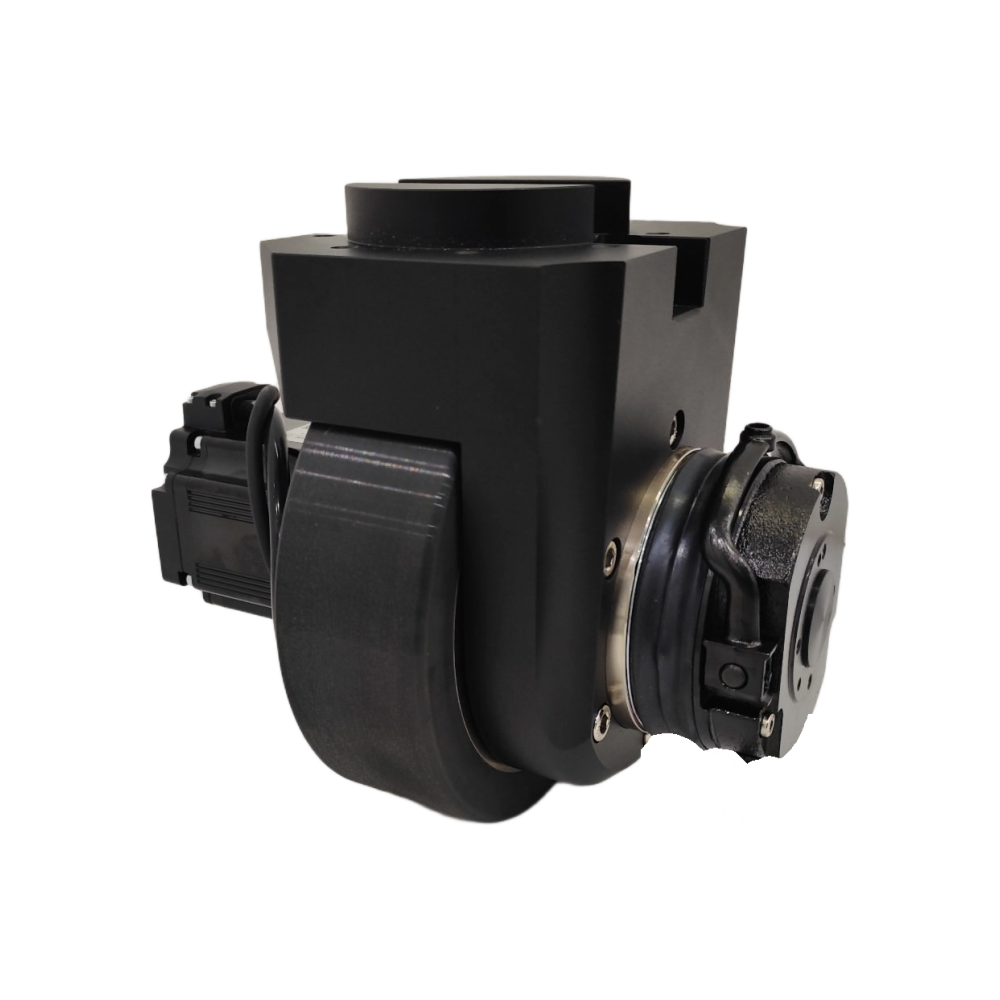
TZBOT Compact Structure agv Wheel Imported Polyurethane 1000kg Load Duty Mobile Robot Horizontal Drive Wheel Unit
Compact horizontal drive wheel with imported polyurethane tread for mobile robot builders that need a smaller integration envelope. The tread choice matters on Montreal floors that transition between smooth concrete, dock plates and winter entry zones.
- 1000 kg duty
- Imported PU tread
- Compact structure
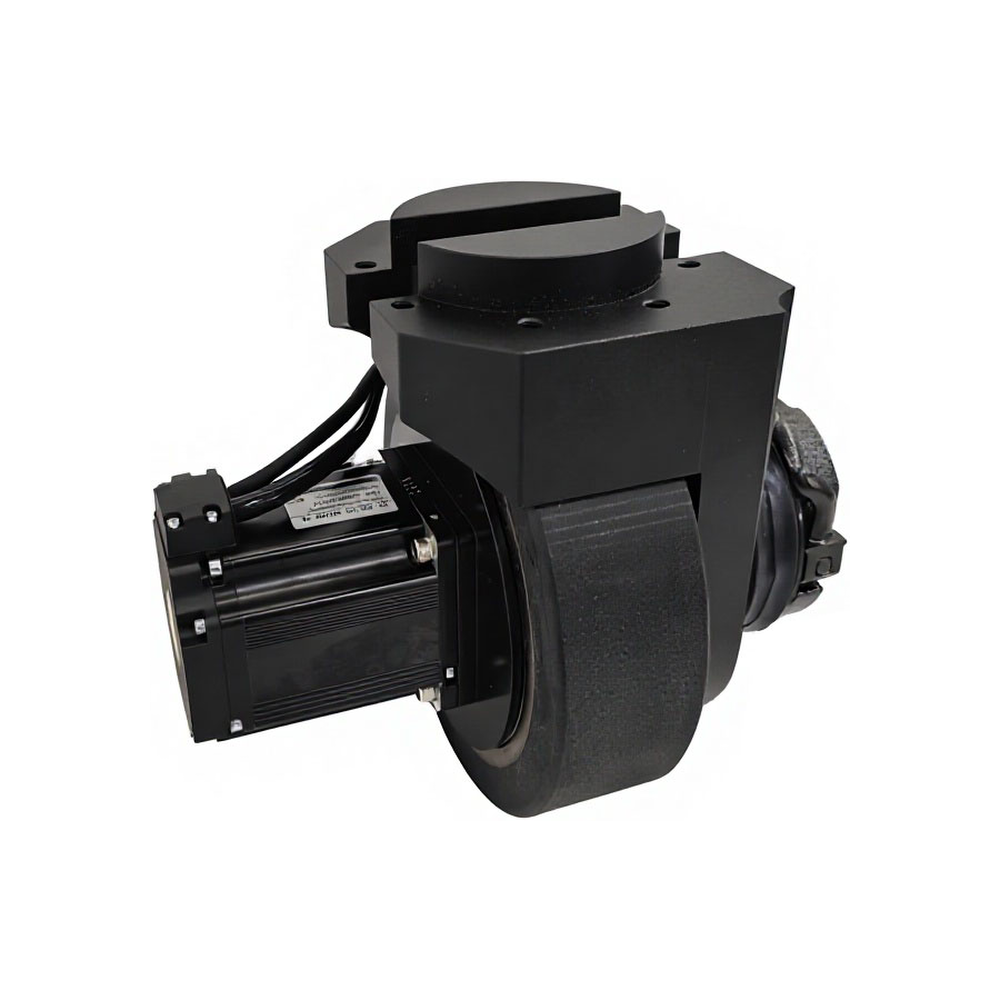
TZBOT agv Wheel Traction Accessories 1000kg Heavy Duty Capacity Material Handling Equipment Part Horizontal Drive Wheel Assembly
Traction-focused horizontal drive assembly for OEMs and wholesalers that need a serviceable 1000 kg-class module. It suits pallet-handling robot platforms where downtime cost is driven by wheel replacement time, not only purchase price.
- 1000 kg heavy duty
- Traction accessories
- Serviceable assembly
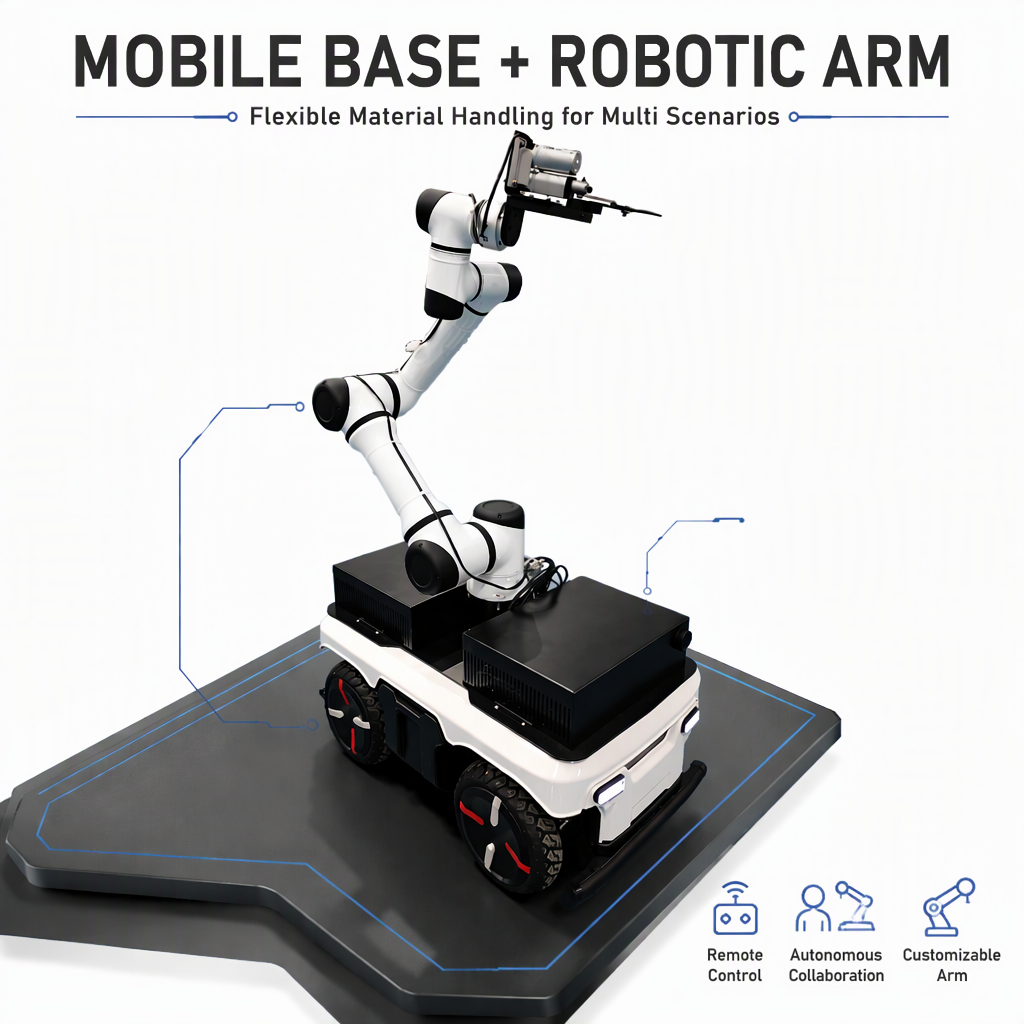
TZBOT Four Wheel Drive Ackerman Chassis AGV Collaborative Remote Control Composite Robot with Arm
Ackermann chassis platform for integrators building steering-sensitive mobile manipulators and pallet-handling research cells. Useful when a Montreal OEM needs controlled steering geometry plus room for collaborative automation payloads.
- Four-wheel drive
- Ackermann steering
- Composite robot base
Why Montreal OEMs and Wholesalers Shortlist Torqen
Montreal buyers often compare landed cost, integration risk and after-sales response. The strongest supplier is usually the one that can document the drive train, support the custom interface and keep spare-part data traceable after delivery.
What Montreal Buyers Really Mean by “Custom OEM Pallet Handling Robot Suppliers”
Montreal is not a generic warehouse market. It combines the Port of Montreal, CN and CP rail connections, dense third-party logistics, food and beverage distribution, cold-chain facilities, aerospace and industrial clusters, and a bilingual workforce. A pallet-handling robot deployed in Laval, Saint-Laurent, Boucherville or the East End may need to work in an older building with tight receiving docks, uneven floor joints, winter slush at doors and mixed French/English operating teams. That is why the strongest search intent is rarely “buy the cheapest robot.” It is closer to: “Can this supplier match the drive wheel, motor, controller and navigation sensor to my route, load, floor and maintenance plan?”
For OEM builders and wholesalers serving Montreal, the buying decision usually includes three layers. The first is mechanical fit: load capacity, wheel diameter, tread, chassis height, reduction ratio, mounting pattern and brake choice. The second is electrical fit: battery voltage, encoder type, servo or BLDC drive, controller communications, emergency-stop logic and sensor inputs. The third is commercial fit: CAD files, French/English documentation planning, sample lead time, spare-parts availability, landing cost and after-sales response. A low unit price that ignores any of these can increase total cost through commissioning delays, floor rework and unplanned downtime.
Torqen is positioned for this component-level conversation. We manufacture AGVs, AGV drive wheel assemblies, DC/AC motors, encoders, reducers, motor controllers, caster and PU wheels and navigation sensors, and we support OEM/ODM customization. That means a Montreal integrator can source the wheel, motor, driver and sensor architecture from one factory team instead of coordinating four vendors with different tolerances and test reports.
Send these eight data points for a faster engineering proposal
Our application engineers use these values to recommend a drive configuration, controller and navigation option without unnecessary sampling cycles.
- Gross vehicle weight and rated pallet load
- Required speed, acceleration and route length
- Floor type, joints, slope and dock-plate transitions
- Available chassis height and wheel envelope
- Battery voltage and charging strategy
- Navigation preference: magnetic, QR, RFID, lidar or hybrid
- Documentation needs for Quebec operations
- Target production date and spare-part plan
Where Pallet-Handling Robots Fit in the Montreal Market
Montreal buyers typically deploy pallet-handling automation in environments that reward reliability, bilingual operator support and predictable maintenance more than showroom aesthetics.
Cold-chain & food distribution
Montreal food and grocery distributors often move pallets between receiving, blast chillers and dispatch. Specify sealed electrical connections, condensation planning, PU tread suited to wet floors, and a maintenance routine that keeps battery and drive changes predictable. A 500 kg bidirectional lurking robot or 1000 kg horizontal drive assembly is often a better operational fit than a high-speed platform.
Port, rail and cross-dock transfer
The Port of Montreal and nearby rail yards create 24/7 cross-dock pressure. Heavy-duty differential units and robust controllers help OEMs build tow tractors and pallet platforms that survive dock-plate impacts, repetitive starts and stops, and mixed traffic. Buyers should share floor-joint conditions and peak cycle data early in the quotation process.
3PL & e-commerce fulfillment
Montreal 3PLs serving Quebec, Ontario and the U.S. Northeast need flexible pallet moves without lane closures. Magnetic-guided and QR-compatible AGVs support staged deployment: start with repeatable receiving-to-storage loops, then add pick-module replenishment. Bilingual operator training and clear fault codes matter as much as payload.
Aerospace & industrial manufacturing
Montreal’s aerospace and advanced manufacturing base uses heavy fixtures, long loads and controlled floor zones. An Ackermann chassis or steering-sensitive mobile platform can support composite robot applications where pallet transfer is only one part of the task. Document wheel-load calculations and braking requirements before selecting the base.
Pharma & medical distribution
Temperature-controlled distribution and audit-ready operations require traceable components and clean integration. Choose controllers and drive units that can be documented consistently, and plan change-control records for firmware, wiring and spare parts. Pallet robots should support stable speed profiles and clear fault reporting.
Beverage, paper & heavy pallet flows
Dense pallet loads punish undersized drive trains. For beverage, paper, building materials and industrial distribution, a 2-ton differential unit or 1000 kg heavy-duty horizontal drive assembly gives the OEM more margin against shock loads and floor irregularities. Specify creep speed, emergency stopping and wheel replacement access.
Montreal Pallet-Handling Automation Trends Shaping 2025 Procurement
These trends explain why Montreal buyers increasingly ask for component-level customization, bilingual technical documentation and serviceable drive modules.
1. Labour planning and bilingual operations
Quebec warehouses often operate in both French and English. Operator interfaces, fault messages, manuals and training material should be planned for bilingual use. Suppliers that can support label, document and HMI string customization reduce deployment friction for Montreal site managers.
2. Brownfield retrofits over greenfield builds
Many Montreal facilities were not designed around AGVs. Low-clearance chassis, compact horizontal drive wheels and retrofit-friendly magnetic controllers can be more practical than rebuilding aisle infrastructure. Buyers should measure floor joints, dock plates and column clearances before choosing a navigation method.
3. Winter entrance zones and floor resilience
Slush, salt residue and wet entry mats challenge traction and corrosion protection. Specify tread material, cleaning procedures, connector protection and wheel-change intervals. A drive wheel that performs well in a dry showroom may behave differently near a February loading dock.
4. Safety reviews and insurance documentation
Pallet-handling robots increasingly pass through formal risk assessments. Montreal buyers should prepare emergency-stop logic, obstacle-avoidance requirements, speed zones and traffic rules. Where Canadian electrical certification is required, confirm the final assembly’s CSA/UL strategy with your compliance team; do not assume CE alone satisfies every Canadian site requirement.
5. Energy cost and battery strategy
Battery voltage, opportunity charging and route efficiency affect operating cost. A 48 V DC heavy-duty differential platform may suit high-load towing, while compact 24 V-class systems may be adequate for lighter latent robots. The controller, motor and charger should be selected together.
6. Nearshoring and CUSMA-aware sourcing
Montreal distributors often serve Quebec, Ontario and the U.S. Northeast. Buyers are asking suppliers for consistent export packing, CAD data, landed-cost clarity and spare-parts planning. Payment support in CAD and delivery terms such as FOB, CIF, EXW, DDU and express shipping are practical advantages.
Pallet-Handling Robot Selection Matrix for Montreal Integrators
Use this matrix as an early-stage discussion tool. Final selection requires load-center calculation, duty-cycle review and a floor audit.
| Montreal application scenario | Recommended configuration | Why this fit makes sense |
|---|---|---|
| Low-clearance under-ride pallet mover | TZBOT 750W 1000KG horizontal drive wheel + compact 1000 kg horizontal drive unit | Keeps the chassis low for under-ride carts and tight dock areas while maintaining traction for repeated 1000 kg-class transfers. |
| 2-ton tow tractor or dense pallet flow | TZBOT 48V DC 2 Ton Heavy Duty Differential Unit TZCS-750-30 | Provides more mechanical margin for heavy starts, floor irregularities and continuous cross-dock cycles. |
| 500 kg bidirectional cart or lurking robot | CE Approved 500kg Bidirectional Lurking Robot + FX Series magnetic guided controller | Practical for cart towing and shelf movement where bidirectional travel reduces turning space. |
| Magnetic-tape retrofit in an existing warehouse | FX Series controller + magnetic navigation accessories | Useful when route changes are infrequent and the site wants a proven, repeatable guide path with fast commissioning. |
| Steering-sensitive mobile manipulator | Four Wheel Drive Ackermann Chassis AGV composite platform | Supports controlled steering geometry and collaborative payload integration for industrial and research applications. |
Five specifications that prevent an expensive mismatch
Before requesting a quotation, write down the vehicle’s gross weight, maximum pallet load, maximum speed, floor slope and available wheel envelope. Add the target navigation method and battery voltage. These values determine motor power, reduction ratio, wheel diameter, controller current and braking strategy. For Montreal buildings with older floors, include floor-joint width and dock-plate transitions; these details often change the tread recommendation and service interval.
For wholesalers, the decision also affects inventory. Carrying one heavy-duty differential unit and one compact horizontal drive assembly may cover more Montreal customer requests than stocking several low-volume variants. Our team can help define a spare-parts matrix based on your expected robot mix.
Recommended documentation pack
For OEM and wholesale buyers, request CAD envelopes, wiring diagrams, driver parameter files, inspection records and available certification documents. For Quebec deployments, plan bilingual labels, operator instructions and service checklists with your compliance team.
Inquire Now
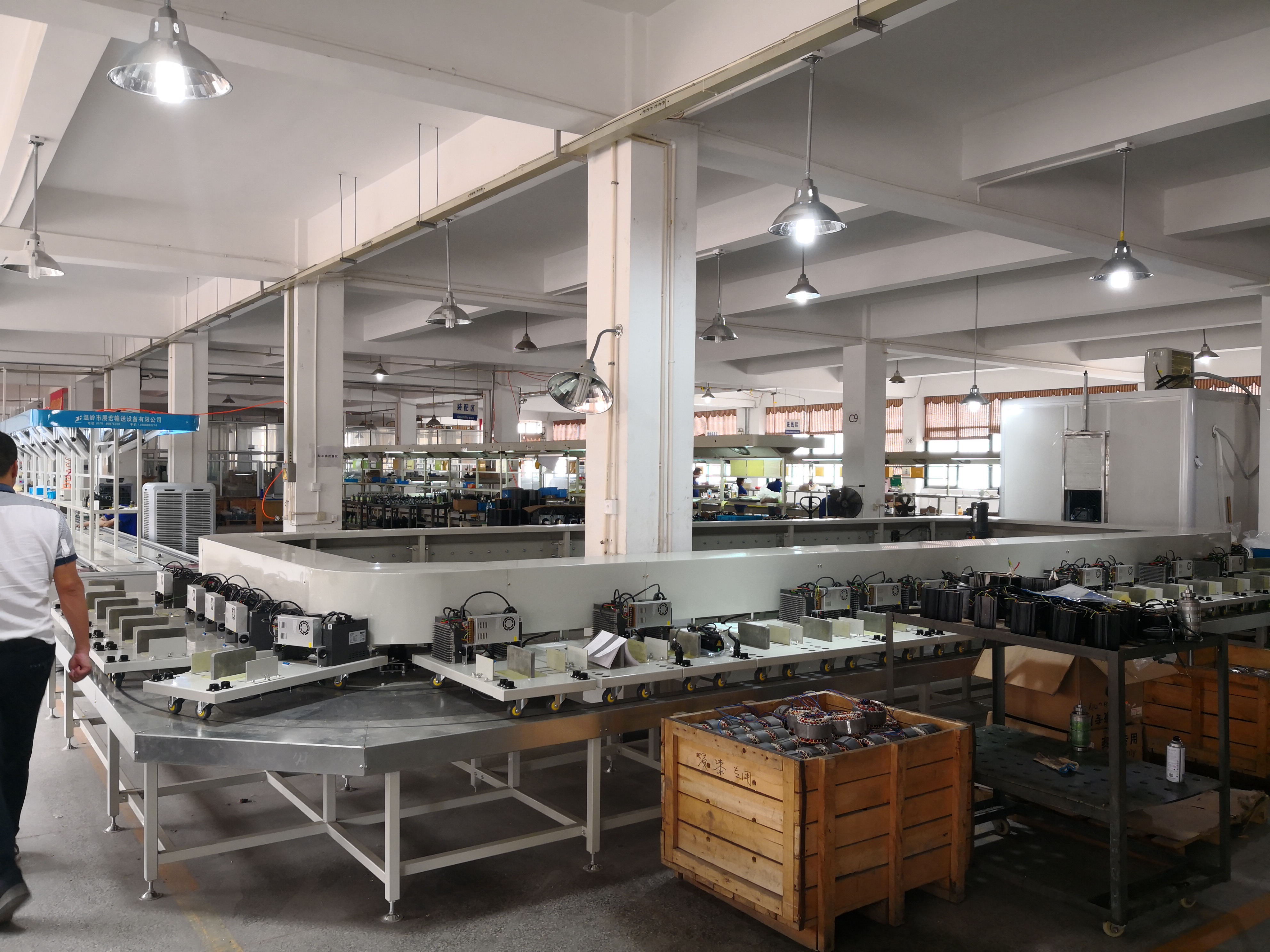

Zhejiang Torqen Technology Co., Ltd. — Built Around Motion Control
Founded in 2015 in Zhejiang, China, Torqen designs and manufactures automatic guided vehicles, AGV drive wheel assemblies, DC/AC motors, encoders, reducers, motor controllers, caster and PU wheels, and in-wheel motor units for automation builders worldwide. For Montreal OEMs and wholesalers, the practical benefit is not simply a product list; it is the ability to match mechanical, electrical and navigation elements before the first prototype is built.
Our engineers work directly with OEM integrators to adapt torque, speed, mounting geometry and interface requirements. Customization can include motor power and voltage, reduction ratio, wheel diameter and tread material, encoder type, brake options and mounting interfaces. We offer sample-based customization, design-based customization, OEM production, design services and buyer-label packaging. Prototypes undergo extended-duration testing before production parts are released, and finished-product inspection uses five in-house testing instruments.
A Montreal buyer comparing custom OEM pallet handling robot suppliers should ask whether the supplier can support integration after shipment. Torqen provides wiring diagrams, driver parameter files and commissioning guidance, and maintains a 24/7 online response workflow with a 97.9% inquiry response rate. Spare-parts supply and fault analysis are backed by traceable production records, which matters when a warehouse cannot afford a wheel or controller to sit idle waiting for an undocumented replacement.
Inquire NowFrom Montreal Specification to Factory Shipment in Six Steps
A predictable process for engineering buyers who need samples, documentation and production planning without surprises.
Requirement review
Load, speed, voltage, floor, aisle and chassis data are assessed by the engineering team.
Engineering proposal
Motor, reducer, wheel, controller and sensor options are matched; drawings and data are shared.
Prototype build
Sample-based or design-based customization is produced for validation.
Endurance testing
Extended-duration runs and parameter checks are completed before release.
Mass production
Manufacturing follows ISO 9001:2015 controlled processes and inspection records.
Inspection & delivery
Final inspection, export packing and shipment planning support Montreal delivery.
Trade Terms for Montreal Wholesalers and OEM Buyers
Flexible payment, delivery and currency options reduce friction for Canadian import and distribution planning.
Payment methods
- T/T
- L/C
- D/P
- D/A
- MoneyGram
- Credit card
- PayPal
- Western Union
- Cash
- Escrow
Delivery terms
- FOB
- CFR
- CIF
- EXW
- CIP
- FCA
- CPT
- DDU
- Express delivery
Currencies
- CAD
- USD
- EUR
- JPY
- AUD
- HKD
- GBP
- CNY
Questions Montreal Buyers Ask Before Ordering
These answers reflect common procurement, engineering and compliance questions from Canadian OEMs and wholesalers evaluating pallet-handling robot components.
Can Torqen supply a custom OEM pallet-handling robot or just individual components?
Torqen supplies both complete AGV platforms and component-level modules, including drive wheels, differential units, horizontal drive assemblies, controllers, motors and navigation accessories. For Montreal OEM projects, the usual path is to review the load, speed, chassis height, voltage, navigation method and documentation requirements, then recommend a matched drive train. We also support sample-based customization, design-based customization, OEM production, buyer-label packaging and design services.
Which drive unit should I choose for 500 kg, 1000 kg and 2-ton pallet loads?
For 500 kg cart towing or bidirectional lurking applications, the CE-approved 500 kg bidirectional lurking robot is a practical starting point. For 1000 kg-class low-clearance pallet movers, review the 750W 1000KG horizontal drive wheel assembly or compact 1000 kg horizontal drive unit. For 2-ton towing and dense pallet flows, the 48V DC 2 Ton Heavy Duty Differential Unit TZCS-750-30 offers more mechanical margin. Final selection still depends on floor friction, duty cycle, acceleration and wheel envelope.
Do you provide French-language documentation for Quebec operations?
We can plan bilingual documentation requirements with the buyer, including label content, operator instructions and service checklist structure. Because Quebec language and regulatory obligations should be confirmed by your own compliance team, final French wording and legal review should be validated locally before deployment. The earlier these requirements are shared, the better they can be included in the customization brief.
Are your products CSA or UL certified for Canada?
Torqen holds ISO 9001:2015 quality management certification and has been onsite-verified by Intertek. Some products are offered with CE-approved configurations, such as the 500 kg bidirectional lurking robot. CSA/UL requirements depend on the complete electrical assembly, installation method and site authority having jurisdiction. Montreal buyers should confirm the final machine’s certification strategy with their compliance team; we can provide available product documentation to support that review.
How do pallet-handling robots perform in Montreal winter and cold-storage conditions?
Winter and cold-chain performance must be engineered rather than assumed. Consider polyurethane tread selection, condensation management, connector protection, battery temperature strategy, floor-cleaning routines and maintenance frequency near doors exposed to slush and salt. For cold-storage projects, share the operating temperature range, wet-floor conditions and charging location so the drive and battery plan can be reviewed before quotation.
What is the MOQ, sample lead time and production lead time?
MOQ and lead time depend on the level of customization, the drive configuration, the controller option and whether the order is a sample or a repeat wholesale order. Because each drive unit may involve motor power, voltage, reduction ratio, wheel diameter, tread, encoder, brake and mounting changes, the quotation is prepared after the engineering requirements are reviewed. A clear specification pack shortens both sampling and production planning.
How do you support customs clearance and delivery to Montreal?
We can quote under trade terms such as FOB, CFR, CIF, EXW, CIP, FCA, CPT, DDU and express delivery. For Montreal, buyers typically work with a Canadian customs broker for clearance and final delivery. Provide the consignee details, preferred port or airport, Incoterm and documentation requirements during inquiry. Payment in CAD is supported among other currencies, which can simplify budgeting for Canadian buyers.
What technical information should we send to get a useful quotation quickly?
Send the gross vehicle weight, rated pallet load, load center, target speed, acceleration, maximum slope, floor type and joint conditions, available chassis height, wheel envelope, battery voltage, navigation preference, communication interface, estimated annual quantity and target production date. If you have a CAD drawing or existing chassis reference, include it. These details allow our engineers to recommend a more precise drive wheel, motor, controller and sensor combination.
What after-sales support is available after shipment?
Support can include wiring diagrams, driver parameter files, commissioning guidance, spare-parts planning and fault analysis. Our sales and technical team maintains a 24/7 online response workflow, and production records support traceability for repeat orders. For Montreal buyers, it helps to define a critical spare list at the quotation stage, especially for controllers and drive modules that could otherwise create long downtime.
Send Your Pallet-Handling Robot Specification
Share your load, speed, chassis height, battery voltage, navigation method and target delivery date. Our engineers will review the drive wheel, controller, motor and navigation sensor fit for your Montreal or Quebec project, and respond with the next practical step.
info@torqenbot.com