Differential Drive Wheel Factories & Wholesaler serving Chicago
Factory-matched differential drive wheel assemblies, AGV controllers, and navigation components for Chicago 3PLs, food plants, machine shops, airport logistics, and Midwest automation integrators. Engineered as a system, tested before shipment, and supported with OEM/ODM customization.
8 Factory-Direct Differential Drive Wheel & AGV Components for Chicago Buyers
These eight products are a practical shortlist for Chicagoland warehouse automation, machine tending, cold-chain logistics, and AMR projects. Each item links to its original product page; buyers who need a consolidated quotation can request the catalog through the live inquiry button.
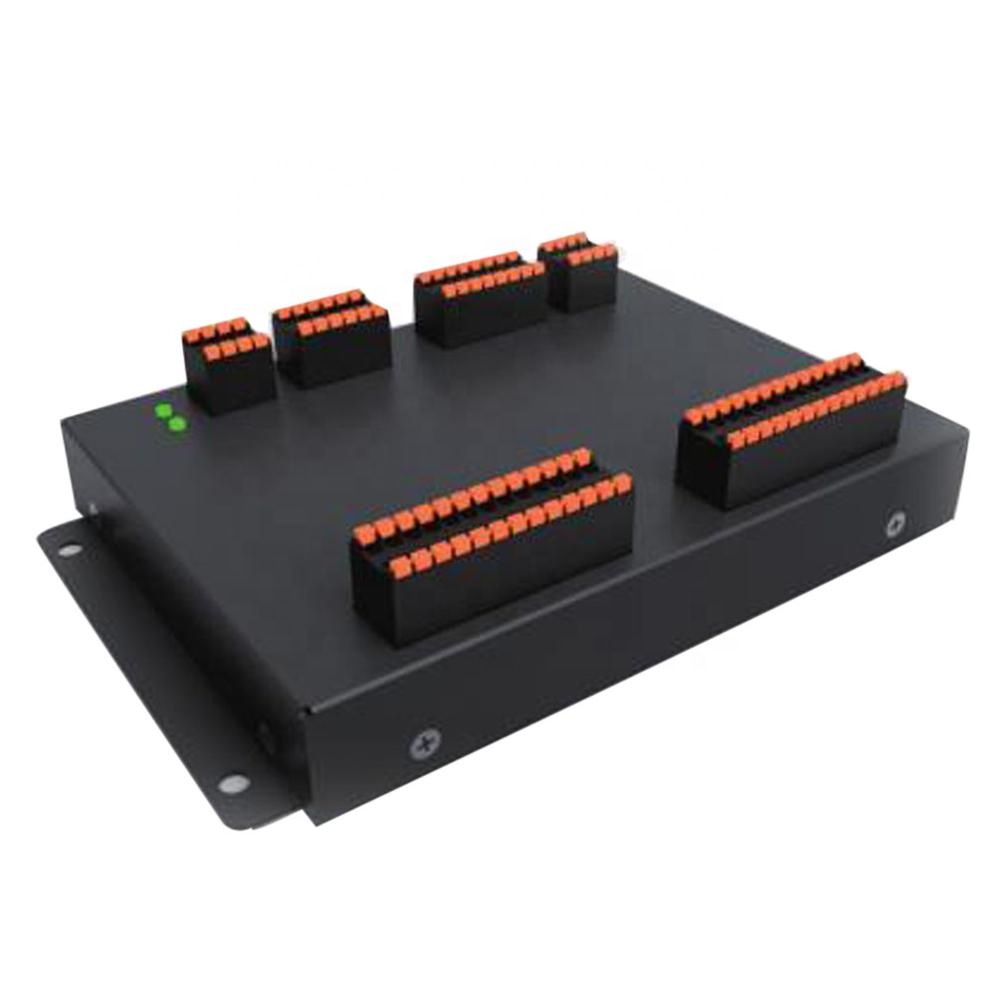
TZBOT Smart Controller TZC-MST-FX200D-A for Guiding the AGV Robot
Useful for Chicago integrators retrofitting magnetic-guided AGV fleets where route logic, controller tuning, and existing chassis constraints must be respected.
- AGV guidance
- Smart control
- Retrofit friendly
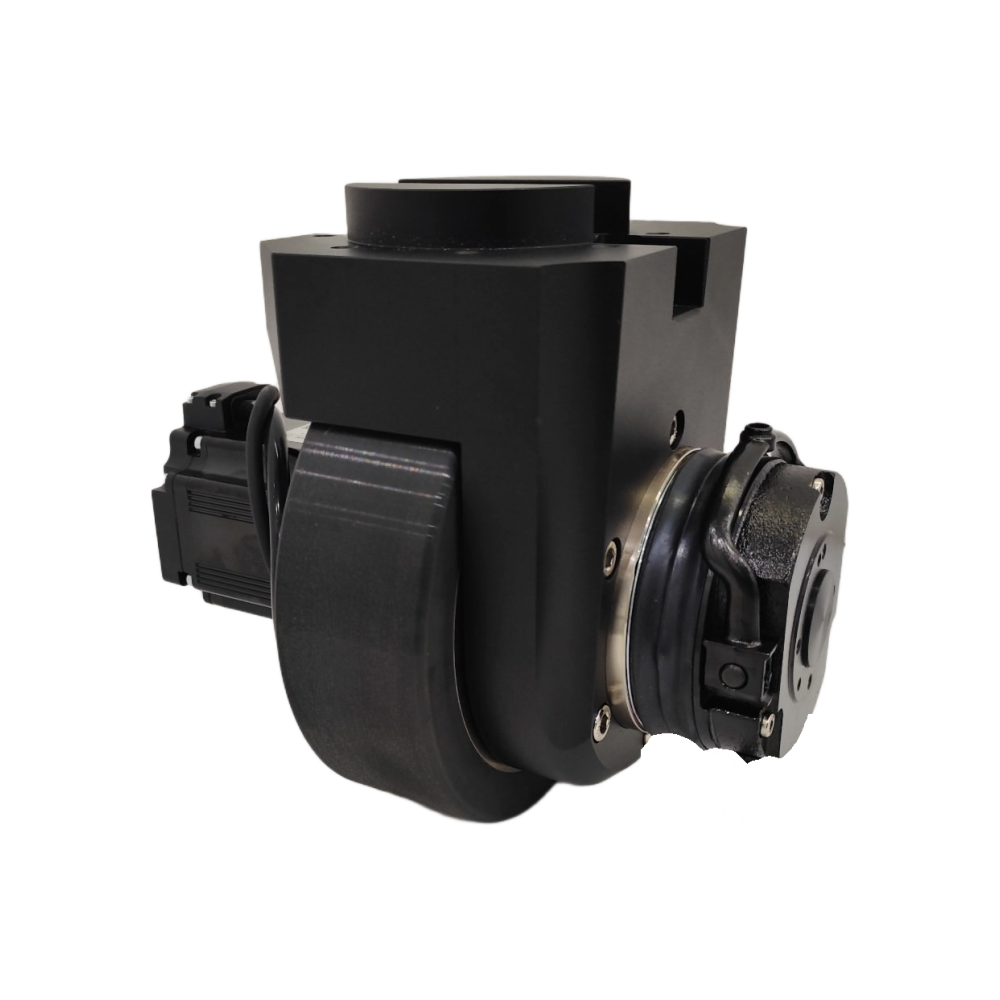
TZBOT Compact Structure agv Wheel Imported Polyurethane 1000kg Load Duty Mobile Robot Horizontal Drive Wheel Unit
A 1,000 kg horizontal drive wheel for compact AMRs and low-deck chassis common in older Chicago industrial buildings and e-commerce backrooms.
- 1,000 kg
- Imported PU
- Horizontal layout
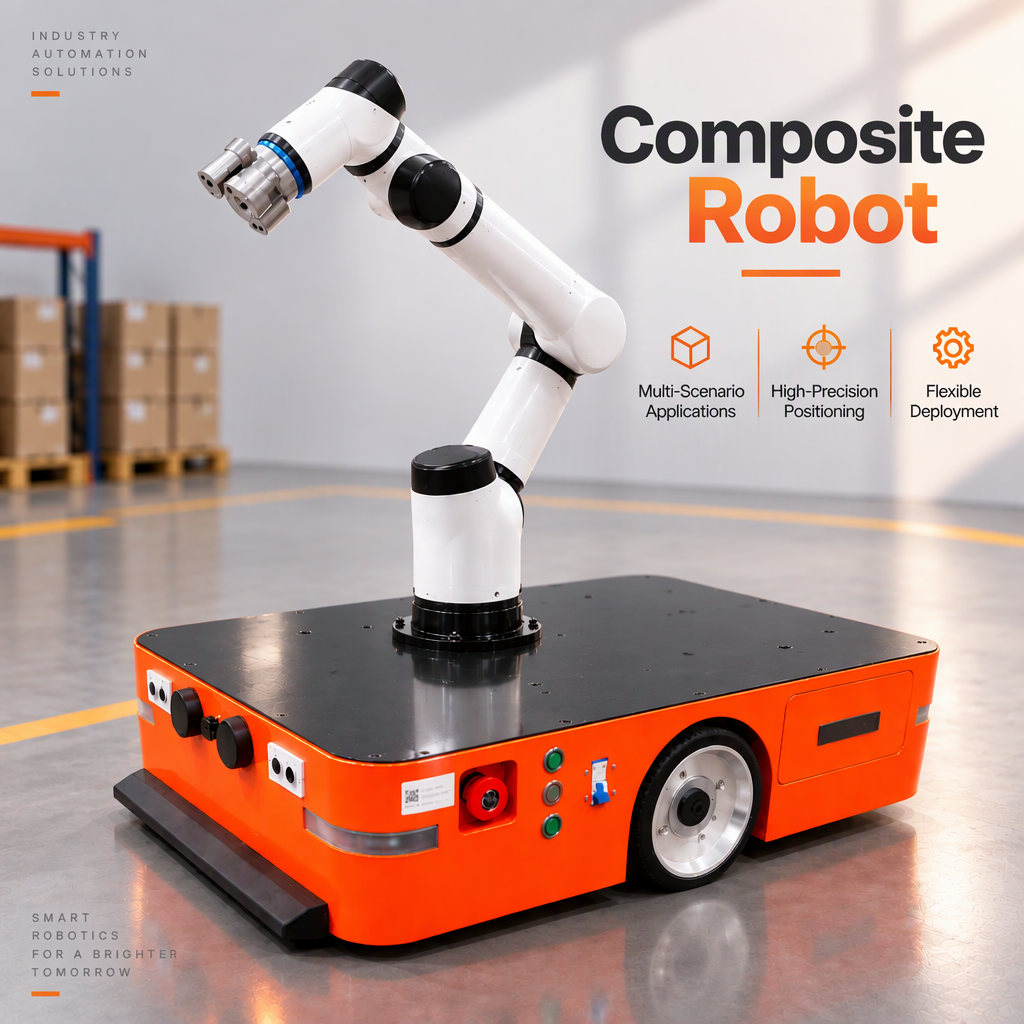
TZBOT Backpack AGV 200kg Load Capacity Chassis Magnetic Guidance Composite Robot with Robotic Arm
An AGV chassis concept for robotic-arm integration, machine tending, lab automation, and flexible material handling in Cook County production cells.
- 200 kg
- Magnetic guidance
- Robot-arm base
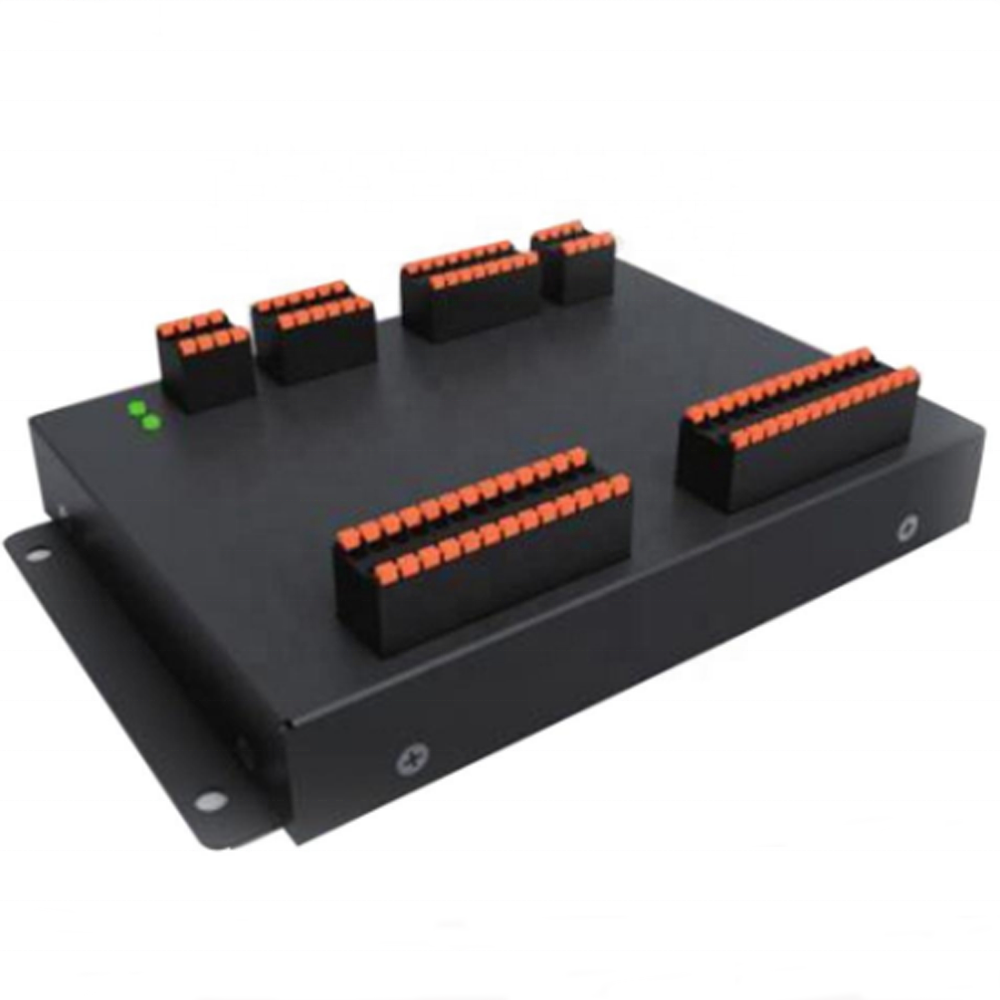
TZBOT FX Series Controller of HX Support Magnetic Tap Guided AGV
For fixed-route AGV projects in Chicago distribution centers where magnetic tape routes, station commands, and stable throughput matter more than free navigation.
- Magnetic tape
- FX series
- Fixed-route AGV
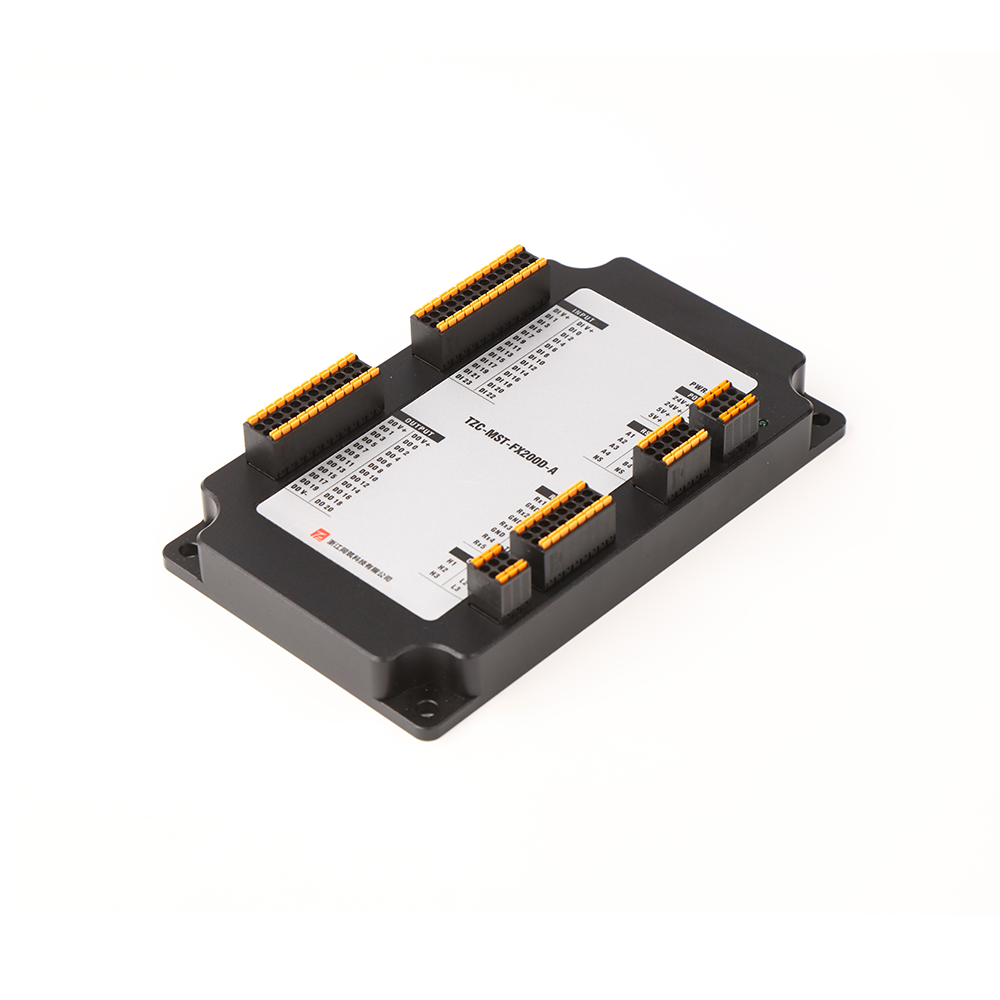
AGV Accessories Automated Guided Vehicle Controller with 19V~29V Power for AGV Robot
A compact controller option for existing 24 V-class AGV platforms, spare-part programs, and integrators standardizing electronics across a mixed fleet.
- 19–29 V
- AGV accessory
- Spare-part use
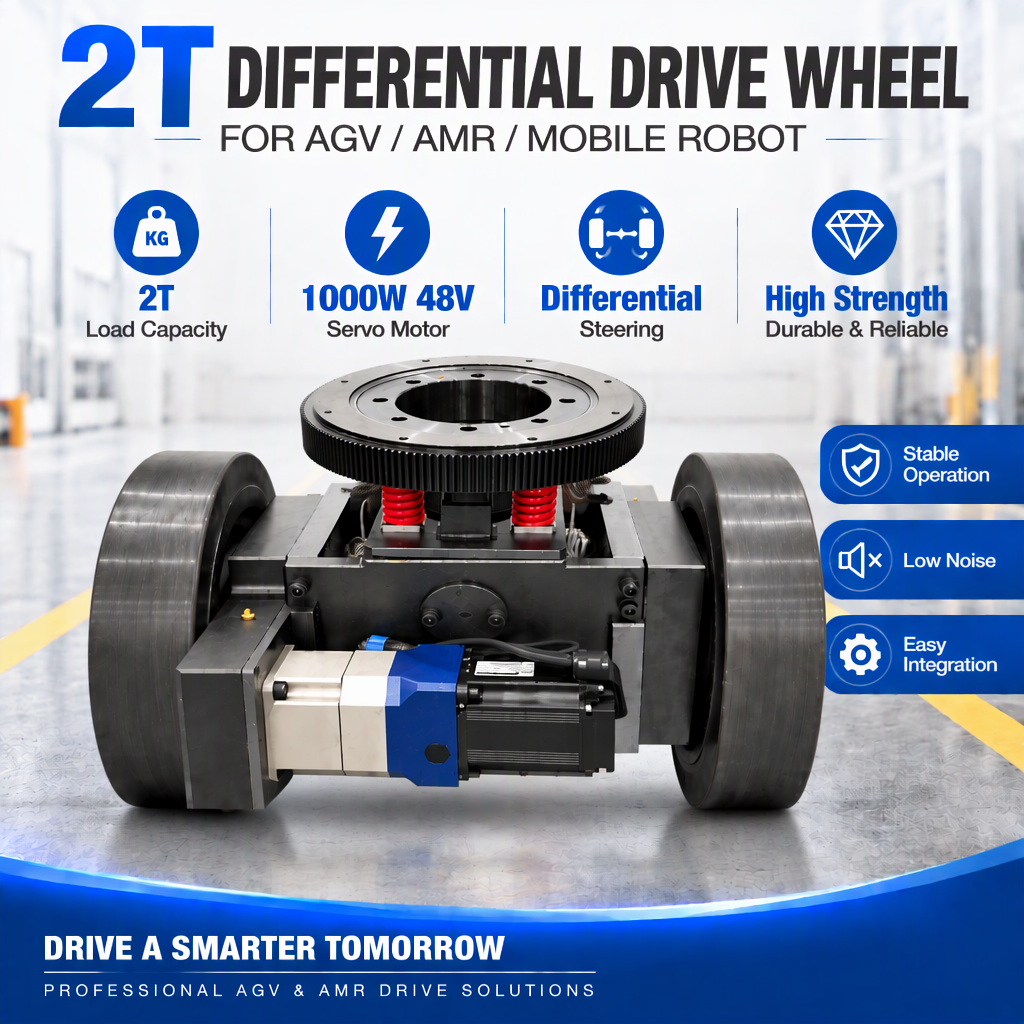
TZBOT 2000kg Traction Capacity Logistic Robot Part agv Amr Differential Steering Drive Wheel for Sale
A strong starting point for mid-duty logistics robots, cold-chain transfer carts, and pallet movers that need differential steering with a compact footprint.
- 2,000 kg
- Differential steering
- Logistics AMR
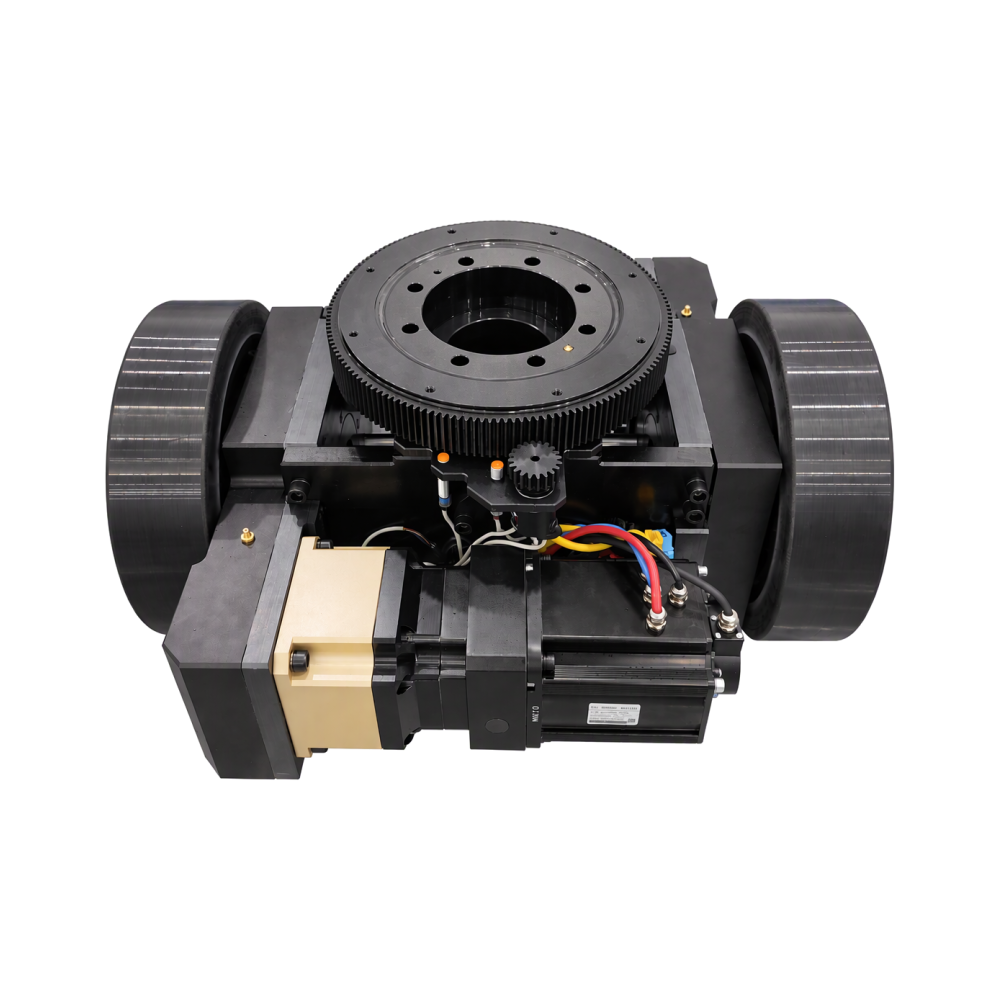
TZBOT Heavy Duty Series Robot Wheel 3000kg Bearing Capacity AGV Material Handling Equipment Differential Drive Wheel Assembly
For steel, automotive, battery, and heavy component handling in the Midwest, where shock loads, floor transitions, and uptime pressure require more traction margin.
- 3,000 kg
- Heavy duty
- Differential assembly
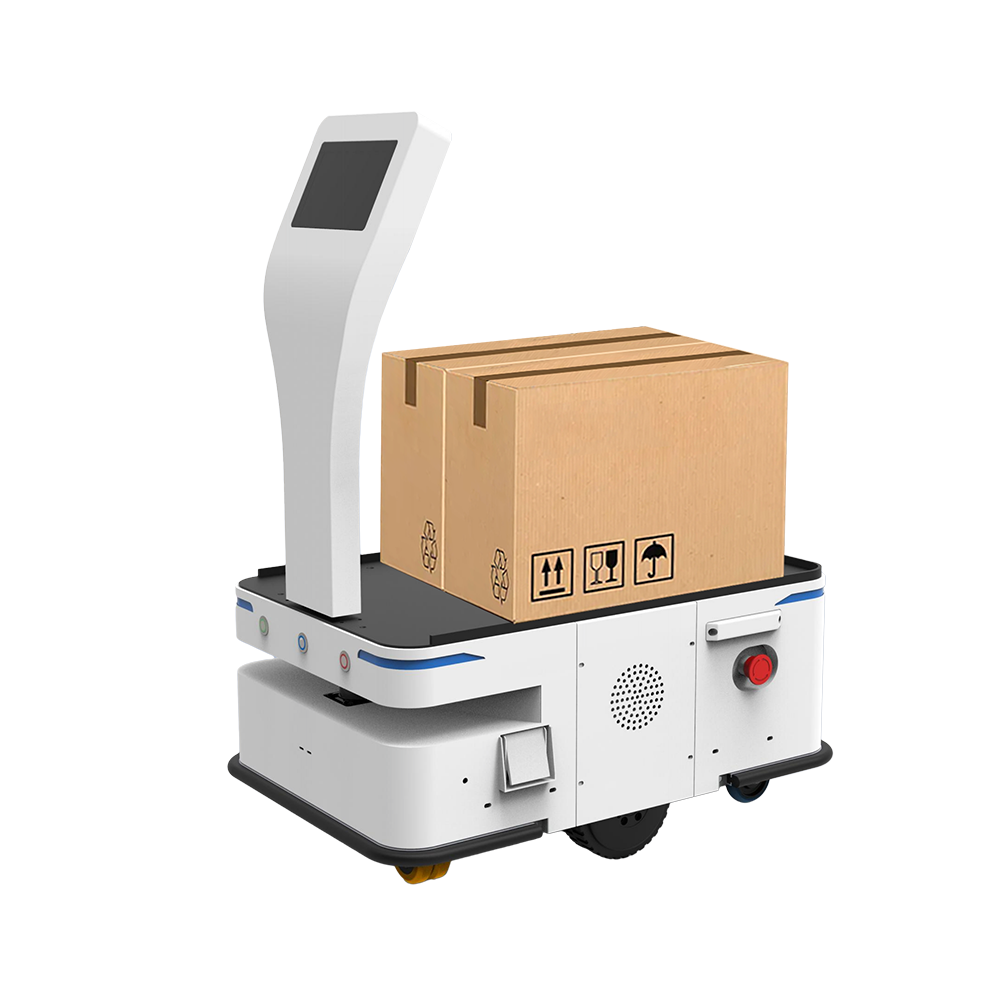
TZBOT High Precision Guidance Laser Slam Navigation Amr Robot 80kg Carrying Capacity Material Handling Amr Robot with 7 Inch HMI
An 80 kg laser SLAM AMR for layouts that change often, including electronics assembly, hospital logistics, and high-mix fulfillment inside Chicago facilities.
- 80 kg
- Laser SLAM
- 7-inch HMI
Why Chicago Is a Distinctive Market for Differential Drive Wheel Wholesalers
Chicago procurement is not only about payload. It is about floor conditions, uptime, integration risk, and the total cost of keeping an AGV fleet moving.
Chicago sits at the center of one of North America’s densest freight, rail, and air-cargo networks. For automation buyers across Cook, DuPage, Will, and Lake counties, that means AGVs and AMRs are often specified for multi-shift distribution centers, cold storage, industrial corridors, and airport-adjacent logistics. A differential drive wheel that works well in a clean showroom may behave very differently on sealed concrete with expansion joints, on a dock ramp, or in a high-turn-frequency tote-handling cell. That is why a serious supplier should ask about vehicle weight, wheel load, floor friction, turning scrub, duty cycle, and chassis height before sending a quotation.
The search intent behind “differential drive wheel factories and wholesaler serving Chicago” usually comes from three buyer groups. First, an OEM or integrator wants factory-direct engineering support and repeatable production. Second, a maintenance or procurement manager wants a dependable wholesale source for replacement wheel units, controllers, and spare parts. Third, a project owner wants a supplier who understands Chicago-area deployment realities: cold-chain condensation, older buildings with limited clearance, tight fulfillment centers, and aggressive payback targets driven by warehouse labor availability. A useful answer must address all three, not just list a product price.
Torqen is a Zhejiang, China-based manufacturer established in 2015, with a business model that combines manufacturing and export trading. For Chicago buyers, that means we can support a custom differential drive wheel assembly from sample to production while also helping with documented export terms. We do not claim to be a local Chicago stockist. Instead, we position ourselves as a factory-direct differential drive wheel manufacturer and wholesaler that helps Chicago integrators reduce integration risk, consolidate the bill of materials, and move from a prototype requirement to a production release with traceable inspection records.
Where Differential Drive Wheels Earn Their Pay in Chicago Operations
From the I-55 logistics corridor to O’Hare air cargo and Midwest metal-fabrication shops, the drive wheel must match the environment, not just the catalog rating.
3PL and parcel hubs
High-throughput tote and cart movement rewards a 2,000 kg differential steering unit with stable traction, predictable turning, and controller matching. Buyers often prioritize repeatability across multiple lanes.
Food and cold chain
Condensation, washdown zones, and low temperatures affect braking, encoder reliability, and tread selection. Specify the wheel, motor, and driver as a system rather than mixing unmatched parts.
Metal fabrication and machine tending
Shock loads, oily floors, and tight cell layouts call for the 3,000 kg heavy-duty differential assembly or a custom wheel interface. Mounting geometry should be reviewed early.
Air cargo and airport logistics
Around-the-clock operations need spare-part discipline and clear electrical documentation. Controllers, sensors, and drive wheels should be selected with maintenance access in mind.
E-commerce micro-fulfillment
Compact urban facilities prefer low-clearance horizontal drive wheels and AMRs with laser SLAM. The goal is faster deployment without cutting floor space or blocking pick paths.
Automotive and battery assembly
Midwest manufacturing projects often require 2,000–3,000 kg capacity, controlled acceleration, and a matched servo or BLDC drive package. Documentation matters as much as hardware.
Chicago-Area Automation Trends Shaping Differential Drive Wheel Demand
Procurement teams are not simply buying wheels. They are buying uptime, lower integration risk, and a faster path from prototype to stable production.
Labor flexibility and payback pressure
Chicago buyers increasingly evaluate AGV drive systems by total cost of ownership: installation speed, mean time between failures, and spare-part availability, not only unit price.
Compact facilities and low-clearance chassis
Urban fulfillment and older industrial buildings push designers toward horizontal drive wheel units and compact differential steering packages that preserve deck height.
Reshoring and Midwest supply chains
As more production returns to the Midwest, heavy-duty 3,000 kg drive assemblies and matched controllers are being specified for steel, automotive, and battery-related projects.
Cold-chain verification
Food and life-science logistics teams ask for condensation-aware integration, controlled braking, and documentation that supports internal risk assessments.
Traceability and safety documentation
Integrators need wiring diagrams, parameter files, inspection records, and close-out support for internal safety reviews. A simple “rated load” statement is no longer sufficient.
Digital-first wholesale sourcing
Buyers compare factories, request samples, and verify certificates before committing. A catalog, clear specification sheet, and export terms shorten the inquiry-to-quote cycle.
What Torqen Adds Beyond a Standard Differential Drive Wheel Wholesaler
Torqen is Zhejiang Torqen Technology Co., Ltd., founded in 2015 in Hangzhou, Zhejiang, China. We manufacture AGVs, drive wheel assemblies, motors, servo/BLDC controllers, and navigation sensors, with OEM/ODM support for global buyers.
Custom wheel engineering
Sample-based and design-based customization cover motor power, voltage, reduction ratio, wheel diameter, tread material, encoder type, brake options, and mounting interfaces.
Matched drive train, not isolated parts
Drive wheels, servo/BLDC drivers, motors, and magnetic or RFID sensors can be specified together. That reduces wiring surprises and parameter-tuning delays during commissioning.
Validation before shipping
Five in-house testing instruments, finished-product inspection, and extended-duration prototype runs support release decisions before production parts are shipped.
Verified credentials
ISO 9001:2015 quality management, Intertek onsite verification, 8 awarded patents, and a 4.9/5 buyer rating support the supplier qualification process.
Export terms for Chicago buyers
FOB, CFR, CIF, EXW, CIP, FCA, CPT, DDU, and express delivery options can be quoted. Payment methods include T/T, L/C, D/P, D/A, credit card, PayPal, and other common terms.
Responsive engineering support
A 51–100 person team and a reported 97.9% inquiry response rate help overseas buyers keep samples, drawings, and production approvals moving.
How to Specify a Differential Drive Wheel for a Chicago Fleet
Use this engineering checklist before requesting a sample. It shortens the quotation cycle and reduces the chance of a drive wheel that fits on paper but underperforms on the floor.
Factory vs. Trading Wholesaler: A Practical Chicago Buyer Comparison
For repeatable AGV and AMR programs, the supplier’s engineering depth matters as much as the quotation format.
Single-part price buyer
- Fast quote but limited system matching
- Risk of mixing wheel, driver, and encoder incorrectly
- Useful for emergency spares when the specification is already fixed
- Documentation and traceability may be limited
General trading wholesaler
- Broad catalog access but less control over production
- Customization may pass through multiple suppliers
- Engineering questions can slow down sample approval
- Factory audit evidence may be indirect
Torqen factory-direct model
- Drive wheel, motor, driver, and sensor support from one supplier
- Sample-based and design-based customization
- ISO 9001:2015 production and Intertek onsite verification
- Export documentation and terms for Chicago-bound shipments
- Direct engineering communication through sample and production stages
Chicago Buyer FAQ: Differential Drive Wheels, Controls, Samples, and Delivery
These are common questions from Chicagoland integrators, OEMs, and maintenance teams evaluating a factory-direct differential drive wheel wholesaler.
Are you a differential drive wheel factory or a local Chicago wholesaler?
We are the manufacturer, Zhejiang Torqen Technology Co., Ltd., based in Hangzhou, Zhejiang, China. We serve Chicago buyers factory-direct with wholesale and OEM/ODM support. We do not claim local Chicago inventory; current stock, sample timing, and shipment method should be confirmed with our team for each inquiry.
Which drive wheel should a Chicago 3PL evaluate first?
For many mid-duty logistics robots and transfer carts, start with the TZBOT 2,000 kg differential steering drive wheel. For lower deck height, evaluate the 1,000 kg horizontal drive wheel. For steel, automotive, or battery handling with higher shock loads, review the 3,000 kg heavy-duty differential assembly.
Can you customize wheel tread, voltage, encoder, brake, and mounting?
Yes. Typical customization includes motor power and voltage, reduction ratio, wheel diameter and tread material, encoder type, brake options, and mounting interfaces. Buyer-label packaging and design-based customization are available for qualified projects.
What information should I send for a quote?
Send gross vehicle weight, wheel load, target speed, maximum gradient, battery voltage, chassis height, floor condition, duty cycle, and required communication protocol. A drawing or 3D model of the mounting envelope helps shorten the review.
Can the drive system handle Chicago cold-storage or washdown areas?
Cold and washdown environments require careful selection of encoder, brake, sealing, and tread. Share temperature range, condensation exposure, cleaning chemicals, and floor friction expectations. Final suitability depends on the complete vehicle design and risk assessment.
How is quality verified before shipment?
Our facility is ISO 9001:2015 certified and has been verified onsite by Intertek. We use finished-product inspection with five in-house testing instruments, and prototypes undergo extended-duration testing before production release. Request the inspection documentation required by your quality team.
Which shipping and payment terms are possible for Chicago buyers?
Delivery terms can include FOB, CFR, CIF, EXW, CIP, FCA, CPT, DDU, and express delivery. Payment terms can include T/T, L/C, D/P, D/A, MoneyGram, credit card, PayPal, Western Union, cash, or escrow, subject to order value and country requirements.
Do you support integration with existing AGV controls?
We can provide wiring diagrams, driver parameter files, and commissioning guidance for products supplied by Torqen. The final safety validation, system risk assessment, and on-site commissioning remain the responsibility of the integrator or vehicle builder.
Build a Chicago-Ready Drive Train Without Guessing
Send your payload, wheel load, speed, chassis height, battery voltage, floor condition, and target timeline. Our team will help match a differential drive wheel, controller, and navigation component configuration, then confirm the sample and quotation path.
