Eight Product-Ready Components for Hamburg Differential Steering Drive Projects
These eight components are a practical starting point for Hamburg wholesalers, integrators and OEM engineering teams. Product links are preserved to the original product pages; use the inquiry button when you need a matched drive-wheel, controller and sensor configuration rather than a single replacement part.
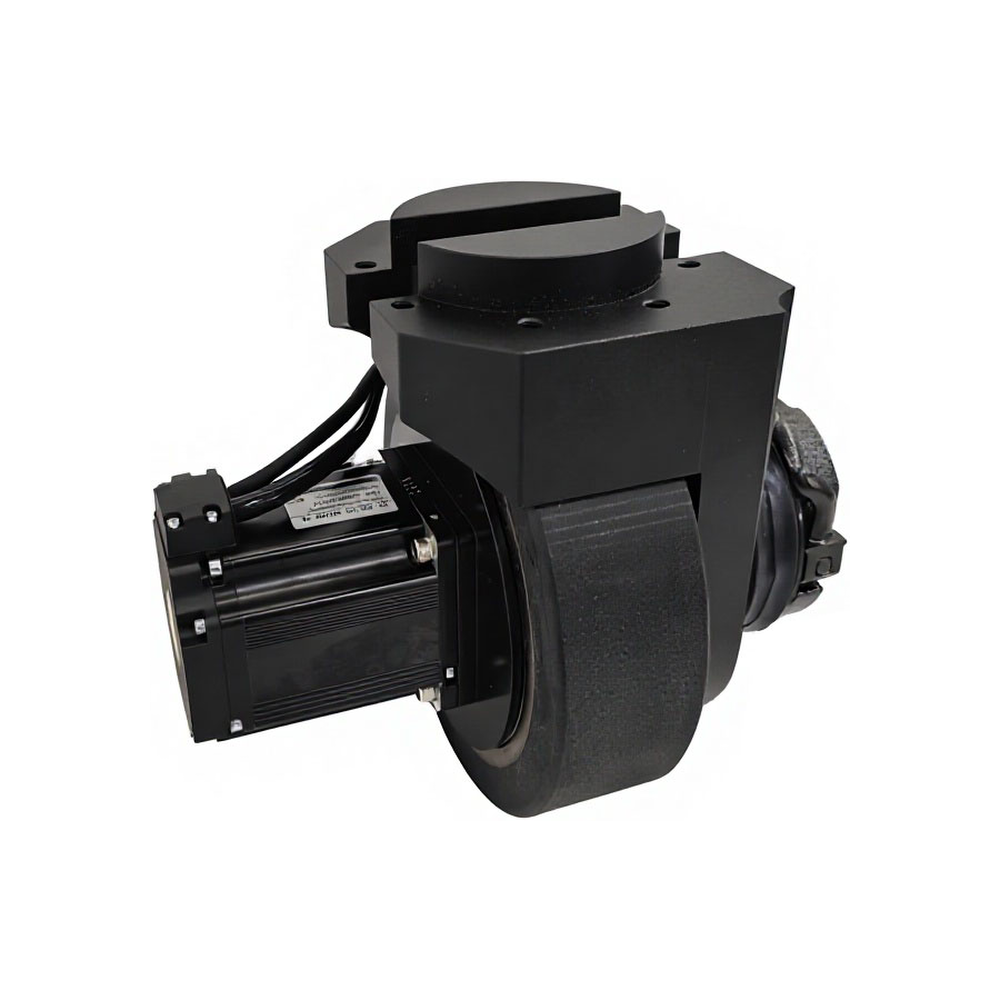
TZBOT agv Wheel Traction Accessories 1000kg Heavy Duty Capacity Material Handling Equipment Part Horizontal Drive Wheel Assembly
A horizontal drive wheel assembly for heavy carts, towing platforms and low-clearance material-handling chassis. Its 1,000 kg class supports port-side transfer equipment and dense warehouse flows where wheel height is constrained.
- 1,000 kg
- Horizontal
- Heavy duty
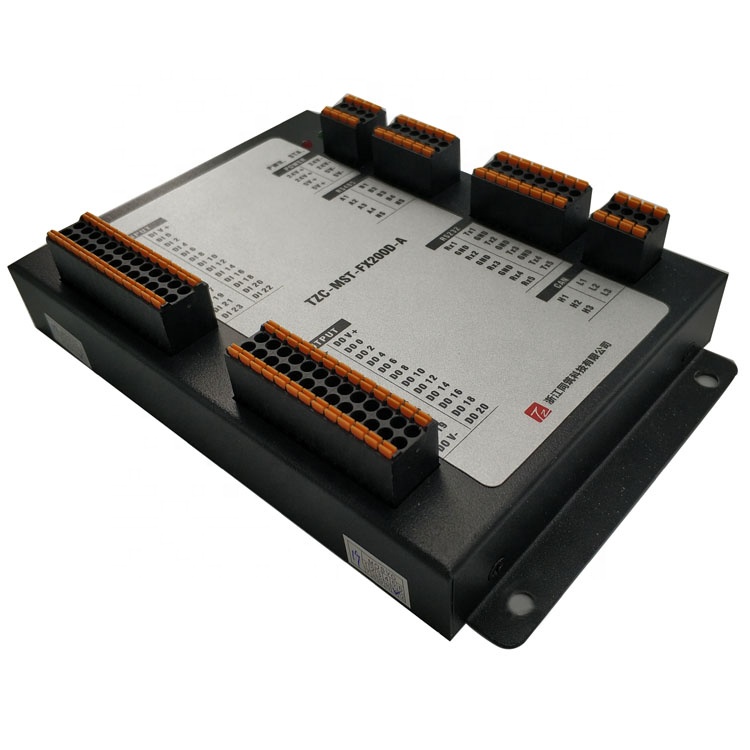
Smart AGV Controller TZC-MST-FX200D-A with Auto Guide Apply for Building Material Shops
A compact auto-guide controller for integration projects that need a navigation and motion-control layer. Suitable for building-material shops, mixed manual-to-automatic retrofits and distributor-led system builds.
- Auto guide
- TZC-MST
- Retrofit
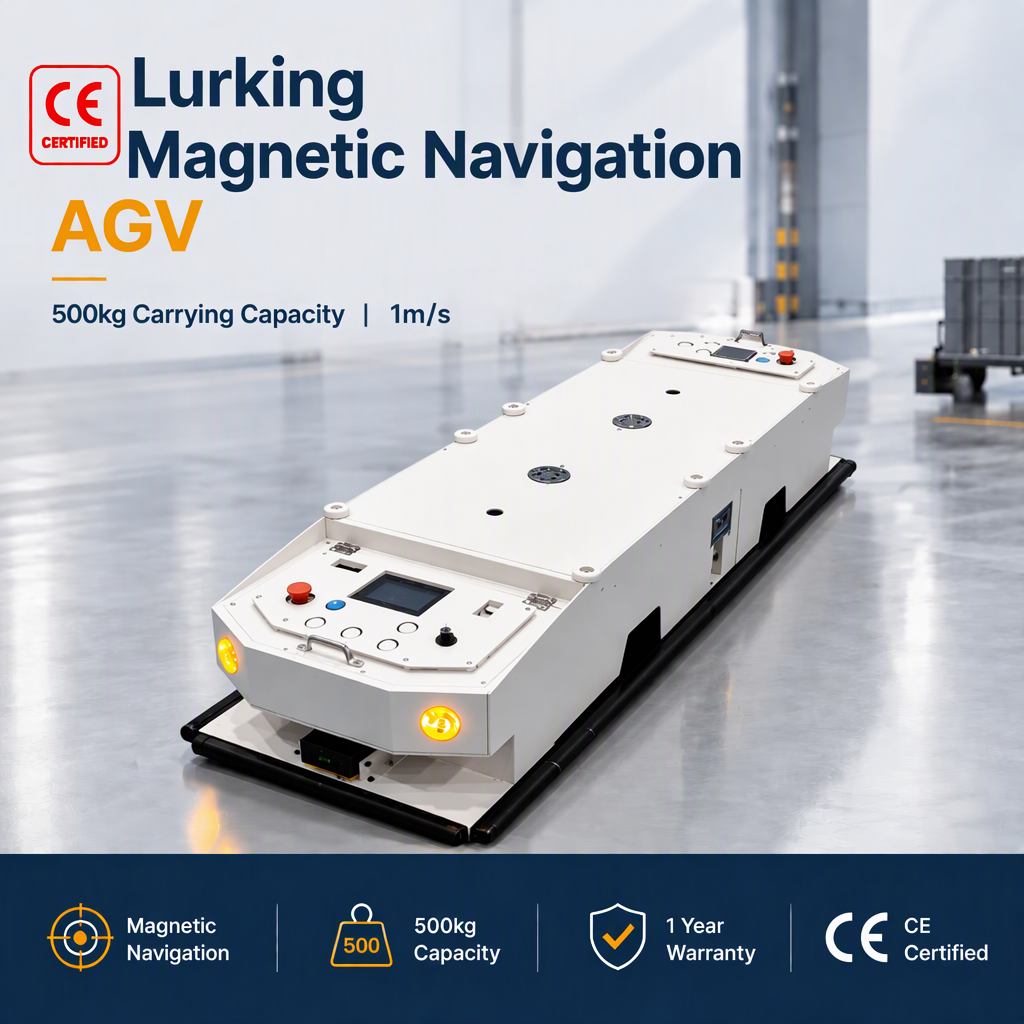
TZBOT CE Approved 500kg Bidirectional Lurking Robot 500kg Towing Capacity Material Handling Equipment Magnetic Navigation AGV
A 500 kg bidirectional lurking robot with magnetic navigation and 500 kg towing capacity. Useful for repeatable line-side delivery, warehouse replenishment and low-speed horizontal transport in Hamburg distribution centres.
- 500 kg
- Magnetic
- Bidirectional
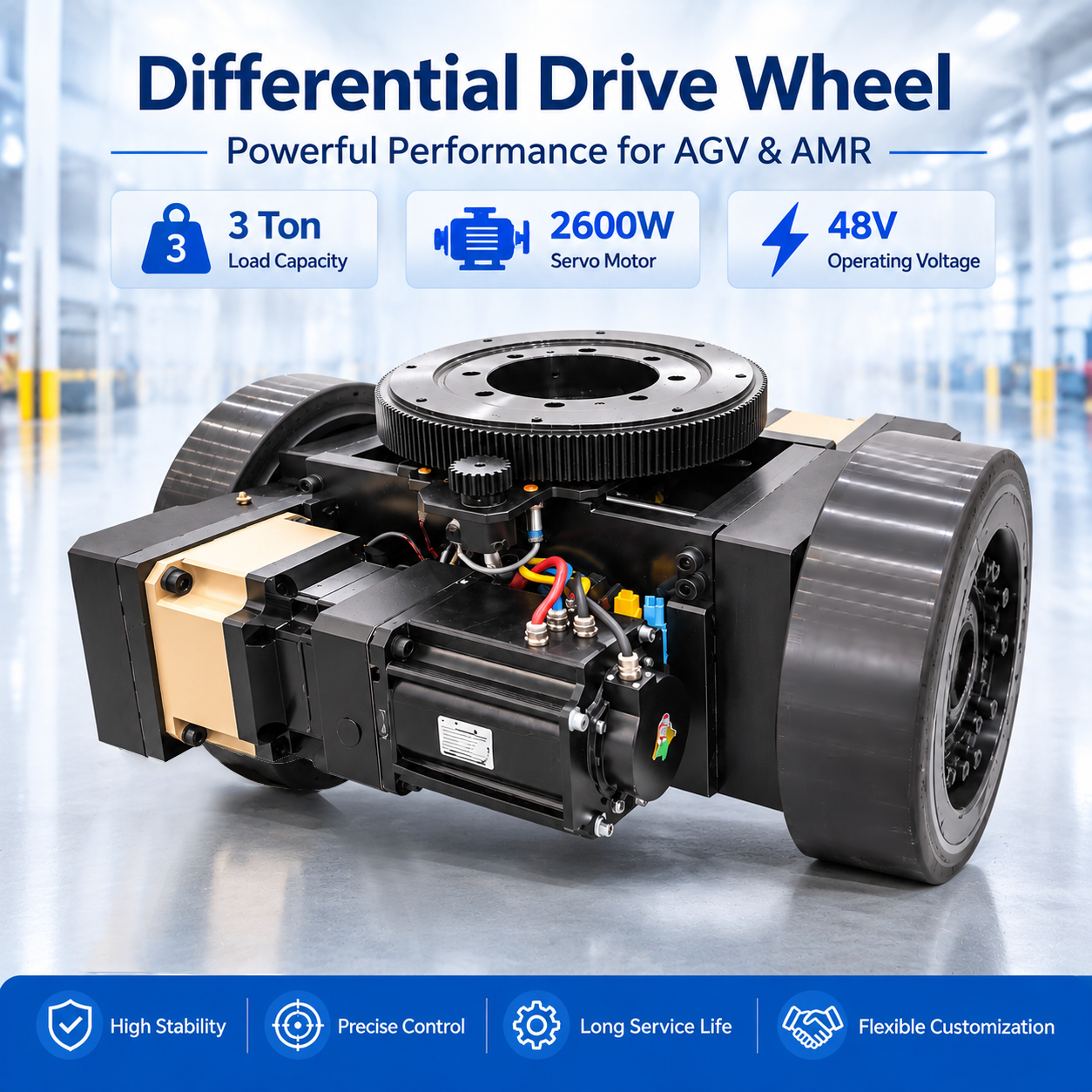
TZBOT Customizable 3000kg Load Capacity agv Wheel Automatic Guided Vehicle Differential Drive Wheel with 2600w 48V Servo Motor
A customizable 3,000 kg differential drive wheel with 2600 W 48 V servo motor. Recommended for heavy AGV/AMR platforms, industrial trailers and bespoke material-handling vehicles where torque headroom matters.
- 3,000 kg
- 2600 W
- 48 V
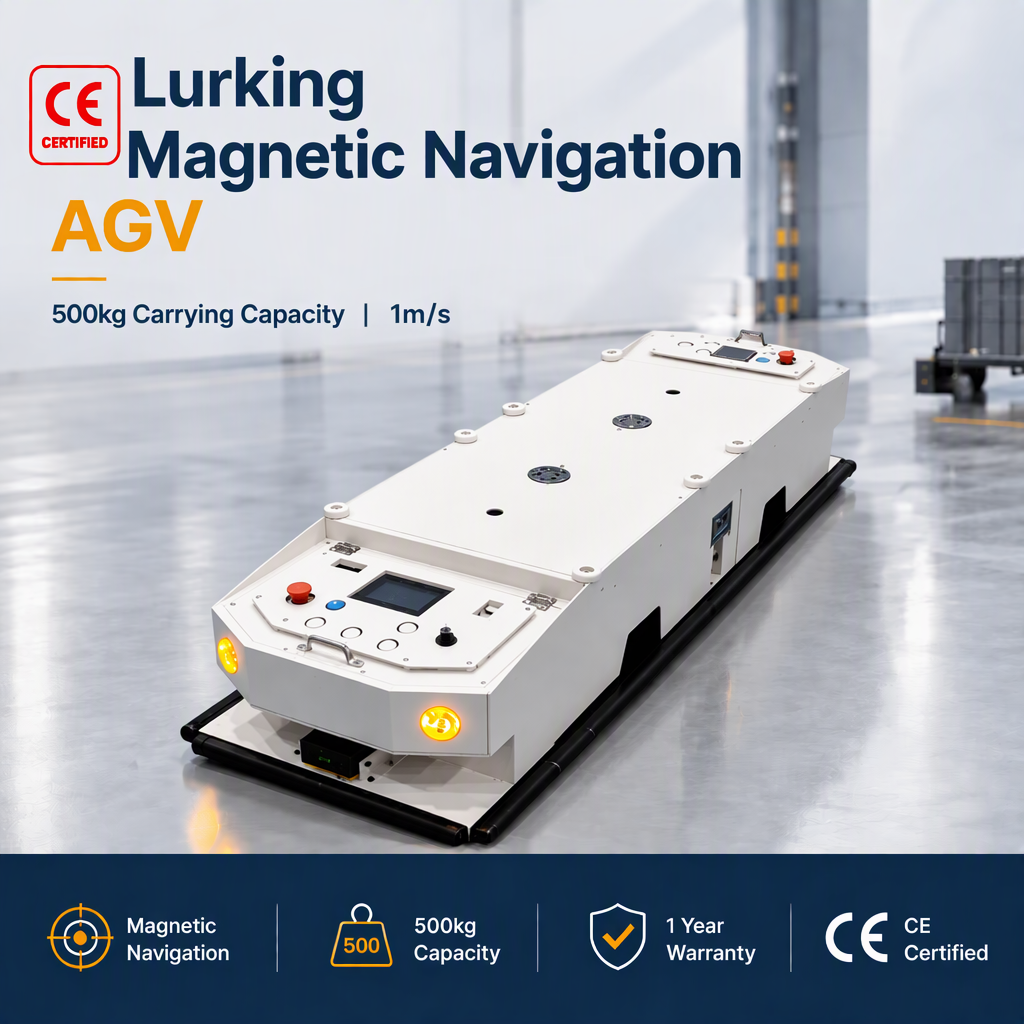
TZBOT EU CE Lurking AGV Material Handling Equipment Logistic Automation 500kg Bidirectional Magnetic Guidance Mobile Robot
A CE-oriented 500 kg bidirectional magnetic guidance mobile robot for logistics automation. It suits integrators who want a proven vehicle platform to localise for European projects rather than build every subsystem from scratch.
- 500 kg
- EU CE
- Magnetic
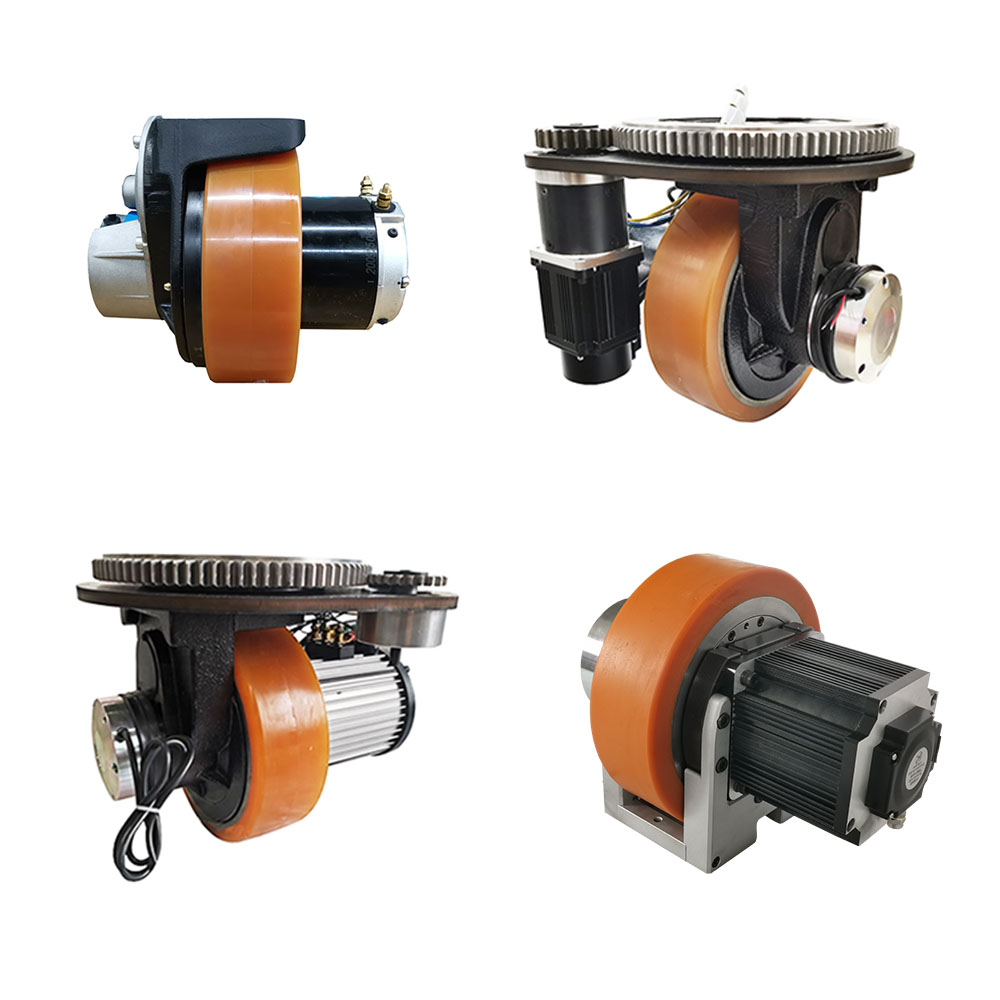
TZBOT 750W 1000KG Load Capacity Horizontal Drive Wheel Assembly AGV Wheel for Wholesale Automated Guided Robot
A 750 W, 1,000 kg horizontal drive wheel assembly aimed at wholesale and repeat-build programmes. It is a practical fast-mover for low-clearance carts and standard AGV chassis when lead time and batch consistency matter.
- 750 W
- 1,000 kg
- Wholesale

TZBOT 48V DC 2 Ton Heavy Duty Differential Unit AGV Wheel TZCS-750-30
A 48 V DC 2 t heavy-duty differential unit for demanding towing and transfer tasks. A good fit for industrial logistics, heavy WIP movement and port-adjacent operations that need a robust differential platform.
- 2 t
- 48 V DC
- Differential
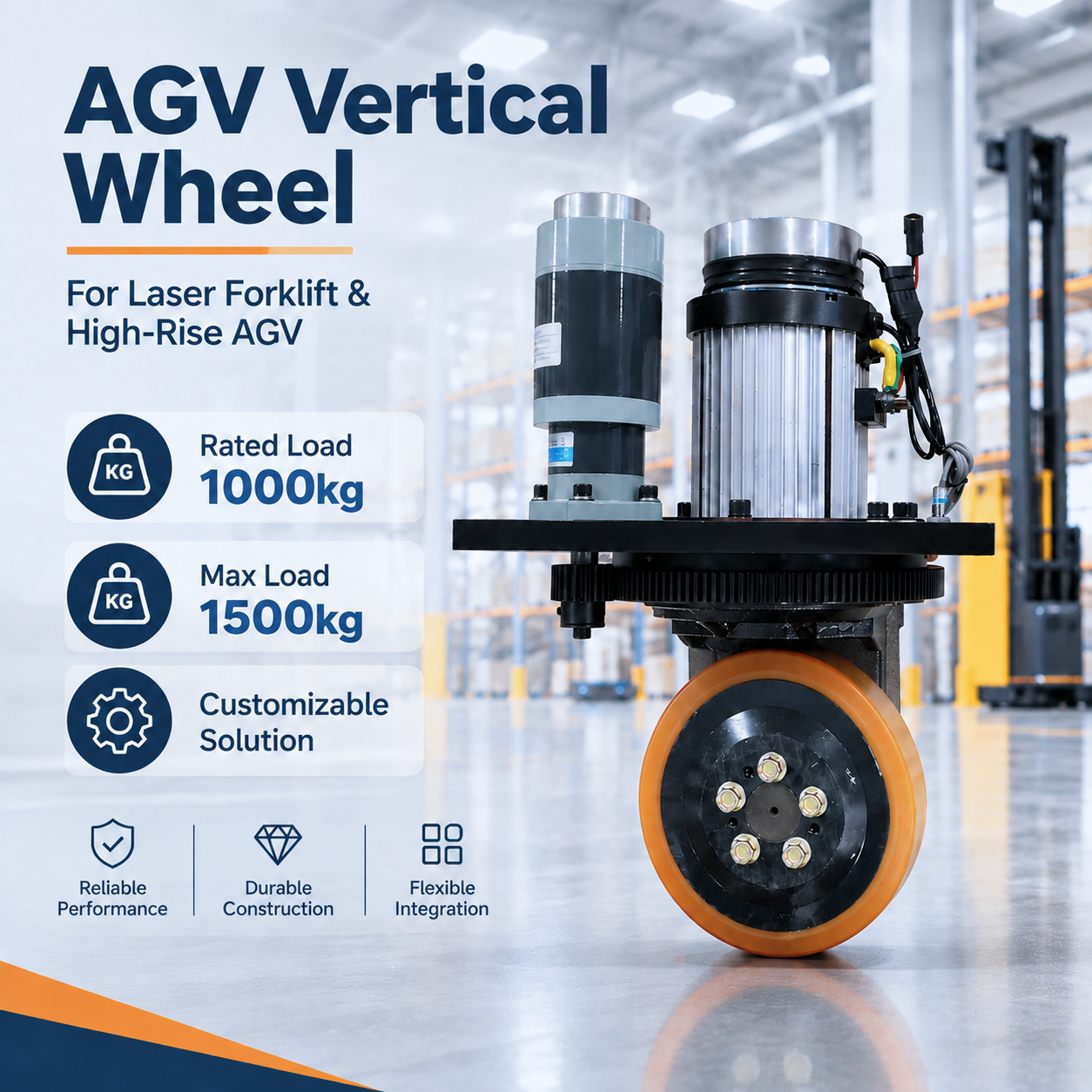
TZBOT 2590r/min Vertical Driving Unit Electric Traction Wheel 1500W Steering Forklift Accessories
A 1500 W vertical driving unit with 2590 r/min electric traction for steering forklift accessories. Recommended for tugger, forklift or tricycle-type AGVs that need controlled steering angle rather than differential-only turning.
- 1500 W
- 2590 r/min
- Steering
Why Hamburg Buyers Source Differential Steering Drives Differently
Hamburg is not only a large city market; it is a port, logistics and industrial gateway for Northern Europe. Buyers around the Port of Hamburg, Billbrook, Altona, Wilhelmsburg and the wider metropolitan region often evaluate a differential steering drive supplier on uptime, integration risk, documentation and spare-part response, not on unit price alone. A drive wheel that saves a few euros but creates a commissioning delay in a 24/7 logistics operation is rarely the lower-cost decision.
For SEO and procurement teams, the search intent behind “differential steering drive supplier Hamburg” or “AGV drive wheel wholesalers Hamburg” is usually a system-selection intent: the buyer needs a manufacturer or wholesale partner who can match the wheel, motor, encoder, brake, controller and navigation sensor, then support European documentation and repeat orders. That is different from a simple spare-part search.
Torqen’s approach is to quote a coordinated drive train rather than an isolated component. We review the vehicle’s gross weight, target speed, gradient, battery voltage and chassis height, then recommend a differential, steering or horizontal drive configuration with a matched controller. This is how a Hamburg integrator reduces interface risk before the first prototype is built.
A practical information advantage is to prepare a concise specification packet before contacting any supplier. Include the five core values above plus operating environment, duty cycle and required documentation. This shortens sampling, avoids repeated drawing revisions and gives the supplier a realistic basis for torque and thermal calculations.
What a Serious Hamburg Wholesaler Should Verify
Price is visible. Integration cost is not. Use this checklist before approving a drive-train supplier.
- Matched wheel, motor, driver and sensor interface
- CE-relevant drawings, declarations and traceability discussion
- Spare-wheel and controller availability for installed fleets
- Batch consistency and buyer-label packing for wholesale
- Clear escalation path from sample to production
Localised Application Scenarios in Hamburg and Northern Germany
Differential and steering drive components are not used in the same way across every Hamburg project. The application environment changes the wheel tread, motor power, controller tuning and service plan.
Port and Container Terminal Operations
Heavy-duty differential and horizontal drive wheels support transfer carts, trailers and container-adjacent material handling. Salt-air exposure, washdown and shock loads should be reviewed during configuration; standard products may need additional sealing, coating or impact-protection discussion.
High-Bay Warehouse and E-commerce Fulfilment
500 kg lurking robots, 750 W/1,000 kg horizontal wheels and magnetic guidance sensors fit predictable routes, compact turning and low-clearance chassis. In high-throughput fulfilment centres, batch consistency and fast spare-part replacement matter as much as peak speed.
Automotive Supplier and Production Logistics
Line-side sequencing, WIP carts and tugger trains often need a steering drive wheel for controlled angles or a 48 V 2 t differential unit for heavy racks. Engineers should confirm acceleration, braking distance and floor condition before selecting the final wheel tread.
Cold-Chain and Food Processing
Condensation, cleaning regimes and low temperature can affect lubricants, seals and encoder protection. Hamburg food and cold-chain operators should share temperature range, washdown chemicals and cleaning frequency so the drive unit can be reviewed against the real operating environment.
Pharmaceutical, Medical and Clean Logistics
Smooth motion, controller tuning and sensor choice matter in clean or sensitive environments. Magnetic guidance can be paired with RFID station recognition, while lidar options support obstacle avoidance. The right answer depends on route flexibility, floor layout and cleaning procedures.
Hamburg Wholesalers and System Integrators
For wholesalers, success comes from stocking fast-mover configurations, offering buyer-label packaging and maintaining a documented path to custom samples. For integrators, it comes from matching the drive wheel, servo/BLDC controller and sensors before the first vehicle is commissioned.
Four Local Development Trends Reshaping Differential Steering Drive Demand
Hamburg’s logistics and industrial base is changing the way buyers specify drive technology. These four trends are especially relevant for wholesalers and OEM engineering teams.
Port-Centric 24/7 Automation
Port-linked logistics and distribution operations increasingly plan for continuous operation. That raises the value of robust wheel assemblies, clear maintenance intervals and spare-part availability. A supplier that can support installed fleets after delivery is more valuable than a one-off low-price quotation.
EU Compliance and Documentation
European buyers expect clear technical data, drawings, inspection records and a realistic discussion of CE-relevant documentation. The final CE marking and risk assessment remain the machine builder’s responsibility, but a component supplier should make the integration path transparent.
48V and Energy-Efficient Architectures
Mobile robots and AGVs increasingly use 48 V architectures to reduce current and improve efficiency. A 48 V 2 t differential unit or a 2600 W 3 t drive wheel can reduce the need for multiple low-power units, but the controller and battery system must be matched carefully.
High-Mix Intralogistics and Retrofits
Hamburg warehouses often handle mixed SKUs, variable cart types and legacy equipment. Retrofit projects need compact controllers, flexible sensor options and drive wheels that fit existing chassis dimensions. Modular drive-train sourcing reduces the engineering load on small integration teams.
Differential, Steering or Horizontal: A Practical Hamburg Selection Matrix
Use this matrix as a first filter. A differential drive unit is not automatically better than a steering drive wheel; the correct choice depends on turning geometry, load transfer, chassis height and route design.
| Drive Type | How It Steers | Best Hamburg Use Case | Specification Note |
|---|---|---|---|
| Differential drive wheel | Two independently driven wheels turn by speed difference | Latent, jacking and shelf-lifting AGVs; compact warehouse turning; low-speed transfer | Check tyre scrub, floor friction, turning circle and controller current rating |
| Steering drive wheel | A dedicated steering motor sets the wheel angle while traction is controlled separately | Forklift AGVs, tugger vehicles, tricycle chassis and trailer positioning | Confirm steering encoder, angle limits, load transfer and emergency-stop behaviour |
| Horizontal drive assembly | Motor mounted horizontally to reduce overall build height | Low-clearance carts, under-ride vehicles and port-side transfer equipment | Review ground clearance, impact protection, wheel diameter and mounting interface |
What Hamburg Buyers Weigh in a Supplier Review
Illustrative weighting used in Torqen project-review discussions, not a published market statistic.
Inside the Torqen Advantage: A Manufacturer Built for European Integration
Zhejiang Torqen Technology Co., Ltd. has manufactured AGVs, differential and steering drive wheels, servo/BLDC controllers and navigation sensors since 2015. The company operates an ISO 9001:2015 quality management system, has been verified onsite by Intertek and supports OEM/ODM programmes for global buyers.
One Source for the Complete Drive Train
Buying wheels, motors, drivers and sensors from separate vendors creates integration risk. Torqen designs, matches and tests them together so the AGV chassis has a coordinated motion-control package.
Custom Drive Engineering
Sample-based and design-based customisation covers motor power, voltage, reduction ratio, wheel diameter, tread material, encoder type, brake options and mounting interfaces.
Verified Quality System
ISO 9001:2015 certification, Intertek onsite verification, 8 awarded patents and finished-product inspection with five in-house testing instruments support repeatable production.
Prototype Testing Before Release
Prototypes undergo extended-duration testing before production parts ship. This discipline helps Hamburg integrators reduce commissioning surprises and field failures.
Export-Ready Commercial Support
Trade terms include FOB, CFR, CIF, EXW, CIP, FCA, CPT, DDU and express delivery, with payment methods such as T/T, L/C, D/P, D/A and other options in multiple currencies.
Wholesale and Spare-Part Mindset
Buyer-label packaging, sample customisation and a clear production escalation path help Hamburg distributors serve both project buyers and maintenance demand.

Zhejiang Torqen Technology Co., Ltd. — manufacturer and trading company with a 1,000–3,000 m² factory footprint and US$5M–10M annual output class.
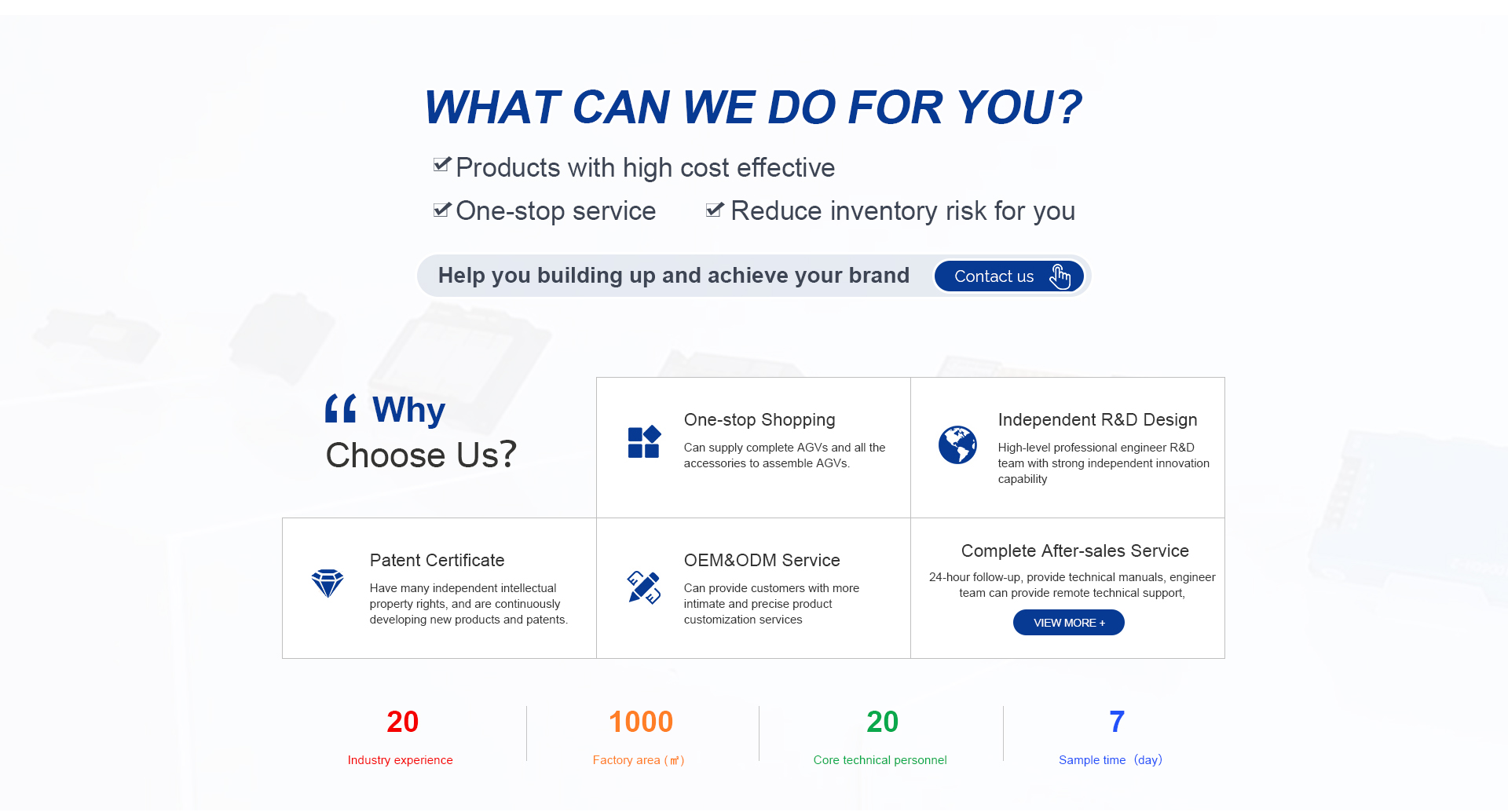
Production, assembly, testing and inspection capabilities support continued investment from drawing to tested prototype and repeat production.
A Wholesale Programme for Hamburg Integrators and Distributors
For Hamburg wholesalers, the best sourcing model is not simply a container of wheels. It is a documented programme that combines fast-moving configurations, sample customisation, buyer-label packaging and a clear path to project-specific engineering.
Fast-Mover Stock Logic
Stock the wheel and controller configurations that repeat most often in your customer base, then reserve heavy-duty or steering variants for project-specific orders. This balances working capital against delivery speed.
Buyer-Label and Documentation
OEM production, buyer-label packaging and English technical documentation support distributor sales. Discuss German-language labels, inspection records and declaration information during order review.
Project Escalation Path
When a Hamburg customer requests a custom voltage, reduction ratio or mounting interface, the supplier should move cleanly from sample to production without redefining the commercial or quality basis.
Questions Hamburg Buyers Ask Before Ordering Differential Steering Drives
These answers combine original Torqen product guidance with the practical questions raised by European integrators and wholesale buyers.
Which drive type should a Hamburg AGV builder choose for a tight turning circle?
Differential drive units are usually the first choice for compact latent, jacking and shelf-lifting AGVs because they turn by wheel-speed difference. If the vehicle needs a controlled steering angle, such as a forklift or tugger layout, a steering drive wheel is more appropriate. For low-clearance chassis, a horizontal drive assembly may solve the packaging problem. Share payload, speed, chassis height and battery voltage for a configuration recommendation.
Can Torqen provide CE-relevant documentation for EU integration?
Torqen can provide English technical data, drawings and inspection records as standard, and we can discuss buyer-specific documentation requirements during order review. The final CE marking, risk assessment and validation of the complete machine remain the responsibility of the machine builder or integrator.
How do you handle Hamburg port, cold-chain and washdown conditions?
Environmental conditions must be reviewed at configuration stage. Salt-air exposure, condensation, cleaning chemicals, low temperature and washdown can affect seals, lubrication, encoder protection and surface treatment. Do not assume a standard catalogue unit is automatically suitable; share the operating environment so the engineering team can specify the correct options or advise on additional protection.
What OEM/ODM customisation is available for Hamburg wholesalers?
Available customisation includes sample-based customisation, design-based customisation, OEM production, design services and buyer-label packaging. Typical parameters include motor power and voltage, reduction ratio, wheel diameter and tread material, encoder type, brake options and mounting interfaces.
How is quality verified before shipment?
The quality management system is certified to ISO 9001:2015, and the facility has been verified onsite by Intertek. Torqen runs finished-product inspection with five in-house testing instruments, and prototypes undergo extended-duration testing before production parts ship.
What payment, delivery terms and lead-time inputs do you accept?
Payment methods include T/T, L/C, D/P, D/A, MoneyGram, credit card, PayPal, Western Union, cash and escrow, in currencies such as USD, EUR, JPY, CAD, AUD, HKD, GBP and CNY. Delivery terms include FOB, CFR, CIF, EXW, CIP, FCA, CPT, DDU and express delivery. For the fastest lead-time answer, send gross vehicle weight, target speed, gradient, battery voltage and chassis height.
Request a Matched Differential Steering Drive Proposal for Hamburg
Send your payload, speed, gradient, battery voltage, chassis height and operating environment. Our application engineers will recommend the drive wheel, controller and sensor combination and confirm the most relevant product page to start from.
