What Philadelphia Buyers Must Know Before Sourcing an Electric Vertical Mast Lift with Jib
Search intent for this product is not simply “buy a lift.” It combines specification, safety, local site constraints, delivery terms, after-sales support, and supplier credibility.
An electric vertical mast lift with jib is a compact access platform built around a vertical mast and a short articulating jib. It gives maintenance technicians and installation crews a low-footprint way to reach overhead work without occupying a large floor area. In the Philadelphia market, that combination matters because many facilities are not clean, wide-aisle warehouses. They are converted industrial buildings, university laboratories, hospital mechanical rooms, food plants, rail depots, and older commercial properties with low door heights, tight corridors, and limited staging space.
For buyers searching for electric vertical mast lift with jib manufacturers & supplier in the Philadelphia market, the real question is not whether a lift can reach a height. The better question is whether the machine can be specified, documented, delivered, commissioned, and supported for the actual job site. A vertical mast lift with jib can be an excellent choice for sprinkler work, HVAC service, electrical sign-off, racking inspection, facade maintenance, and overhead conveyor repair. It becomes a poor choice when the jib capacity, floor loading, battery duty cycle, or aisle width is misunderstood.
This white paper is written from a supplier and OEM/ODM perspective. It explains how Philadelphia-area purchase teams can compare manufacturers and suppliers, how to read a jib load chart, how to match lift features to local applications, and how to verify quality claims with E-E-A-T criteria: proven experience, genuine expertise, authority in documentation, and reliability in delivery. The recommendations also include related material-handling products that can support lift integration, tooling movement, and automation projects in the Delaware Valley.
Recommended Products for Philadelphia Lift and Material-Handling Projects
These eight items are pre-engineered building blocks for automation, mobile tooling, and material handling around vertical mast lift applications. Product links are preserved as supplied. For a complete electric vertical mast lift with jib configuration, use the catalog request button.
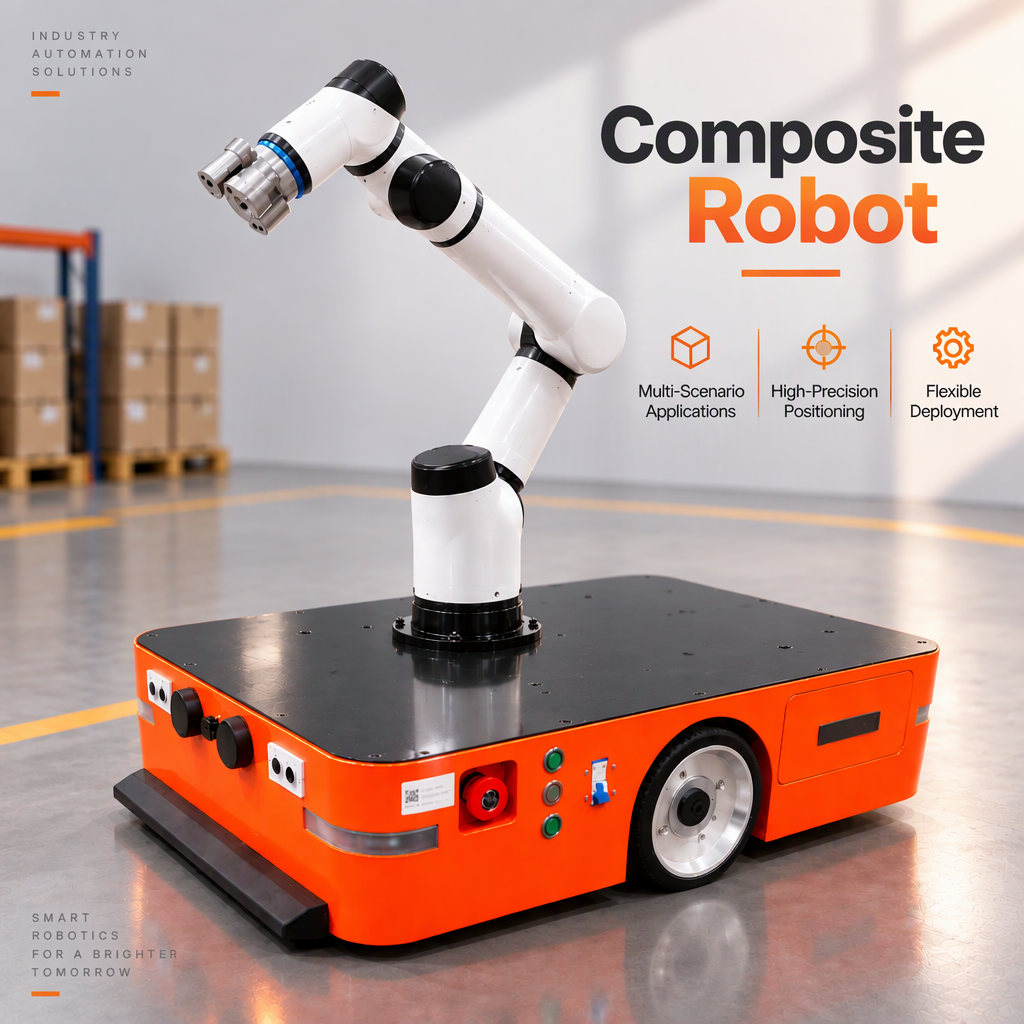
TZBOT Backpack AGV 200kg Load Capacity Chassis Magnetic Guidance Composite Robot with Robotic Arm
Compact mobile base for moving jigs, fixtures, and tooling between lift work zones.
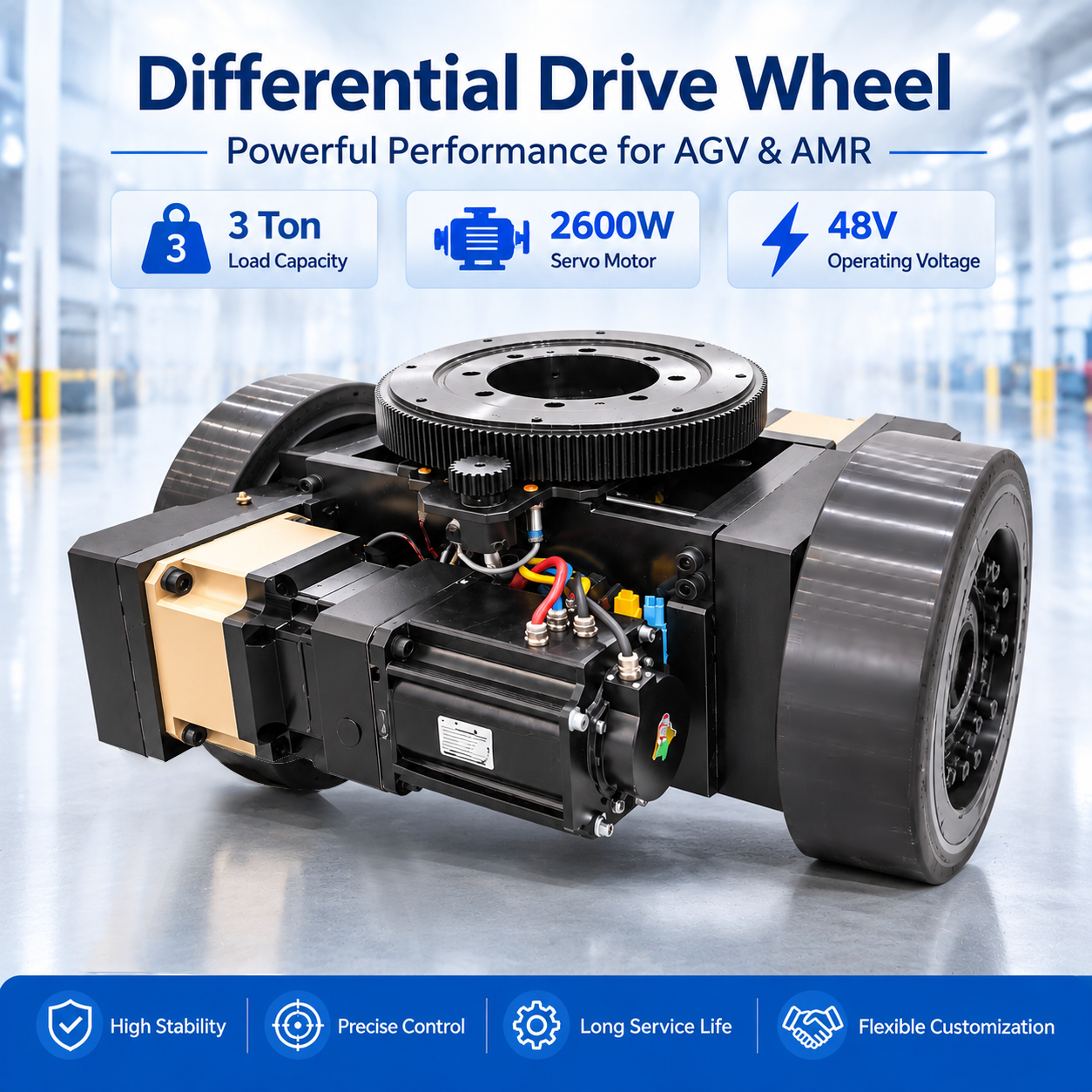
TZBOT Customizable 3000kg Load Capacity agv Wheel Automatic Guided Vehicle Differential Drive Wheel with 2600w 48V Servo Motor
High-payload differential drive module for custom electric carriers and heavy lift-support transport platforms.
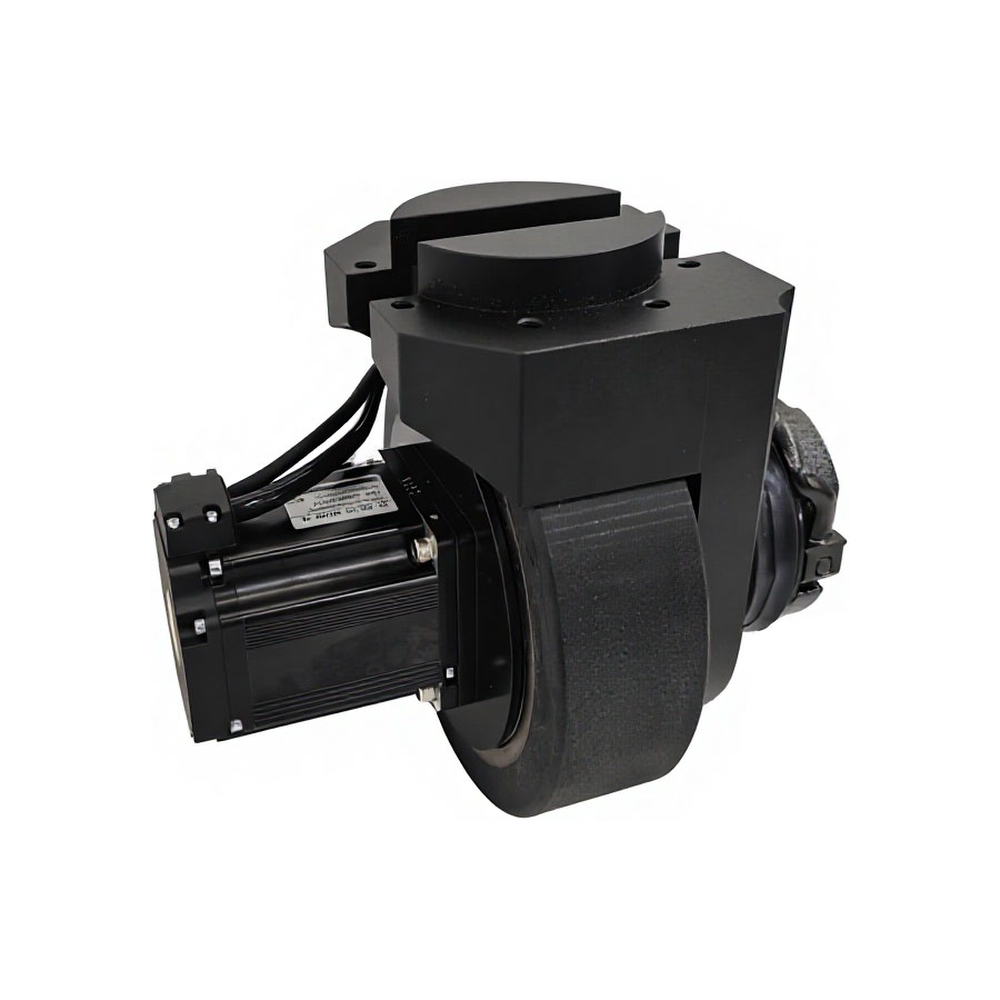
TZBOT 1000kg Bearing Capacity agv Wheel 1000w Servo Motor Material Handling Equipment Part Horizontal Drive Wheel
Low-clearance horizontal drive unit for compact chassis designs and space-constrained Philadelphia facilities.
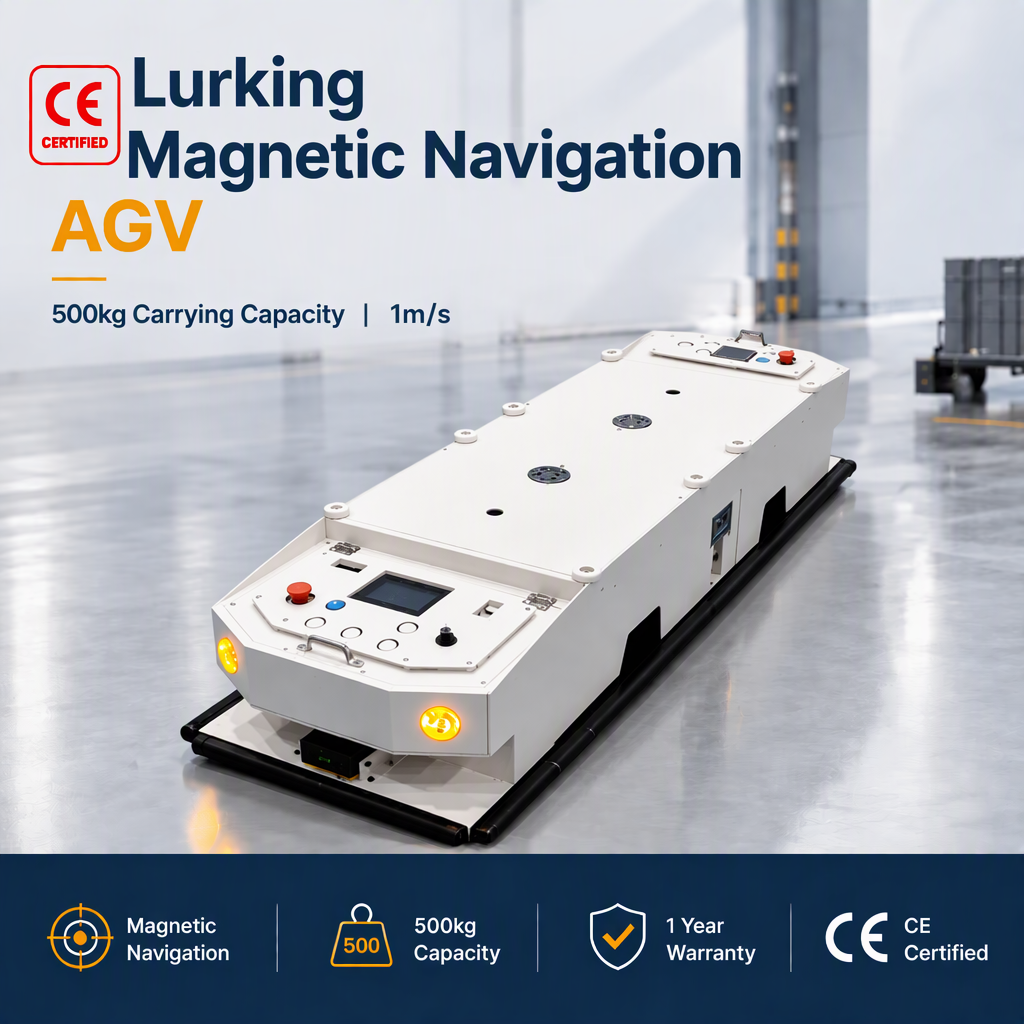
TZBOT EU CE Lurking AGV Material Handling Equipment Logistic Automation 500kg Bidirectional Magnetic Guidance Mobile Robot
Bidirectional mobile robot for cart towing, kitting, and material flow inside maintenance and production areas.
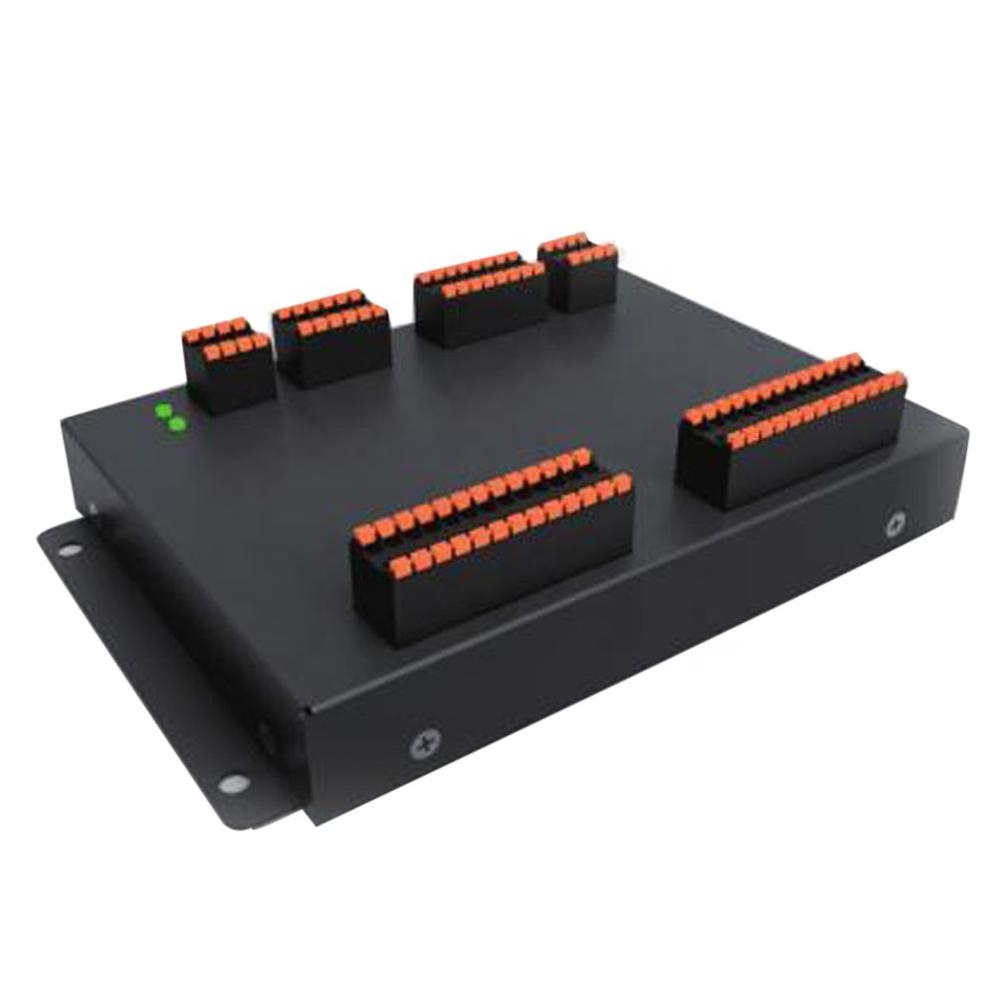
TZBOT TZC-MST-FX200D-A Controller for Commanding the AGV
Control module for guiding autonomous material flow and integrating safety logic around lift work cells.
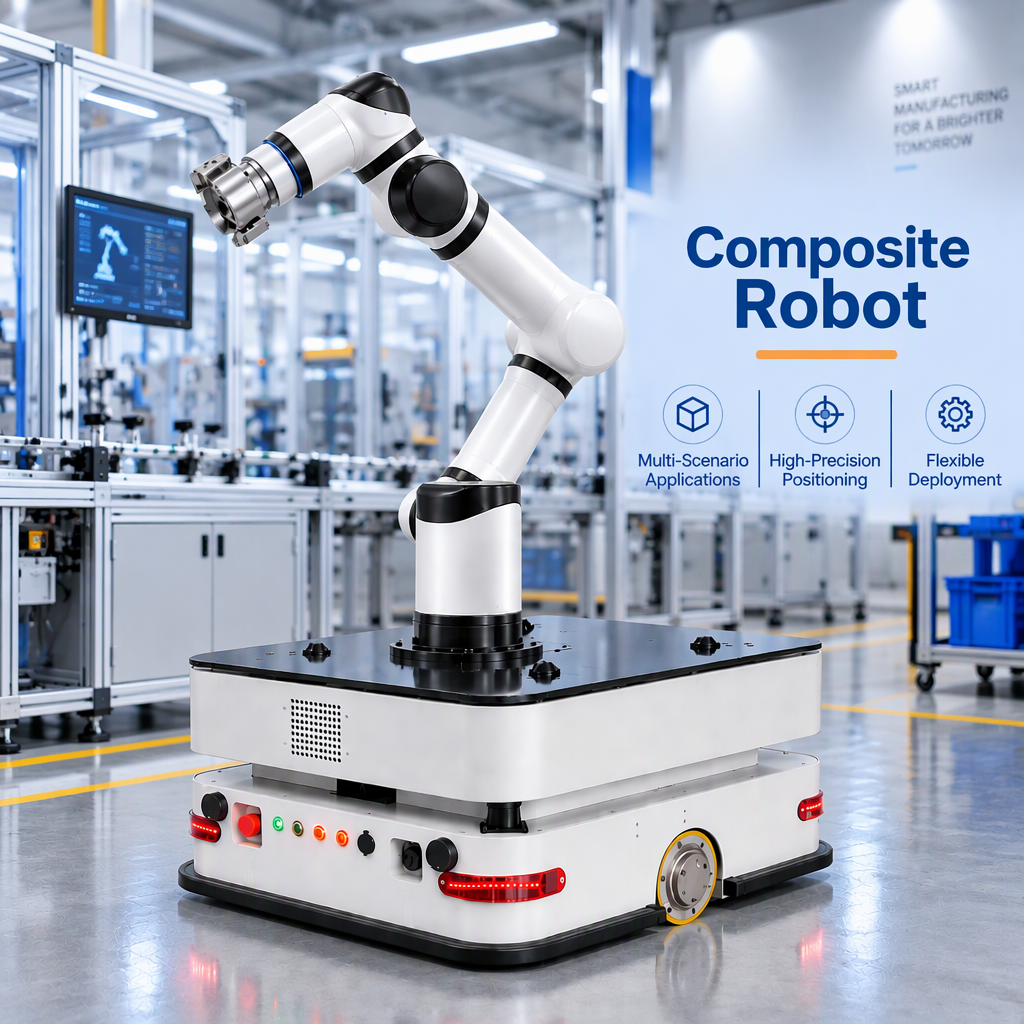
TZBOT Auto Guidance Mobile Chassis 1000kg Payload AGV Integrate Arm Robotic Intelligent Composite Robot
Heavy-payload mobile chassis for automated tooling transfer, maintenance logistics, and robotic lift support.
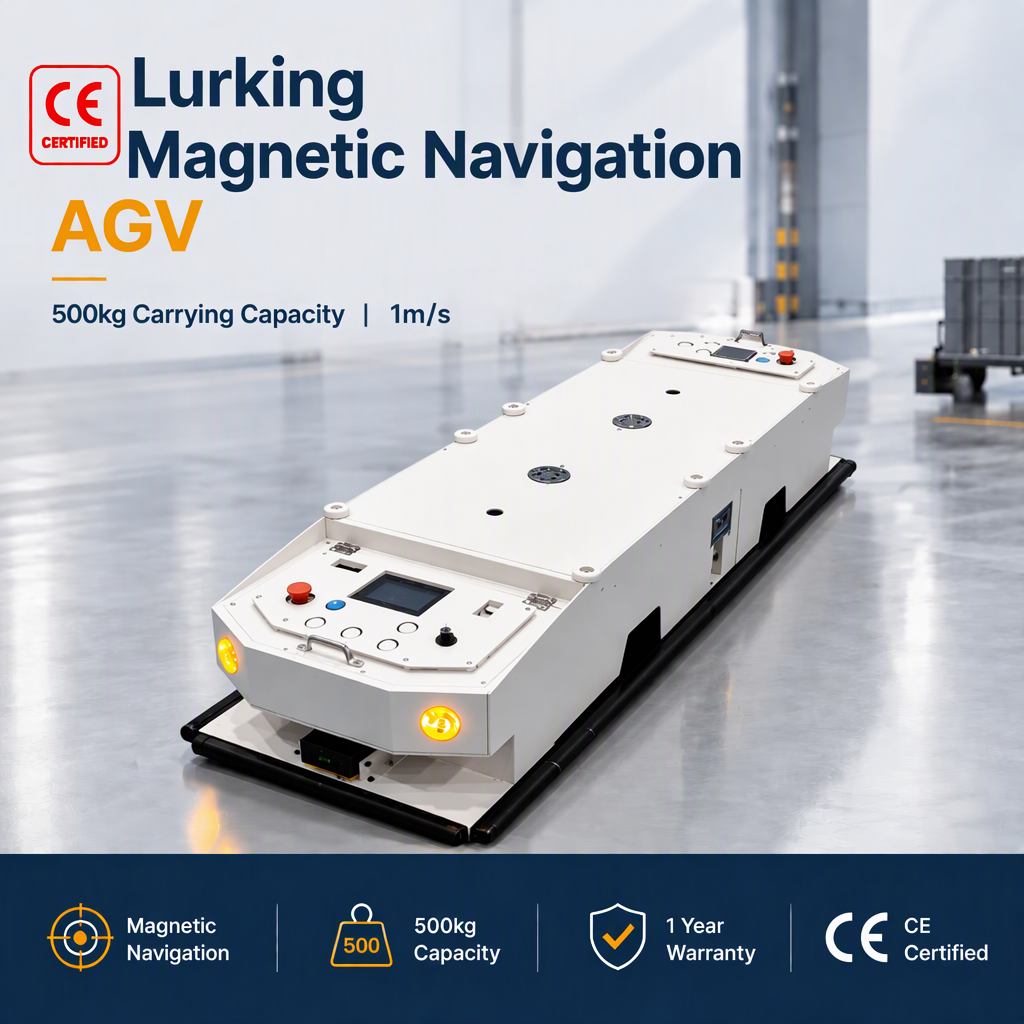
TZBOT CE Approved 500kg Bidirectional Lurking Robot 500kg Towing Capacity Material Handling Equipment Magnetic Navigation AGV
Magnetic-navigation towing platform for moving carts, materials, and maintenance equipment in tight layouts.
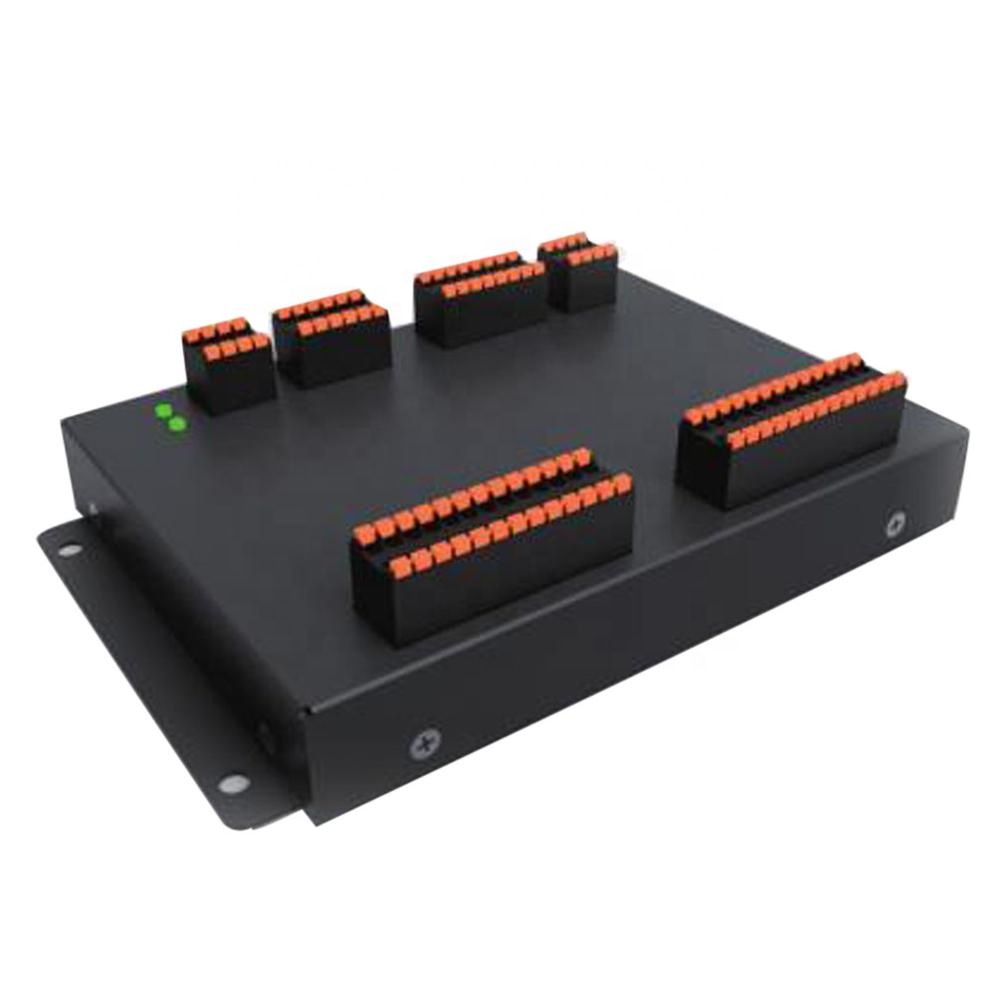
TZBOT Smart Controller TZC-MST-FX200D-A for Guiding the AGV Robot
Smart guiding controller for robotics and mobile material-handling systems adjacent to lift operations.
Where an Electric Vertical Mast Lift with Jib Fits in Greater Philadelphia
Philadelphia’s mixed-age building stock and dense industrial corridors reward equipment that is compact, quiet, battery-powered, and easy to move between work areas.
Navy Yard & South Philadelphia
Adaptive reuse buildings, life-science renovations, and production spaces often need overhead inspection in occupied facilities. A low-profile mast lift with jib supports MEP, fire-protection, and commissioning work with minimal disruption.
Warehouse & Distribution Corridors
Around I-95, the Betsy Ross Bridge corridor, and South Jersey logistics parks, vertical mast lifts support racking audits, conveyor maintenance, lighting upkeep, and damage inspection without blocking active pick aisles.
Life Sciences & Hospitals
University City, King of Prussia, and suburban medical campuses require quiet electric equipment, clean operation, and verifiable safety documentation. The jib helps reach diffusers, sprinkler heads, and ceiling-mounted equipment in constrained mechanical rooms.
Manufacturing & Aerospace
Bucks, Montgomery, and Delaware County plants use mast lifts with jibs for machine guarding, piping, electrical busway, and overhead crane maintenance. The compact mast reduces aisle blockage during shift changes.
Food, Beverage & Cold Chain
In refrigerated and washdown-adjacent zones, battery-electric access equipment must be selected for temperature, condensation, charging location, and floor traction. A jib should be rated for the actual tool and hose weight, not the platform capacity alone.
Facilities, Transit & Public Venues
Schools, transit depots, municipal buildings, and stadiums need scheduled maintenance with minimal public inconvenience. Procurement teams should confirm certificates, manuals, load charts, and operator training before delivery to the site.
Local Development Trends Shaping Electric Vertical Mast Lift with Jib Demand
The Philadelphia market combines old industrial infrastructure with new logistics, life-science, and institutional investment. That creates demand for access equipment that can handle both worlds.
Electrification & Indoor Air Quality
Facility owners are under pressure to reduce emissions and noise in occupied buildings. Electric vertical mast lifts with jibs are well suited to hospitals, schools, laboratories, and food plants where diesel and propane equipment can create ventilation or contamination issues.
Tight Warehouses & Adaptive Reuse
Many Philadelphia-area facilities were not designed for modern high-throughput logistics. Low door heights, narrow aisles, and limited charging space favor compact battery-powered mast lifts with a short jib reach rather than larger scissor or boom lifts.
Port, Rail & East Coast Logistics
Investment around the Port of Philadelphia, rail corridors, and South Jersey distribution centers increases demand for maintenance access around conveyors, lighting, doors, and HVAC systems. Buyers increasingly request documented delivery, spare-parts support, and commissioning guidance.
Safety Culture & Compliance Review
Public projects, union sites, and institutional buyers often require submittals that include manuals, load charts, conformity documents, and training materials. A supplier that cannot provide clean documentation becomes a schedule risk, regardless of price.
Lead Time & Serviceability
Philadelphia buyers increasingly compare total lead time, not only unit price. A catalog-only supplier may quote quickly but struggle with customization, spare parts, or technical response. OEM/ODM suppliers with in-house testing and matched controllers can reduce integration delays.
Micro-Fulfillment & Flexible Use
Smaller urban fulfillment sites need equipment that can move between tasks: lighting, signage, sprinkler work, rack repair, and HVAC checks. A vertical mast lift with jib offers a flexible alternative to bringing in specialized equipment for every short-duration job.
How to Specify an Electric Vertical Mast Lift with Jib for Philadelphia Sites
Use this comparison to align the lift type, jib reach, battery system, and documentation package with the real job site.
Platform Height vs. Working Height
Platform height is where the floor of the basket sits. Working height adds a nominal reach allowance for a person and tools. Confirm the standard your safety team uses before comparing quotations.
Jib Capacity & Outreach
The jib is a positioning aid, not a crane. Capacity decreases as the jib extends or rotates. Check the load chart at the exact outreach required for the tool, hose, fixture, or sign being installed.
Battery & Charging Plan
For multi-shift use, verify battery capacity, charge time, charger voltage, and charging location. In older Philadelphia buildings, confirm whether the charging area requires ventilation, dedicated circuits, or spill protection.
| Selection Factor | Why It Matters in Philadelphia | What to Ask the Supplier |
|---|---|---|
| Overall width and turning radius | Older facilities, laboratories, and storage rooms may have narrow corridors, sharp doorways, and limited staging areas. | Can the chassis pass the narrowest door and turn in the aisle with the jib stowed? Are dimensions available in a submittal drawing? |
| Floor loading and wheel type | Elevated slabs, mezzanines, hospital floors, and historic buildings may have floor-loading limits. | What is the loaded wheel point pressure? Are non-marking or cushioned wheels available? |
| Jib articulation and tool weight | Overhead maintenance often requires positioning a light, sign, sprinkler head, or HVAC component slightly beyond the mast footprint. | Provide the load chart at maximum outreach. What is the jib capacity with the platform occupied by one or two operators? |
| Power system and charging | Electric equipment must match available circuits, temperature conditions, and charging logistics. | What is the battery chemistry, charger input, charge cycle time, and expected duty cycle? |
| Documentation and compliance | Institutional, public, and contractor projects request manuals, load charts, conformity documents, and training records. | Which standards are referenced? Can manuals, labels, parts books, and certifications be supplied before shipment? |
| After-sales support | A Philadelphia site may need spare parts, troubleshooting, or commissioning guidance across time zones. | Who answers technical questions? What spare-parts list is recommended? What response time is documented? |
Information-gain tip: Before requesting a quotation, provide five values: total platform load, required working height, required jib outreach, narrowest access width, and floor-loading limit. These five numbers determine most of the safety and feasibility review and reduce sampling delays.
Why Compliance Review Is Central to Supplier Selection
For an electric vertical mast lift with jib used in the Philadelphia market, the procurement team should treat the supplier’s documentation as part of the product. Mobile elevating work platforms and aerial work platforms are subject to safety requirements that vary by equipment type, workplace, and jurisdiction. Buyers should verify the applicable OSHA requirements, ANSI A92 series standards, operator training expectations, and site-specific rules with their safety officer and authority having jurisdiction.
- Operating manual and load chart in English
- Electrical schematic and spare-parts list
- Battery and charger handling instructions
- Maintenance intervals and torque specifications
- Training materials for operators and supervisors
- Traceable quality-inspection records
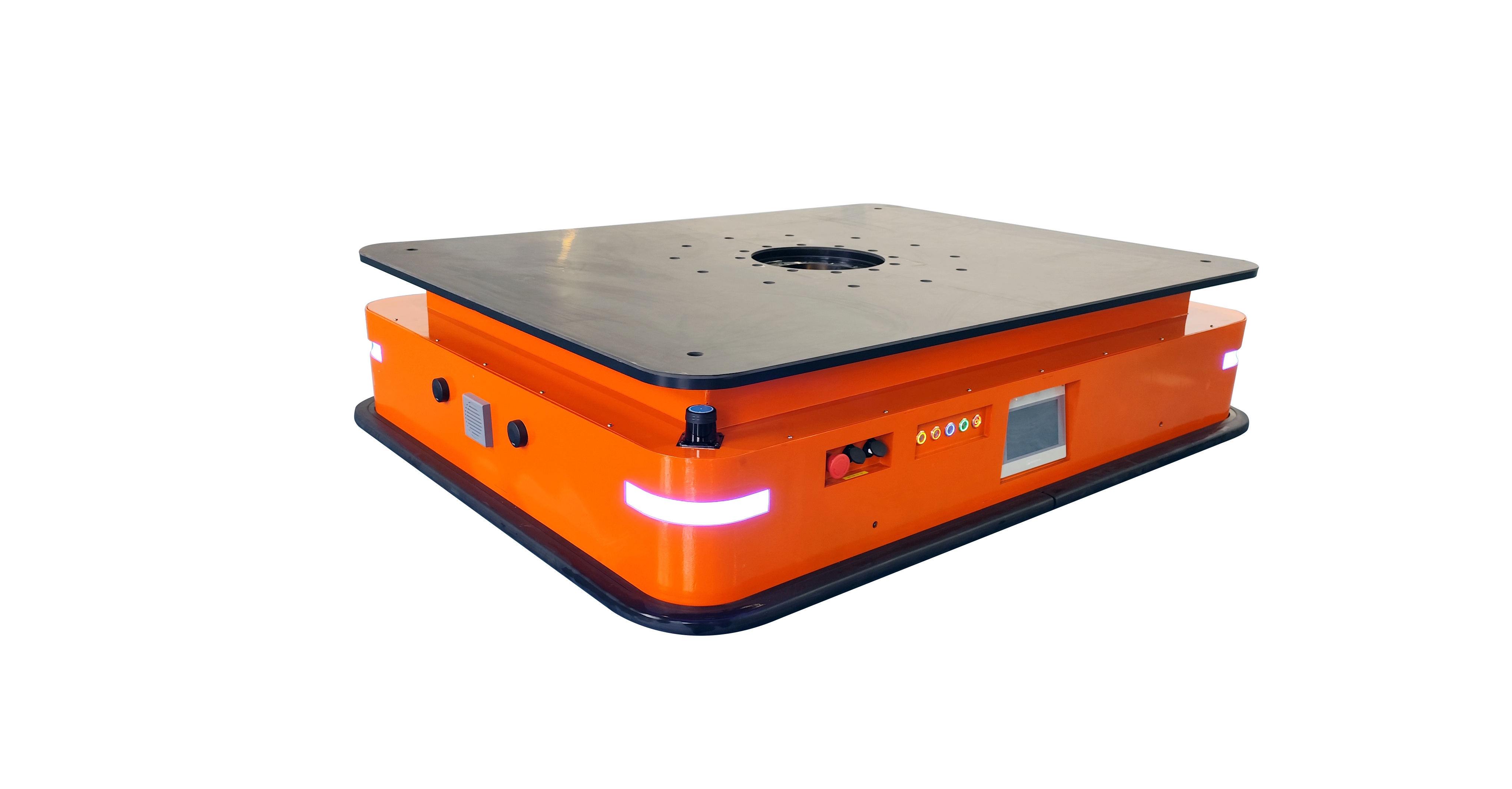
Manufacturing Discipline Behind Our Philadelphia Market Supply
Our experience is rooted in AGV drive trains, controllers, sensors, and material-handling equipment. That foundation supports disciplined customization, matched electronics, and test-before-ship processes.
Zhejiang Torqen Technology Co., Ltd.
Founded in 2015 in Hangzhou, Zhejiang, China, Zhejiang Torqen Technology Co., Ltd. designs and manufactures automatic guided vehicles, AGV drive wheel assemblies, DC/AC motors, encoders, reducers, motor controllers, caster and PU wheels, and in-wheel motor units for automation builders worldwide. For Philadelphia buyers, this manufacturing background provides a practical advantage: we understand how motors, reducers, controllers, batteries, and mechanical structures must work together.
Our quality management system is certified to ISO 9001:2015, and our facility has been verified onsite by Intertek. We use finished-product inspection with five in-house testing instruments, and prototypes undergo extended-duration testing before production parts are released. We support sample-based customization, design-based customization, OEM production, design services, and buyer-label packaging.

Custom Drive Engineering
Sample-based and design-based customization of motor power, voltage, reduction ratio, wheel size, tread material, encoder, brake, and mounting interfaces.
Tested Before Shipping
Finished-product inspection, five in-house testing instruments, and extended-duration prototype runs support reliability before shipment.
Matched Electronics
Servo and BLDC drivers can be matched to our drive products, with magnetic, RFID, lidar, and controller options for integrated systems.
Export-Ready Logistics
FOB, CFR, CIF, EXW, CIP, FCA, CPT, DDU, and express delivery options with flexible payment terms in multiple currencies.
Documentation Support
Manuals, drawings, spare-parts references, and inspection records can be prepared for buyer due-diligence and site submittals.
Responsive Communication
A 97.9% inquiry response rate and 24/7 online support help Philadelphia buyers resolve technical and delivery questions quickly.
From Philadelphia Project Brief to Shipment
A clear process for customized material-handling and lift-adjacent equipment sourcing.
Requirement Review
Collect load, working height, jib reach, voltage, floor, and aisle data.
Engineering Proposal
Match motor, reducer, wheel, controller, and structural requirements.
Prototype Build
Produce a sample or design-based custom configuration for review.
Endurance Testing
Run extended checks and verify parameters before release.
Production
Manufacture under ISO 9001:2015 controlled quality processes.
Inspection & Delivery
Final inspection, export packing, and shipping coordination.
Commercial Terms for Philadelphia and U.S. Buyers
Payment Methods
- T/T
- L/C
- D/P
- D/A
- Credit Card
- PayPal
- Western Union
- Escrow
Delivery Terms
- FOB
- CFR
- CIF
- EXW
- CIP
- FCA
- CPT
- DDU
- Express
Currencies
- USD
- EUR
- JPY
- CAD
- AUD
- HKD
- GBP
- CNY
Questions Local Buyers Ask Before Ordering
These answers address common procurement, customization, safety, delivery, and support questions for electric vertical mast lift with jib projects in the Philadelphia market.
Are you a manufacturer or supplier for Philadelphia buyers?
We are an OEM/ODM manufacturer and supplier with a factory in Zhejiang, China, and export experience for global buyers. For the Philadelphia market, we support specification review, customization, documentation, and delivery coordination. We also supply related AGV, drive-wheel, controller, and material-handling products when a project requires an integrated solution.
Can you customize the working height, jib reach, or voltage for an electric vertical mast lift with jib?
Yes, customization discussions can cover working height, jib reach and load chart, motor and voltage, battery system, platform size, wheel type, guarding, labeling, and documentation. Final feasibility depends on the required load, outreach, safety envelope, and applicable standards. Share the site drawing and rated-load requirements so that engineering can review the configuration.
What information should I send to get an accurate quotation?
Send the required working height, platform capacity, jib capacity at maximum outreach, tool weight, minimum aisle width, maximum door height, floor-loading limit, battery or charging requirements, delivery city, and target date. If the lift will be used in a hospital, food plant, cold store, public venue, or union construction site, include any additional documentation requirements.
Which standards should we verify before purchase?
The applicable requirements depend on the equipment category, workplace, and project. Buyers commonly review OSHA requirements, ANSI A92 series standards for mobile elevating work platforms, operator training expectations, electrical safety, and site-specific rules. Philadelphia public or institutional projects may also include submittal, insurance, prevailing-wage, or Buy America requirements. Always verify the final compliance matrix with your safety officer and authority having jurisdiction.
Do you support OEM or ODM projects for lift OEMs and integrators?
Yes. We offer sample-based customization, design-based customization, OEM production, design services, and buyer-label packaging. Typical customizations in our broader product line include motor power and voltage, reduction ratio, wheel diameter and tread material, encoder type, brake options, and mounting interfaces. For lift-related projects, we can discuss structural and control requirements under a defined technical package.
How is quality verified before shipment?
Our quality management system is certified to ISO 9001:2015, and our facility has been verified onsite by Intertek. We use finished-product inspection with five in-house testing instruments, and prototypes undergo extended-duration testing before production parts ship. Buyers can request inspection records and agreed pre-shipment checks in the purchase order.
What payment and delivery terms are available?
Accepted payment methods include T/T, L/C, D/P, D/A, credit card, PayPal, Western Union, cash, and escrow, subject to order value and commercial approval. Delivery terms include FOB, CFR, CIF, EXW, CIP, FCA, CPT, DDU, and express delivery. Currencies include USD, EUR, JPY, CAD, AUD, HKD, GBP, and CNY. Terms are confirmed in the quotation.
What about Buy America or domestic-content requirements?
Do not assume domestic content status without written confirmation. If your Philadelphia project is subject to Buy America, Buy American, a state grant, or a public solicitation, send the exact clause and required certification language with your inquiry. We can clarify origin and available documentation, but compliance with a specific domestic-content rule must be confirmed in writing before order placement.
Can you support commissioning and after-sales service in Philadelphia?
We provide technical documentation, wiring and parameter guidance, spare-parts recommendations, and online support. Where an on-site service visit is required, the scope, location, and cost should be agreed in advance and may be supported through a qualified local service partner. Include your service expectations in the inquiry so that the commercial proposal reflects them accurately.
Specifying an Electric Vertical Mast Lift with Jib in Philadelphia?
Send your working height, jib outreach, platform load, floor loading, door width, voltage, and delivery location. Our team will help you review the configuration and identify the right catalog, components, and documentation package.
info@torqenbot.com