Hub Motor Suppliers & Exporter for the Germany Market
A practical, white-paper-style guide for German AGV, AMR, intralogistics and special-machine builders — matching drive wheels, hub drive assemblies, controllers, safety documentation and export terms to real project requirements.
8 Hub Motor & Drive Modules for German Intralogistics
Start with the vehicle duty cycle, then shortlist the drive wheel, AGV platform or controller. The eight products below cover differential steering, shelf towing, heavy-duty traction, low-clearance horizontal drives and command-level control.
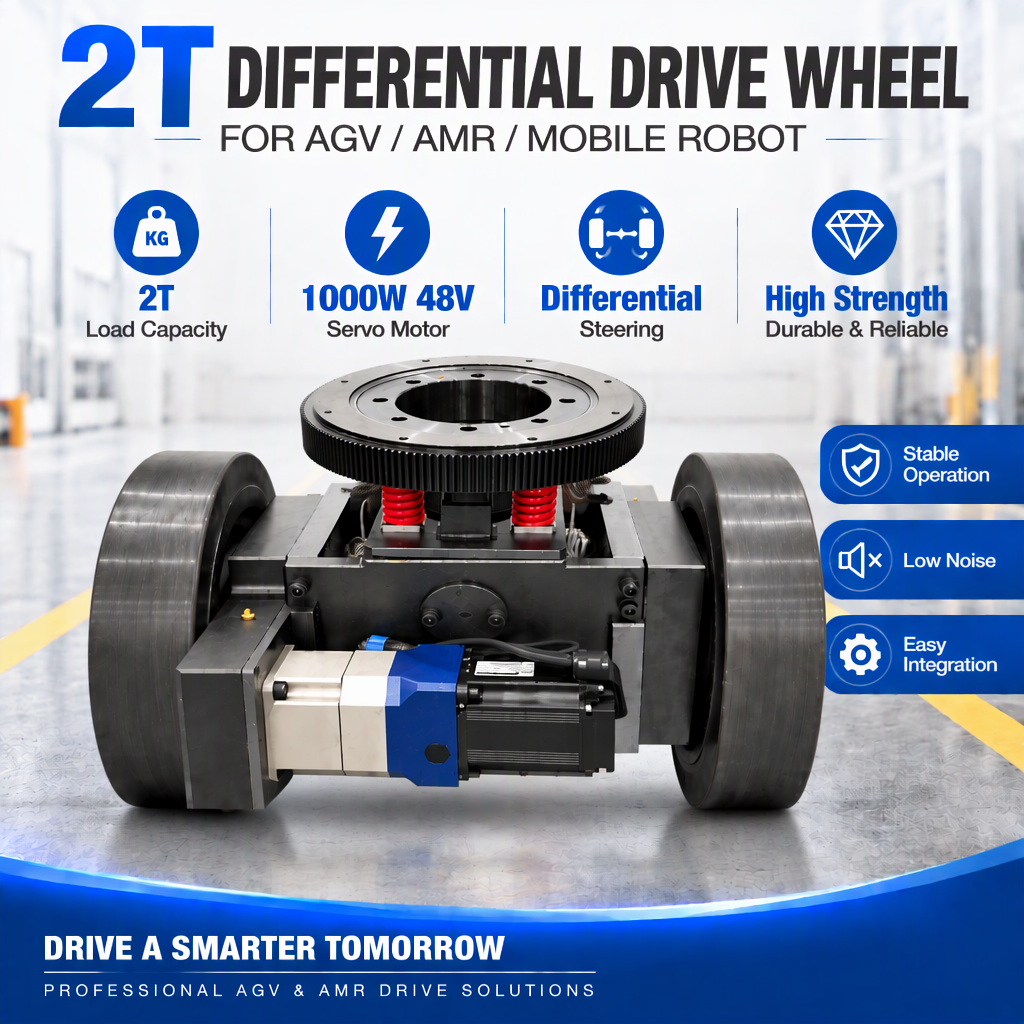
TZBOT 2000kg AGV Differential Steering Drive Wheel
For compact logistic robots that need precise heading changes and a 2,000 kg traction class.
- 2,000 kg
- AGV / AMR
- Steering drive
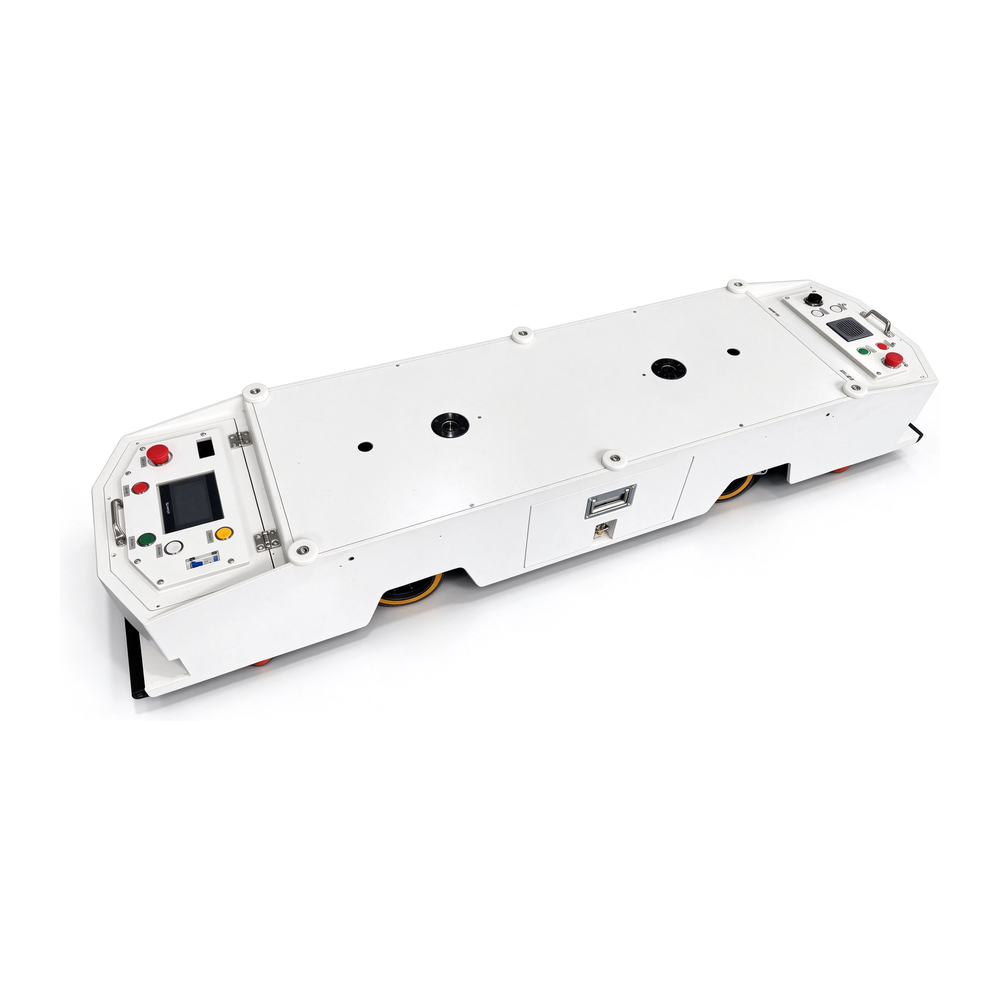
TZBOT 2500KG Lurking AGV Shelf Towing Robot
Low-profile material handling platform with 8H endurance for repetitive shelf-transfer routes.
- 2,500 kg
- 8H endurance
- Shelf towing
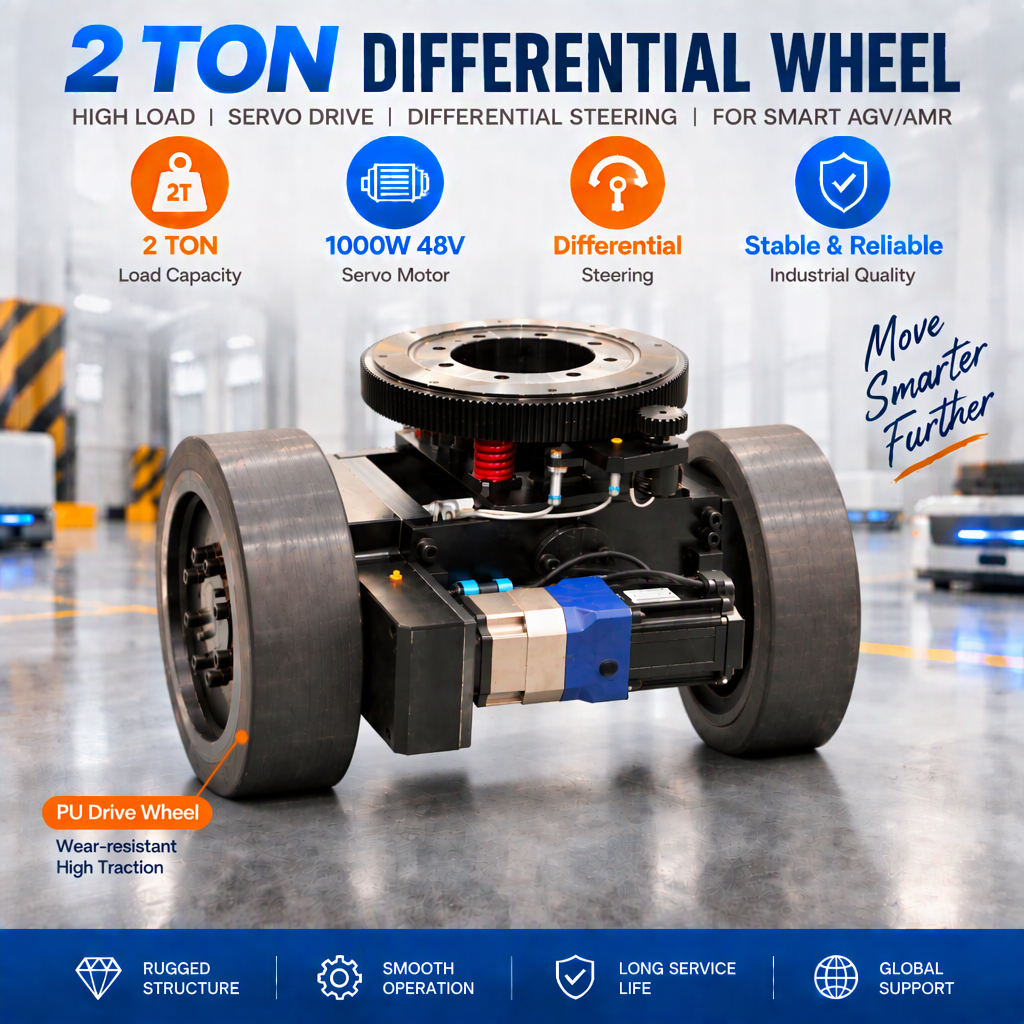
TZBOT Customized 2000kg Heavy-Duty AGV Drive Wheel
Customized bearing-duty wheel with 1,000W 48V drive and suspension for demanding chassis layouts.
- 2,000 kg
- 1,000W 48V
- Suspension
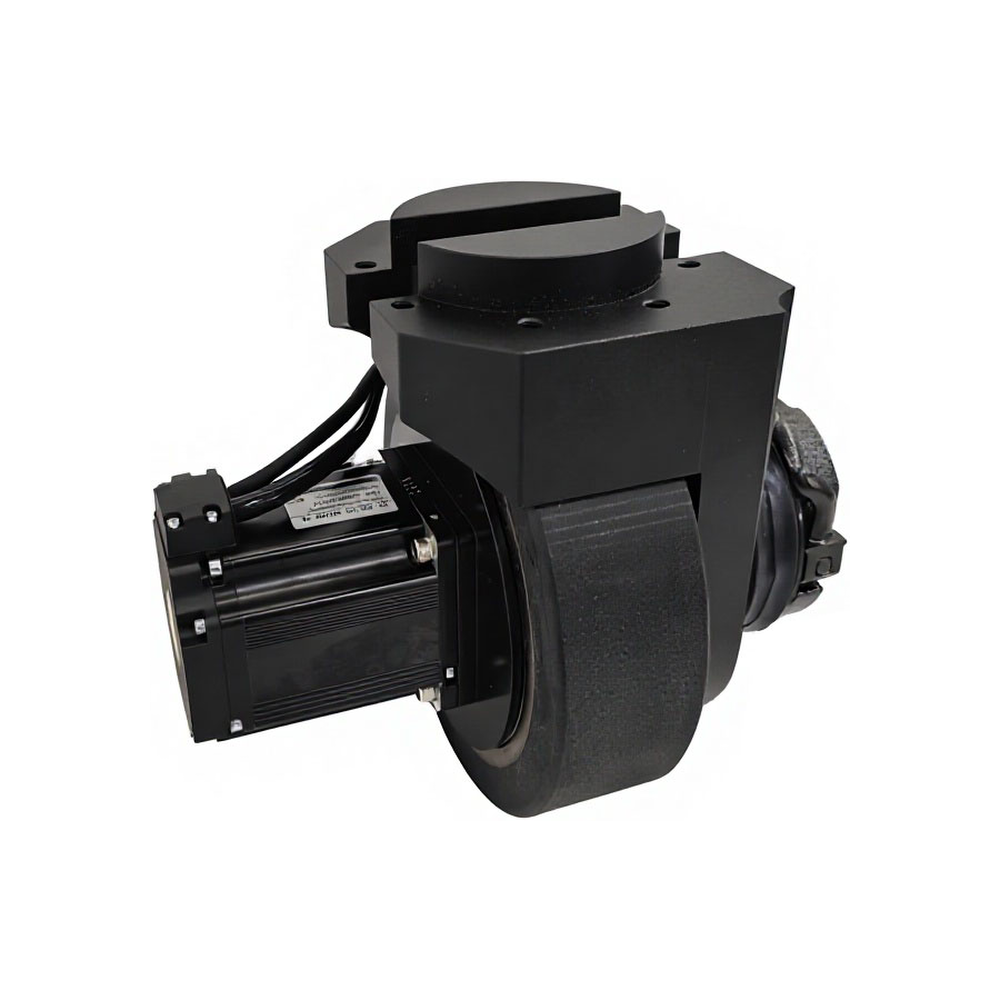
TZBOT 1000kg AGV Horizontal Drive Wheel Assembly
Heavy-duty traction accessory for low-clearance chassis, under-ride carts and compact special machines.
- 1,000 kg
- Horizontal
- Heavy-duty
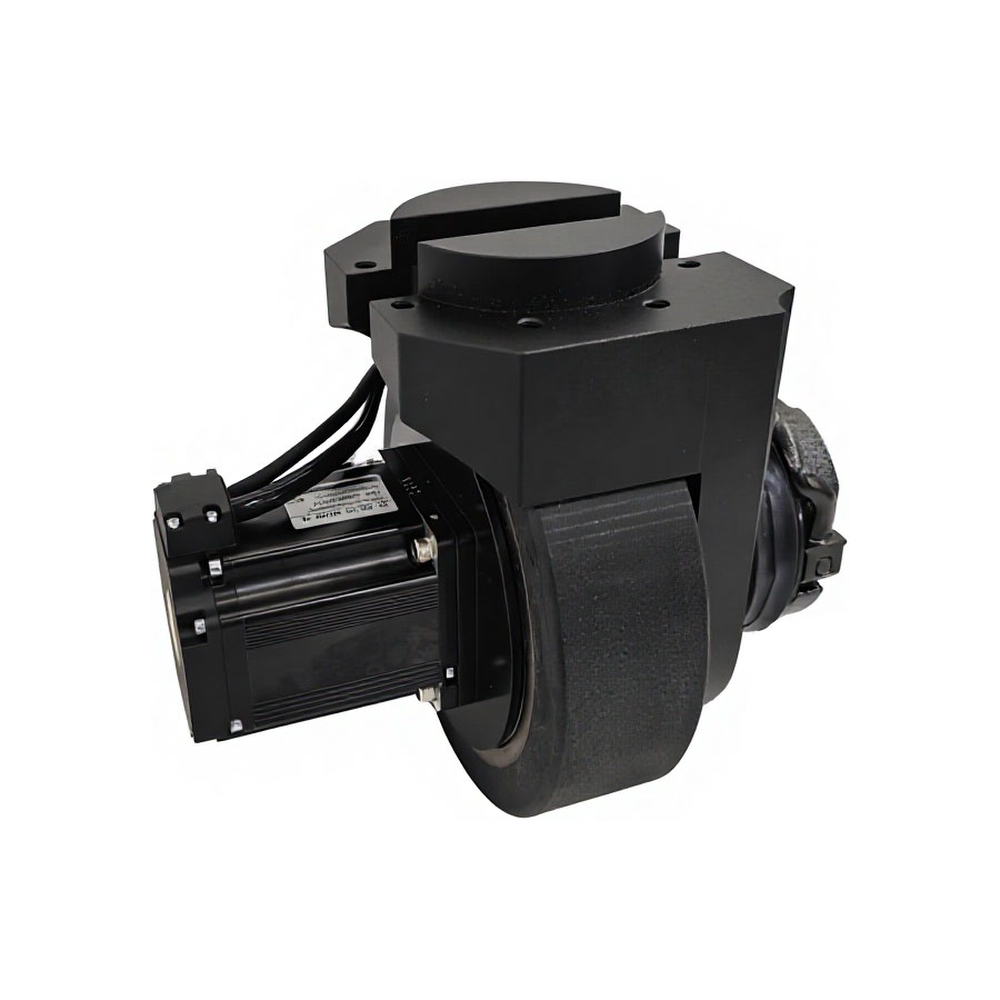
TZBOT 1000kg AGV Horizontal Drive Wheel with 1000W Servo Motor
A 1,000 kg bearing-capacity horizontal wheel assembly with servo motor for compact drive integration.
- 1,000 kg
- 1,000W servo
- Horizontal
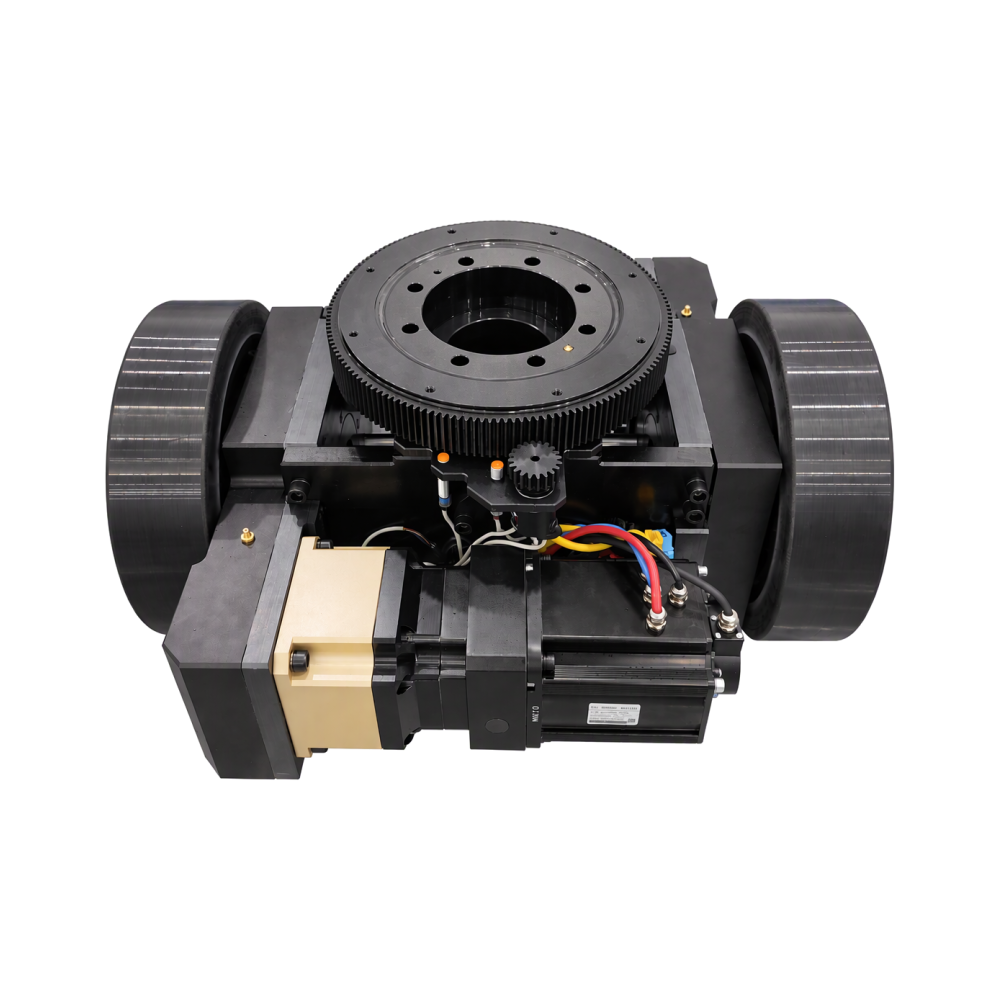
TZBOT 3000kg Heavy-Duty Differential Drive Wheel Assembly
Heavy-duty differential drive assembly for larger fixtures, production-line transfer and demanding traction duties.
- 3,000 kg
- Differential
- Heavy series
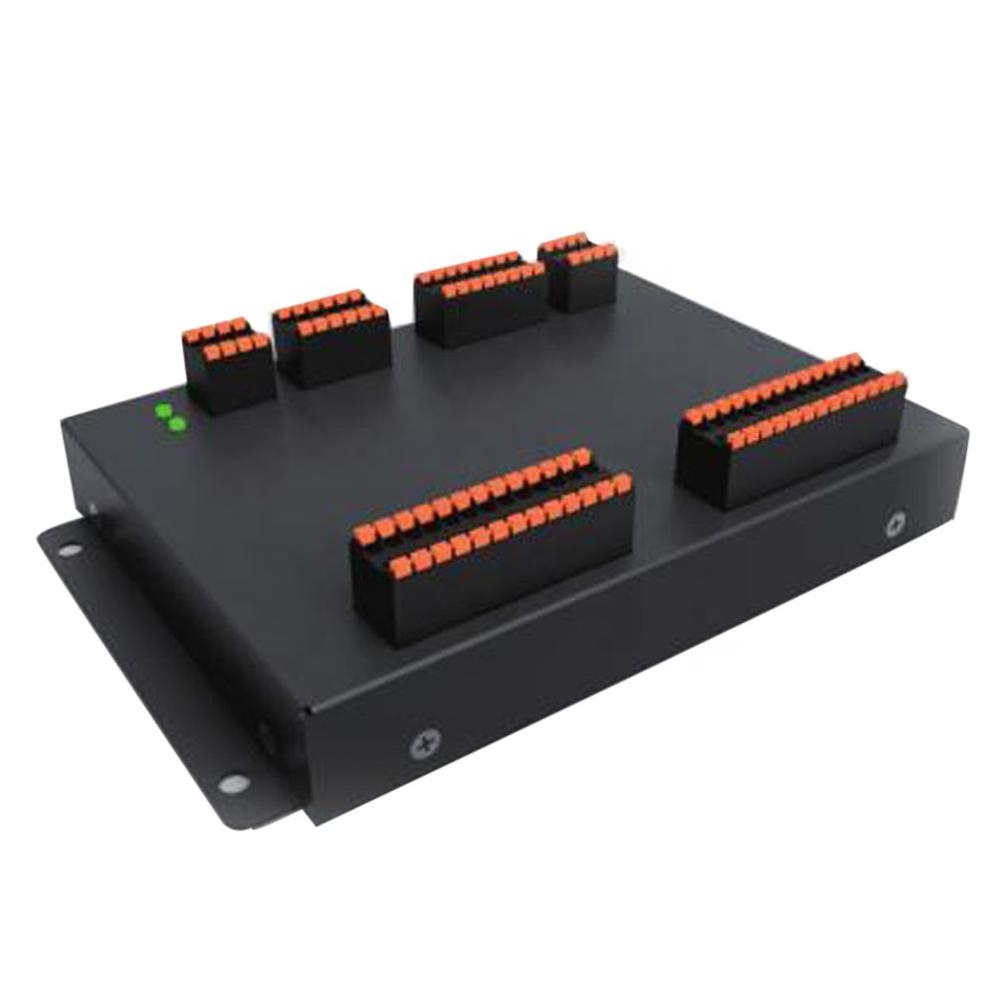
TZBOT TZC-MST-FX200D-A AGV Controller
Command-level control hardware for AGV builders who need a documented integration point and matched drive electronics.
- AGV command
- Integration
- Drive control
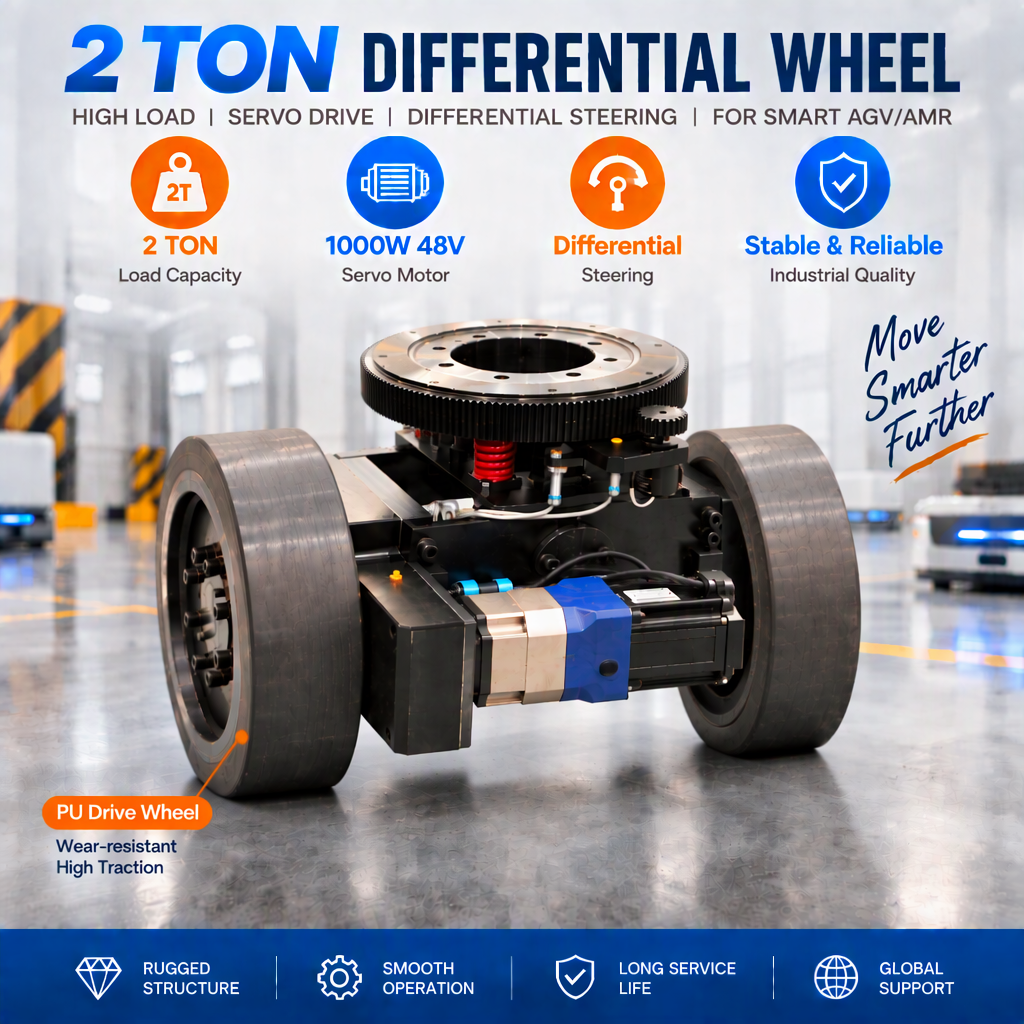
TZBOT 2000KG Differential Drive Wheel with Spring Suspension
1,000W 48V strong-power drive wheel with spring suspension for mixed floors and heavier vehicle bodies.
- 2,000 kg
- 1,000W 48V
- Spring suspension
Need a drive wheel matched to a German AGV duty cycle?
Send gross vehicle weight, speed, gradient, wheel diameter, battery voltage and chassis height. Our engineers will propose the drive, controller and sensor combination.
What German Buyers Actually Need from a Hub Motor Supplier
In Germany, a “hub motor” request is often shorthand for a powered wheel, differential drive unit or compact in-wheel drive assembly. The buying decision is shaped by safety documentation, lifetime cost, serviceability and integration risk — not by a single wattage number.
Safety file first
German integrators usually ask for drawings, risk-assessment inputs, electrical data, brake logic and traceable test records before price. A low-cost wheel without documentation becomes expensive at CE time.
TCO over unit price
High labor rates make serviceability, tread life and spare-part availability decisive. A slightly higher-cost drive wheel that lasts and can be rebuilt is often cheaper over five years.
48V and energy margin
48V architectures reduce current and copper size, but thermal margin and charger strategy matter. Specify continuous torque and duty cycle, not only peak power.
Integration matters
Motor, reducer, encoder, brake and controller must be matched. Single-source drive trains reduce commissioning time and interface risk between mechanical and software teams.
Configuration fit for typical German briefs
Indicative fit based on the shortlisted range. Final selection requires a duty-cycle review, floor survey and safety-concept check.
Start with the Vehicle Duty Cycle, Not the Motor Catalogue
A drive wheel is a system interface: traction, wheel geometry, suspension, encoder, brake and controller all influence the result. German engineering buyers should compare offers at the duty-cycle level, not only by rated power.
Calculate torque from the real load
Use gross vehicle weight, acceleration, rolling resistance and ramp grade. A 2,000 kg rating is a traction capacity under defined conditions, not a universal payload limit.
Match wheel geometry to the floor
Wheel diameter, tread hardness and suspension affect floor contact and turning. German plants often mix smooth epoxy, expansion joints, ramps and washdown zones.
Define control and safety early
Choose encoder resolution, brake type and driver parameters with the vehicle safety concept. Document emergency-stop and safe-speed behavior before the sample stage.
| Drive unit | How it moves | Best German application | Specification focus |
|---|---|---|---|
| Differential drive wheel | Two independently driven wheels turn the chassis by speed difference. | Latent AGVs, shelf-towing robots and compact assembly feeders. | Traction capacity, suspension, floor condition and turning envelope. |
| Differential steering drive wheel | Steering and drive are combined; heading changes with a controlled angle. | Logistic robots needing precise heading and mixed routes. | Steering angle, encoder feedback, brake logic and mounting height. |
| Horizontal drive assembly | The motor lies horizontally to reduce build height. | Low-clearance chassis, under-ride carts and special machines. | Chassis clearance, wheel diameter, load per wheel and service access. |
Where These Drive Modules Fit in Germany
Germany’s industrial base combines high labor cost, dense intralogistics and strict safety expectations. The same drive wheel may be right for one plant and wrong for another if the floor, duty cycle or documentation package is different.
Automotive and battery production
Plants in Baden-Württemberg, Bavaria and Saxony run high-mix assembly lines where floor space is expensive. Differential steering drives and low-profile horizontal units support compact transfer vehicles, while 2,000–3,000 kg differential wheels handle heavier fixtures. German buyers expect repeatable stopping accuracy, brake logic compatible with the risk assessment, and fast replacement without re-engineering the chassis.
Warehousing and e-commerce
Hamburg, the Rhine-Ruhr corridor and Frankfurt distribution hubs prioritize uptime. The 2500 kg lurking AGV and 2000 kg differential drive wheels fit shelf towing and pallet movement. Battery efficiency matters: 48V systems reduce current, but engineers should compare continuous torque and duty cycle, not only peak power.
Cold chain, food and special machines
Condensation, cleaning regimes and lubricant compatibility affect wheel choice. Protected components, suitable tread material and documentation for hygiene zones should be confirmed early. AGV controllers such as the TZC-MST-FX200D-A support command-level integration; vehicle-level safety and CE marking remain the builder’s responsibility.
Three Procurement Trends Shaping 2025–2027
German buyers are not only searching for a lower price per wheel. They are buying evidence, uptime and a smoother path from prototype to series production.
Documentation is becoming a product feature
The EU Machinery Regulation (EU) 2023/1230 and DIN EN ISO 3691-4 increase the value of clear technical files. A supplier that can provide drawings, parameters and test records shortens approval work for the integrator.
48V architectures and energy transparency
Rising electricity costs and battery strategy make efficiency visible. Buyers want continuous torque curves, thermal expectations and charger compatibility — not a headline wattage alone.
Supply resilience and engineering proximity
German OEMs value traceability, spare-part availability and responsive engineering. A Chinese manufacturing partner works best when it behaves like an extension of the German project team — with documented changes and predictable sampling.
Zhejiang Torqen Technology: A Drive-Train Partner, Not a Catalogue Reseller
Zhejiang Torqen Technology Co., Ltd. has manufactured automatic guided vehicles, AGV drive wheel assemblies, DC/AC motors, servo and BLDC controllers, navigation sensors and AGV accessories since 2015. The company is ISO 9001:2015 certified and has been verified onsite by Intertek.
For German buyers, the relevant advantage is not simply factory price. It is the ability to match wheel, motor, reducer, encoder and driver in one technical loop, then release a tested sample before production. Torqen’s stated capabilities include 8 patents, five in-house testing instruments, extended-duration prototype testing and a 97.9% inquiry response rate.
- Factory size 1,000–3,000 m² with a 51–100 person team and US$5M–10M annual output class.
- Sample-based and design-based customization, OEM production, design services and buyer-label packaging.
- Drive wheels, motors, servo/BLDC drivers, magnetic/RFID/lidar sensors and AGV accessories from one source.
- Export terms include FOB, CFR, CIF, EXW, CIP, FCA, CPT, DDU and express delivery.

One source for the drive train
Wheels, servo/BLDC controllers, motors, reducers and navigation sensors are developed and matched together, reducing interface risk between mechanical, electrical and software teams.
Customization at the interface
Motor power and voltage, reduction ratio, wheel diameter, tread material, encoder, brake and mounting pattern can be customized when a German chassis is already frozen.
Evidence before scale
ISO 9001:2015 processes, finished-product inspection with five in-house testing instruments and extended-duration prototype testing help buyers validate performance before mass production.
Export terms for project buyers
FOB, CFR, CIF, EXW, CIP, FCA, CPT, DDU and express delivery are available, with multiple payment methods, eight currencies and responsive technical support.
Founded and focused on motion control
Patents awarded for drive technology
Employees and engineers in the team
Inquiry response rate stated by the company
Questions German Buyers Commonly Ask Before Ordering
These answers are written for engineering and procurement teams comparing a custom drive wheel or hub drive supplier for the German market.
Do your drive wheels and hub motors come with documents for German CE and risk-assessment processes?
We provide product-level drawings, electrical parameters, test records and material information to support the machine builder’s risk assessment and CE file. The final CE marking remains with the integrator because it depends on the complete vehicle, safety circuit and use environment. Our engineers can discuss interfaces, brake logic and documentation requirements before you place a sample order.
Which configuration is best for a 2,000 kg AGV in Germany?
For a 2,000 kg class vehicle, a differential drive wheel with spring suspension or a customized heavy-duty wheel is often the starting point. If the route requires precise heading changes, a differential steering drive wheel may fit better. The correct choice depends on wheel count, floor condition, ramp grade, acceleration and the required turning envelope. Share these values and our engineers can recommend a configuration.
Can Torqen customize 24V or 48V drives, brakes and encoders?
Yes. OEM/ODM customization can include motor power and voltage, reduction ratio, wheel diameter, tread material, encoder type, brake options, mounting interfaces and buyer-label packaging. We recommend a sample validation step before series production, especially when the German chassis design, safety circuit or battery architecture is already fixed.
What are typical lead times, MOQ and sample steps?
MOQ and lead time depend on whether the project uses a standard configuration or a customized drive. The process typically starts with requirement review, an engineering proposal, prototype build, endurance testing, mass production and final inspection. Samples are released after design review. For a reliable quotation, provide payload, speed, gradient, wheel diameter, voltage, chassis height and safety requirements.
How do you handle after-sales, spare parts and technical support for Germany?
Support can include wiring diagrams, driver parameter files, commissioning guidance, traceable production records, spare-parts supply and fault analysis. Torqen states a 24/7 online response capability and a 97.9% inquiry response rate. For German buyers, keeping a spare drive wheel and controller for critical vehicles is a practical way to reduce downtime while a replacement is shipped.
Which Incoterms, currencies and payment methods can German buyers use?
Delivery terms include FOB, CFR, CIF, EXW, CIP, FCA, CPT, DDU and express delivery. Supported currencies include USD, EUR, JPY, CAD, AUD, HKD, GBP and CNY. Payment methods include T/T, L/C, D/P, D/A, MoneyGram, credit card, PayPal, Western Union, cash and escrow. The best combination depends on project value, customs arrangements and whether the buyer requires a letter of credit.
Send the Duty Cycle. Get a Matched Drive Train.
Share the gross vehicle weight, target speed, gradient, wheel diameter, battery voltage, chassis height and safety requirements. Torqen will review the drive wheel, motor, controller and sensor combination for the German project.
