Laser Guided Forklift Factories & Factory for the Hat Yai Market
Torqen supplies laser guided forklift components, AGV drive wheels, navigation sensors, charger pads and complete material handling robots for Hat Yai, Songkhla and Southern Thailand — engineered for humid, high-throughput logistics and cross-border distribution.
8 Products for Laser Guided Forklift Projects in Hat Yai
From a 3,000 kg heavy-duty drive wheel and 48V differential unit to charger pads, horizontal drive assemblies, CE-approved lurking AGVs and a 2,500 kg shelf-towing robot, each product can be matched with OEM/ODM engineering and export support for Hat Yai buyers.
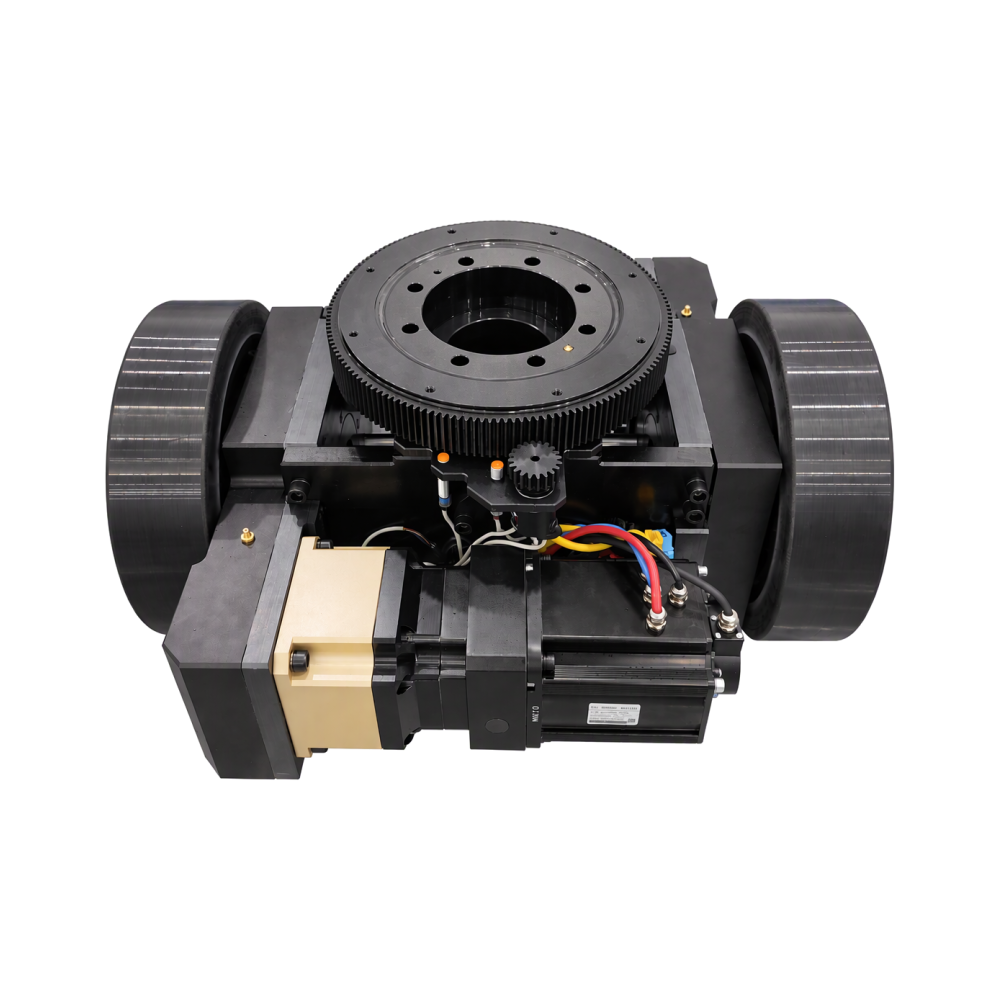
TZBOT Heavy Duty Series Robot Wheel 3000kg Bearing Capacity AGV Material Handling Equipment Differential Drive Wheel Assembly
A 3,000 kg bearing-capacity differential drive wheel for heavy AGV and laser guided forklift chassis where traction, load margin and serviceability matter on damp warehouse floors.
- 3,000 kg
- Differential drive
- Heavy duty
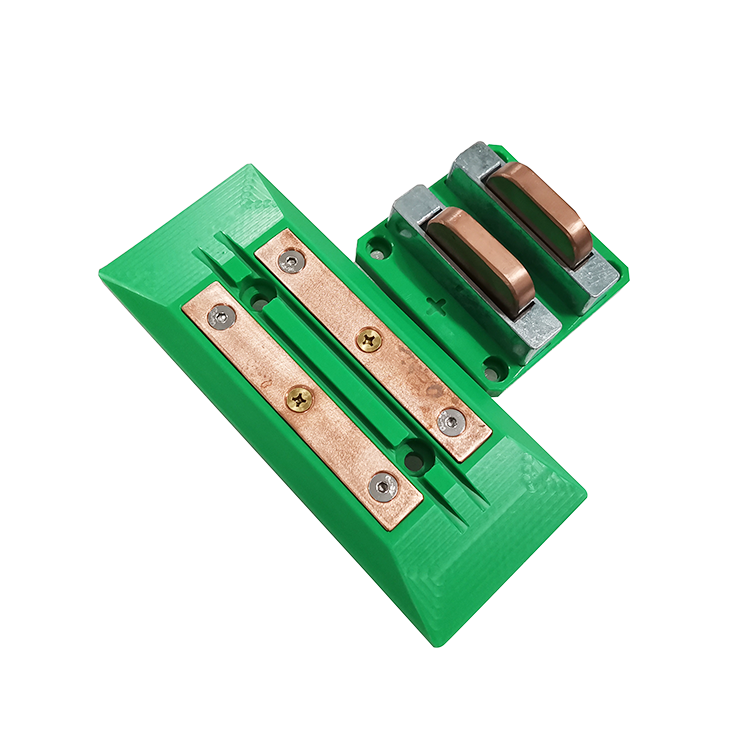
TZBOT Charger Pad Model TZ-CP-50A with Brush Plate and Brush Block for AGV Navigation Vehicles
Brush-plate and brush-block charging pad for AGV navigation vehicles, supporting automated opportunity charging and reducing manual cable handling in Hat Yai warehouses.
- TZ-CP-50A
- Brush plate
- AGV charging
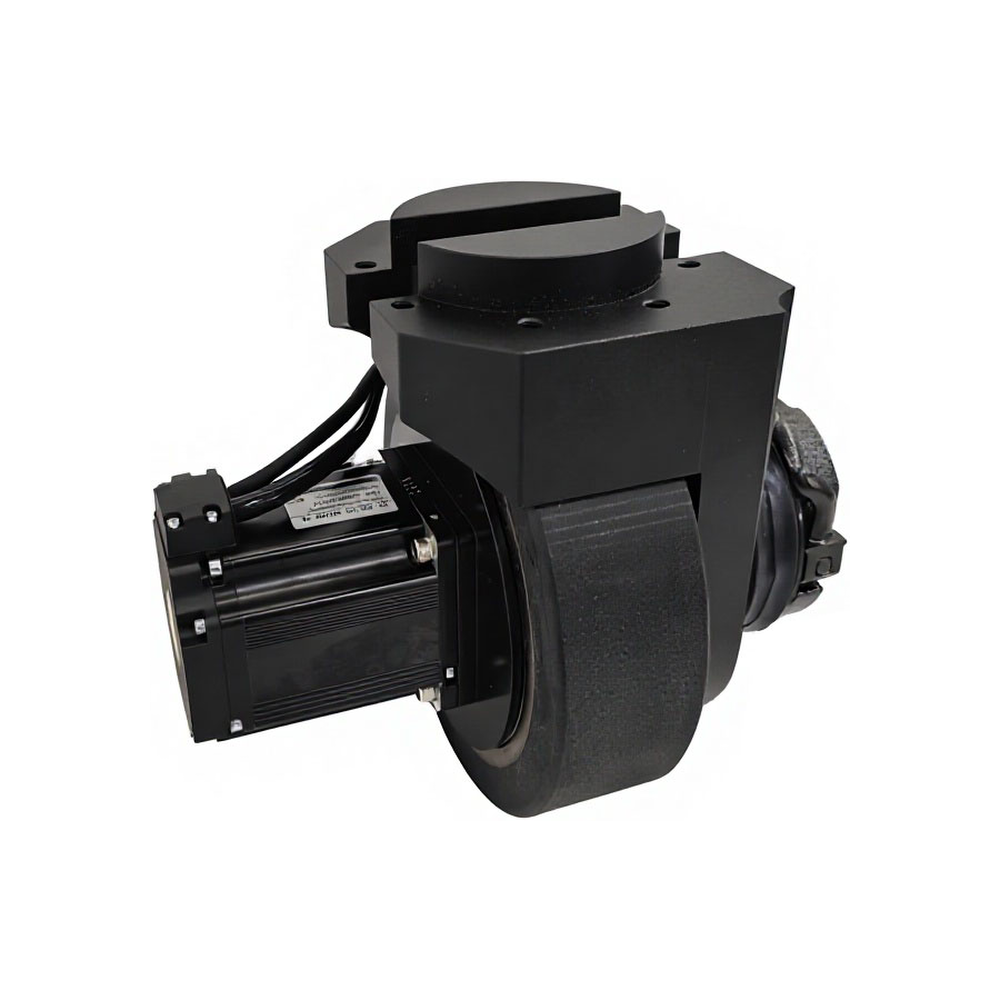
TZBOT agv Wheel Traction Accessories 1000kg Heavy Duty Capacity Material Handling Equipment Part Horizontal Drive Wheel Assembly
A 1,000 kg heavy-duty horizontal drive wheel assembly that keeps chassis height low while providing stable traction for compact material handling platforms.
- 1,000 kg
- Horizontal layout
- Traction unit

TZBOT 48V DC 2 Ton Heavy Duty Differential Unit AGV Wheel TZCS-750-30
48V DC 2-ton differential unit, TZCS-750-30, for higher-torque AGV and laser guided forklift drive systems that need matched motor, reducer and wheel geometry.
- 48V DC
- 2 ton
- TZCS-750-30
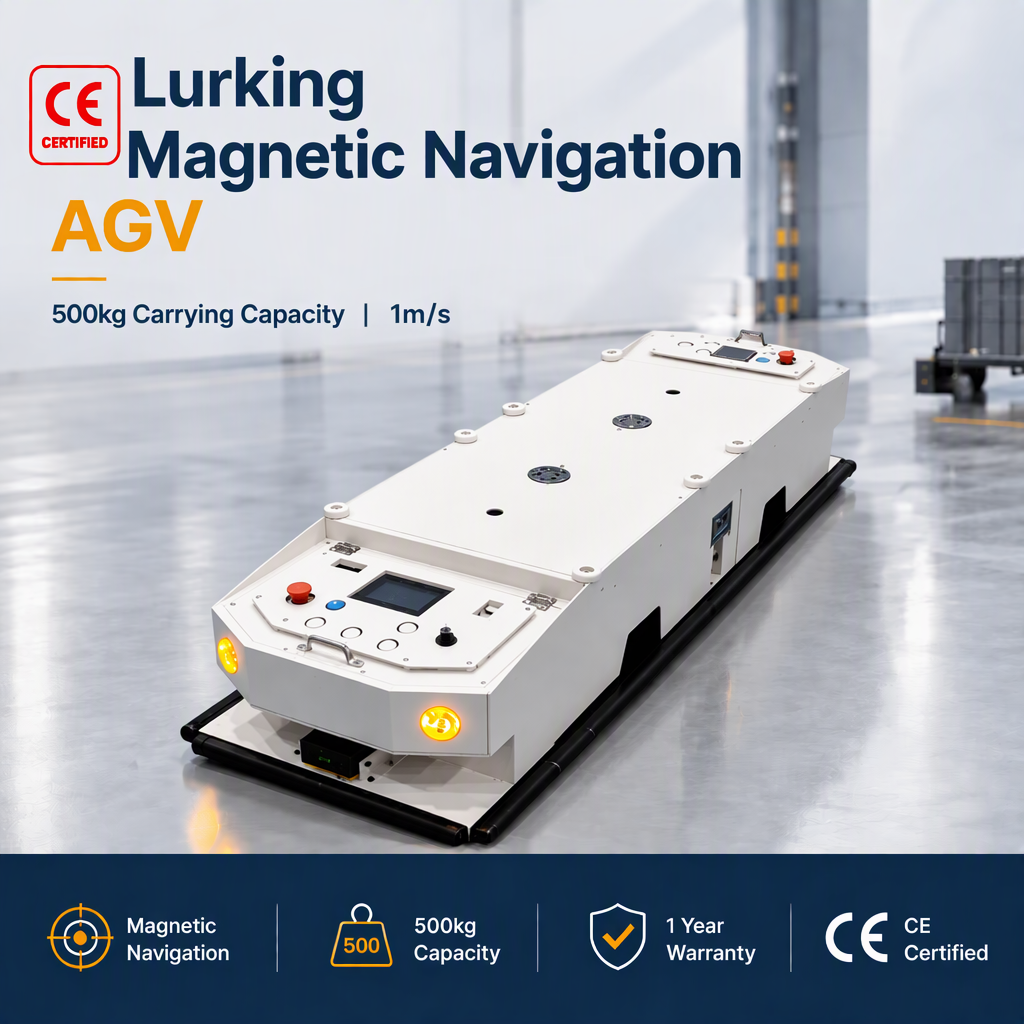
TZBOT EU CE Lurking AGV Material Handling Equipment Logistic Automation 500kg Bidirectional Magnetic Guidance Mobile Robot
EU CE lurking AGV with 500 kg load capacity, bidirectional movement and magnetic guidance for flexible point-to-point transport in Hat Yai warehouses.
- 500 kg
- CE
- Magnetic guidance
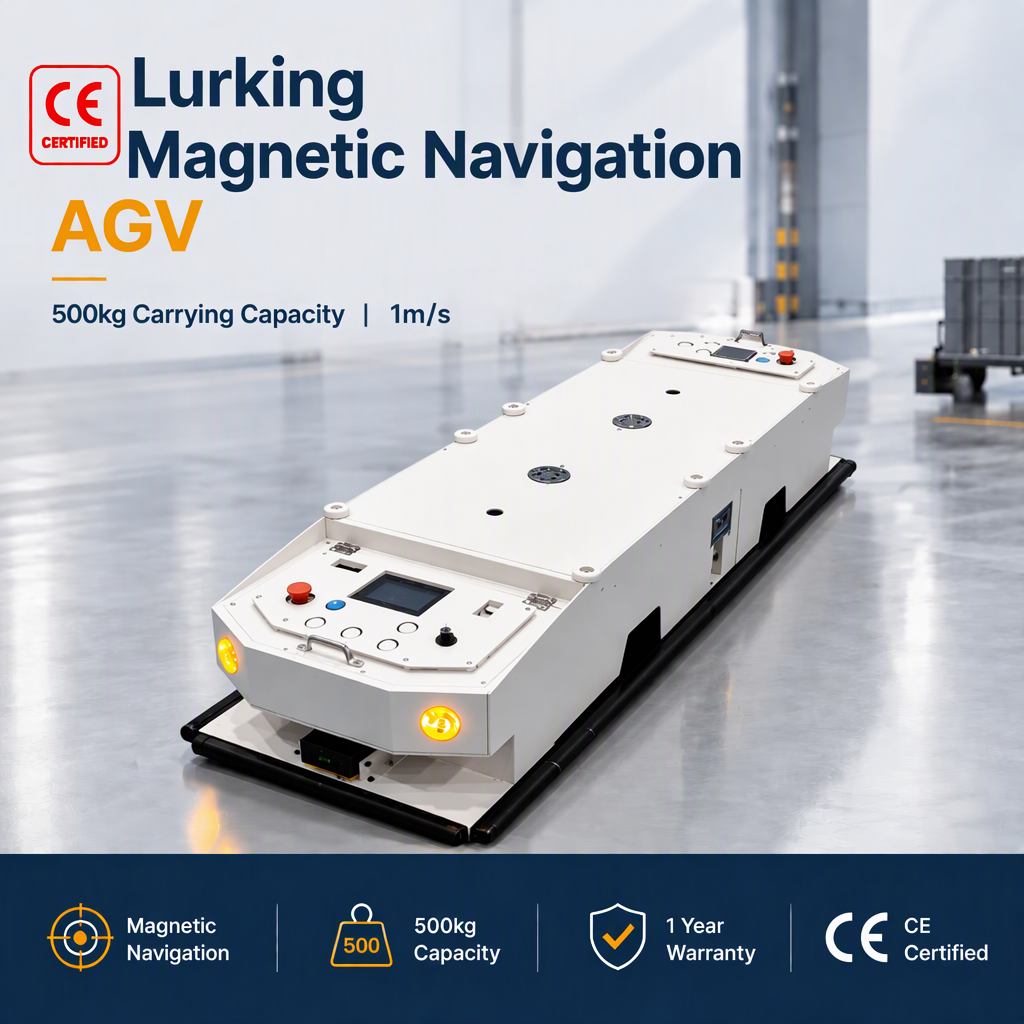
TZBOT CE Approved 500kg Bidirectional Lurking Robot 500kg Towing Capacity Material Handling Equipment Magnetic Navigation AGV
CE-approved 500 kg bidirectional lurking robot with 500 kg towing capacity and magnetic navigation for shelf towing, cart transport and repetitive route work.
- 500 kg towing
- CE approved
- Magnetic navigation
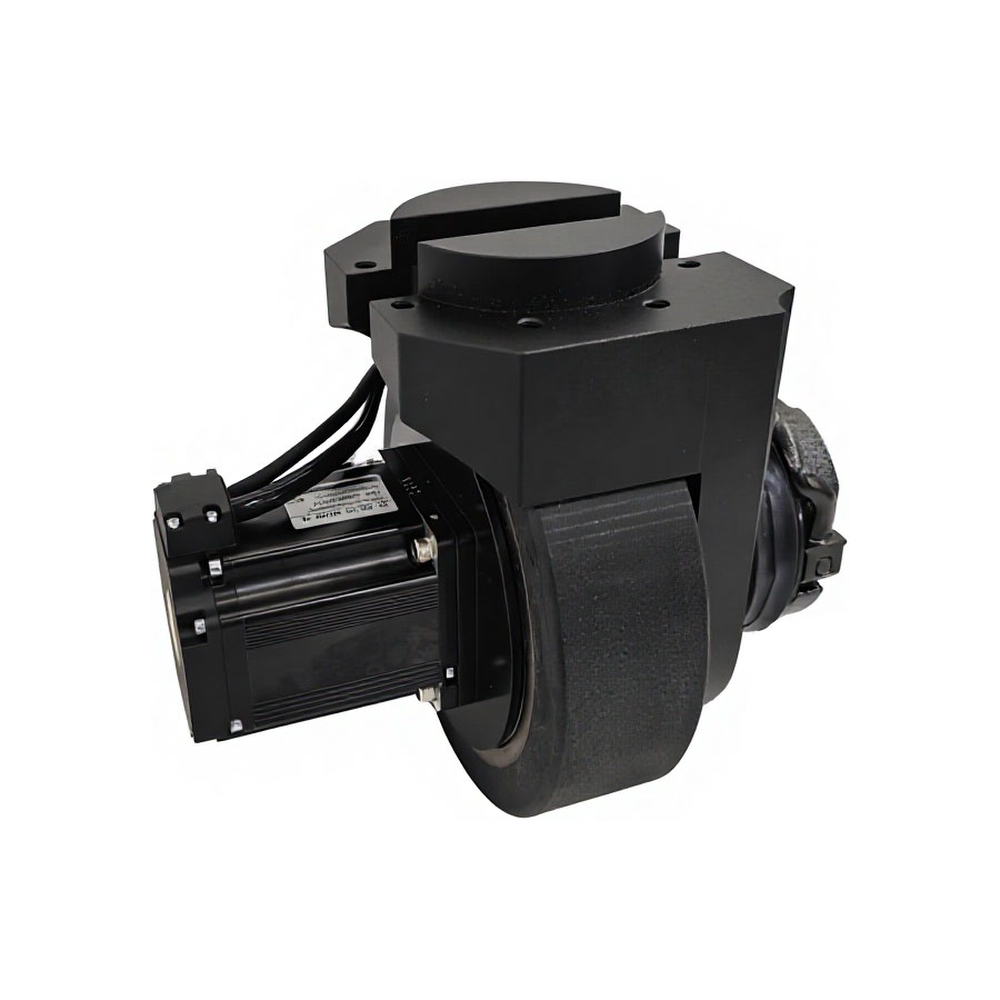
TZBOT 1000kg Bearing Capacity agv Wheel 1000w Servo Motor Material Handling Equipment Part Horizontal Drive Wheel
1,000 kg bearing capacity AGV wheel with 1,000 W servo motor, built for horizontal drive layouts that require precise speed control and low build height.
- 1,000 kg
- 1,000 W servo
- Horizontal drive
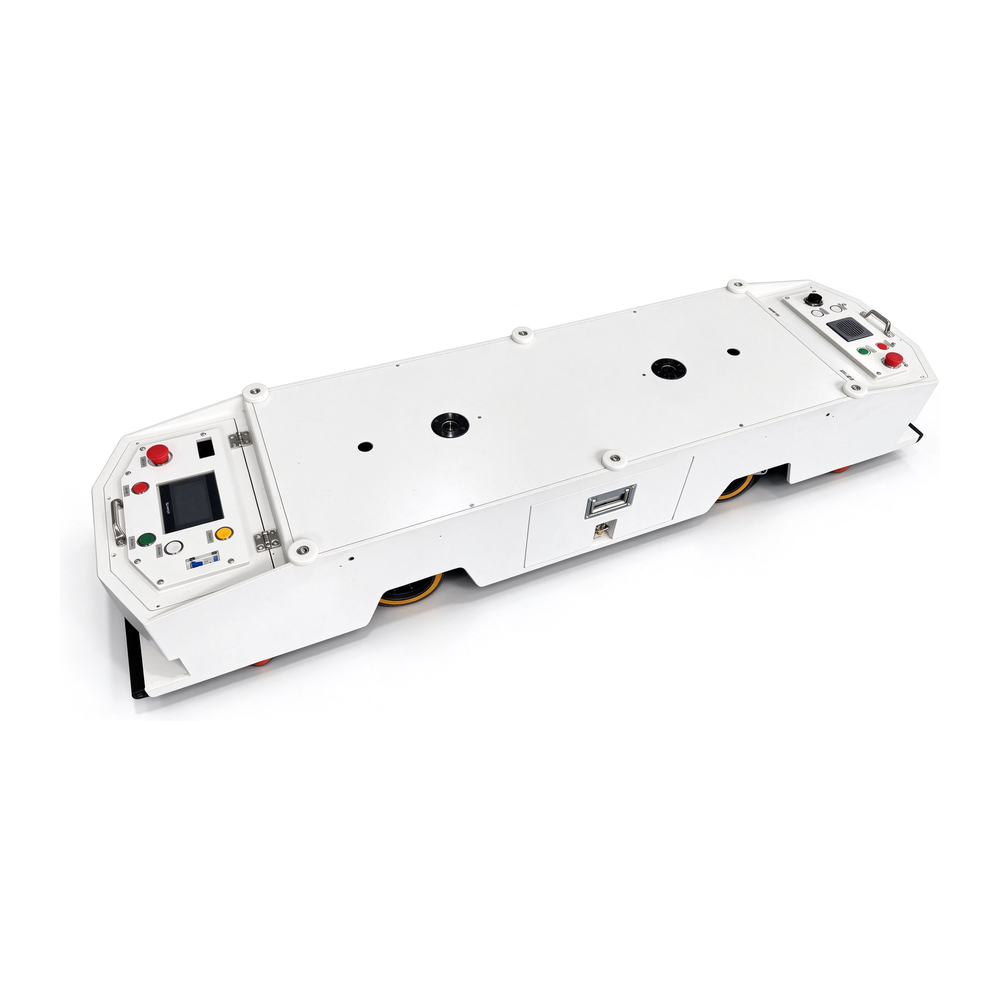
TZBOT 2500KG Lurking AGV Unmanned Control 8H Long Endurance Material Handling Mobile Robot for Shelf Towing
2,500 kg lurking AGV with unmanned control and 8-hour endurance for long-shift shelf towing in distribution centers and production warehouses.
- 2,500 kg
- 8H endurance
- Shelf towing
Why Hat Yai Is a High-Value Market for Laser Guided Forklifts
Hat Yai is the commercial and logistics heart of Songkhla Province and a gateway for Southern Thailand and the Sadao–Bukit Kayu Hitam border trade. Its warehouses handle rubber, palm oil, seafood, frozen food, retail goods, hospital supplies, electronics and automotive parts.
Laser guided forklift factories in Hat Yai are not buying a single wheel; they are buying repeatable uptime. A vehicle must survive heat, humidity, dust, variable floor quality and long shifts while remaining easy to service. The most successful projects define the drive wheel, motor, controller, charger and navigation sensor as one system before they issue a purchase order.
Zhejiang Torqen Technology Co., Ltd. has designed and manufactured AGVs, AGV drive wheel assemblies, DC/AC motors, encoders, reducers, servo and BLDC controllers, caster and PU wheels, in-wheel motor units and navigation sensors since 2015. The company is ISO 9001:2015 certified and Intertek onsite-verified, with a 51–100 person team, a 1,000–3,000 m² facility and annual output of US$5M–10M. For Hat Yai buyers, that means a factory that can match wheel, motor, driver, charger and sensor as one drive train rather than shipping loose parts from separate suppliers.
In local quotation reviews, the winning projects are rarely the ones with the lowest initial price. They are the ones with a clear spare-parts list, documented testing, humidity protection, remote engineering support and a realistic commissioning plan. Torqen supports OEM/ODM customization, sample-based and design-based modifications, buyer-label packaging, export documents and flexible Incoterms. That is real information gain for procurement teams: compare the total cost of commissioning and uptime, not only the wheel assembly price.
Where Laser Guided Forklifts Create Value in Hat Yai
Hat Yai’s mix of border trade, food logistics, retail distribution and light manufacturing creates practical use cases for laser navigation, magnetic guidance and heavy-duty drive components.
Rubber, Palm Oil & Heavy-Load Warehouses
Differential drive units such as the 3,000 kg robot wheel and 2-ton TZCS-750-30 provide the load margin and traction needed for dense pallets, humid floors and continuous shifts.
Seafood, Frozen Food & Cold-Chain Distribution
Sealed connectors, corrosion-conscious hardware, automated charger pads and 8-hour endurance help reduce manual handling and door-open time in temperature-controlled logistics.
Retail, Wholesale & Shelf-to-Person Warehouses
Bidirectional magnetic guidance lurking robots tow shelves and carts through repetitive routes, giving Hat Yai distributors a lower-cost first step into flexible warehouse automation.
Cross-Border & Sadao–Bukit Kayu Hitam Logistics
CE-approved 500 kg bidirectional vehicles support fast route changes, cart transport and transshipment staging where import, export and local distribution flows intersect.
Hospitals, Clinics & Clean Logistics
Quiet, low-profile AGV platforms can move supplies, linen and pharmacy totes through repetitive indoor routes while keeping human traffic away from heavy manual pushing.
Electronics, Automotive Parts & Factory Intralogistics
Servo motors, matched controllers and 1,000 W horizontal drive wheels give production lines precise positioning, smooth acceleration and repeatable route accuracy.
Torqen as a Factory for the Hat Yai Market: E-E-A-T in Practice
For industrial buyers, E-E-A-T is not a slogan. Experience is earned on production floors, expertise is shown in drawings and parameter files, authority is verified by certifications, and trust is built through predictable export terms and after-sales response.
Complete Drive-Train Ownership
AGVs, differential and steering drive wheels, servo and BLDC controllers, magnetic and RFID sensors, motors, reducers, caster wheels and charger pads can be specified through one technical contact.
OEM / ODM Engineering
Sample-based and design-based customization can adapt motor power, voltage, reduction ratio, wheel diameter and tread, encoder type, brake options and mounting interfaces for local chassis.
Verified Quality Process
ISO 9001:2015 certification, Intertek onsite verification, five in-house testing instruments, extended-duration prototype testing and finished-product inspection support buyer confidence.
Export-Ready Commercial Terms
T/T, L/C, D/P, D/A, credit card, PayPal, Western Union, cash and escrow are accepted in multi-currency trade, with FOB, CIF, EXW, DDU and express delivery options.
Trends Shaping Automated Material Handling in Hat Yai
Hat Yai’s automation market is moving from isolated demonstrations to measurable factory projects. Buyers want proof of uptime, local service logic and a clear upgrade path.
Cross-Border Trade Raises Throughput Expectations
As Hat Yai strengthens its role as a gateway for Malaysia-bound goods, warehouses need faster staging, repeatable towing routes and fewer manual bottlenecks.
Labour Efficiency and Safety Converge
Forklift operators are being asked to do more in tighter aisles. Automated towing and laser navigation reduce repetitive travel while keeping people away from heavy loads.
Cold-Chain and Hygiene Pressure
Seafood, frozen foods and food-service distribution require consistent temperature control. Automated movement reduces door-open time and helps trace product flow.
Retrofit-First Automation
Many Hat Yai factories will not replace every forklift at once. They will add AGV drive kits, magnetic routes and charger pads to existing processes, then scale step by step.
Hat Yai Project Scoring Model
Torqen application-team scoring model for humid, high-throughput warehouse projects in Southern Thailand. It is a practical quotation-review tool, not a market statistic.
Laser Guided Forklift Component Selection for Hat Yai Factories
A laser guided forklift is not only a lidar unit. It is a coordinated system of drive wheel, motor, controller, charger, navigation sensor and safety logic. Use this guide to prepare a more accurate inquiry.
| Project Requirement | Recommended Torqen Component | Why It Fits Hat Yai |
|---|---|---|
| 1–3 t heavy pallet movement | 3,000 kg differential robot wheel; 48V DC 2-ton TZCS-750-30 unit | Higher bearing margin for rubber, seafood and retail pallets; stable traction on damp warehouse floors. |
| Low-clearance forklift chassis | 1,000 kg horizontal drive wheel assembly; 1,000 W servo motor model | Horizontal layout saves build height while servo control improves stopping accuracy and smooth acceleration. |
| 500 kg shelf-to-person transport | CE-approved 500 kg bidirectional lurking robot with magnetic navigation | Lower infrastructure cost than full SLAM for fixed routes; fast deployment in Hat Yai retail and wholesale aisles. |
| 2,500 kg shelf towing and long shifts | 2,500 kg lurking AGV with unmanned control and 8-hour endurance | Reduces manual tugging and supports large distribution warehouses with repetitive towing routes. |
| Automated opportunity charging | TZ-CP-50A charger pad with brush plate and brush block | Supports frequent short charging and reduces manual cable handling, an important factor for multi-shift operations. |
| Matched motion and sensor control | Servo/BLDC drivers, magnetic guide sensors, RFID position sensors and lidar options | One parameter set and one technical contact reduce commissioning risk between the drive wheel and navigation system. |
Engineer’s tip: before requesting a laser guided forklift quote for Hat Yai, prepare gross vehicle weight, target speed, maximum gradient, aisle width, floor flatness, battery voltage, charging window and daily shift pattern. These values determine motor power, reduction ratio, wheel diameter and charger selection — and shorten the sampling cycle.
A Hat Yai Buyer’s Checklist Before Ordering
Use this checklist to compare laser guided forklift factories on engineering evidence, not only catalogue photos.
Site Data Before Quotation
Record load weight, speed, floor material, slope, aisle width, rack height, battery voltage, charging window, humidity exposure and daily shifts.
Factory Evidence to Request
Ask for ISO 9001:2015, Intertek verification, drawings, test reports, controller parameter files, spare-parts lists and finished-product inspection records.
Installation Planning
Confirm the customs broker, local trucking from Laem Chabang or border logistics, 220/380V charging infrastructure, magnetic tape or QR floor marking, Wi-Fi coverage and safety barriers.
After-Sales Strategy
Keep critical spares such as wheel treads, charger brushes, controllers and sensors in mind. Torqen provides 24/7 online response, integration assistance and after-sales spare-parts support.
Laser Guided Forklift Factory FAQ for Hat Yai Buyers
Practical answers for procurement teams comparing Chinese factories, AGV components and laser guided forklift systems for Southern Thailand.
What is a laser guided forklift factory, and how is it different from a standard forklift supplier?
A laser guided forklift factory supplies the navigation, drive, control and safety components that allow a forklift or AGV platform to move autonomously. The factory should be able to match the drive wheel, servo or BLDC controller, lidar or magnetic sensor, charger and vehicle interface. A standard forklift supplier may sell a finished truck, but component-level matching is what determines uptime in a Hat Yai warehouse.
Can laser guided forklifts operate reliably in Hat Yai’s heat and humidity?
Yes, provided the specification is humidity-aware. Buyers should request sealed connectors, suitable IP-rated sensors, condensation management, corrosion protection, stable encoder performance and PU or rubber wheel options that suit the floor. Torqen can review the motor, brake, encoder and wheel configuration against the actual operating environment before quotation.
Which drive wheel should a 1–3 ton forklift project use?
A 1–3 ton project usually starts with the 3,000 kg heavy-duty differential drive wheel or the 48V DC 2-ton TZCS-750-30 unit. For low-clearance chassis, the 1,000 kg horizontal drive wheel assembly with a 1,000 W servo motor may be more suitable. The final choice depends on gross vehicle weight, speed, gradient, floor condition and available chassis height.
Do you offer CE-approved and EU-oriented AGV products for Southern Thailand?
Torqen offers EU CE lurking AGV models, including the 500 kg bidirectional magnetic guidance mobile robot and CE-approved 500 kg bidirectional lurking robot. Documentation requirements should be confirmed per order and per destination. For Hat Yai projects, CE-related models are often compared alongside ISO 9001:2015 and Intertek verification as part of supplier screening.
How do buyers usually import from China to Hat Yai?
Most projects use a freight forwarder and customs broker to move goods by sea to a Thai port such as Laem Chabang, then by truck to Hat Yai, or by an appropriate border logistics route for Malaysia-linked supply chains. The exact route depends on Incoterms, cargo size and schedule. The buyer should confirm duties, taxes and customs procedures with a licensed local broker before placing the order.
What is the lead time and MOQ for OEM drive wheels and AGVs?
Lead time depends on whether the item is a standard sample, a modified drive wheel, a custom controller parameter set or a production batch. MOQ also varies by model and customization level. The most accurate approach is to share the load, speed, voltage, wheel diameter, tread requirement and required shipping date so Torqen can confirm drawing approval, sampling and production scheduling in the quotation.
Can Torqen customize a drive unit for an existing forklift chassis?
Yes. Torqen supports sample-based customization, design-based customization, OEM production, design services and buyer-label packaging. Typical adaptations include motor power and voltage, reduction ratio, wheel diameter and tread material, encoder type, brake options and mounting interfaces. Sharing a chassis drawing and current drivetrain photos shortens the evaluation.
Magnetic guidance, QR code or laser SLAM: which navigation is best for Hat Yai warehouses?
Magnetic guidance is cost-effective for fixed routes and fast deployment, making it common for repetitive shelf towing and point-to-point transport. RFID tags help with station recognition, speed zones and junctions. QR code navigation suits grid warehouses. Laser SLAM is more flexible where the layout changes often. Many Hat Yai projects begin with magnetic guidance and then add more flexible navigation as volume grows.
What after-sales support is available after delivery?
Torqen provides 24/7 online response, integration assistance, wiring diagrams, driver parameter guidance and spare-parts support. The factory maintains traceable production records, and its 97.9% inquiry response rate reflects the level of commercial follow-up. For Hat Yai buyers, it is advisable to agree on a critical spare-parts list at the time of order, not after a line stops.
What payment and delivery terms are accepted?
Accepted payment methods include T/T, L/C, D/P, D/A, MoneyGram, credit card, PayPal, Western Union, cash and escrow, in USD, EUR, JPY, CAD, AUD, HKD, GBP or CNY. Delivery terms include FOB, CFR, CIF, EXW, CIP, FCA, CPT, DDU and express delivery. Final terms are confirmed in the proforma invoice according to project scope and destination.
Planning a Laser Guided Forklift Factory Project in Hat Yai?
Send your payload, aisle width, floor condition, battery voltage, navigation method and target schedule. Torqen engineers will return a matched drive-wheel, controller, charger and sensor proposal for your Hat Yai or Southern Thailand project.
Email: info@torqenbot.com
