Eight Product Recommendations for Laser-Guided Forklift and AGV Programs
These are not random catalog picks. The list below covers steering traction, heavy-duty differential movement, magnetic/laser navigation control, 500–2,500 kg load movement and automatic charging — the component set a San Antonio integrator is most likely to specify, replace or validate during a brownfield automation project.
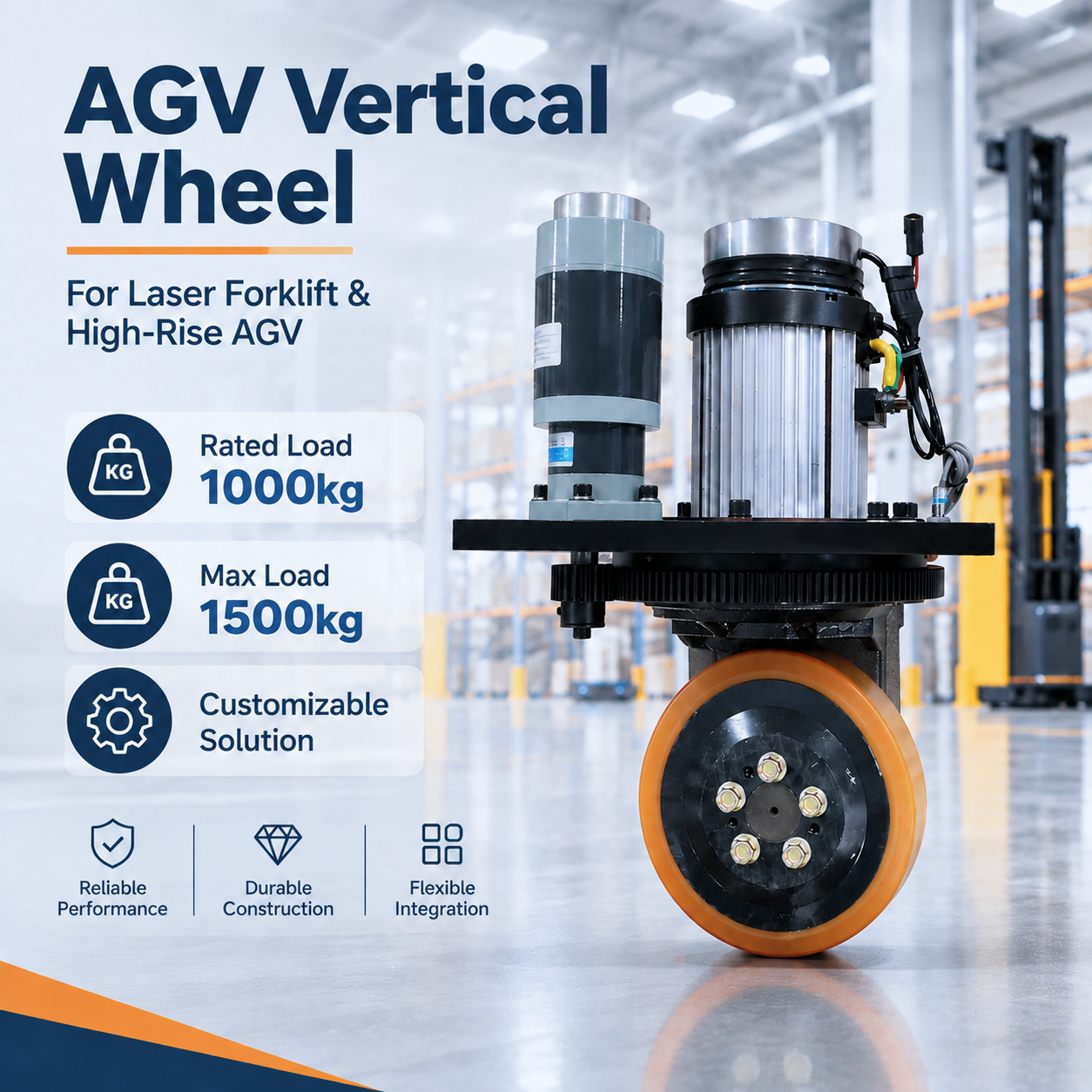
TZBOT 2590r/min Vertical Driving Unit Electric Traction Wheel 1500W Steering Forklift Accessories
A 1,500 W vertical traction and steering unit for forklift-type AGVs that need controlled wheel angle, compact mounting and repeatable docking.
- 1500 W
- 2590 r/min
- Steering drive
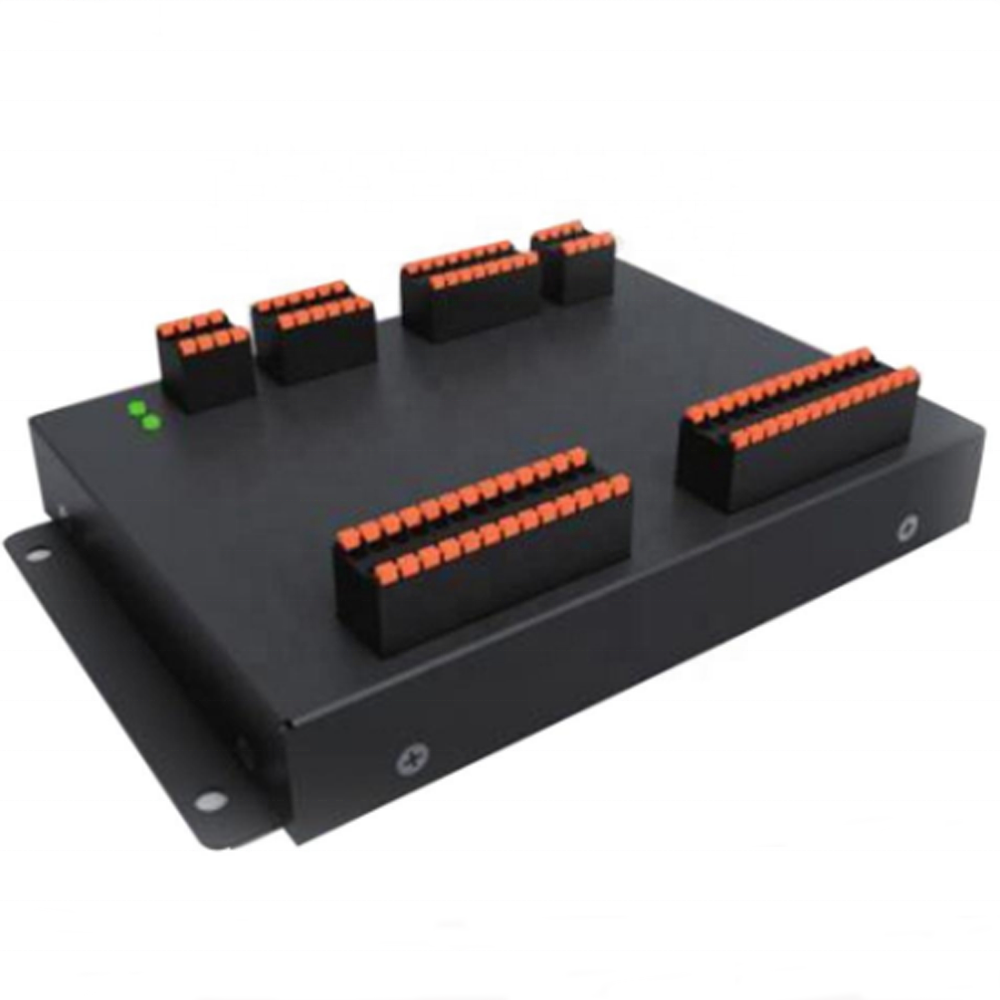
TZBOT FX Series Controller of HX Support Magnetic Tap Guided AGV
A magnetic-tape guided AGV controller for route logic, station handling and retrofit projects where deterministic paths and simple commissioning matter.
- FX controller
- Magnetic guide
- AGV retrofit
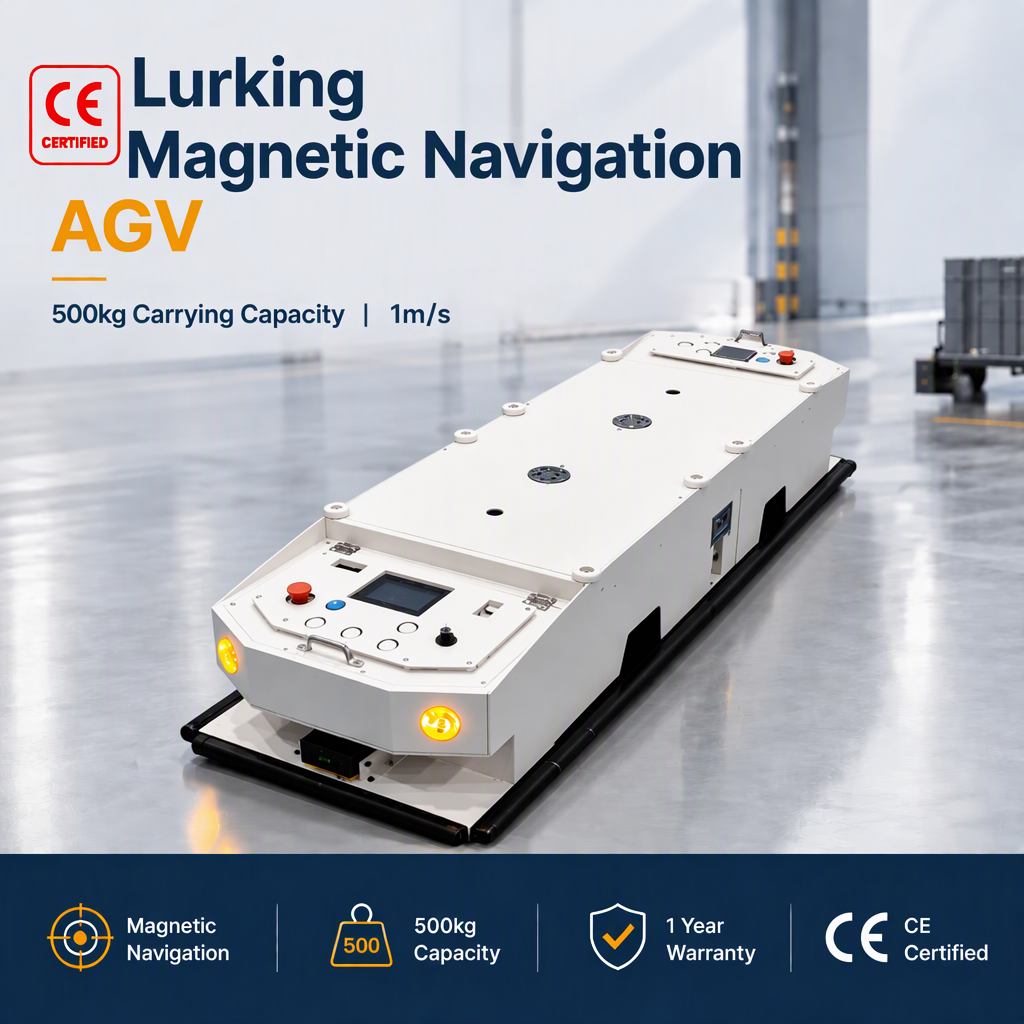
TZBOT CE Approved 500kg Bidirectional Lurking Robot 500kg Towing Capacity Material Handling Equipment Magnetic Navigation AGV
A CE-approved 500 kg bidirectional lurking robot with towing capacity for cross-dock moves, line-side replenishment and repetitive short-route transport.
- 500 kg
- Bidirectional
- Magnetic navigation
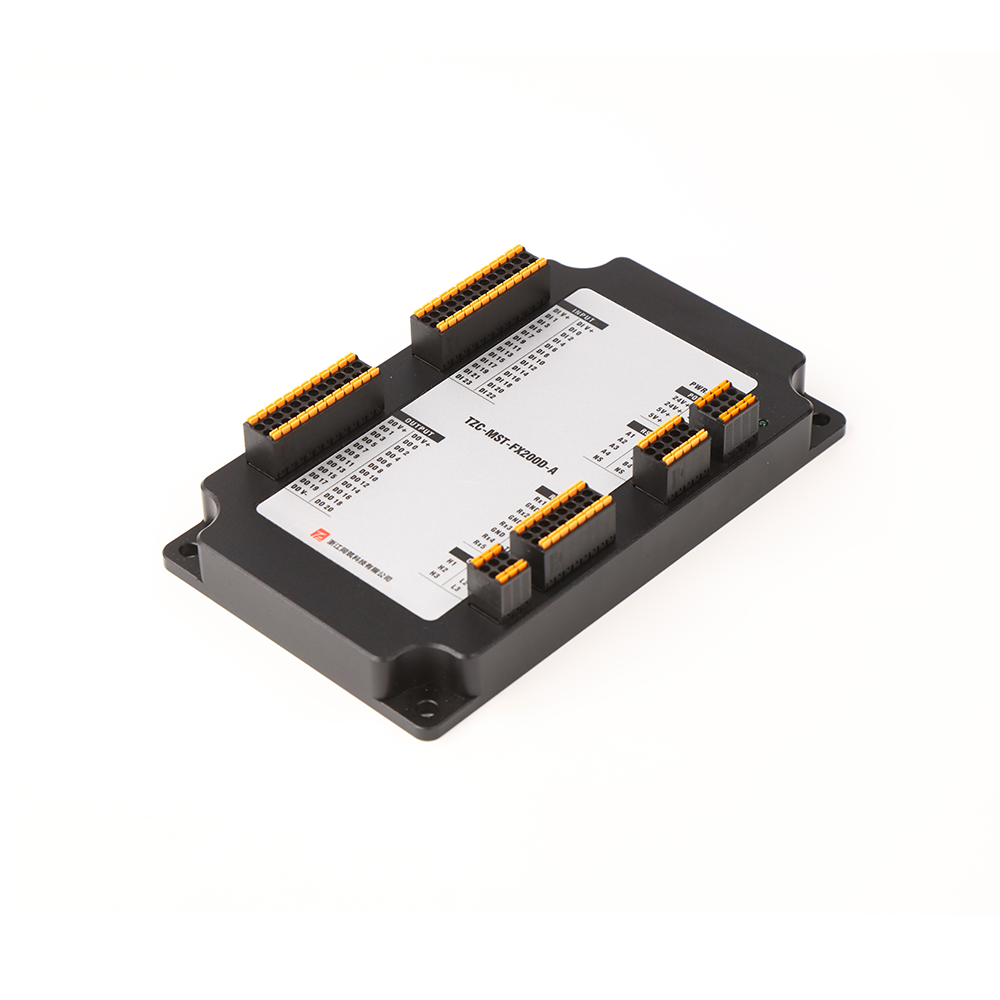
AGV Accessories Automated Guided Vehicle Controller with 19V~29V Power for AGV Robot
A 19–29 V automated guided vehicle controller for compact AGV/AMR builds, maintenance replacement and integrator-led prototyping.
- 19–29 V
- AGV accessory
- Robot control
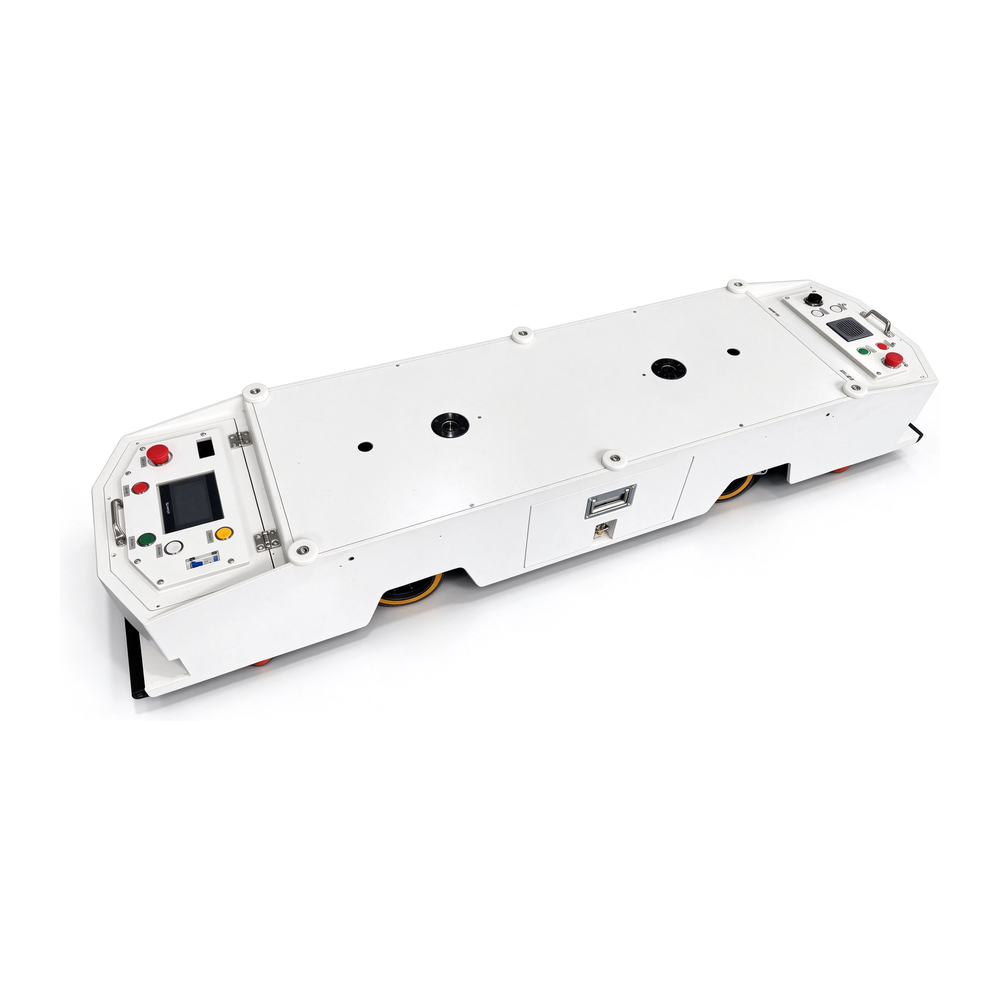
TZBOT 2500KG Lurking AGV Unmanned Control 8H Long Endurance Material Handling Mobile Robot for Shelf Towing
A 2,500 kg shelf-towing mobile robot with 8-hour endurance for dense warehouse, 3PL and distribution-center flows where uptime and route consistency drive ROI.
- 2500 kg
- 8H endurance
- Shelf towing
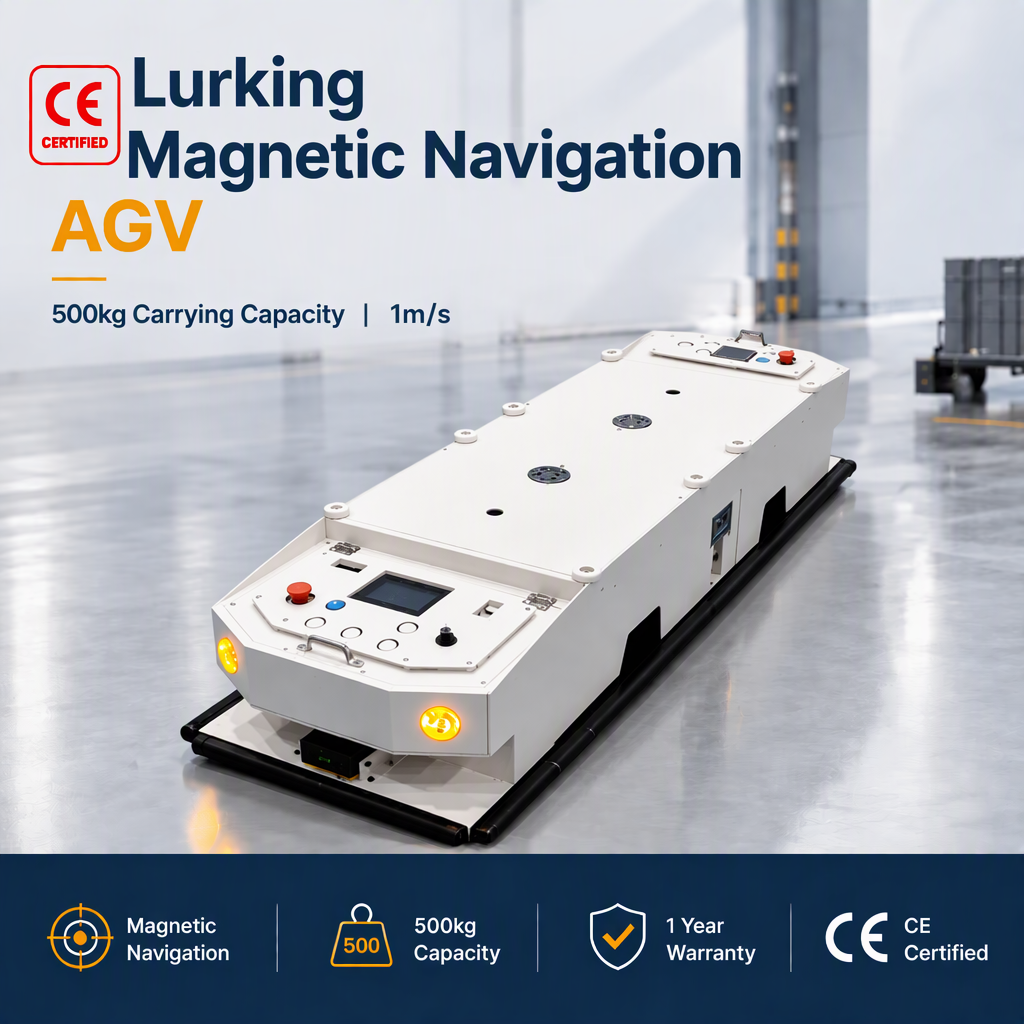
TZBOT EU CE Lurking AGV Material Handling Equipment Logistic Automation 500kg Bidirectional Magnetic Guidance Mobile Robot
A 500 kg bidirectional magnetic-guidance mobile robot for logistics automation projects that require an EU CE configuration and repeatable station-to-station delivery.
- 500 kg
- EU CE
- Magnetic guidance
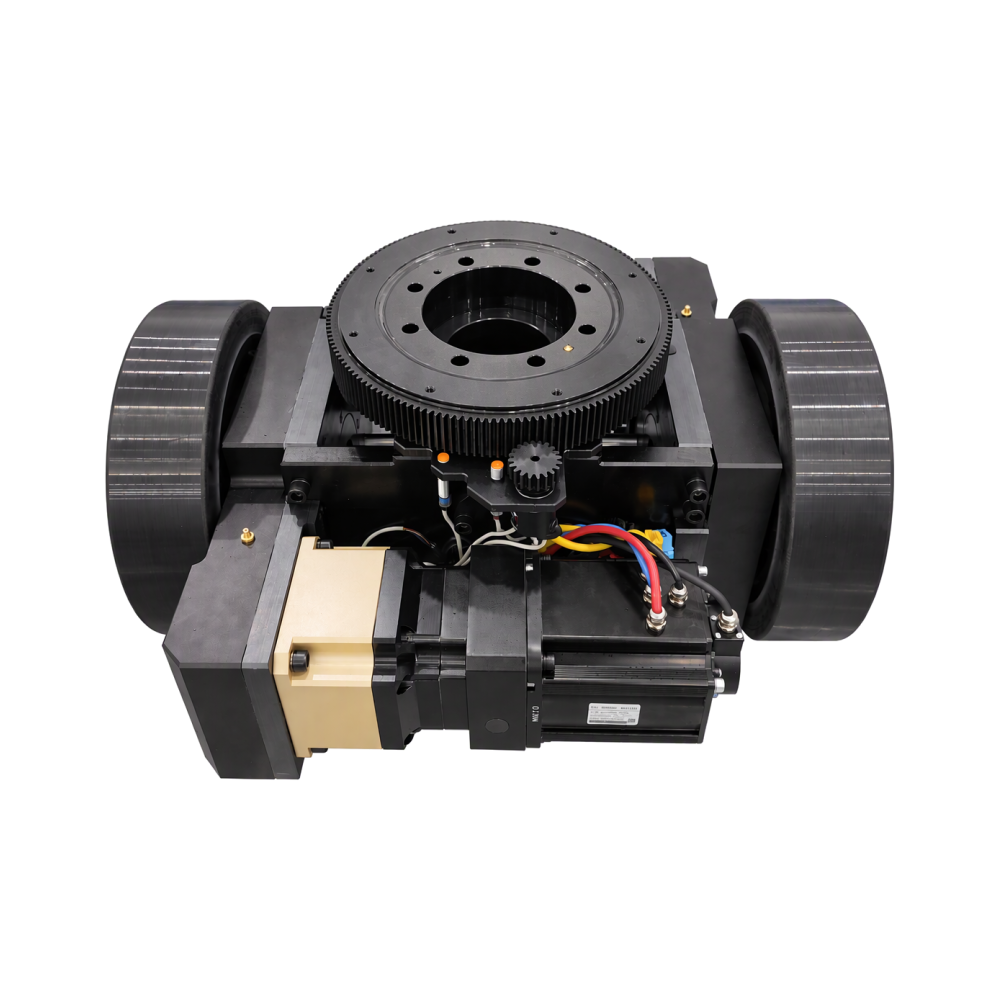
TZBOT Heavy Duty Series Robot Wheel 3000kg Bearing Capacity AGV Material Handling Equipment Differential Drive Wheel Assembly
A 3,000 kg bearing-capacity differential drive wheel assembly for heavy loads, robust duty cycles and low-speed precision in industrial vehicle platforms.
- 3000 kg
- Differential drive
- AGV wheel
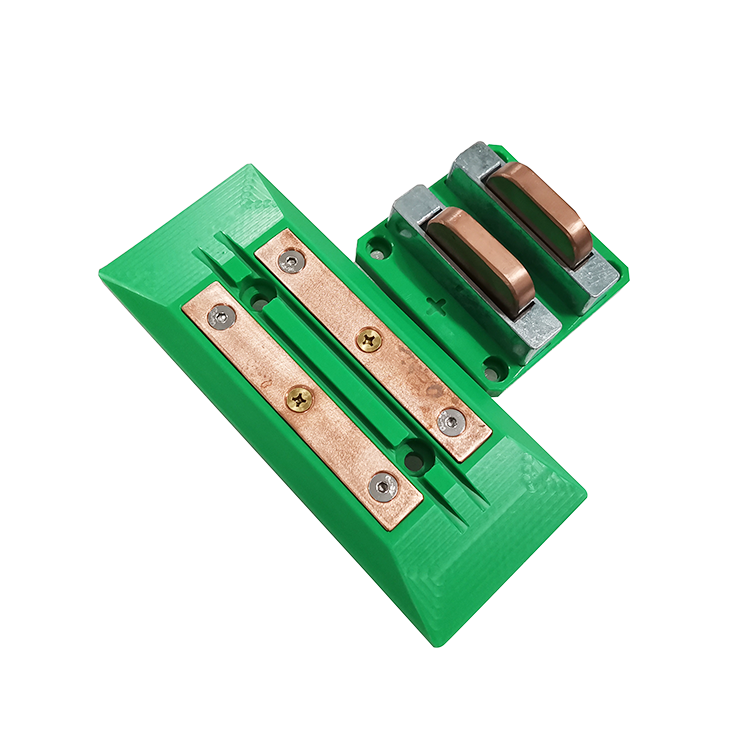
TZBOT Charger Pad Model TZ-CP-50A with Brush Plate and Brush Block for AGV Navigation Vehicles
A TZ-CP-50A charger pad with brush plate and brush block for automatic opportunity charging in AGV fleets, reducing manual charging labor and battery-window risk.
- TZ-CP-50A
- Brush plate
- AGV charging
Why San Antonio Is a Practical Market for Laser-Guided Forklift Suppliers
San Antonio sits at a useful intersection of Texas distribution and industrial demand: I-10, I-35, I-37, US-90 and Loop 1604 connect local warehouses to Austin, Houston, Dallas–Fort Worth, Laredo and the Mexico border. The region also combines military logistics, aerospace and MRO activity, health care, food and beverage distribution, manufacturing and a growing 3PL base. For a warehouse operator in Bexar County, the question is rarely “should we automate?” It is “which material-handling step can we automate without disrupting receiving, put-away, picking or trailer loading?”
That is where a laser guided forklift supplier becomes useful only when the underlying motion platform is matched. Laser navigation, magnetic tape, RFID station tags and lidar obstacle avoidance solve different problems. A vehicle that drifts at a dock plate, loses wheel traction on a washdown floor or cannot hold a tight aisle is not fixed by adding a sensor. It is fixed by selecting the right steering drive, differential wheel, controller, charger and navigation stack as one system.
Torqen is not positioned as a same-day local stock warehouse for San Antonio. We are a manufacturer and export supplier of AGV drive-wheel assemblies, controllers, sensors and accessories, serving OEMs and integrators that deploy laser-guided forklifts and mobile robots in Texas. That distinction matters for procurement: ask for engineering response time, drawing control, sample validation, shipping terms and spare-parts planning — not just a unit price.
San Antonio Procurement Lens
- Confirm whether the vehicle platform runs on 24 V, 48 V or another DC bus voltage before specifying a controller or charger.
- Measure aisle width, dock-plate transitions, ramp grade, floor joints and washdown exposure; drive-wheel tread and diameter affect real throughput.
- Separate fixed-route movement from flexible movement: magnetic guidance is efficient for stable lanes, while lidar/SLAM is better where layout changes are frequent.
- Ask for matched motor, reducer, encoder, brake and mounting interface data, not isolated component catalogs.
- For Texas delivery, confirm Incoterm, export packing, freight forwarder and commissioning documentation before the purchase order is released.
- Check whether the supplier can support OEM labeling, sample-based customization and replacement-part traceability after commissioning.
Localized Application Scenarios: Where Laser-Guided Forklifts Earn Their Cost
San Antonio buyers rarely automate an entire facility at once. Successful projects usually begin with one repeatable flow, prove the route, then expand the fleet. These four scenarios are common starting points for AGV and laser-guided forklift deployment.
Cross-Dock and 3PL
Repeated trailer-to-staging moves near I-35 and Loop 1604 benefit from bidirectional AGVs that reduce empty travel and keep routes predictable during shift changes.
- 500 kg bidirectional lurking robot
- 2,500 kg shelf-towing AGV
- TZ-CP-50A opportunity charging
Food, Beverage and Cold Chain
San Antonio’s food distribution and cold-chain operations need repeatable transport without adding congestion. Specify wheel tread, condensation handling and charger placement early.
- EU CE 500 kg magnetic AGV
- Matched AGV controller
- Brush-block charger pad
Aerospace, MRO and Defense Logistics
Port San Antonio and Joint Base San Antonio–linked supply chains often require documented quality, controlled routes and stable heavy-load movement rather than high-speed operation.
- 3,000 kg differential wheel
- 2,500 kg lurking AGV
- ISO 9001 production records
Manufacturing in Schertz, Seguin and New Braunfels
Suburban industrial parks along the I-35 corridor often have mixed pallet sizes, older concrete and limited aisle space. The drive unit and navigation method should match the floor before the fleet size is set.
- 1,500 W steering traction unit
- FX magnetic controller
- 19–29 V AGV controller
San Antonio Automation Trends That Affect 2025–2026 Procurement
Local buying decisions are shaped by broader Texas logistics trends. A supplier that understands these pressures can help avoid a specification that looks good on a quotation but fails during a live shift.
Nearshoring and Mexico-Connected Supply Chains
Cross-border manufacturing growth increases trailer turns, staging pressure and inventory velocity around San Antonio. Laser-guided forklifts and AGVs help stabilize repetitive moves when volumes rise faster than headcount.
Labor Turnover and Shift Consistency
For 3PL and distribution operations, training new forklift operators on tight aisles is expensive. Automated routes do not replace people; they reduce variance on the most repetitive transport tasks.
Safety, Insurance and Aisle Congestion
Pedestrian zones, blind corners and mixed forklift traffic push buyers toward lidar obstacle avoidance, predictable speed zones and RFID stop points. The sensor choice should be documented in the risk assessment.
Brownfield Integration, Not Greenfield Perfection
Many San Antonio facilities were not designed for robots. Low-clearance chassis, existing racking, uneven joints and mixed battery voltages require modular drive-wheel and controller options rather than a one-size-fits-all vehicle.
Engineering Guide: Select the Right Laser-Guided Forklift Platform
Use this guide to brief an OEM, integrator or internal maintenance team. The fastest way to shorten a sampling cycle is to send load, speed, floor, voltage and mounting data together.
Drive and Steering Type
Differential drive is compact and efficient for latent or jacking AGVs. A steering drive wheel is better for forklift-type vehicles that need controlled steering angles and repeatable docking.
- Differential: tight, low-cost turning
- Steering: controlled angle and side loading
- Horizontal: low-clearance chassis
Navigation Sensor Stack
Laser-guided navigation is not one component. It combines position feedback, obstacle sensing, station recognition and controller logic. Map the route first, then choose magnetic, RFID or lidar hardware.
- Stable lanes: magnetic guide
- Station logic: RFID tags
- Flexible routes: lidar/SLAM
Power, Charging and Controls
Battery voltage, charge window and controller compatibility determine whether a fleet can run multiple shifts. Automatic charging pads reduce manual handling but require dock tolerance planning.
- Match controller to DC bus voltage
- Confirm charge window per shift
- Plan brush wear and pad alignment
| San Antonio Application Requirement | Recommended Torqen Component Logic | Procurement Detail to Confirm |
|---|---|---|
| 500 kg short-route material movement | 500 kg bidirectional magnetic navigation AGV or EU CE lurking robot | Route length, floor friction, station count, charging position and required safety zone behavior. |
| Forklift-type steering and docking | 1500 W vertical electric traction wheel with steering control | Wheel diameter, mounting geometry, reduction ratio, encoder type, brake option and chassis clearance. |
| 2,500 kg shelf or cart towing | 2,500 kg lurking AGV shelf-towing robot with 8-hour endurance | Actual towing load versus payload, ramp grade, aisle width, battery exchange strategy and duty cycle. |
| 3,000 kg heavy-load movement | Heavy-duty differential drive wheel assembly | Shock load, floor condition, tire tread, acceleration limit and braking distance. |
| Legacy AGV controller replacement | 19–29 V AGV accessory controller or FX series magnetic guided controller | Existing wiring, motor feedback type, communication protocol, safety circuit and spare-part traceability. |
| Multi-shift opportunity charging | TZ-CP-50A charger pad with brush plate and brush block | Charge window, charger location, alignment tolerance, brush maintenance interval and battery chemistry. |
A Supplier Built Around Motion Control, Not Catalog Reselling
Zhejiang Torqen Technology Co., Ltd. was founded in 2015 and manufactures automatic guided vehicles, AGV drive-wheel assemblies, DC/AC motors, encoders, reducers, motor controllers, caster and PU wheels, in-wheel motor units and navigation accessories. Our engineering team works with OEM integrators to adapt torque, speed, voltage and mounting geometry to each vehicle platform.
The company operates a 1,000–3,000 m² factory with a 51–100 person team and annual output in the US$5M–10M range. Eight awarded patents and a practical testing culture support the kind of customization San Antonio buyers ask for: a longer-lasting wheel for a washdown floor, a controller that fits an existing battery bank, or a charger pad that tolerates dock misalignment.
Quality is not presented as a slogan. The quality management system is certified to ISO 9001:2015, the facility has been verified onsite by Intertek, finished products are inspected with five in-house testing instruments, and prototypes are run for extended periods before production release. Buyer feedback currently shows a 4.9/5 rating and a 97.9% inquiry response rate.

Inside the Factory, Quality Lab and Engineering Workflow
For buyers evaluating a laser guided forklift supplier serving the San Antonio market, factory evidence matters as much as a product photo. These images show the production, assembly, inspection and support environment behind the component catalog.
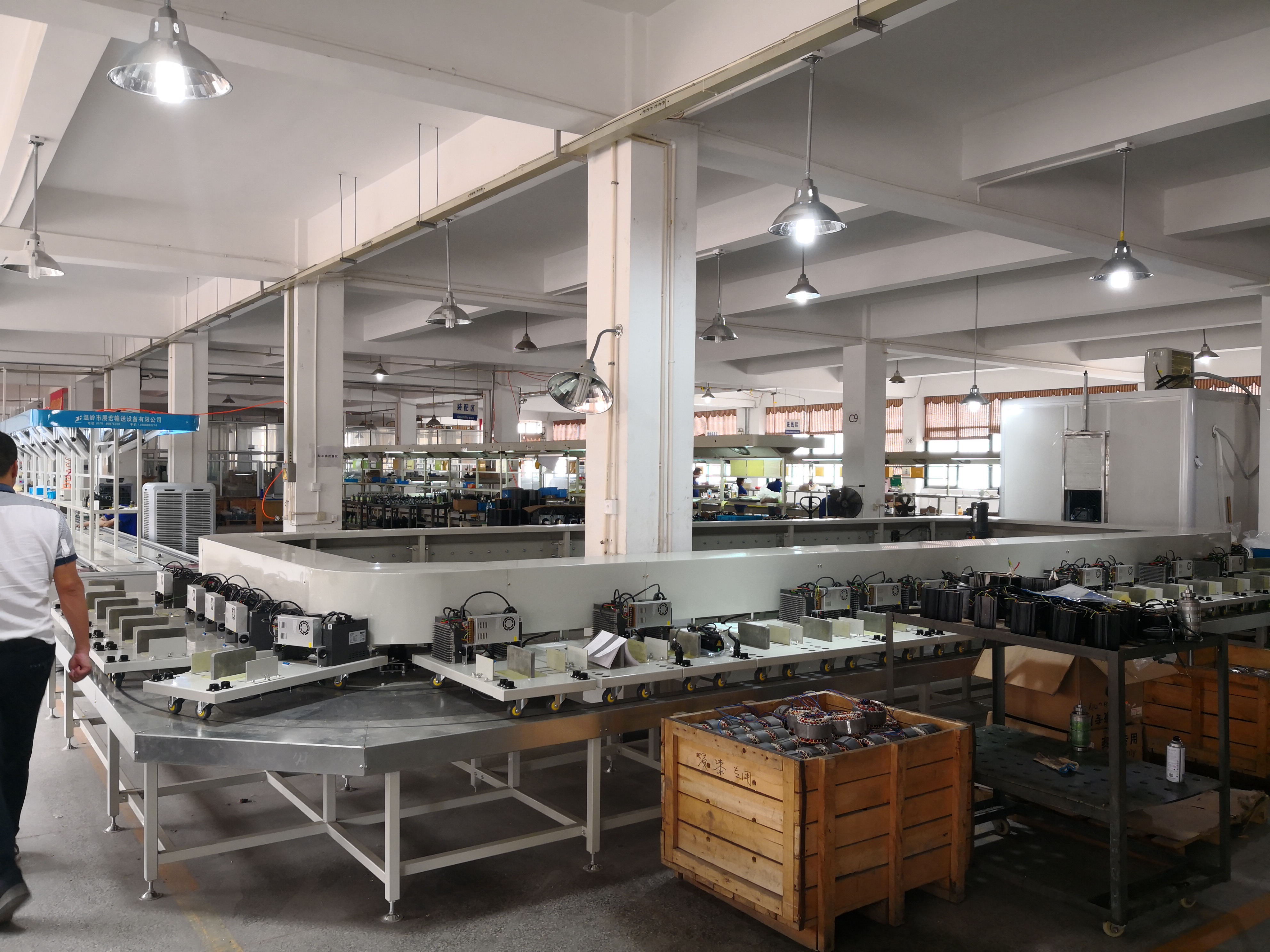
Drive-wheel assembly workshop for AGV and forklift motion platforms.
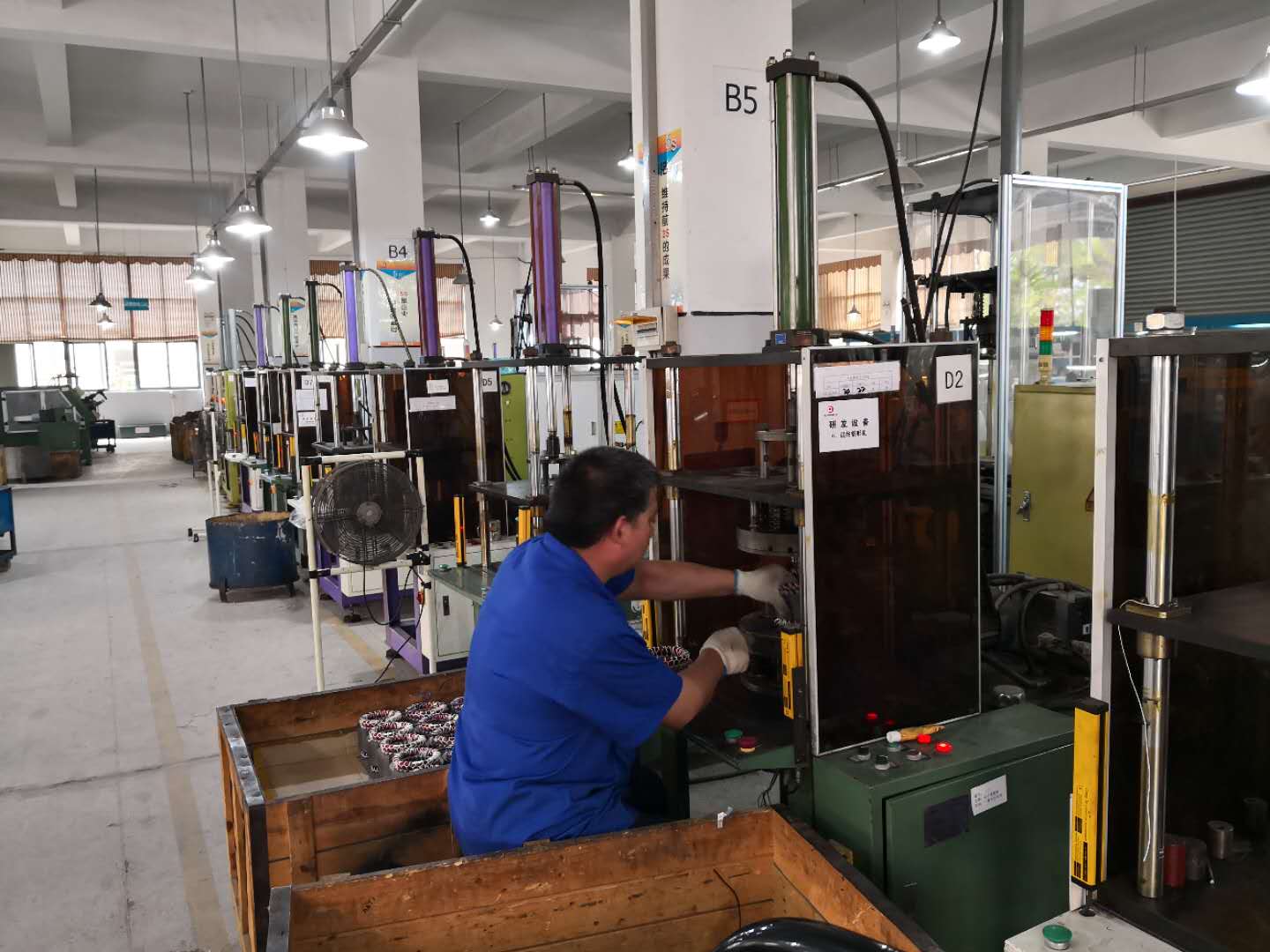
Engineering review and quality inspection before product release.

Technical support team handling OEM/ODM questions and export documentation.
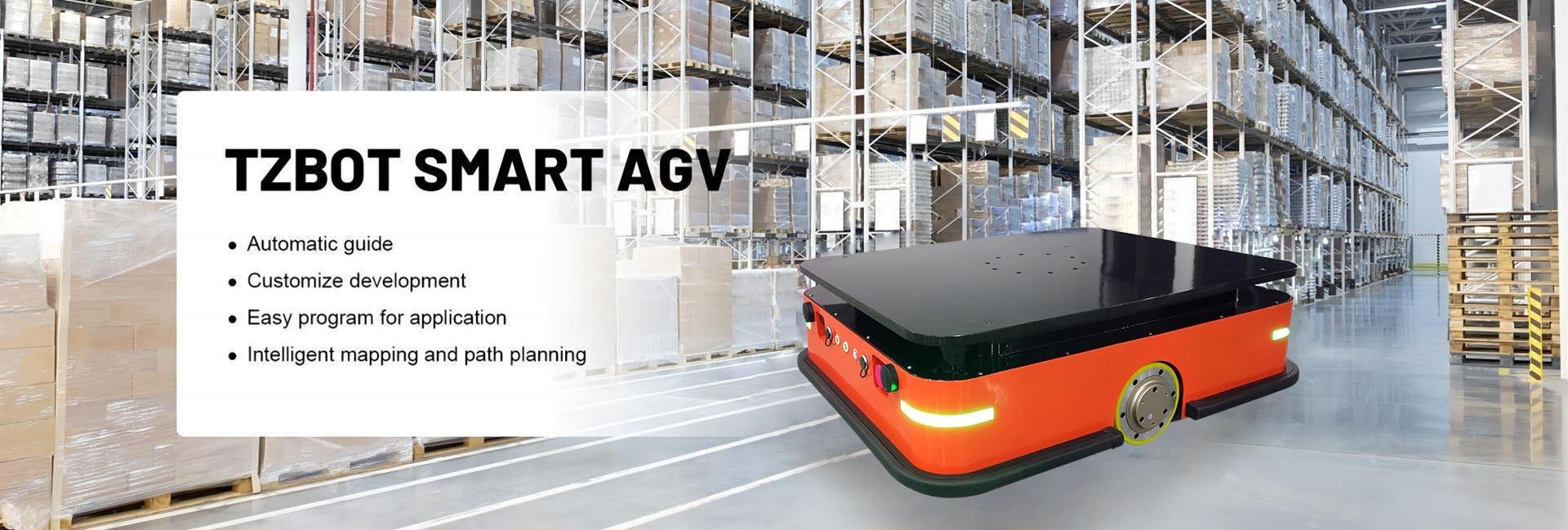
Material-handling platforms built around matched drive, control and sensor components.
San Antonio Laser-Guided Forklift Procurement FAQ
These are the questions OEMs, integrators, maintenance managers and 3PL buyers commonly ask before requesting a component quotation.
Are you a laser guided forklift supplier serving San Antonio and Bexar County?
Torqen supplies AGV drive wheels, steering units, controllers, navigation accessories and charging components to OEMs, integrators and facility teams, with export support for the San Antonio market. We are a manufacturer, not a same-day local stock warehouse in Texas. A typical inquiry establishes the required component, mounting data, voltage and delivery destination, then confirms lead time and shipping terms.
Can you customize a drive wheel or controller for an existing forklift or AGV chassis?
Yes. We support sample-based customization, design-based customization, OEM production and buyer-label packaging. Useful inputs include motor power, voltage, reduction ratio, wheel diameter, tread material, encoder type, brake option, mounting interface and the chassis drawing. For a retrofit, send photos of the existing assembly and the controller wiring diagram where available.
Which navigation setup is more suitable for a San Antonio warehouse: magnetic, RFID or lidar?
Magnetic guidance is cost-effective for fixed lanes with little layout change. RFID is useful for station recognition, speed zones and junction logic. Lidar or SLAM is better where routes change frequently or where floor tape is impractical. Many projects use a hybrid approach: magnetic tape for stable aisles, RFID tags for stops, and lidar for obstacle avoidance. Confirm floor conditions, pedestrian traffic and aisle width before selecting the stack.
What quality evidence can procurement review before ordering?
Review the ISO 9001:2015 certification, Intertek onsite verification, product inspection process, testing-instrument list, patent documentation and relevant drawings. Torqen performs finished-product inspection with five in-house testing instruments and runs prototypes for extended periods before production release. For repeat orders, ask for traceable production records and a spare-parts list.
What payment, shipping and delivery terms are available for Texas buyers?
Payment methods include T/T, L/C, D/P, D/A, MoneyGram, credit card, PayPal, Western Union, cash and escrow, with currencies such as USD, EUR, JPY, CAD, AUD, HKD, GBP and CNY. Delivery terms include FOB, CFR, CIF, EXW, CIP, FCA, CPT, DDU and express delivery. Final lead time depends on whether the item is a standard component, a customized sample or a production batch.
Do you support trial orders, OEM labels and after-sales replacement parts?
Yes. We support trial orders, OEM labels, sample-based customization and design customization. After commissioning, replacement-part planning should include wear items such as wheel tread, brush blocks, charger contact surfaces and controllers. Share the original order details or product label so the replacement configuration can be matched as closely as possible.
Request a San Antonio-Ready Component Shortlist
Send payload, aisle width, floor condition, battery voltage, navigation preference and annual volume. Our engineers will map the drive wheel, controller, sensor and charger combination for your laser-guided forklift or AGV project.
info@torqenbot.com