Laser Navigation AGV Sourcing for Querétaro's Industrial Ecosystem
Querétaro sits at the intersection of Mexico's Bajío automotive corridor, aerospace manufacturing, logistics parks and food-grade production. For plant engineers, the question is no longer whether to automate internal material flow, but how to specify a laser navigation AGV platform that can be supported, maintained and expanded without creating a single-vendor bottleneck.
Zhejiang Torqen Technology Co., Ltd. has manufactured automatic guided vehicles, AGV drive wheel assemblies, DC and AC motors, encoders, reducers, servo and BLDC motor controllers, magnetic guide sensors, RFID position sensors, caster wheels and PU wheels since 2015. Torqen is an export-oriented manufacturer based in Zhejiang, China, not a local warehouse operator in Querétaro. For buyers serving Querétaro, that distinction is useful: engineering changes, prototype testing, drive-train matching and factory-level quality control are handled directly by the people who build the components.
The company's quality management system is certified to ISO 9001:2015 and has been verified onsite by Intertek. Torqen reports eight awarded patents, a 4.9/5 buyer rating, a 97.9% inquiry response rate and a 51–100 person team. More importantly for AGV integrators, the wheel, motor, driver and sensor are developed as one motion system, which reduces integration risk when a laser navigation AGV must stop precisely at a conveyor, lift a 1,000 kg cart or rotate inside a compact cell.
Why Querétaro Is a High-Value Market for Laser Navigation AGVs
Querétaro's manufacturing base rewards automation that can be reconfigured quickly. Laser navigation AGVs are attractive where floor tape would be difficult to maintain, where product mixes change, or where high-value parts need repeatable, traceable movement.
Automotive & Tier 1 Line-Side Delivery
Querétaro's automotive cluster uses sequenced kitting, line-side replenishment and cross-plant transfers. A laser navigation AGV can move totes or carts without fixed magnetic paths, while RFID tags or QR markers provide stable station recognition where laser-only positioning is not enough.
Aerospace Tooling & Composite Transport
Aerospace operations in Querétaro place a premium on smooth acceleration, controlled braking and clean material handling. Heavy-duty AGV wheels with spring suspension and matched servo control help protect tooling, composite structures and precision fixtures during low-speed moves.
Logistics Parks & Cross-Docking
Warehouses and 3PL operations connected to the Bajío corridor need repeatable pallet, cart and tote movement. AGV drive units must handle ramps, dock transitions and long shifts, so 48V high-power drive wheels, opportunity charging and accessible spare parts become procurement priorities.
Food-Grade, Pharma & Clean Material Flow
For food, beverage, pharmaceutical and packaging operations, AGV specification should include wheel tread selection, cleaning protocol, floor condition and sensor protection. A smooth, sealed drive assembly and clearly documented maintenance interval are often more valuable than maximum speed.
Querétaro Market Trends Reshaping AGV Procurement
Nearshoring has increased the number of production changes a plant must absorb. That pressure is changing how Querétaro buyers evaluate AGV suppliers: not simply on vehicle price, but on reconfigurability, spare-parts strategy and engineering support.
Nearshoring-Driven Modular Automation
Querétaro plants are adding capacity in phases. Modular AGV platforms allow a buyer to start with one or two vehicles, then add chargers, sensors, drive units and controllers as the process matures. This favors component suppliers that can support small-batch customization and later volume production.
Hybrid Navigation: Laser SLAM + Magnetic or RFID
Laser SLAM gives layout freedom, but many production stops still need deterministic accuracy. A pragmatic Querétaro design combines laser navigation for routes, magnetic tape or RFID tags for station confirmation, and lidar obstacle avoidance for shared pedestrian zones.
Safety and Standards Readiness
Procurement teams increasingly ask for safety documentation before a pilot. AGV projects should be reviewed against applicable industrial truck safety standards, electrical installation requirements and internal EHS rules. For laser navigation AGVs, emergency stop, bumper strips, lidar fields and speed zones belong in the original specification.
48V, Higher Payload and Energy Efficiency
Querétaro's automotive and logistics projects are moving toward heavier carts and longer shifts. Demand is rising for 48V servo drive wheels, 2,000–3,000 kg differential units, spring suspension, and automatic charger pads that reduce manual battery handling.
Spanish-Language Integration and Documentation
Local maintenance teams need wiring diagrams, parameter lists, alarm definitions and training material that can be understood on the floor. Querétaro buyers should confirm HMI language, label requirements, spare-parts naming and escalation contacts during the RFQ stage.
Traceability and Uptime Economics
AGV specifications are shifting from purchase price to lifecycle cost. Buyers ask about drive-wheel service life, encoder feedback, controller protection, charger durability and spare-parts availability. A well-documented bill of materials is now part of the commercial proposal.
Localized Laser Navigation AGV Application Scenarios in Querétaro
These are the scenarios where Querétaro buyers most often request drive wheels, controllers, charger pads and sensors from Torqen. Each scenario changes the payload, floor interface, stop accuracy and service-access requirements.
Automotive Line-Side Kitting
Laser navigation AGVs move kitted totes from supermarket areas to assembly stations. The vehicle must stop within a tight window, avoid pedestrian crossings and communicate with Andon or MES systems. A 1,000 kg horizontal drive wheel with precise servo control is often sufficient, while a 2,000 kg differential drive unit with spring suspension is preferred for heavier carts and uneven floors.
Aerospace Tooling Transport
In aerospace operations around Querétaro, fixtures and composite parts can be high-value and sensitive to vibration. The drive unit should provide smooth acceleration, controlled deceleration and stable low-speed motion. A servo drive wheel, matched controller and parameter file reduce the commissioning time for integrators who must prove repeatability before production release.
Logistics and Cross-Docking
AGVs in logistics parks handle pallet movers, roll cages and order-picking carts. Laser navigation allows routes to change as racking or dock areas are reconfigured. For long shifts, 48V drive systems, high-efficiency controllers and an automatic charger pad can reduce downtime compared with manual charging routines.
Food, Packaging and Pharma Flow
Material flow in regulated environments must be clean, predictable and auditable. The AGV specification should define wheel tread, floor finish, cleaning chemicals, lidar protection and maintenance access. RFID position sensors can confirm station arrival, while laser obstacle avoidance supports safe movement through shared corridors.
Recommended Torqen AGV Products for Querétaro Integrators
The following eight components are practical building blocks for laser navigation AGV, AMR and automated cart projects. Selection should follow payload, floor condition, route width, battery voltage, stop accuracy and service-access requirements. Every product link below is preserved for direct technical review.
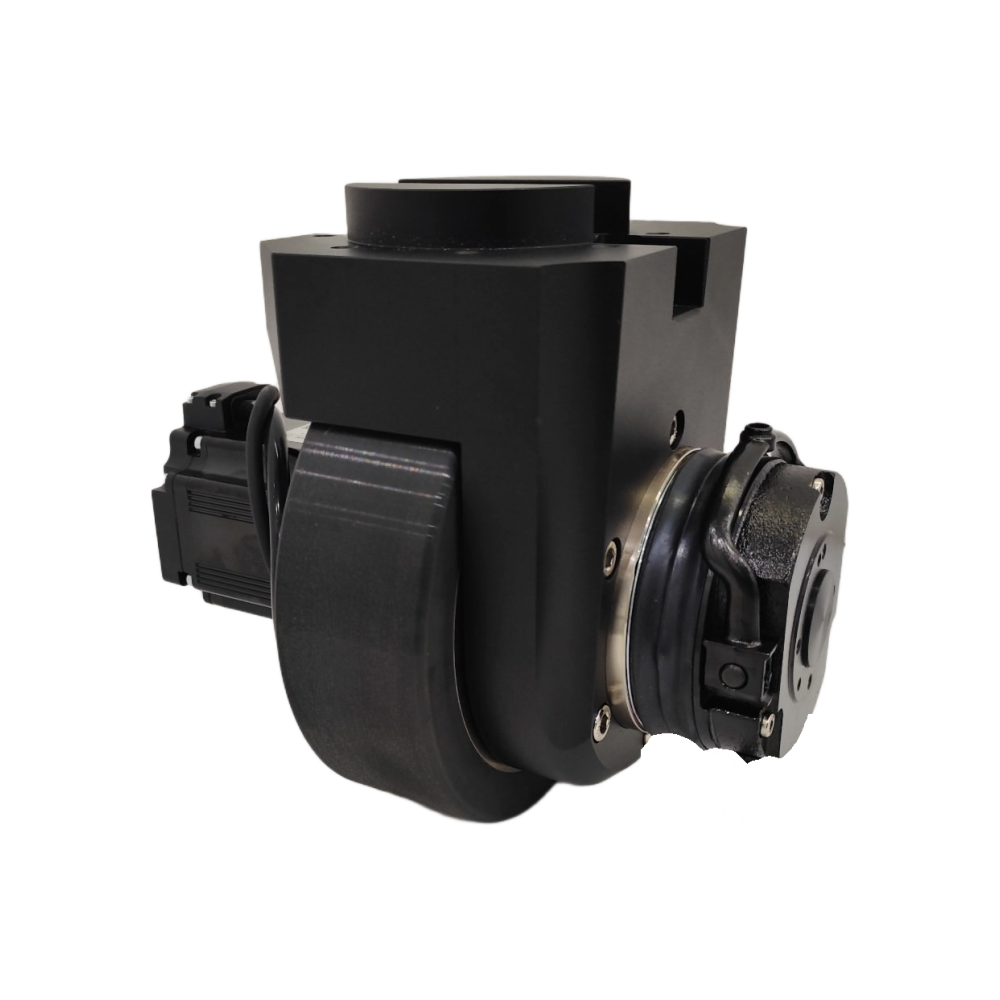
TZBOT Compact Structure agv Wheel Imported Polyurethane 1000kg Load Duty Mobile Robot Horizontal Drive Wheel Unit
A compact horizontal drive wheel for low-clearance AGV chassis. The imported polyurethane tread supports smooth indoor motion, and the 1,000 kg class fits cart, tote and light pallet applications in Querétaro assembly and warehouse projects.
- 1000 kg class
- Imported PU tread
- Horizontal layout
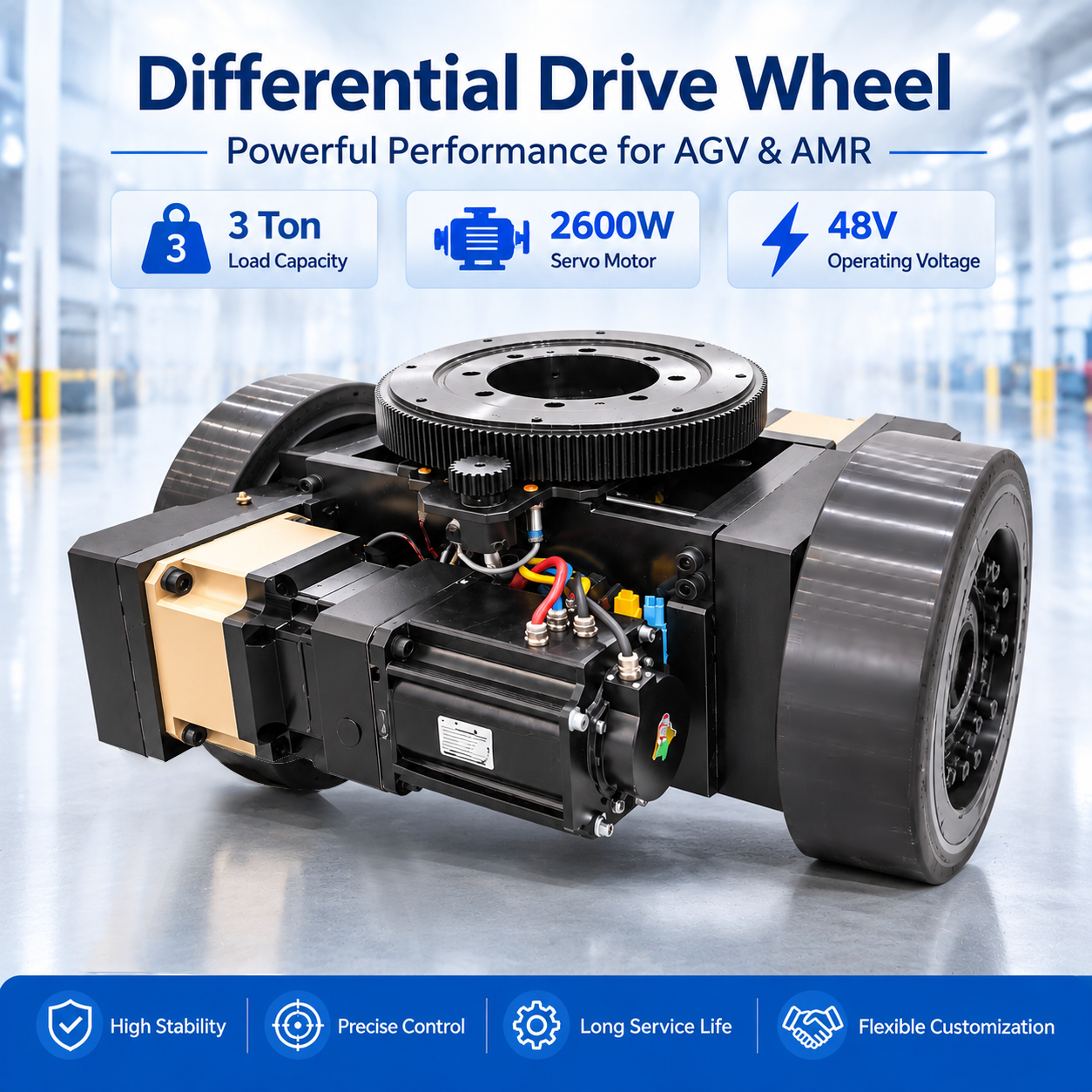
TZBOT Customizable 3000kg Load Capacity agv Wheel Automatic Guided Vehicle Differential Drive Wheel with 2600w 48V Servo Motor
For heavy carts, towed loads and demanding logistics routes, this 3,000 kg differential drive wheel pairs a high-power 2,600 W 48V servo motor with customizable interfaces. It is relevant for Querétaro projects where standard AGV wheels lack torque margin.
- 3000 kg capacity
- 2600 W / 48V servo
- Customizable
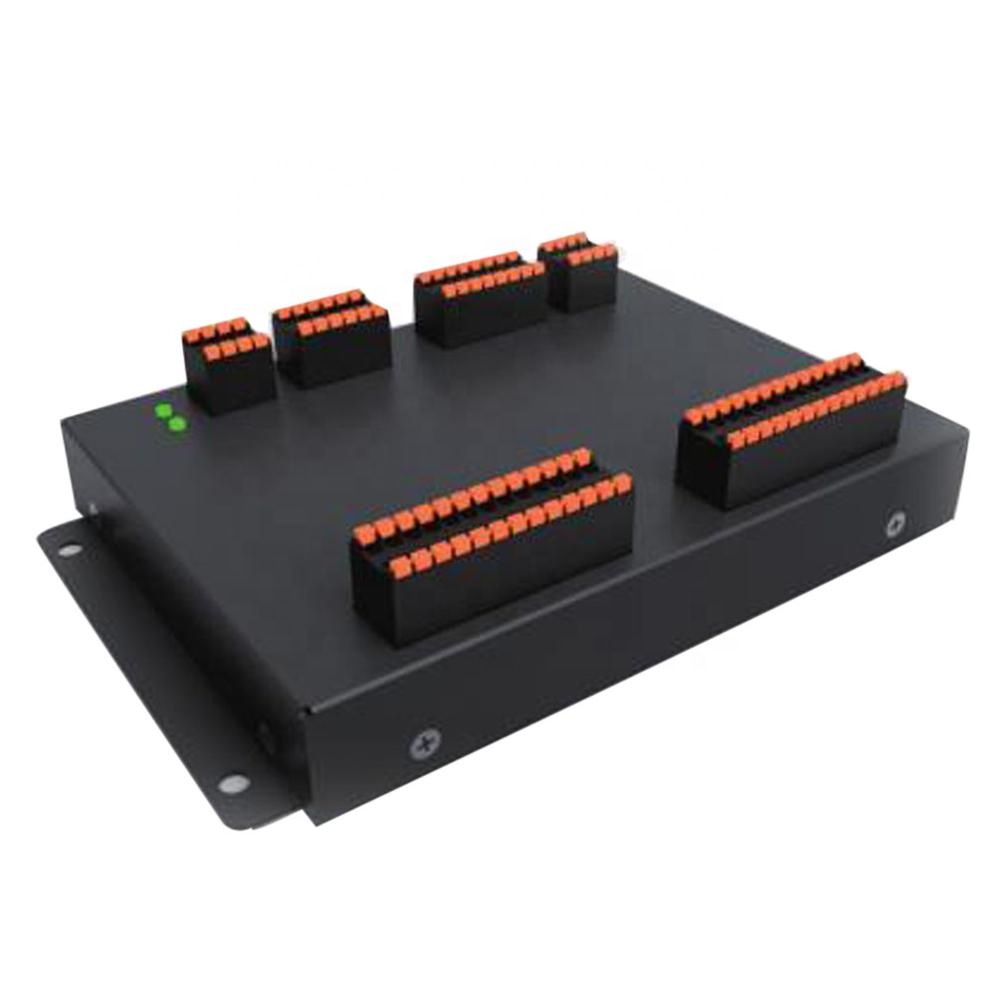
TZBOT Smart Controller TZC-MST-FX200D-A for Guiding the AGV Robot
A compact smart controller for AGV guidance and motion coordination. It suits integrators building or retrofitting laser navigation AGV platforms that need a practical control layer between sensors, drive wheels and the vehicle supervisory system.
- AGV guidance
- Retrofit friendly
- System integration
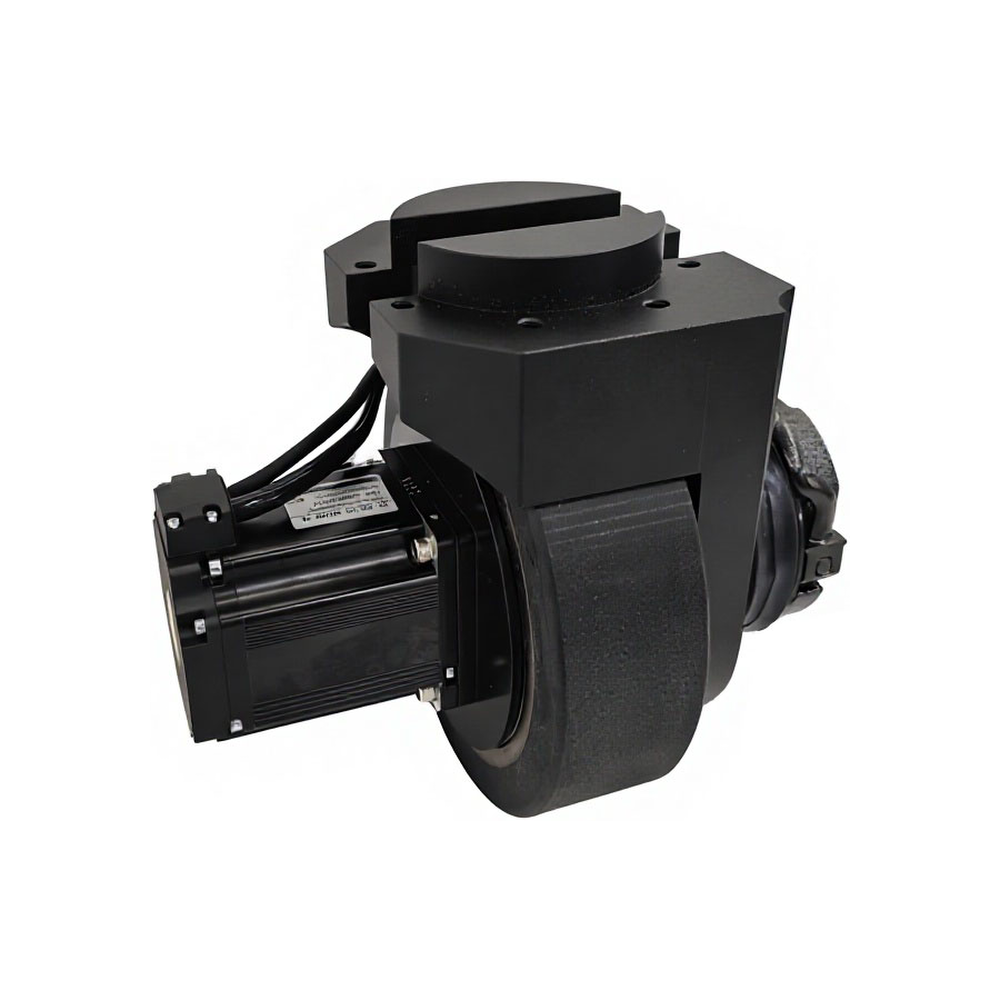
TZBOT agv Wheel Traction Accessories 1000kg Heavy Duty Capacity Material Handling Equipment Part Horizontal Drive Wheel Assembly
A 1,000 kg heavy-duty horizontal drive wheel assembly for material handling equipment. This is a practical replacement or new-build component when a Querétaro maintenance team needs a familiar mounting envelope and straightforward service access.
- 1000 kg heavy duty
- Horizontal assembly
- Material handling part
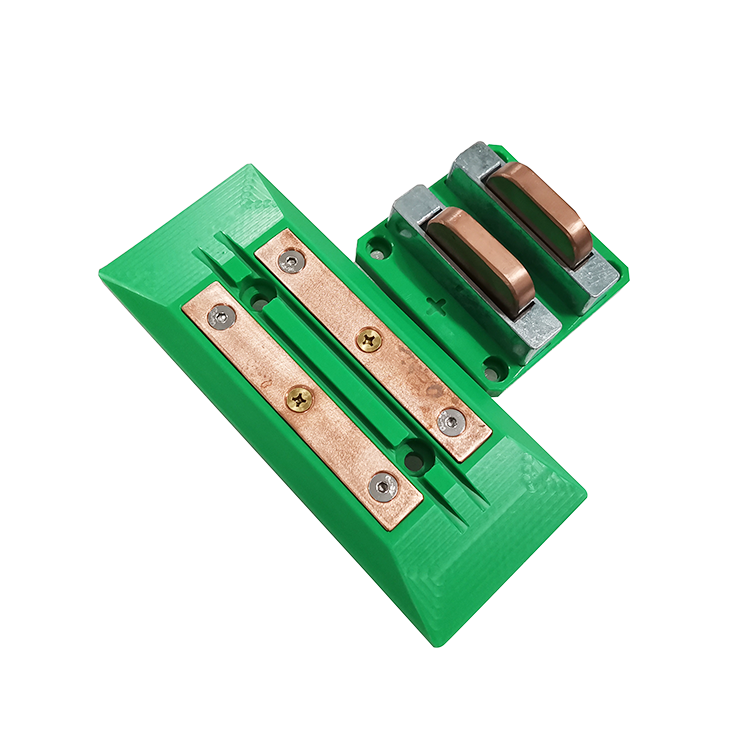
TZBOT Charger Pad Model TZ-CP-50A with Brush Plate and Brush Block for AGV Navigation Vehicles
An automatic charging pad concept for AGV fleets that need opportunity charging without manual cable handling. The brush plate and brush block design supports repeated docking. For Querétaro multi-shift operations, charger placement should be planned alongside route layout and battery strategy.
- TZ-CP-50A
- Brush plate
- Automatic docking
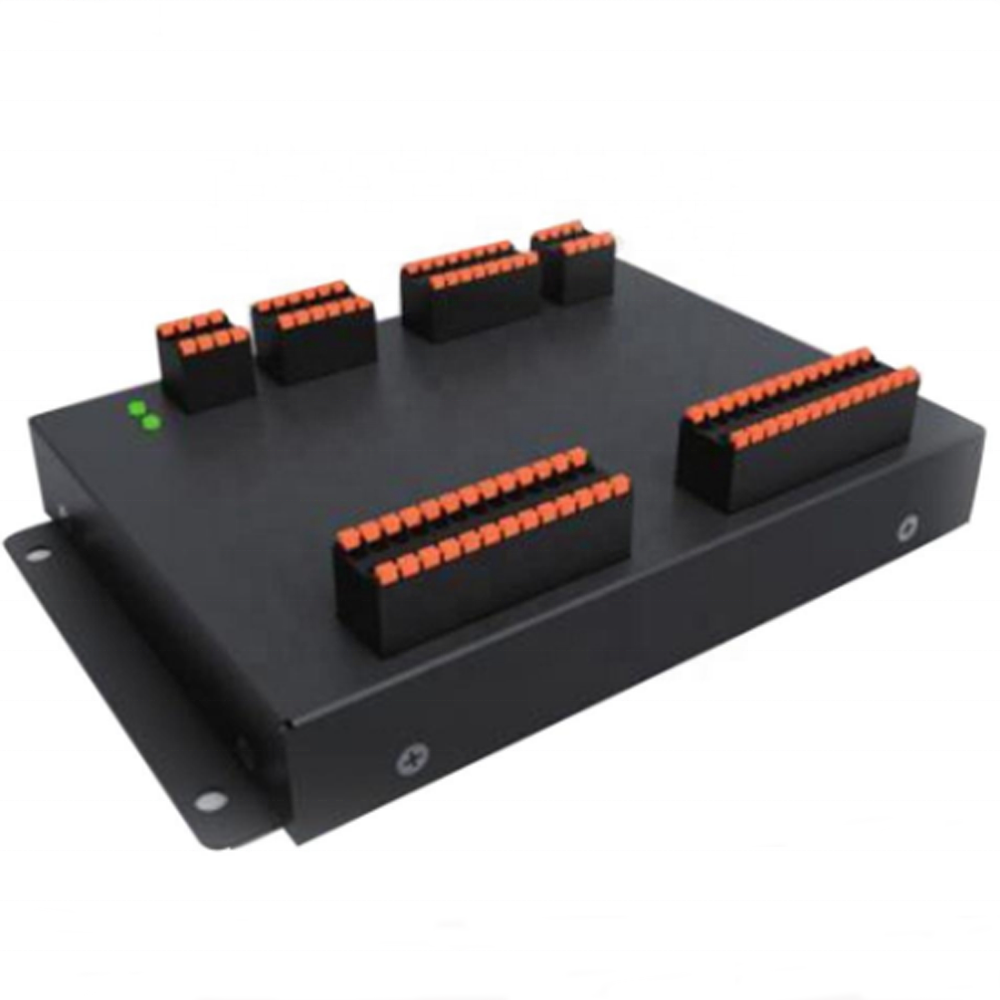
TZBOT FX Series Controller of HX Support Magnetic Tap Guided AGV
For hybrid navigation designs, this FX series controller supports magnetic tape guided AGV operation. It can be paired with laser navigation for flexible routing and magnetic guidance for repeatable approach zones, junctions or station confirmations.
- Magnetic tape guidance
- FX series
- Hybrid navigation ready

TZBOT Auto Guidance Mobile Chassis 1000kg Payload AGV Integrate Arm Robotic Intelligent Composite Robot
An auto guidance mobile chassis with 1,000 kg payload for composite robot projects that integrate a robotic arm or upper module. This configuration suits flexible machining cells, inspection stations and automated tending where the base must combine mobility with stable positioning.
- 1000 kg payload
- Composite robot base
- Arm integration
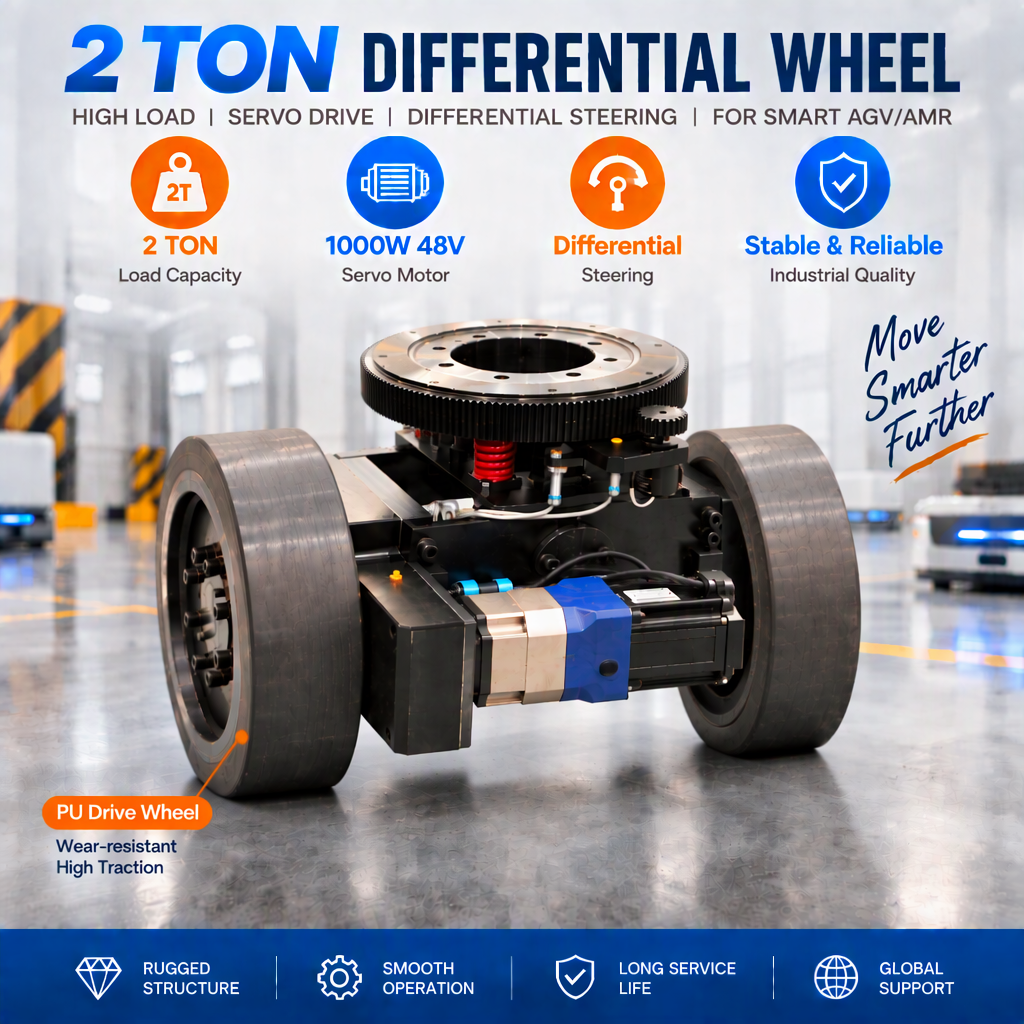
TZBOT 2000KG Heavy Duty Series AGV Wheel 1000w 48V Strong Power Mobile Robot Differential Drive Wheel with Spring Suspension
A 2,000 kg heavy-duty differential drive wheel with 1,000 W 48V power and spring suspension. This product is a strong fit for Querétaro logistics and automotive carts that encounter floor transitions, ramps or uneven travel surfaces while maintaining stable traction.
- 2000 kg heavy duty
- 1000 W / 48V
- Spring suspension
Match Drive, Control and Navigation Hardware Before You Buy
A laser navigation AGV is a system, not a vehicle shell. The drive wheel determines traction and turning behavior; the controller determines smoothness and protection; the navigation sensor set determines route flexibility and stop repeatability.
Drive Wheel Selection Matrix
| Drive type | How it steers | Best project fit |
|---|---|---|
| Differential drive wheel | Two driven wheels rotate at different speeds to turn, including zero-radius rotation. | Latent AGVs, jacking vehicles, cart movers, compact cells and heavier loads with spring suspension. |
| Steering drive wheel | A steering motor sets wheel angle while the drive motor controls travel speed. | Forklift-type AGVs, tricycle chassis, tuggers and vehicles requiring controlled steering angle. |
| Horizontal drive assembly | Motor and reducer are packaged horizontally to reduce deck height. | Low-clearance chassis, under-ride carts and applications where vertical space is limited. |
| Composite mobile chassis | AGV base carries an arm or process module and positions the complete robot. | Flexible tending, inspection, machine loading and mobile robotic workcells. |
Torqen Manufacturing Advantages for Querétaro Buyers
The commercial value of a manufacturer is not simply a lower unit price. For a Querétaro integrator, it is the ability to obtain a matched drive train, documented customization, reliable inspection and a clear escalation path when a vehicle prototype must be validated quickly.
One Factory for the Drive Train
Wheels, motors, reducers, encoders, servo and BLDC drivers, magnetic guide sensors, RFID sensors and charger accessories are developed around the same motion-control team. This reduces the compatibility risk that appears when four different vendors supply a single AGV platform.
Sample and Design-Based Customization
Torqen supports sample-based customization, design-based customization, OEM production, design services and buyer-label packaging. Typical adaptations involve motor power and voltage, reduction ratio, wheel diameter, tread material, encoder type, brake options and mounting interfaces.
Prototype Endurance and Inspection
Prototypes are run for extended periods before production release, and finished products pass inspection using in-house testing instruments. For a Querétaro pilot, this creates a clearer discussion about test evidence, parameter verification and acceptance criteria.
ISO 9001:2015 and Intertek Verification
The company's quality management system is certified to ISO 9001:2015, and the facility has been verified onsite by Intertek. These credentials do not replace project-specific validation, but they give procurement teams a documented starting point for supplier review.
Export Terms for Mexican Buyers
Torqen supports trade terms including FOB, CFR, CIF, EXW, CIP, FCA, CPT, DDU and express delivery. Payment options include T/T, L/C, D/P, D/A, credit card, PayPal, Western Union and other methods, with quotations available in USD, EUR, JPY, CAD, AUD, HKD, GBP and CNY.
Integration and After-Sales Support
The sales and technical team provides wiring diagrams, driver parameter guidance and commissioning assistance. Online support is structured for overseas buyers, and the reported 97.9% inquiry response rate reflects a process designed to keep Querétaro projects moving across time zones.

Factory and company profile: engineering, assembly and export coordination under one organization.
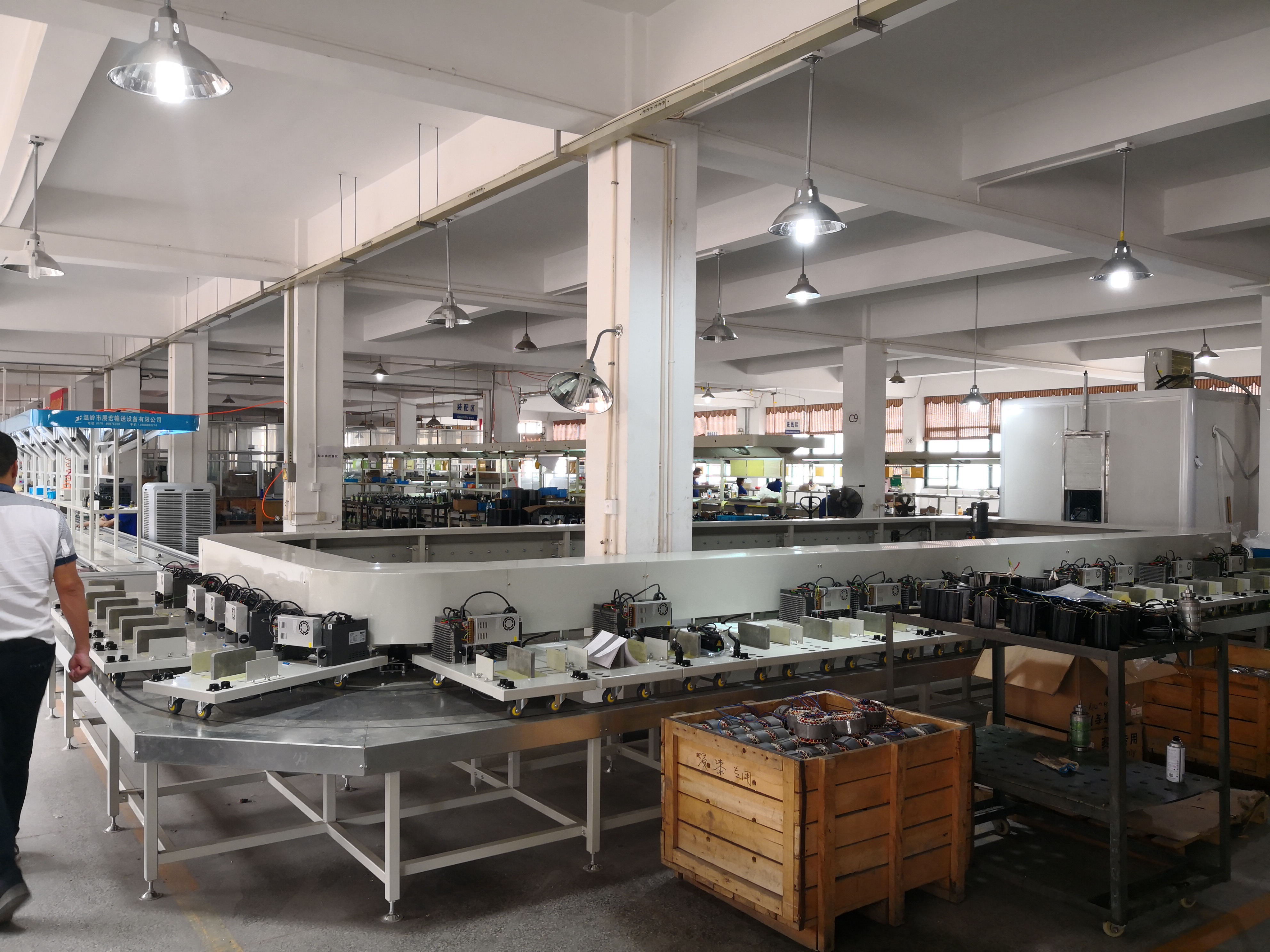
Drive wheel assembly area: matched motor, reducer and wheel components for AGV platforms.
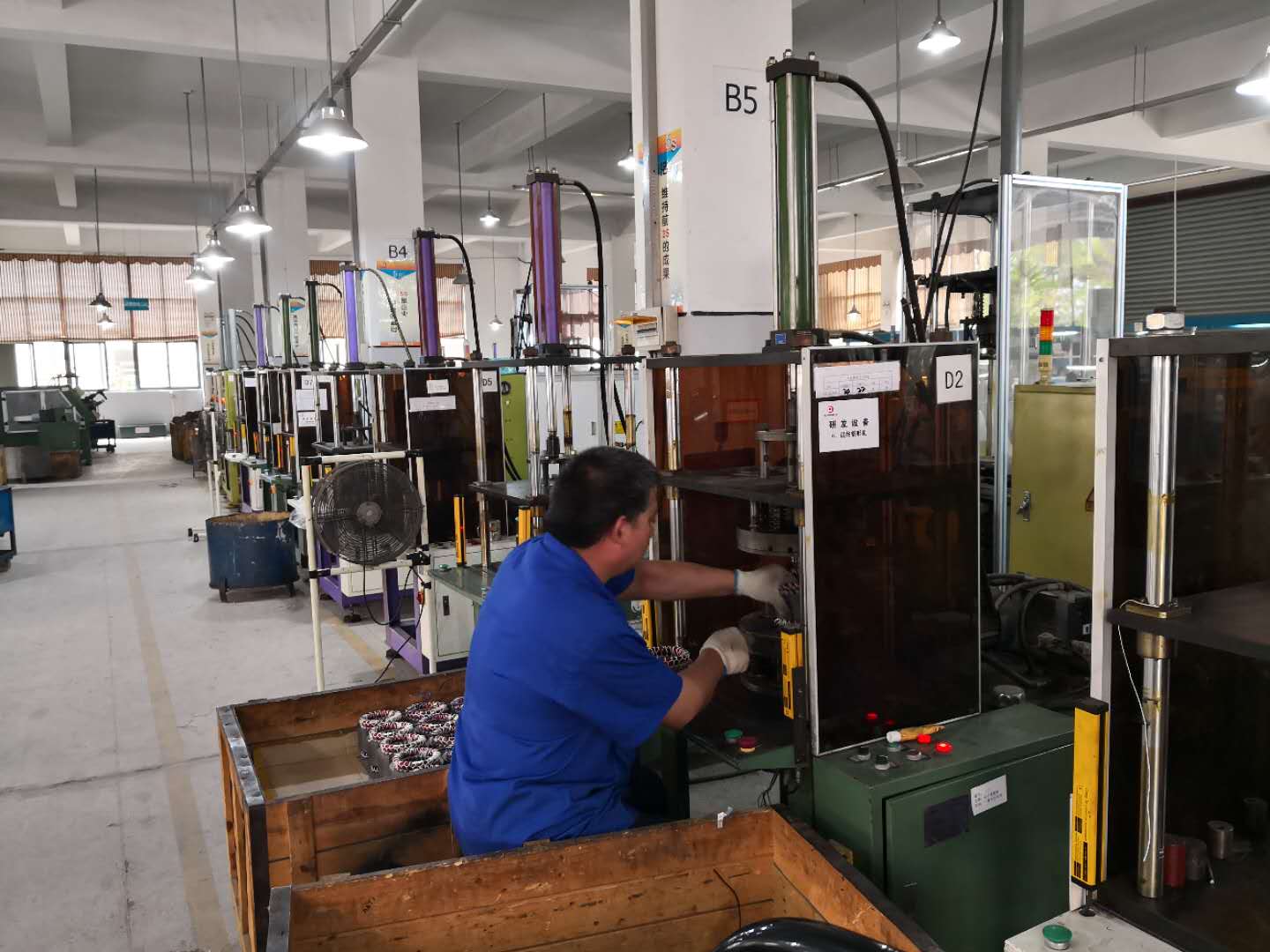
Quality inspection and engineering review before shipment to overseas integrators.
Local Procurement Questions for Laser Navigation AGV Projects
These are the questions Querétaro buyers commonly ask when comparing an international AGV component manufacturer with local integrators and trading suppliers.
Is Torqen a Querétaro-based AGV manufacturer or an international supplier?
Torqen is an international manufacturer based in Zhejiang, China, serving Querétaro buyers through export sales and local integration partners. This is important for procurement transparency: the factory provides the drive wheels, controllers, sensors and customization, while the importer, customs broker and local integrator coordinate installation and site-specific safety validation in Mexico.
Which navigation method fits Querétaro facilities: laser SLAM, magnetic tape or QR code?
Laser SLAM is best where routes change often and floor infrastructure should remain flexible. Magnetic tape is cost-effective for fixed routes and simple deployment. QR code navigation suits grid-based warehouse and goods-to-person systems. Many Querétaro projects use a hybrid approach: laser navigation for main routes, RFID for station confirmation and magnetic tape for final approach, charge docking or a controlled junction.
Can Torqen customize AGV drive wheels for 24V, 48V or high-payload chassis?
Yes. Torqen's customization scope includes motor power and voltage, reduction ratio, wheel diameter, tread material, encoder type, brake options and mounting interfaces. Querétaro buyers should share battery voltage, gross vehicle weight, maximum speed, ramp requirement and chassis envelope at the RFQ stage so the drive unit can be matched before a sample is built.
What information should we include in an RFQ to receive an accurate recommendation?
Include the vehicle type, rated and peak payload, desired speed, acceleration, floor material, ramp angle, wheel diameter constraints, available chassis height, battery voltage, required stopping accuracy, duty cycle, route width, aisle clearance, safety sensors and the target quantity for prototype and production. Photos of the current chassis and cart interface are also useful.
How do Querétaro buyers manage freight, customs and import documentation?
Torqen can quote FOB, CIF, EXW, DDU and express delivery, but the importer of record and Mexican customs broker should be confirmed before shipment. The buyer should plan for commercial invoice, packing list, bill of lading or air waybill, certificate of origin if applicable, import classifications and any product-specific documentation required by the final application. For high-value or recurring projects, confirm the customs broker's experience with industrial automation components before placing the first order.
What safety and compliance topics should be reviewed before deployment?
Review the application against applicable industrial truck safety standards, local electrical installation rules and the plant's EHS requirements. For laser navigation AGV systems, define emergency stop locations, bumper and lidar protection zones, speed limits in pedestrian areas, load stability, braking distance, battery-charging procedures and operator training. The final validation remains the responsibility of the integrator and site owner in Querétaro.
What spare parts should a Querétaro AGV fleet stock?
A practical initial spare-parts kit may include one drive wheel assembly, fuses and connectors, a motor driver or controller, a charger-pad contact set, lidar or magnetic sensor brackets, encoder cables and a set of mounting fasteners. For multi-shift operations, the spare-parts list should be based on failure modes and lead times rather than a generic package.
How is quality verified and what after-sales support is available?
Torqen operates an ISO 9001:2015 quality management system, has been verified onsite by Intertek and uses in-house testing instruments for finished-product inspection. Prototypes undergo extended-duration testing before production release. After-sales support can include wiring diagrams, driver parameter guidance, commissioning assistance and spare-parts planning. Querétaro buyers should document acceptance criteria, required response times and spare-parts commitments in the purchase order.
Request a Querétaro-Specific AGV Component Recommendation
Send your payload, speed, chassis height, battery voltage, route layout, floor condition, stop accuracy and safety requirements. Torqen will help match the drive wheel, servo or BLDC controller, navigation sensor and charger configuration for your laser navigation AGV or AMR project.
