8 Recommended Lurking AGV Products for Detroit Wholesale Buyers
These eight TZBOT products cover the sourcing intents we see most often from Southeast Michigan: complete lurking AGVs, heavy-duty drive wheels, matched controllers and autonomous charging. Product URLs are preserved for direct specification review; use the inquiry button for distributor pricing, route-fit questions or a Detroit-bound quotation.
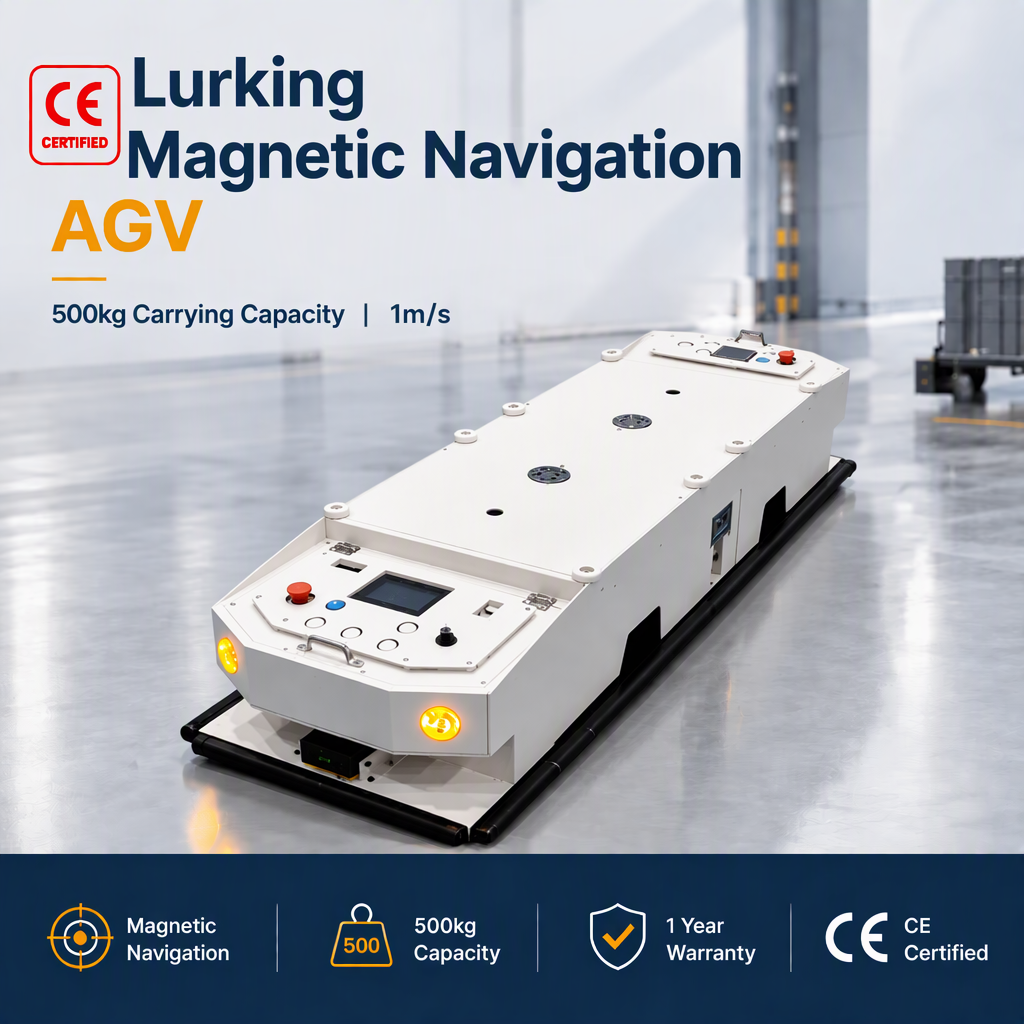
TZBOT EU CE Lurking AGV Material Handling Equipment Logistic Automation 500kg Bidirectional Magnetic Guidance Mobile Robot
A low-profile, bidirectional magnetic-guidance platform for cart towing, line-side replenishment and repetitive moves where forklift traffic would slow a Detroit plant. Recommended when the buyer wants a complete lurking AGV rather than a component build.
- 500 kg
- CE / EU configuration
- Bidirectional guidance

TZBOT 48V DC 2 Ton Heavy Duty Differential Unit AGV Wheel TZCS-750-30
A 48V DC, 2-ton differential drive unit for heavy carts, tow tractors and automotive dunnage. The TZCS-750-30 format suits integrators who need higher torque for stop-start dock traffic and can engineer the chassis around a matched wheel unit.
- 2,000 kg
- 48V DC
- Differential drive
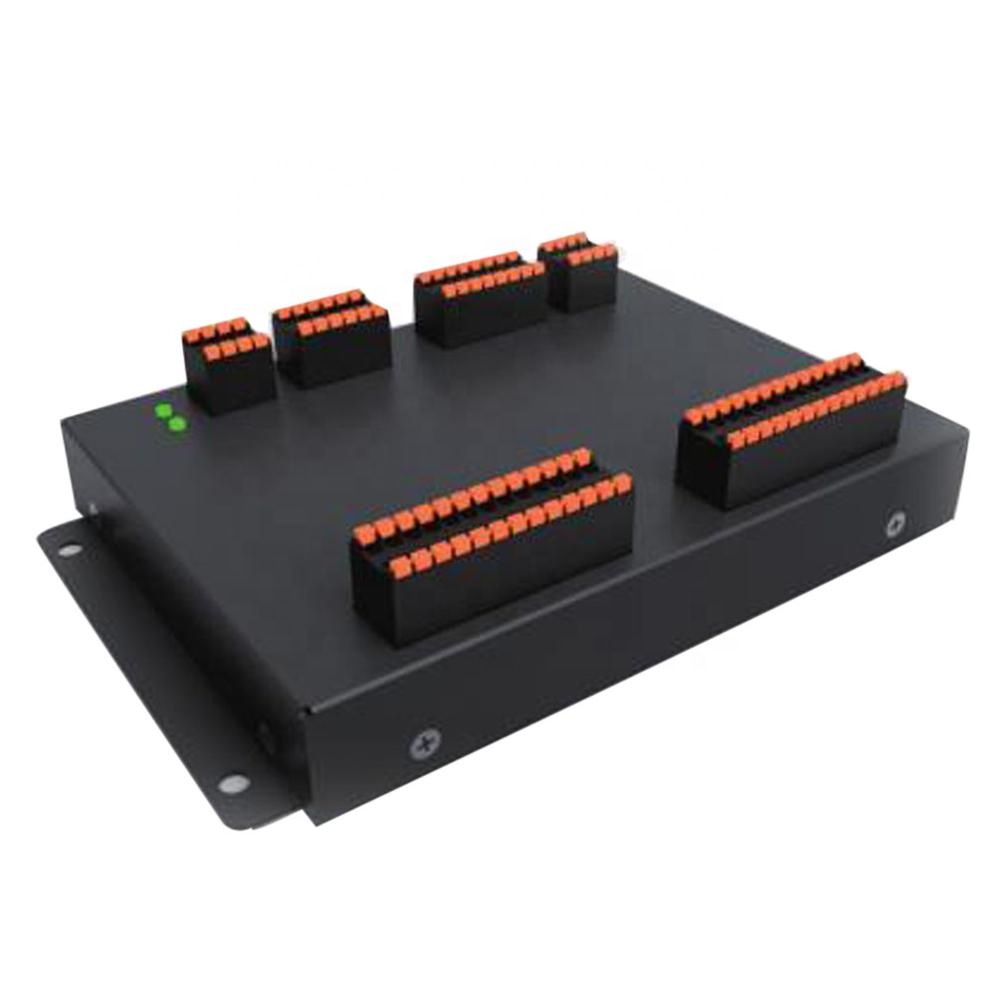
TZBOT Smart Controller TZC-MST-FX200D-A for Guiding the AGV Robot
A compact smart controller for AGV guidance. It is a practical choice when route logic, sensor I/O and the magnetic guidance loop need to be packaged close to the drive assembly, with drawings and parameters supplied for integration.
- Magnetic guidance
- TZC-MST-FX200D-A
- OEM integration
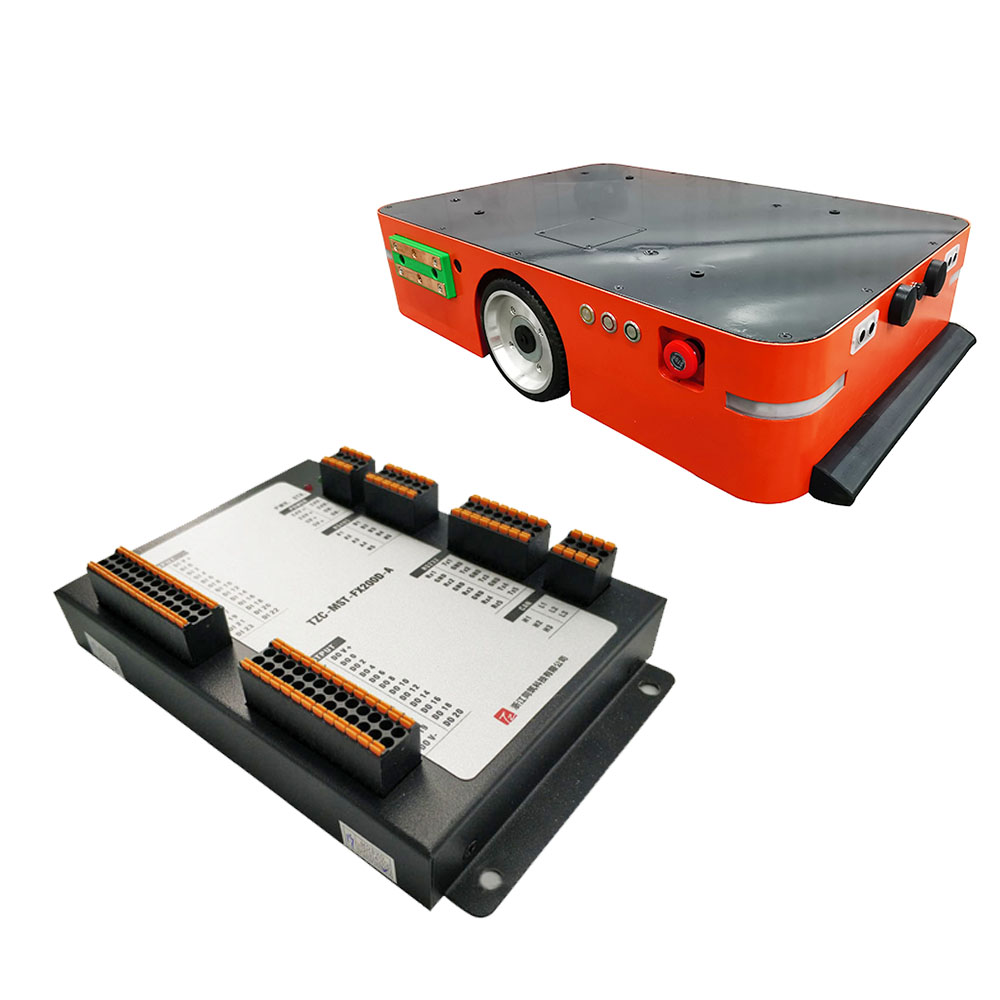
TZBOT Smart AGV Controller for Commanding the AGV
A commanding controller for task execution and higher-level AGV coordination. Use it in mixed automation cells, prototype builds or replacement programs where the mechanical platform is sound but the control layer needs a cleaner path.
- Task command
- System integration
- Prototype ready
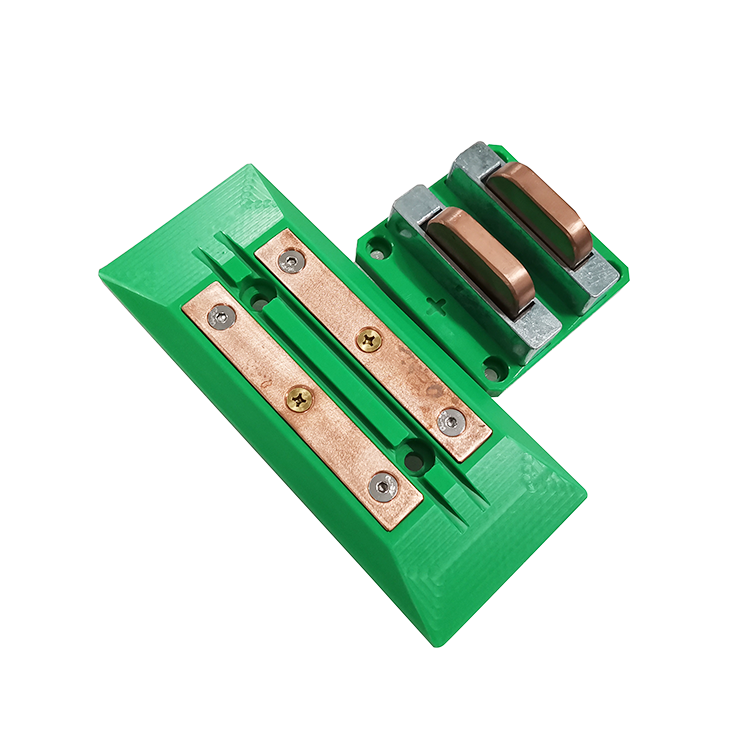
TZBOT Charger Pad Model TZ-CP-50A with Brush Plate and Brush Block for AGV Navigation Vehicles
An opportunity-charging contact pad with brush plate and brush block. For multi-shift Detroit 3PL and assembly logistics, putting charger pads at natural dwell points can reduce battery swapping and protect uptime without building a separate charging room.
- TZ-CP-50A
- Contact charging
- Brush plate
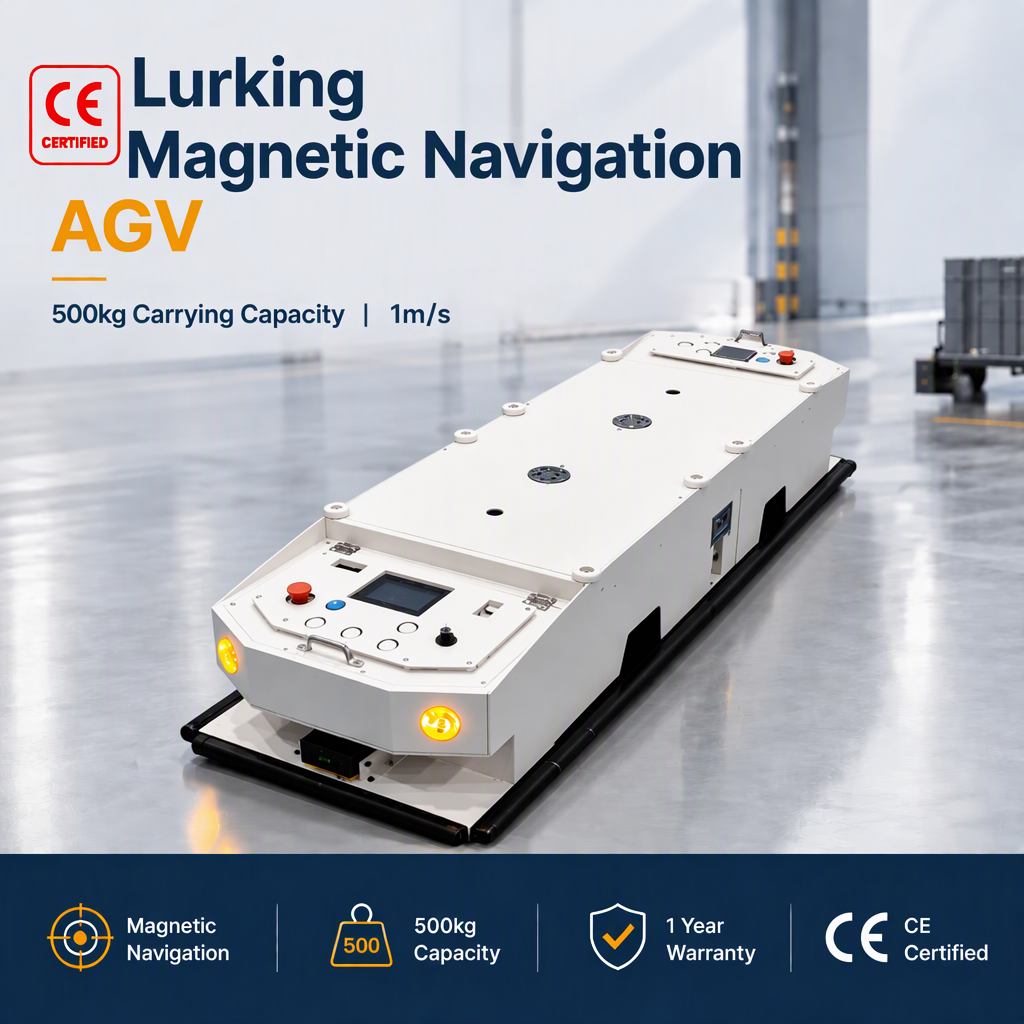
TZBOT CE Approved 500kg Bidirectional Lurking Robot 500kg Towing Capacity Material Handling Equipment Magnetic Navigation AGV
A CE-approved 500 kg bidirectional lurking robot with specified 500 kg towing capacity. It is the direct comparison item for buyers weighing a turnkey magnetic-navigation AGV against an internal chassis development project.
- CE approved
- 500 kg towing
- Magnetic navigation
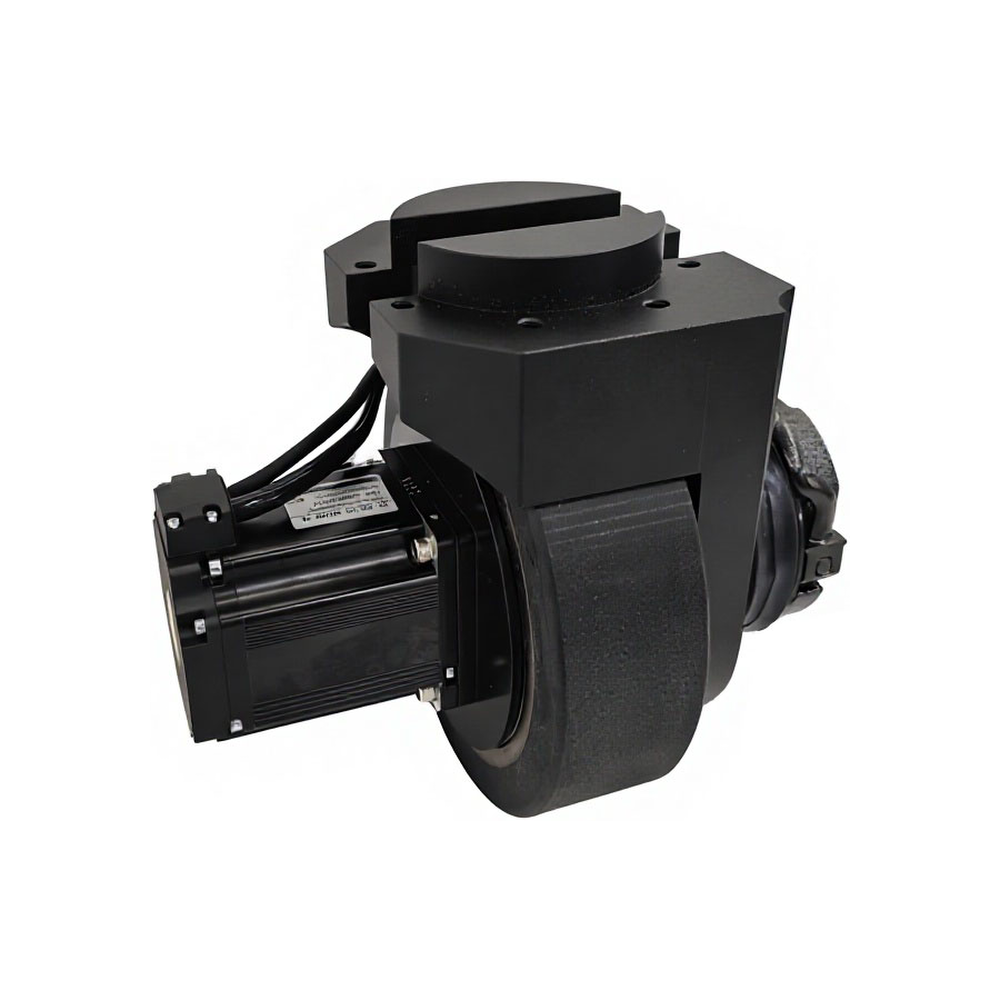
TZBOT agv Wheel Traction Accessories 1000kg Heavy Duty Capacity Material Handling Equipment Part Horizontal Drive Wheel Assembly
A 1,000 kg horizontal drive wheel assembly for low-clearance chassis. Good for under-ride carts, compact lurking vehicles and machine-tending platforms where vertical deck height is at a premium.
- 1,000 kg
- Horizontal format
- Low clearance
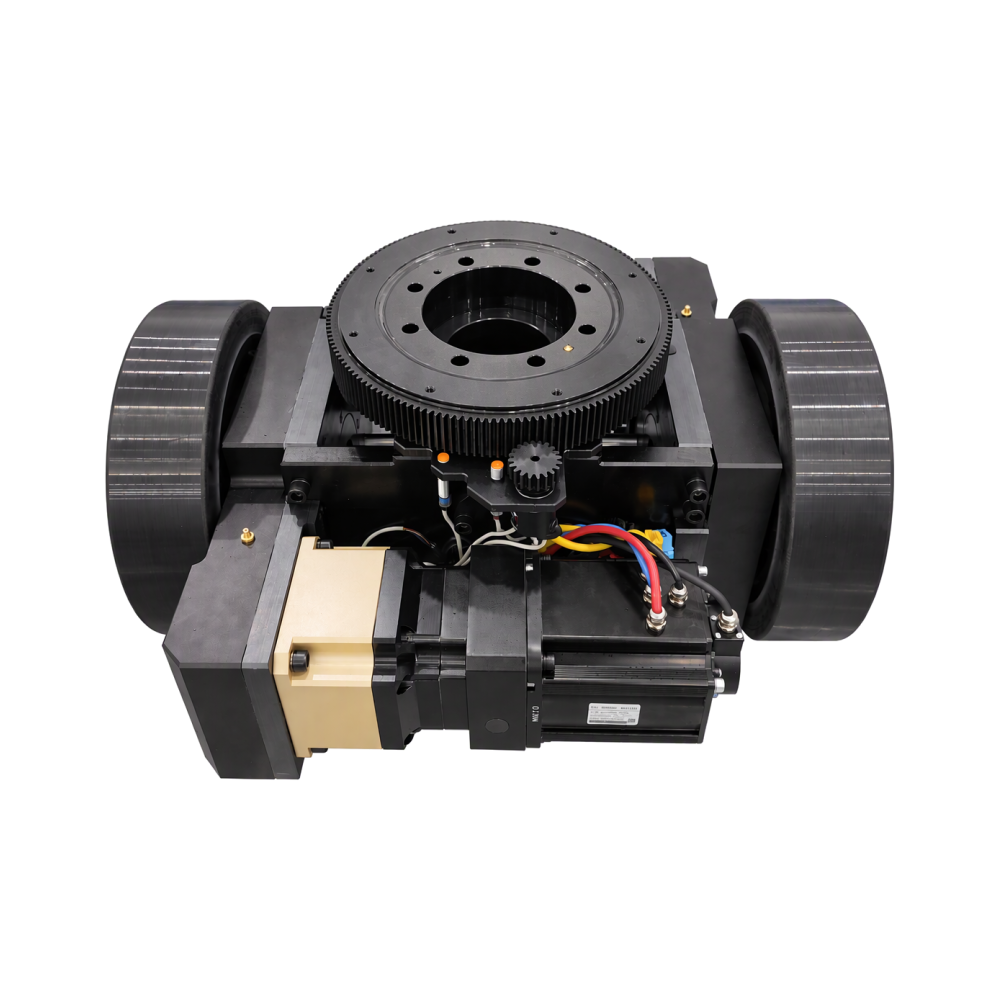
TZBOT Heavy Duty Series Robot Wheel 3000kg Bearing Capacity AGV Material Handling Equipment Differential Drive Wheel Assembly
A 3,000 kg heavy-duty differential drive wheel for large carts, industrial tow platforms and heavy material handling fixtures. Specify it early when floor flatness, start torque and bearing life are the dominant engineering constraints.
- 3,000 kg
- Heavy duty
- Differential drive
What Detroit Buyers Mean by “Lurking AGV Wholesaler”
Detroit searches are rarely casual. A maintenance lead searching for a “lurking AGV wholesaler” may be trying to replace a failed drive wheel before a shift; an OEM may be comparing a 500 kg magnetic robot against a 2-ton differential wheel; a distributor may need repeatable packaging, documentation and spare-parts support for Michigan customers.
The phrase sits between local availability and factory-direct engineering. Detroit-area buyers often want a supplier who can answer four questions quickly: Can you match the load and route? Can you supply the full drive train? Can you document quality? Can you ship to a Michigan address with predictable terms?
That is why a useful AGV page cannot be a product wall alone. It should help a plant engineer, distributor or integrator understand whether a lurking AGV fits line-side replenishment, cross-dock movement, automotive dunnage handling or low-clearance cart transport. It should also explain how magnetic guidance, RFID tags, controllers and charger pads fit together as one system.
What a strong inquiry response includes
- Drive and payload match with torque margin
- Floor, dock-door and aisle-width review
- Controller, encoder and brake compatibility
- Charging layout and opportunity-charging plan
- ISO, inspection and test records
- Incoterm, packaging and spare-parts list
Urgent replacement
A plant needs a drive wheel, controller or charger pad quickly to restore an existing AGV route. Lead time and interface data matter more than a long catalog.
Wholesale program
A distributor wants repeatable supply, OEM labeling, export packing and a clear spare-parts path for customers across Michigan and the Midwest.
OEM build
An engineering team has a chassis concept and needs matched drive wheels, motors, reducers, controllers and sensors to shorten development and commissioning.
Plant retrofit
An existing warehouse or supplier park wants automation without rebuilding the floor. Magnetic guidance, RFID stations and compact lurking AGVs can fit brownfield routes.
Detroit and Southeast Michigan Application Scenarios
Lurking AGV value is created at the point where a route, load and floor condition meet. These are practical scenarios for Detroit-area plants, distribution centers and supplier parks.
Automotive line-side replenishment
Tow carts from kitting zones to assembly stations on repeatable magnetic routes. A low-profile lurking AGV can move material without the aisle footprint of a conventional forklift.
EV and battery component movement
Heavy component carts, fixtures and returnable containers need stable starts and predictable stops. Match 2-ton or 3-ton drive wheels to the actual cart weight and floor grade.
Tier-one supplier parks and cross-dock
Move parts between dock, staging and production cells across fixed routes. Opportunity-charging pads at dwell points can reduce battery handling across multiple shifts.
3PL and distribution centers
Use lurking AGVs under carts or shelves where goods move repeatedly. Keep pedestrian crossings, charging zones and maintenance access clearly planned before deployment.
Metal stamping and tooling shops
Heavy dies, fixtures and scrap containers demand bearing capacity and durable wheel tread. A 3,000 kg differential wheel is often the starting point for engineering review.
Food and cold-chain facilities
Condensation, washdown and freezer transitions require careful charger placement and component protection. Discuss floor moisture, cleaning routines and wheel tread early.
Windsor–Detroit cross-border logistics
For Canadian and U.S. facilities, standardize voltage, controller logic and spare parts across sites. Clear documentation reduces friction during customs and commissioning.
Machine tending and packaging cells
Move bins, pallets and WIP between cells where fixed routes repeat. Pair magnetic guidance with RFID tags for station recognition, speed zones or junction logic.
Detroit AGV Trends Reshaping Wholesale Demand
Southeast Michigan buyers are not only buying robots; they are buying uptime, integration confidence and a practical path from pilot route to repeatable production support.
Brownfield retrofits before greenfield builds
Many Detroit-area projects improve an existing floor plan rather than build a new plant. Magnetic tape, RFID tags and compact lurking AGVs can reduce civil work, but floor joints, dock plates and aisle clearances still need a site review.
Heavier loads in tighter footprints
Automotive dunnage and EV component carts are pushing payload requirements upward while aisle space remains fixed. This increases demand for 2-ton and 3-ton drive wheels, low-profile horizontal assemblies and matched controllers.
Opportunity charging at natural dwell points
Instead of pulling batteries, teams place charger pads where vehicles already wait. The design question is not only charger current, but route timing, pad cleanliness, brush contact and safe pedestrian separation.
Mixed traffic and safety documentation
AGVs share space with forklifts, tuggers, pedestrians and maintenance crews. Detroit buyers increasingly ask for obstacle-avoidance sensors, clear route logic, emergency-stop planning and evidence that the supplier can support commissioning.
Supplier consolidation around the drive train
Buying wheels, motors, drivers and sensors from separate vendors creates integration risk. A single source for matched motion components can shorten debugging and clarify warranty boundaries when a route is commissioned.
Data-ready maintenance and spare-parts planning
Controllers and drivers that expose fault information help maintenance teams diagnose issues faster. For wholesale programs, a documented spare-parts list and repeatable labeling are becoming as important as the initial unit price.
Choose a Lurking AGV or Component Set for Detroit Routes
The most expensive specification mistake is matching only to payload. A 500 kg AGV that performs in a clean warehouse can fail at a dock-door transition, steel-plate expansion joint or freezer threshold. Use route-first selection.
| Configuration | How it works | Best-fit Detroit scenario | Watch-out |
|---|---|---|---|
| Differential drive unit | Two independently driven wheels turn by speed difference. | Latent, jacking and shelf-lifting AGVs; compact turns in supplier parks. | Check tire wear, floor friction and turning clearance. |
| Single steering drive wheel | A drive motor plus a steering motor controls wheel angle. | Forklift-style AGVs, tuggers and tricycle chassis needing controlled steering. | More complex integration and steering calibration. |
| Horizontal drive assembly | Motor mounted horizontally for a lower deck height. | Under-ride carts, low-clearance chassis and compact lurking vehicles. | Confirm vertical clearance and mounting envelope. |
| Magnetic guide sensor | Reads magnetic tape on the floor for route following. | Fixed routes with low infrastructure cost and fast deployment. | Tape protection, floor cleaning and dock-door transitions. |
| RFID position sensor | Reads tags at stations, junctions or speed zones. | Station recognition, process confirmation and route branching. | Tag placement and reliable read distance. |
| Smart AGV controller | Commands motion, task logic and sensor inputs. | OEM builds, retrofit projects and mixed automation cells. | Match voltage, current, encoder and communication protocol. |
Compare quotes beyond unit price
Ask for a 24–36 month total cost of ownership view: drive-wheel tread replacement, controller spares, charger pad maintenance, freight to Michigan, customs handling, commissioning support and downtime risk. A lower unit price with slow spare-parts response can be expensive in a two-shift Detroit plant.
- Technical fit: torque margin, wheel load, speed and stopping distance.
- Floor fit: expansion joints, dock plates, slopes, debris and moisture.
- Energy plan: battery voltage, charger dwell time and opportunity-charging layout.
- Documentation: drawings, wiring, parameters, test records and inspection reports.
- Supply plan: spare wheels, controller stock, replacement lead time and packaging.
Example priority weighting for a Detroit mixed-use plant
This is a decision aid, not a market statistic. Adjust the weighting to your route and facility constraints.
Factory-Direct Support for Detroit Wholesale Programs
Zhejiang Torqen Technology Co., Ltd. has manufactured AGVs, AGV drive wheels, motors, servo/BLDC controllers and navigation sensors since 2015. For Detroit buyers, the advantage is not simply a product list; it is a coordinated drive-train supply that reduces integration gaps.
One factory for the AGV drive train
Drive wheel assemblies, motors, reducers, servo/BLDC drivers, navigation sensors and chargers can be matched before shipment instead of sourced from unrelated vendors.
OEM / ODM customization
Sample-based customization, design-based customization, OEM production, design services and buyer-label packaging are available. Typical changes include power, voltage, reduction ratio, wheel diameter, tread, encoder, brake and mounting interface.
Testing before production release
ISO 9001:2015 quality management, Intertek onsite verification, five in-house testing instruments and extended-duration prototype runs help reduce surprises after installation.
Export-ready logistics
Payment methods include T/T, L/C, D/P, D/A, credit card, PayPal, Western Union and escrow. Delivery terms include FOB, CFR, CIF, EXW, CIP, FCA, CPT, DDU and express delivery.
Fast technical response
A 97.9% inquiry response rate and 4.9/5 buyer rating reflect a support model built around overseas buyers who need drawings, options and delivery answers rather than generic catalog replies.
Documentation and after-sales support
Spare-parts supply, fault analysis and traceable production records support Detroit buyers after commissioning, especially when a route becomes part of daily production.
From Detroit Specification to Shipment in Four Practical Steps
A transparent process designed for engineering buyers, distributors and maintenance teams that need predictable sampling and production.
Share route data
Send gross vehicle weight, target speed, maximum grade, floor condition, battery voltage, chassis envelope, quantity and destination ZIP code or port.
Match the configuration
Our engineers match drive wheel, motor, reducer, controller, sensor and charger options, then provide drawings or a configuration proposal for review.
Prototype and endurance test
Sample-based or design-based customization proceeds to build and extended-duration testing, with inspection records before production release.
Production and logistics
ISO 9001:2015 controlled manufacturing, finished-product inspection, export packing and delivery under the agreed Incoterm and payment term.
Questions Local Buyers Ask Before Ordering
Practical answers for maintenance leads, plant engineers, distributors and integrators sourcing lurking AGV equipment for Detroit and Southeast Michigan.
Are you a local Detroit AGV wholesaler or a factory-direct manufacturer?
Torqen is a manufacturer and trading company based in Zhejiang, China. We support wholesale, distributor and project buyers with factory-direct supply. We are not a local Detroit stock warehouse, so time-critical replacements should include current lead-time and express-shipping requirements in the inquiry.
What information is needed for a Detroit quote?
Provide the AGV or cart weight, payload, speed, route length, floor type, slope, aisle width, battery voltage, wheel mounting interface, quantity and delivery destination. Photos of the route and dock-door transitions are especially useful for lurking AGV applications.
Can you ship to Detroit and quote export terms?
Yes. We can discuss FOB, CFR, CIF, EXW, CIP, FCA, CPT, DDU and express delivery. Payment can be arranged by T/T, L/C, D/P, D/A, credit card, PayPal, Western Union, cash or escrow in major currencies. Final duty and tax treatment depends on the import entry.
Can we buy a sample before placing a wholesale order?
Sample-based customization and prototype support are available. Minimum order quantities depend on the product and customization level. For distributor programs, ask for a phased plan covering sample validation, pilot deployment and repeat production.
Will magnetic guidance work in Michigan winter conditions?
Magnetic guidance is commonly used indoors, but snow, salt, slush and water at dock doors require attention. Protect the tape, specify suitable wheel tread, plan floor cleaning and keep charger pads away from wet or contaminated zones. A site-specific floor review is recommended before deployment.
Should we buy a complete lurking AGV or a drive wheel kit?
Choose a complete AGV when you need a faster route demonstration and have limited integration resources. Choose a drive wheel and controller kit when you already have a chassis, controls team and test plan. Sharing your timeline, internal engineering capacity and spare-parts strategy helps narrow the choice.
How do you match a controller to a drive wheel?
We need motor voltage, rated and peak current, encoder type, brake option, communication protocol and desired motion profile. Matching the controller, driver and wheel as a system reduces tuning time and clarifies responsibility during commissioning.
How can we verify quality and after-sales support?
Review the ISO 9001:2015 certification, Intertek onsite verification, patent record, testing equipment and inspection process. For after-sales support, ask for spare-parts recommendations, serial-number tracking, fault-analysis process and the documents supplied with each shipment.
Send Detroit-Specific Specifications, Not Just a Catalog Request
Share your load, route, floor conditions, voltage, quantity and delivery point. Torqen can recommend a complete lurking AGV, a matched drive wheel and controller set, or a charging and sensor package for your Detroit-area project.
