Houston Market White Paper · OEM/ODM Drive-Wheel Supply
OEM/ODM Robot Drive Wheel Factories & Exporter for the Houston Market
How Houston integrators, 3PLs, manufacturers, medical-campus operators and robotics builders can source differential, steering and heavy-duty robot drive wheels, matched controllers and navigation sensors from an ISO 9001:2015 manufacturer — engineered for port logistics, warehouse uptime, heat and humidity, and mixed-fleet safety.
- ISO 9001:2015
- Intertek Onsite-Verified
- OEM / ODM Customization
- 8 Patents
- 4.9 / 5 Buyer Rating
Eight AGV, AMR and Robot Drive Products for Houston Projects
Start with a single replacement drive wheel, a complete differential drive assembly, a magnetic-guidance AGV, a laser SLAM AMR or a matched smart controller. Every product below is supported by Torqen’s OEM/ODM engineering process and export experience.
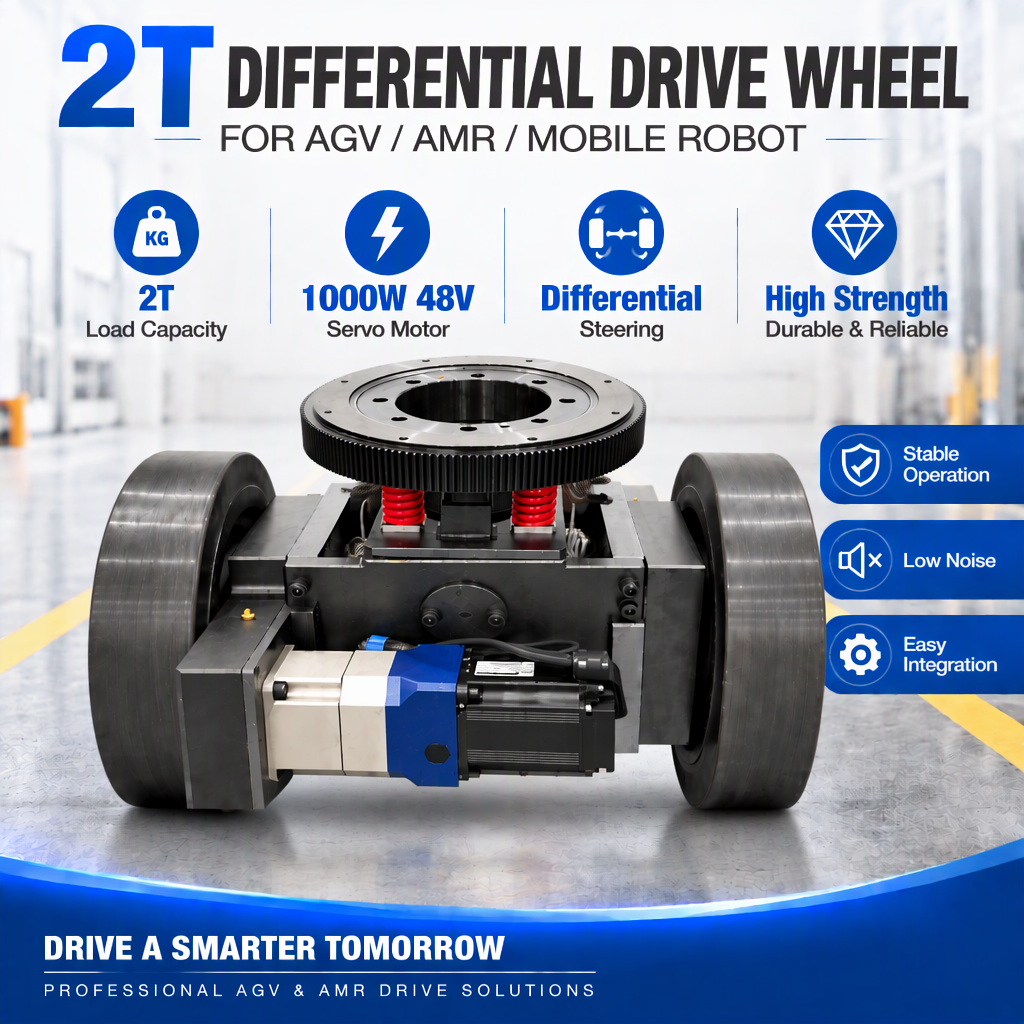
TZBOT 2000kg Traction Capacity Logistic Robot Part agv Amr Differential Steering Drive Wheel for Sale
A 2,000 kg-class drive solution for heavy transfer carts, tugger platforms and production-line logistics where controlled steering and traction matter.
- 2000 kg traction
- Differential steering
- Logistic robot part
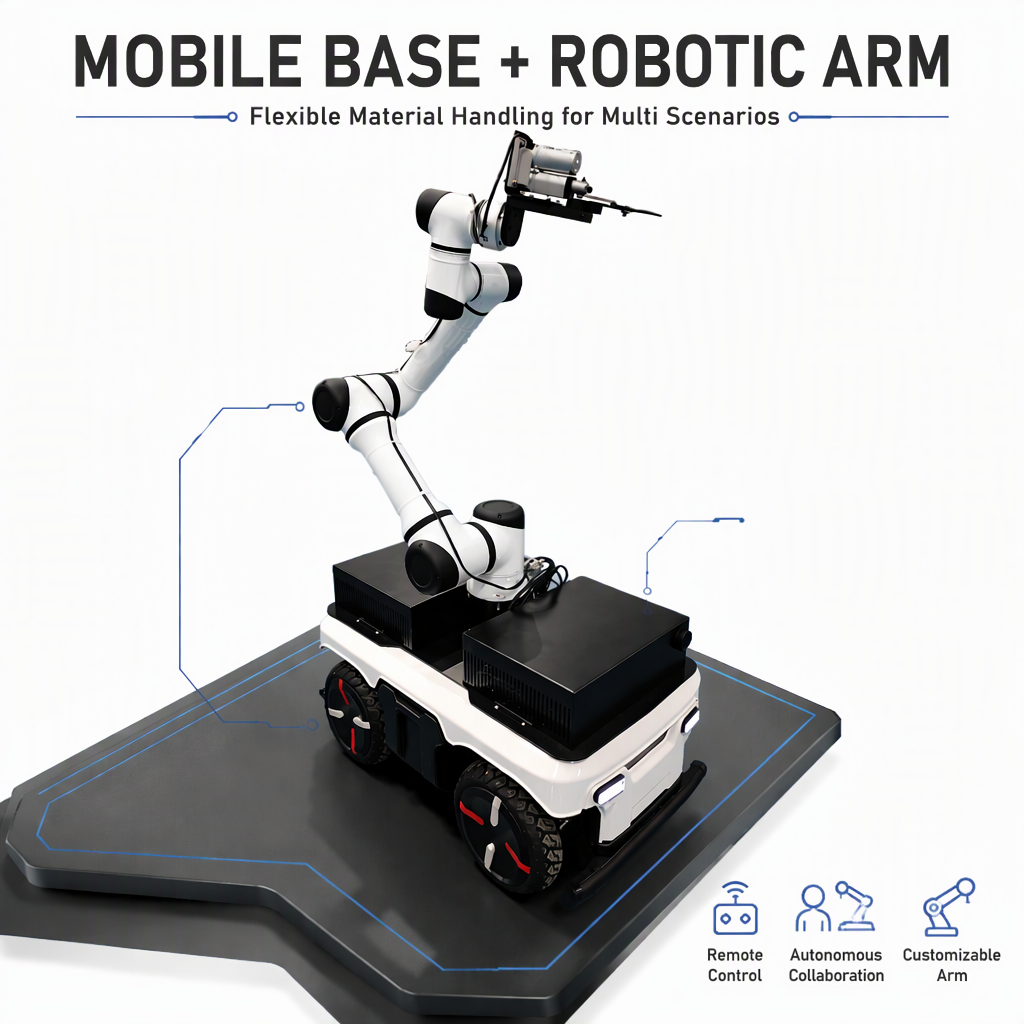
TZBOT Four Wheel Drive Ackerman Chassis AGV Collaborative Remote Control Composite Robot with Arm
A platform for outdoor-to-indoor transfer, inspection and mobile manipulation where Ackerman steering and a stable composite robot arm are required.
- Four-wheel drive
- Ackerman steering
- Composite robot arm
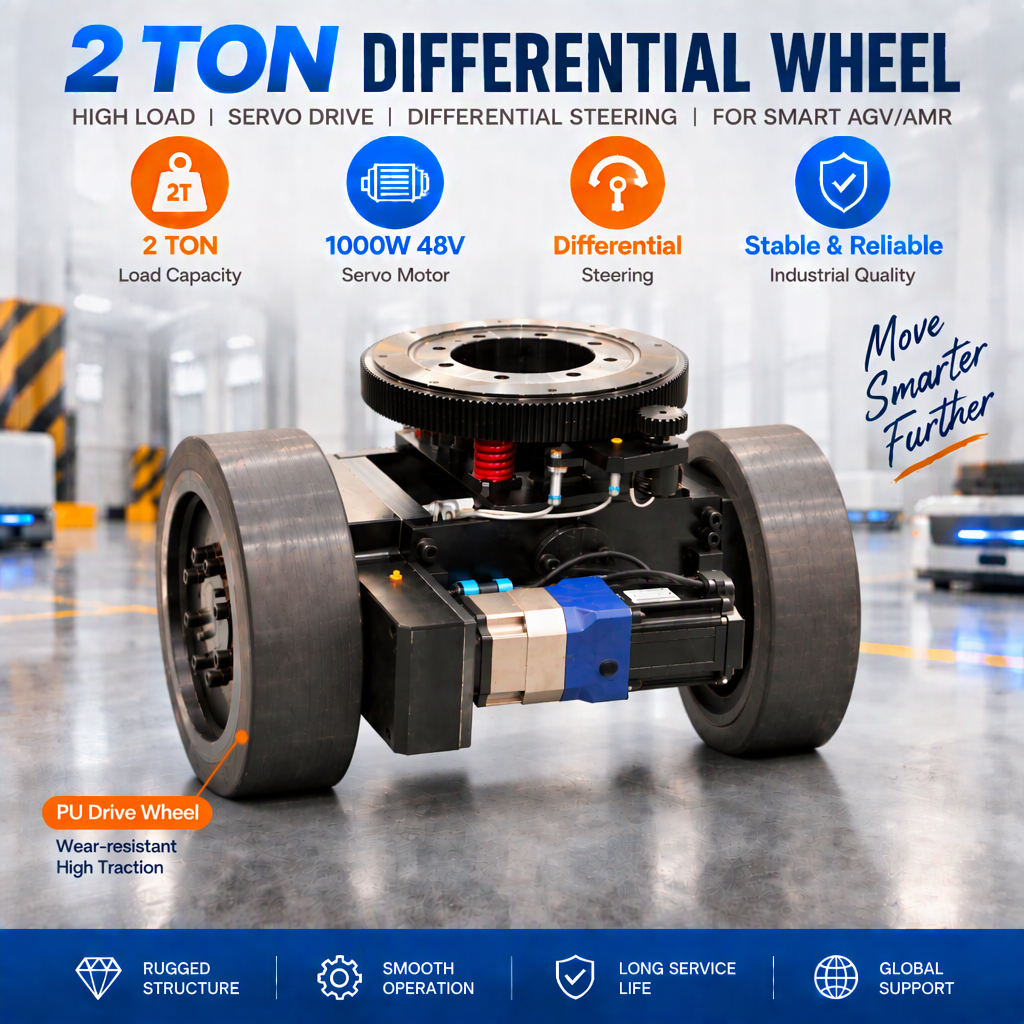
TZBOT Customized 2000kg Bearing Duty agv Wheel 1000w 48V Heavy Duty Series Mobile Robot Differential Drive Wheel with Suspension
A customized 1000 W, 48 V heavy-duty differential drive wheel with suspension for uneven floors, ramps and high-load mobile robot chassis.
- 1000 W / 48 V
- 2000 kg bearing duty
- Suspension included
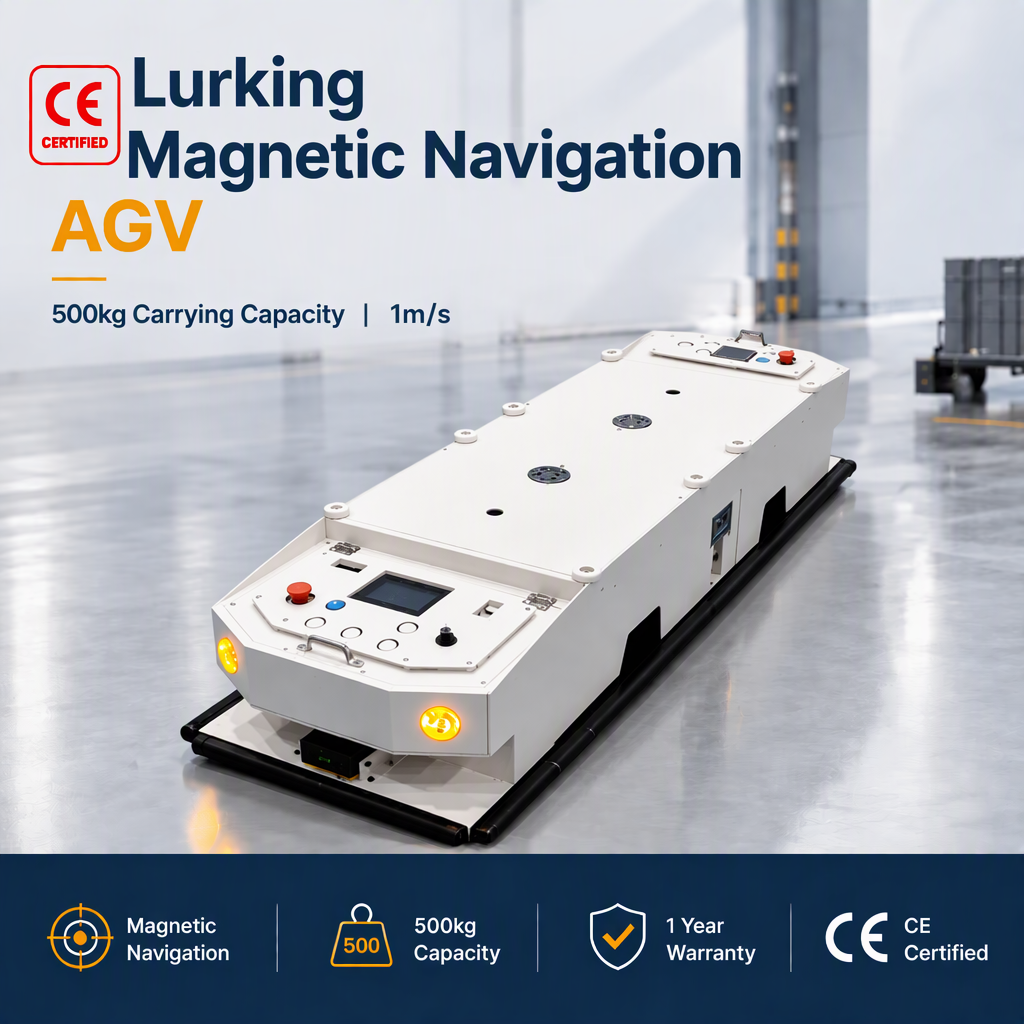
TZBOT EU CE Lurking AGV Material Handling Equipment Logistic Automation 500kg Bidirectional Magnetic Guidance Mobile Robot
A compact 500 kg bidirectional lurking AGV for repetitive warehouse, line-side and distribution-center moves where fast deployment and simple routing are priorities.
- 500 kg payload
- Bidirectional movement
- Magnetic guidance
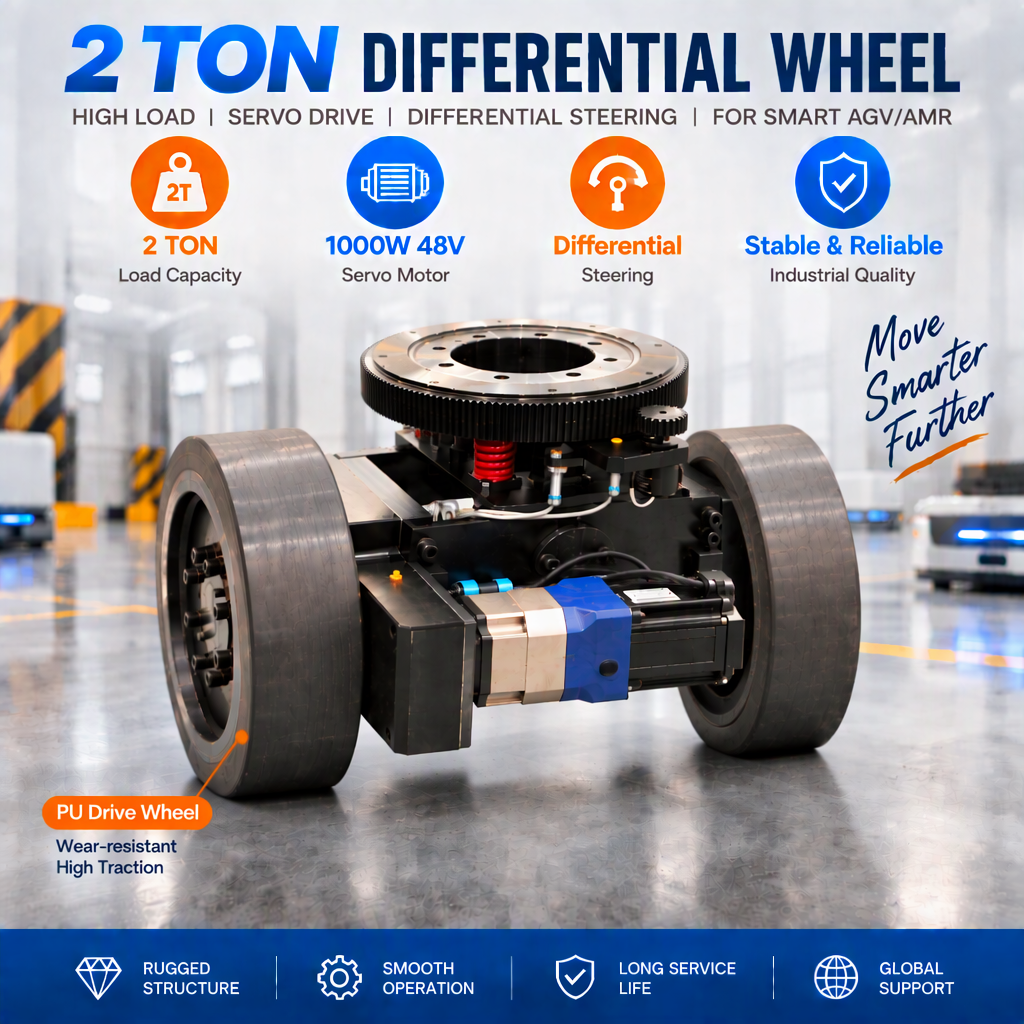
TZBOT 2000KG Heavy Duty Series AGV Wheel 1000w 48V Strong Power Mobile Robot Differential Drive Wheel with Spring Suspension
A 2000 kg heavy-duty series wheel with 1000 W, 48 V power and spring suspension for high-traction mobile robots operating on imperfect surfaces.
- 2000 kg series
- 1000 W / 48 V
- Spring suspension
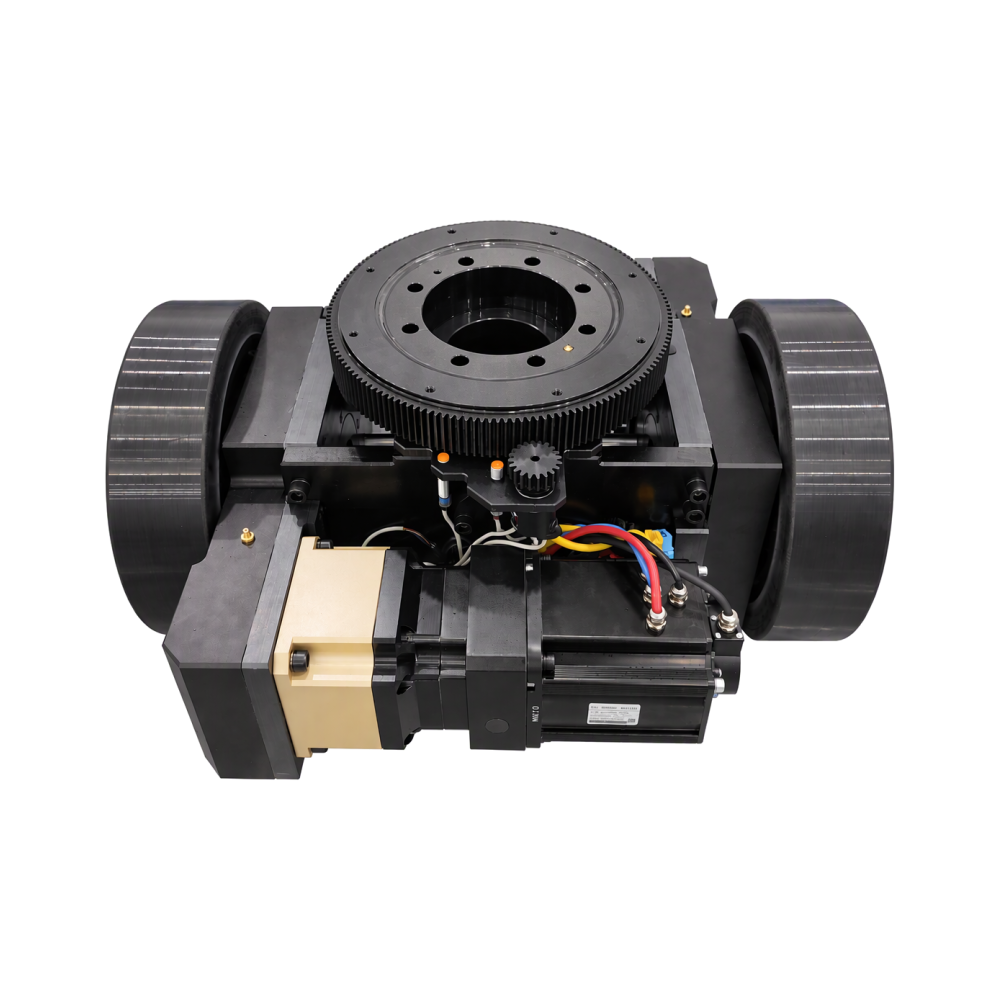
TZBOT Heavy Duty Series Robot Wheel 3000kg Bearing Capacity AGV Material Handling Equipment Differential Drive Wheel Assembly
A 3000 kg bearing-capacity differential drive wheel assembly for the most demanding transfer carts, industrial tow tractors and port-adjacent logistics.
- 3000 kg bearing
- Differential assembly
- Material handling
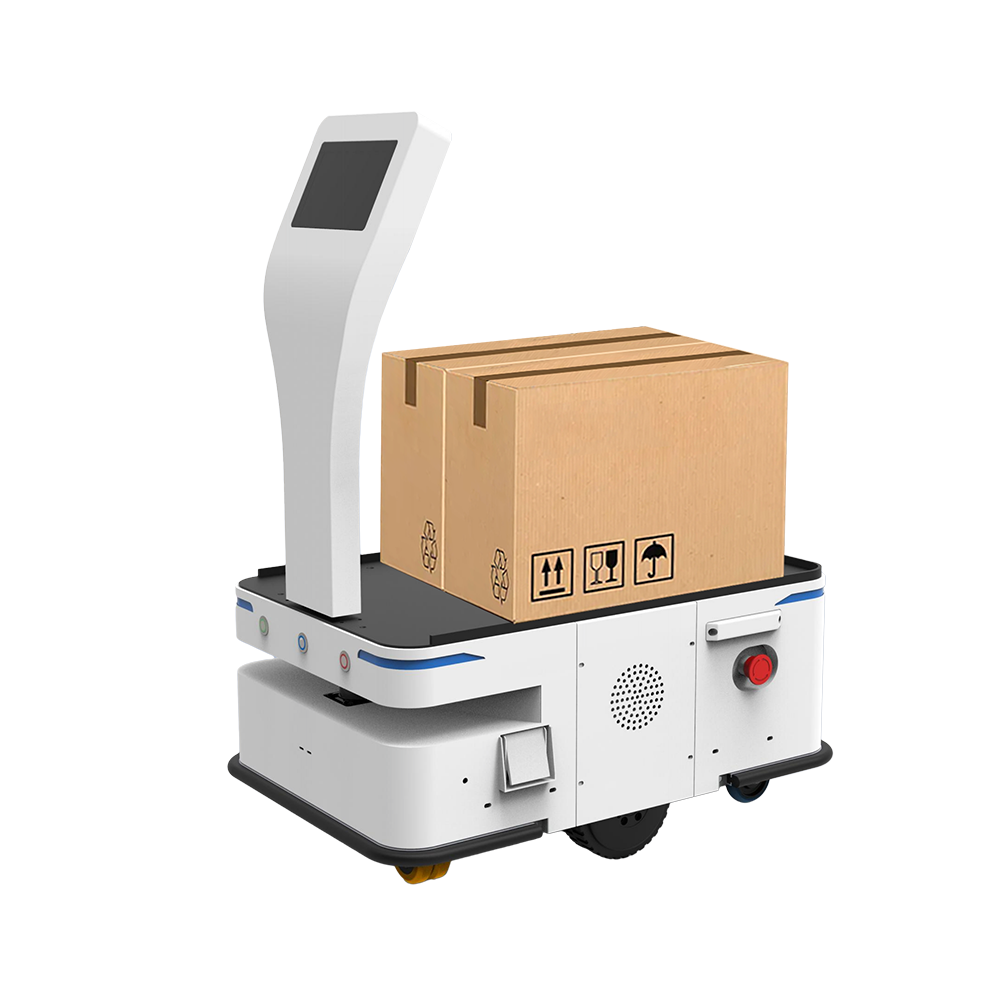
TZBOT High Precision Guidance Laser Slam Navigation Amr Robot 80kg Carrying Capacity Material Handling Amr Robot with 7 Inch HMI
An 80 kg laser SLAM AMR with 7-inch HMI for flexible routes, frequent layout changes, medical-campus logistics and clean manufacturing environments.
- 80 kg carrying
- Laser SLAM
- 7-inch HMI
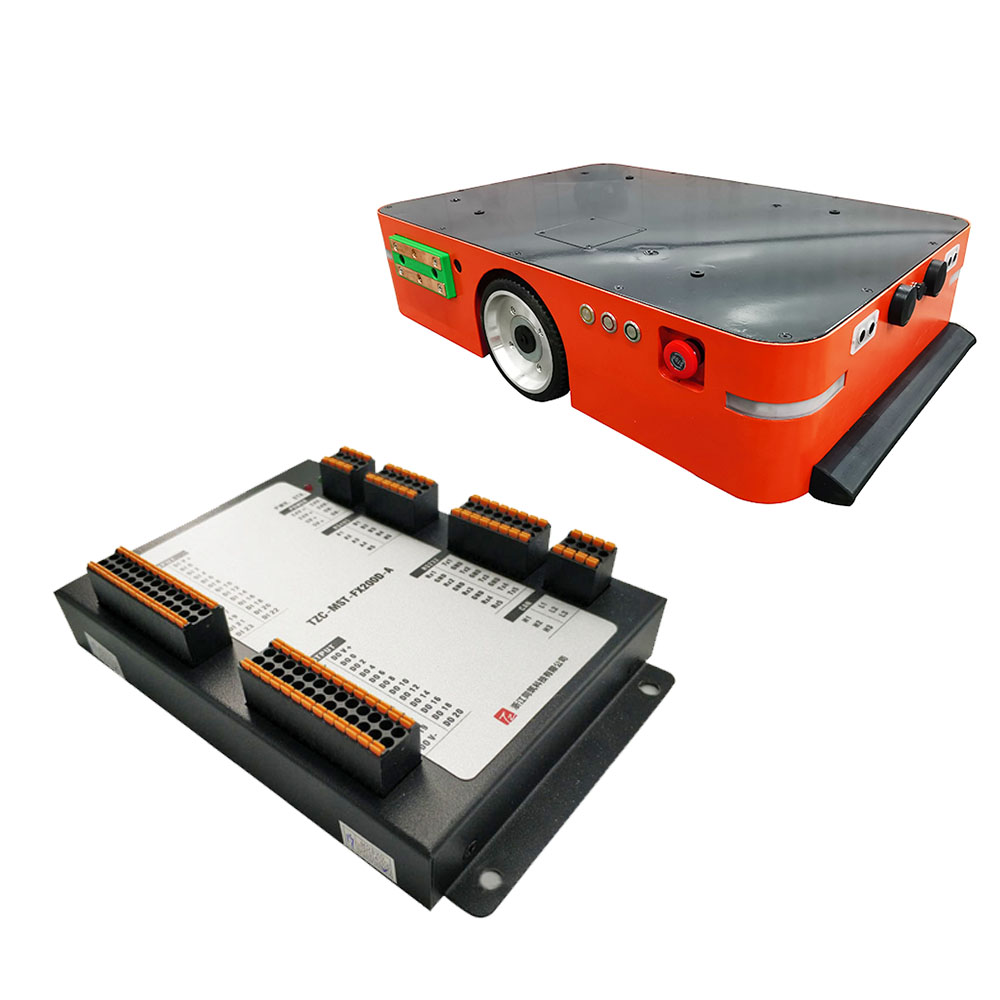
TZBOT Smart agv Controller for Commanding the AGV
A smart AGV controller for integrating drive, navigation and task commands — useful when Houston teams standardize mixed fleets or retrofit existing chassis.
- AGV command control
- System integration
- Mixed-fleet support
Why Houston Is a Drive-Wheel Specification Market, Not Just a Price Market
Greater Houston combines a Gulf Coast logistics gateway, dense industrial corridors, a world-class medical center, energy-engineering clusters and fast-growing fulfillment operations. Each environment creates a different duty cycle for robot drive wheels.
Houston buyers rarely deploy one kind of robot everywhere. A 3PL distribution center may need compact differential drive units for latent AGVs and shelf-lifting robots. A fabrication shop may need a 2,000 kg traction platform that can tolerate steel dust and imperfect concrete. A port-adjacent transfer operation may need a 3,000 kg bearing-capacity drive assembly with a maintenance plan that protects uptime. A medical-campus team may prefer a laser SLAM AMR because routes change frequently and infrastructure should stay minimal.
This is why the buying decision is not simply a wheel diameter or a motor wattage. The drive wheel sets the vehicle’s traction, turning behavior, floor loading, maintenance access and safety envelope. In Houston’s heat and humidity, it also affects how consistently the robot performs across sealed concrete, expansion joints, ramps and loading-dock transitions. A drive wheel is a motion-system decision, not a commodity line item.
An experienced OEM/ODM factory should help the buyer define five values before quoting: gross vehicle weight, target speed, maximum gradient, battery voltage and available chassis height. These five inputs determine motor power, reduction ratio, wheel diameter, tread material and suspension requirements. When a supplier can co-engineer the wheel, motor, driver and sensor together, the Houston integrator reduces integration risk and shortens the path from prototype to a reliable fleet.
Torqen’s product range is organized around that reality. The company manufactures AGVs, drive wheel assemblies, DC/AC motors, encoders, reducers, servo and BLDC controllers, magnetic and RFID sensors, caster and PU wheels and in-wheel motor units. For Houston buyers, the advantage is not only product breadth; it is the ability to match mechanical, electrical and navigation components against one specification.
Where Houston Teams Use Robot Drive Wheels and AGV Components
The same drive-wheel family can behave very differently across Houston’s submarkets. These are the application patterns that most often shape a specification.
Port & Intermodal Transfer
Heavy transfer carts and tow tractors need 2,000–3,000 kg drive assemblies, moisture tolerance and fast maintenance access.
3PL & E-commerce Fulfillment
Latent AGVs and 500 kg magnetic-guided vehicles improve repetitive moves in dense racking and fast-changing pick modules.
Manufacturing & Fabrication
Machining, plastics and metal shops specify suspended heavy-duty wheels that tolerate dust, chips and uneven concrete.
Energy Corridor & Industrial Services
Oil, gas and engineering campuses need robust drives, matched controllers and documentation for high-duty maintenance teams.
Texas Medical Center & Life Science
80 kg laser SLAM AMRs support clean, flexible transport where routes change often and infrastructure should stay minimal.
Food, Beverage & Cold Chain
Condensation, washdown and cooler-to-dock transitions require careful wheel tread, sealing and maintenance planning.
Aerospace & Advanced Manufacturing
High-precision AGV/AMR routes and smart controllers support repeatable movement around high-value tooling and assemblies.
Facility Care & Floor Equipment
Floor scrubbers, sweepers and compact utility platforms benefit from differential drive units with tight turning and reliable traction.
Houston Trends Reshaping Robot Drive-Wheel Specifications
Demand in Houston is being shaped less by novelty and more by uptime, safety, labor availability and the need to integrate automation into existing buildings.
Labor Availability & Safety
Repetitive transport roles are being automated first. Mixed pedestrian and forklift traffic increases demand for lidar, magnetic guidance and predictable braking.
Port-Driven Throughput
Heavy transfer and staging operations prioritize 2,000–3,000 kg assemblies, fast spare-parts access and drive systems that can be serviced without long downtime.
Heat, Humidity & Storm Resilience
Sealed connectors, corrosion protection, drainage, thermal planning and stable traction across wet dock areas matter in Gulf Coast facilities.
Mixed Fleets & Retrofits
Buyers want controllers, drivers and sensors that can match existing AGVs, not isolated components that require a full platform replacement.
Houston Project Weighting Snapshot
An editorial framework from OEM/ODM application discussions — useful for scoping, not a statistical market survey.
Differential, Steering, Heavy-Duty or Horizontal: A Houston Selection Framework
Use this comparison as a first-pass filter. Final selection should be confirmed against vehicle weight, speed, floor condition, ramp angle, battery voltage and maintenance access.
| Drive Configuration | Motion Behavior | Native Best-Fit | Typical Houston Use Case |
|---|---|---|---|
| Differential drive unit | Two independently driven wheels create turning by speed difference. | Compact AGVs, latent vehicles, jacking robots and shelf-lifting platforms. | 3PL fulfillment, line-side replenishment and dense warehouse aisles. |
| Single steering drive wheel | A drive motor plus a dedicated steering motor controls wheel angle. | Forklift AGVs, tricycle chassis and tow tractors that need controlled steering. | Industrial transfer, staging yards and mixed indoor-outdoor routes. |
| Heavy-duty differential assembly | High-traction drive with suspension for high loads and uneven floors. | 2,000–3,000 kg transfer carts, mobile work platforms and industrial robots. | Port-adjacent logistics, fabrication halls and energy-sector maintenance. |
| Laser SLAM AMR platform | Natural-feature navigation changes routes without floor tape or tags. | Flexible 80 kg-class transport and clean-environment material handling. | Medical campuses, life science, electronics and advanced manufacturing. |
For a 2,000 kg platform, do not stop at “2,000 kg capacity.” Confirm the wheel diameter, tread material, reduction ratio, motor voltage, encoder type, brake requirement and mounting interface. If the vehicle will cross dock plates or expansion joints, spring suspension can protect both the drive train and the load. For a 3,000 kg application, review floor loading, duty cycle, acceleration, emergency-stop behavior and jacking method. For an 80 kg AMR, compactness, navigation stability and HMI usability often matter more than raw traction.
Reduce Integration Risk Before the First Production Order
Torqen supports sample-based customization, design-based customization, OEM production, design services and buyer-label packaging. The workflow is built for engineering buyers who need predictable sampling before committing to a fleet.
Requirement Review
Payload, speed, voltage, gradient, chassis height and floor conditions are assessed.
Engineering Proposal
Motor, reducer, wheel, encoder, brake and mounting geometry are matched; drawings are shared.
Prototype Build
Sample-based or design-based customization is produced for fit and function checks.
Endurance Testing
Prototypes run for extended periods and parameters are reviewed before release.
Controlled Production
Manufacturing follows the ISO 9001:2015 quality management system.
Inspection & Delivery
Final inspection, export packing and delivery terms are aligned with the buyer’s plan.
Evidence, Capacity and Service Behind the Drive-Wheel Range
Houston buyers need more than a catalog. They need traceable quality, engineering responsiveness, export experience and a supplier who can stay engaged after the shipment.
Zhejiang Torqen Technology Co., Ltd. was founded in 2015 in Zhejiang, China. The company designs and manufactures automatic guided vehicles, AGV drive wheel assemblies, DC/AC motors, encoders, reducers, motor controllers, caster and PU wheels and in-wheel motor units for automation builders worldwide. Its team is sized at 51–100 people, with a factory area of 1,000–3,000 m² and annual output in the US$5M–10M range.
The quality system is certified to ISO 9001:2015, and the facility has been verified onsite by Intertek. Torqen holds eight patents and uses five in-house testing instruments for finished-product inspection. Prototypes undergo extended-duration testing before production parts are released. Buyer feedback currently shows a 4.9 / 5 rating, and the inquiry response rate is 97.9%.
For custom projects, Torqen offers motor power and voltage adjustment, reduction ratio selection, wheel diameter and tread material customization, encoder and brake options, and mounting interface adaptation. The company also provides matched servo and BLDC drivers, magnetic guide sensors, RFID position sensors and lidar options so the drive train and navigation system can be specified as one system. Export terms include FOB, CFR, CIF, EXW, CIP, FCA, CPT, DDU and express delivery; payment methods include T/T, L/C, D/P, D/A, MoneyGram, credit card, PayPal, Western Union, cash and escrow, with USD, EUR, JPY, CAD, AUD, HKD, GBP and CNY supported.

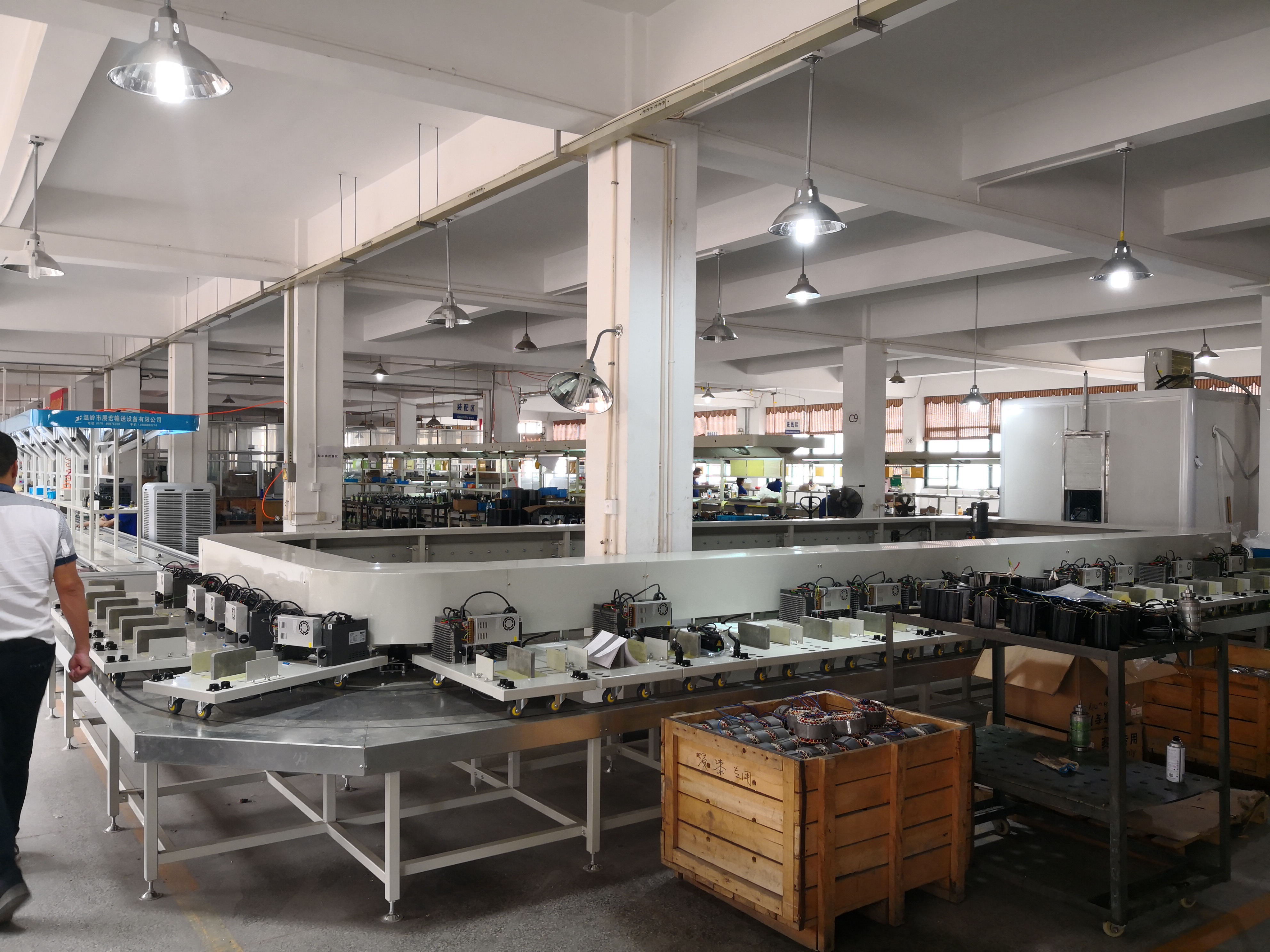
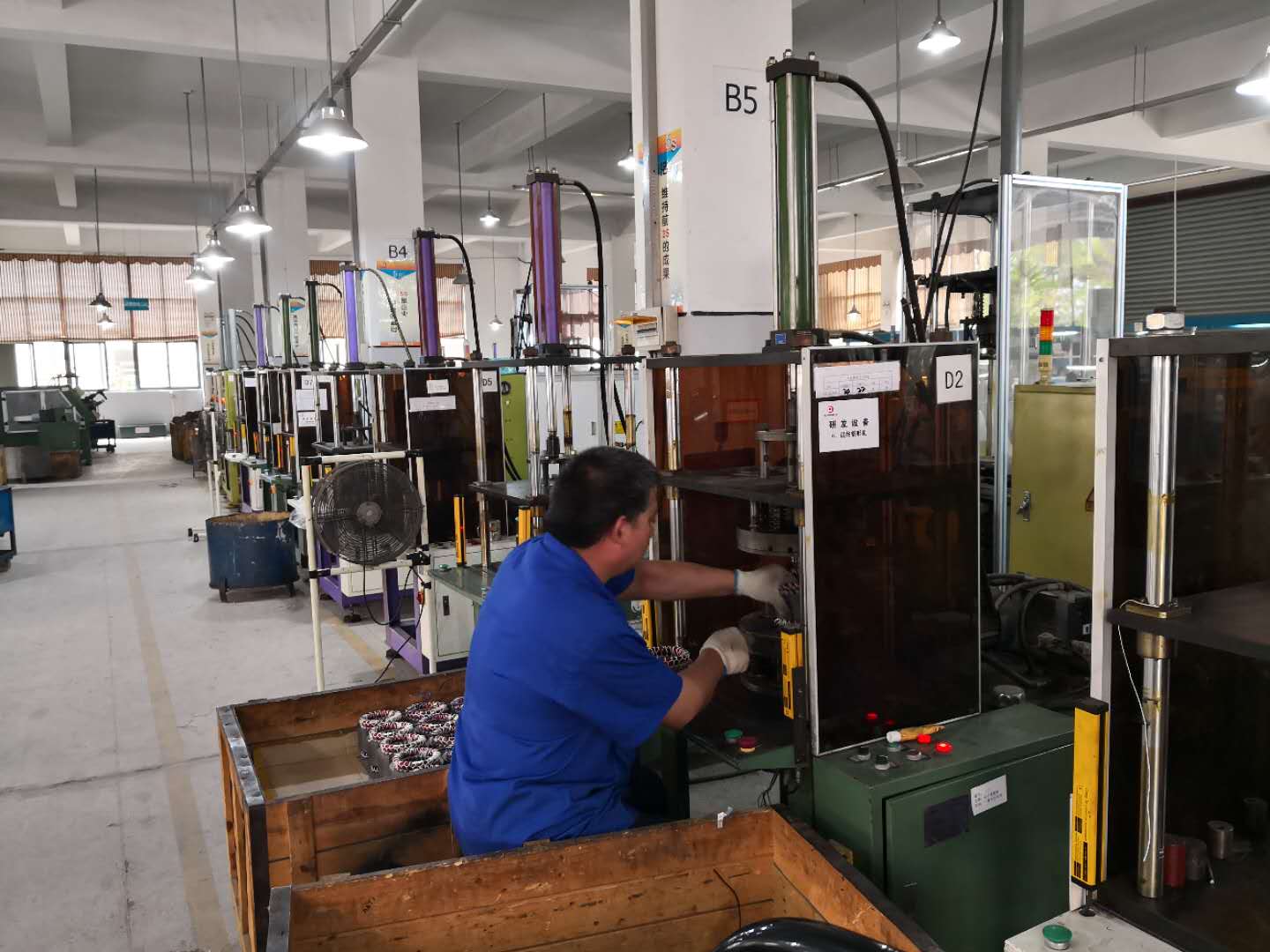
Service is part of the specification. Torqen provides 24/7 online response, integration assistance such as wiring diagrams and driver parameter guidance, and after-sales support with spare-parts supply and fault analysis backed by production records. For Houston buyers, that translates into a more practical path from imported components to a working fleet — especially when the project involves mixed equipment, retrofit work or a new AGV platform that must be commissioned quickly.
What Local Buyers Usually Ask Before Ordering Robot Drive Wheels
Can you ship AGV drive wheels and robot components to Houston?
Yes. Torqen supports export delivery to Houston and other U.S. markets. Delivery terms include FOB, CFR, CIF, EXW, CIP, FCA, CPT, DDU and express delivery. The buyer can share its preferred consignee, port or door-delivery plan, and the shipment can be quoted against the selected term. Payment methods include T/T, L/C, D/P, D/A, MoneyGram, credit card, PayPal, Western Union, cash and escrow in multiple currencies.
What lead time should a Houston integrator plan for?
Lead time depends on whether the request is for a standard product, a sample-based customization or a new design-based drive assembly. The fastest path is to provide gross vehicle weight, speed, gradient, battery voltage, chassis height, wheel diameter preference and floor conditions. Torqen can then confirm the engineering route, sampling plan and production schedule in the quotation. For project planning, request the sample and production timeline together rather than treating them as separate steps.
Which drive wheel should I choose for a 2,000 kg AGV or transfer cart?
For a 2,000 kg platform, first decide whether the vehicle needs differential steering, heavy-duty suspension or a customized bearing-duty configuration. Differential steering is compact and efficient for many AGV layouts. A heavy-duty differential assembly with spring suspension is often preferable when the route includes dock plates, expansion joints or uneven concrete. The 2000 kg heavy-duty series and customized bearing-duty wheel in the product range are both starting points, but the final motor power, reduction ratio and tread should be confirmed against the actual duty cycle.
How do you address Houston heat, humidity and storm-season conditions?
Houston facilities can place drive systems under heat, humidity, condensation and occasional water exposure. The specification discussion should cover IP-related requirements, connector sealing, corrosion protection, drainage around the wheel path, brake behavior and thermal margin for the motor and driver. In food, beverage and cold-chain buildings, the transition between cooler and ambient zones can create condensation on floors and wheels, so tread compound and cleaning routines should be reviewed. Torqen’s engineering team can align these requirements with the drive-wheel configuration and matched electronics.
Can you match an existing controller or retrofit an existing AGV chassis?
Yes, retrofit discussions are common. Buyers should share motor voltage, rated power, encoder type, brake requirement, wiring diagram and the existing controller protocol where available. Torqen can supply matched servo or BLDC drivers, smart AGV controllers and navigation sensors, and provide integration assistance such as wiring diagrams and parameter guidance. If the existing chassis has unusual mounting points or limited wheel clearance, the OEM/ODM process can adapt the interface rather than forcing the buyer to redesign the whole platform.
What customization is possible for OEM and ODM projects?
Customization can include motor power and voltage, reduction ratio, wheel diameter, tread material, encoder type, brake options and mounting interfaces. Torqen also offers sample-based customization, design-based customization, OEM production, design services and buyer-label packaging. For Houston buyers, it is helpful to provide the intended vehicle class, load, speed, operating environment and annual volume so the engineering team can propose a configuration that is practical for both sampling and production.
What spare parts should a Houston fleet manager stock?
The right stocking plan depends on fleet size and duty cycle, but common items include drive-wheel treads or complete wheel assemblies, encoders, brakes, matched motor drivers, smart controllers, magnetic guide sensors, RFID position sensors and lidar units. For port-adjacent or high-throughput operations, keep at least the components that could stop a vehicle from completing its route. Torqen can review the bill of materials and recommend a spare-parts set based on the vehicles in service.
How is product quality verified before shipment?
Torqen’s quality management system is certified to ISO 9001:2015, and the facility has been verified onsite by Intertek. The company uses five in-house testing instruments for finished-product inspection. Prototypes are run for extended periods before production release, and final products are inspected before export packing. Buyers who need project-specific documentation should state that requirement during quotation so the inspection record and packing plan can be aligned.
Do you provide engineering support after the drive wheels arrive?
Yes. Torqen offers 24/7 online response, integration assistance and after-sales support. Houston engineers can request wiring diagrams, driver parameter files, fault-analysis guidance and spare-parts recommendations. For new AGV or AMR platforms, the most efficient approach is to involve the factory early — before the chassis geometry is frozen — so the drive wheel, motor, driver and sensor can be selected as one motion system.
Request a Houston-Ready Drive-Wheel Quotation
Send your load, speed, gradient, voltage, chassis height and floor conditions. Torqen will help match the drive wheel, motor, controller and navigation sensor for your AGV, AMR or mobile robot platform.
info@torqenbot.com