OEM/ODM Towing AGV Manufacturers & Factory in the San Francisco Market
Factory-direct support for Bay Area integrators: differential drive units, servo traction wheels, smart controllers, navigation sensors, SLAM AMRs, and complete towing AGV platform customization.
8 Towing AGV Components for San Francisco OEM/ODM Programs
Start with the drive wheel, then match the controller, navigation, and safety architecture. These eight products cover heavy towing, servo traction, SLAM AMR transfer, magnetic guidance, composite robotics, and compact low-voltage control.
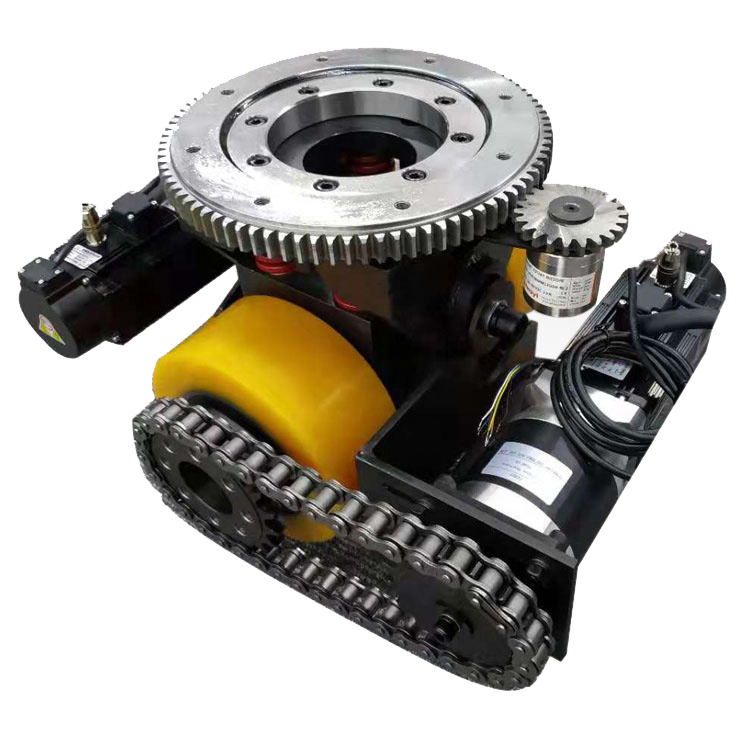
TZBOT 48V DC 2 Ton Heavy Duty Differential Unit AGV Wheel TZCS-750-30
A heavy-duty differential drive choice for tow tractors, cart trains, and high-load transfer in Oakland cross-docks or East Bay warehouses.
View product specs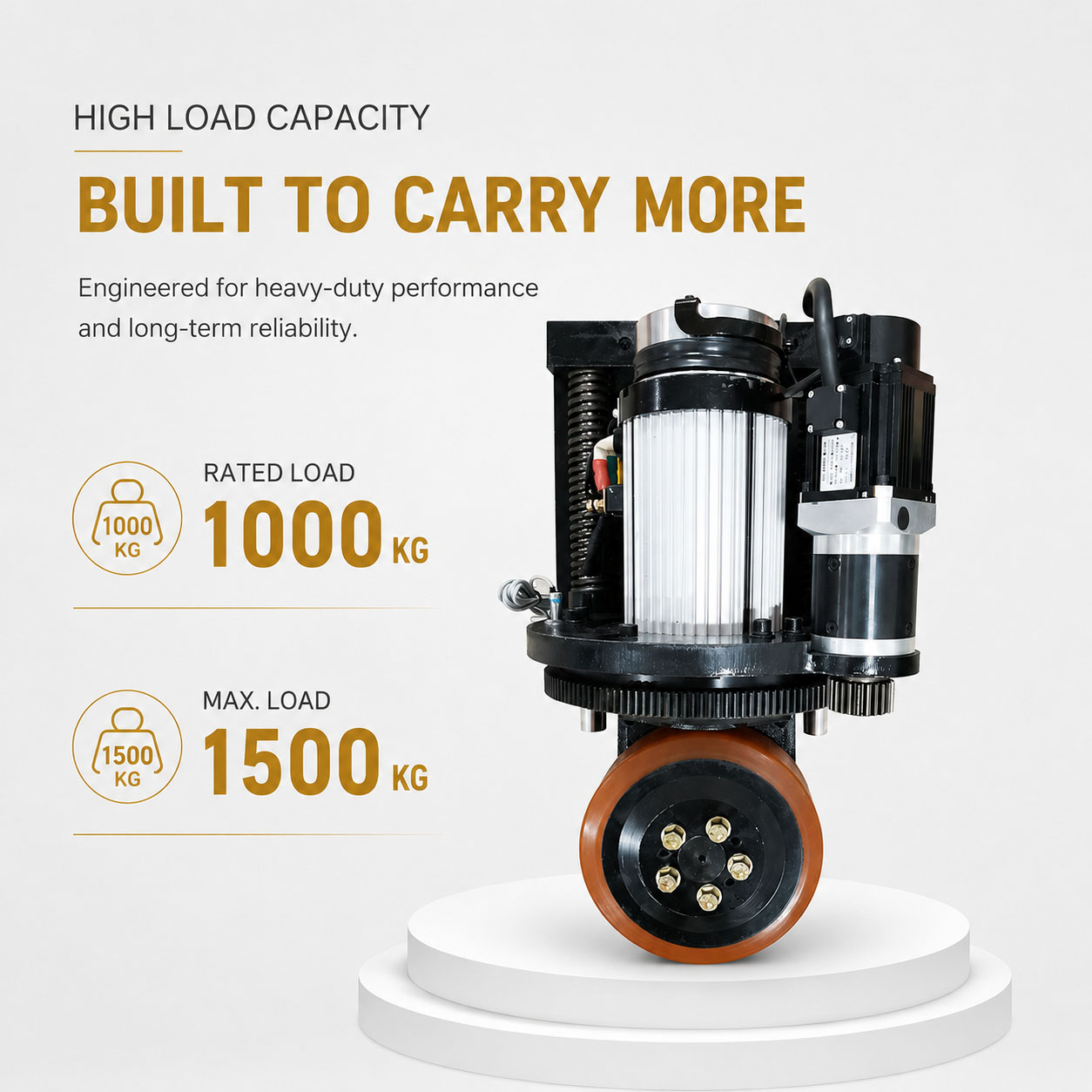
TZBOT 1000KG Bearing Duty 1500w Servo Motor AGV Forklift Driving Wheel with Suspension for Automatic Forklift
Integrated suspension helps maintain traction over dock levelers, expansion joints, and imperfect concrete in multi-tenant Bay Area buildings.
View product specs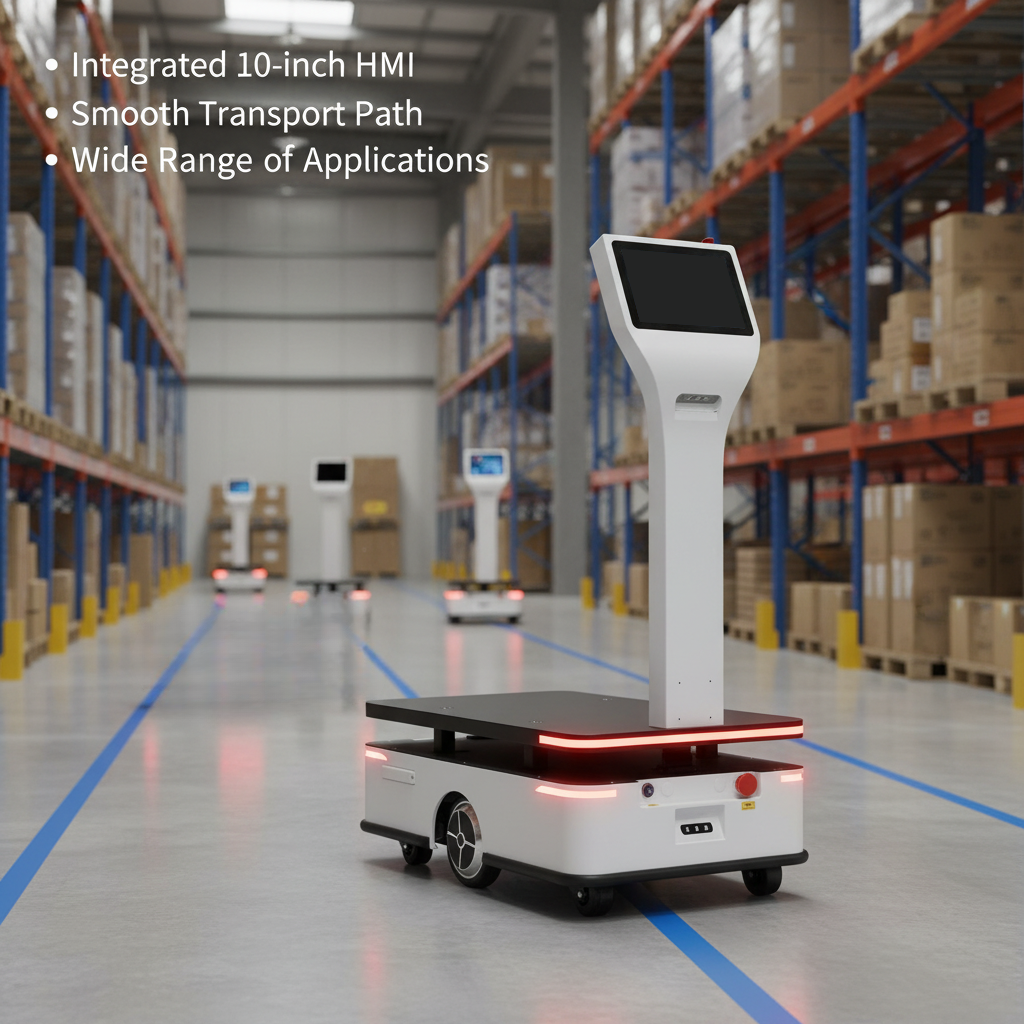
TZBOT Intelligent Warehouse Logistic Robot Unmanned Control System Customizable 80kg Payload agv Transfer Cart Slam Amr
A compact SLAM AMR platform for lightweight towing, point-to-point delivery, and micro-fulfillment routes where flexibility matters more than fixed tape.
View product specs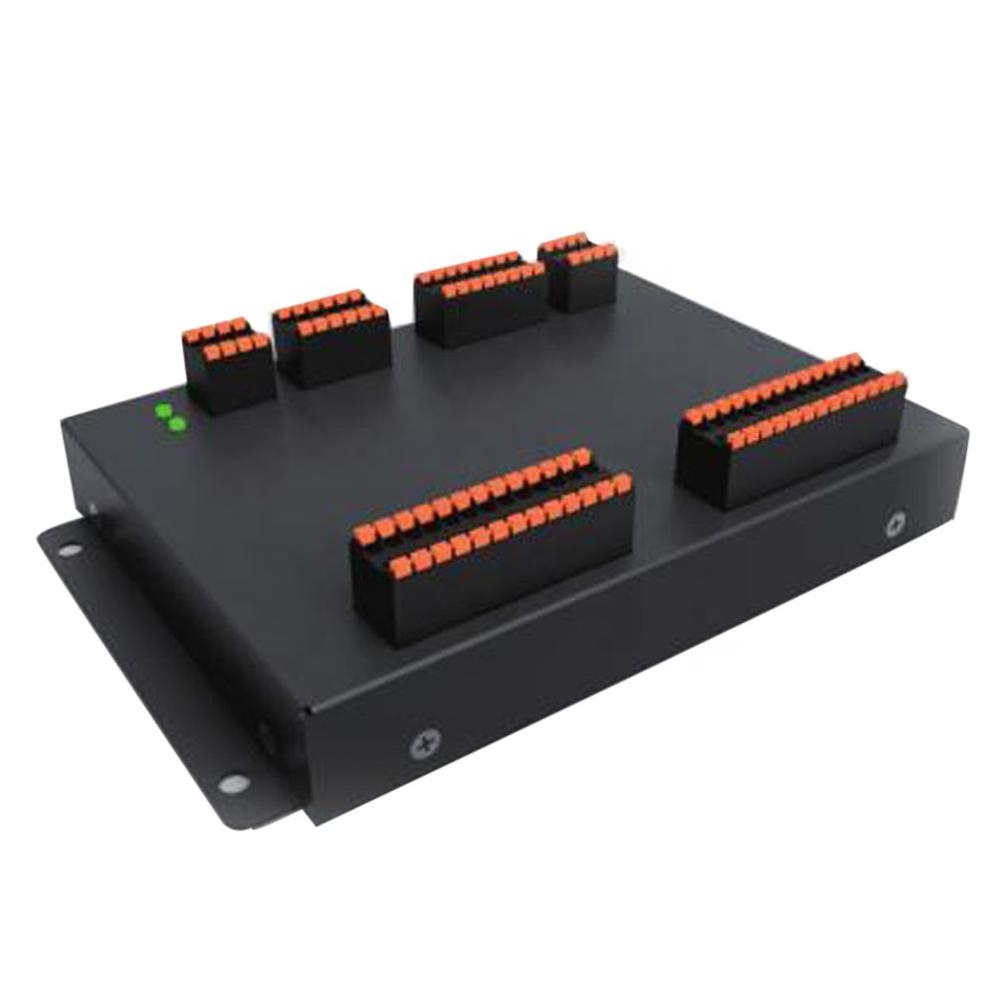
TZBOT TZC-MST-FX200D-A Controller for Commanding the AGV
A dedicated AGV controller for OEMs that need repeatable vehicle commands, interface logic, and a clear path from prototype to production.
View product specs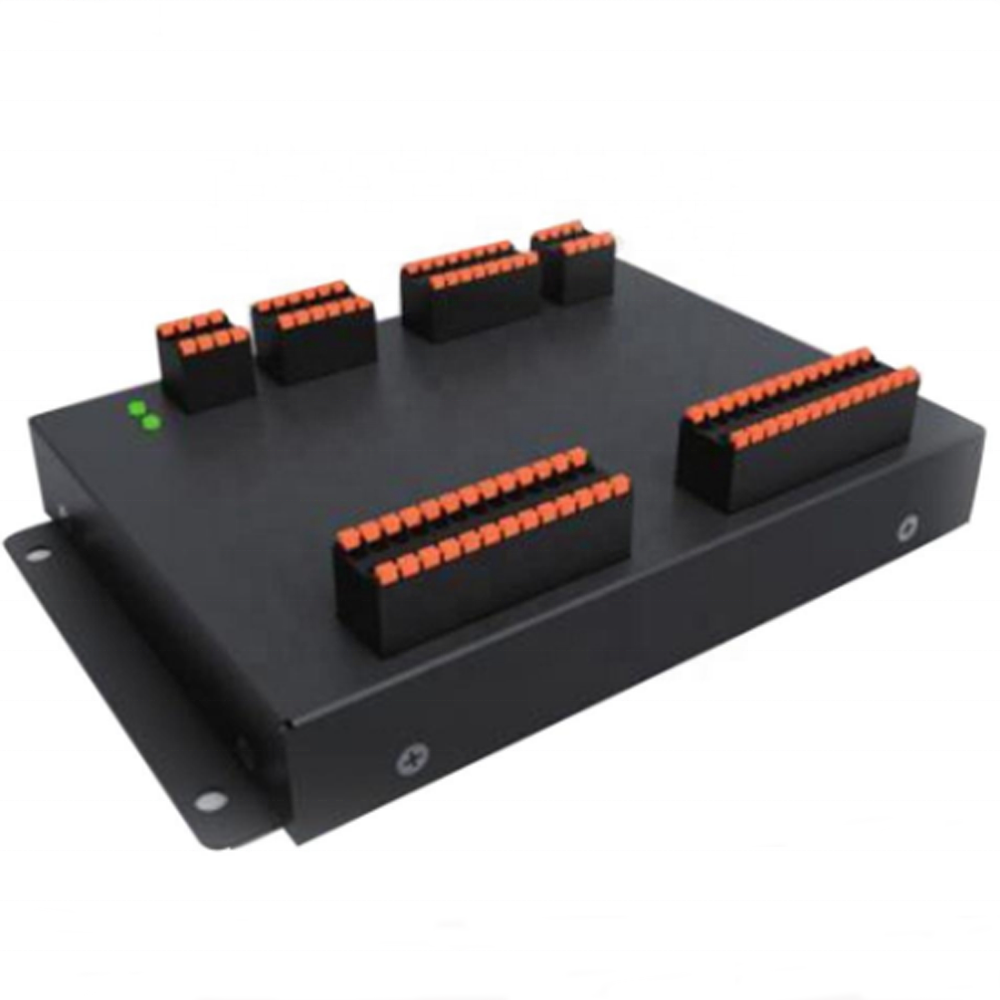
TZBOT FX Series Controller of HX Support Magnetic Tap Guided AGV
Best suited to stable, high-repeat routes such as receiving-to-staging, cross-dock transfer, and repetitive cart towing where magnetic tape is practical.
View product specs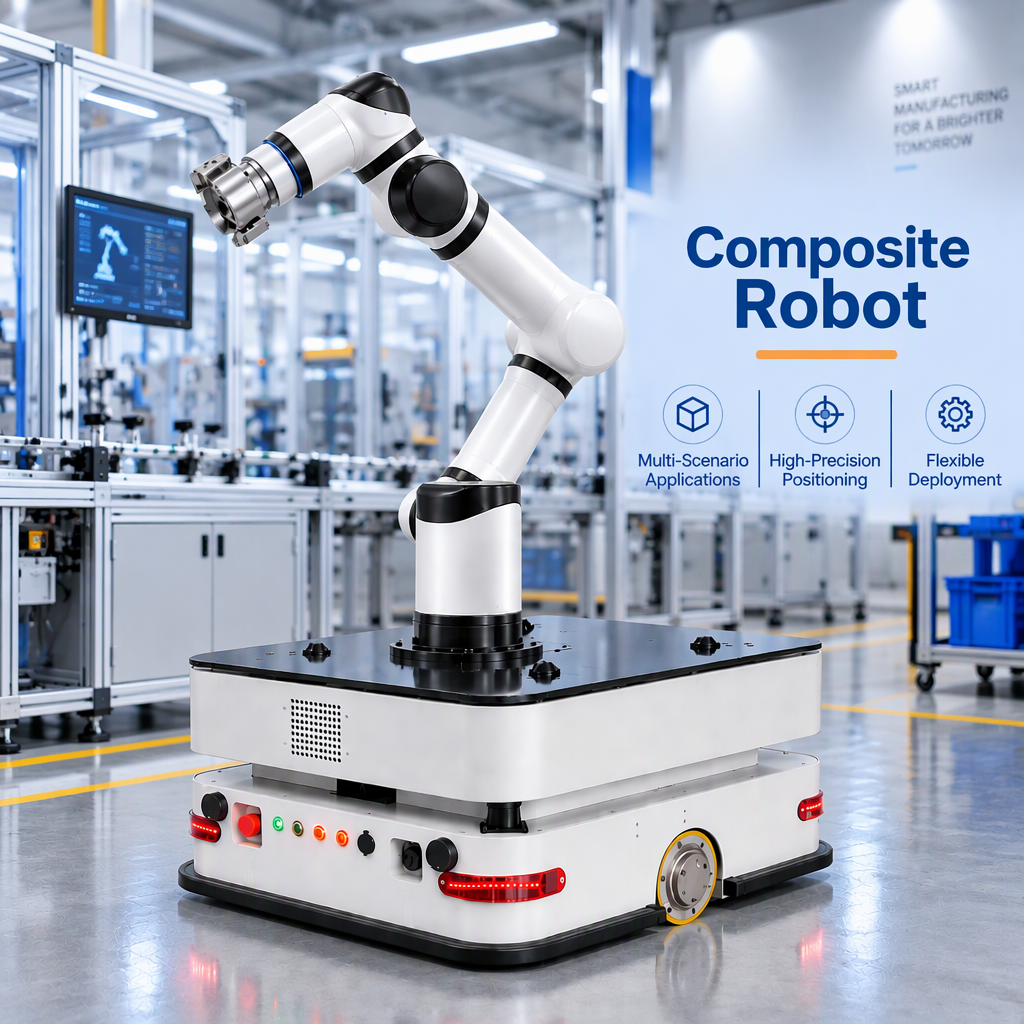
TZBOT Auto Guidance Mobile Chassis 1000kg Payload AGV Integrate Arm Robotic Intelligent Composite Robot
A mobile chassis platform for composite robot applications, including South San Francisco life-science logistics and electronics material handling.
View product specs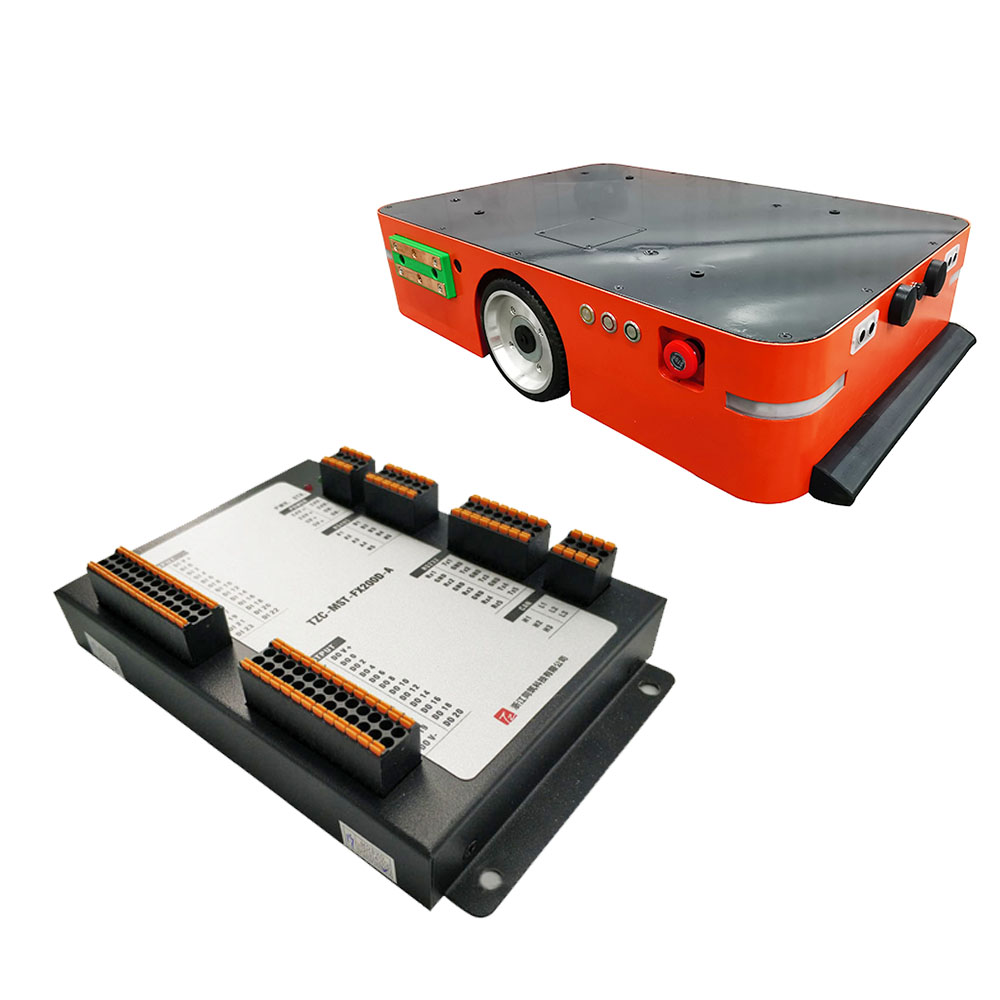
TZBOT Smart agv Controller for Commanding the AGV
Flexible AGV command control for integrators who need to connect vehicle motion with warehouse systems, safety logic, and fleet workflows.
View product specs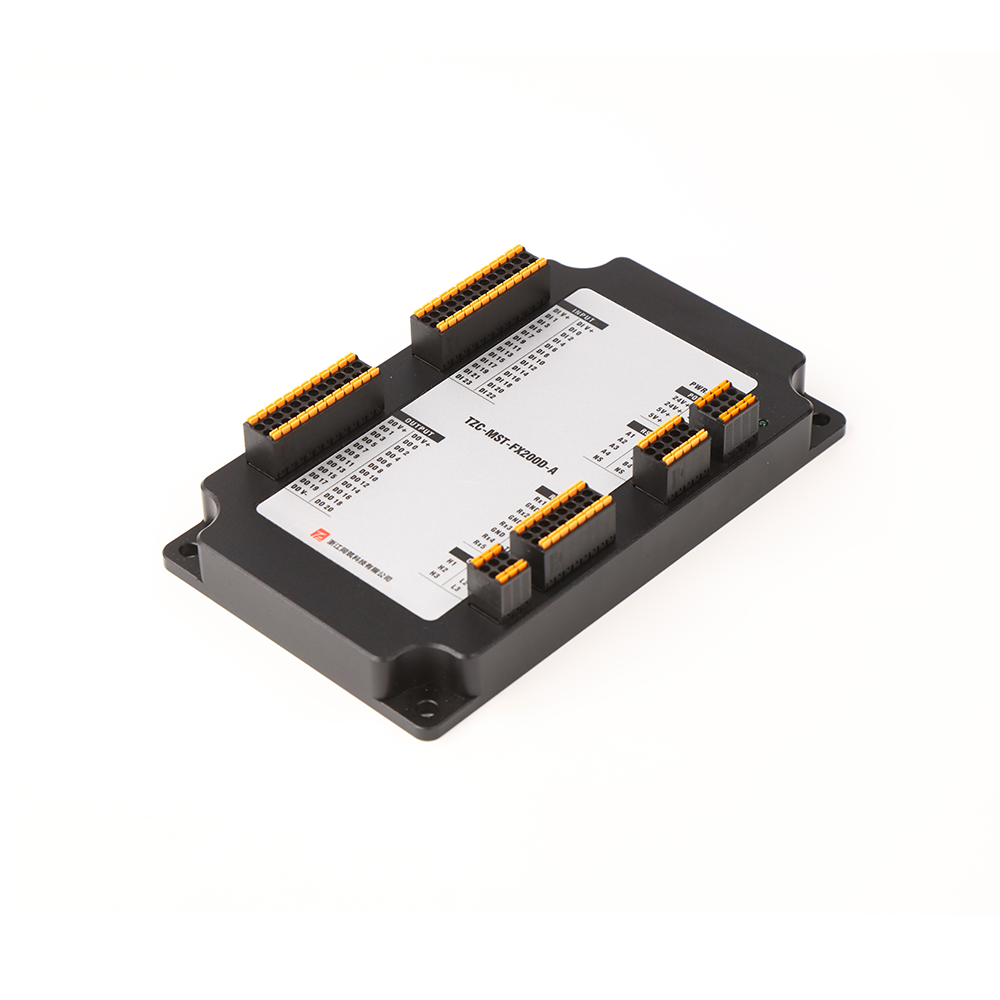
AGV Accessories Automated Guided Vehicle Controller with 19V~29V Power for AGV Robot
A compact low-voltage controller option for small AGV robots, laboratory carriers, and cost-sensitive towing prototypes.
View product specsNeed a matched towing AGV bill of materials? Inquire Now and share your load, speed, chassis height, and battery voltage.
What Bay Area Buyers Should Know Before Sourcing a Towing AGV
San Francisco is not a generic warehouse market. Limited industrial space, high labor costs, mixed-use buildings, and demanding safety expectations change the specification.
San Francisco is a high-cost, space-constrained market. A towing AGV must earn its floor space by reducing walking, lifting, and cart staging time, and by working safely around people in narrow aisles. For OEMs and integrators in the Bay Area, the sourcing question is not simply which factory sells the lowest-price tugger. It is which factory can supply a matched drive train, document the engineering assumptions, and support a mixed fleet across San Francisco, South San Francisco, Oakland, San Jose, and the wider Bay Area.
Torqen has manufactured AGV drive wheels, motors, controllers, navigation sensors, and complete AGV platforms since 2015. Our factory is ISO 9001:2015 certified and Intertek onsite-verified, with 8 awarded patents and five in-house testing instruments. We support sample-based and design-based customization, OEM production, buyer-label packaging, and export logistics. That experience matters when a San Francisco integrator needs to move from a prototype to a repeatable towing-AGV program without revalidating every component.
Four San Francisco Towing AGV Use Cases
Match the AGV platform to the physical environment first, then optimize payload, navigation, and safety electronics.
Urban micro-fulfillment and retail replenishment
Dense San Francisco retail and last-mile hubs often use short, repeatable cart routes through tight aisles and elevators. A compact SLAM AMR or a 1,000 kg servo traction wheel can reduce manual cart pushing without requiring a full conveyor retrofit.
South San Francisco biotech and life-science logistics
Life-science facilities value traceability, clean movement, and predictable handoffs. A composite robot platform built on a 1,000 kg auto guidance chassis can support laboratory material transfer, while documented components simplify internal validation.
Oakland port and East Bay cross-dock towing
Heavy cart trains, long shifts, and concrete expansion joints call for robust traction. A 48V DC 2-ton differential unit paired with proper motor and driver matching is a practical starting point for high-duty towing AGVs.
Multi-tenant buildings and multi-floor movement
Low-clearance chassis, compact controllers, and careful speed zoning are often more important than top speed. A 19V–29V controller can suit small robotic carriers, while suspension drive wheels improve traction at dock transitions.
Four Bay Area Trends Reshaping Towing AGV Procurement
San Francisco buyers are not only comparing unit price. They are comparing uptime, integration risk, documentation quality, and total cost of ownership.
Labor cost and safety ROI
With high local labor costs, Bay Area managers expect towing AGVs to reduce repetitive walking and cart handling while improving ergonomics and pedestrian safety. Suppliers must document stopping logic, speed limits, and service access.
Mixed-fleet interoperability
Few Bay Area facilities start from a blank floor. An AGV project often joins existing forklifts, conveyors, WMS software, and manual carts. Controllers and drive electronics should expose clear interfaces rather than create another isolated fleet.
Micro-fulfillment in tight footprints
Urban fulfillment formats reward compact turning, precise docking, and low floor pressure. The right combination of differential drive, suspension wheel, and SLAM AMR platform can usually outperform a larger, over-specified vehicle.
Energy flexibility and charger constraints
Voltage architecture affects charger selection, runtime, battery strategy, and floor space. A factory that offers 24V, 48V, and compact low-voltage control options can help integrators avoid redesigning the entire electrical system.
Towing AGV Specification Matrix for Bay Area Deployments
Use this comparison to align product selection with the actual route, floor, building, and fleet-control conditions.
| Decision area | Recommended options | Why it matters in San Francisco |
|---|---|---|
| Light cart delivery | 80 kg SLAM AMR transfer cart; compact 19V–29V controller | Fast deployment in tight retail, lab, and office-adjacent spaces where fixed tape is disruptive. |
| Medium towing and forklift traction | 1,000 kg servo driving wheel with suspension; smart AGV controller | Handles dock levelers, floor joints, and frequent direction changes while maintaining traction and control. |
| Heavy cart trains | 2-ton 48V DC differential unit; matched servo/BLDC driver | Supports East Bay cross-dock and warehouse routes with high towed loads and long duty cycles. |
| Fixed-route navigation | FX series magnetic guided controller; RFID tags at stations | Reliable for repeatable transfer routes where infrastructure can be planned and protected. |
| Flexible-route navigation | SLAM AMR; lidar obstacle avoidance; smart AGV controller | Better for multi-tenant buildings, changing layouts, and facilities that cannot modify the floor. |
| Safety and commissioning | Speed zoning, e-stop logic, bumper input, documentation package | Pedestrian traffic and mixed forklift environments require clear safety review and service procedures. |
| Documentation | Drawings, BOM traceability, test records, manuals, packaging labels | Supports OEM procurement, internal validation, and after-sales service for U.S. buyers. |
From San Francisco Requirement to Factory Shipment
A transparent four-stage process for engineering buyers who need predictable sampling, validation, and production.
Specification review
Share load, speed, slope, voltage, chassis height, and target route. Our engineers identify the drive wheel, motor, controller, and sensor baseline.
Matched prototype
Sample-based or design-based customization covers motor power, reduction ratio, wheel tread, encoder, brake, mounting, and label requirements.
Validation and documentation
Prototypes undergo extended-duration testing. Finished-product inspection, drawings, and test records support U.S. integration and service planning.
Production and export
ISO 9001:2015 controlled production, export packing, and flexible Incoterms support delivery to California and other global markets.
Why Torqen Supports OEM/ODM Towing AGV Programs
One factory for the complete drive train reduces integration risk between wheel, motor, driver, controller, and navigation sensor.
Single-source AGV drive train
Drive wheel assemblies, DC/AC motors, servo and BLDC controllers, magnetic/RFID sensors, and AGV accessories are developed under one engineering process.
Custom engineering and OEM production
We support sample-based customization, design-based customization, OEM production, design services, and buyer-label packaging for towing AGV platforms.
Tested before shipping
Five in-house testing instruments, finished-product inspection, and extended-duration prototype runs before production parts are released.
Production scale and experience
Founded in 2015, with a 1,000–3,000 m² factory, 51–100 team members, and US$5M–10M annual output as published on our company profile.
Export-ready terms
Payment methods include T/T, L/C, D/P, D/A, credit card, PayPal, Western Union, cash, and escrow. Delivery terms include FOB, CFR, CIF, EXW, CIP, FCA, CPT, DDU, and express.
After-sales and integration support
Wiring diagrams, driver parameter guidance, spare-parts supply, and fault analysis help Bay Area integrators support the vehicle after delivery.
San Francisco Buyer FAQ: OEM/ODM Towing AGV Sourcing
Practical answers for procurement teams, automation integrators, and engineering managers evaluating a factory partner for the Bay Area market.
Are you a towing AGV manufacturer, a component supplier, or both?
We are both a component manufacturer and an AGV platform supplier. Torqen manufactures AGV drive wheel assemblies, DC/AC motors, servo and BLDC controllers, navigation sensors, and AGV accessories, and we also build automatic guided vehicles and mobile chassis. For OEM/ODM towing AGV programs, this means one factory can match the wheel, motor, driver, controller, and navigation hardware rather than leaving integration risk to multiple vendors.
Can you customize a towing AGV for San Francisco’s tight buildings, ramps, and dock transitions?
Yes. Share the actual route, floor transitions, ramp angle, aisle width, elevator dimensions, and available chassis height. Typical customizations include motor power and voltage, reduction ratio, wheel diameter and tread material, encoder type, brake options, suspension, mounting interfaces, and controller configuration. For tight buildings, we usually recommend validating the smallest turning envelope and the worst floor transition before choosing top speed or maximum payload.
Which drive wheel is recommended for heavy towing or cart trains?
For heavy towing, start with the TZBOT 48V DC 2 Ton Heavy Duty Differential Unit AGV Wheel TZCS-750-30, then match the motor driver and reduction ratio to your actual towed load and duty cycle. For medium-duty towing where floor transitions and traction are concerns, the 1,000 kg bearing-duty 1500 W servo driving wheel with suspension is often a better fit. Do not select by payload alone — speed, slope, duty cycle, floor condition, and acceleration targets also change the drive requirement.
Should a Bay Area warehouse use magnetic tape, QR codes, RFID, or SLAM navigation?
Use magnetic tape when routes are fixed and the floor can be protected. Use RFID tags for station recognition, speed zones, and junctions. Use QR codes for grid-based warehouse layouts. Use lidar SLAM when the layout changes often or the building cannot be modified. Many towing AGV projects use a hybrid approach: SLAM or QR for flexible transport and RFID for precise station behavior. The controller and sensor mix should be chosen together.
How is quality and documentation handled for U.S. buyers?
Our quality management system is certified to ISO 9001:2015, and our facility has been verified onsite by Intertek. We run finished-product inspection with five in-house testing instruments, and prototypes undergo extended-duration testing before production parts ship. For U.S. integration, buyers should request drawings, BOM traceability, test records, wiring information, and manuals, and should confirm any site-specific UL, ETL, or safety requirements with their integrator before deployment.
What payment and shipping terms are available for California delivery?
Accepted payment methods include T/T, L/C, D/P, D/A, MoneyGram, credit card, PayPal, Western Union, cash, and escrow, in USD, EUR, JPY, CAD, AUD, HKD, GBP, or CNY. Delivery terms include FOB, CFR, CIF, EXW, CIP, FCA, CPT, DDU, and express delivery. For Bay Area projects, we recommend agreeing early on Incoterms, packaging protection, and documentation responsibilities so customs and final-mile delivery do not delay commissioning.
How do we start an OEM/ODM towing AGV project?
Send your target application, towed load, speed, slope, battery voltage, chassis height, route type, and required documentation. Our engineers will recommend a drive wheel, controller, navigation option, and safety architecture, then propose a sample or prototype path. If you already have CAD or a chassis design, include it so we can check mounting interfaces and service access before quoting.
Request an OEM/ODM Towing AGV Proposal
Send your load, speed, chassis, battery voltage, and route details. Our engineers will match the drive wheel, controller, and navigation hardware for your San Francisco or Bay Area deployment.
Factory-direct OEM/ODM support · ISO 9001:2015 quality management · Export terms available for U.S. buyers.
