How should we compare omnidirectional AGV suppliers in the Hanoi market?
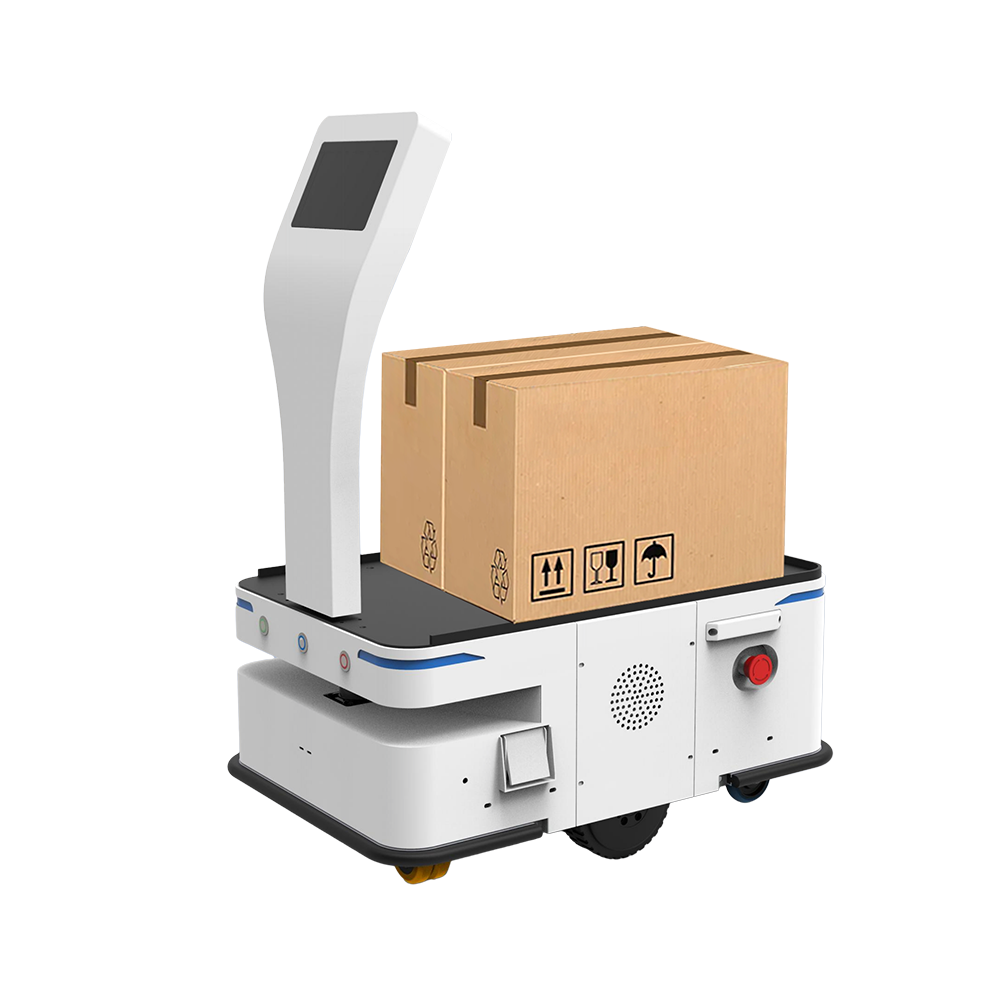
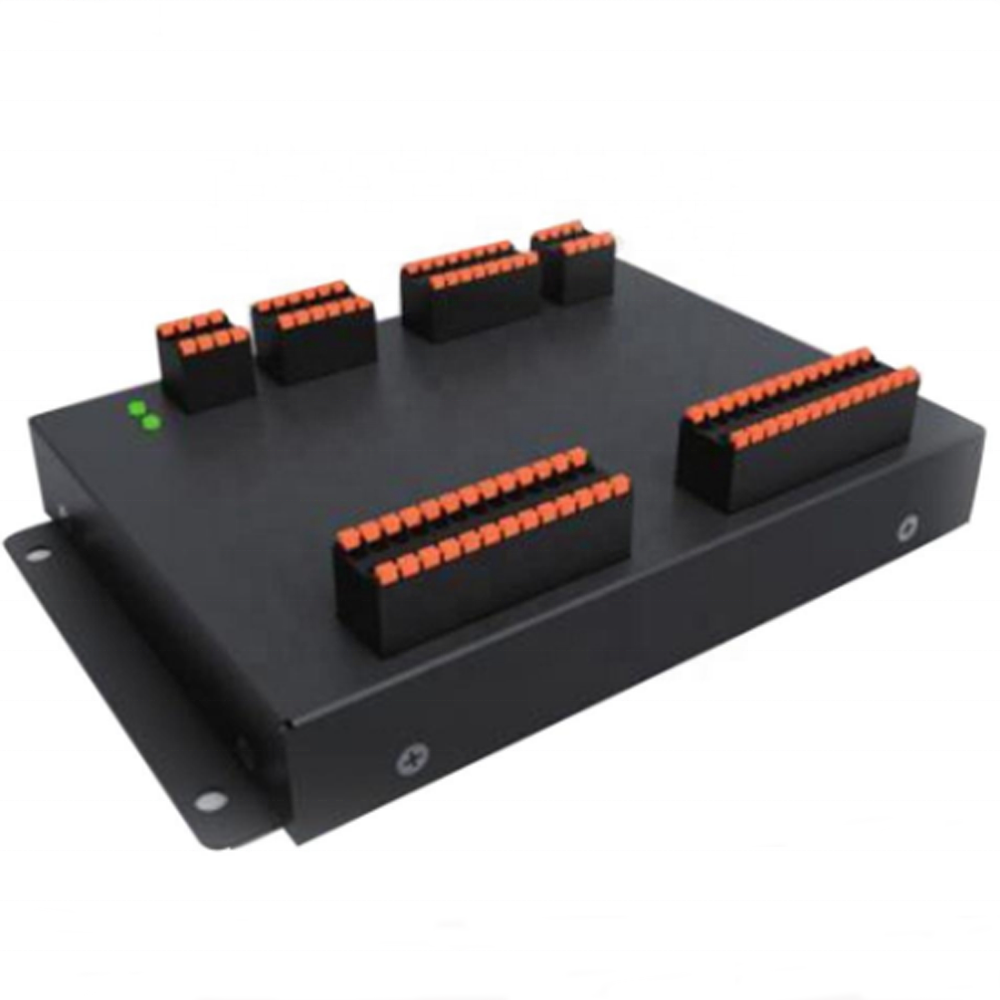
Start with the application, not the brochure. Ask each supplier to explain how the vehicle will turn, approach the load and recover from a blocked path. Request evidence of matched drive, controller and navigation components, a spare-parts list, commissioning support and a realistic delivery plan to Hanoi. A supplier that can show test records, customization rules and safety logic is usually more valuable than one offering the lowest wheel price.
Can one drivetrain support both differential and true omnidirectional motion?
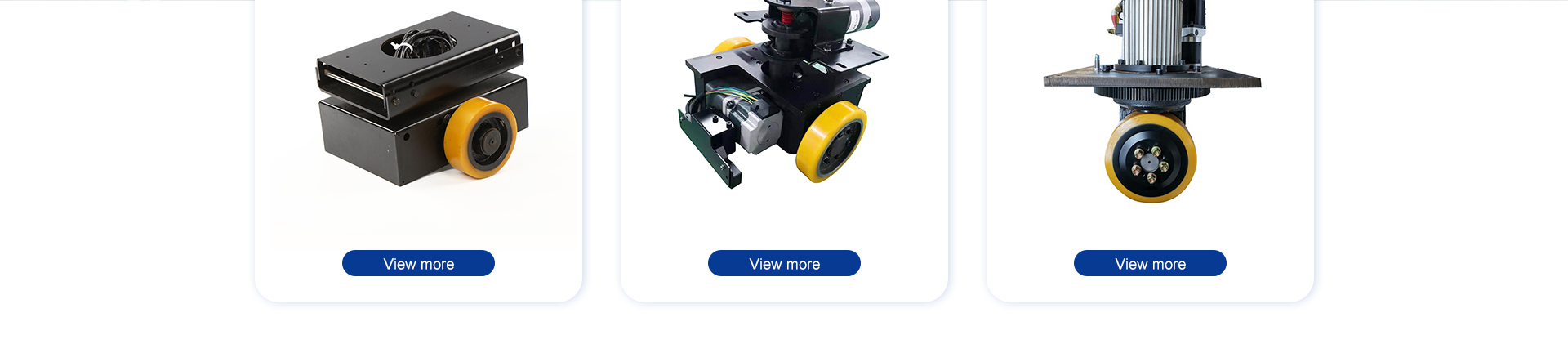
Not exactly. Differential drive is excellent for compact AGVs, latent lifting and cart towing, but it is not holonomic. True omnidirectional motion usually requires mecanum wheels, omni wheels or independently steered drive modules, plus a controller that can coordinate wheel vectors. For many Hanoi projects, a tight-turning differential AGV is sufficient. If sideward or diagonal travel is mandatory, define the motion requirement in the RFQ and ask for a custom drivetrain evaluation.
What RFQ data shortens quotation and sampling?
Send gross vehicle weight, payload, load center, target speed, maximum ramp, floor material, aisle width, required turning envelope, battery voltage, charging strategy, navigation method and daily operating hours. A simple layout drawing with pick-up and drop-off points is also useful. For composite robots, add arm reach, gripper type, cycle time and machine interface details.
How are AGVs and drive wheels shipped to Hanoi, and what terms are common?
Common delivery terms include FOB, CFR, CIF, EXW, CIP, FCA, CPT, DDU and express delivery. Payment methods can include T/T, L/C, D/P, D/A, MoneyGram, credit card, PayPal, Western Union, cash and escrow, with currencies such as USD, EUR, JPY, CAD, AUD, HKD, GBP and CNY. For Hanoi delivery, confirm export packing, HS code, import VAT, customs broker responsibility and whether the charger is compatible with 220 V / 50 Hz supply.
Is local after-sales support necessary if we import from China?
It depends on your internal engineering capability and the criticality of the line. At minimum, negotiate remote commissioning support, wiring diagrams, driver parameter files, fault-code training and a recommended spare-parts kit. For multi-shift operations, keeping one drive wheel, controller or sensor spare on site can prevent long downtime. A supplier with fast online response and traceable production records makes remote support more practical.
Which power and charging specifications matter in Vietnam?
AGVs typically use 24 V or 48 V battery systems, while the charger connects to the local AC supply. Vietnam uses 220 V / 50 Hz, so confirm charger input range, plug type and protection rating. Also plan charging space, ventilation, cable routing and opportunity-charging windows. If the vehicle operates in a cold store or humid area, request appropriate protection and condensation planning rather than assuming a standard charger is suitable.
How is product quality verified before shipment?
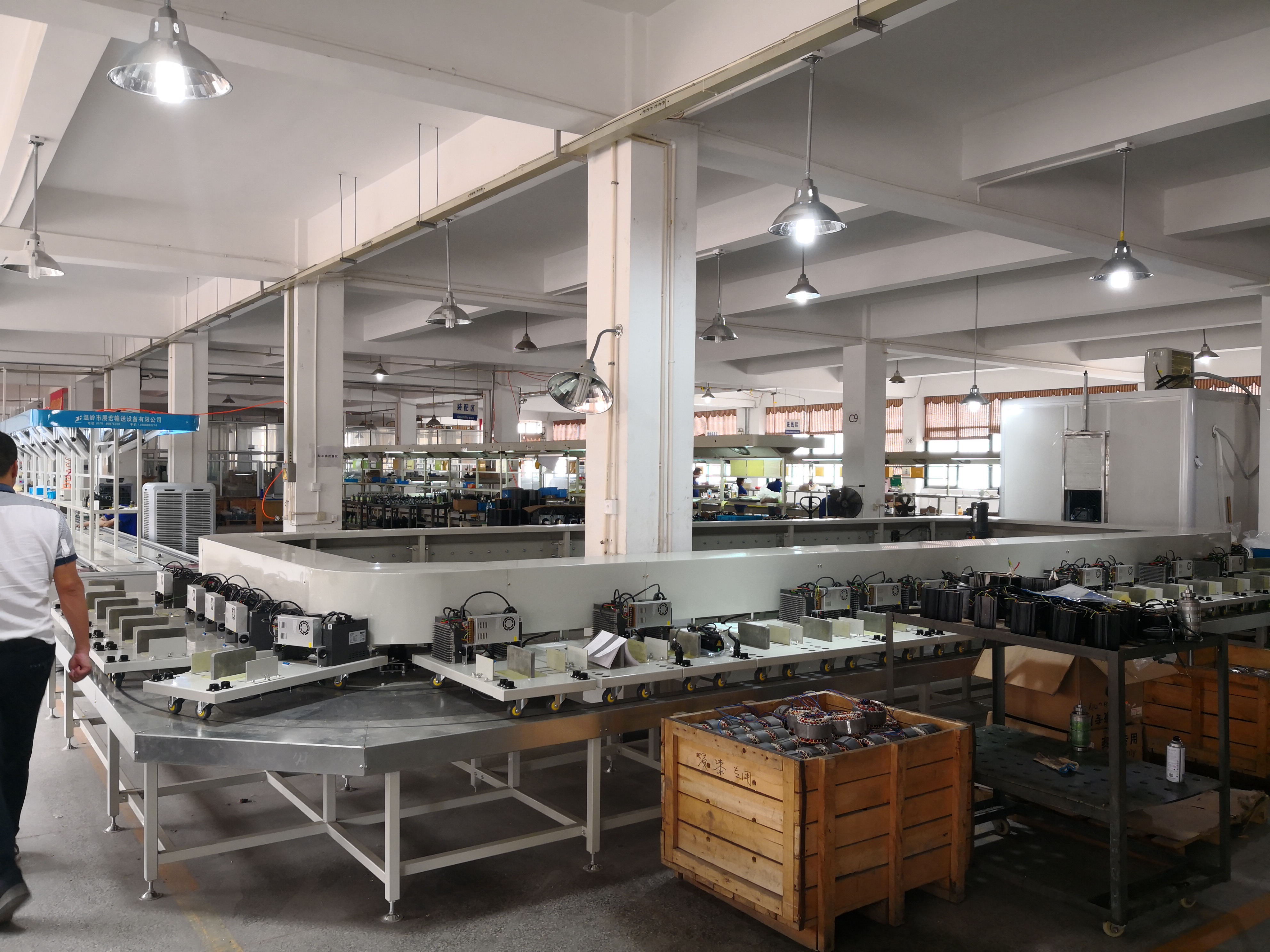
A credible supplier should describe the inspection process in detail. Torqen operates an ISO 9001:2015 quality management system and has been verified onsite by Intertek. Prototypes undergo extended-duration testing, and finished products are inspected with in-house testing instruments before packing. Buyers should also request the final inspection checklist, photos of nameplate and wiring, and packing confirmation before balance payment.
Do you support OEM/ODM customization and Vietnamese labeling?
Yes. Support includes sample-based customization, design-based customization, OEM production, design services and buyer-label packaging. Typical changes include motor power and voltage, reduction ratio, wheel diameter, tread material, encoder type, brake options, mounting interface and controller parameters. For Vietnamese labeling, provide the approved artwork and language requirements early so that nameplate and packaging can be included in the production plan.