Eight pallet handling and AGV building blocks for Stuttgart projects
These are the product families most often requested by system integrators, wholesalers and plant engineering teams building pallet handling automation. Each product links to its original Torqen product page so procurement and engineering teams can compare the platform, drive wheel, controller or composite robot option in detail.
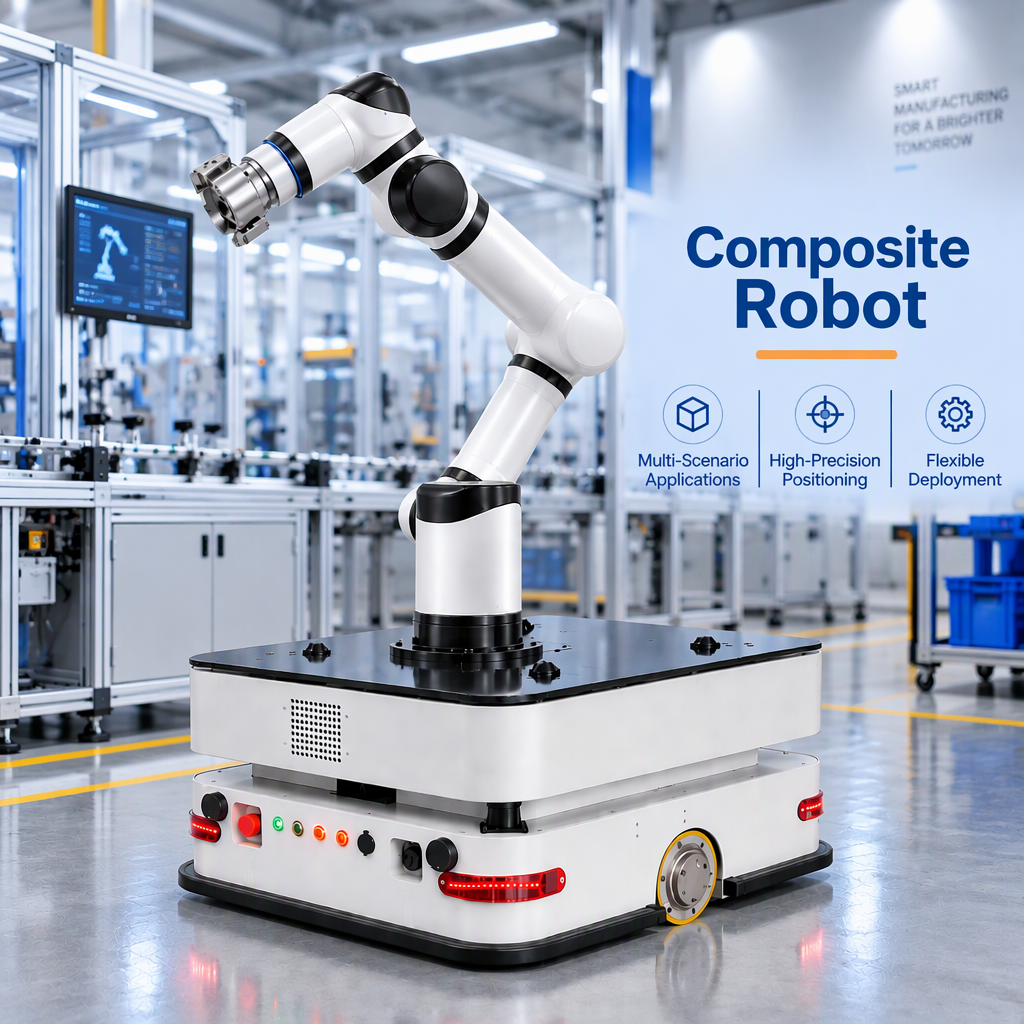
TZBOT Auto Guidance Mobile Chassis 1000kg Payload AGV Integrate Arm Robotic Intelligent Composite Robot
A 1,000 kg payload auto-guided mobile chassis integrated with a robotic arm for intelligent composite pallet and part handling. Suitable for line-side tending, kitting and flexible end-of-line tasks where one platform must move and manipulate.
- 1,000 kg payload
- AGV + arm
- Intelligent handling
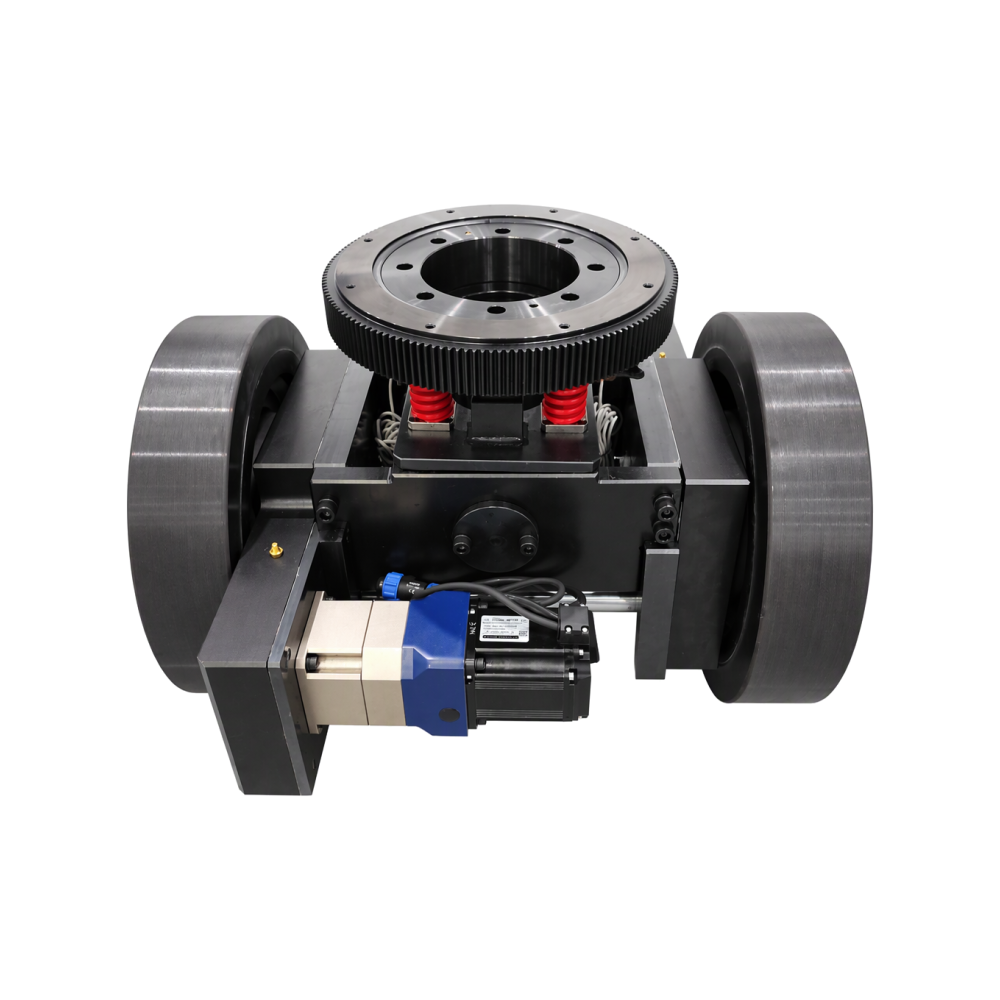
TZBOT Heavy Duty Series agv Wheel 1000w 48v Servo Motor Control Mobile Robot Differential Drive Wheel with Spring Suspension
Heavy-duty differential drive wheel with 1,000 W, 48 V servo motor control and spring suspension. Built for pallet movers and industrial mobile robots that need stable traction through floor transitions.
- 1,000 W
- 48 V servo
- Spring suspension
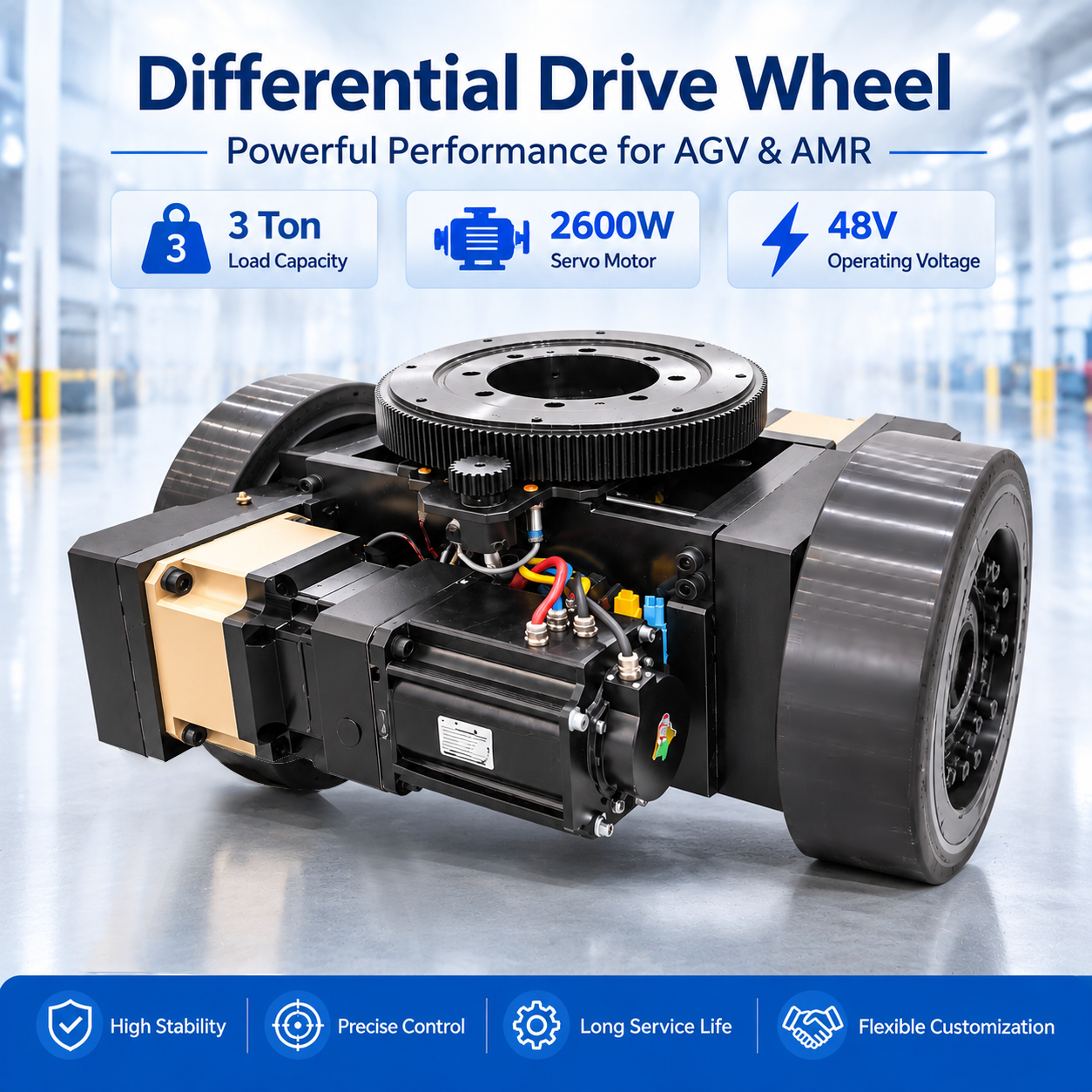
TZBOT Customizable 3000kg Load Capacity agv Wheel Automatic Guided Vehicle Differential Drive Wheel with 2600w 48V Servo Motor
Customizable 3,000 kg load capacity AGV differential drive wheel with 2,600 W, 48 V servo motor. A candidate for heavy pallet trucks, transfer cars and large industrial platforms.
- 3,000 kg
- 2,600 W
- Customizable
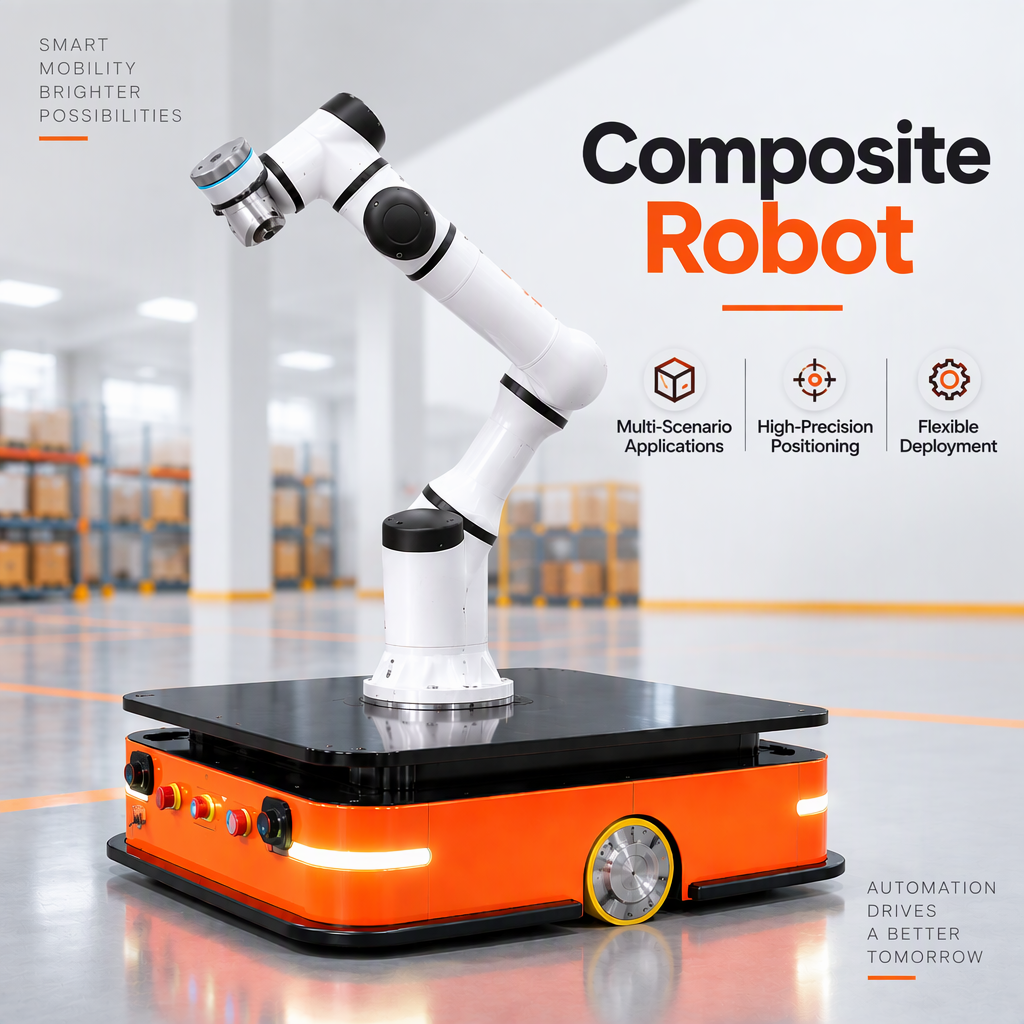
TZBOT Customizable Composite Robot Multi Applications 600kg Bearing Chassis AGV AMR with Robotic Arm
600 kg bearing chassis composite robot with robotic arm and multi-application layout. Useful for flexible pallet, tote and workpiece handling in high-mix assembly areas.
- 600 kg
- Multi-application
- AGV / AMR
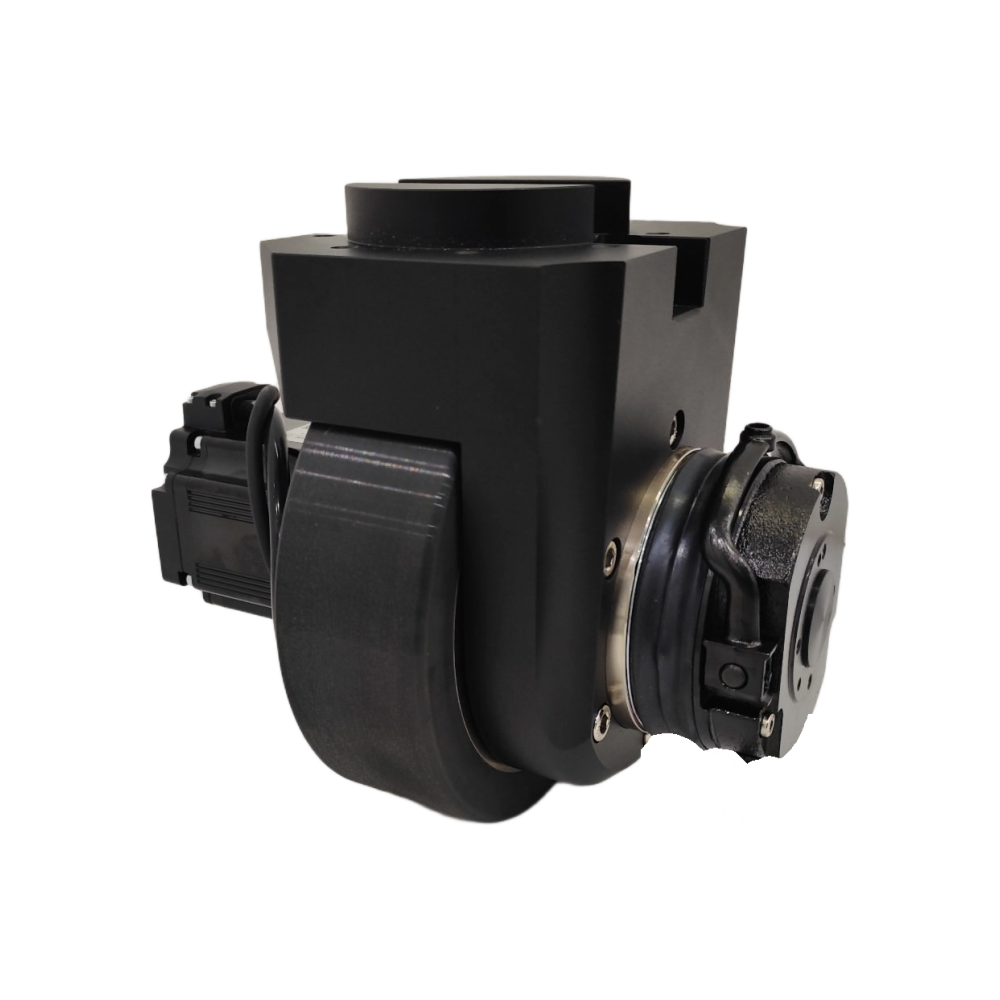
TZBOT Compact Structure agv Wheel Imported Polyurethane 1000kg Load Duty Mobile Robot Horizontal Drive Wheel Unit
Compact horizontal drive wheel unit with imported polyurethane and 1,000 kg load duty. Suits low-clearance pallet robots, under-ride carts and space-constrained chassis.
- 1,000 kg
- Low profile
- Imported PU
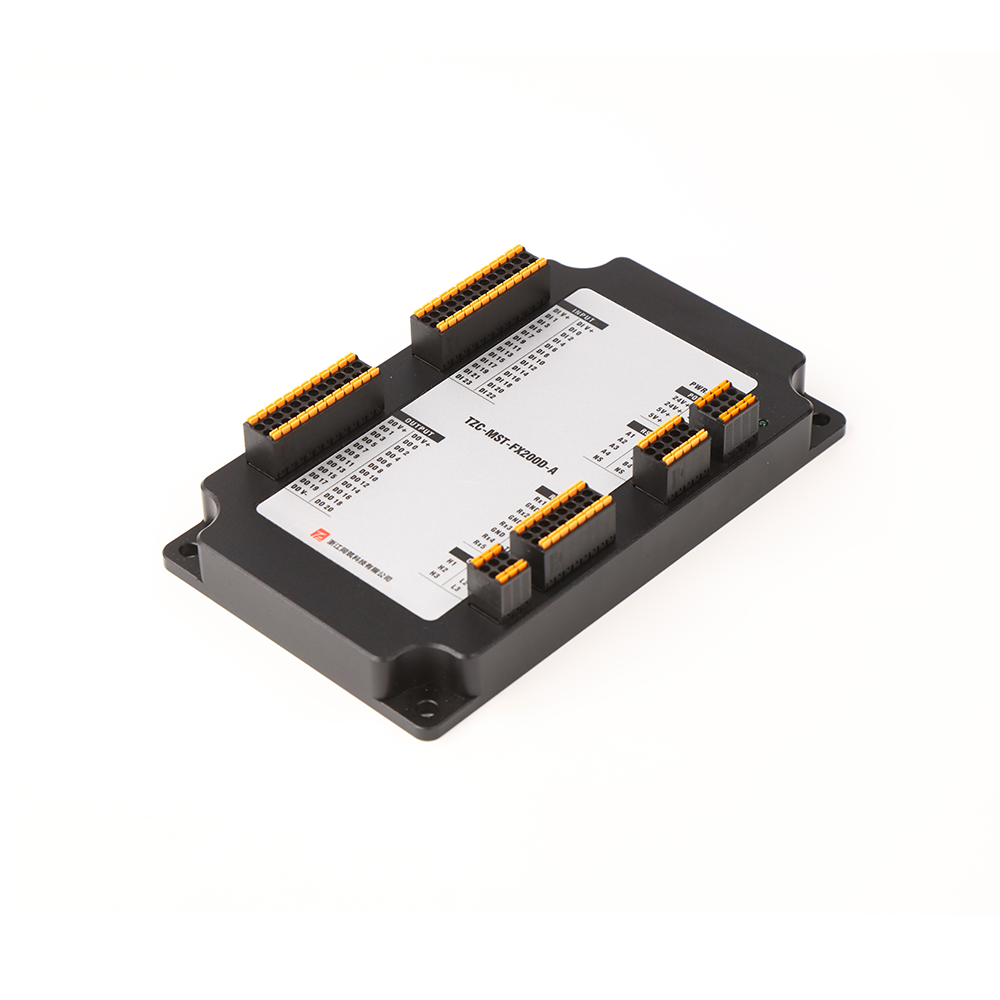
AGV Accessories Automated Guided Vehicle Controller with 19V~29V Power for AGV Robot
19 V–29 V automated guided vehicle controller for AGV robot power and motion control. A compact electronic building block for pallet robot retrofits and volume OEM production.
- 19–29 V
- AGV controller
- OEM supply
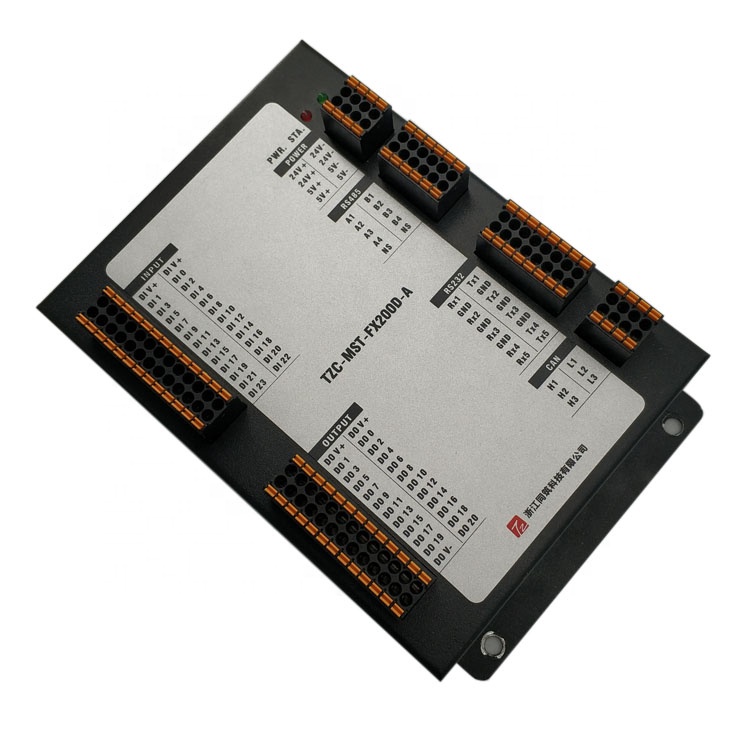
TZBOT AGV Smart Controller TZC-MST-FX200D-A with Function of Mapping and Auto Guide for agv
Smart controller with mapping and auto-guide functions for AGV navigation. Supports route learning and guidance in structured pallet handling environments.
- Mapping
- Auto guide
- TZC-MST-FX200D-A
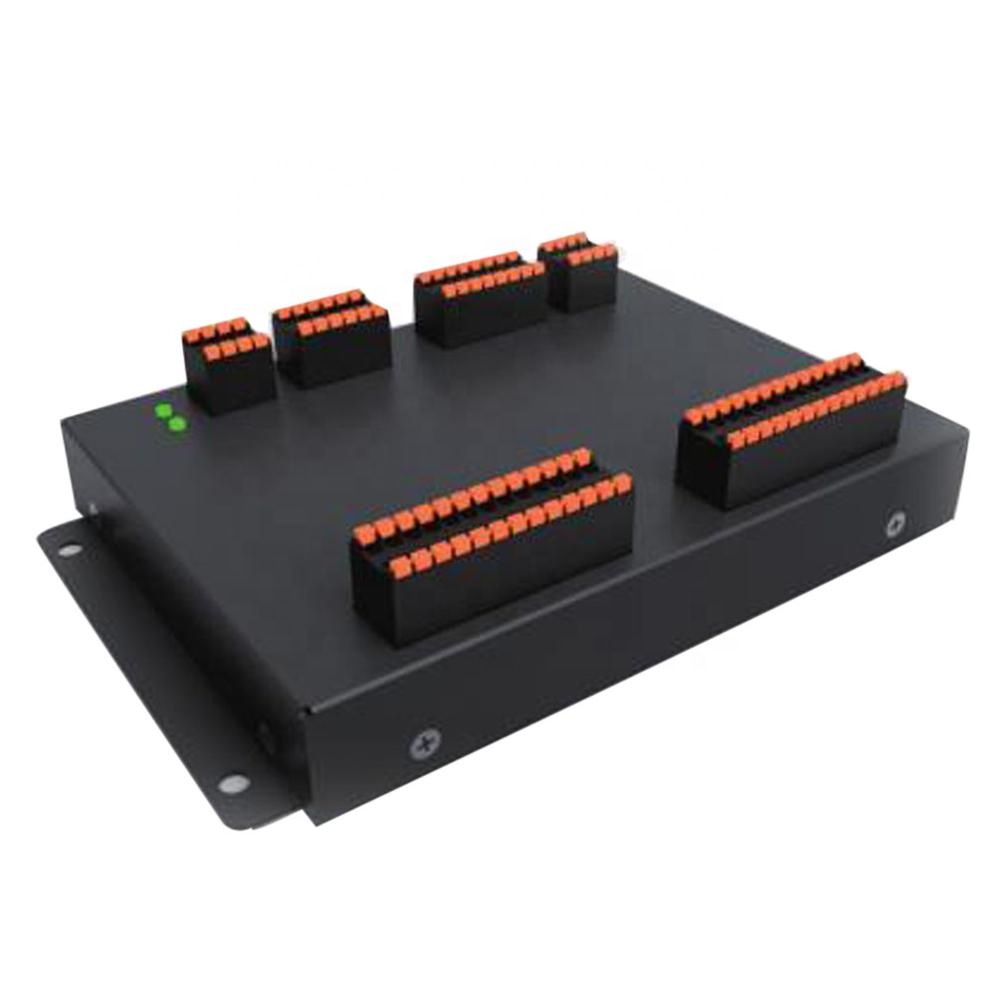
TZBOT Smart Controller TZC-MST-FX200D-A for Guiding the AGV Robot
TZC-MST-FX200D-A smart controller for guiding AGV robots. A service and spare-part option for fleet maintenance, controller replacement and retrofit projects.
- AGV guidance
- Spare part
- Smart control
What makes pallet handling robot procurement in Stuttgart different?
Stuttgart is not a generic logistics market. The region combines automotive OEM and Tier 1 production, machine building, precision electronics and a dense network of logistics providers. Pallet handling robots are evaluated less as stand-alone machines and more as production assets that must fit existing line-side buffers, narrow aisles, fire compartments, WMS/MES workflows and safety concepts.
For buyers comparing pallet handling robot suppliers and wholesalers serving the Stuttgart market, the real question is not simply “who sells an AGV?” It is who can provide a traceable drive train, technical documentation, a customization path and spare-part continuity after commissioning. A robot that moves a pallet once is a demo. A robot that moves pallets across three shifts, around real floor transitions and through an existing safety zone is a production asset.
Zhejiang Torqen Technology Co., Ltd. serves Stuttgart and Baden-Württemberg projects from its manufacturing base in Zhejiang, China. We are transparent about that model: we are a factory-direct manufacturer and trading company established in 2015, not a local warehouse. For Stuttgart projects, that means the fastest path is usually a clear RFQ with load, speed, voltage, aisle and integration data, followed by a matched drive wheel, controller or composite chassis proposal and an export plan that fits your integrator or wholesale business.
The content below is written for procurement managers, system integrators, plant engineers and wholesale distributors who need to compare a local integrator with a factory-direct component supplier. It focuses on information gain: what to specify, what to verify, where the safety responsibility sits and how to reduce commissioning risk before the first pallet moves.
Practical supplier weighting model
Use this as a starting point for Stuttgart pallet handling robot RFQs; adjust the weighting to your line criticality, existing fleet and internal procurement rules.
Line-side sequencing
Pallet robots must synchronise with production takt time, buffers and supermarket replenishment. Vehicle autonomy matters less than reliable station arrival and handover.
High-mix production
Stuttgart’s machine builders and suppliers often run many variants. The pallet handling concept should support route changes, pallet identification and future layout revisions.
Safety and CE documentation
Component suppliers provide drawings, declarations and technical data; the integrator normally completes the risk assessment and CE marking for the entire machine.
Retrofit and component sourcing
Many buyers already have a fleet. Drive wheels, controllers and guidance modules are requested as replacement or upgrade parts rather than complete new robots.
How to choose a pallet handling robot drive unit and navigation package
A pallet handling robot is a system. The vehicle concept determines the drive wheel, the controller and the navigation infrastructure. Use this comparison as a first filter before requesting a quotation from a Stuttgart integrator or a factory-direct supplier.
| Drive configuration | How it steers | Best fit for pallet handling |
|---|---|---|
| Differential drive unit | Two independently driven wheels turn by speed difference. | Latent, lifting and shelf-lifting pallet AGVs; compact turning inside existing production aisles. |
| Single steering drive wheel | A drive motor plus a dedicated steering motor sets the wheel angle. | Forklift-type AGVs, tricycle chassis, tugger vehicles and controlled docking at pallet stations. |
| Horizontal drive assembly | The motor is mounted horizontally to reduce build height. | Low-clearance pallet robots, under-ride carts and mobile platforms with limited chassis space. |
Five inputs that shorten a drive-wheel RFQ
Before asking for a pallet handling robot drive wheel, prepare these five values. They determine motor power, reduction ratio and wheel diameter—and reduce the sampling cycle considerably.
- Gross vehicle weight with the heaviest pallet and attachment.
- Target travel speed and required acceleration or deceleration.
- Maximum floor gradient, ramp or dock transition.
- Battery voltage and available power budget.
- Available chassis height and mounting envelope.
Pallet handling robot scenarios in Stuttgart and Baden-Württemberg
Stuttgart-area buyers rarely ask for a robot in isolation. They ask how a pallet will move from receiving to line-side, from production to quality, from end-of-line to dispatch—or from a returnable pallet pool back into the loop.
Automotive line-side pallet replenishment
Latent lifting AGVs, tugger-type platforms and composite chassis can move pallets from supermarkets to line-side buffers. In Stuttgart’s automotive supplier parks, the project usually succeeds when station arrival, pallet identification and empty-pallet return are designed together.
Battery and EV component kitting
Composite robots with a robotic arm and AGV/AMR chassis can support pick-place, kitting and tending tasks where a standard pallet truck is too rigid. The 600 kg and 1,000 kg composite platforms in the product range are relevant starting points for integrators.
Machine-building SMEs
In Esslingen, Göppingen, Ludwigsburg and the wider Stuttgart region, mid-sized machine builders often need one compact pallet robot rather than a full fleet. A compact horizontal drive wheel and a matched smart controller can be more practical than a large custom vehicle.
Warehouse and distribution operations
Around Stuttgart Airport, the exhibition centre and regional logistics parks, pallet handling robots are used for horizontal transfers, buffer replenishment and goods-to-person support. Magnetic guidance, QR grids or laser SLAM should be selected against the warehouse layout and change frequency.
Palletising and end-of-line tending
Composite robots can bridge mobile pallet transport and robotic handling. In high-mix production, an AGV/AMR with a robotic arm may reduce manual pallet presentation, but cycle time, gripper design and safety zoning must be validated before the platform is purchased.
Reverse logistics and returnable pallets
Returnable pallet and container loops often involve floor transitions, dock edges and mixed load weights. Heavy-duty differential wheels with spring suspension and a robust controller are a sensible selection path for these tasks.
Stuttgart pallet handling automation trends shaping supplier choice
These trends are visible across Stuttgart-area intralogistics projects. They explain why buyers increasingly ask for component-level documentation, customization and long-term spare-part support rather than a catalogue robot alone.
Interoperable fleets and VDA 5050 readiness
Mixed fleets and integration with fleet managers are increasingly requested. If VDA 5050 or a specific WMS/MES interface is required, state it in the RFQ and request interface documentation for validation by your integrator or fleet software provider.
CE, risk assessment and DGUV awareness
For EU deployment, the complete machine normally requires CE marking and a risk assessment by the integrator or end user. Purchase documentation should include component declarations, drawings, electrical data and safe-stop interfaces.
High-mix, low-volume flexibility
Stuttgart’s production base includes many specialised products. Pallet robots must adapt to changing layouts and variants. Mapping-capable controllers, route programming and modular drive units help reduce reconfiguration effort.
Energy efficiency and opportunity charging
Multi-shift pallet handling makes battery and charging strategy a commercial issue. Specify voltage, duty cycle, opportunity-charging strategy and peak current early so the drive wheel and controller are matched to the energy system.
Retrofit programmes and spare parts
Existing AGV fleets in Germany are being refreshed rather than always replaced. Drive wheels, smart controllers and power controllers are requested for retrofit, maintenance and second-source supply.
Data-driven service and traceability
Procurement teams increasingly ask for parameter records, wiring diagrams and batch traceability. This helps local maintenance teams resolve faults and keeps older pallet robots productive without a full replacement.
Why Torqen fits Stuttgart pallet handling robot sourcing
The following advantages are drawn from Zhejiang Torqen Technology Co., Ltd.’s company profile and product capabilities. They are relevant to system integrators, wholesale distributors and end users who prefer a single-source drive train instead of assembling wheels, motors, drivers and sensors from separate vendors.
Founded in 2015 in Zhejiang, China, Torqen designs and manufactures automatic guided vehicles, AGV drive wheel assemblies, DC/AC motors, encoders, reducers, motor controllers, caster and PU wheels and in-wheel motor units for automation builders. The business type is manufacturer and trading company, with a factory size of roughly 1,000–3,000 m², an annual output in the US$5M–10M range and a team of 51–100 people.
For a Stuttgart integrator, that means you can source a differential drive wheel, a matched servo or BLDC driver, a smart controller and a composite AGV chassis through one technical conversation. It also means customization can be discussed at the component level: motor power and voltage, reduction ratio, wheel diameter and tread material, encoder type, brake options and mounting interfaces.
Quality is supported by an ISO 9001:2015 quality management system, an Intertek onsite factory assessment, eight patents and finished-product inspection using five in-house testing instruments. Prototypes are run for extended periods before production parts are released. This is the kind of detail a Stuttgart procurement team should verify during supplier qualification.


Single-source drive train
Drive wheels, motors, reducers, servo/BLDC controllers, navigation sensors and AGV accessories can be matched in-house. This reduces integration risk for pallet robot builders and wholesale buyers maintaining a multi-brand fleet.
OEM / ODM customization
Sample-based customization, design-based customization, OEM production, design services and buyer-label packaging are available. Typical changes include motor power, voltage, reduction ratio, wheel diameter, tread material, encoder and brake options.
Testing before shipment
ISO 9001:2015 controls, five in-house testing instruments and extended-duration prototype testing support the quality conversation. For Stuttgart buyers, request test records and drawing revisions before releasing volume orders.
Export terms for EU projects
Accepted payment methods include T/T, L/C, D/P, D/A, MoneyGram, credit card, PayPal, Western Union, cash and escrow. Delivery terms include FOB, CFR, CIF, EXW, CIP, FCA, CPT, DDU and express delivery, in USD, EUR, JPY, CAD, AUD, HKD, GBP or CNY.
Engineering support
Wiring diagrams, driver parameter files and commissioning guidance help Stuttgart integrators move from sample to pilot. The sales and technical team handles buyer inquiries around the clock and stays involved after delivery.
Wholesale and integrator supply
Distributors and integrators can combine complete vehicles, composite robots and component-level spares in one supply relationship. Buyer-label packaging and repeat-order planning can be discussed for wholesale programmes serving the Stuttgart market.
Years in drive technology
Patents awarded
Team members and engineers
Square metres of factory space
Inquiry response rate
Pallet handling robot specification checklist for Stuttgart buyers
Use this checklist before comparing supplier quotations. It helps separate a genuine pallet handling robot offer from a generic AGV proposal and gives your integrator the data needed to complete the CE process, risk assessment and commissioning plan.
Load and route data
- Pallet type, dimensions and maximum load weight.
- Lift height, fork entry, aisle width and turning radius.
- Floor condition, ramps, dock edges and floor transitions.
- Target speed, acceleration, shift pattern and duty cycle.
- Embedded load height and any conveyor or roller interface.
Navigation and integration
- Magnetic tape, RFID tags, QR codes, laser SLAM or hybrid navigation.
- WMS/MES interface, fleet manager, Wi-Fi coverage and station handshake.
- VDA 5050 or other interoperability requirements.
- Obstacle detection, warning zones and safe-stop interfaces.
- Battery strategy, charging location and opportunity charging.
Compliance and commercial
- Component declarations, drawings and electrical documentation.
- Risk assessment support and CE responsibility split.
- German-language manuals or translation plan, where required.
- Incoterms, packaging, warranty, spare parts and lead time.
- Sample approval, pilot acceptance criteria and serial-production inspection.
Information gain for Stuttgart RFQs: ask every supplier to state which part of the CE file they provide and which part remains with the integrator. This single question prevents one of the most common misunderstandings in pallet handling robot procurement.
Pallet handling robot suppliers & wholesalers: Stuttgart procurement FAQ
These are the questions most frequently raised by integrators, wholesale buyers and plant engineering teams before requesting a quotation for the Stuttgart market.
Are you a manufacturer or a trading company?
Zhejiang Torqen Technology Co., Ltd. is a manufacturer and trading company founded in 2015. We design and manufacture AGVs, drive wheel assemblies, motors, controllers, navigation sensors and AGV accessories. The company operates with a 51–100 person team and an export-oriented business model serving automation builders and buyers in global markets.
Can you supply Stuttgart wholesalers and system integrators?
Yes. OEM/ODM support, sample-based customization, design-based customization, buyer-label packaging and repeat-order planning can be discussed for wholesale and integrator programmes. For Stuttgart projects, provide annual volume, target part numbers, required documentation and your acceptance criteria so the proposal can be structured around your supply model.
What about CE documentation and German-language manuals?
We can provide product-level drawings, electrical data, declarations and technical information needed by your integrator. The final risk assessment, conformity assessment and CE marking of the complete pallet handling robot normally sit with the integrator or end user. German-language manuals or translation plans should be requested in the RFQ so the documentation scope is clear before the order.
What are typical lead times and delivery options to Stuttgart?
Lead time depends on whether the order is a standard component, a customized drive wheel, a controller or a composite robot, and on testing requirements. Delivery can be quoted under FOB, CFR, CIF, EXW, CIP, FCA, CPT, DDU or express terms. For Stuttgart, the shipping route, customs documentation, packaging and pilot-acceptance plan should be agreed at RFQ stage rather than after production.
Which drive wheel should I choose for a pallet handling robot?
Differential drive units suit compact latent and lifting AGVs that turn by wheel-speed difference. Single steering drive wheels suit forklift-type or tricycle AGVs that need controlled steering angles. Horizontal drive assemblies suit low-clearance chassis. Share gross vehicle weight, speed, gradient, battery voltage and available chassis height, and the engineering team can recommend a configuration.
What payment terms and after-sales support are available?
Payment methods include T/T, L/C, D/P, D/A, MoneyGram, credit card, PayPal, Western Union, cash and escrow, with currencies including USD, EUR, JPY, CAD, AUD, HKD, GBP and CNY. After-sales support includes integration guidance, wiring diagrams, parameter files, spare-part supply and fault analysis based on traceable production records. A service and warranty plan should be defined in the quotation.
Request a Stuttgart-ready pallet handling robot configuration
Send your pallet weight, aisle width, lift height, battery voltage, navigation preference and expected annual volume. We will help match the composite robot, drive wheel, smart controller or spare-part package to your project—and clarify the documentation and export steps for the Stuttgart market.
Or email info@torqenbot.com with drawings and load data.
