Eight Robot Navigation & AGV Components for Quezon City Projects
These eight products from the manufacturer's published range cover vertical traction, AGV guidance, mobile chassis, bidirectional lurking, horizontal drive, mapping control, 3,000 kg differential drive and 2-ton heavy-duty drive units. Each image is shown in full proportion, and each product URL is preserved for direct technical review.
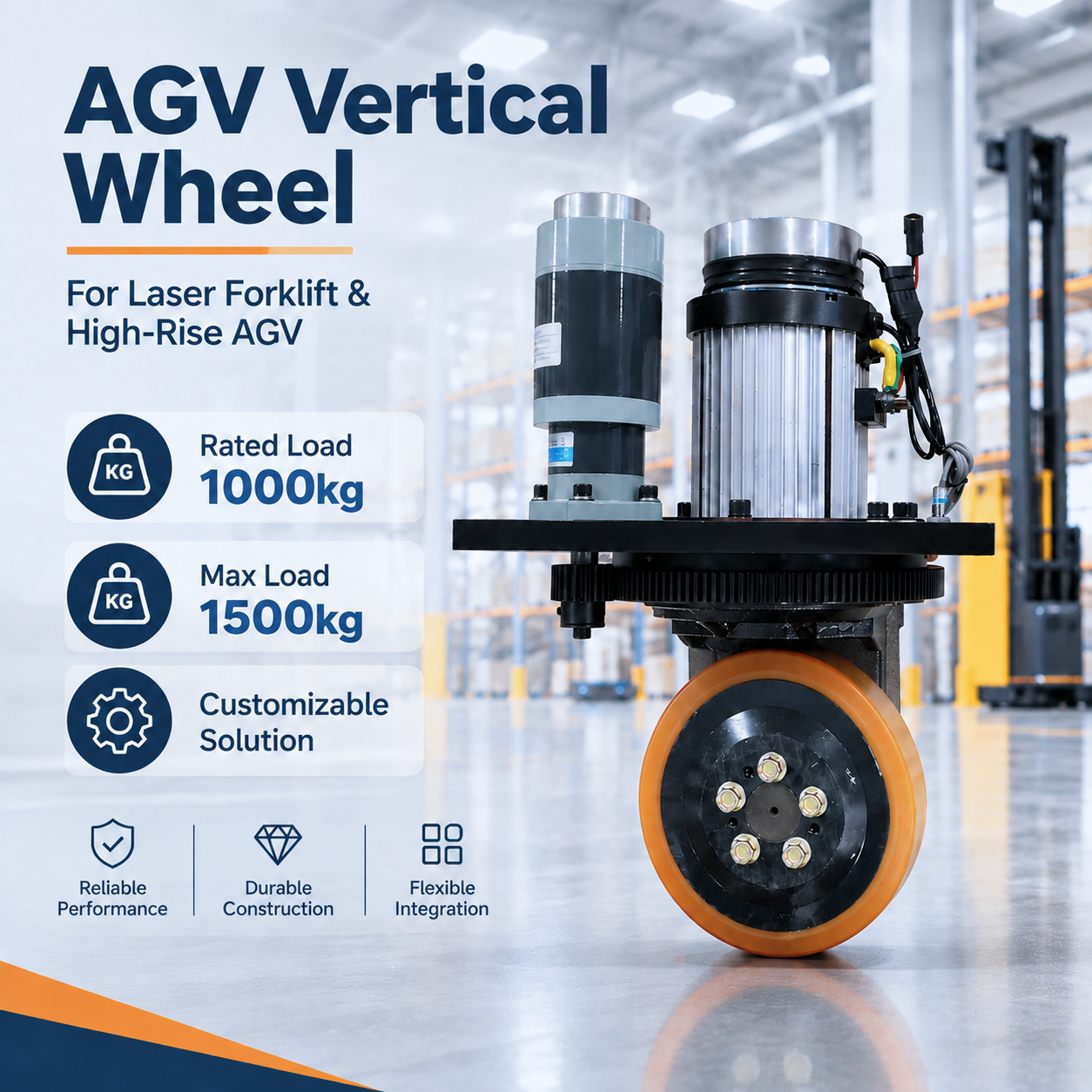
TZBOT 2590r/min Vertical Driving Unit Electric Traction Wheel 1500W Steering Forklift Accessories
For compact steering forklift accessories and vertical driving layouts where traction, steering clearance and service access must be balanced.
- 1,500 W
- 2,590 r/min
- Vertical unit
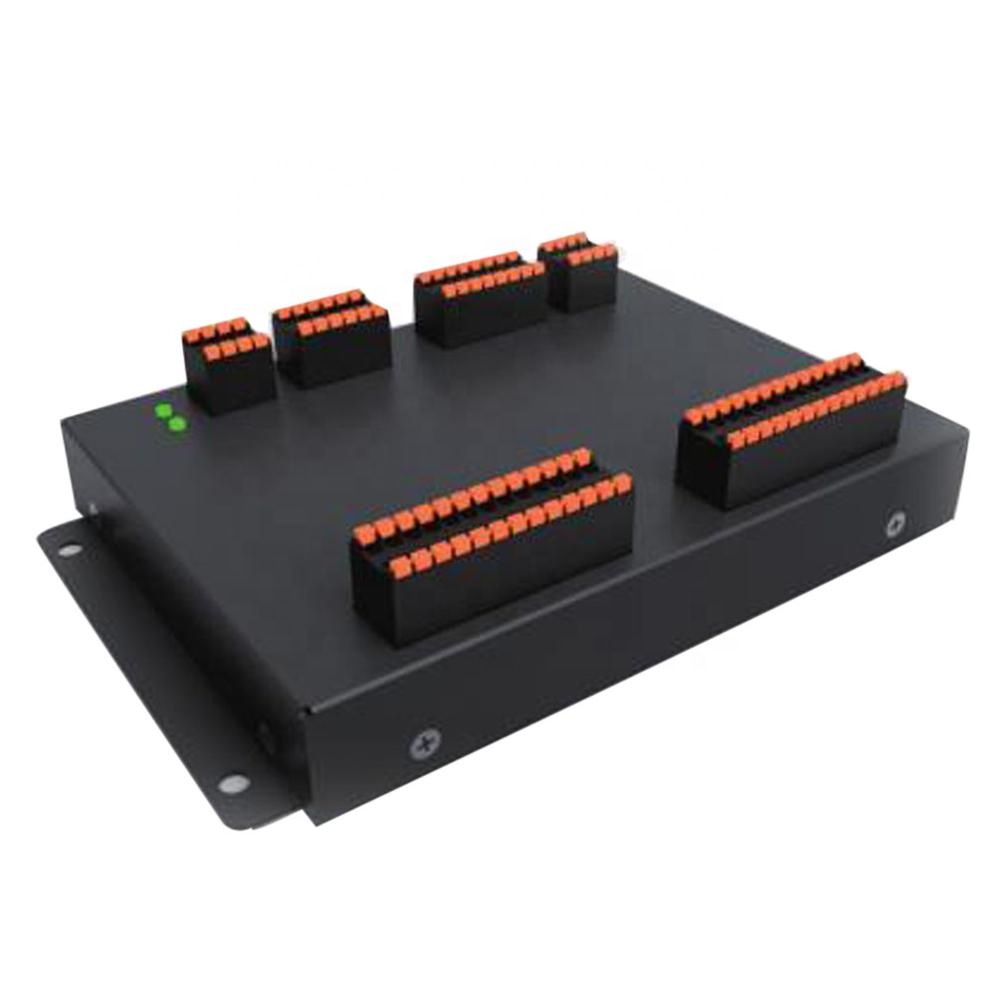
TZBOT Smart Controller TZC-MST-FX200D-A for Guiding the AGV Robot
A dedicated smart controller for AGV guidance tasks, suitable for integrators standardising navigation hardware across a fleet.
- AGV guidance
- System integration
- Fleet standardisation
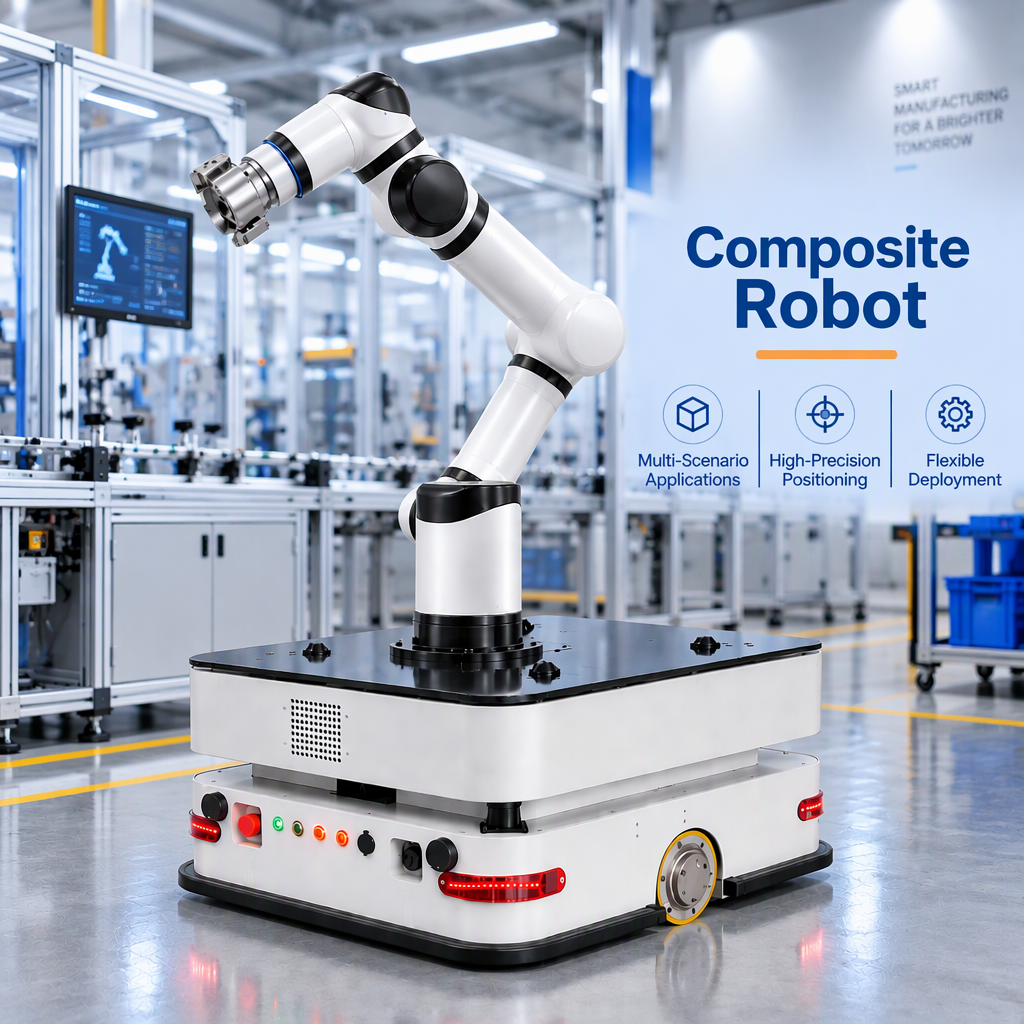
TZBOT Auto Guidance Mobile Chassis 1000kg Payload AGV Integrate Arm Robotic Intelligent Composite Robot
A 1,000 kg payload auto-guidance mobile chassis for composite robot projects that combine mobility with an integrated robotic arm.
- 1,000 kg payload
- Auto guidance
- Robot arm integration
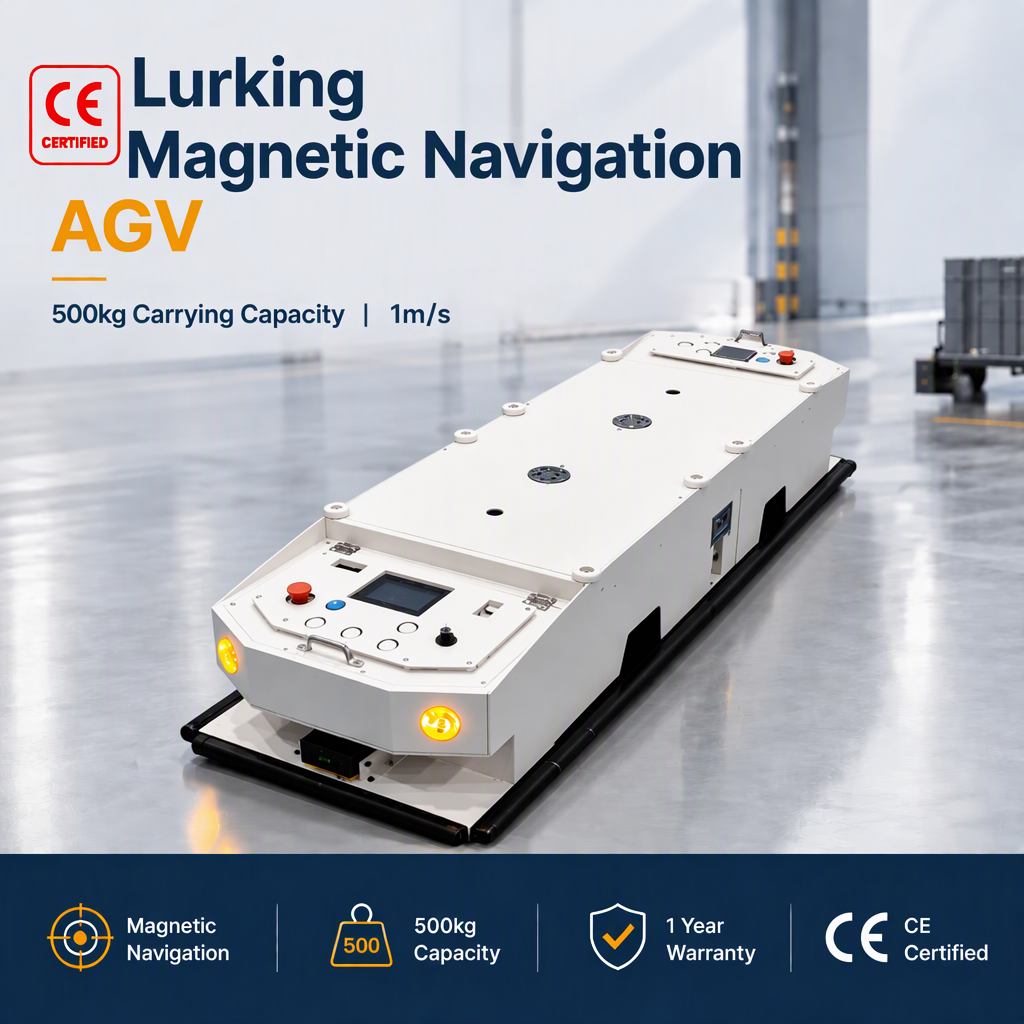
TZBOT CE Approved 500kg Bidirectional Lurking Robot 500kg Towing Capacity Material Handling Equipment Magnetic Navigation AGV
For narrow aisles, tugger routes and under-cart movements where bidirectional travel and magnetic navigation reduce floor space demand.
- 500 kg towing
- Bidirectional
- Magnetic navigation
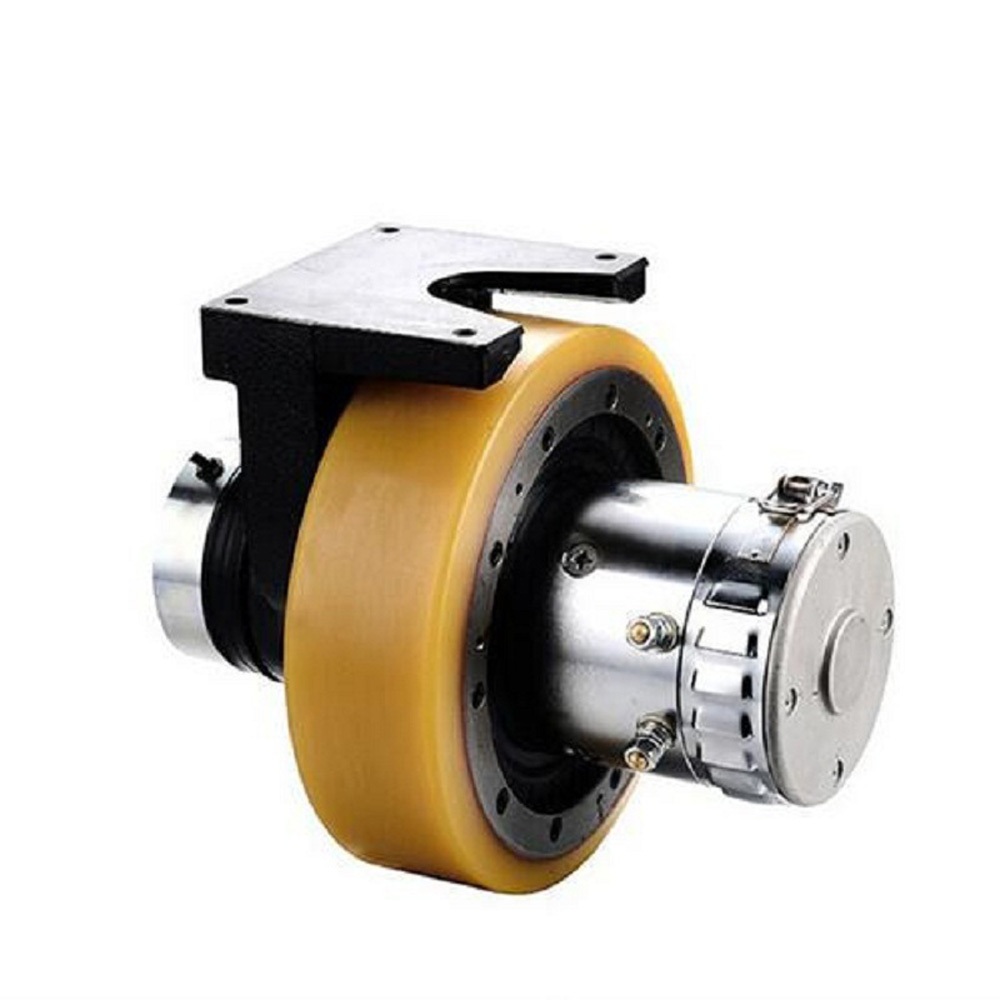
TZBOT TZ18-D12 1200W 24V Horizontal Drive Wheel Assembly Horizontal Wheel Unit Omnidirectional Automatic Steering Wheel
A horizontal drive wheel assembly for low-clearance chassis and omnidirectional automatic steering layouts common in brownfield retrofits.
- 1,200 W
- 24 V
- Horizontal layout
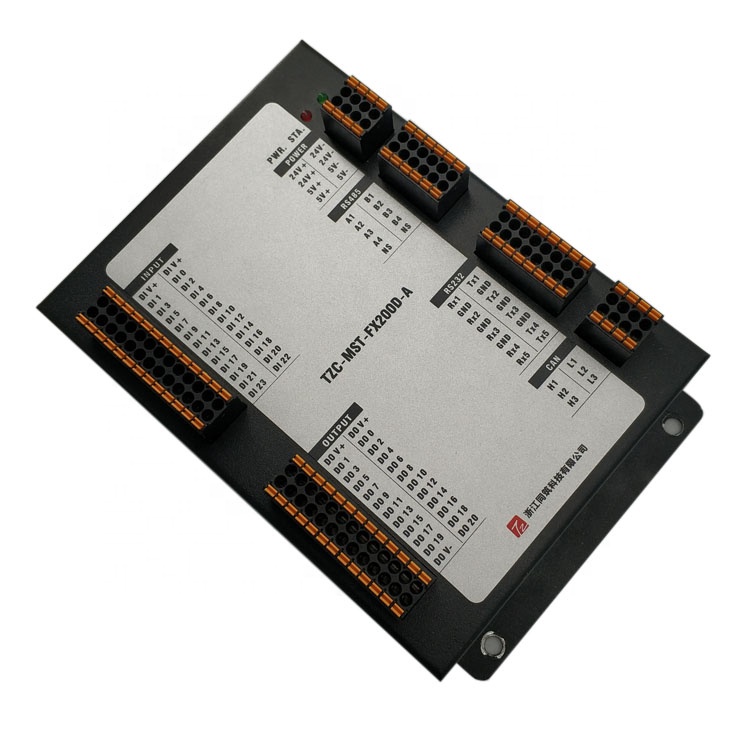
TZBOT AGV Smart Controller TZC-MST-FX200D-A with Function of Mapping and Auto Guide for agv
For projects that need mapping and auto-guide functions in one controller, reducing the number of separate navigation modules.
- Mapping function
- Auto guide
- AGV controller
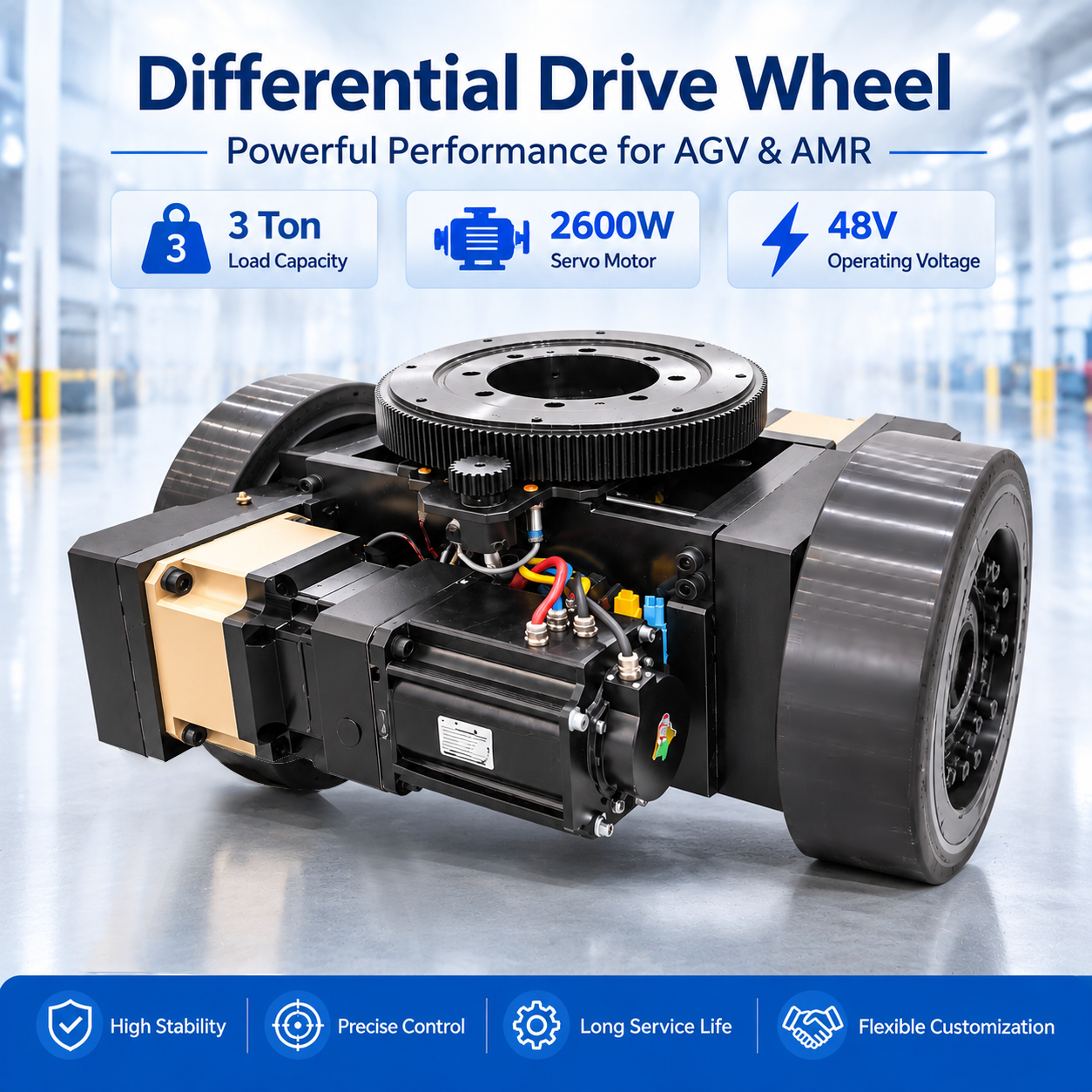
TZBOT Customizable 3000kg Load Capacity agv Wheel Automatic Guided Vehicle Differential Drive Wheel with 2600w 48V Servo Motor
A customizable 3,000 kg load-capacity differential drive wheel with 2,600 W 48 V servo motor for heavy industrial AGV platforms.
- 3,000 kg capacity
- 2,600 W
- 48 V servo

TZBOT 48V DC 2 Ton Heavy Duty Differential Unit AGV Wheel TZCS-750-30
A 48 V DC 2-ton heavy-duty differential unit for demanding material handling routes, heavy carts and high-duty-cycle industrial applications.
- 2-ton class
- 48 V DC
- Heavy-duty
Send your payload, speed, ramp, floor condition, battery voltage and chassis height. The manufacturer's engineering team can review the drive wheel, controller and navigation sensor combination together.
What “Robot Navigation System Manufacturer & Exporters Serving Quezon City” Really Means for Procurement
A buyer searching this phrase usually has a live project: a warehouse route, a hospital delivery task, a production-line transfer or a fleet retrofit. The decision is not only about a sensor or a wheel. It is about whether the supplied components can be integrated, maintained and exported into Metro Manila without creating downtime.
Navigation Is a System
A robot navigation system combines drive wheels, motors, encoders, servo or BLDC controllers, magnetic guide sensors, RFID position sensors, lidar obstacle avoidance and the vehicle chassis. Buying them from one matched source reduces interface risk.
Application First
Quezon City projects often mix narrow aisles, passenger traffic, loading bays, ramps, polished floors and humid conditions. The correct product recommendation starts with the route and worst-case load, not with a catalogue page.
Information Gain
This white-paper-style guide adds practical selection criteria, local deployment notes, trade-term checks and an RFQ checklist that a Quezon City integrator can use immediately.
E-E-A-T Signals
The manufacturer has operated since 2015, holds ISO 9001:2015 certification, has been onsite-verified by Intertek and reports 8 patents. Buyers should still request current certificates and test reports for their project specifications.
Where Robot Navigation Systems Fit in Quezon City Operations
Quezon City is not a single warehouse environment. It combines dense commercial districts, mixed-use buildings, food and pharmaceutical distribution, electronics and automotive supply chains, hospitals and government campuses. Each setting changes the drive wheel, navigation and safety requirement.
E-commerce & 3PL Fulfilment
In Balintawak, Novaliches and nearby logistics corridors, fulfilment centres need fast route changes and reliable cart movement. Magnetic navigation AGVs and 500 kg to 1,000 kg latent platforms can support goods-to-person and replenishment tasks.
Food, Beverage & Cold Chain
Cold rooms and humid loading areas demand careful attention to condensation, floor friction, wheel tread and electrical protection. Specify the cleaning method and temperature range during RFQ so the drive unit and sensor enclosures can be reviewed.
Hospitals & Medical Logistics
Hospital campuses often need quiet, predictable movement for linen, pharmacy, meal and supply delivery. Compact bidirectional lurking robots and mapping controllers help reduce route disruption while keeping stations identifiable.
Electronics & Semiconductor Support
Clean-floor production areas benefit from horizontal drive assemblies where low clearance matters. Stable speed control, encoder feedback and matched servo/BLDC drivers help protect sensitive processes.
Automotive & Heavy Parts
For heavy carts, racks and industrial sub-assemblies, 2-ton heavy-duty differential units and 3,000 kg differential drive wheels provide a more suitable starting point than light latent AGV hardware.
Warehouse Retrofit & Brownfield Sites
Existing buildings in Quezon City may have limited ceiling height, older floors or mixed traffic. Low-clearance horizontal drive units and modular controllers can reduce civil works compared with a full new conveyor line.
How to Match the Eight Products to Quezon City Use Cases
Use this matrix as an early-stage filter. Final selection should always be confirmed against the actual vehicle weight, route slope, floor friction, duty cycle, stopping distance and battery strategy.
| Application | Typical Load Band | Recommended Product Direction | Navigation & Engineering Focus |
|---|---|---|---|
| Narrow-aisle material handling | 300–500 kg towing | 500 kg bidirectional lurking robot; 500 kg magnetic navigation AGV | Bidirectional travel, magnetic guide sensor, compact turning and cart interface. |
| Warehouse goods-to-person | 500–1,000 kg | 1,000 kg auto-guidance mobile chassis; mapping and auto-guide controller | Station recognition, route changes, RFID tags, safety scanner integration and fleet control. |
| Low-clearance retrofit | 500–1,200 kg | TZ18-D12 1,200 W 24 V horizontal drive wheel assembly | Chassis height, wheel diameter, floor transitions, servo driver matching and maintenance access. |
| Heavy industrial transfer | 2,000–3,000 kg | 3,000 kg differential drive wheel; 2-ton heavy-duty differential unit | Worst-case payload, ramp grade, heat, duty cycle, braking and tyre wear. |
| Steering forklift accessories | Application-specific | 2,590 r/min vertical driving unit; 1,500 W electric traction wheel | Steering geometry, vertical space, traction control and access for service. |
Engineering note: do not size a drive unit from average load alone. Use the maximum payload, add the cart or attachment weight, include the steepest ramp and the required emergency stopping distance. A unit that works on a flat showroom floor may behave differently on a polished ramp or a wet loading bay.
Robot Navigation Trends Shaping Quezon City Warehouse and Factory Projects
Metro Manila buyers are moving from “can a robot move?” to “can it operate every day without disrupting people, traffic or production?” That shift changes the specification of drive wheels, controllers and navigation sensors.
Brownfield-First Automation
Many Quezon City facilities cannot rebuild the floor or aisle layout. Low-clearance horizontal drives, magnetic tape routes and mapping controllers let teams automate within existing buildings.
Micro-Fulfilment & Fast Reconfiguration
E-commerce pressure rewards systems that can change routes quickly. Mapping and auto-guide controllers, RFID station tags and modular drive units reduce the time needed for a route update.
Mixed Traffic & Safety Awareness
Forklifts, pedestrians, carts and robots increasingly share space. Lidar obstacle avoidance, bumper strips, audible alerts and correct stopping distance are now part of the procurement conversation, not an afterthought.
Spare-Part Resilience
Overseas buyers want wear-part availability and clear model naming. Standardising on a small set of drive wheels, controllers and sensor families makes maintenance simpler than managing many one-off parts.
Five Variables to Confirm Before Requesting a Quote
For a Quezon City deployment, the fastest way to get a useful recommendation is to provide the variables below. They determine motor power, reduction ratio, wheel diameter, driver current, navigation sensor choice and safety distance.
- Gross moving mass: vehicle, battery, payload, cart, rack and any attachment. Use the maximum, not the average.
- Speed and acceleration: travel speed, acceleration time and required throughput per hour.
- Ramp and floor: maximum grade, floor material, transition strips, wet areas, dust, chips and cleaning chemicals.
- Electrical architecture: 24 V, 48 V or other battery voltage; charger input; current limit; braking method.
- Route and safety: aisle width, station count, mixed traffic, required stopping distance, lift or towing interface.
A first engineering estimate for tractive effort can be expressed as the force needed to overcome rolling resistance, grade and acceleration. In practice, the gear ratio, wheel diameter, motor torque curve and controller current limit must be checked together. This is why buying a drive wheel, servo driver and navigation controller from the same manufacturer can shorten commissioning: the interfaces and operating windows are already matched.
Information-gain tip: prepare a route sketch before the first call. Mark the loading point, drop-off point, charging position, lifts, ramps, blind corners and any place where a pedestrian may step into the path. A simple drawing often reveals more than a long specification list.
Why Quezon City Buyers Review Zhejiang Torqen Technology Co., Ltd.
For export buyers, supplier credibility must be visible before a purchase order. The company profile behind this product range includes manufacturing experience, third-party verification, patents, in-house testing and flexible OEM/ODM support.
Zhejiang Torqen Technology Co., Ltd. was founded in 2015 in Zhejiang, China. It operates as a manufacturer and trading company producing automatic guided vehicles, AGV drive wheel assemblies, DC/AC motors, encoders, reducers, motor controllers, caster and PU wheels and in-wheel motor units for automation builders worldwide. The published factory profile lists a 1,000–3,000 m² production area, 51–100 team members and annual output in the US$5M–10M range.
The company is ISO 9001:2015 certified and has been onsite-verified by Intertek. Its published credentials include 8 patents, a 4.9/5 buyer rating and a 97.9% inquiry response rate. For Quezon City projects, these signals matter because they support a more reliable path from RFQ to sample, inspection and repeat production.
The product advantage is not only a catalogue of separate parts. Servo and BLDC drivers are matched to the drive wheels, while magnetic, RFID and lidar sensors support navigation and positioning. OEM/ODM support covers sample-based customization, design-based customization, buyer-label packaging and adjustments to motor power, voltage, reduction ratio, wheel diameter, tread material, encoder type, brake options and mounting interfaces.
Trust note: certification scope, product test reports and patent status should be confirmed for the exact model and project. A responsible supplier should provide current documents rather than relying only on marketing claims.

From Quezon City Requirement to Tested Export Shipment
The manufacturer's published workflow supports sample-based and design-based customization, extended-duration prototype testing, finished-product inspection and export packing. A clear process reduces surprises for first-time Philippine buyers.
Requirement Review
Load, speed, voltage, ramp and chassis data are assessed against the product range.
Engineering Proposal
Motor, reducer, wheel, driver and sensor options are matched and drawings are shared.
Prototype Build
Sample-based or design-based customization is produced for evaluation.
Endurance Testing
Extended-duration runs and parameter checks are performed before production release.
Mass Production
Manufacturing is controlled under the ISO 9001:2015 quality management system.
Inspection & Delivery
Finished-product inspection, export packing and shipping documents are prepared.
The company reports five in-house testing instruments and finished-product inspection. For a Quezon City buyer, the practical checklist is to confirm the inspection criteria before shipment, request photos or video of the tested unit, verify labels and packaging, and keep a spare-parts list for wear items. These steps are especially important when the robot will be commissioned remotely.
Export Payment, Delivery and Currency Options
Payment Methods
- T/T
- L/C
- D/P
- D/A
- MoneyGram
- Credit Card
- PayPal
- Western Union
- Cash
- Escrow
Delivery Terms
- FOB
- CFR
- CIF
- EXW
- CIP
- FCA
- CPT
- DDU
- Express
Supported Currencies
- USD
- EUR
- JPY
- CAD
- AUD
- HKD
- GBP
- CNY
Common Procurement Questions Before Ordering
Are you a robot navigation system manufacturer or a trading company?
Zhejiang Torqen Technology Co., Ltd. is listed as a manufacturer and trading company. It designs and supplies AGVs, drive wheel assemblies, motors, servo/BLDC controllers and navigation sensors. For a Quezon City project, ask for the specific manufacturing scope of the model you are buying, the current certificate, and whether the controller, wheel and sensor are supplied as a matched set.
Can you export to Quezon City and Metro Manila?
Yes. The manufacturer publishes export terms including FOB, CFR, CIF, EXW, CIP, FCA, CPT, DDU and express delivery. Quezon City buyers typically discuss shipment to Manila ports or air freight, then arrange local delivery. Confirm the final Incoterm, packing method, HS code, insurance and unloading responsibility before placing the order.
Which product should I choose for 500 kg, 1,000 kg or 2-ton handled loads?
For around 500 kg towing or narrow-aisle work, review the 500 kg bidirectional lurking robot and magnetic navigation AGV. For around 1,000 kg, review the 1,000 kg auto-guidance mobile chassis and mapping controller. For heavy industrial loads, review the 3,000 kg differential drive wheel and 2-ton heavy-duty differential unit. Always size for the maximum gross moving mass, including the cart and attachment, not only the product load.
How should we handle 220 V / 60 Hz power in the Philippines?
AGV drive systems commonly use low-voltage DC batteries such as 24 V or 48 V. The charger input, plug type, protection earthing and charging-room practice must be confirmed for the actual site. Provide the local supply, charger requirement and battery specification during RFQ. A licensed local electrician should verify the final installation.
Do you support OEM/ODM customization and samples?
Yes. Published support includes sample-based customization, design-based customization, OEM production, design services and buyer-label packaging. Typical variables include motor power and voltage, reduction ratio, wheel diameter and tread material, encoder type, brake options and mounting interfaces. For Quezon City, send a drawing or 3D model of the chassis interface and the intended route conditions.
How can we verify quality before the first bulk order?
Request current ISO 9001:2015 documents, Intertek verification evidence, model-specific test reports, photos or video of finished-product inspection, and a sample or pre-production unit. The manufacturer reports five in-house testing instruments and extended-duration prototype testing. For high-value projects, consider a third-party inspection before shipment.
What about spare parts and technical support after delivery?
Plan spare drive wheels, driver modules, sensors, fuses, connectors and other wear items based on duty cycle. Remote technical support can cover wiring diagrams, driver parameters and commissioning guidance. Because the supplier is overseas, establish a local maintenance contact in Quezon City, a clear spare-parts list and a response-time expectation before the fleet goes live.
What information should be included in the first inquiry?
Include the application, maximum gross load, target speed, ramp grade, floor material, aisle width, battery voltage, charger input, required navigation method, safety sensors, number of units, delivery term and target date. Add a simple route sketch and photos of the floor and loading interface. This substantially shortens the engineering review.
Request a Quezon City Deployment Review
Share your payload, route, floor condition, battery voltage and chassis height. The manufacturer can review the eight core products above and help narrow the drive wheel, controller and sensor combination before you commit to a sample or production order.
Prepared for Quezon City and Metro Manila robot navigation system procurement. Product performance depends on the final vehicle design, payload, route, floor, battery, controller settings and safety integration. Confirm current certifications, test reports, warranty terms and local regulatory requirements before purchase.
