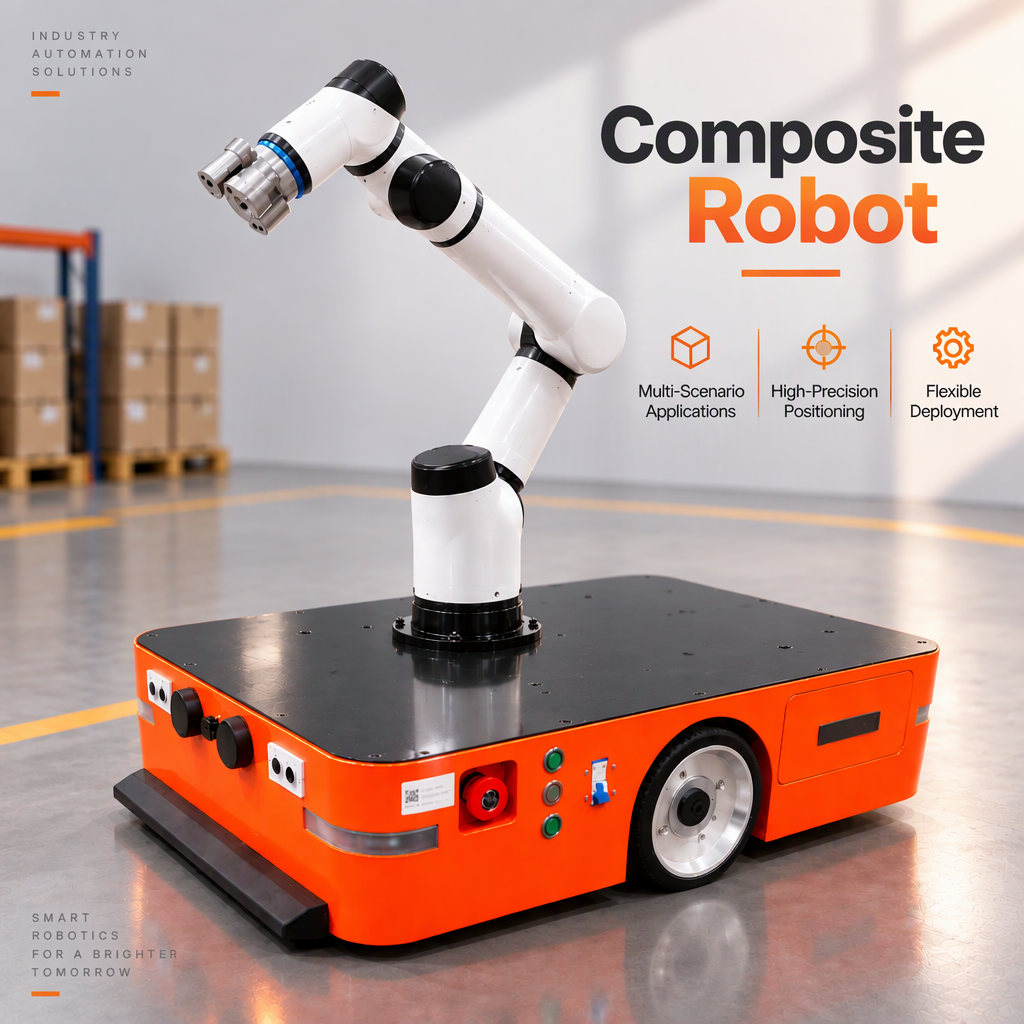
TZBOT Backpack AGV 200kg Load Capacity Chassis Magnetic Guidance Composite Robot with Robotic Arm
Compact magnetic-guided composite AGV chassis for 200 kg loads, robotic tending and flexible line-side replenishment.
Factory-direct AGV drive wheels, servo/BLDC controllers and navigation components for Monterrey automotive, warehouse, appliance and logistics teams — engineered for long shifts, matched as one drive train, and supported by ISO 9001:2015 quality discipline.
Start with the component that fits the vehicle, not just a catalogue part. These eight products connect the drive, navigation, charging and control layers for AGV/AMR builds and retrofits. Product URLs are preserved so engineers can review specifications directly; for Monterrey-specific pricing, lead-time planning or a matched drive-train proposal, use the inquiry button.
Compact magnetic-guided composite AGV chassis for 200 kg loads, robotic tending and flexible line-side replenishment.
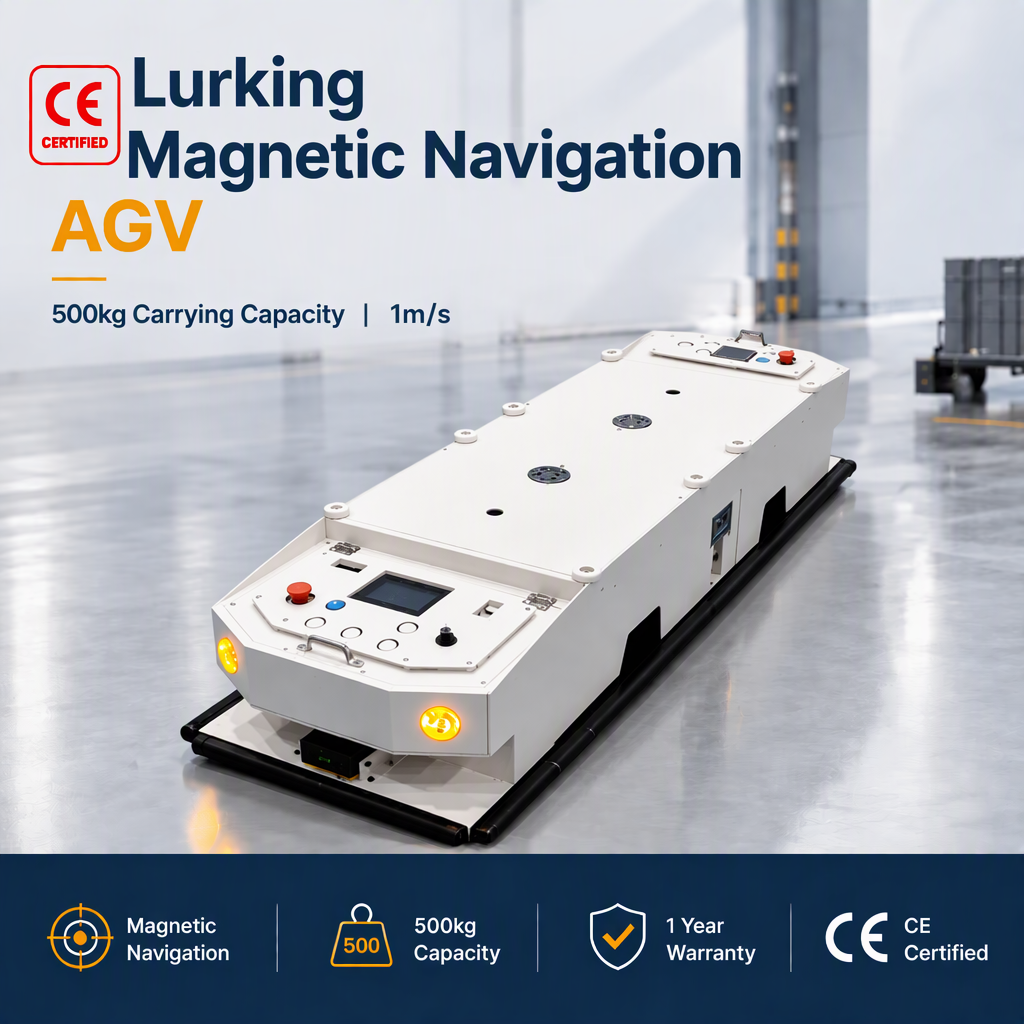
Bidirectional lurking AGV for repetitive tote and pallet movement where floor space and route repeatability matter.
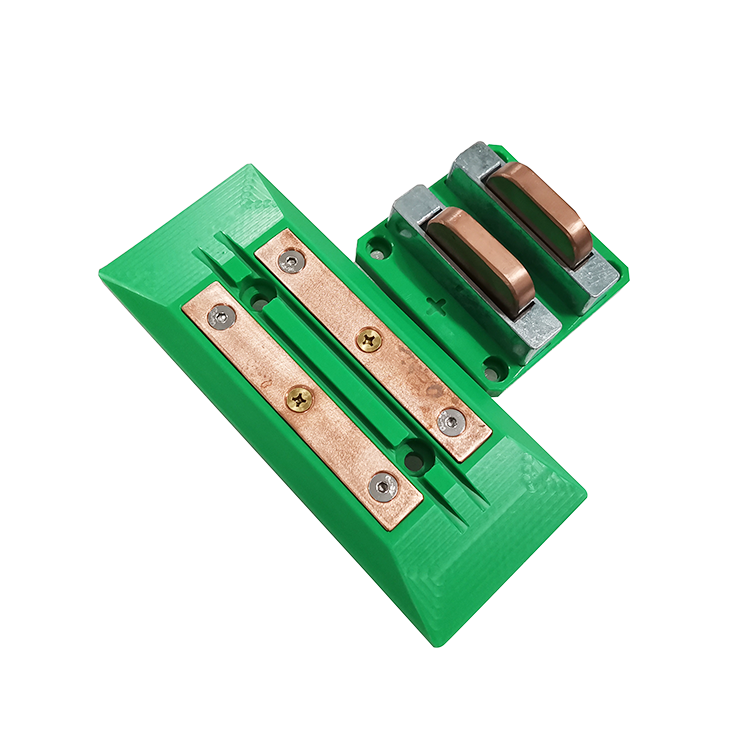
Opportunity-charging pad with brush plate and brush block for navigation vehicles and automated fleets.
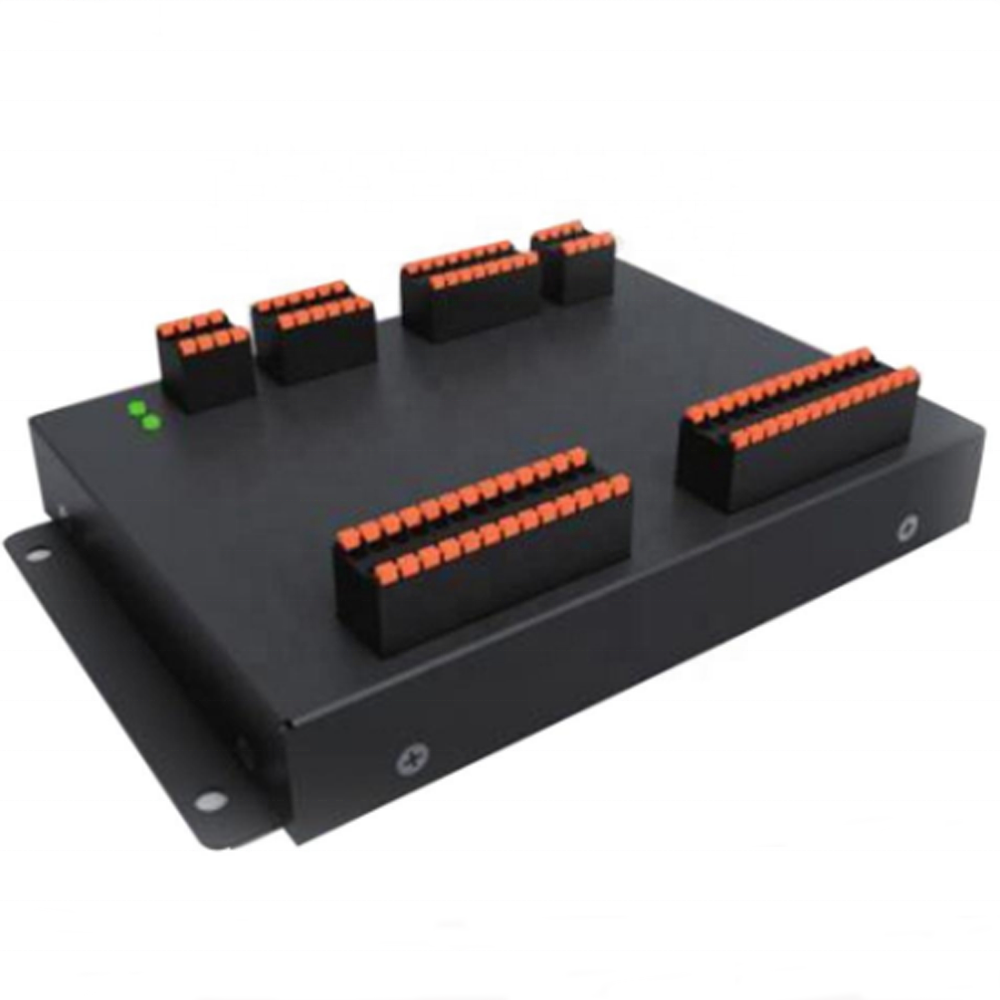
Control module for magnetic-tape guided AGV platforms, useful for retrofits and repeatable route control.
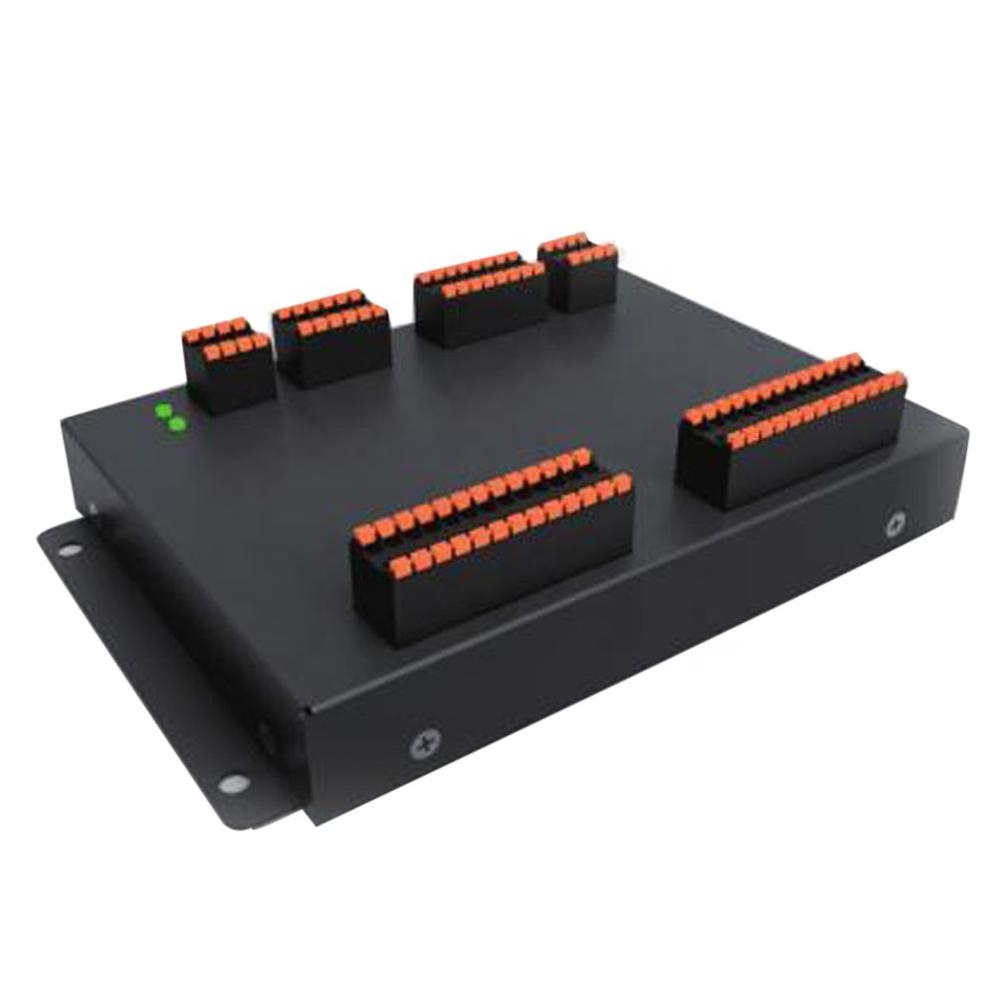
AGV command controller for navigation and vehicle coordination in automated material-handling cells.
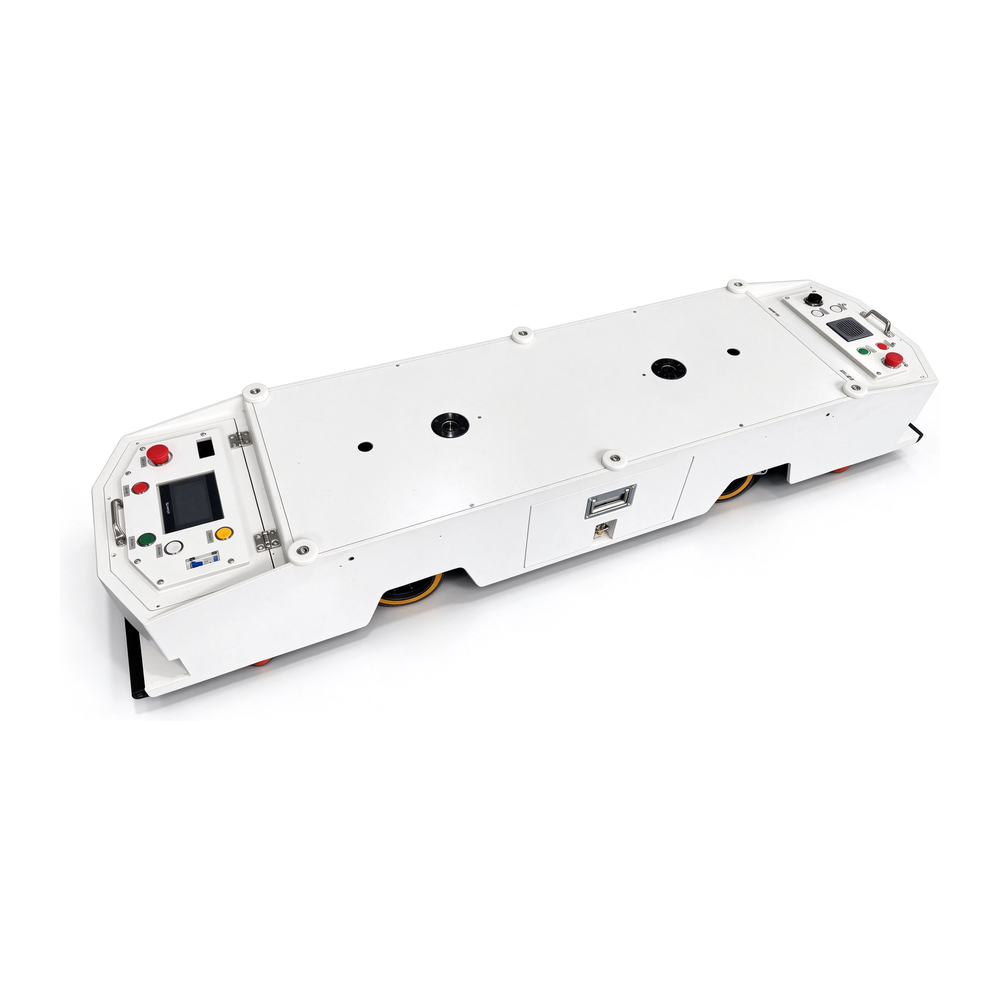
Heavy-duty shelf-towing AGV with 8-hour endurance for warehouses and distribution centres moving dense loads.
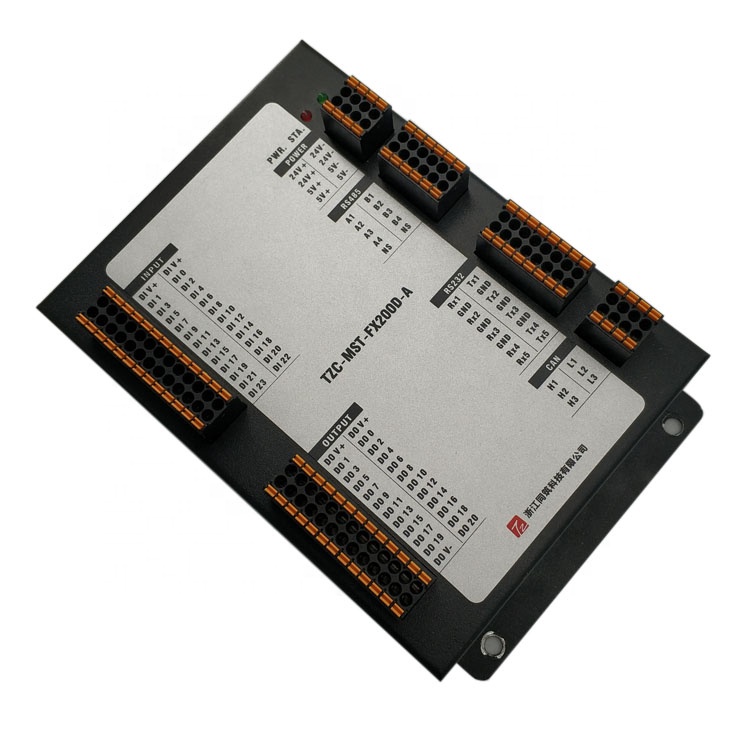
Smart controller with mapping and auto-guide functions for teams upgrading navigation or building a new platform.
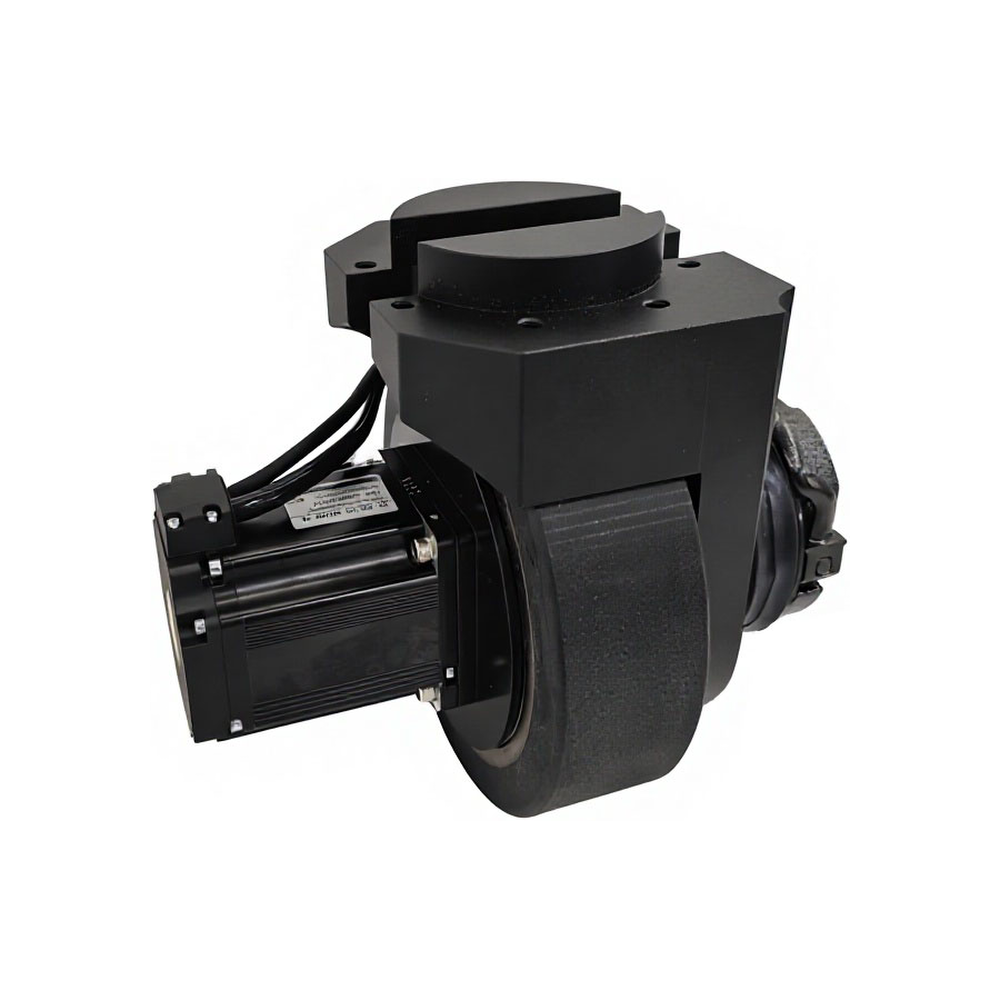
Heavy-duty horizontal drive wheel assembly for 1,000 kg platforms where low build height and traction are critical.
Monterrey is not a generic export destination. It is one of Mexico’s densest industrial and logistics clusters, linking automotive and auto-parts production, appliance manufacturing, electronics, packaging, metalworking and cross-border distribution. For plant engineers in Apodaca, Santa Catarina, Pesquería, San Nicolás de los Garza, Guadalupe and Ciénega de Flores, automated material handling must survive long shifts, mixed traffic, route changes and the practical realities of industrial floors.
A servo drive wheel is not a standalone wheel. It is a drive system that includes the wheel and tread, hub, gear reducer, servo or BLDC motor, encoder, brake, bearings and mounting interface. The motor controller must match voltage, current, encoder type and braking logic. The navigation layer must suit magnetic tape, RFID tags, QR grids or natural-feature SLAM. That is why Monterrey buyers should evaluate the matched relationship among gross vehicle weight, acceleration, continuous torque, wheel diameter, floor friction and duty cycle — not a single load number in isolation.
This guide is written for plant engineers, system integrators and procurement teams comparing servo drive wheel suppliers for Monterrey operations. It combines product recommendations with local application scenarios, procurement questions, company verification points and a practical RFQ checklist. The aim is to create useful information gain: the details that shorten sampling, reduce integration risk and support a lower total cost of ownership after commissioning.
Three drive architectures solve different mechanical problems. The right answer depends on the chassis, load centre, turning behaviour and available height.
| Drive architecture | How it steers | Typical Monterrey use case | RFQ note |
|---|---|---|---|
| Differential drive unit | Two independently driven wheels turn by speed difference. | Compact latent, jacking and line-side AGVs in tight production cells. | Confirm scrub radius, floor friction and wheel tread for frequent turns. |
| Single steering drive wheel | A drive motor plus a dedicated steering motor set the wheel angle. | Forklift-style AGVs, tricycle chassis and tugger vehicles with controlled paths. | Specify steering angle, return-to-centre logic and brake behaviour. |
| Horizontal drive wheel assembly | Motor mounted horizontally to reduce build height. | Low-clearance platforms and under-ride carts in dense warehouses. | Check chassis height, mounting strength and service access before selection. |
Monterrey’s industrial mix rewards vehicles that can handle high duty cycles, repeatable routes and integration with existing plant traffic. These scenarios are common starting points for specification.
Plants in Apodaca, Santa Catarina and Pesquería often need just-in-sequence movement, line-side replenishment and repeatable stops. The 200 kg backpack AGV and 500 kg lurking AGV are practical starting points when routes are stable and cycle time is tight.
Distribution centres serving Monterrey and Northeast Mexico need shelf towing, tote transfer and multi-shift endurance. The 2,500 kg lurking AGV with 8-hour endurance supports dense-load logistics where battery planning and uptime are central.
Mixed-product plants often need low-clearance drive solutions and control retrofits. The 1,000 kg horizontal drive wheel assembly, FX controller and smart controller support platform upgrades without redesigning the whole vehicle.
Charging pads, command controllers and mapping controllers help teams automate selected routes first, then expand. This staged approach is often more practical than replacing an entire fleet in one budget cycle.
Nearshoring, labour planning, safety expectations and uptime pressure are reshaping how Monterrey buyers evaluate AGV drive components.
Expanding production in Northeast Mexico increases demand for flexible internal transport. Buyers want drive components that can be scaled from one cell to multiple lines without changing the control architecture.
Many plants keep existing magnetic-tape routes while adding flexible vehicles elsewhere. Drive wheels, controllers and sensors must be matched so maintenance teams are not managing incompatible parameter sets.
RFID stations, magnetic guidance and obstacle sensing are increasingly specified together. The vehicle must stop predictably, confirm position and provide maintenance-friendly fault information.
Long shifts make consumable wear and spare-part availability important. Buyers are asking for wheel tread options, brake configuration, controller parameter files and recommended spare lists at the quotation stage.
Monterrey’s semi-arid climate and industrial dust make thermal margin, sealing expectations, tread selection and cleaning routines part of the specification. Vehicles that ignore these details often create early maintenance work.
Procurement teams value clear integration documents, buyer-label packaging and responsive engineering communication. Maintenance teams need information they can act on, not only a sales catalogue.
Use this matrix as a first filter, then confirm with your vehicle drawings, load case and route data.
| Product | Best-fit Monterrey application | Why it matters |
|---|---|---|
| 200 kg Backpack AGV | Robotic tending, tight line-side cells, compact composite robot builds. | Small footprint and magnetic guidance help fit existing production layouts. |
| 500 kg Lurking AGV | Tote, pallet and material movement in assembly and warehouse areas. | Bidirectional travel and repeatable routes reduce aisle-flow complexity. |
| 2,500 kg Lurking AGV | Shelf towing, dense storage and distribution operations. | 8-hour endurance supports multi-shift planning and fewer charging interruptions. |
| 1,000 kg Horizontal Drive Wheel Assembly | Low-clearance chassis, heavy-duty traction and retrofit platforms. | Horizontal mounting helps where vertical height is limited. |
| FX Series and TZC-MST Controllers | Magnetic-tape AGV control, command and mapping upgrades. | Supports staged retrofits and helps align controller behaviour with drive hardware. |
| TZ-CP-50A Charger Pad | Opportunity charging for automated navigation vehicles. | Brush plate and brush block support practical fleet charging routines. |
Founded in 2015 in Zhejiang, China, Zhejiang Torqen Technology Co., Ltd. designs and manufactures automatic guided vehicles, AGV drive wheel assemblies, DC/AC motors, encoders, reducers, motor controllers, caster and PU wheels, and in-wheel motor units for automation builders worldwide. Our team works directly with OEM integrators to adapt torque, speed and mounting geometry to each vehicle.
We are an ISO 9001:2015 certified manufacturer with an Intertek onsite-verified facility, 8 patents and five in-house testing instruments for finished-product inspection. Prototypes undergo extended-duration testing before production parts are released. For Monterrey projects, this means drive wheels, controllers and navigation components can be reviewed as one system instead of disconnected parts from multiple suppliers.
Payment methods include T/T, L/C, D/P, D/A, MoneyGram, credit card, PayPal, Western Union, cash and escrow in USD, EUR, JPY, CAD, AUD, HKD, GBP or CNY. Delivery terms include FOB, CFR, CIF, EXW, CIP, FCA, CPT, DDU and express delivery. Buyer-label packaging, sample-based customization, design-based customization and OEM/ODM production are supported.

Wheels, motors, reducers, controllers and sensors are reviewed together to reduce integration risk before shipment.
Motor power, voltage, reduction ratio, wheel diameter, tread material, encoder, brake and mounting interfaces can be customized.
ISO 9001:2015 processes, finished-product inspection and extended prototype runs support reliable production releases.
FOB, CIF, EXW, DDU and express delivery options support Monterrey buyers importing from China.
A straightforward process for engineering buyers who need predictable sampling, testing and production.
Load, speed, voltage, floor condition and chassis data are assessed.
Motor, reducer and wheel are matched; drawings and options are shared.
Sample-based or design-based customization is produced for evaluation.
Extended-duration runs and parameter checks are completed before release.
Production is controlled under ISO 9001:2015 quality management.
Final inspection, export packing and Monterrey shipping arrangements are confirmed.
Confirm the final commercial terms with your quotation, Incoterm and destination requirements.
Practical answers for plant engineers, integrators and purchasing teams comparing drive-wheel suppliers.
Yes. We serve overseas automation builders and can quote FOB, CFR, CIF, EXW, CIP, FCA, CPT, DDU and express delivery options. Share your Monterrey delivery address, required Incoterm and whether the shipment should be consolidated with controllers, charger pads or other AGV accessories so the quotation matches your import plan.
Send gross vehicle weight, payload, target speed, acceleration, maximum slope, wheel diameter, available chassis height, battery voltage, mounting drawing, duty cycle, ambient conditions and navigation method. If the vehicle is a retrofit, include photos of the existing drive unit, motor nameplate, encoder label and controller model. These details shorten engineering review and reduce sampling iterations.
Matching requires voltage, continuous and peak current, motor inductance, encoder type and resolution, braking logic, communication interface and thermal limits. Torqen reviews the drive wheel and controller as a system, so the motor, reducer, encoder and controller parameters can be aligned. If you already have a controller, provide its manual and parameter list before we recommend a wheel assembly.
Our quality management system is certified to ISO 9001:2015, and the facility has been verified onsite by Intertek. We use five in-house testing instruments, perform finished-product inspection and run prototypes for extended periods before production release. For Monterrey projects, request the inspection plan, test record format and spare-parts recommendation with your quotation.
OEM/ODM support includes sample-based customization, design-based customization, buyer-label packaging and design services. Typical changes include motor power and voltage, reduction ratio, wheel diameter, tread material, encoder type, brake options and mounting interfaces. Spanish-language commercial communication and maintenance-document planning can be discussed during project setup so the local team receives practical information.
Compare more than unit price: wheel tread life, brake wear, encoder protection, controller compatibility, spare-part availability, energy consumption, commissioning time and expected downtime all affect cost. Ask for torque-speed data, duty-cycle assumptions, recommended spares, controller parameter support and a clear wear-part list. Good drive-wheel decisions reduce emergency purchases after the line is running.
Share gross vehicle weight, speed, wheel diameter, battery voltage, floor condition and navigation method. Our engineers will review the drive wheel, servo/BLDC controller and sensor options, while procurement receives export terms for Monterrey delivery.
Inquire NowTechnical review by Zhejiang Torqen Technology Co., Ltd. · ISO 9001:2015 · Intertek onsite-verified manufacturer · OEM/ODM support for global automation builders.
