SLAM Navigation AGV Exporter & Wholesaler serving Mérida
Factory-direct SLAM navigation AGVs, drive wheels, controllers, and sensors for Mérida warehouses, manufacturing plants, food logistics, hospitals, and the Puerto Progreso supply corridor.
SLAM AGV Products for Mérida Buyers, Integrators, and Wholesalers
Buy a complete SLAM navigation vehicle platform or source matched drive wheels, controllers, and traction units in one wholesale program. Product links are preserved for engineer-level specification review.
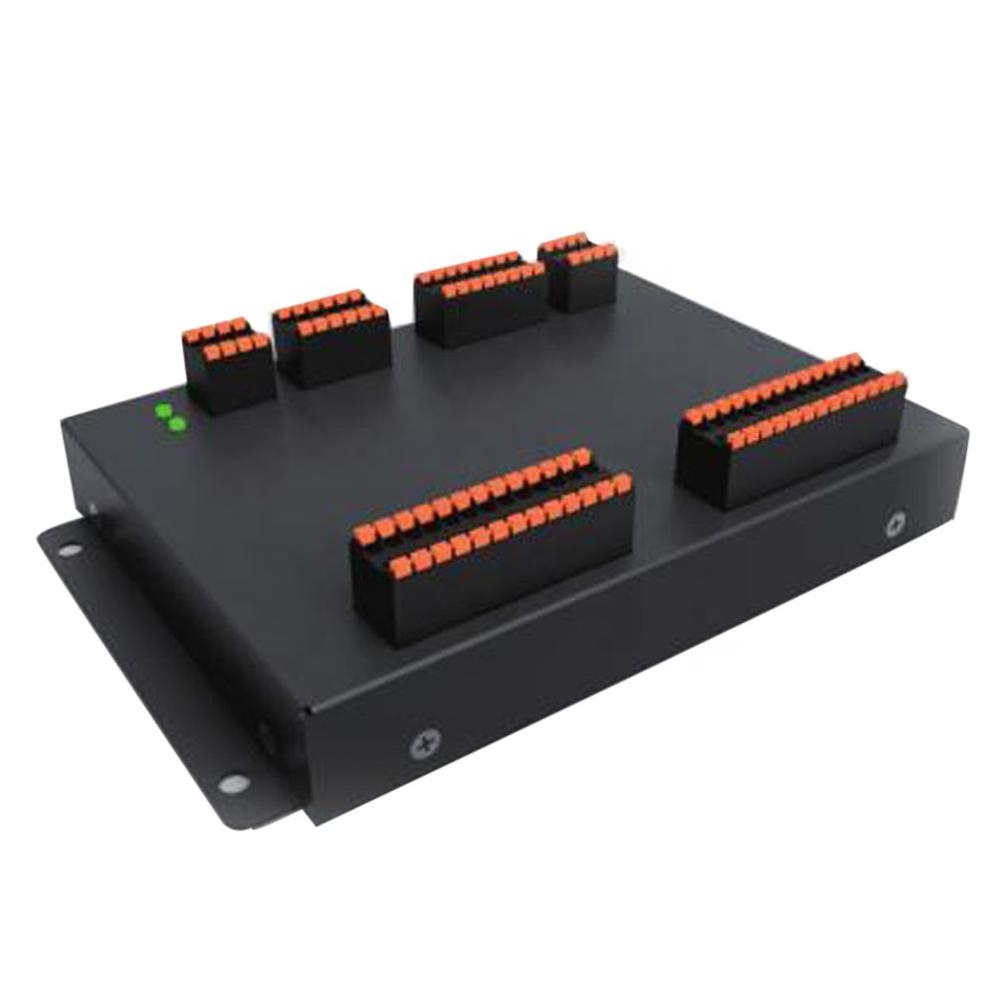
TZBOT TZC-MST-FX200D-A Controller for Commanding the AGV
A central control component for coordinating AGV motion, task execution, and fleet-level commands in warehouse and production environments.
- Fleet command
- Task coordination
- OEM integration
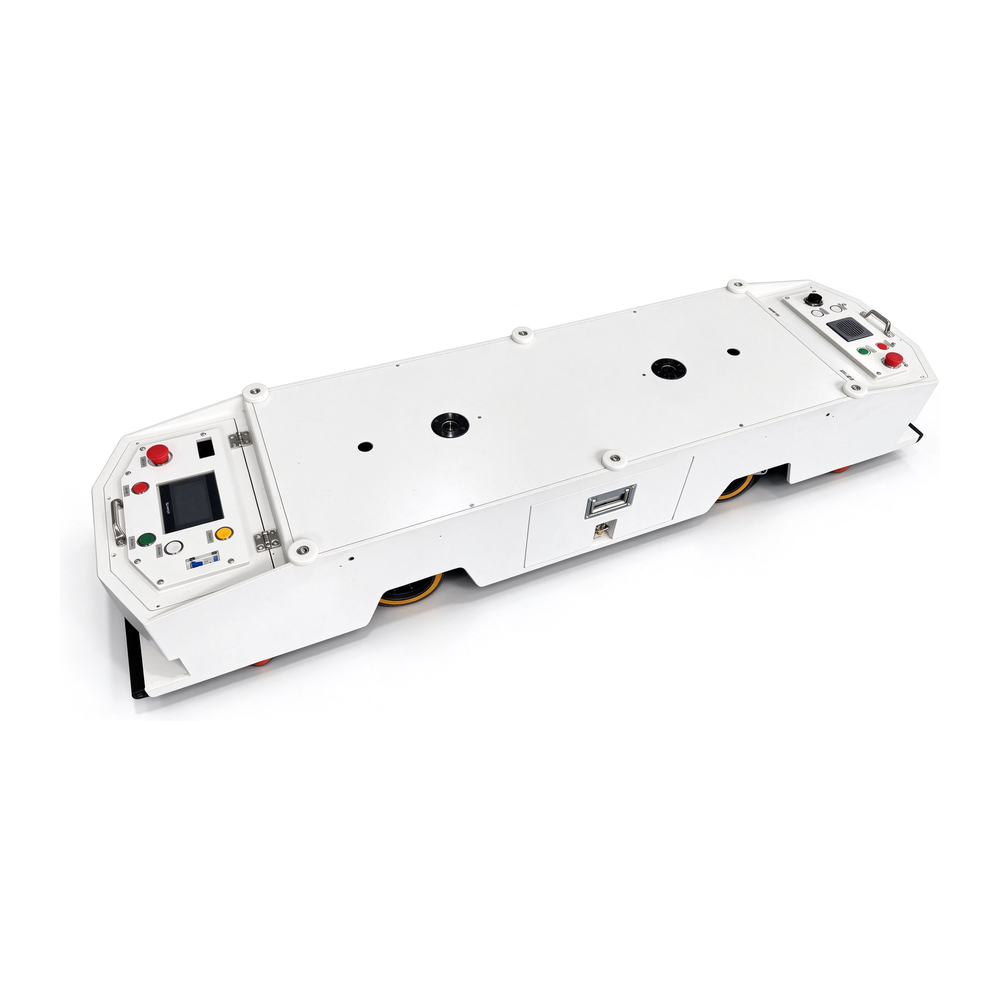
TZBOT 2500KG Lurking AGV Unmanned Control 8H Long Endurance Material Handling Mobile Robot for Shelf Towing
High-payload shelf towing for distribution centers, 3PL operations, and repetitive transport routes where endurance matters.
- 2500KG payload
- 8H endurance
- Shelf towing
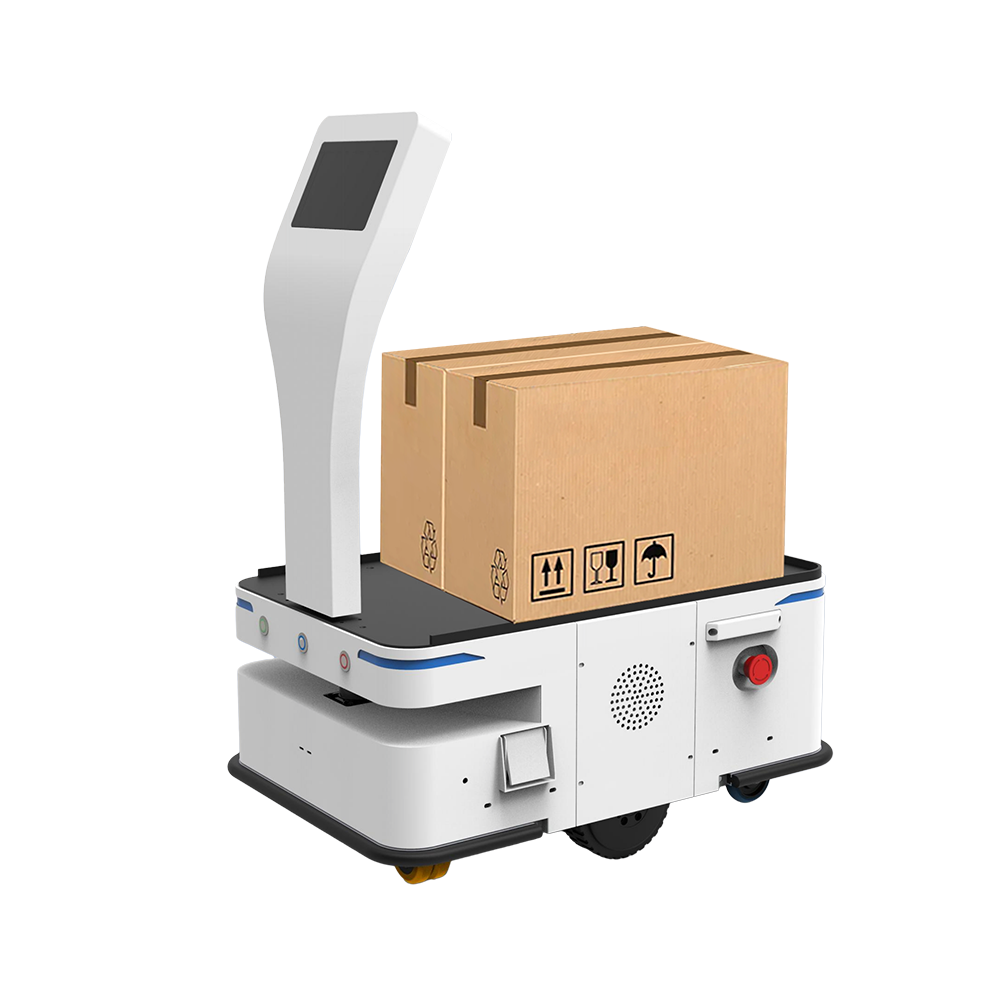
TZBOT High Precision Guidance Laser Slam Navigation AMR Robot 80kg Carrying Capacity Material Handling AMR Robot with 7 Inch HMI
Compact laser SLAM AMR for electronics, medical logistics, laboratories, and tight aisles where flexible routing is preferred over fixed tape.
- 80KG capacity
- Laser SLAM
- 7-inch HMI
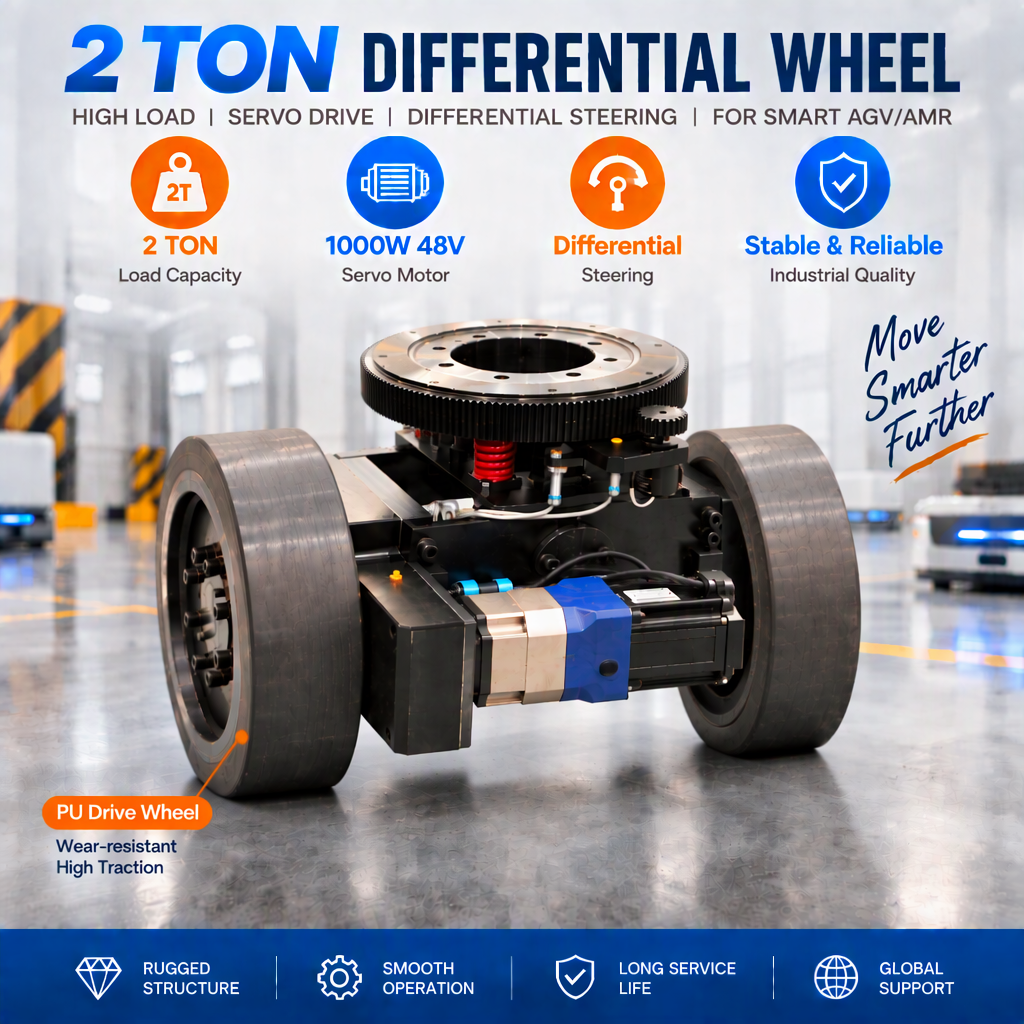
TZBOT 2000KG Heavy Duty Series AGV Wheel 1000w 48V Strong Power Mobile Robot Differential Drive Wheel with Spring Suspension
Built for pallet transfer, industrial chassis, and uneven floor transitions where load capacity and suspension control are critical.
- 2000KG class
- 1000W 48V
- Spring suspension
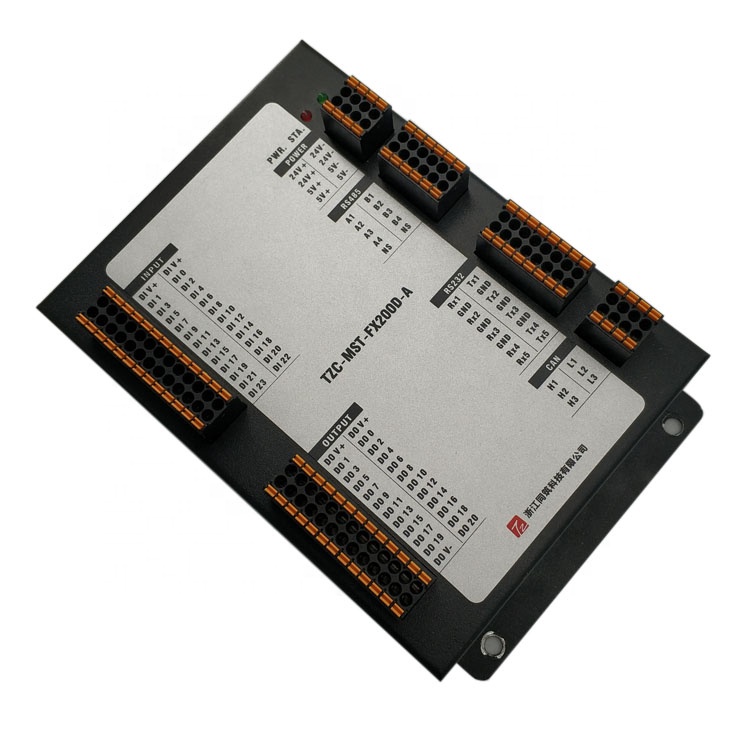
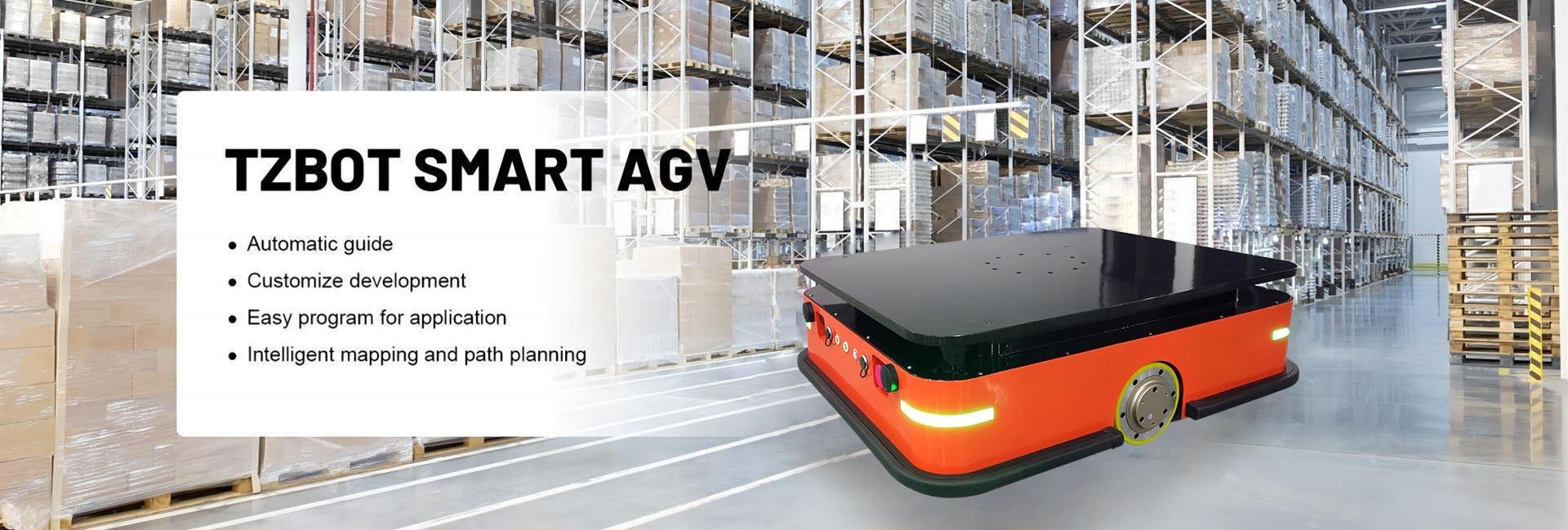
TZBOT AGV Smart Controller TZC-MST-FX200D-A with Function of Mapping and Auto Guide for AGV
Mapping and auto-guide control for integrators building or upgrading SLAM navigation platforms, with a clear path to OEM customization.
- Mapping
- Auto guide
- Integrator-ready
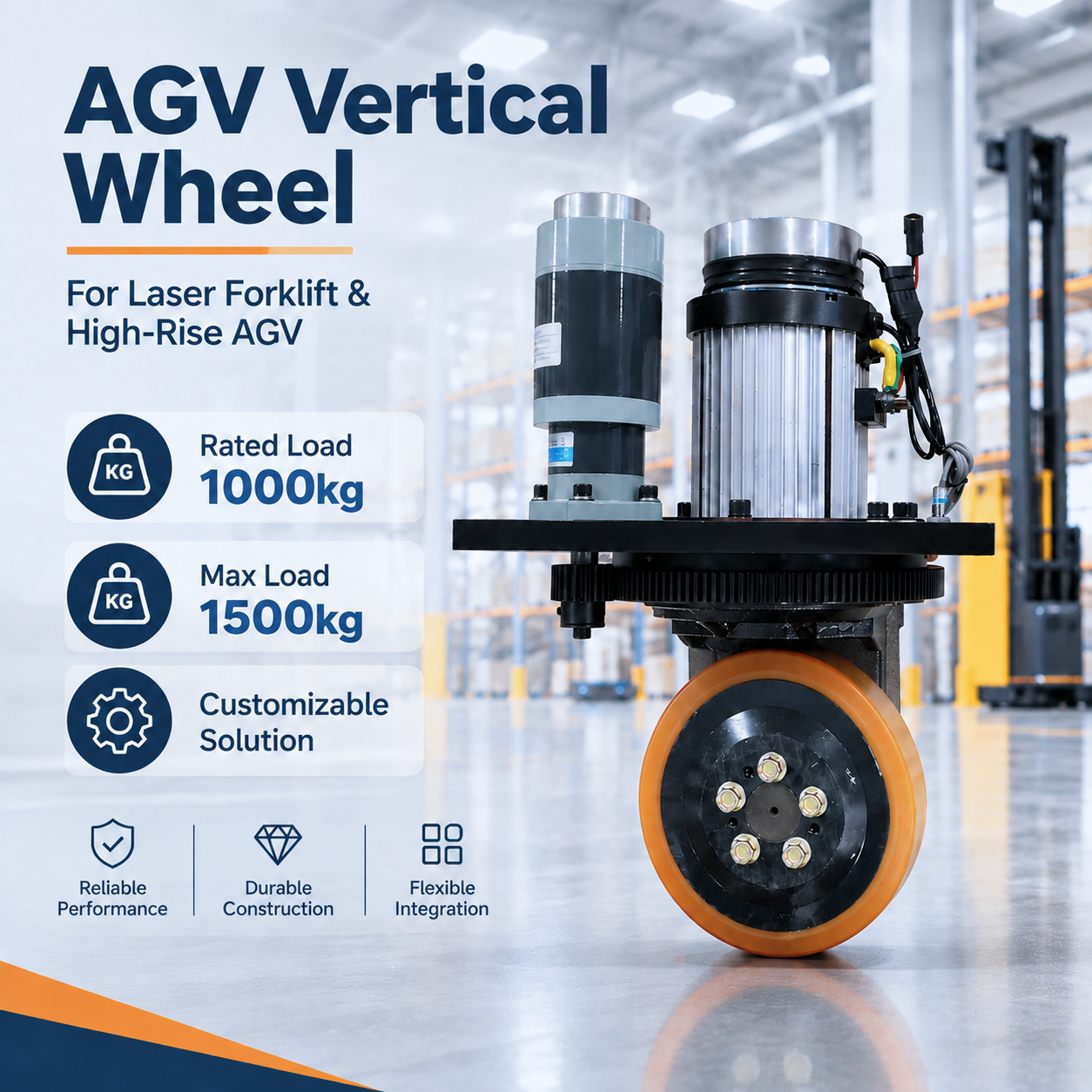
TZBOT 2590r/min Vertical Driving Unit Electric Traction Wheel 1500W Steering Forklift Accessories
A steering and traction solution for forklift-style AGVs, tricycle chassis, and applications requiring controlled wheel angle.
- 1500W
- 2590 r/min
- Steering unit
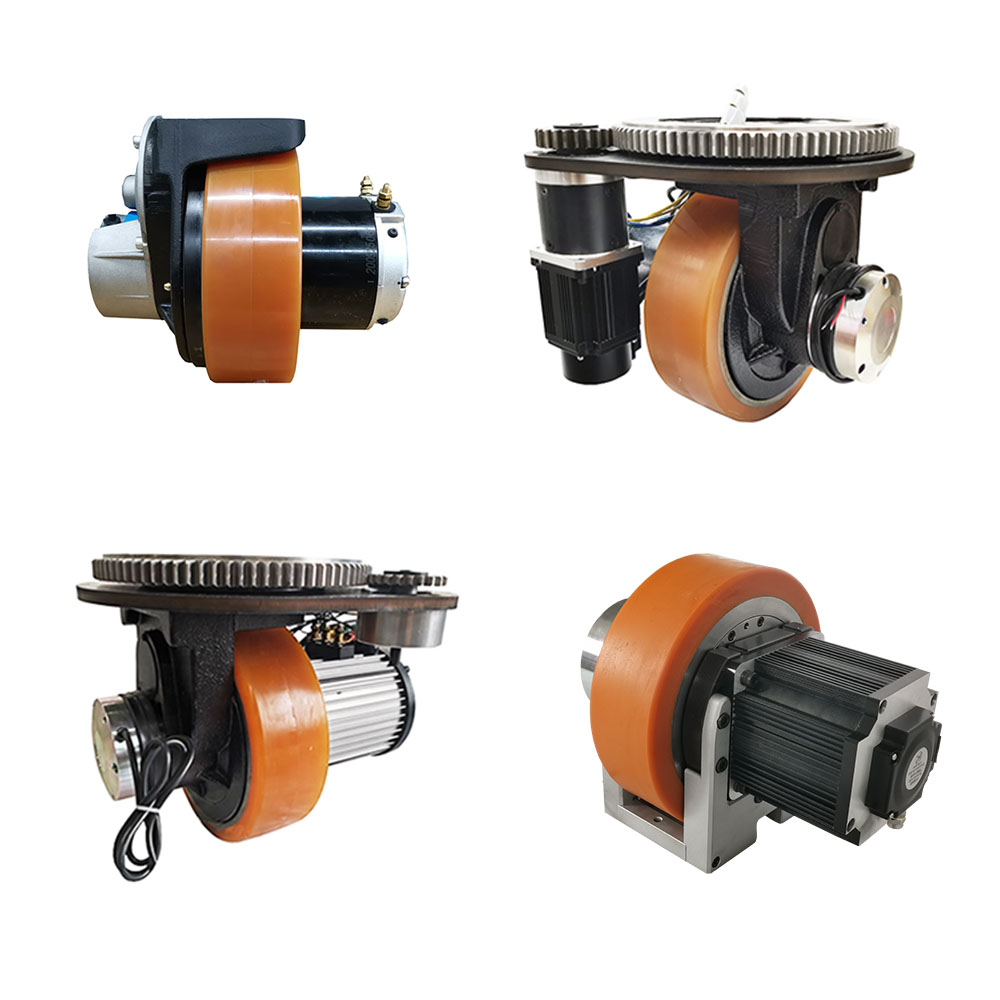
TZBOT 750W 1000KG Load Capacity Horizontal Drive Wheel Assembly AGV Wheel for Wholesale Automated Guided Robot
Horizontal layout for low-clearance chassis, under-ride carts, and compact platforms where vertical height is constrained.
- 750W
- 1000KG load
- Horizontal assembly
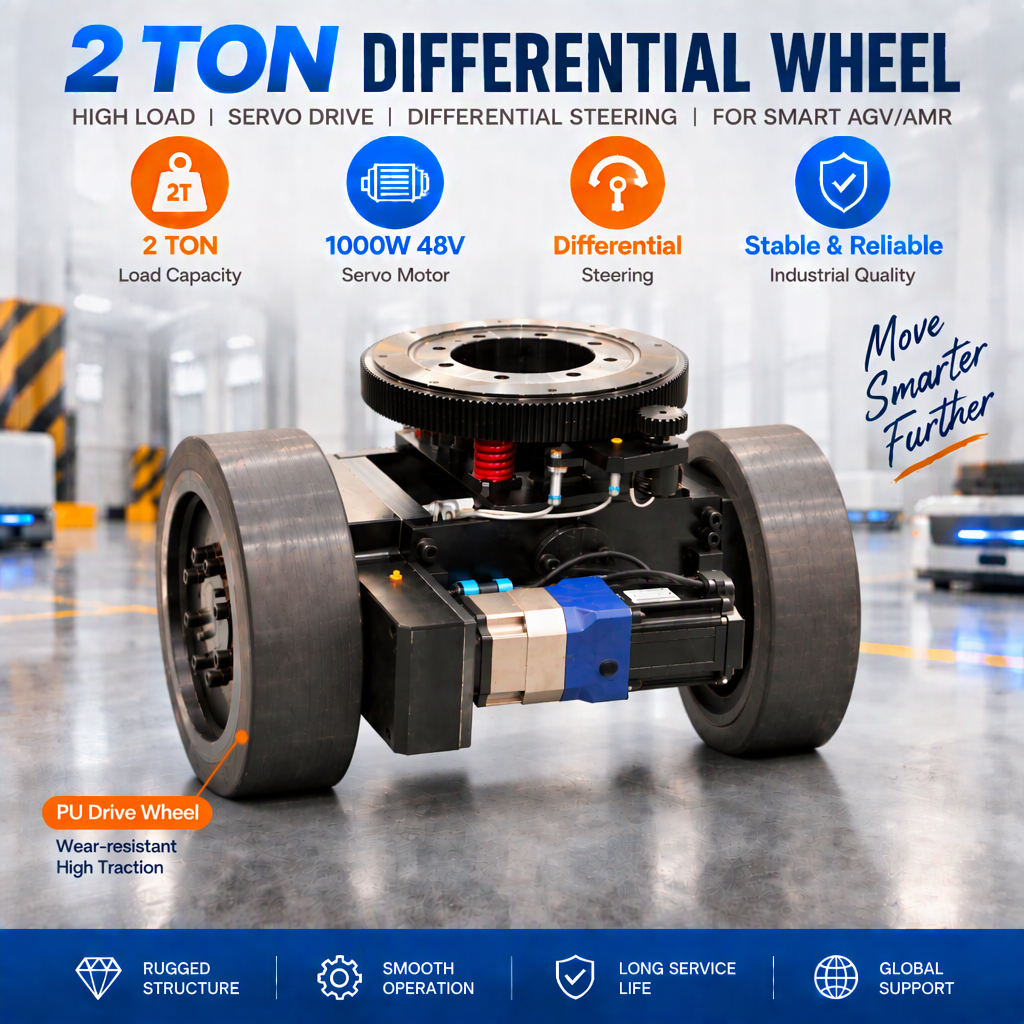
TZBOT Customized 2000kg Bearing Duty agv Wheel 1000w 48V Heavy Duty Series Mobile Robot Differential Drive Wheel with Suspension
Customizable heavy-duty drive wheel for integrators replacing imported units or designing a high-load AGV for local production floors.
- Customizable
- 2000KG class
- Suspension option
Why Mérida Is a Practical Market for SLAM Navigation AGVs
Mérida and greater Yucatán combine distribution growth, nearshoring investment, and a compact urban logistics geography. The winning AGV specification is not simply the lowest price per vehicle; it is the configuration that survives heat, floor transitions, and real traffic patterns.
Heat and Humidity
Specify ventilation, duty cycle, IP protection, and condensation control for enclosed warehouse zones and non-air-conditioned staging areas.
Floor Quality
Joint gaps, expansion strips, ramps, and polished tiles affect wheel choice and SLAM map stability. Measure the final route before RFQ.
Network Coverage
SLAM can localize onboard, but fleet management and job dispatch need stable Wi-Fi coverage in aisles, elevators, and charging bays.
People and Safety
Define pedestrian crossings, speed zones, light-and-sound alerts, and Spanish operating instructions before commissioning.
Mérida SLAM Readiness Score
Use this pre-RFQ score to expose integration risk early. A vehicle that scores well in a showroom may still fail if the route, network, or floor data is incomplete.
Five Values That Shorten the Sampling Cycle
- Gross vehicle weight: load, shelf tare, lift height, and load center.
- Target speed and gradient: empty and loaded travel speed plus ramp percentage.
- Floor and route data: aisle width, ramps, joints, charging position, and traffic zones.
- Battery and charger: battery voltage, opportunity charging plan, and site power details.
- Documentation scope: Spanish HMI needs, spare-parts kit, training, and customs handover.
Matching the Eight Product Families to Mérida Use Cases
For Mérida buyers, the product decision should follow the route and load profile. Use the matrix below to align the vehicle concept, drive wheel, controller, and sensor strategy before requesting a wholesale quotation.
| Mérida Application | Recommended Product Focus | Engineering Rationale |
|---|---|---|
| 3PL and distribution center | 2500KG lurking AGV; TZC-MST-FX200D-A controller | High payload shelf towing and centralized task control for repeatable routes in warehouse and cross-dock operations. |
| Electronics, medical, laboratory logistics | 80kg laser SLAM AMR with 7-inch HMI | Flexible mapping, compact footprint, and quiet movement inside controlled or mixed-traffic areas. |
| Heavy pallet and industrial transfer | 2000KG heavy-duty differential drive wheel with suspension | Load capacity and suspension support reduce shock when crossing joints, ramps, and uneven surfaces. |
| Forklift-style or steering chassis | 1500W vertical traction wheel; smart mapping controller | Controlled steering angle and traction for tricycle AGVs, towing units, and forklift-type architectures. |
| Low-clearance cart and under-ride platform | 750W 1000KG horizontal drive wheel assembly | Horizontal motor layout helps preserve low deck height while retaining a controlled drivetrain package. |
| Wholesale and replacement inventory | Customized 2000kg wheel; controllers; traction units | Useful for integrators maintaining multiple AGV brands and needing a second source for wear parts and control modules. |
Where SLAM AGVs Deliver Value Across Mérida and Yucatán
The strongest use cases are not always the most futuristic ones. They are the routes with repeatable transport, clear safety ownership, and measurable labor or space constraints.
Warehouse and 3PL Operations
Shelf-to-station transport, put-away support, and repetitive cart movement near Mérida’s logistics corridors. Use 2500KG lurking AGVs where payload and endurance dominate.
Electronics and Light Assembly
Component delivery, finished-goods transfer, and line-side replenishment with compact 80kg laser SLAM AMRs in tight aisles.
Food, Beverage, and Cold Chain
Transport between staging, packing, and dispatch without fixed magnetic tape. Specify wash-down needs, condensation control, and safe speed zones.
Hospitals and Laboratories
Quiet, programmable movement for linen, pharmacy, laboratory samples, and materials management where route flexibility matters.
Automotive Aftermarket and Parts
Heavy totes, racks, and pallet flow can be supported with 2000KG drive wheels, suspension options, and matched servo/BLDC control.
Puerto Progreso Supply Corridor
For importers and exporters moving goods through Yucatán’s port-linked chain, standardize spare parts and controllers to reduce downtime.
2025–2028 Trends Reshaping AGV Procurement in Mérida
Nearshoring and regional logistics investment are increasing interest in flexible automation, but buyers are becoming more disciplined about total cost of ownership and local support.
Nearshoring and Regional Distribution
As Yucatán attracts more manufacturing and distribution activity, warehouse operators will prioritize scalable material flow instead of fixed conveyor-only layouts.
Hybrid SLAM and Code Navigation
Laser SLAM will increasingly coexist with QR or magnetic reference points for stations, speed zones, and high-traffic junctions.
Spanish-First Operations
Local teams need clear Spanish procedures, training checklists, and safety signage. HMI language and documentation scope should be confirmed during quotation.
Climate-Resilient Electrification
Hot, humid conditions make thermal design, charging ventilation, and corrosion protection part of the purchasing decision, not an afterthought.
SLAM vs. Magnetic vs. QR: A Buyer’s Comparison for Mérida
There is no universally superior navigation method. The right answer depends on route change frequency, floor environment, existing infrastructure, and how much local commissioning support is available.
| Method | Best Fit in Mérida | Strength | Watchout |
|---|---|---|---|
| Laser SLAM AGV / AMR | Flexible warehouses, hospitals, laboratories, production areas with changing routes | No fixed floor tape; route updates are easier; strong fit for mixed traffic and phased layouts | Requires stable mapping, controlled speed zones, and disciplined fleet network design |
| Magnetic guidance | Fixed, high-repeatability transport routes and low-complexity deployments | Proven behavior, simple station logic, and predictable paths | Route changes require floor work; tape can be damaged in heavy forklift zones |
| QR code navigation | Grid warehouses, goods-to-person zones, and structured storage areas | Precise station alignment and easy grid expansion | Floor cleanliness and QR maintenance matter; less flexible outside the grid |
| Hybrid navigation | Mérida facilities that need flexible routes plus precise docking or speed zones | Combines SLAM flexibility with reference points for critical areas | Needs a clear controls architecture and a single accountable integrator |
For many Mérida buyers, the right first step is a small route audit followed by a matched drive-train quotation. That combination provides more useful information than comparing vehicle prices without floor, payload, and network data.
Why Torqen Is a Practical Partner for Mérida AGV Projects
Zhejiang Torqen Technology Co., Ltd. has designed and manufactured AGV drive systems and motion components since 2015. For Mérida buyers, the advantage is not only product breadth; it is the ability to match wheels, motors, controllers, and sensors before shipment.
The company operates an ISO 9001:2015 quality management system, has been onsite-verified by Intertek, and supports sample-based customization, design-based customization, OEM production, buyer-label packaging, and export documentation. Its product scope includes AGVs, differential and steering drive wheels, horizontal drive assemblies, DC/AC motors, encoders, reducers, servo and BLDC controllers, magnetic guide sensors, RFID position sensors, lidar sensors, and AGV accessories.
Founded in Zhejiang, China
Patents awarded in drive technology
In-house testing instruments and inspection routine
Inquiry response rate reported by the supplier
Matched Drive Train
Wheels, motors, encoders, reducers, and controllers can be specified as one system, reducing integration mismatch after arrival.
Tested Before Shipment
Prototype and finished-product inspection routines are supported by in-house testing instruments and extended-duration checks.
OEM / ODM Flexibility
Motor power, voltage, reduction ratio, wheel diameter, tread material, encoder type, brake options, and mounting interfaces can be customized.
ISO and Verification
The factory’s quality system is ISO 9001:2015 certified, with onsite verification by Intertek and a stated patent portfolio.
Export Logistics Support
FOB, CFR, CIF, EXW, CIP, FCA, CPT, DDU, and express delivery options can be quoted for Mexico-bound shipments.
Responsive Technical Communication
Online support is handled across time zones, with a reported 97.9% inquiry response rate and engineering follow-up after delivery.
Requirement Review
Payload, speed, voltage, floor, route, and climate data are assessed.
Engineering Proposal
Motor, reducer, wheel, controller, and sensor options are matched.
Prototype Build
Sample-based or design-based customization is produced for evaluation.
Endurance Testing
Extended-duration runs and parameter checks support release confidence.
Production and Inspection
Manufacturing follows the ISO 9001:2015 quality management framework.
Export Packing
Final inspection, export packing, documentation, and shipment coordination.


Local Procurement Questions Before Importing SLAM AGVs
These are the practical questions Mérida buyers and Yucatán integrators commonly ask during supplier selection.
Can you export SLAM AGVs and wholesale components to Mérida?
Yes. Export quotations can be prepared for Mérida and greater Yucatán, with ocean freight routed to Puerto Progreso or alternative Mexican ports depending on the final Incoterm, cargo dimensions, and buyer preference. The supplier can provide commercial invoice, packing list, HS code coordination, bill of lading, and certificate-of-origin support where applicable. Buyers should confirm NOM applicability and customs requirements with a local broker before ordering.
What voltage and charger configuration should we plan for in Mexico?
AGVs use onboard DC battery systems, while the charger must match the site’s electrical supply. Mexico generally uses 127/220 V and 60 Hz, but the charger input, plug type, grounding, ventilation, and dedicated circuit should be confirmed by a local electrician. Do not assume a 50 Hz charger will be accepted without review. Provide site power details in the RFQ.
How do you address Yucatán heat, humidity, dust, and condensation?
The specification should state the actual duty cycle, ambient temperature, humidity exposure, wash-down rules, dust level, and charging-area ventilation. Depending on the route, buyers may specify IP protection, anti-corrosion treatment, sealed connectors, condensation-control measures, and derating for continuous operation. A vehicle tested in a climate-controlled showroom is not evidence of performance in a non-air-conditioned warehouse.
Can the HMI and training material be provided in Spanish?
HMI language and documentation scope should be confirmed during quotation. English engineering drawings are standard for integration, while Spanish operating checklists, safety signage recommendations, and training material can be scoped for local teams. For E-E-A-T and safety, the final handover should include a named person responsible for daily checks, emergency stop procedures, and route updates.
What is the MOQ for wholesalers and mixed orders?
MOQ depends on the product family: controllers and drive wheels may follow different minimums from complete AGV platforms. Integrators often request mixed sample orders to evaluate multiple wheel or controller configurations before committing to production. State your annual forecast, target model list, and whether you need buyer-label packaging so the quotation can reflect a realistic wholesale structure.
How should we evaluate floors, ramps, and docking accuracy?
Collect aisle width, floor material, joint gaps, expansion strips, ramp percentage, threshold height, and docking tolerance. Use spring suspension or a heavy-duty wheel where shock loads are expected. For SLAM mapping, scan the final route after racking and equipment are installed; mapping an empty warehouse can produce a misleading baseline. QR or hybrid references may help at precision stations.
What after-sales support is realistic for a Mérida deployment?
Factory remote diagnostics, spare-parts kits, wiring diagrams, controller parameter files, and commissioning guidance can be provided. A local integrator or maintenance partner is strongly recommended for first-line response, mechanical installation, and safety validation. Buyers should avoid assuming a local warehouse exists unless it is explicitly stated in the contract. Clarify response times, spare-part lead times, and warranty terms in writing.
How do we compare SLAM versus magnetic guidance on total cost of ownership?
Compare route-change frequency, floor modification cost, expected layout life, labor cost, vehicle utilization, spare-part strategy, and downtime risk. Magnetic guidance can be attractive for fixed low-complexity routes, while SLAM can reduce rework when aisles or stations change. The most useful calculation is a three-year model that includes mapping, commissioning, training, maintenance, and the cost of stopping operations for floor work.
Request a Mérida-Specific SLAM AGV Configuration
Send your payload, route, floor, voltage, and Spanish documentation requirements. The team can respond with a matched drive wheel, controller, AGV, or wholesale component proposal for your Mérida or Yucatán project.
Export and engineering contact: info@torqenbot.com