Eight SLAM AGV & Motion Components for Cebu City Projects
Cebu City buyers often need a mix of flexible laser SLAM platforms and proven magnetic or QR guidance components. The eight items below are selected for payload range, navigation fit, serviceability and compatibility with tropical industrial environments.
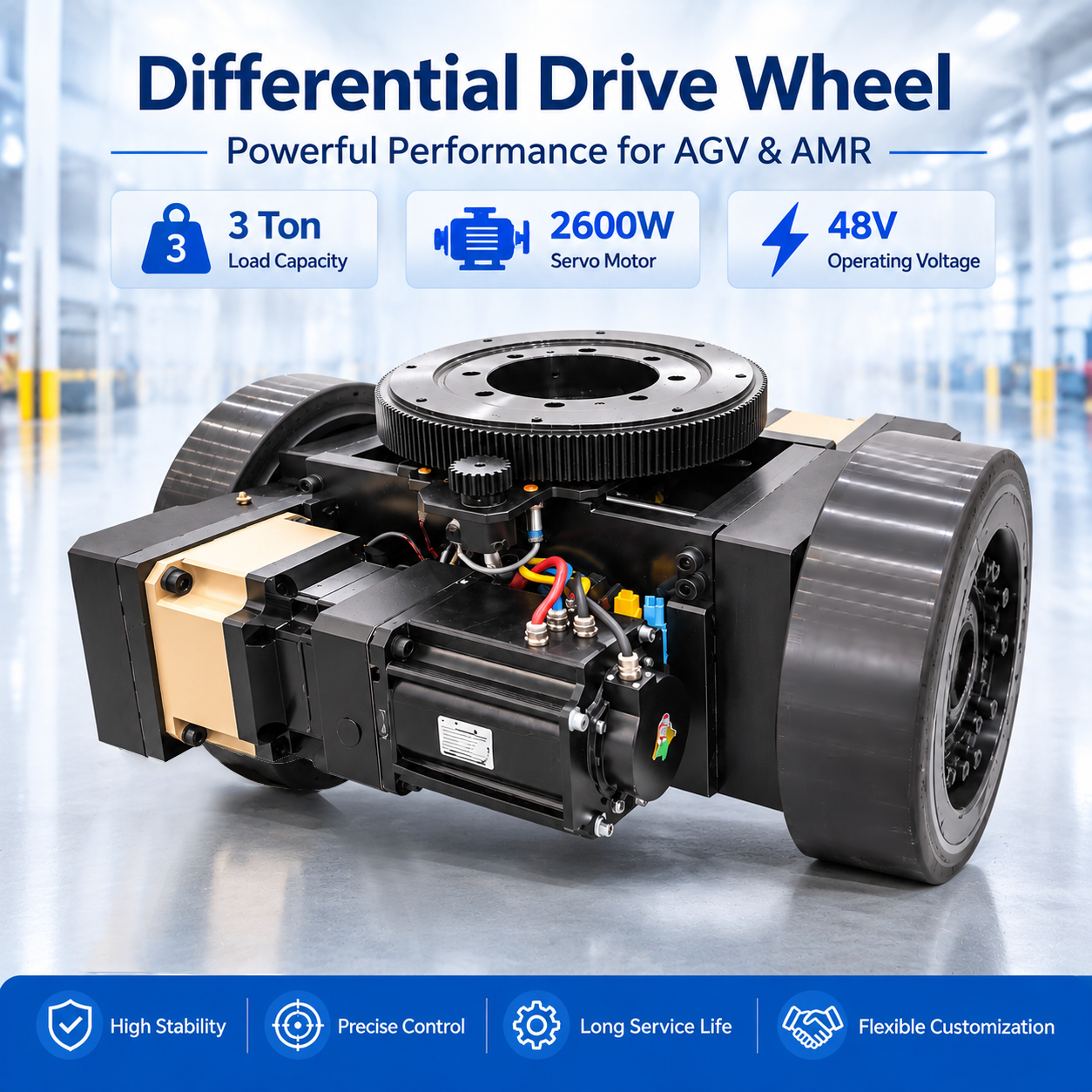
TZBOT Customizable 3000kg Load Capacity agv Wheel Automatic Guided Vehicle Differential Drive Wheel with 2600w 48V Servo Motor
For 3,000 kg-class AGV platforms and heavy internal transport, this differential drive wheel combines a 2,600 W 48 V servo motor with a customizable mounting package. In Cebu City, it suits furniture, building-material and export-packing operations where floor conditions vary and uptime depends on easy wheel and motor service.
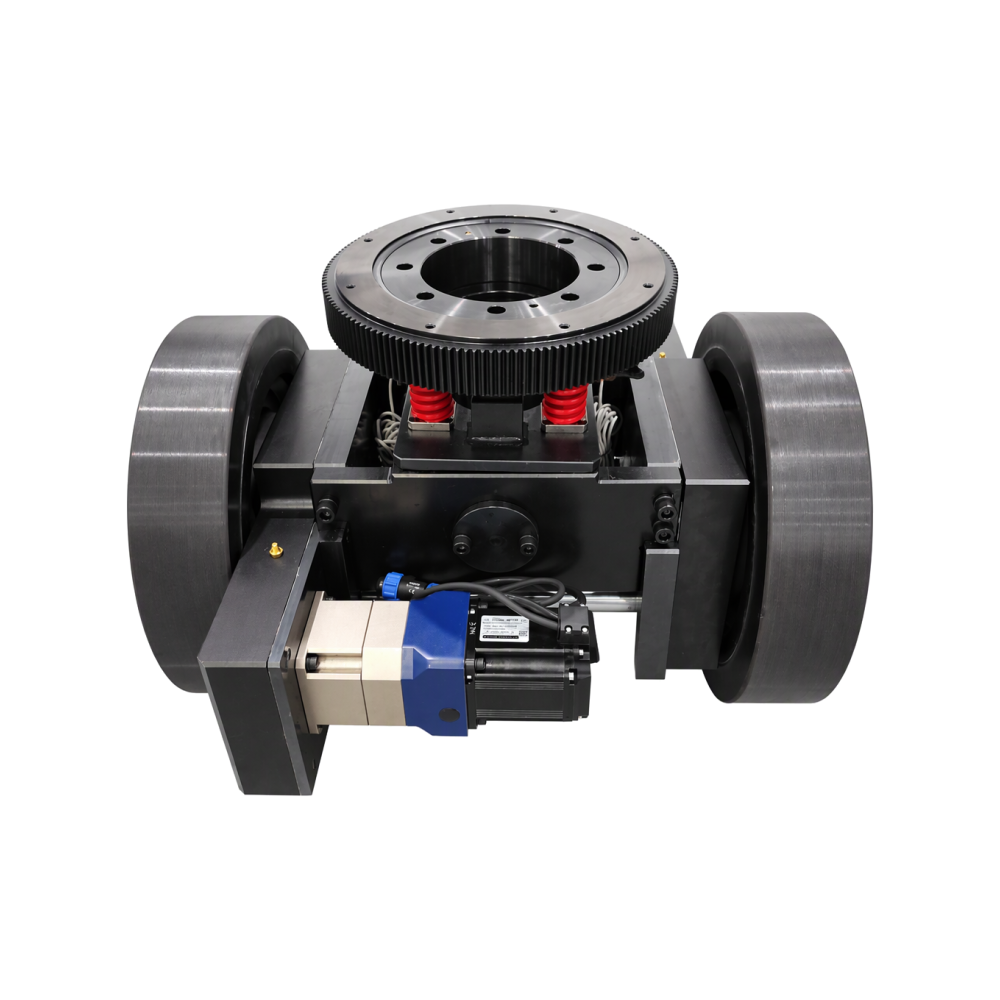
TZBOT Heavy Duty Series agv Wheel 1000w 48v Servo Motor Control Mobile Robot Differential Drive Wheel with Spring Suspension
A 1,000 W 48 V heavy-duty differential drive unit with spring suspension. The suspension helps maintain traction across expansion joints, loading ramps and imperfect concrete floors that are common in older Cebu warehouses, fabrication shops and covered yards.
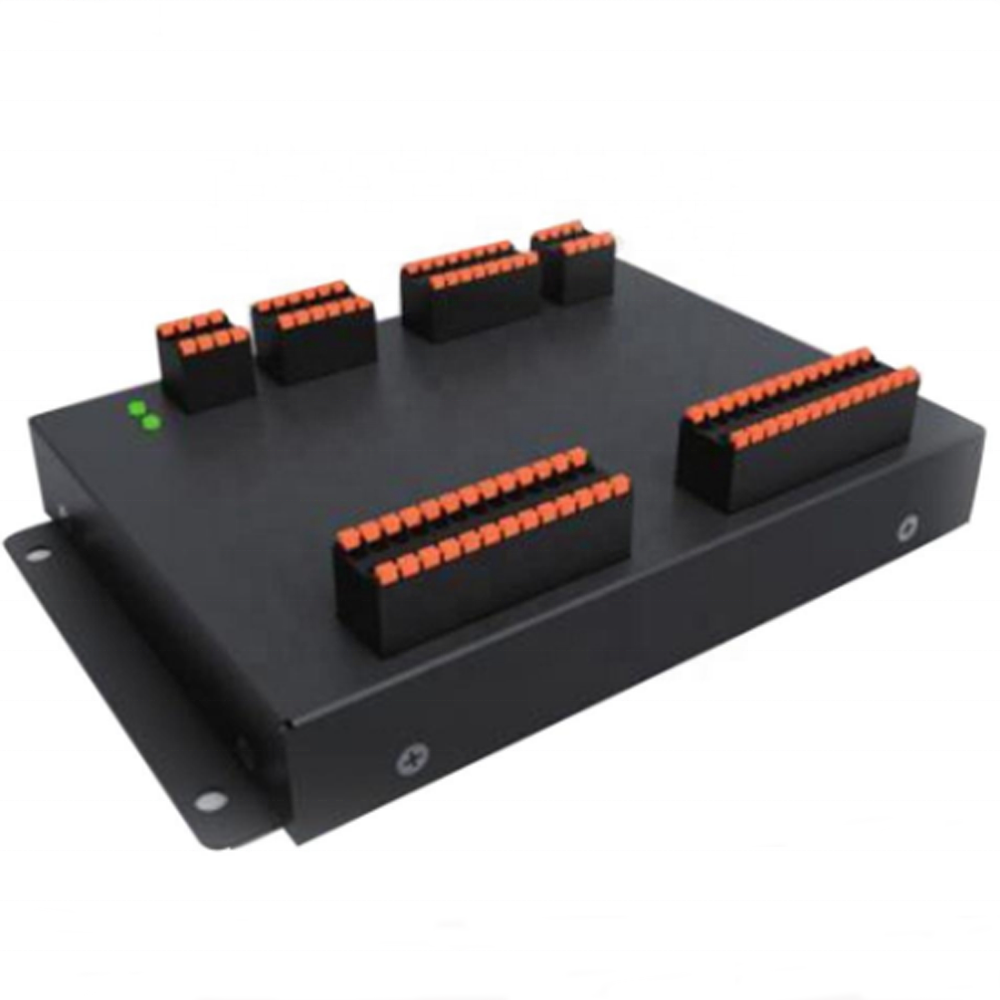
TZBOT FX Series Controller of HX Support Magnetic Tap Guided AGV
A magnetic-tape guided AGV controller for fixed-route vehicles. It is a pragmatic choice for Cebu City factories that need repeatable station-to-station movement, straightforward commissioning and a lower infrastructure cost than full SLAM in stable layouts.
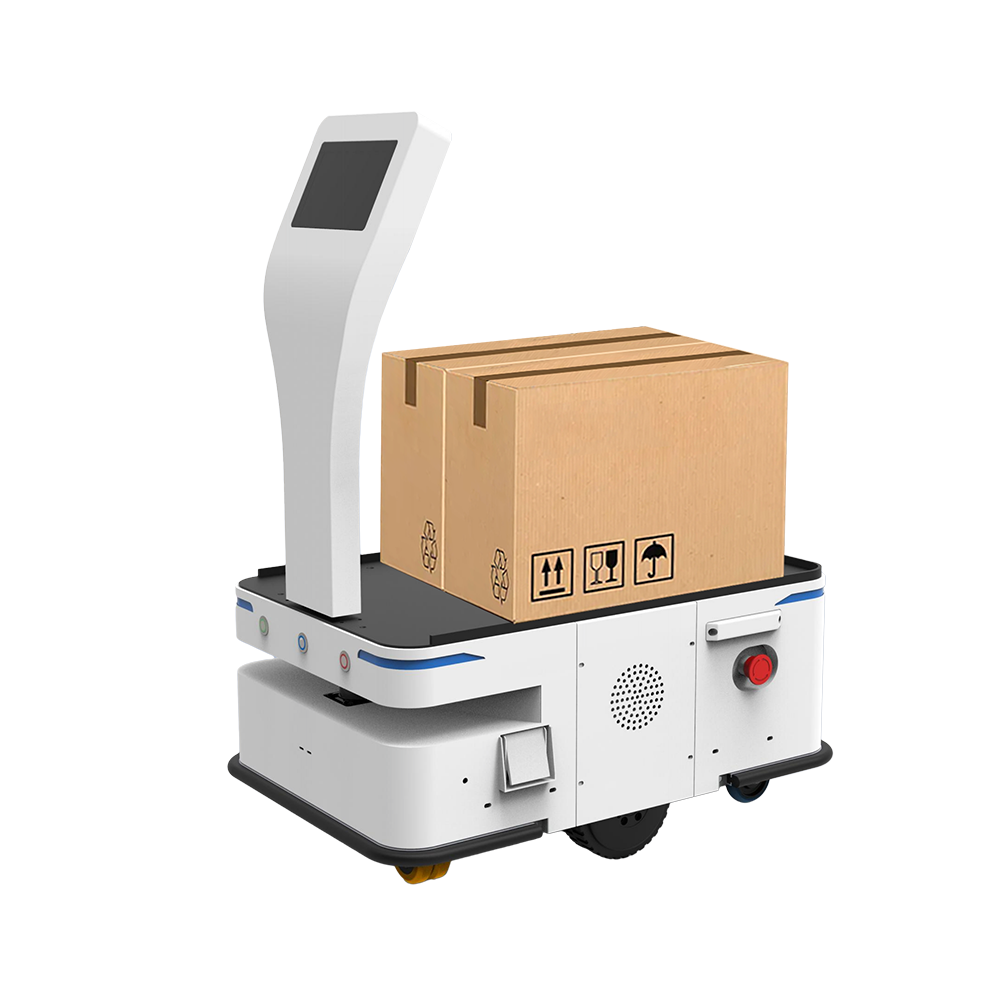
TZBOT High Precision Guidance Laser Slam Navigation Amr Robot 80kg Carrying Capacity Material Handling Amr Robot with 7 Inch HMI
An 80 kg laser SLAM AMR with a 7-inch HMI for flexible material handling. It is relevant to electronics, medical-device, laboratory and small-parts logistics in Cebu City where layouts change and magnetic tape would disrupt cleanliness, workflow or facility appearance.
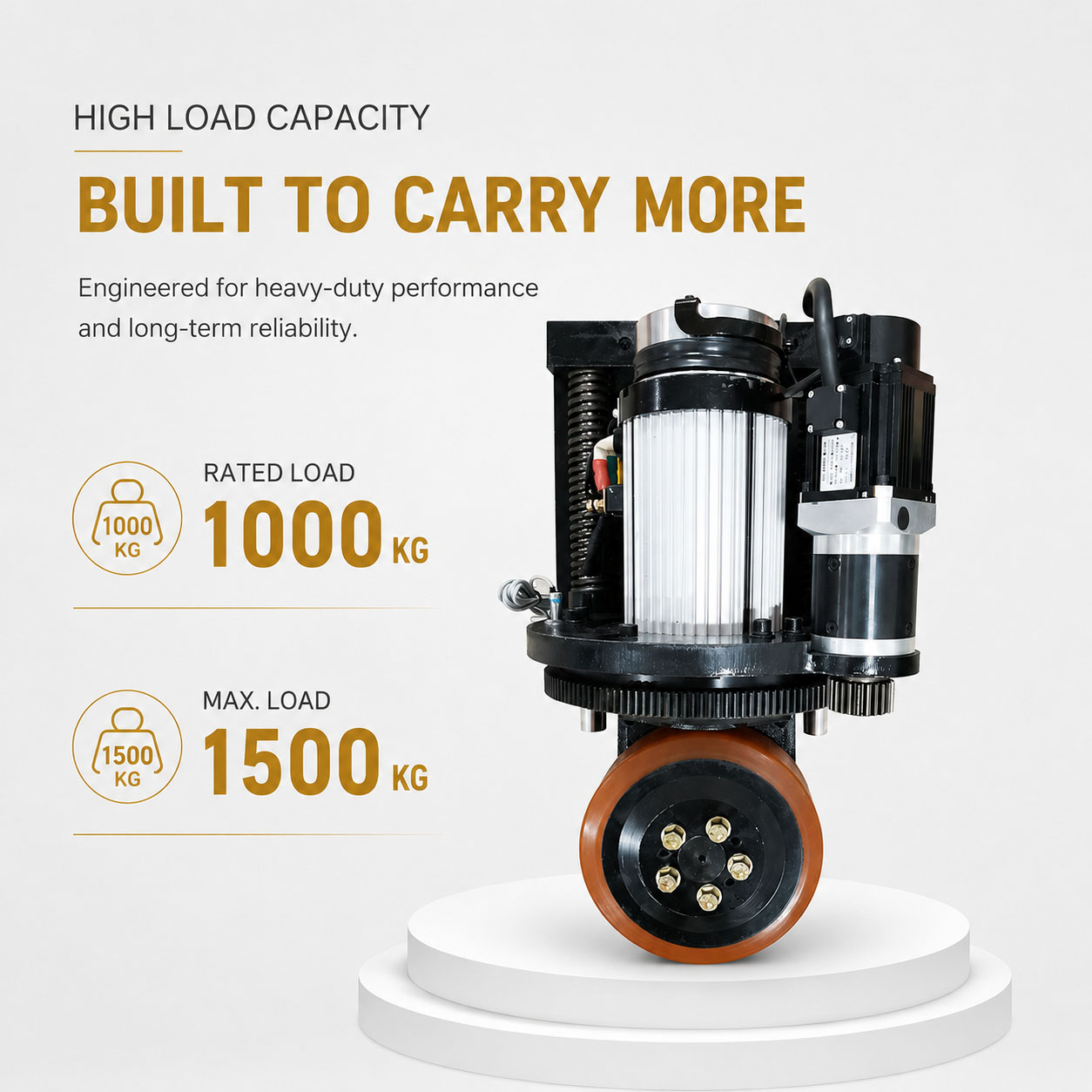
TZBOT 1000KG Bearing Duty 1500w Servo Motor AGV Forklift Driving Wheel with Suspension for Automatic Forklift
A 1,000 kg bearing-duty forklift drive wheel with 1,500 W servo motor and suspension. Designed for automatic forklifts and tuggers serving Cebu Port, container yards, distribution centres and high-throughput logistics operations with mixed floor surfaces.
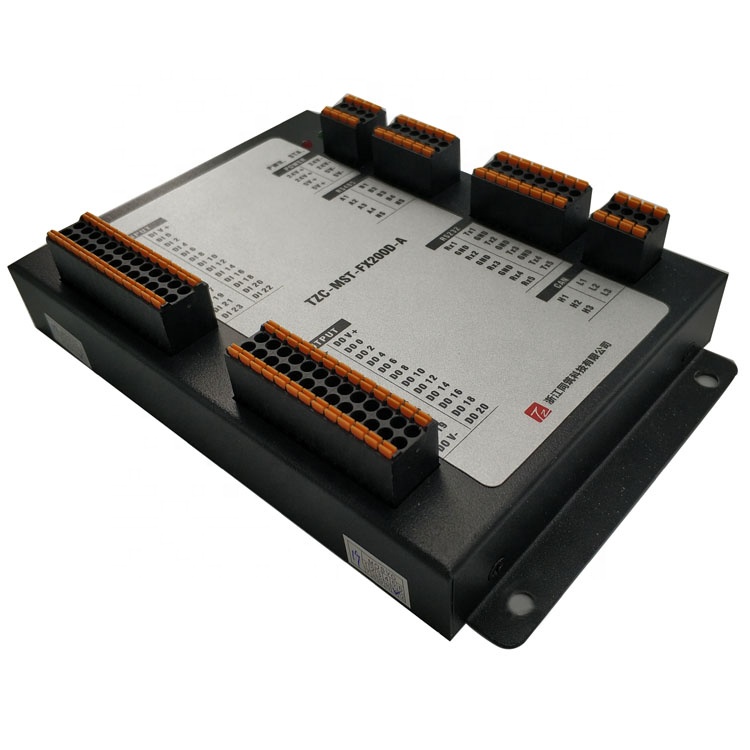
Smart AGV Controller TZC-MST-FX200D-A with Auto Guide Apply for Building Material Shops
The TZC-MST-FX200D-A smart AGV controller with auto guide is positioned for building-material shops and hybrid routes. It is useful for Cebu hardware, tile, cement and construction-supply yards that need a robust control layer without rebuilding the entire fleet.
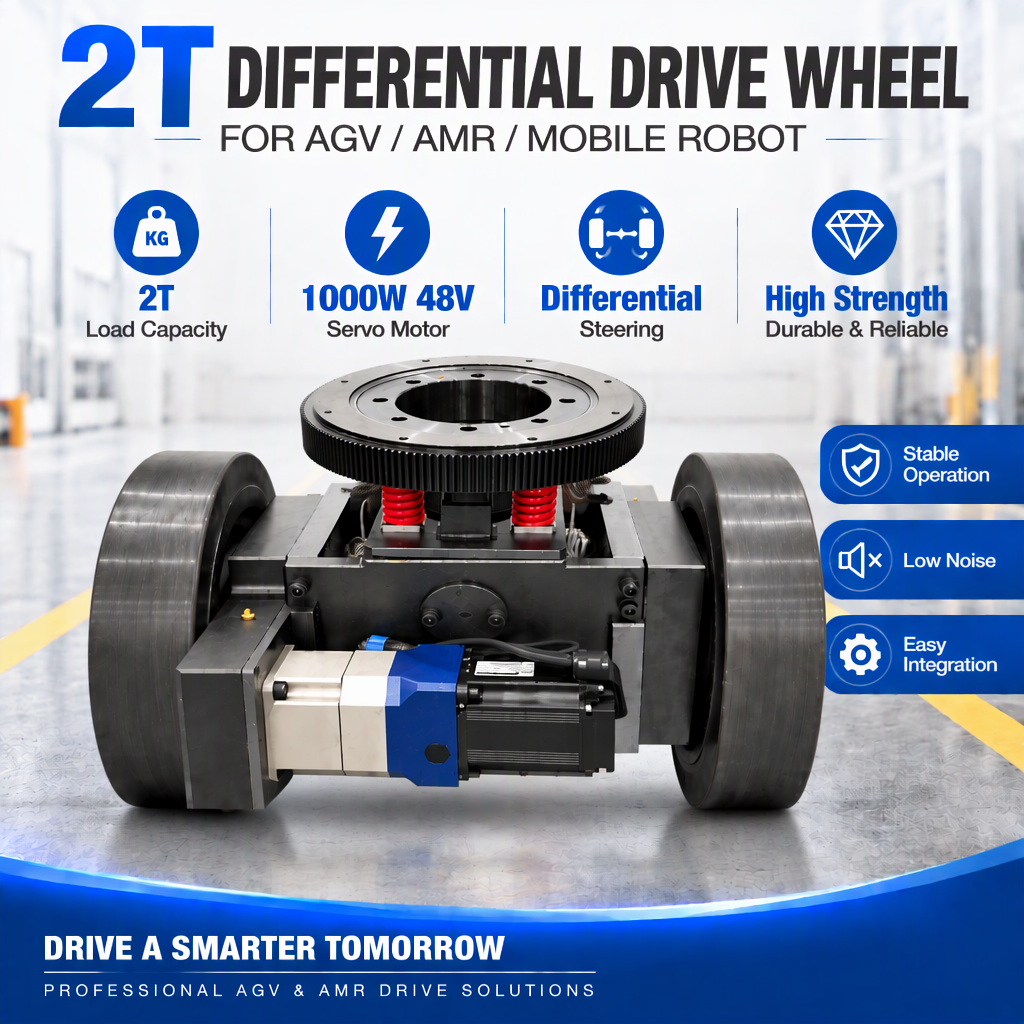
TZBOT 2000kg Traction Capacity Logistic Robot Part agv Amr Differential Steering Drive Wheel for Sale
A 2,000 kg traction-capacity differential steering drive wheel for logistics robot parts. The steering drive format is relevant to Cebu City tugger trains and tricycle-type AGVs that need controlled steering angles in narrow aisles and changing dock areas.
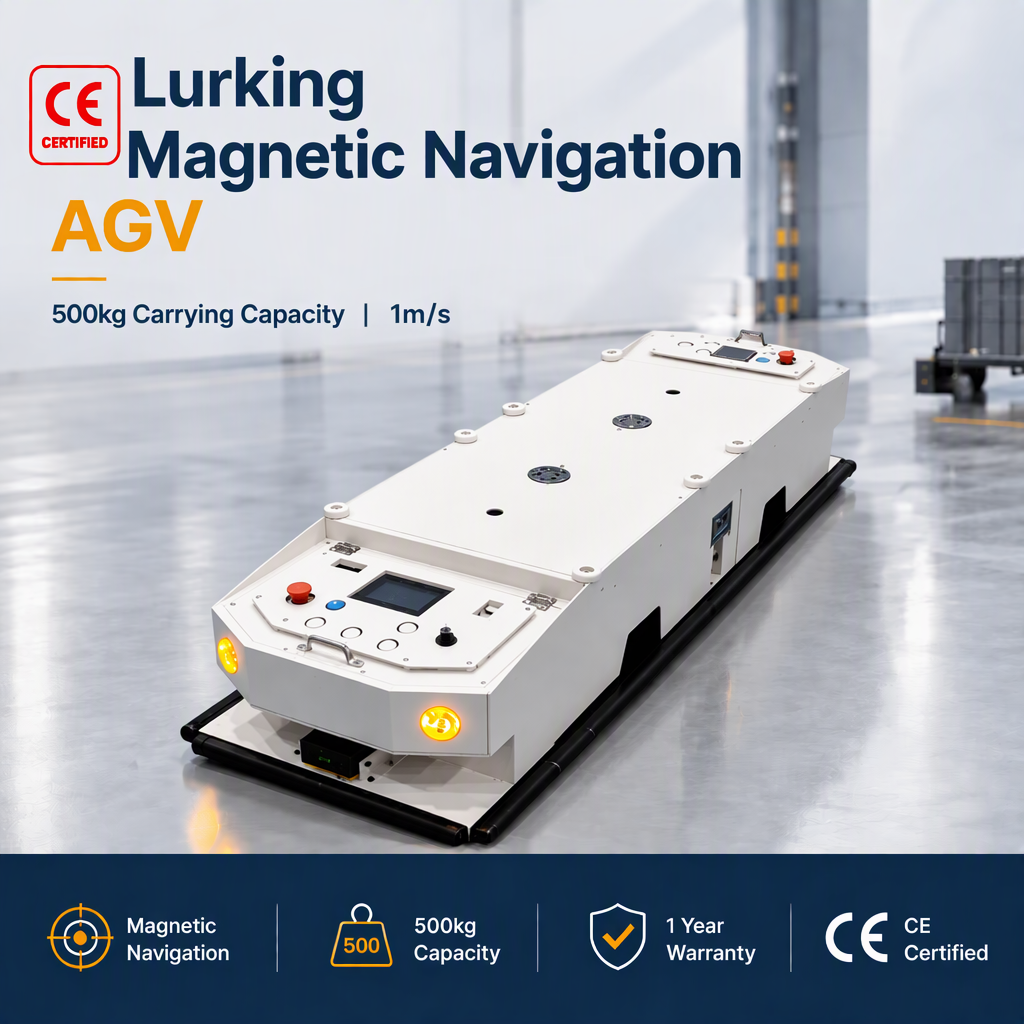
TZBOT EU CE Lurking AGV Material Handling Equipment Logistic Automation 500kg Bidirectional Magnetic Guidance Mobile Robot
A 500 kg bidirectional magnetic-guidance lurking AGV with EU CE marking for material handling and logistics automation. It suits Cebu City warehouses and production lines that want a low-profile under-cart handling solution with predictable routes and simple operator training.
Procurement note for Cebu City buyers: confirm gross vehicle weight, wheel load, floor flatness, ramp grade, battery voltage, charger input, route length and spare-part plan before releasing a purchase order. These variables influence motor power, reduction ratio, wheel diameter and navigation choice more than the robot’s external appearance.
What Cebu City Buyers Should Verify Before Choosing a SLAM AGV Factory
When comparing a SLAM Navigation AGV factory and suppliers serving Cebu City, the most important question is not simply who lists a robot with lidar. It is who can prove drive-train compatibility, tropical reliability, spare-part discipline and commissioning support after the equipment reaches the Visayas.
Cebu City is a gateway for manufacturing, logistics, electronics, furniture, food processing, shipbuilding support and building-material distribution across Metro Cebu. Buyers often operate in mixed environments: air-conditioned production areas, older warehouses with expansion joints, covered yards with dust, and ports or distribution sites where pedestrian and forklift traffic share the same floor. A laser SLAM AMR can reduce fixed infrastructure, but it still depends on stable wheel traction, safe sensor zoning, battery strategy and maintenance access.
A factory-direct supplier should be able to explain the complete motion chain: drive wheel, servo motor, encoder, reducer, controller, navigation sensor, charger interface and safety devices. When those parts are matched by one engineering team, Cebu City integrators spend less time troubleshooting communication faults and more time completing the pilot. When they are sourced from disconnected vendors, the project may look cheaper at quotation stage but become slower at commissioning stage.
Information gain for local buyers: ask every supplier whether their “Cebu City support” means a local office, a distributor, a spare-parts stock, or factory-direct remote engineering. Those are different service models. Torqen operates as a factory-direct manufacturer in Zhejiang, China, supporting Cebu City projects through export logistics, engineering documentation and remote technical response. We do not claim a Cebu City warehouse unless it is confirmed in writing for a specific project.
- Check actual drive-wheel load rating, not only nominal AGV payload.
- Confirm navigation method against floor cleanliness, route stability and safety zones.
- Request tropical protection details for humidity, condensation, dust and washdown exposure.
- Agree on spare parts, wiring diagrams, parameter files and acceptance-test criteria before shipment.

Four Decision Lenses for SLAM AGV Procurement in Cebu City
Use these four checks to separate a genuine factory partner from a catalogue reseller and to align technical choices with Cebu City operating realities.
Factory versus reseller
Ask who controls motor winding, wheel assembly, controller firmware parameters and inspection records. Factory-direct communication reduces ambiguity when a Cebu City integrator needs a modified mounting interface or a replacement driver.
SLAM versus hybrid navigation
Laser SLAM is attractive for changing layouts, but magnetic tape, QR codes or RFID stations may still be more repeatable in fixed-route areas. A hybrid plan can protect budget while preserving flexibility.
Tropical reliability
Cebu’s humidity, salt-air exposure near coastal sites, dust and occasional power disturbances require more than a datasheet review. Discuss IP protection, sealed connectors, corrosion-resistant hardware and maintenance intervals.
Serviceability
Ask for a recommended spare list, replacement procedures, wiring diagrams and error-code guidance. A Cebu City operation should not wait weeks for a simple diagnosis because documentation was treated as an afterthought.
Where SLAM AGVs and Motion Components Fit in Cebu City Operations
These application patterns reflect common material-flow challenges in Cebu City and wider Metro Cebu. Use them to translate a generic AGV product into a local business case.
Electronics and export manufacturing
Production lines in Mactan, Cebu City and nearby industrial zones need repeatable WIP movement. Laser SLAM AMRs can support line-side delivery and small-parts transfer, while magnetic controllers may suit stable fixed routes with less environmental disruption.
Warehouse and 3PL near Cebu Port
Latent AGVs, 2,000 kg steering wheels and 3,000 kg differential drives support pallet movement, cross-docking and container unloading. Specify ramp grade, floor joints, charger location and traffic rules before selecting vehicle speed.
Food processing and cold chain
Condensation, washdown and temperature cycling demand sealed connectors, corrosion protection and maintenance access. Do not specify an AGV by payload alone; ask for an IP, cleaning and condensation review, especially for cold rooms and wet-processing areas.
Building materials and hardware distribution
Tile, cement, steel and construction-supply yards often have dust, ramps and mixed traffic. The TZC-MST-FX200D-A controller and heavy-duty drive wheels are more relevant than a light AMR when loads are dense and floor conditions are imperfect.
Retail, e-commerce and parcel support
Cebu City’s growing fulfilment activity rewards compact AMRs with clear HMI, fleet-friendly charging and escalation paths for fault recovery. For high-variability layouts, SLAM mapping can reduce disruption compared with fixed floor infrastructure.
Automotive, metal fabrication and MEP workshops
Tugger and forklift AGV configurations need steering drive wheels with suspension, robust bumpers and local spare-part plans for continuous operation. Mixed pedestrian traffic requires conservative speed zones, lidar obstacle avoidance and clear floor markings.
Cebu City Automation Trends Shaping AGV Specifications
Cebu City procurement teams are not simply buying robots. They are buying uptime, flexibility and a credible path from pilot to multi-vehicle rollout. These three trends are changing how AGV projects are specified.
From fixed-path AGV to hybrid SLAM
Buyers want the lower cost and repeatability of magnetic guidance where routes are stable, but they also want laser SLAM flexibility for changing lines, seasonal peaks and new warehouse layouts. A hybrid navigation strategy often fits Cebu City operations better than an all-or-nothing choice.
Tropical uptime and serviceability
Coastal humidity, dust, power quality and limited local specialist availability are making documentation and spare-part planning part of the purchasing decision. Cebu City buyers increasingly ask for remote commissioning support, error-code guides and a recommended wear-part list.
Proof-of-value pilots before scale
Instead of ordering a full fleet at once, more Cebu City operations start with one route, one shift and a defined acceptance test. This reduces integration risk and produces measured data for labour savings, cycle time, safety and throughput before expansion.
What Cebu City project inquiries tend to prioritise
Directional planning signals from typical Cebu-oriented procurement conversations, not a statistically representative market survey. Use them to structure your own RFQ questions.
How to Match AGV Drive Units and Navigation Sensors to Cebu City Facilities
Use this practical comparison to align vehicle architecture with payload, floor conditions and route strategy. The right answer is usually the simplest configuration that meets the acceptance test with margin.
| Drive configuration | How it steers | Best fit | Cebu City check |
|---|---|---|---|
| Differential drive unit | Two independently driven wheels turn by speed difference. | Latent, jacking, shelf-lifting and compact AGV platforms. | Confirm wheel load, floor friction, expansion joints and turning clearance in narrow aisles. |
| Single steering drive wheel | Drive motor plus dedicated steering motor sets wheel angle. | Forklift AGVs, tricycle chassis, tugger trains and logistics robots. | Check steering motor duty cycle, suspension travel, ramp grade and dock-area traffic. |
| Horizontal drive assembly | Motor mounted horizontally for a lower build height. | Low-clearance chassis and under-ride carts. | Verify ground clearance, debris protection and maintenance access under the vehicle. |
| Navigation method | Infrastructure | Strength | Best Cebu City use case |
|---|---|---|---|
| Magnetic guide sensor | Magnetic tape on floor. | Low cost, repeatable, easy operator understanding. | Stable production routes, building-material yards and fixed warehouse loops. |
| QR code navigation | Floor QR grid. | High positional accuracy in controlled aisles. | Grid warehouses, goods-to-person zones and clean electronics environments. |
| Laser SLAM / lidar | Natural features, no tape required. | Flexible routes and faster layout changes. | Changing lines, multi-product warehouses and facilities that cannot accept floor tape. |
| RFID position sensor | RFID tags at stations. | Reliable station recognition. | Junctions, speed zones, pick-up/drop-off points and process confirmation. |
Why Cebu City Buyers Work With a Drive-Train Manufacturer
Zhejiang Torqen Technology Co., Ltd. has manufactured AGVs, drive wheel assemblies, motors, servo and BLDC controllers and navigation sensors since 2015. The value is not only the component list; it is the ability to match motion, control and navigation before shipment.
One factory for the complete drive train
Drive wheels, servo motors, encoders, reducers, controllers and sensors can be matched in-house. This reduces integration risk for Cebu City integrators who need a coherent motion package rather than scattered parts.
OEM and ODM customisation
Sample-based and design-based customisation covers motor power and voltage, reduction ratio, wheel diameter and tread, encoder type, brake options and mounting interfaces. Share drawings and duty cycle for a practical recommendation.
Certified quality process
ISO 9001:2015 quality management, Intertek onsite verification, finished-product inspection and five in-house testing instruments support repeatable production. Prototypes are run for extended periods before release.
Matched electronics and sensors
Servo and BLDC drivers are tuned to our own drive wheels, while magnetic, RFID and lidar sensors support single-source bills of materials for Cebu City vehicle builders and retrofits.
Export-ready trade terms
Payment methods include T/T, L/C, D/P, D/A, MoneyGram, credit card, PayPal, Western Union, cash and escrow. Delivery terms include FOB, CFR, CIF, EXW, CIP, FCA, CPT, DDU and express delivery, with multiple settlement currencies.
Engineering response and documentation
Our team supports wiring diagrams, driver parameter files and commissioning guidance. The website-reported inquiry response rate is 97.9%, with 24/7 online response for overseas buyers and a 4.9/5 buyer rating.
From Cebu City Requirement to Inspected Export Shipment
A transparent workflow protects schedule, budget and technical fit. Each stage should produce a document or test result that the buyer can review.
Requirement review
Collect payload, speed, floor condition, ramp grade, battery voltage, charger input, route length, destination and preferred Incoterm for Cebu City.
Engineering matching
Match drive wheel, motor, reducer, controller and navigation sensor. Share drawings, interface details and a clear bill of materials.
Prototype and endurance
Build the sample or customised prototype, run extended-duration testing, verify parameters and define acceptance criteria before mass production.
Production and export
Manufacture under ISO 9001:2015 controls, perform final inspection, prepare export packing and shipping documents, then support remote commissioning.
Questions Cebu City Buyers Ask Before Ordering
These answers address the practical issues that appear in local sourcing conversations: delivery, integration, tropical operation, customisation and after-sales.
Do you ship SLAM navigation AGVs and components to Cebu City and the Visayas?
Yes. Torqen is a factory-direct manufacturer in Zhejiang, China, supporting Cebu City buyers through export packing and international freight. Delivery can be quoted under FOB, CFR, CIF, EXW, CIP, FCA, CPT, DDU or express terms. For Cebu City and wider Visayas projects, confirm the final site address, unloading capability and whether you need delivery to Cebu Port, Mactan-Cebu International Airport or a project warehouse. Import duties, taxes and local clearance are normally the buyer’s responsibility unless a specific Incoterm states otherwise.
What should a Cebu City buyer include in an RFQ for a SLAM AGV?
Include payload, gross vehicle weight, maximum speed, wheel load, floor material and flatness, expansion joints, ramp grade, route length, battery voltage, charger input, navigation preference, load transfer method, environmental conditions, required certifications, target commissioning date, destination and preferred Incoterm. Photos or videos of the floor and traffic flow are especially useful because they reveal constraints that a text specification may miss.
Is laser SLAM always better than magnetic guidance for Cebu City warehouses?
No. Laser SLAM is valuable when layouts change, floor tape is undesirable or routes must be re-mapped frequently. Magnetic guidance can be more repeatable and lower cost where routes are stable and the floor can accept tape. QR code navigation suits clean grid warehouses, while RFID supports station recognition. Many Cebu City projects benefit from a hybrid design that uses SLAM for flexible zones and magnetic or QR navigation for fixed, high-repeatability routes.
How should AGV components be protected from Cebu humidity, salt air and dust?
Share the actual exposure conditions: air-conditioned production, open warehouse, covered yard, cold room or coastal site. Specify appropriate IP protection, sealed connectors, corrosion-resistant hardware, cable gland protection and maintenance access. For humid or condensing areas, discuss conformal coating where suitable, drainage, desiccant strategy and preventive inspection intervals. Do not assume an indoor AMR is suitable for semi-outdoor or salt-air exposure without a written review.
Can Torqen customise drive wheels and controllers for existing Cebu City AGV fleets?
Yes. We offer sample-based customisation, design-based customisation, OEM production, design services and buyer-label packaging. Typical customisation includes motor power and voltage, reduction ratio, wheel diameter and tread material, encoder type, brake options and mounting interfaces. Send existing drawings, photos, nameplate data, duty cycle and failure symptoms so our engineers can recommend a compatible configuration rather than a generic replacement.
How are payment, lead time, spare parts and after-sales handled?
Accepted payment methods include T/T, L/C, D/P, D/A, MoneyGram, credit card, PayPal, Western Union, cash and escrow in USD, EUR, JPY, CAD, AUD, HKD, GBP or CNY. Lead time depends on whether the order is a prototype, custom build or repeat production batch. For fleets, agree on a recommended spare list covering drive wheel assemblies, servo drivers, controllers, sensors and wear parts. Remote support can include wiring diagrams, parameter files, error-code guidance and video commissioning. Online support is available 24/7, with a reported 97.9% inquiry response rate.
Send Your Load, Route and Floor Data for a SLAM AGV Configuration Review
Share your payload, target speed, ramp grade, battery voltage, floor condition, Cebu City destination and preferred Incoterm. Torqen engineers will respond with a drive wheel, controller and sensor recommendation, plus the questions that protect your pilot from avoidable integration risk.
