8 AGV & SLAM Navigation Components for Fukuoka Integrators
This selection is deliberately component-level. Many Fukuoka projects are retrofits into existing buildings, so buyers often need a replacement drive wheel, matched controller, charger pad or compact AMR platform rather than a complete new fleet. Product URLs are preserved as supplied.
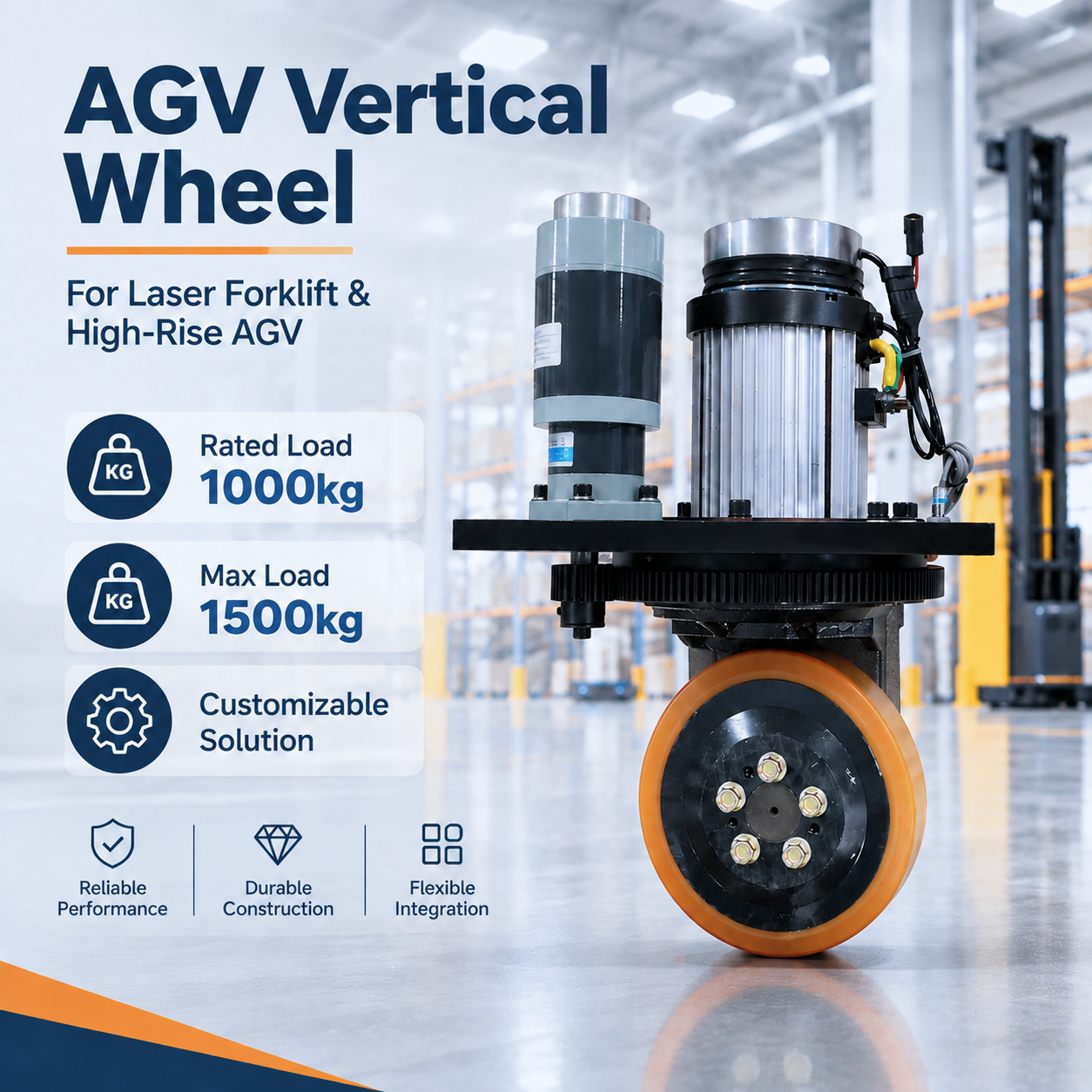
TZBOT 2590r/min Vertical Driving Unit Electric Traction Wheel 1500W Steering Forklift Accessories
For compact forklift-style AGV chassis that need controlled steering angles in tight Fukuoka aisles. Confirm voltage, mounting geometry and wheel tread before quotation.
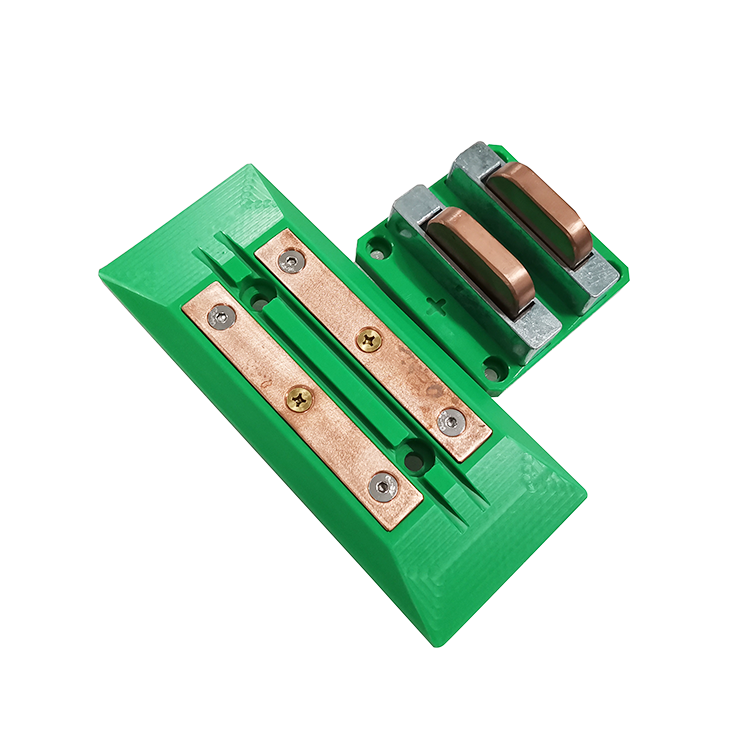
TZBOT Charger Pad Model TZ-CP-50A with Brush Plate and Brush Block for AGV Navigation Vehicles
Opportunity charging for high-uptime SLAM fleets. Brush plate and brush block are wearing parts, so local service access and spare-part planning matter.
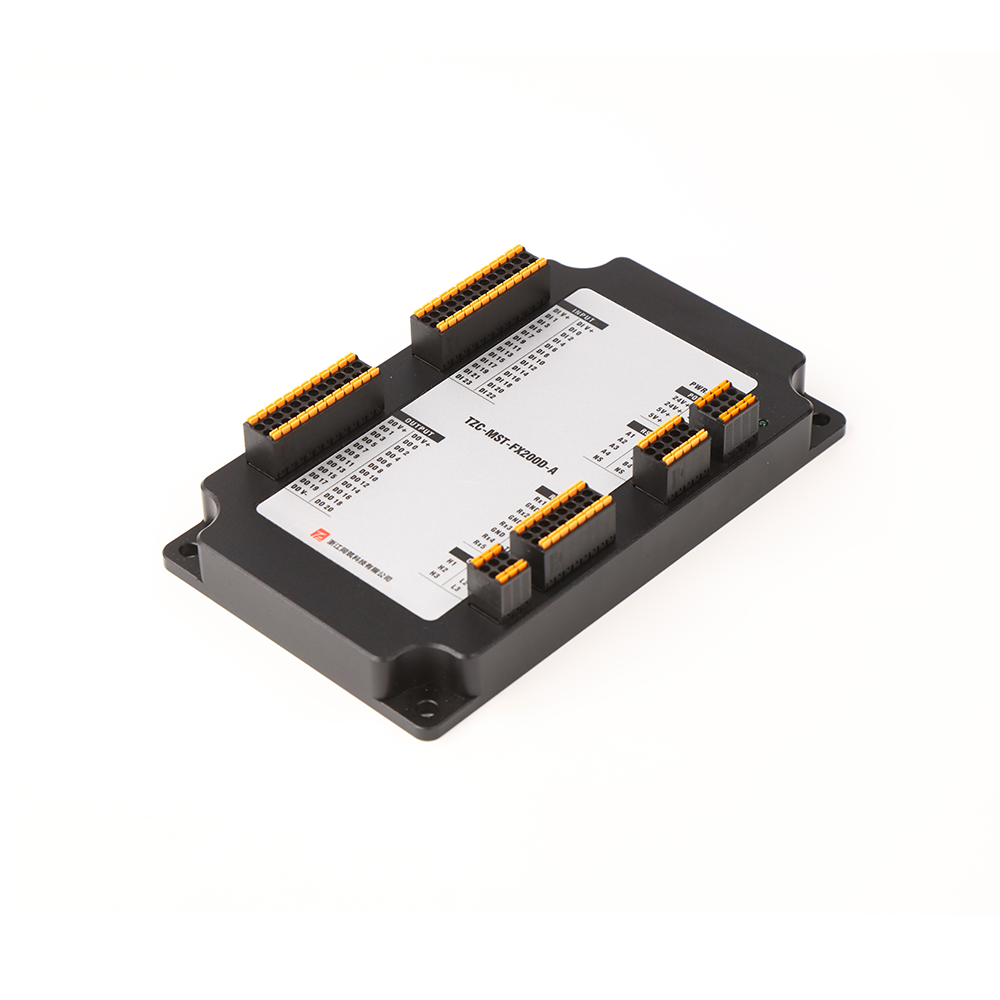
AGV Accessories Automated Guided Vehicle Controller with 19V~29V Power for AGV Robot
A compact controller for small AGV and AMR platforms. Match current limits, encoder feedback and emergency-stop logic with your Japanese safety plan.
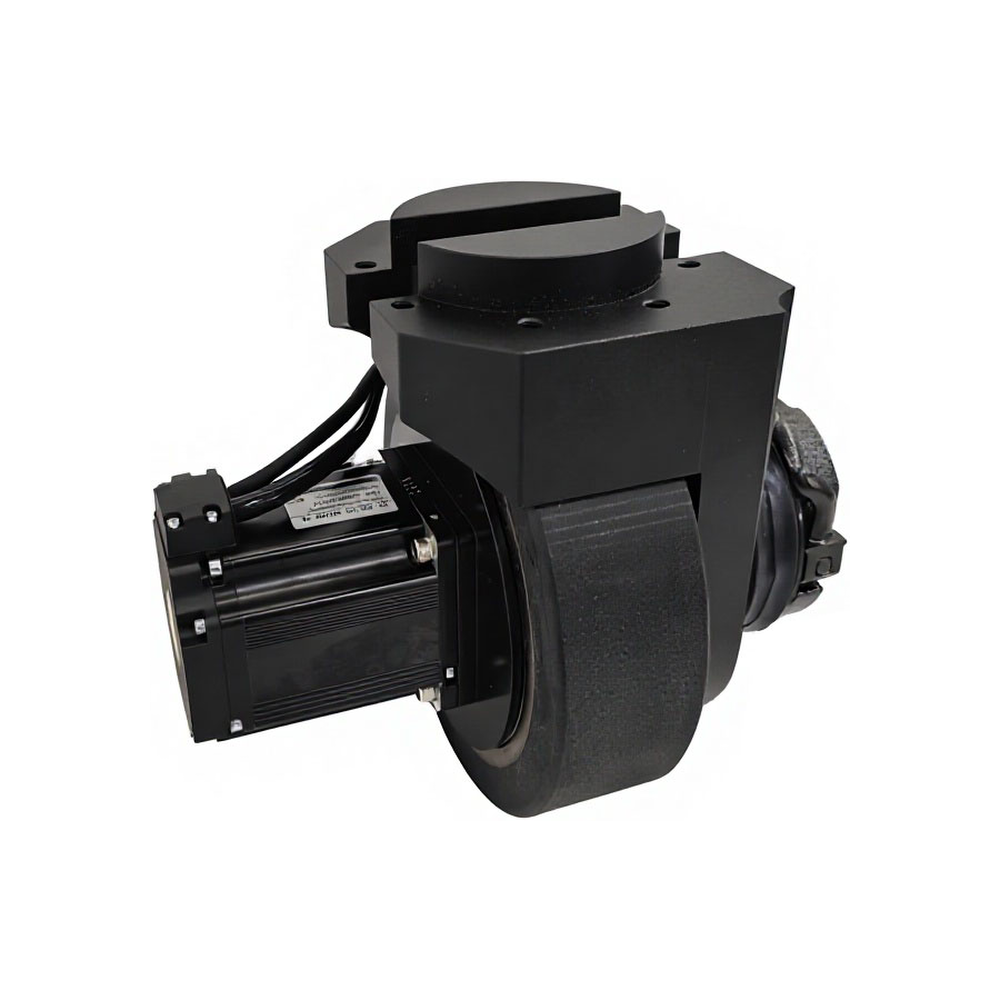
TZBOT agv Wheel Traction Accessories 1000kg Heavy Duty Capacity Material Handling Equipment Part Horizontal Drive Wheel Assembly
Low-clearance horizontal drive for under-ride carts and pallet movers. Suitable where chassis height is constrained by existing Fukuoka factory layouts.
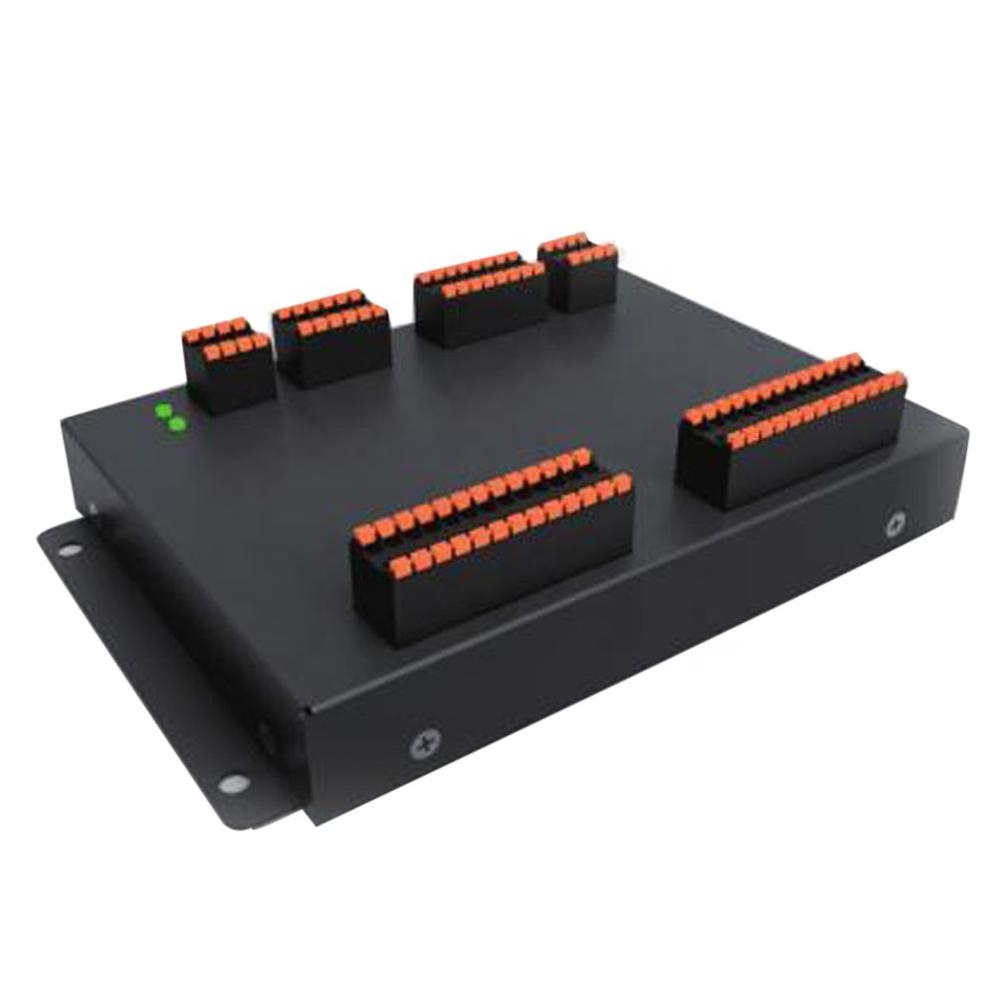
TZBOT TZC-MST-FX200D-A Controller for Commanding the AGV
A controller for AGV command and motion coordination. Useful in retrofits where the existing drive train is retained but the control layer needs renewal.
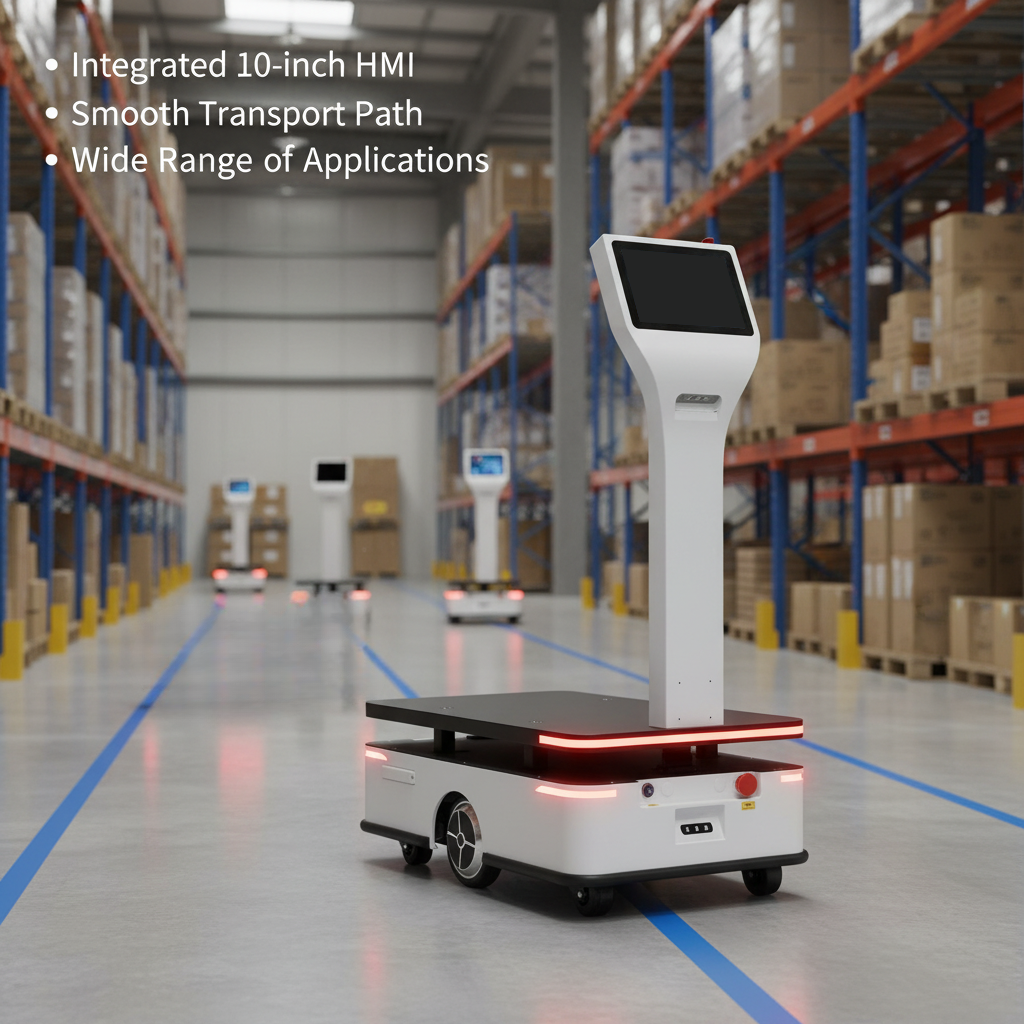
TZBOT Intelligent Warehouse Logistic Robot Unmanned Control System Customizable 80kg Payload agv Transfer Cart Slam Amr
An 80kg payload SLAM AMR platform for mixed parcels, samples and light assembly. Customizable for local handling patterns and host-system interfaces.
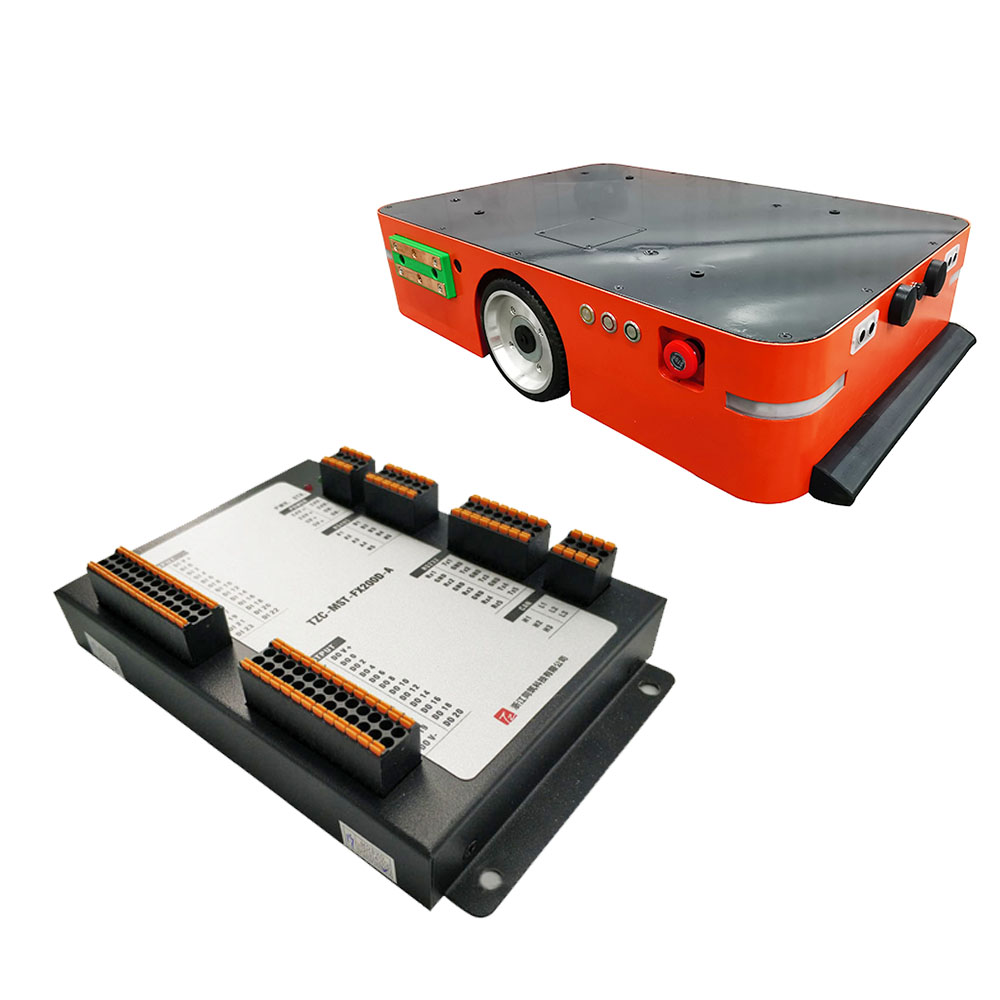
TZBOT Smart agv Controller for Commanding the AGV
Smart controller for commanding AGVs and integrating sensors and drive modules. Specify I/O, communication and safety-chain requirements with engineering.
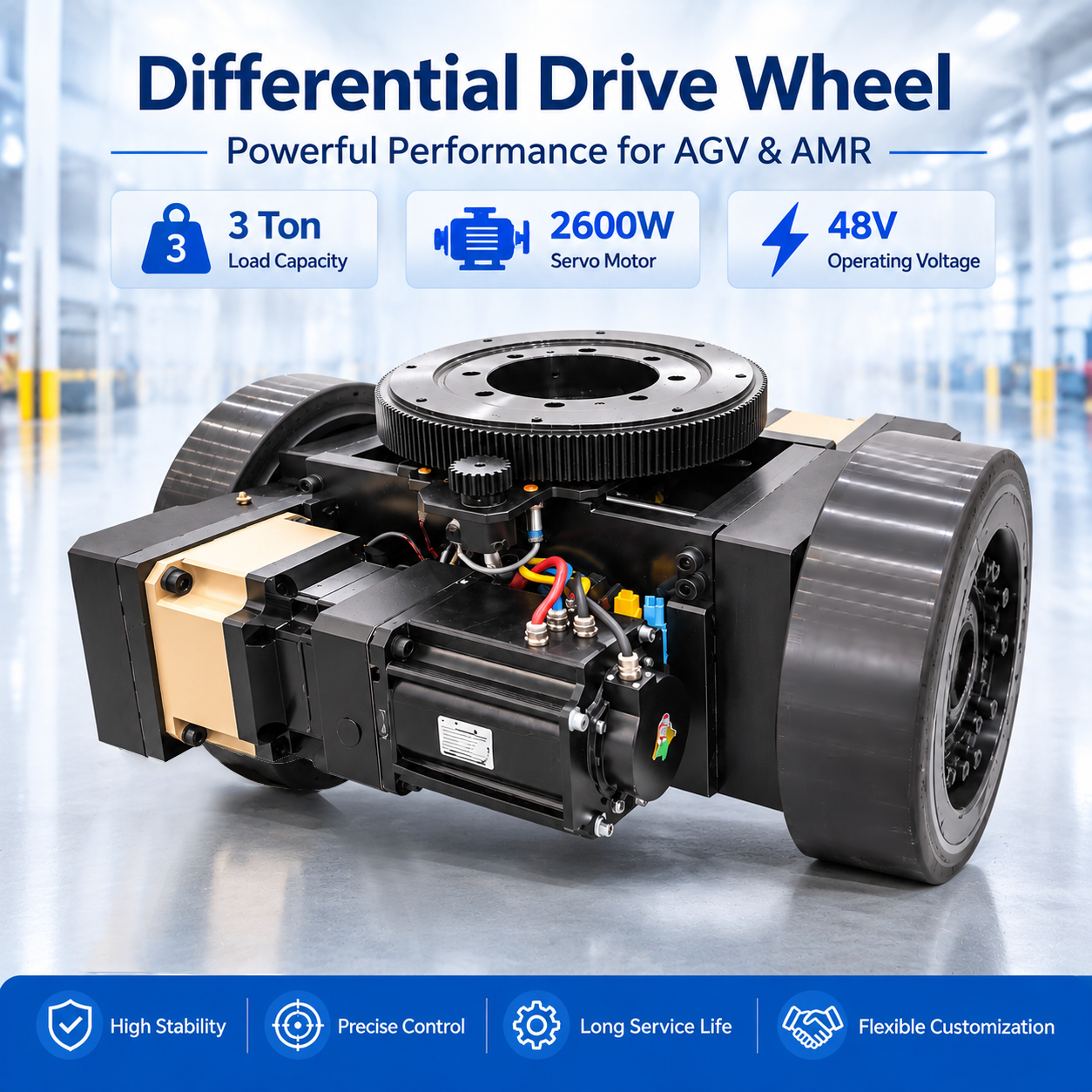
TZBOT Customizable 3000kg Load Capacity agv Wheel Automatic Guided Vehicle Differential Drive Wheel with 2600w 48V Servo Motor
High-load differential drive wheel with a 2600W 48V servo motor for heavy industrial transfer in Kyushu plants and logistics hubs.
Not sure which drive wheel, controller and charger pad match your chassis? Send your gross vehicle weight, target speed, aisle width, battery voltage and delivery port for a compatibility review.
Send an InquiryWhy the Fukuoka Market Rewards Hybrid SLAM and Component Transparency
Fukuoka is a practical testbed for SLAM navigation AGVs: dense commercial districts, port and airport logistics, a strong SME manufacturing base and a compact geography that produces many short trips rather than a few long runs.
For OEMs and system integrators, the winning SLAM AGV specification is rarely the one with the longest sensor list. It is the one that balances localization reliability, floor-space efficiency, service access and total cost of ownership across a mixed fleet. In central Hakata and Tenjin, vehicles often work around pedestrians, delivery windows and narrow back-of-house corridors. Around Hakata Port, Fukuoka Airport and the Kitakyushu industrial belt, the duty cycle shifts toward heavier loads, time-window pressure and longer shifts. A supplier that understands these differences will ask about the floor finish, ramp grade, docking tolerance and charging window before recommending a drive configuration.
This is where component transparency becomes a procurement advantage. A credible SLAM navigation AGV manufacturer should be able to explain which navigation layers are used, how the drive wheel is matched to the controller, how the vehicle behaves at docking, what happens when floor markings are damaged, and how spare parts reach Kyushu. Torqen’s engineering approach is built around this component-level view: the vertical or horizontal drive wheel, servo or BLDC controller, motor, encoder, charger pad and sensor package are selected as one motion system. That matters because many AGV integration failures are not caused by a single weak component; they are caused by mismatches between components that were never tested together.
The Fukuoka buyer does not need more marketing claims. The buyer needs a deployable answer to four questions: Can the vehicle localize reliably in this building? Can it dock without manual correction? Can the drive train handle the floor and ramp? Can the supplier support the system after handover? Torqen’s export model is structured around those questions: sample-based and design-based customization, matched electronics, documented inspection, and trade terms that fit Japanese import practice.
Floor and Route Review
Check floor flatness, expansion joints, ramp grade, reflective surfaces and pedestrian crossings before fixing a SLAM sensor set.
Aisle and Turning Radius
Measure the narrowest aisle and the docking approach. Compact differential or steering units reduce civil works.
Docking Tolerance
Define the acceptable final position error for conveyors, racks and chargers; this drives sensor choice and vehicle stiffness.
Charging Window
Opportunity charging reduces battery size but requires reliable charger pad alignment and a service plan for wear parts.
Where SLAM AGVs Fit in Fukuoka and Kyushu Operations
The same vehicle platform can behave very differently across a port warehouse, a city retail backroom and a precision-machinery plant. These are the application patterns Torqen reviews most often with Fukuoka-facing integrators.
Urban Fulfillment and 3PL in Hakata and Tenjin
High-mix parcel flows, short delivery windows and limited backroom space favor compact SLAM AMRs with tight turning radius and reliable charger-pad access. Hybrid localization with RFID station tags often improves docking consistency.
Automotive and Machinery in Kitakyushu
Heavy pallets, steel frames and long shifts call for 1000kg horizontal drive wheel assemblies or 3000kg differential drive wheels. Engineers should confirm duty cycle, ramp grade and braking strategy before selecting the servo package.
Electronics and Semiconductor-Adjacent Logistics
Kyushu’s electronics supply chains accessible through the Fukuoka hub often require calm acceleration, traceable maintenance and clean material handling. Validate cleanroom and ESD requirements with the engineering team rather than assuming a standard chassis is acceptable.
Food, Retail and Cold-Chain Backrooms
Condensation, washdown and low-temperature operation can change lubricant, seal and sensor choices. A sensible Fukuoka procurement brief separates ambient retail replenishment from cold-store transfer, because the drive and charger specifications should not be identical.
Port, Airport and Time-Window Logistics
At Hakata Port and Fukuoka Airport-adjacent facilities, handover timing matters. SLAM AGVs can reduce walking and tow-tractor demand, but the charging strategy, fleet dispatch logic and spare-part plan should be reviewed against 24/7 or multi-shift operations.
Hospitals, Public Facilities and Intralogistics
Quiet operation, smooth acceleration and predictable stopping behavior matter more than maximum speed. Compact 80kg payload SLAM AMR platforms can move samples, linen and supplies, provided pedestrian safety zones and emergency-stop logic are engineered for the site.
Three Fukuoka Trends That Should Shape Your AGV Specification
Japan’s logistics “2024 problem”, labor availability and the reuse of existing buildings are pushing buyers away from one-size-fits-all automation. The result is a more pragmatic AGV architecture.
Hybrid navigation becomes the default for brownfield sites
Pure SLAM is valuable where layouts change, but magnetic tape still wins at high-speed lanes and RFID remains efficient for station confirmation. For Fukuoka buildings that combine old floors, new racks and mixed pedestrian traffic, the most practical design is often SLAM for localization plus magnetic or RFID for deterministic docking.
Compact chassis and energy density matter more than top speed
Central Fukuoka facilities rarely reward high speed. They reward stable stopping, tight turning and predictable charging. A low-clearance horizontal drive assembly or compact differential unit can reduce civil works and fit existing service corridors better than a large conventional chassis.
Serviceability and Japanese-language support become purchase criteria
Procurement teams increasingly ask for wiring diagrams, controller parameter files, recommended spare-parts lists and clear maintenance intervals. A lower-priced component that cannot be diagnosed locally is not a lower total cost for a Fukuoka operation.
Match the Eight Products to the Fukuoka Duty Cycle
Start from the operation, not from a catalogue page. These four starting points shorten the sample and quotation cycle.
Compact SLAM AMR for mixed parcels and samples
Begin with the 80kg payload SLAM AMR transfer cart, then match the smart AGV controller and charger pad. Use RFID or QR docking only where final position tolerance cannot be met by SLAM alone.
Heavy pallets, racks and tow carts
For 1000kg class horizontal movement, review the horizontal drive wheel assembly. For higher-load differential layouts, review the 3000kg differential drive wheel and confirm the 48V servo and braking strategy.
Steering AGV and tricycle chassis
The 2590r/min vertical driving unit is relevant where controlled steering angles are required. Check wheel diameter, tread material, floor friction and the available chassis height before finalizing drawings.
Control and charging renewal
Use the 19V–29V controller, TZC-MST-FX200D-A controller or smart AGV controller to renew the control layer while retaining a proven drive train. Add the TZ-CP-50A charger pad for opportunity charging.
What a Fukuoka Buyer Can Verify with Torqen
Zhejiang Torqen Technology Co., Ltd. is a manufacturer and trading company founded in 2015. The evidence that matters is not a slogan; it is the combination of customization depth, matched electronics, inspection and export execution.
One factory for the complete AGV drive train
Drive wheels, motors, reducers, servo/BLDC controllers, charger pads and sensors are selected together. This reduces the integration risk that appears when a chassis builder buys each part from a different supplier.
Customization depth for OEM and ODM projects
Sample-based customization, design-based customization, OEM production, design services and buyer-label packaging are available. Typical changes include motor power and voltage, reduction ratio, wheel diameter, tread material, encoder type, brake options and mounting interfaces.
Testing before production release
Five in-house testing instruments support finished-product inspection. Prototypes are run for extended durations before production parts are released, which is especially important for heavy-duty drive wheel projects entering Kyushu plants.
Quality system and onsite verification
The quality management system is certified to ISO 9001:2015, and the facility has been verified onsite by Intertek. Buyers can request current certificates, inspection records and transaction history before placing a production order.
Export terms for Japanese buyers
Payment methods include T/T, L/C, D/P, D/A, MoneyGram, credit card, PayPal, Western Union, cash and escrow. Delivery terms include FOB, CFR, CIF, EXW, CIP, FCA, CPT, DDU and express delivery, with quotations available in major currencies including JPY and USD.
Responsive technical communication
The factory reports a 97.9% inquiry response rate and a 4.9/5 buyer rating. For Fukuoka projects, early sharing of drawings, load data and floor conditions helps the engineering team return a useful proposal rather than a generic catalogue quote.

Company office and production facility, Zhejiang, China.
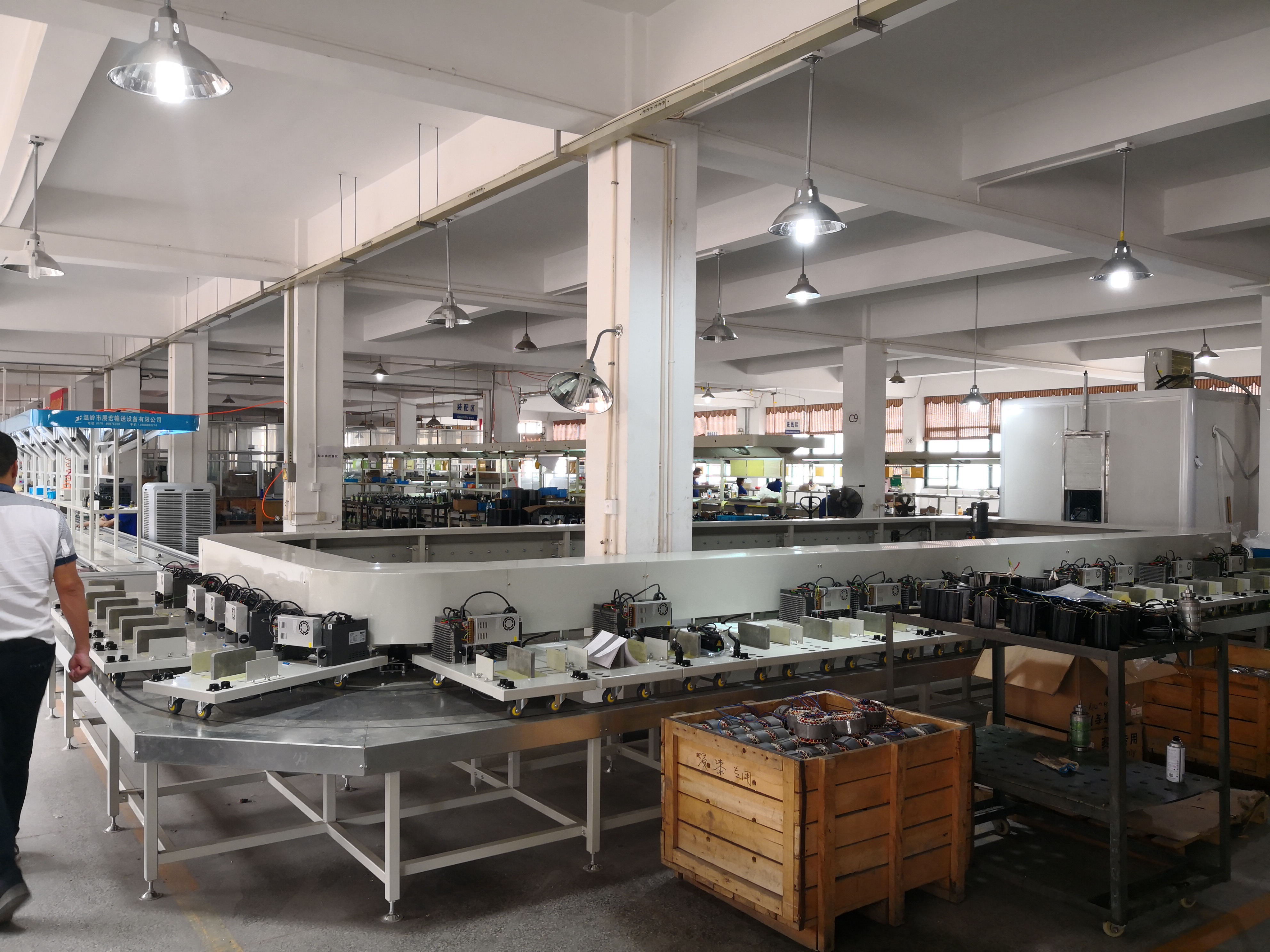
AGV drive wheel assembly workshop and production area.
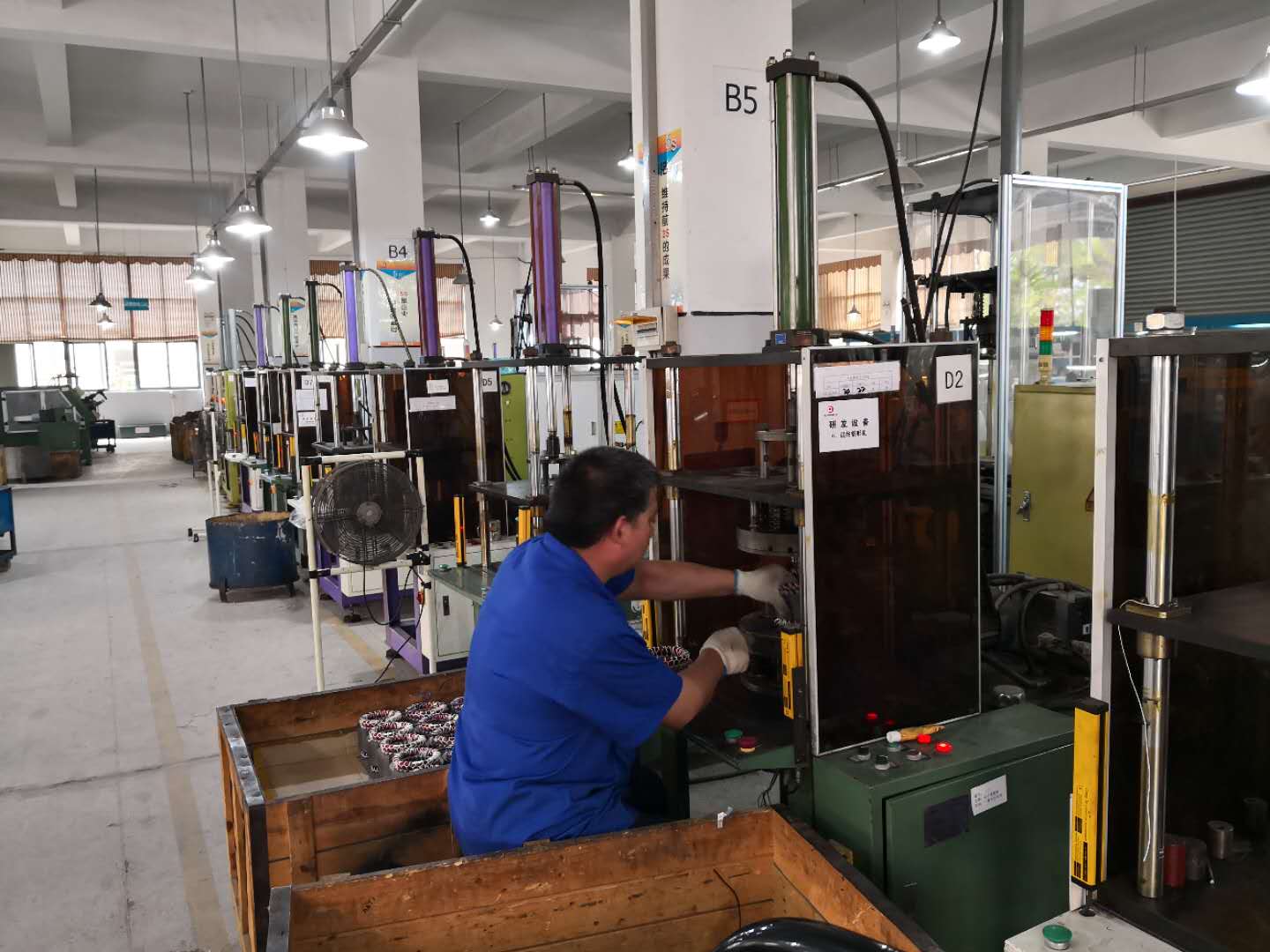
Engineering and quality inspection area used for product checks.
From Fukuoka Requirement to Export-Ready Shipment
A clear process for engineering buyers who need predictable sampling, production and documentation.
Requirement Review
Load, speed, ramp, voltage, chassis height, aisle width, floor finish and docking method are assessed.
Engineering Proposal
Motor, reducer, wheel, controller and charger are matched. Drawings and interfaces are shared for review.
Prototype and Endurance Run
Sample-based or design-based customization is produced and tested before production release.
Inspection and Delivery
Final inspection, export packing and shipping arrangements are confirmed for the agreed Japanese port or airport.
Questions Local Buyers Ask Before Ordering
These answers are written for procurement and engineering teams comparing a SLAM navigation AGV manufacturer or component exporter for the Fukuoka market.
Can a SLAM AGV work in a compact Fukuoka building with narrow aisles and mixed pedestrian traffic?
Yes, but the result depends on the site survey, not only the sensor. Aisle width, turning radius, floor reflectivity, glass walls, pedestrian crossings and docking tolerance all affect localization and safety. For existing buildings, a compact differential or horizontal drive layout is often more practical than a large chassis. The safety chain, warning zones and emergency-stop behavior must be engineered for the actual site.
Should we choose SLAM, magnetic tape, or hybrid navigation?
SLAM is strongest where routes change and where adding floor infrastructure is difficult. Magnetic guidance remains cost-effective for stable high-speed lanes and repetitive routes. RFID tags are efficient for station confirmation and speed zones. In many Fukuoka brownfield projects, a hybrid approach is the best compromise: SLAM for flexible localization, magnetic tape for deterministic paths, and RFID for docking or decision points.
Which drive wheel is best for Fukuoka floors and ramps?
Differential units suit compact latent, jacking and shelf-lifting AGVs. Steering drive wheels suit forklift or tricycle-type vehicles that need controlled steering angles. Horizontal drive assemblies suit low-clearance chassis. The final choice depends on gross vehicle weight, ramp grade, wheel tread, floor friction and required stopping distance. Share your floor finish and ramp data so the engineering team can recommend a configuration.
What electrical and charging issues matter in Japan?
AGV platforms commonly use a 24V or 48V DC bus, while the charger is connected to the site’s mains supply. Japanese sites may use 100V or 200V circuits depending on the facility, and mains-connected equipment may require local electrical review. Confirm charger input, protection coordination, earthing and PSE-related requirements with a licensed Japanese electrical contractor before installation. Opportunity charging can reduce battery size but requires reliable pad alignment.
Can Torqen customize for Japanese system integrators?
Yes. Torqen supports sample-based customization, design-based customization, OEM production, design services and buyer-label packaging. Typical customizations include motor power and voltage, reduction ratio, wheel diameter and tread material, encoder type, brake options, mounting interfaces and documentation. For a Fukuoka project, provide drawings, connector preferences, control-interface requirements and any preferred spare-parts list at the inquiry stage.
How do we verify quality before mass production?
Request current ISO 9001:2015 documentation, Intertek verification records, inspection reports and transaction history. Torqen reports five in-house testing instruments and extended-duration prototype testing before production release. For critical drive wheels or controllers, approve a sample and agree on acceptance criteria, test parameters and packaging requirements before placing the production order.
What payment and delivery terms are available to Fukuoka?
Payment methods include T/T, L/C, D/P, D/A, MoneyGram, credit card, PayPal, Western Union, cash and escrow. Delivery terms include FOB, CFR, CIF, EXW, CIP, FCA, CPT, DDU and express delivery. Quotations can be issued in USD, EUR, JPY, CAD, AUD, HKD, GBP or CNY. Confirm the final Incoterm, port or airport, packing method and lead time in the quotation.
How are spare parts and after-sales support handled?
Ask for a recommended spare-parts list covering drive wheel wear parts, charger brushes, controllers and sensors. Torqen can supply production drawings, parameter files and fault-analysis support, with the factory reporting a 24/7 online response process and a 97.9% inquiry response rate. For Fukuoka operations, agree on consumable stock, maintenance intervals and the escalation path before the fleet enters service.
Send a Fukuoka-Specific AGV Component Brief
Include gross vehicle weight, payload, target speed, ramp grade, wheel diameter limits, battery voltage, aisle width, floor finish, docking method, required documentation and delivery port. Our engineers will review the drive wheel, controller, charger pad and sensor package as one system.
Send an Inquiry