8 Integrated Drive Wheel & AGV Products for Semarang Projects
Each product below is a practical building block for a complete AGV drive train. Product links and images are preserved from the source catalogue; use them to compare load class, controls and chassis fit before requesting a Semarang-specific quotation.
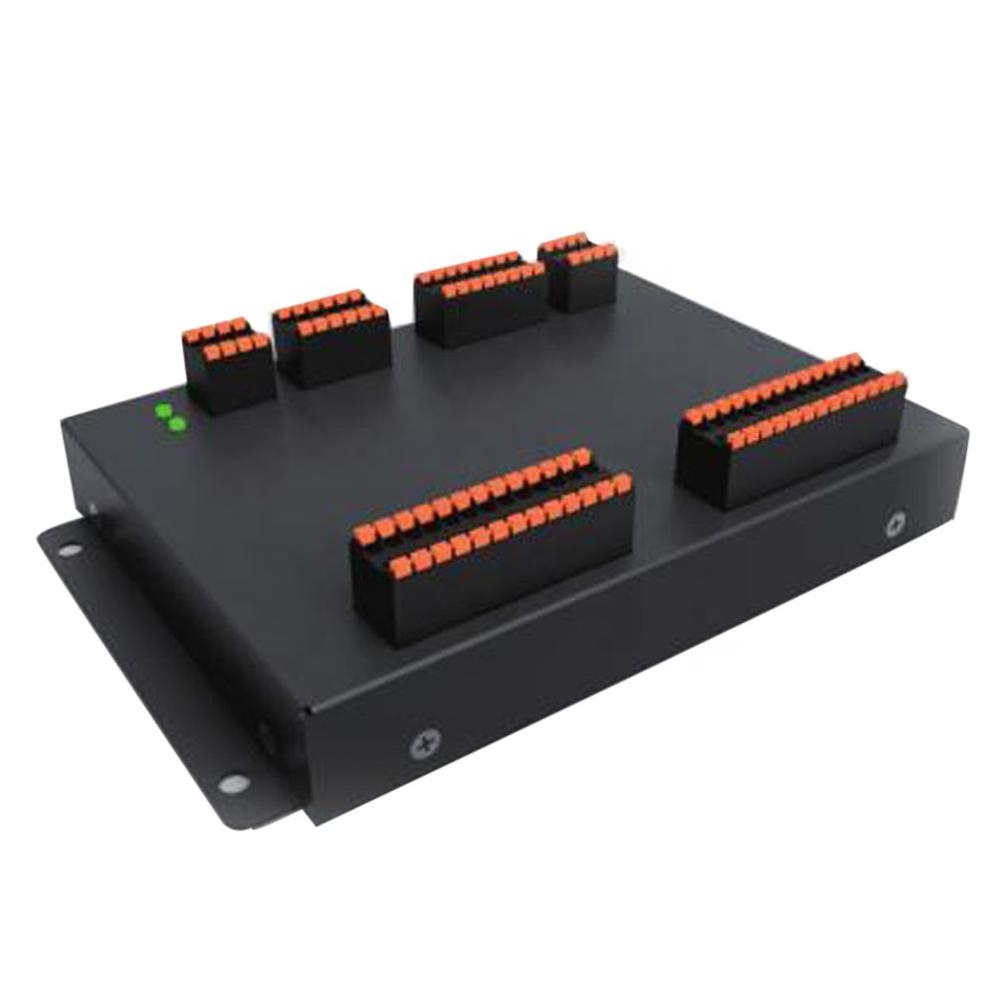
TZBOT TZC-MST-FX200D-A Controller for Commanding the AGV
An AGV command controller for coordinated motion and material-handling tasks. Recommended for Semarang electronics assembly cells, machine tending and retrofit projects where the chassis already uses a compatible TZBOT drive platform.
- AGV command
- TZC-MST platform
- Retrofit-friendly
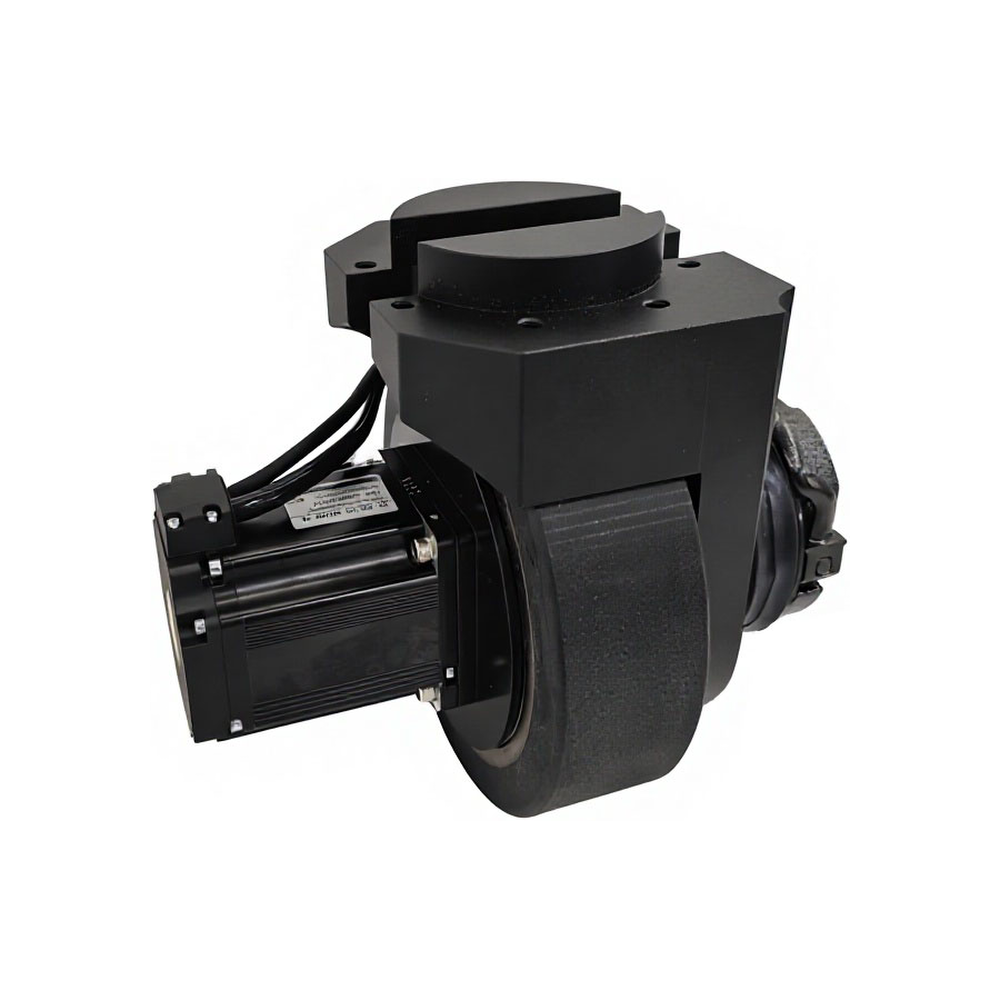
TZBOT agv Wheel Traction Accessories 1000kg Heavy Duty Capacity Material Handling Equipment Part Horizontal Drive Wheel Assembly
A heavy-duty horizontal drive wheel assembly for pallet movers, towing carts and material-handling equipment. A strong fit for Tanjung Emas warehouses that need stable traction on concrete floors and repeated start-stop duty.
- 1000 kg class
- Horizontal design
- Heavy-duty traction
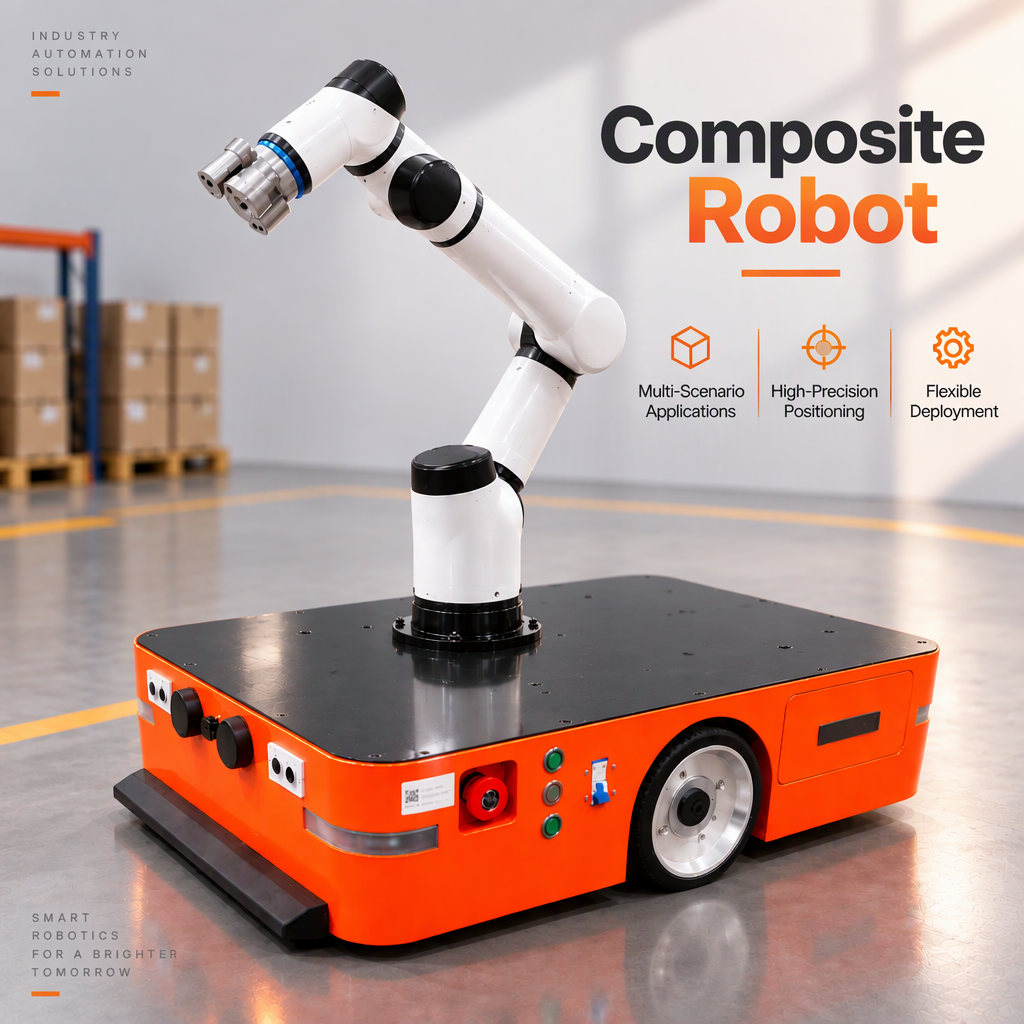
TZBOT Backpack AGV 200kg Load Capacity Chassis Magnetic Guidance Composite Robot with Robotic Arm
A compact 200 kg load chassis with magnetic guidance and robotic-arm integration. Recommended for small-parts handling, inspection and flexible machine tending in Central Java electronics or component plants.
- 200 kg load
- Magnetic guidance
- Composite robot
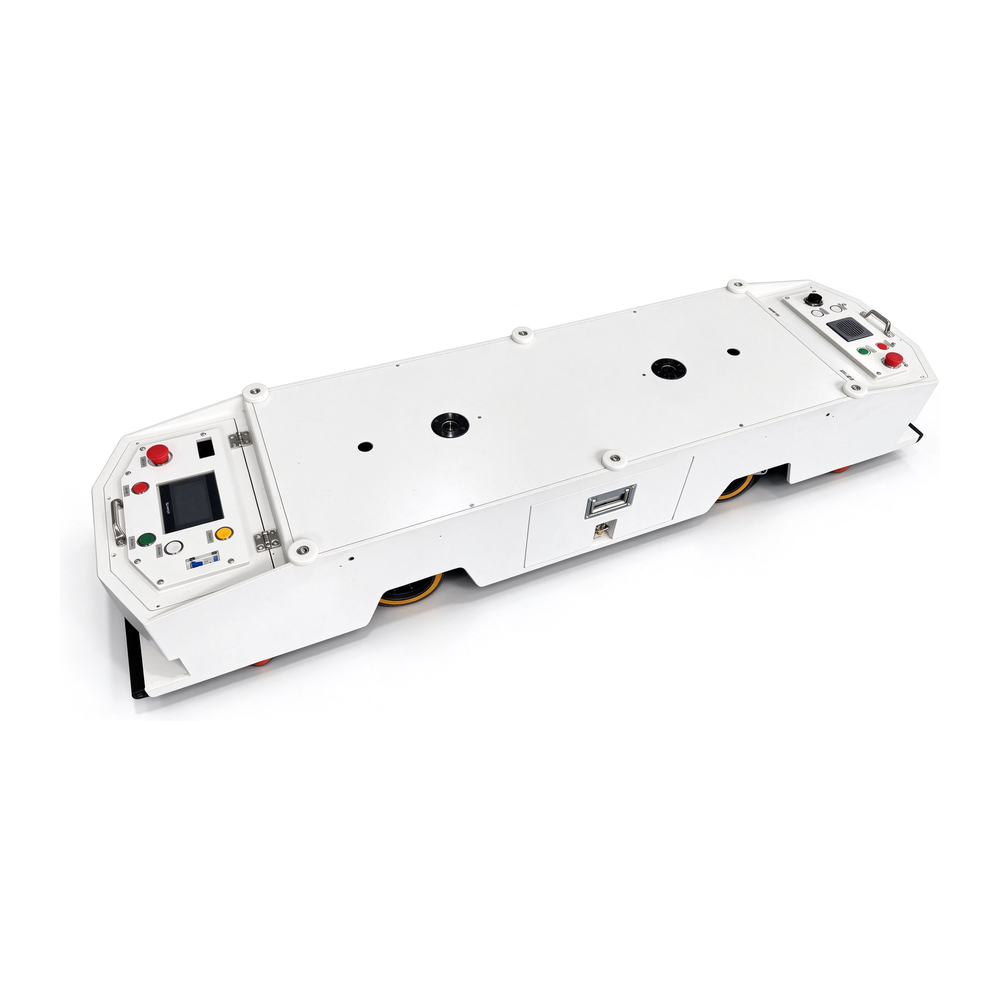
TZBOT 2500KG Lurking AGV Unmanned Control 8H Long Endurance Material Handling Mobile Robot for Shelf Towing
A high-capacity lurking AGV for shelf towing with long-endurance operation. Suitable for distribution centres and storage areas where operators move rolling racks over long shifts and need dependable route repeatability.
- 2500 kg capacity
- 8 h endurance
- Shelf towing
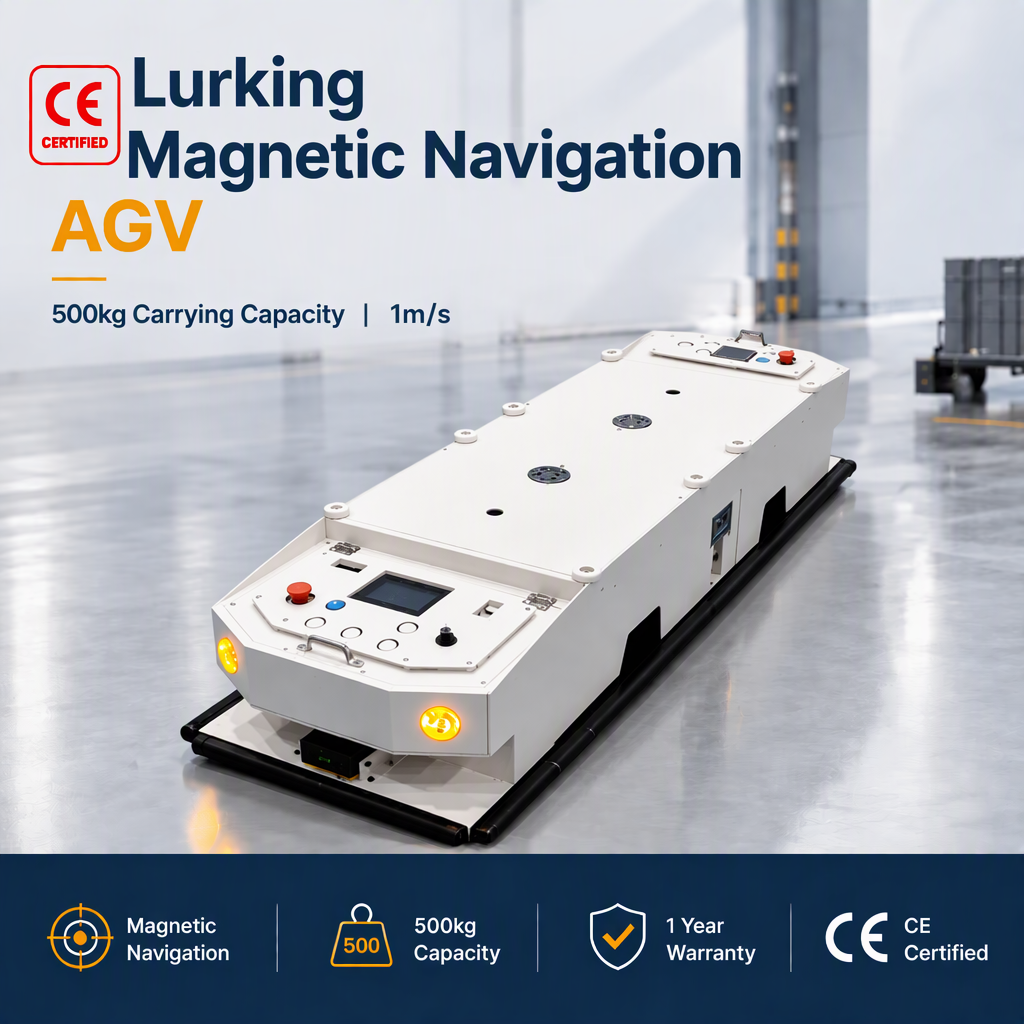
TZBOT EU CE Lurking AGV Material Handling Equipment Logistic Automation 500kg Bidirectional Magnetic Guidance Mobile Robot
A bidirectional magnetic guidance mobile robot for logistics automation. Appropriate for narrow aisles and repetitive line-side delivery in Semarang textile, footwear, food and packaging factories.
- 500 kg load
- Magnetic guidance
- EU CE
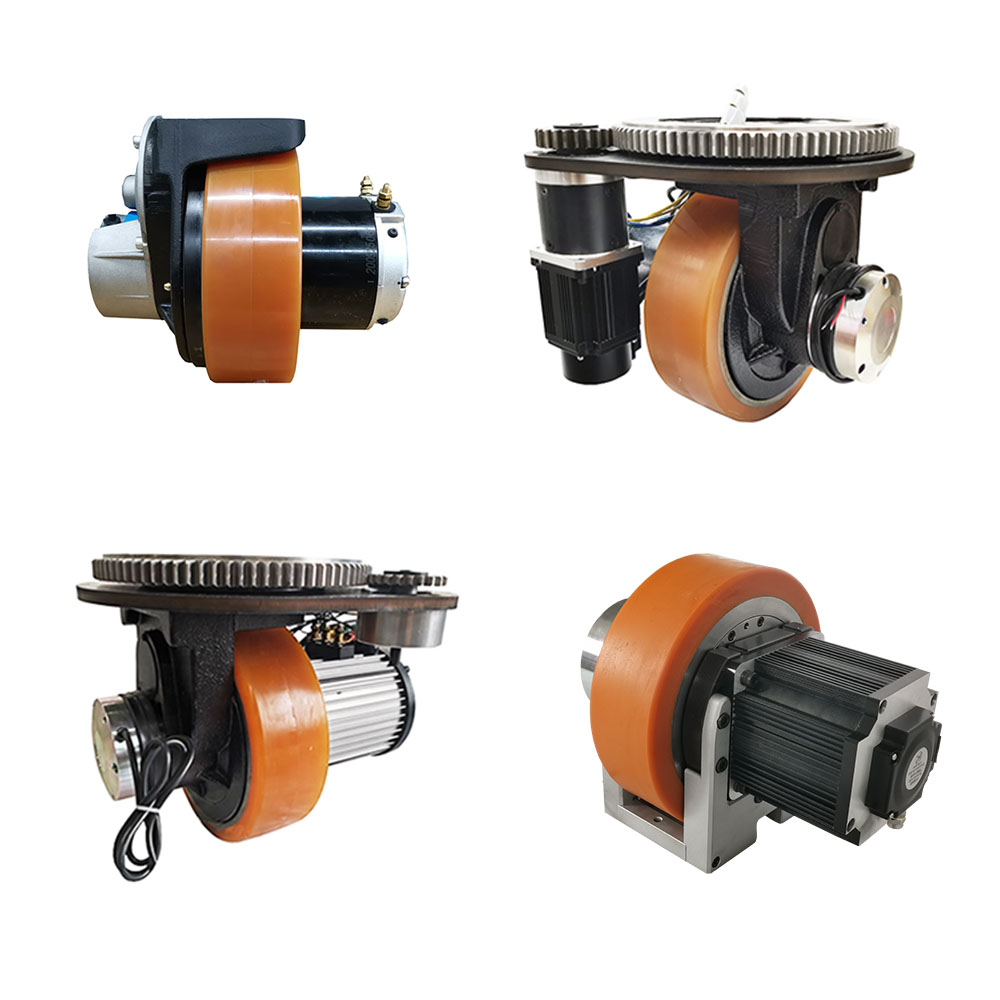
TZBOT 750W 1000KG Load Capacity Horizontal Drive Wheel Assembly AGV Wheel for Wholesale Automated Guided Robot
A 750 W, 1000 kg capacity horizontal drive wheel for wholesale AGV builders. Useful for Indonesian integrators designing medium-duty towing and pallet-handling platforms with predictable duty cycles.
- 750 W motor
- 1000 kg class
- Wholesale supply
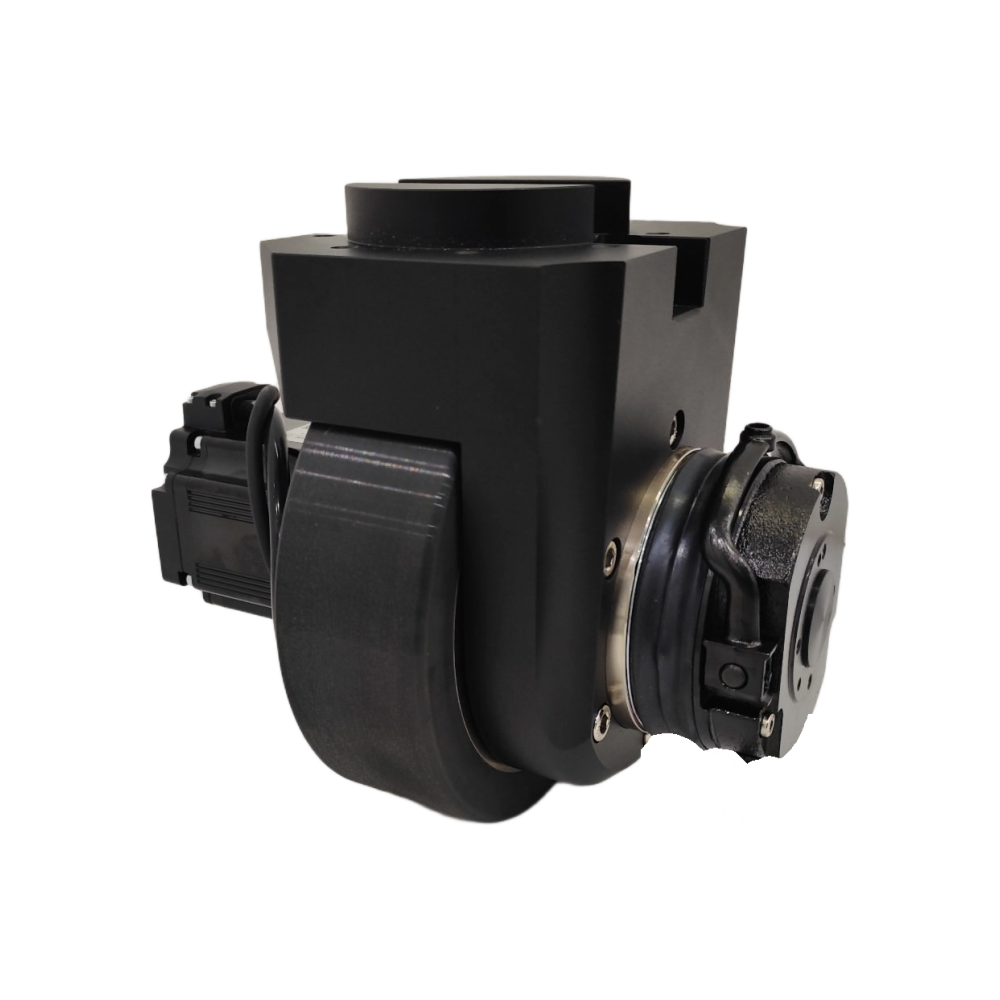
TZBOT Compact Structure agv Wheel Imported Polyurethane 1000kg Load Duty Mobile Robot Horizontal Drive Wheel Unit
A compact horizontal drive unit with imported polyurethane tread for clean floors and low-noise operation. A practical option for food, medical, electronics and floor-care environments where floor condition and cleanliness matter.
- 1000 kg load
- Imported PU
- Compact structure
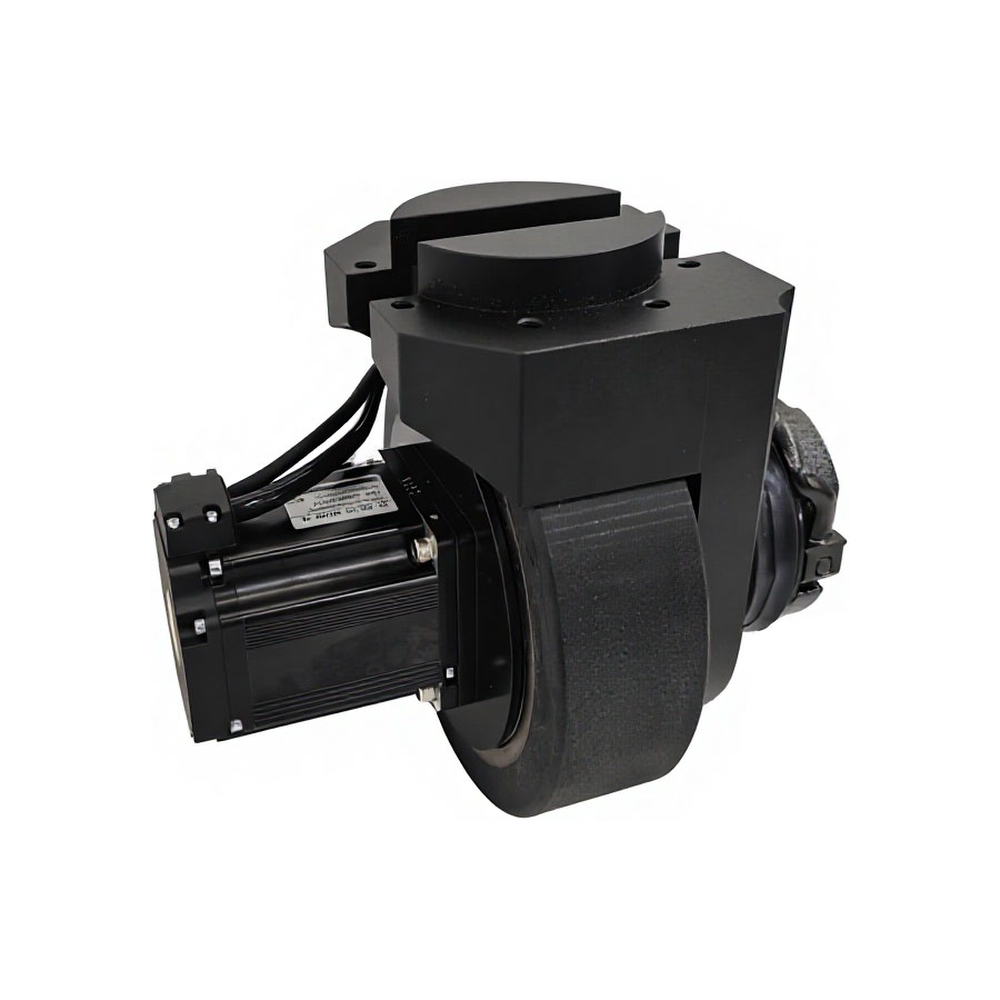
TZBOT 1000kg Bearing Capacity agv Wheel 1000w Servo Motor Material Handling Equipment Part Horizontal Drive Wheel
A robust 1000 kg bearing drive wheel paired with a 1000 W servo motor. Recommended where higher torque, ramp starts and precise speed control are required in automotive and heavy-component assembly.
- 1000 kg bearing
- 1000 W servo
- High-torque fit
Why Semarang Is a Practical Hub for Integrated Drive Wheel Sourcing
Semarang combines port access, an expanding manufacturing base and a growing pool of automation integrators. For buyers, that means integrated drive wheels must be evaluated not only on catalogue specifications but on how quickly the right configuration can be specified, tested and supported.
Port-Led Logistics at Tanjung Emas
Semarang’s port location makes it a natural entry point for automation components, including AGV drive wheels, controllers and sensors. For production equipment, the buying team should align the drive-wheel specification with the importer of record, customs broker and inland delivery schedule early. A factory that understands packing, loading lists and export documentation can reduce friction before the shipment reaches Tanjung Emas.
Factory Floors from Kendal to Demak
The broader Semarang industrial corridor includes established and emerging manufacturing sites around Kendal, Demak, Ungaran, Salatiga, Kudus and Pekalongan. Food, beverage, textile, footwear, automotive component and consumer-goods plants increasingly use mobile robots for line-side delivery, pallet transfer and repetitive transport. Each floor condition is different: polished concrete, expansion joints, ramps, wet zones and narrow aisles all affect wheel tread and drive-unit selection.
Engineering Support Close to Integration Teams
Local integrators often need a supplier who can answer wiring, parameter and mounting questions quickly. Remote commissioning support, clear drawings, matched servo or BLDC drivers and spare-part planning can matter more than a small unit-price difference. That is especially true when a Semarang factory is commissioning its first AGV fleet and has limited internal experience with drive-wheel maintenance.
Top 10 Integrated Drive Wheel Manufacturer & Factory serving Semarang: What Buyers Should Score
A credible Top 10 shortlist is not a logo wall. It is an evidence-weighted comparison of integration capability, manufacturing control, local logistics and after-sales readiness. The ten checks below reflect the questions that experienced AGV integrators and factory buyers usually ask before releasing a purchase order.
Confirm whether the supplier engineers the wheel, motor, reducer, encoder and brake as one system rather than assembling unrelated parts.
Ask for driver parameters, wiring diagrams and compatibility evidence. A drive wheel is only as reliable as the electronics paired with it.
Provide payload, speed, wheel diameter, mounting height and floor conditions. The factory should recommend a configuration, not only quote a model number.
Look for evidence of extended-duration testing, parameter checks and finished-product inspection before mass production is released.
ISO 9001:2015 certification, onsite factory verification and traceable testing records reduce integration risk for Indonesian buyers.
Check whether motor power, voltage, reduction ratio, tread material, encoder type, brake options and mounting interfaces can be customized.
For food, electronics, textile and warehouse floors, polyurethane, rubber and caster choices influence noise, grip and maintenance intervals.
Check packing, commercial invoice, packing list, bill of lading, certificate of origin and test-report support before shipment to Tanjung Emas.
Ask how fault analysis, replacement parts and commissioning guidance are handled across time zones after the AGV fleet is running.
Compare currency, payment method, Incoterm, lead time, MOQ and warranty terms. Clear terms are part of technical fitness, not paperwork.
Where Integrated Drive Wheels Fit in Semarang and Central Java
Product recommendations should be tied to the actual route, floor and payload. These are the application scenarios most often discussed by Semarang-area buyers when evaluating AGV wheel assemblies and compact mobile robots.
Warehouses near Tanjung Emas
For distribution centres around Tanjung Emas, Kaligawe and Terboyo, choose horizontal drive wheel assemblies with stable traction and serviceable PU tread. High payload models support pallet handling, towing and repetitive loading dock transfers.
Food, Beverage & Packaging
Clean floors, washdown zones and hygienic handling require careful tread selection. Imported polyurethane wheels and compact AGV chassis are often preferred for low-noise operation, floor protection and easier cleaning.
Textiles & Footwear in Kudus and Demak
Factories handling cartons, fabric rolls and shoe components need compact turning and repeatable line-side delivery. A 500 kg magnetic guidance lurking AGV or differential drive unit can be matched to narrow aisles and short transfer routes.
Automotive & Component Assembly
Ramps, heavy fixtures and precise speed control push buyers toward servo-driven, high-torque wheel units. A 1000 W servo horizontal drive wheel may be more appropriate than a lower-cost traction unit when start-stop accuracy matters.
Electronics & Small-Parts Handling
Backpack AGVs with robotic arms and compact chassis are useful for machine tending, inspection stations and small-parts transport. Magnetic guidance keeps the route simple, while the mobile chassis reduces fixed conveyor changes.
Airport, Cargo & Baggage Equipment
Heavy-duty and horizontal drive wheel assemblies are relevant to cargo transfer, baggage handling and airport support equipment. Dust, ramps and continuous operation should be discussed early so the motor, brake and wheel tread are correctly matched.
What Is Changing for Semarang Drive-Wheel Buyers
Procurement teams in Central Java are moving from isolated component purchases toward integrated, supportable drive trains. The following trends are shaping how integrated drive wheels are specified and compared.
Integrated Wheel + Driver Bundles
Buyers increasingly ask for a wheel, servo motor, reducer, encoder and compatible driver from one source. This reduces wiring uncertainty and simplifies responsibility when a new AGV platform is commissioned.
Low-Clearance Horizontal Designs
Warehouse retrofits and under-ride carts need compact horizontal drive units. As Semarang distribution centres update existing racking and material flow, chassis height becomes a primary constraint rather than an afterthought.
Hybrid Navigation and Safety
Magnetic guidance remains cost-effective for fixed routes, while RFID, QR codes and laser SLAM are used for stations, flexible routes and obstacle avoidance. Drive-wheel selection must leave room for sensors and safety controls.
Spare-Part Planning before Scale-Up
Instead of buying only one spare wheel, factory teams are planning tread wear, encoder replacement and driver configuration backups. This is especially important for multi-shift operations where downtime costs exceed component price.
How to Choose an Integrated Drive Wheel for Semarang Applications
Use a type-first comparison before discussing price. A differential unit, steering drive wheel and horizontal drive assembly solve different chassis problems, and the correct navigation method depends on how often the route changes.
Drive Wheel Configurations
| Type | How It Steers | Best for Semarang Use |
|---|---|---|
| Differential drive unit | Two independently driven wheels turn by speed difference. | Compact latent, jacking and shelf-lifting AGVs; narrow aisles and repeatable route layouts. |
| Single steering drive wheel | Drive motor plus a dedicated steering motor sets wheel angle. | Forklift AGVs, tugger vehicles and tricycle chassis needing controlled steering angles. |
| Horizontal drive assembly | Motor mounted horizontally for low build height. | Low-clearance chassis, under-ride carts and warehouse retrofits with limited vertical space. |
Navigation & Positioning Choices
| Method | Infrastructure | Best Fit |
|---|---|---|
| Magnetic guide sensor | Magnetic tape on the floor. | Fixed routes, low cost, fast deployment and stable production layouts. |
| RFID position sensor | RFID tags at stations or junctions. | Station recognition, speed zones, turning decisions and process confirmation. |
| QR code navigation | Floor QR grid. | Grid warehouses and goods-to-person systems with frequent pick faces. |
| Laser SLAM / lidar | Natural features; no fixed tape required. | Flexible routes and layouts that change often, with obstacle avoidance requirements. |
Why Zhejiang Torqen Technology Co., Ltd. Supports Semarang Integrators
Torqen is a factory-direct manufacturer of AGVs, AGV drive wheel assemblies, motors, servo and BLDC controllers, navigation sensors and accessories. The company was founded in 2015 in Zhejiang, China, and works with OEM integrators that need an integrated drive train rather than disconnected parts.
One Factory for the Complete AGV Drive Train
Buying the wheel, motor, reducer, encoder, driver and sensor from separate vendors creates integration risk. Zhejiang Torqen Technology Co., Ltd. designs, matches and tests these elements together so your AGV chassis can be commissioned with fewer unknowns. The company is an ISO 9001:2015 certified manufacturer with an Intertek onsite-verified facility, eight awarded patents and a 51–100 person team.
Torqen’s factory covers approximately 1,000–3,000 m² and reports annual output in the US$5M–10M range. Five in-house testing instruments support finished-product inspection, and prototypes undergo extended-duration testing before production parts ship. For a Semarang buyer, this means the technical discussion can cover motor power, voltage, reduction ratio, wheel diameter, tread material, encoder type, brake options and mounting interfaces in one engineering loop.
OEM and ODM support includes sample-based customization, design-based customization, buyer-label packaging and design services. International buyers can discuss T/T, L/C, D/P, D/A, credit card, PayPal, Western Union, cash and escrow, with delivery terms such as FOB, CFR, CIF, EXW, CIP, FCA, CPT, DDU and express delivery. Response performance is a priority: the company reports a 97.9% inquiry response rate and a 4.9/5 buyer rating.

Years in drive and motion technology
Patents awarded for in-house designs
Verified buyer rating
Inquiry response rate
Matched Drive Components
Differential, steering and horizontal wheel units can be paired with in-house servo or BLDC drivers and appropriate navigation sensors.
Tested before Shipment
Five in-house testing instruments, finished-product inspection and extended-duration prototype runs support release decisions.
OEM / ODM Customization
Motor power, voltage, reduction ratio, wheel diameter, tread material, encoder, brake and mounting options can be discussed with engineering.
Quality Evidence
ISO 9001:2015 quality management and Intertek onsite verification give procurement teams traceable credentials to review.
Export-Ready Terms
Multiple Incoterms, payment methods and currencies help align factory shipment with Semarang import and inland delivery plans.
24/7 Online Response
International sales and technical support handle configuration questions, drawings, driver parameters and after-sales follow-up across time zones.
Quality, Compliance and Shipping to Semarang
For Semarang buyers, a technically correct drive wheel is only useful when the shipment, documentation and after-sales plan are equally clear. Confirm the Incoterm, importer responsibilities and spare-part plan before ordering.
Payment Methods
- T/T
- L/C
- D/P
- D/A
- MoneyGram
- Credit Card
- PayPal
- Western Union
- Cash
- Escrow
Delivery Terms
- FOB
- CFR
- CIF
- EXW
- CIP
- FCA
- CPT
- DDU
- Express
Currencies
- USD
- EUR
- JPY
- CAD
- AUD
- HKD
- GBP
- CNY
Questions Local Buyers Ask Before Ordering
Can you ship integrated drive wheels and AGV parts to Semarang through Tanjung Emas Port?
Yes. Export shipments can be arranged to Indonesian ports under common Incoterms such as FOB, CFR, CIF, EXW, CIP, FCA, CPT and DDU, with express courier available for samples. Confirm the destination port, consignee details and customs broker before booking. For pilot orders, discuss whether Tanjung Emas or door delivery is more suitable for your project schedule.
What documents should a Semarang buyer prepare for customs clearance?
Typical documents include the commercial invoice, packing list, bill of lading or airway bill, certificate of origin where applicable, and product test or compliance documents requested by your importer. The importer of record should confirm the HS code and local requirements with an Indonesian customs broker. Torqen can support packing details and product documents, but clearance responsibility remains with the importer and appointed broker.
What is the typical lead time for samples and mass production?
Lead time depends on whether the order uses a standard configuration or requires OEM/ODM customization. Sample-based customization, design-based customization, motor winding, reduction ratio, encoder, brake and mounting changes can add engineering and testing time. Share your payload, speed, voltage, chassis height and floor conditions so the factory can quote a realistic schedule instead of a generic lead time.
Do you provide 24 V or 48 V integrated drive wheels for local AGV builders?
Voltage, motor power and controller compatibility should be matched to your chassis design. Torqen’s product range includes AGV drive wheel assemblies, servo and BLDC controllers and motors, with customization discussions covering power and voltage requirements. Send your battery architecture, controller preference and required speed so the engineering team can recommend a compatible configuration.
Can you customize a horizontal drive wheel for a low-clearance Semarang warehouse chassis?
Horizontal drive wheel assemblies are specifically useful for low-clearance chassis and under-ride carts. Before customization, provide the available mounting height, wheel diameter limit, gross weight, required speed, floor material and ramp requirements. If the aisle is narrow or the floor has joints, the tread material and wheel width may also need review.
What are the MOQ, OEM and ODM options?
Torqen supports sample-based customization, design-based customization, OEM production, design services and buyer-label packaging. MOQ depends on the chosen wheel assembly, motor, controller and customization level. For first projects, it is better to lock the technical specification and validation plan before comparing MOQ and unit price.
How are warranty, spare parts and remote commissioning handled?
Warranty and spare-parts terms should be confirmed in the quotation. For integrated drive wheels, keep at least one set of wear parts, encoder or driver parameters depending on the fleet size and duty cycle. Torqen provides online technical support, drawings and commissioning guidance; buyers should nominate a local engineer or integrator for on-site installation and safety validation.
Which payment and delivery terms are practical for a first order to Semarang?
Accepted payment methods include T/T, L/C, D/P, D/A, MoneyGram, credit card, PayPal, Western Union, cash and escrow, in currencies such as USD, EUR, JPY, CAD, AUD, HKD, GBP and CNY. Delivery terms include FOB, CFR, CIF, EXW, CIP, FCA, CPT, DDU and express delivery. For a first order, many buyers compare a small express sample against a consolidated sea shipment to Tanjung Emas before scaling to production.
Request a Semarang-Specific Drive Wheel Recommendation
Send your payload, target speed, chassis height, battery voltage, floor condition and route requirements. The engineering team can match the drive wheel, motor, driver and navigation components for your Semarang warehouse, factory or mobile robot project.
