Market Context
Why Pattaya Has Become a Real Automation Procurement Market
Pattaya is usually filed under tourism, and that framing misses what is happening twenty minutes inland. The city sits inside Thailand's Eastern Economic Corridor (EEC), the government-backed corridor spanning Chonburi, Rayong and Chachoengsao that hosts the Laem Chabang deep-sea port, the automotive and electronics clusters around Si Racha and Bang Lamung, and a logistics network that is still being built out. Hotels, resorts, hospitals, parts factories and last-mile depots from Bangkok all source from the same geography—and increasingly, they are all buying the same thing: a vehicle that moves without a driver.
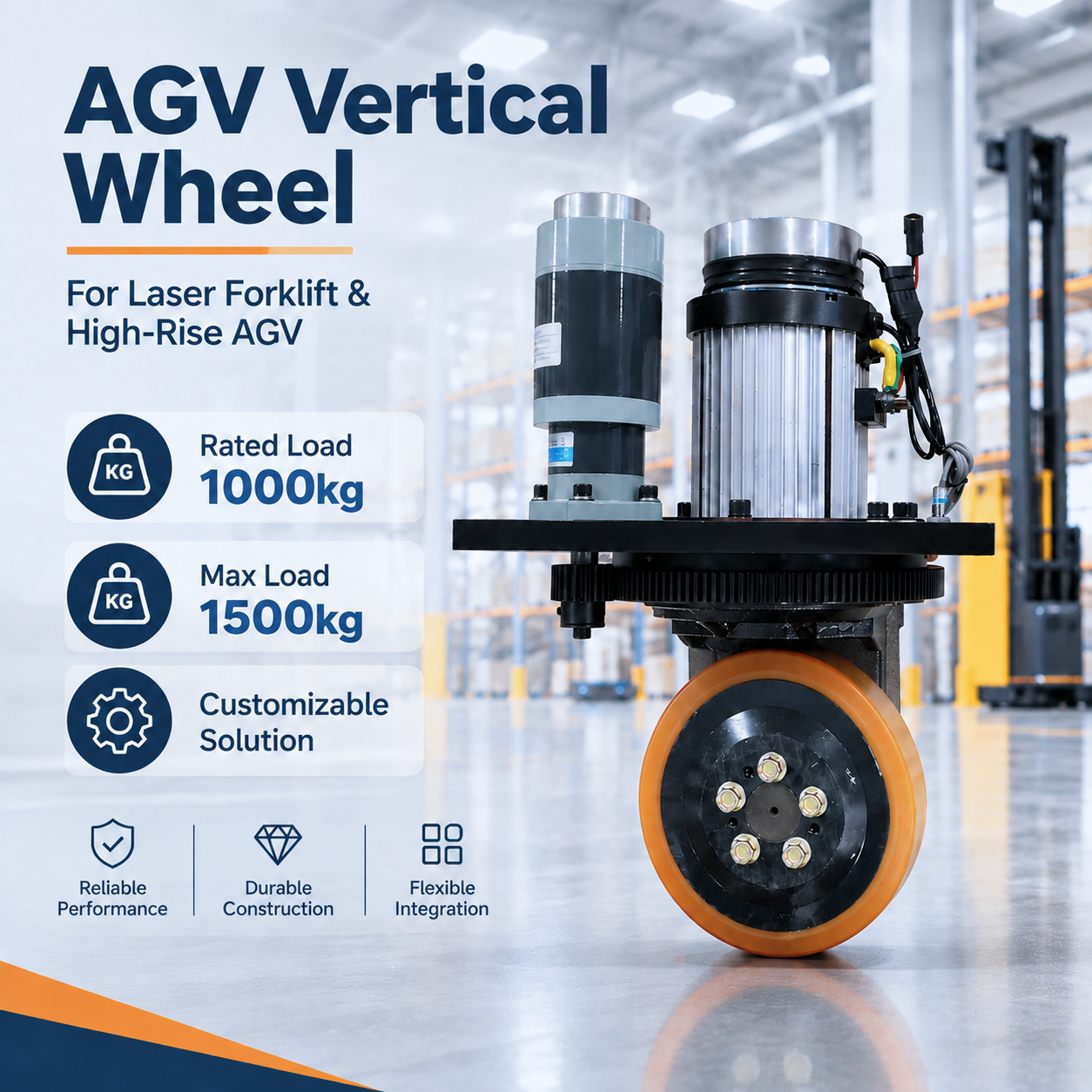
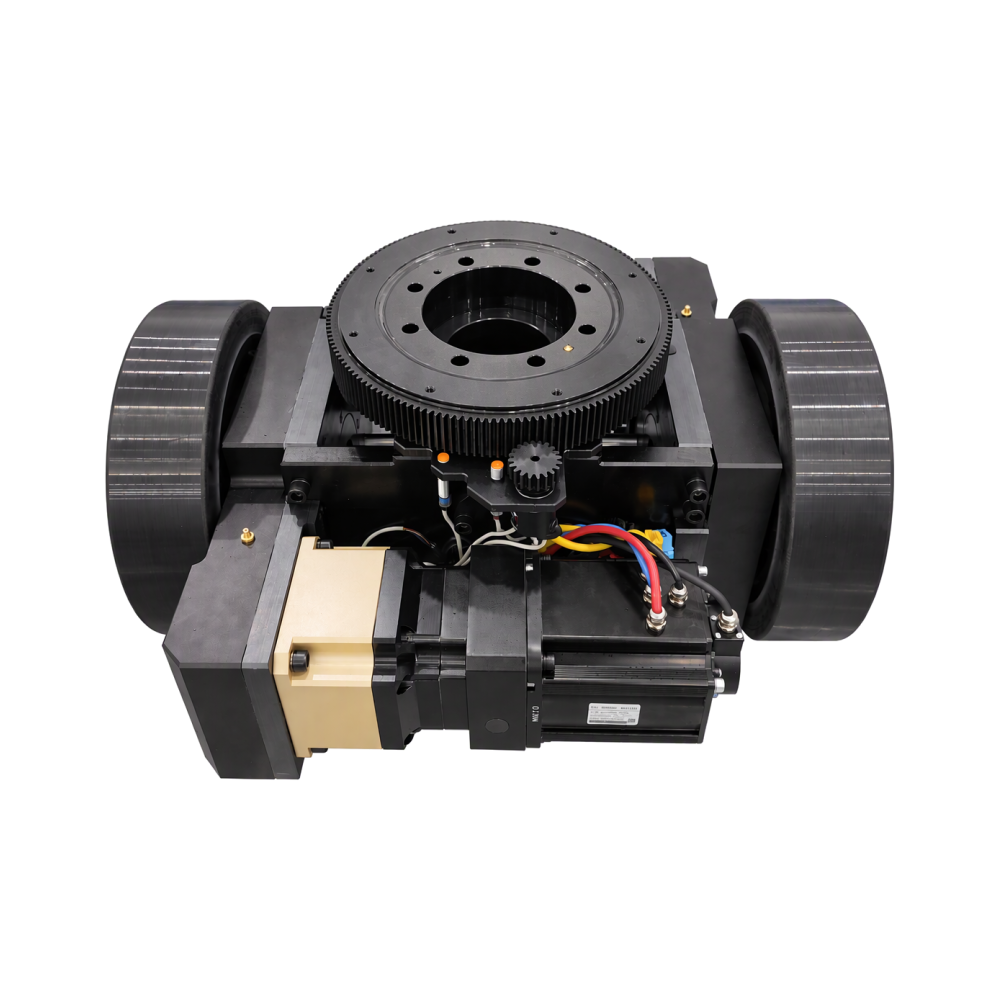
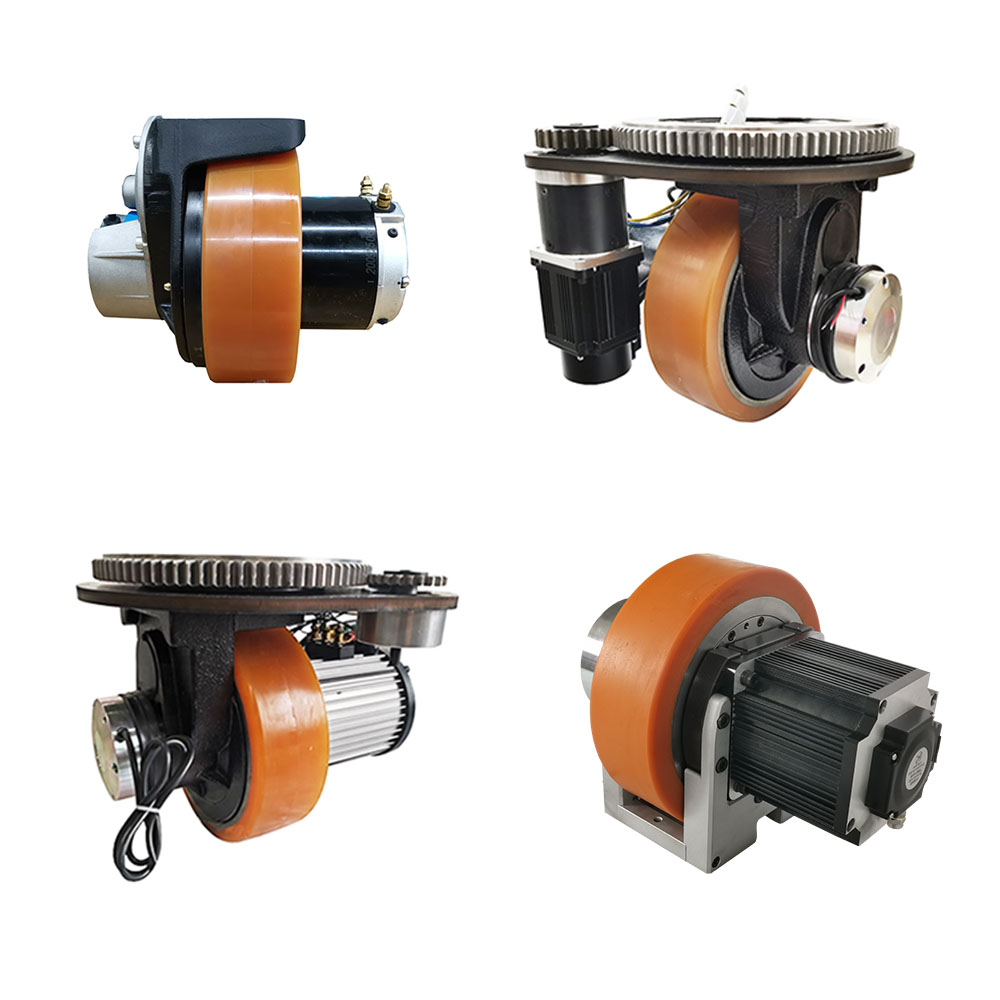
That shift lands, mechanically, on the drive wheel. An AGV or AMR can carry lidar, QR-code cameras or magnetic tape sensors, but every one of those systems ultimately commands a motor mounted inside an integrated drive wheel—a sealed module that packages motor, planetary reducer, encoder, shaft and treaded wheel into one installable unit. Choose the wrong module and the symptoms appear months later: tread scrub on polished tiles, encoder drift after a hot afternoon, water ingress during the monsoon, or a mounting flange that does not line up with the chassis drawing.
This is why the current list of manufacturers and exporters serving Pattaya deserves to be read as an engineering shortlist rather than a price sheet. All of them can ship a wheel. The differentiator is documentation quality, spare-part continuity, and whether the supplier understands tropical duty cycles.
What Pattaya Buyers Ask Before Signing a Purchase Order
- How does the unit behave at 35 °C ambient with 85% relative humidity sustained across a shift?
- Can one tread compound handle hotel tile, epoxy warehouse floor and port concrete without marking or slipping?
- Is the whole assembly swappable inside an hour by on-site maintenance staff?
- Is there regional stock or a distributor in Bangkok or Rayong, or does every replacement fly in from overseas?
- What is the realistic lead time to Laem Chabang, including Thai customs clearance?
Six Criteria That Separate a Shortlist from a Catalogue
When procurement teams in Chonburi compare drive-wheel exporters, the filters that actually matter tend to be consistent. First, vertical integration: does the supplier machine the reducer, wind the motor and bond the tread in-house, or assemble from third-party parts? Second, matched electronics: are the servo or BLDC drivers tuned to the exact wheel being shipped? Third, documentation: are 2D drawings, 3D STEP files, wiring diagrams and driver parameter files included, or must they be requested repeatedly?
Fourth, environmental qualification: is there evidence of endurance testing beyond a bench run? Fifth, customisation depth: can motor voltage, reduction ratio, wheel diameter, tread material and encoder type be varied without opening a new tooling project? Sixth, commercial flexibility: can the supplier work in FOB, CIF or DDP terms and accept the payment instruments Thai importers normally use? A supplier that scores well on all six is worth a long-term relationship; one that scores on price alone usually costs more by year two.
 <
 <
 <
 <
 <
 <
 <
 <
