8 AGC & AGV Products Selected for Sapporo Deployment
Sapporo buyers rarely need a generic “robot.” They need a reliable material-handling platform that can survive winter entrances, cold-room transitions, limited dock space and mixed human traffic. The eight products below cover vehicle control, chassis integration, guidance media, heavy-duty drive wheels, low-clearance drive units and automatic charging — the practical core of an automated guided cart deployment.
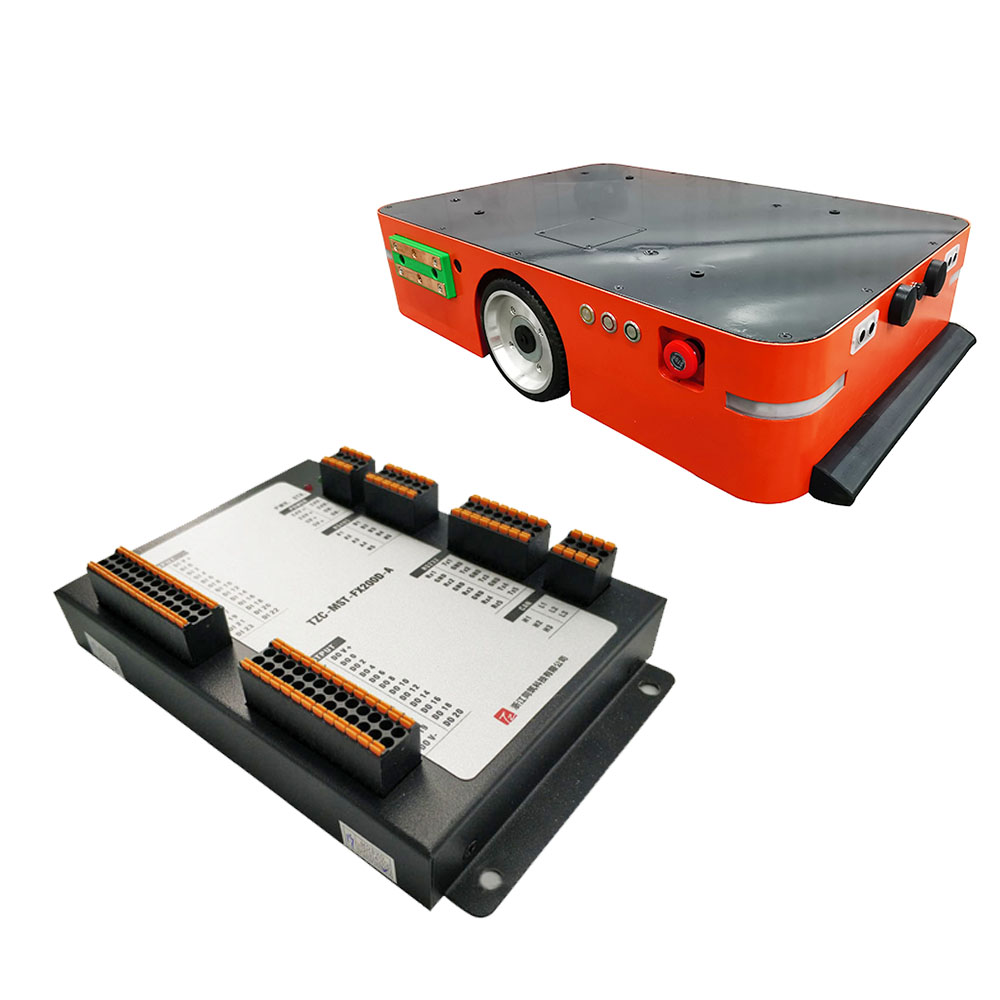
TZBOT Smart AGV Controller for Commanding the AGV
A central control layer for dispatching AGC and AGV fleets in Sapporo distribution centers where narrow aisles and mixed pallet sizes demand predictable traffic logic. Use it to coordinate route priority, station calls and charger scheduling, then integrate with the warehouse execution layer through the interface agreed during OEM/ODM review.
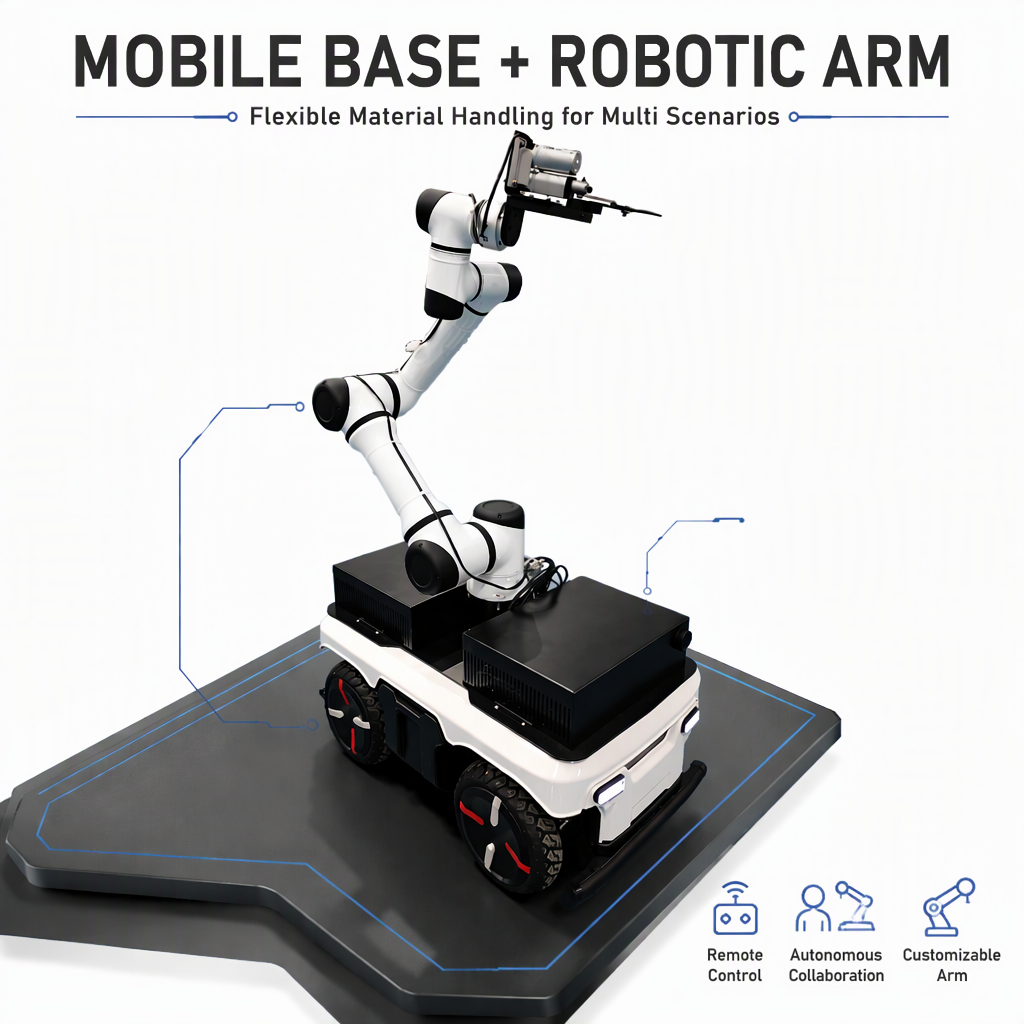
TZBOT Four Wheel Drive Ackerman Chassis AGV Collaborative Remote Control Composite Robot with Arm
A four-wheel Ackerman chassis with a collaborative arm and remote-control capability is a strong option for wider transfer aisles, maintenance yards and manufacturing cells. The chassis geometry supports stable travel at higher speed, while the arm adds machine-tending or pick-and-place capability for Hokkaido plants that need one platform to move and handle.
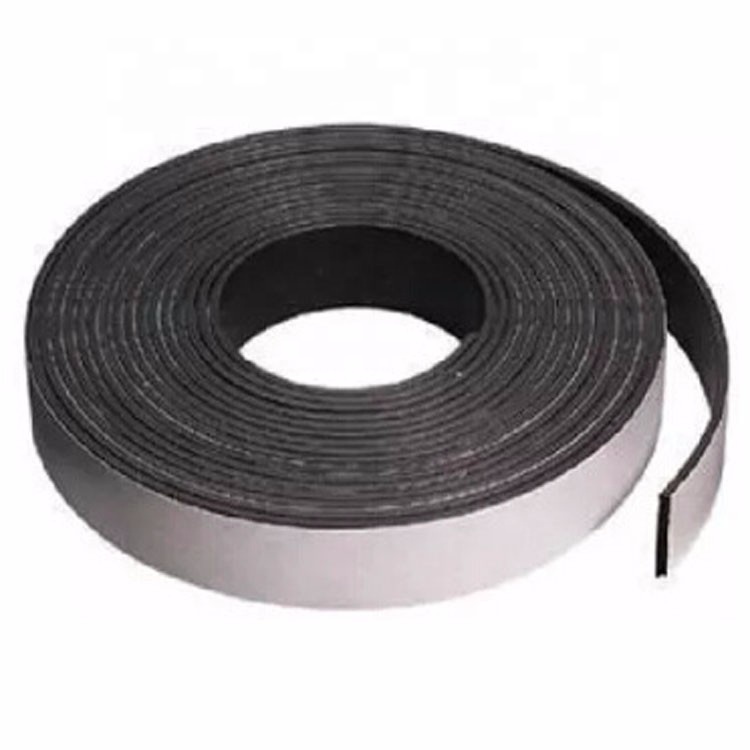
Sell Well Magnetic Tape Which N Pole up of 5cm Weith,25m One Roll for AGV Paved Path Can Retail or Wholesale
For magnetic-guide AGC routes in existing buildings, this 5 cm N-pole-up tape provides a defined floor path that is quick to install and repair after fit-out changes. In Sapporo, specify floor preparation and protective covers carefully at entrances where snowmelt water, grit and pallet traffic can enter the production zone.
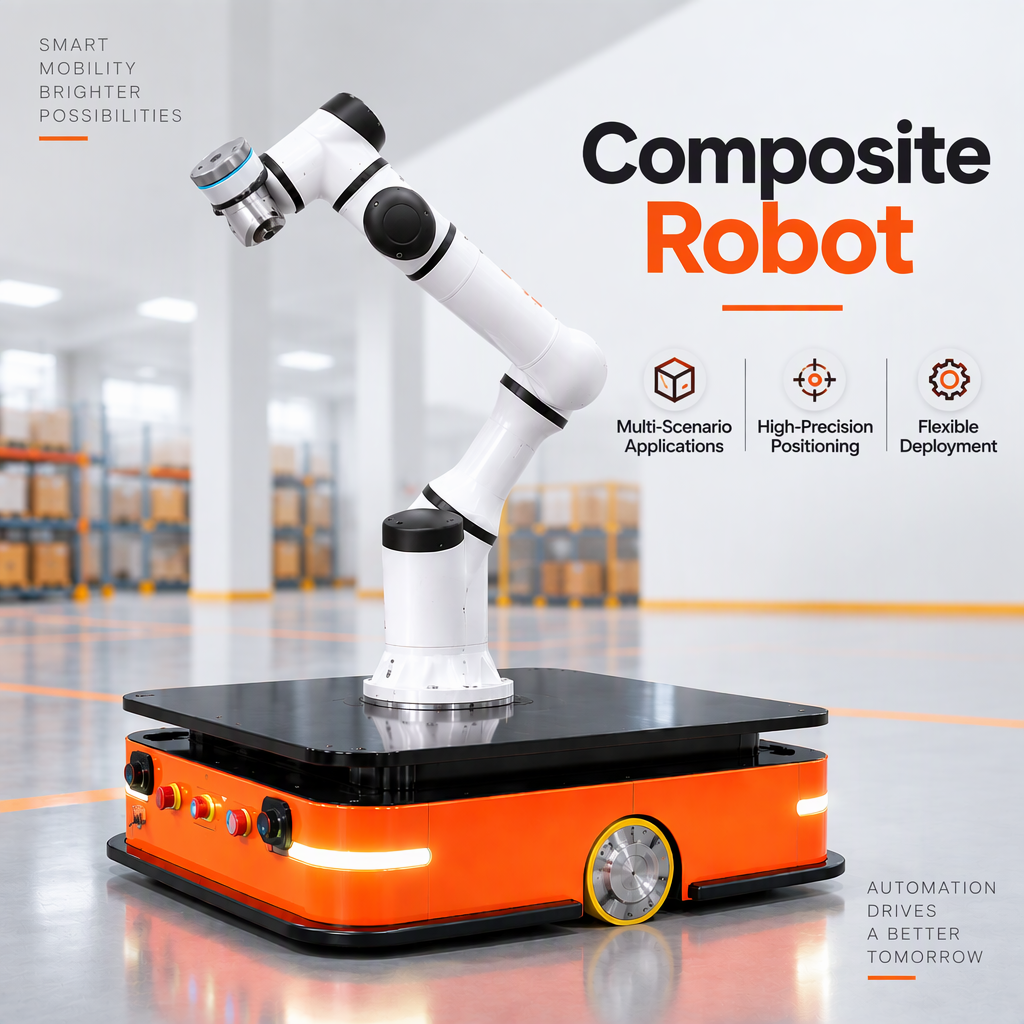
TZBOT Customizable Composite Robot Multi Applications 600kg Bearing Chassis AGV AMR with Robotic Arm
A 600 kg-bearing composite platform for applications that combine transport with a robotic arm. It fits food-plant palletizing, sample handling and line-side tending where floor space is limited and the buyer wants one supplier for chassis, drive and control integration instead of assembling separate motion and handling modules.
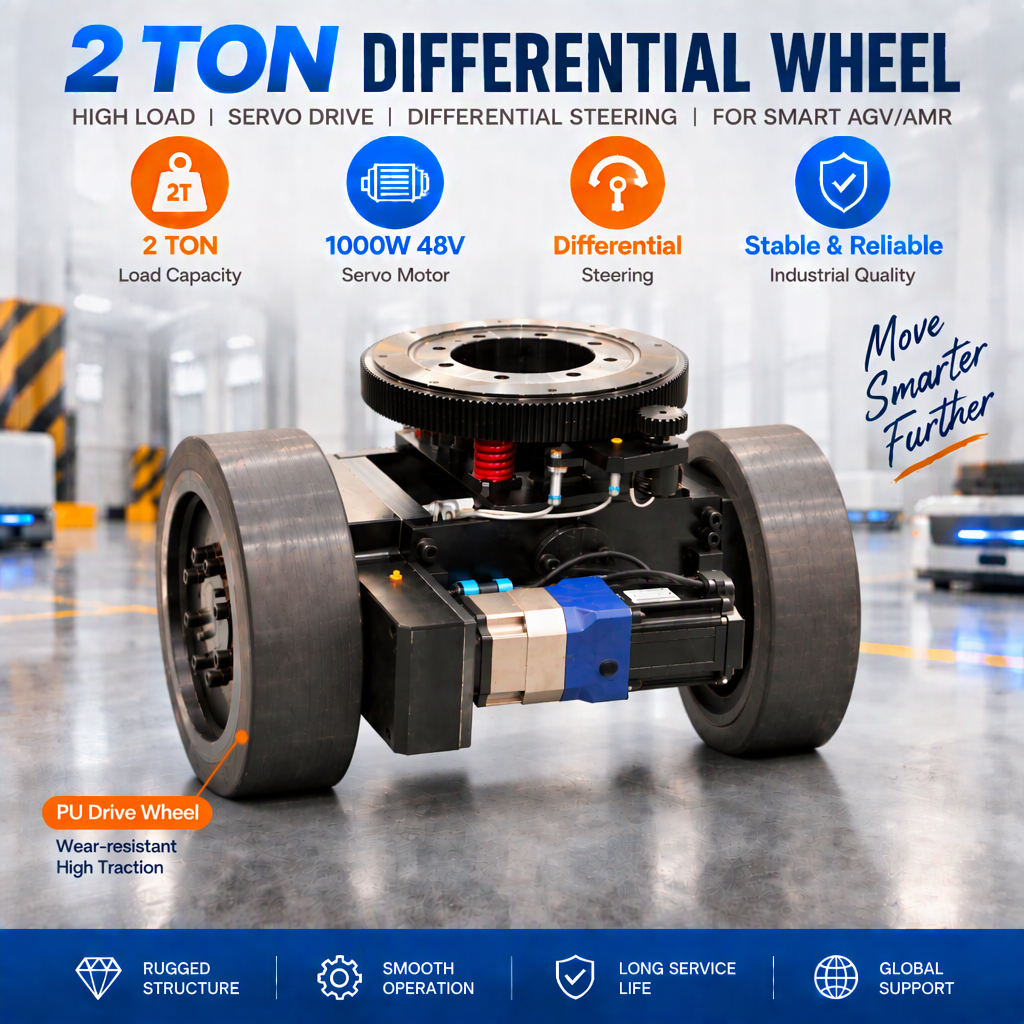
TZBOT Customized 2000kg Bearing Duty agv Wheel 1000w 48V Heavy Duty Series Mobile Robot Differential Drive Wheel with Suspension
The 2,000 kg differential drive wheel with suspension is a practical choice for heavier pallet transfer, cold-chain staging and carton shuttles. Suspension helps maintain traction across expansion joints and slightly uneven floors, while the 48 V architecture supports high-torque, low-speed control for stable docking under changing floor conditions.
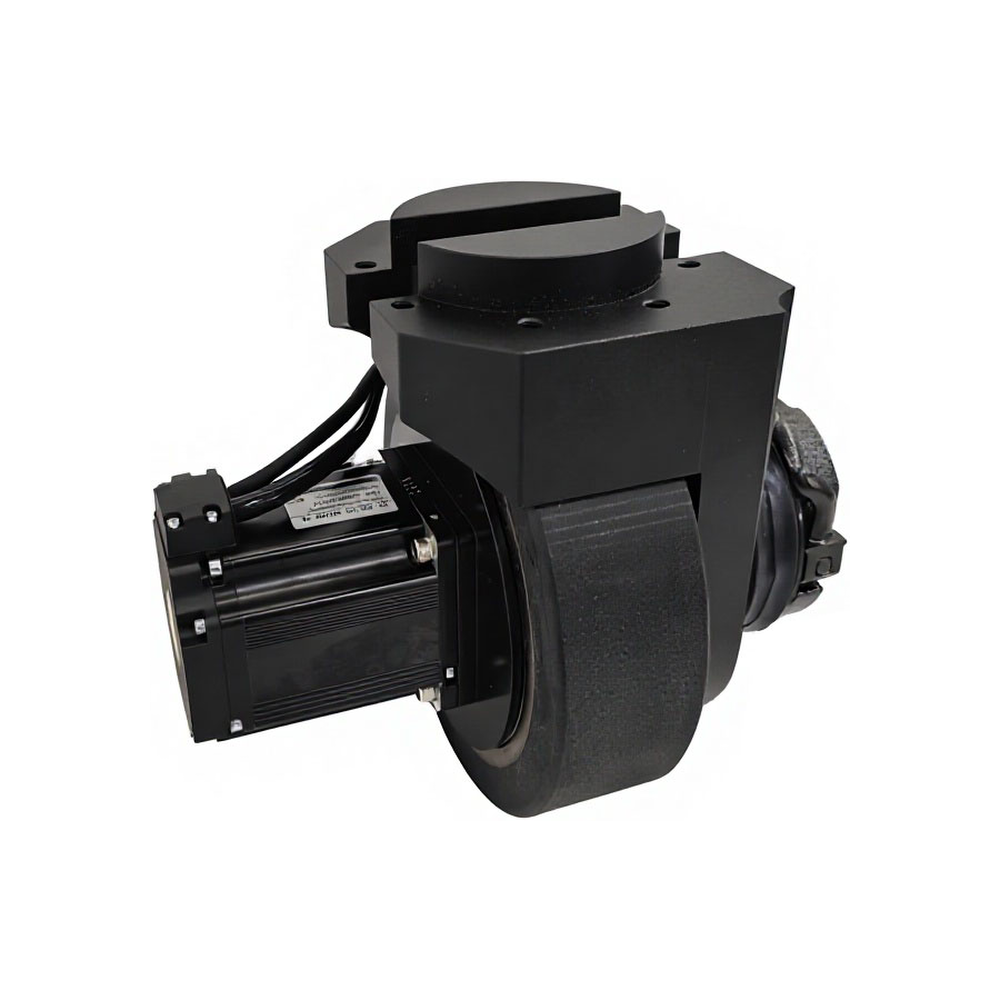
TZBOT agv Wheel Traction Accessories 1000kg Heavy Duty Capacity Material Handling Equipment Part Horizontal Drive Wheel Assembly
A 1,000 kg horizontal drive wheel assembly for low-clearance AGC and under-ride cart designs. Horizontal packaging helps keep the deck low, which matters in existing Sapporo warehouses where docking height, lift tables and conveyor transfers were not originally designed for autonomous platforms.
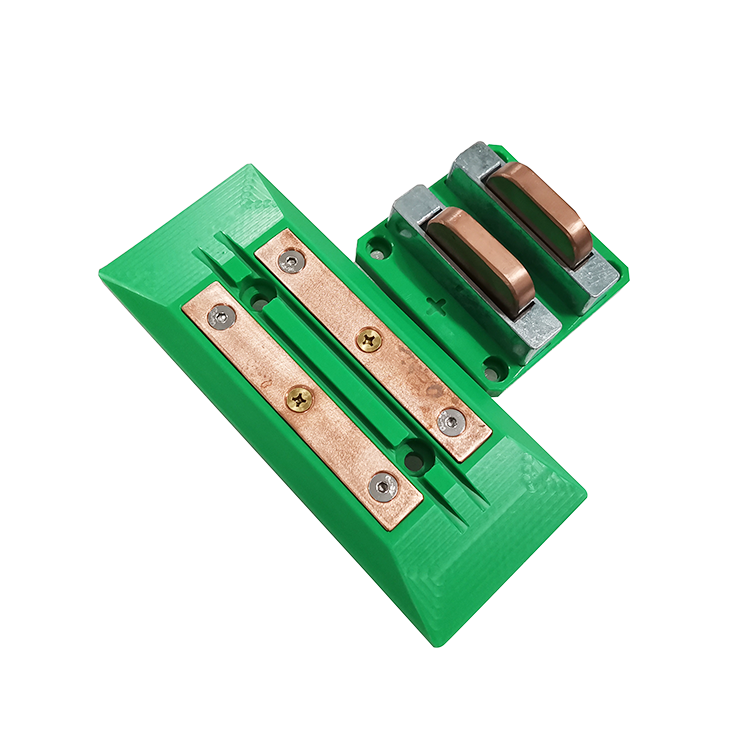
TZBOT Charger Pad Model TZ-CP-50A with Brush Plate and Brush Block for AGV Navigation Vehicles
Automatic charging hardware with a brush plate and brush block supports opportunity charging near sortation, staging or cold-room airlocks. The brush design helps address dust and contact debris on industrial floors; final charger configuration should be matched to battery chemistry, shift patterns and your site’s electrical protection plan.
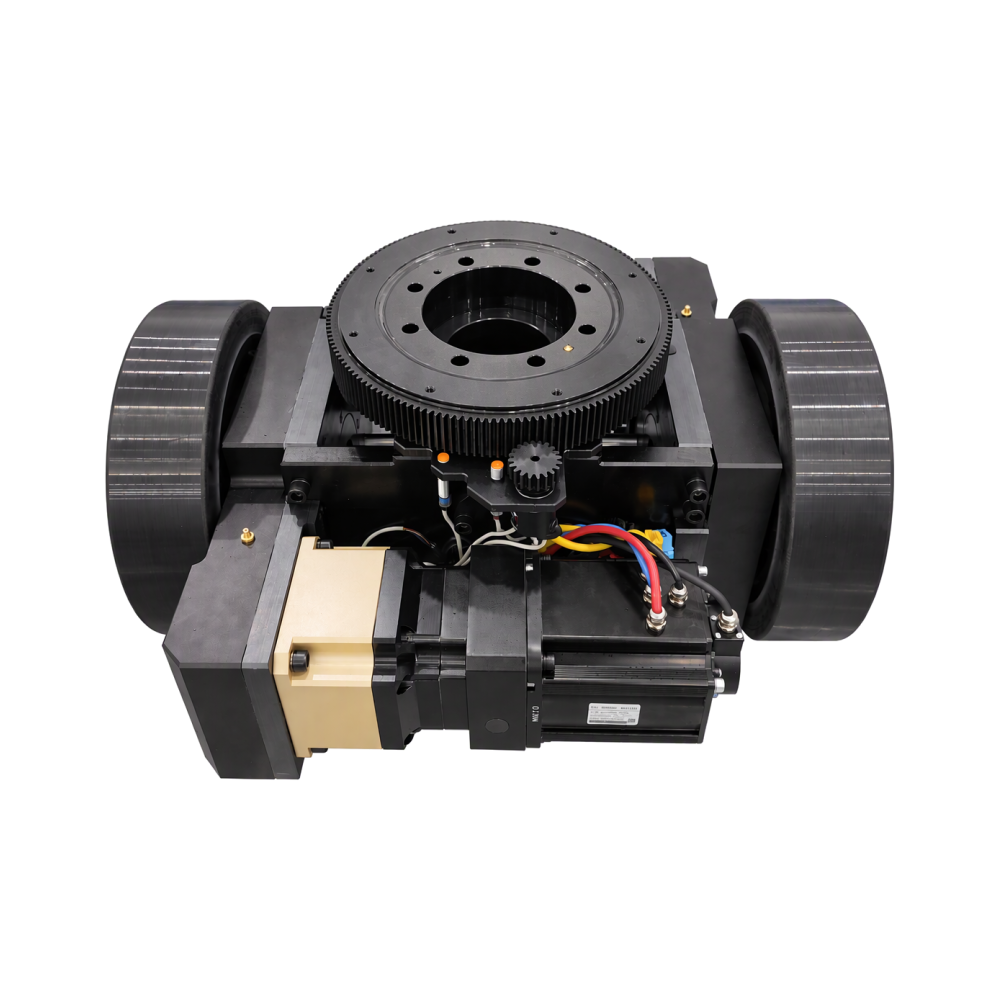
TZBOT Heavy Duty Series Robot Wheel 3000kg Bearing Capacity AGV Material Handling Equipment Differential Drive Wheel Assembly
The 3,000 kg heavy-duty differential wheel is intended for dense pallet loads, industrial carts and production-line movers. For Sapporo operations, it is best specified with a floor survey and a traction check that reflects condensation, washdown residue and winter floor mats rather than clean-room assumptions.
A Manufacturer Built Around Motion Control, Not Just Catalog Assembly
Zhejiang Torqen Technology Co., Ltd. was founded in 2015 and operates as a manufacturer and trading company focused on AGV drive wheels, motors, controllers, navigation sensors and accessories. For Sapporo buyers, that means one technical conversation can cover the complete drive train — wheel, motor, reducer, servo or BLDC driver, guidance sensor and charging interface.
Why Sapporo Integrators Source AGC Drive Systems from Torqen
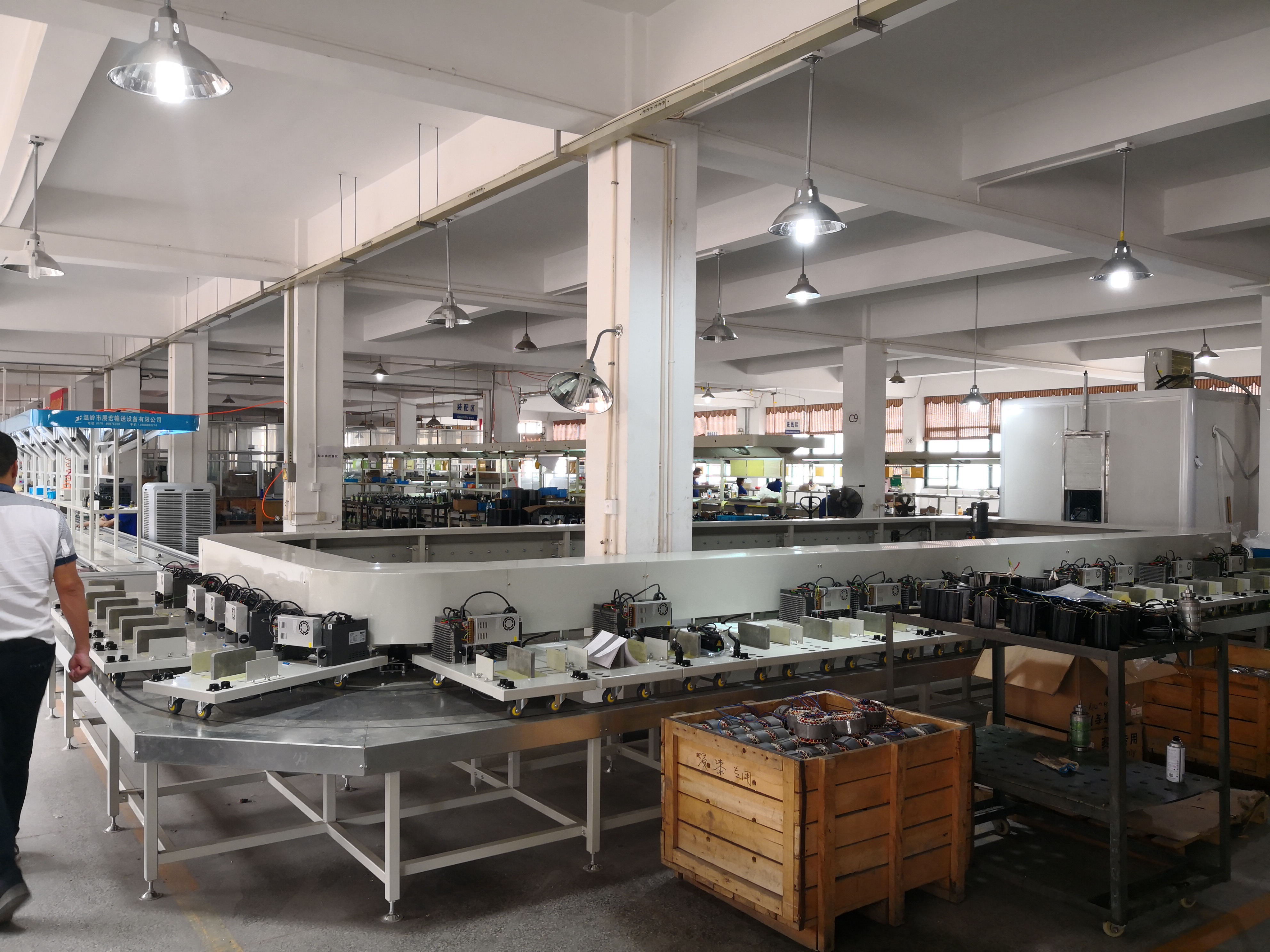
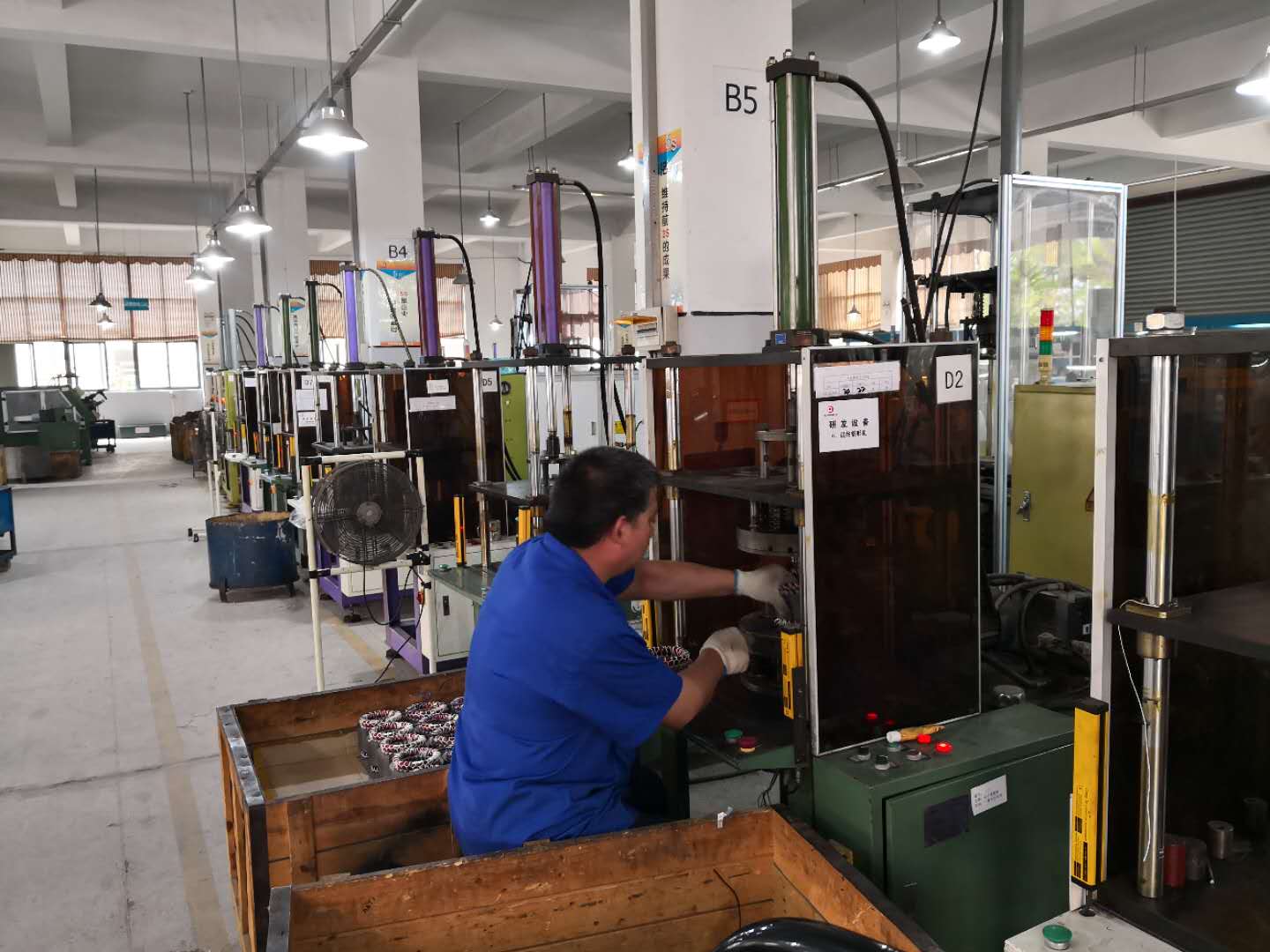
Zhejiang Torqen Technology Co., Ltd. designs and manufactures automatic guided vehicles, AGV drive wheel assemblies, DC/AC motors, encoders, reducers, motor controllers, caster and PU wheels, in-wheel motor units, magnetic guide sensors, RFID position sensors, lidar sensors and charging accessories. The company is based in Hangzhou, Zhejiang, China, and works with automation builders in global markets. Its practical advantage is not simply a price list; it is the ability to match mechanical and electronic components as one system before shipment.
For a Sapporo project, this matters because cold-region failures are often integration failures rather than single-part failures. A drive wheel may have sufficient torque but the wrong tread for a wet vestibule. A controller may be electrically sound but poorly tuned to a suspension wheel on an uneven expansion joint. A magnetic guide sensor may perform well on a clean demonstration floor but need a different mounting height after floor coatings, protective tape or snowmelt grit are introduced. Torqen’s engineering scope covers these interfaces: motor power and voltage, reduction ratio, wheel diameter, tread material, encoder type, brake options and mounting geometry can all be customized through sample-based or design-based OEM/ODM work.
Every prototype is expected to undergo extended-duration testing before production parts are released. That testing discipline is especially relevant for Sapporo deployments where a vehicle may run in a heated production hall, cross a chilled airlock and dock at a charging station exposed to condensation. Buyers should ask for test records that reflect their own operating cycle, not only catalog performance. Torqen’s support model includes sample customization, OEM production, design services and buyer-label packaging, which allows a Hokkaido system integrator to localize documentation, spare-parts labeling and maintenance procedures without rebuilding the supply chain.

How to Specify an AGV Drive Unit and Navigation Sensor for Sapporo Conditions
Sapporo is not a single environment. A deployment may include a heated warehouse, a chilled food room, an open loading dock, a snowmelt vestibule and an elevator lobby with different floor coatings. The selection guide below helps buyers compare drive types and navigation methods before requesting a quotation.
Differential Drive Unit
Two independently driven wheels turn by speed difference. This is the most common choice for latent, jacking and shelf-lifting AGCs because it offers compact turning and straightforward integration. For heavier loads, specify suspension and verify traction on wet or condensation-prone floors. A differential wheel should not be selected solely by payload; the duty cycle, acceleration, floor friction and required docking accuracy also shape gear ratio and motor current.
Single Steering Drive Wheel
A drive motor plus a dedicated steering motor sets the wheel angle independently. This suits forklift AGVs, tricycle chassis and tugger vehicles that need controlled steering angles in wider aisles. In Sapporo facilities with mixed traffic, steering drive units are often paired with safety lidar and clear aisle rules because their turning footprint differs from differential platforms. Confirm steering encoder resolution, brake behavior and emergency-stop response with your safety integrator.
Horizontal Drive Assembly
A horizontal drive wheel keeps the deck low for under-ride carts, low-clearance chassis and existing conveyor transfers. This is especially useful when a Sapporo warehouse cannot modify docking height or lift tables. The trade-off is packaging space and service access, so request dimensional drawings early. Check that the selected wheel diameter, suspension travel and mounting interface fit the actual chassis envelope rather than only the product photo.
Magnetic Guide Sensor
Uses magnetic tape on the floor for fixed routes, fast deployment and low infrastructure cost. Best for repeatable transfers where aisle layout is stable. In winter, protect the tape at entrances and plan a repair procedure for damaged sections.
RFID Position Sensor
Reads tags at stations, junctions or speed zones. Useful for confirming a stop position, triggering a voice announcement or changing speed near a cold-room door. It complements rather than replaces continuous guidance.
QR Code Navigation
Supports grid-based warehouse movement and goods-to-person workflows. Floor cleanliness matters. In sites with snowmelt grit, schedule regular inspection of QR labels and consider protective floor treatment.
Laser SLAM / Lidar
Offers flexible routing with less floor infrastructure. It suits changing layouts and mixed fleets, but requires careful mapping and safety validation. Use lidar obstacle avoidance with a defined response for pedestrians, pallet jacks and forklifts.
Cold-region selection tip: ask every supplier to quote against five values before discussing price: gross vehicle weight, target speed, maximum gradient, available chassis height and required charging window. Add floor friction, aisle width, ambient temperature and humidity for Sapporo projects. These inputs determine motor power, reduction ratio, wheel diameter, brake selection and battery strategy more reliably than a general “cold weather” statement.
Sapporo & Hokkaido Application Scenarios for Automated Guided Carts
The strongest business case for an AGC in Sapporo is not novelty. It is repeatable movement under labor pressure, climate variation and limited floor space. These scenarios reflect the questions Hokkaido buyers commonly raise during early-stage automation planning.
Cold-Chain Food & Beverage
Sapporo and wider Hokkaido food manufacturers handle dairy, seafood, produce, frozen foods and chilled distribution. AGCs reduce walking distance between receiving, processing, packaging and cold storage. Specify condensation-safe electronics, cleaning-compatible wheel compounds and charger placement that avoids standing water. A vehicle moving from a cold room to a warm packing hall should be evaluated for condensation, not only low-temperature operation.
Urban Warehousing & 3PL
Sapporo logistics operations serve retail, e-commerce, hospital suppliers and wholesale distribution with constrained docks. Magnetic or QR-guided carts can handle repeatable transfer between receiving, staging and dispatch. Pair the fleet with a smart controller for route priority and charger scheduling. The goal is to remove empty walking trips while keeping human pickers in charge of exception handling.
Advanced Manufacturing
Hokkaido’s precision machinery, electronics, aerospace and industrial equipment suppliers need reliable line-side replenishment. A composite robot with an arm can move a fixture to a machine and perform a simple tending step. For high-mix production, select modular drive and control hardware so that the vehicle can be reconfigured without changing the entire fleet architecture.
Agriculture & Food Processing
Hokkaido’s agricultural output moves through sorting, packing and cold storage. AGCs can transport crates, totes and packaged goods over repetitive routes. In facilities with wet floors, define tyre hardness, tread pattern and cleaning frequency carefully. Heavy-duty wheels should be matched to loaded pallet weight and not to the empty cart weight.
Airport-Adjacent Cargo & Logistics
New Chitose Airport and surrounding cargo operations handle time-sensitive flows. Automated carts can support baggage-container movement, cargo staging and line feeding where routes are predictable. Safety sensors, audible alerts and clear right-of-way rules are essential in mixed pedestrian and vehicle areas. Use a risk assessment before scaling beyond a pilot route.
Retail, Medical & Pharmaceutical Supply
Sapporo’s retail and healthcare supply chains require clean, traceable movement of totes and boxes. An AGC can reduce manual pushing over long shifts and support scheduled replenishment. For medical and pharmaceutical environments, define cleaning agents, floor finish compatibility and emergency-stop access before selecting the drive wheel and sensor package.
Automation Trends Shaping Sapporo’s AGC Adoption
Semantic search intent for “automated guided cart supplier Sapporo” often sits between early research and an active integration project. The trends below show what buyers are actually trying to solve — and where a China-based manufacturer with export experience can add practical value.
01Labor Shortage & Aging Workforce
Hokkaido’s logistics and food sectors face persistent labor pressure. AGCs are being evaluated less as showroom technology and more as a way to stabilize repetitive transport tasks, reduce long walking distances and allow experienced staff to focus on quality, safety and exception handling.
02Cold-Chain Expansion
Chilled and frozen food distribution continues to demand reliable material movement through temperature transitions. Buyers increasingly ask for condensation management, charger placement, battery behavior and wheel traction data rather than a generic IP rating alone.
03Safety in Mixed Traffic
Sapporo facilities often combine pedestrians, pallet jacks, forklifts and autonomous carts. Safety lidar, bumper strips, audible alerts, speed zoning and clear aisle rules are becoming part of the procurement checklist, not optional add-ons.
04Integration with WMS / ERP
Buyers want route data, charger status and task completion to connect with warehouse systems. A smart AGV controller and a clear interface specification can reduce commissioning friction between the cart supplier, WMS vendor and local system integrator.
05Modular Drive-Train Sourcing
Instead of buying wheels, drivers and sensors from different vendors, integrators are consolidating around a matched drive train. This shortens debugging, clarifies responsibility and simplifies spare-parts planning for Hokkaido service teams.
06Local Service & Spare-Parts Readiness
Export buyers now ask how quickly a replacement wheel, charger pad or sensor can be shipped. A practical procurement plan includes recommended spare parts, labeling, documentation and a remote support path before the first vehicle enters service.
A Cold-Region Deployment Framework for Sapporo Project Teams
Most AGC failures in cold regions are not dramatic. They appear as repeat docking errors, premature tyre wear, charger contact faults, condensation inside connectors or an unexpected stop at a floor transition. This framework turns those risks into engineering questions before purchase.
1. Audit Floors & Transitions
Map every route: expansion joints, drains, lift-table gaps, slopes, floor coatings, mats and snowmelt zones. Measure friction when wet, not only when dry. A suspension wheel may help, but it cannot compensate for a missing floor repair or an unguarded cable run.
2. Separate Cold-Side & Warm-Side Needs
Condensation often occurs when a cold vehicle enters a warmer room. Protect connectors, specify appropriate lubrication and plan a dry parking position. Charging contacts should be inspected under real humidity and cleaning conditions.
3. Match Wheel & Suspension to Load
Select the drive wheel by loaded vehicle weight, acceleration, gradient and required docking accuracy. A 2,000 kg or 3,000 kg heavy-duty wheel is not automatically the best answer for every route; oversized hardware can increase cost and reduce packaging flexibility.
4. Design Charging Around Shifts
Opportunity charging near staging or airlocks can reduce battery size, but the charger location must be safe, dry and accessible. Match charger pad, brush block and battery strategy to actual shift patterns instead of copying a demonstration layout.
Sapporo buyers should also define what “acceptance” means in writing. A vehicle that completes a clean, empty run is not the same as one that docks a 900 kg pallet on a slightly wet floor after ten hours of operation. The acceptance test should include the heaviest load, the tightest aisle, the worst floor transition and the shortest charging window. It should record stopping accuracy, route completion time, fault logs and recovery behavior after a manual reset. This is where a manufacturer’s testing discipline becomes visible: finished-product inspection with five in-house instruments is useful only when the test plan matches the buyer’s environment.
Another information-gain point is documentation. For a Sapporo integration, request wiring diagrams, driver parameter files, maintenance intervals, recommended spare parts and a troubleshooting guide before shipment. If the vehicle will be supported by a local integrator, agree who owns firmware settings, who approves parameter changes and how fault codes are reported. These details reduce downtime more than a marginal difference in wheel diameter. Torqen’s OEM/ODM model supports buyer-label packaging and customization, so the mechanical and electrical documentation can be aligned with the integrator’s service workflow from the beginning.
Acceptance Checklist for Sapporo AGC Projects
- Gross vehicle weight and maximum payload confirmed in kilograms.
- Required speed, acceleration and stopping accuracy recorded by route.
- Maximum slope and floor friction measured in wet and dry conditions.
- Chassis height, suspension travel and wheel envelope checked against drawings.
- Ambient temperature and humidity listed for each zone, including transitions.
- Battery voltage, chemistry, charging window and opportunity-charging plan agreed.
- Magnetic tape, QR labels or RFID tags protected at entrances and wet areas.
- Safety lidar, bumper, audible alert and emergency-stop behavior validated.
- WMS / ERP interface and fleet-controller responsibilities assigned.
- Spare wheel, charger pad, sensor and controller lead times confirmed.
Export-Ready Support for Sapporo Buyers
Torqen supports global buyers with flexible payment methods, multiple delivery terms and engineering communication from quotation to after-sales. The company’s profile shows ISO 9001:2015 certification, Intertek onsite verification, eight patents, five in-house testing instruments, a 97.9% inquiry response rate and a 4.9/5 buyer rating.
¥Payment Methods
Accepted payment methods include T/T, L/C, D/P, D/A, MoneyGram, credit card, PayPal, Western Union, cash and escrow. Payment structure and currency should be confirmed in the quotation for each project.
- T/T
- L/C
- D/P D/A
- MoneyGram
- Credit Card
- PayPal
- Western Union
- Cash
- Escrow
⇢Delivery Terms
Delivery terms include FOB, CFR, CIF, EXW, CIP, FCA, CPT, DDU and express delivery. Sapporo shipments are commonly planned through sea freight to Hokkaido ports or air cargo, with final routing and Incoterms confirmed at order stage.
- FOB
- CFR
- CIF
- EXW
- CIP
- FCA
- CPT
- DDU
- Express
◈Currencies & Service
Quotations can be discussed in USD, EUR, JPY, CAD, AUD, HKD, GBP or CNY. The service team supports integration questions, driver parameter files, wiring diagrams and commissioning guidance. Spare-parts planning can be included in the initial quotation.
- USD
- EUR
- JPY
- CAD
- AUD
- HKD
- GBP
- CNY
Questions Local Buyers Ask Before Ordering
These answers address common search intents behind “AGC manufacturer Sapporo,” “AGV drive wheel supplier Hokkaido” and “cold-climate automated guided cart procurement.”
Can you supply an AGC or AGV drive system to Sapporo?
Yes. Torqen serves global buyers and can quote FOB, CIF, EXW, DDU or express delivery depending on the project. For Sapporo, the practical planning points are shipping route, Incoterms, spare-parts list and the technical contact who will support commissioning after arrival.
How do you handle cold-weather requirements?
Cold-weather performance must be specified zone by zone. Share the lowest ambient temperature, humidity, condensation risk, washdown practice, floor friction and charging location. Torqen can customize motor power, voltage, wheel tread, encoder, brake and mounting interface, but the final configuration should be reviewed against the actual route.
Which drive wheel should I choose for my Sapporo project?
Differential drive units suit compact latent, jacking and shelf-lifting AGCs. Steering drive wheels suit forklift or tricycle-type vehicles that need controlled steering angles. Horizontal drive assemblies suit low-clearance chassis and under-ride carts. Provide loaded weight, speed, chassis height and battery voltage, and the engineering team can recommend a configuration.
Do you support OEM, ODM and buyer-label packaging?
Yes. The company supports sample-based customization, design-based customization, OEM production, design services and buyer-label packaging. Typical changes include motor power and voltage, reduction ratio, wheel diameter and tread material, encoder type, brake options and mounting interfaces.
What is the MOQ and lead time?
MOQ and lead time depend on whether the item is a standard component, a modified sample or a full custom drive assembly. The quotation should confirm sample schedule, production lead time, inspection plan and shipping method after the technical specification is frozen.
What quality evidence can we review?
Review ISO 9001:2015 certification, Intertek onsite verification, patent records, finished-product inspection procedures and testing records. The supplier profile also shows eight patents, five in-house testing instruments, a 4.9/5 buyer rating and a 97.9% inquiry response rate. For project-specific confidence, request test data for the exact motor, wheel and driver combination.
What payment and currency terms are accepted?
Payment methods include T/T, L/C, D/P, D/A, MoneyGram, credit card, PayPal, Western Union, cash and escrow. Quotations can be discussed in USD, EUR, JPY, CAD, AUD, HKD, GBP or CNY. Delivery terms include FOB, CFR, CIF, EXW, CIP, FCA, CPT, DDU and express delivery.
Can you support installation and spare parts in Japan?
Torqen can provide wiring diagrams, driver parameter files, maintenance guidance and remote integration support. On-site service scope in Japan should be quoted case by case through the local integrator or service partner. Recommended spare wheels, charger pads, sensors and controllers can be included in the initial order to reduce future downtime.
Request a Sapporo-Ready AGC Drive-System Review
Send your loaded vehicle weight, target speed, aisle width, floor conditions, ambient temperature, battery voltage and charging window. The engineering team can then recommend a drive wheel, motor, controller and navigation configuration for your Hokkaido project.
China automated guided cart manufacturer · AGV drive wheel supplier · Sapporo & Hokkaido cold-climate material handling support
