8 AGV Drive & Control Products to Specify With Your Battery Pack
Battery-powered AGVs in Nha Trang often work in humid, salt-laden air and mixed duty cycles. These eight products from Zhejiang Torqen Technology Co., Ltd. help battery-pack buyers match traction, steering, control and navigation before placing a fleet order.
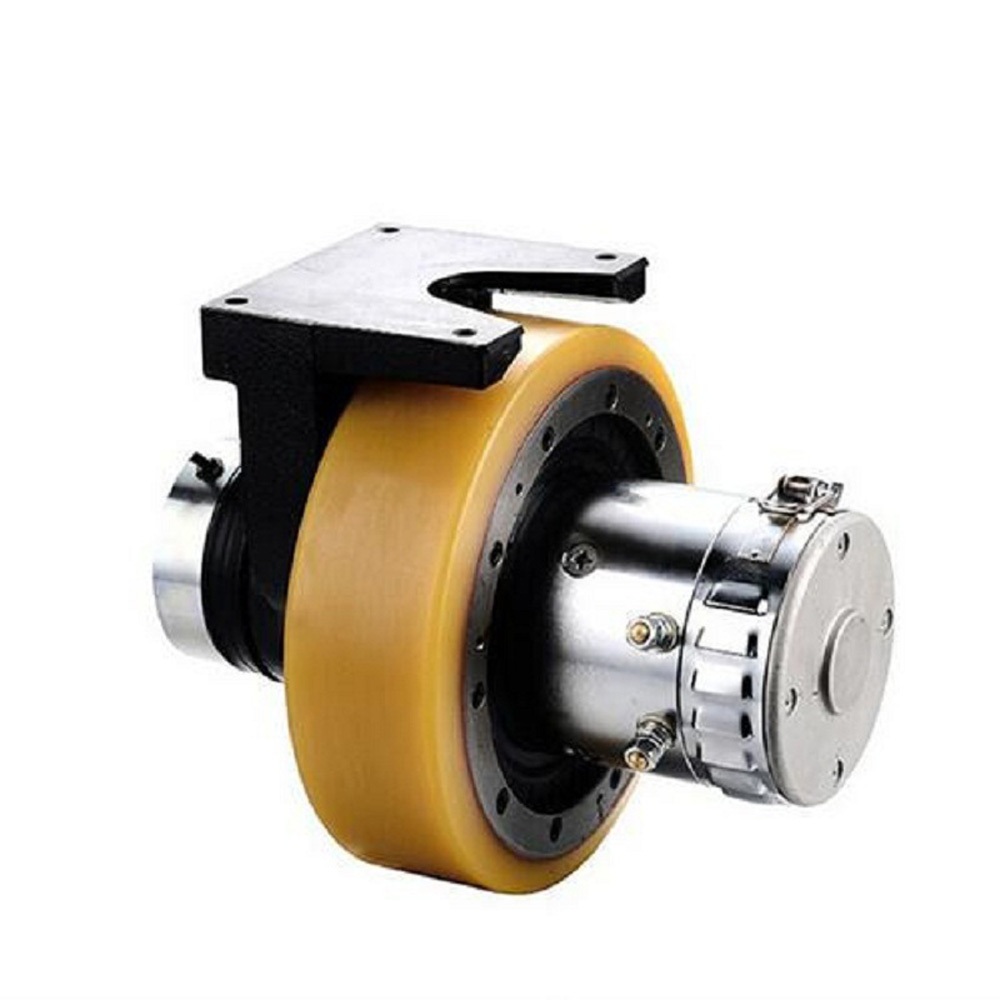
TZBOT TZ18-D12 1200W 24V Horizontal Drive Wheel Assembly Horizontal Wheel Unit Omnidirectional Automatic Steering Wheel
For low-profile omnidirectional AGV and AMR chassis that need precise steering in narrow Nha Trang warehouse aisles. The 24 V, 1200 W format suits compact lithium platforms with limited charging windows.
- 1200 W
- 24 V
- Low clearance
- Omnidirectional
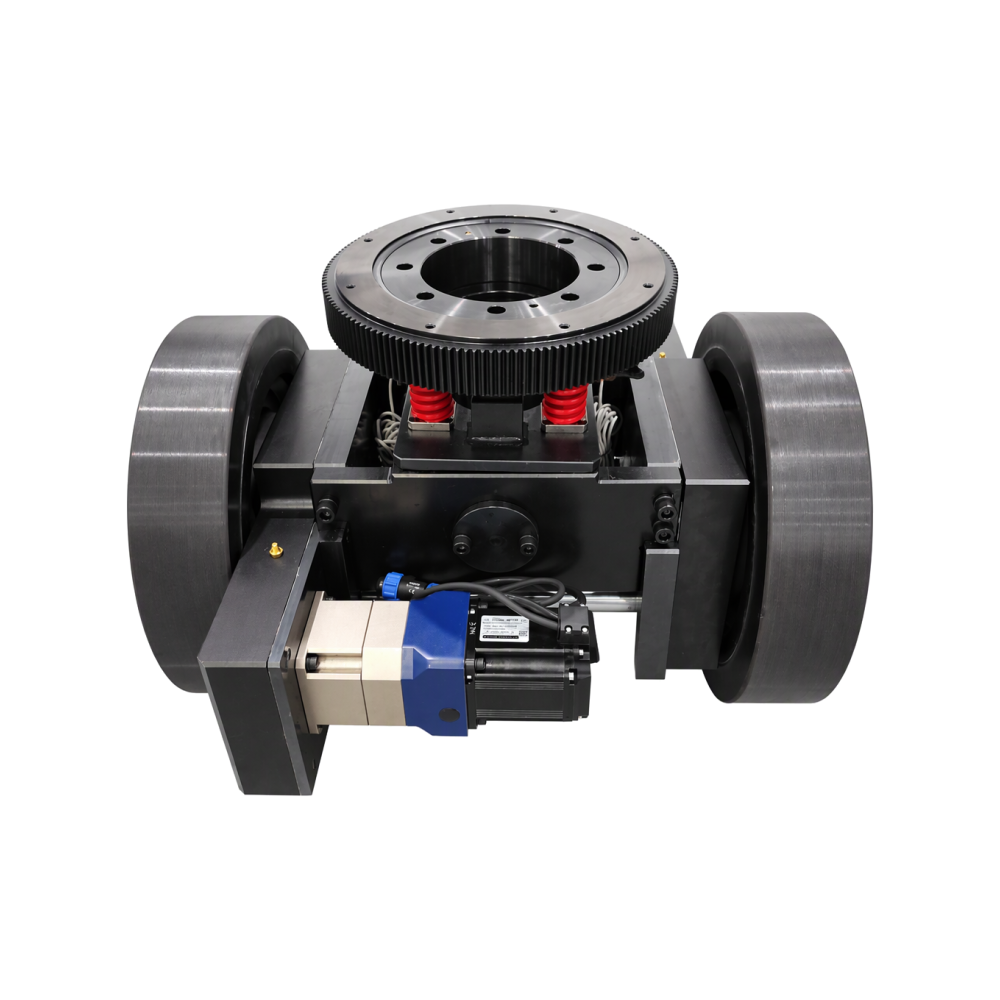
TZBOT Heavy Duty Series agv Wheel 1000w 48v Servo Motor Control Mobile Robot Differential Drive Wheel with Spring Suspension
A 48 V differential drive with spring suspension for cold-store and seafood-processing shuttles. Suspension improves traction and protects the gearbox when floors transition between wet and dry zones.
- 1000 W
- 48 V
- Spring suspension
- Differential
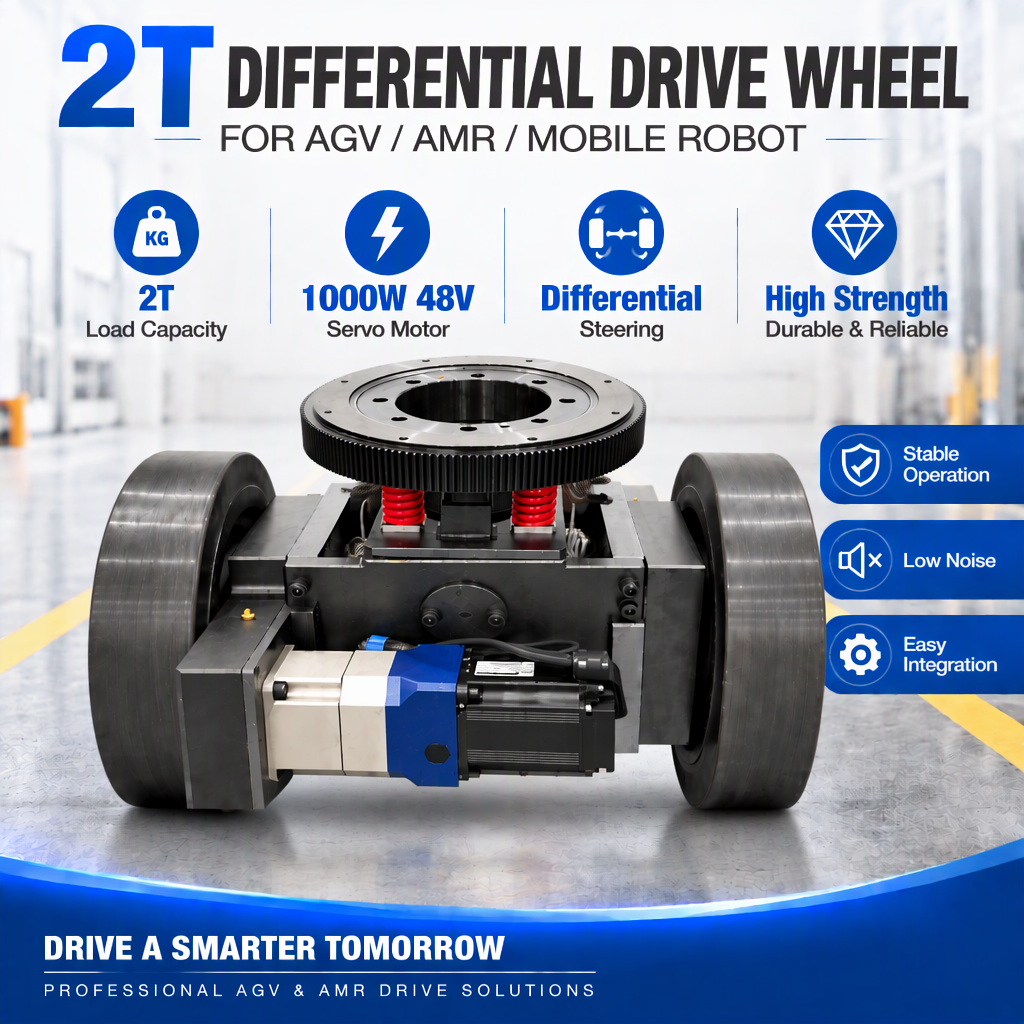
TZBOT 2000kg Traction Capacity Logistic Robot Part agv Amr Differential Steering Drive Wheel for Sale
For 2,000 kg traction loads such as pallet-moving logistics robots. Differential steering supports stable starts and stops with lithium battery torque delivery, reducing wheel slip on sealed concrete.
- 2000 kg traction
- Differential steering
- Logistics robot
- AMR ready
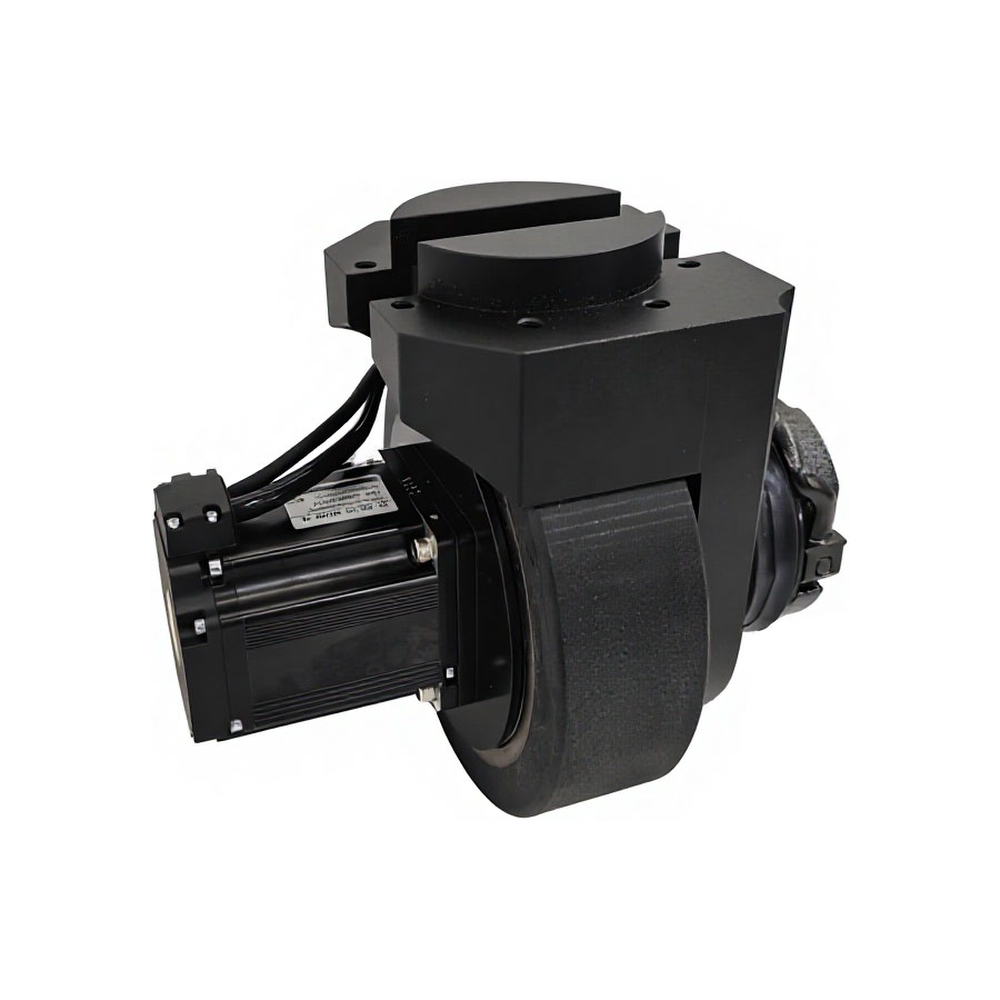
TZBOT 1000kg Bearing Capacity agv Wheel 1000w Servo Motor Material Handling Equipment Part Horizontal Drive Wheel
Horizontal layout for material handling equipment that needs a low build height. The 1000 kg bearing capacity and 1000 W servo motor make it a practical replacement platform for Vietnamese integrators.
- 1000 kg
- 1000 W
- Servo motor
- Horizontal drive
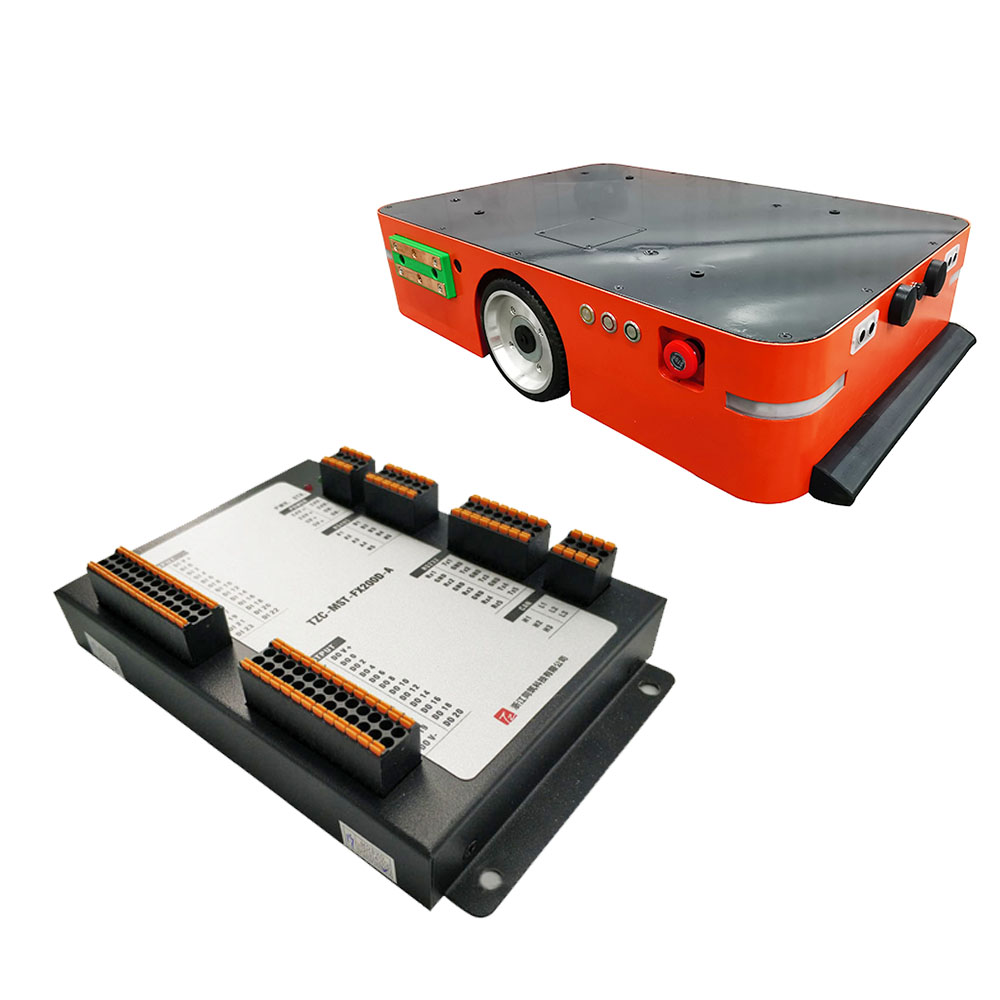
TZBOT Smart agv Controller for Commanding the AGV
Coordinates task commands and drive actions. For battery-powered fleets, the controller is the natural integration point for route logic, safety signals and drive parameters supplied with the BMS.
- AGV command
- System integration
- Servo matching
- Spare part
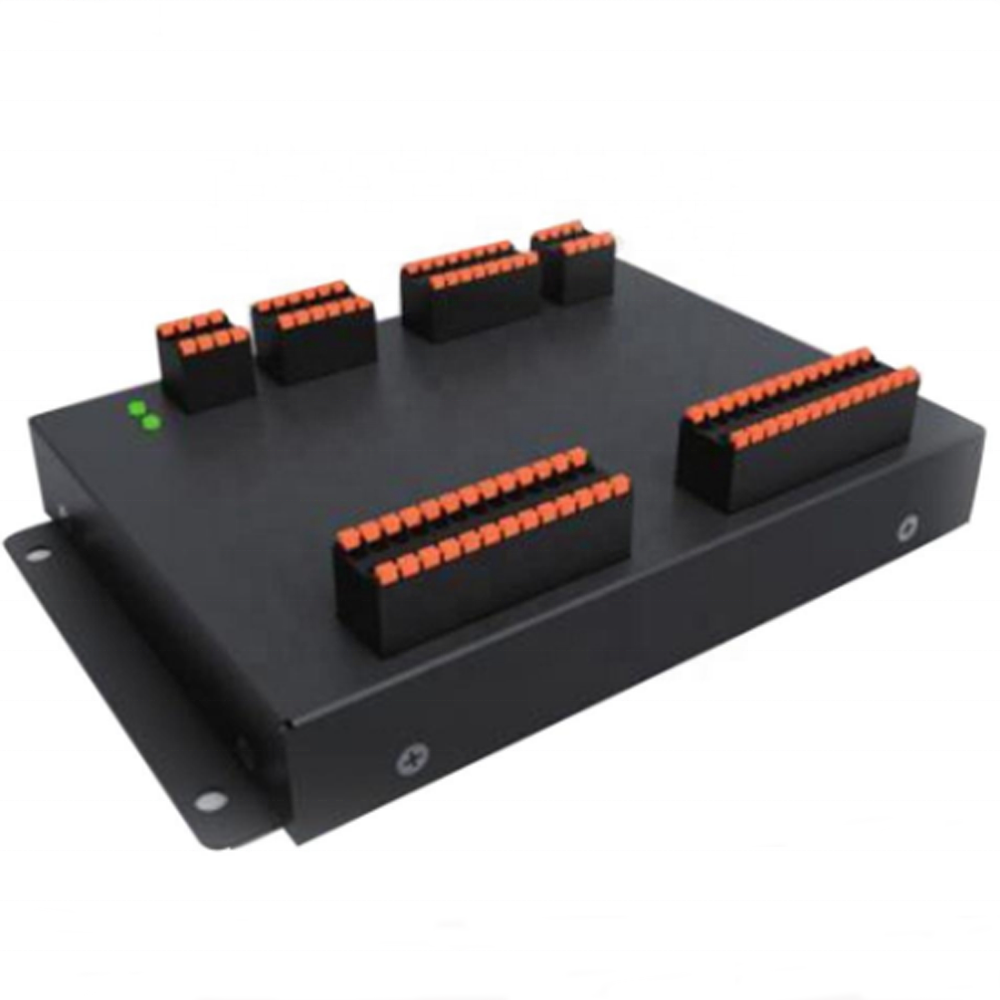
TZBOT FX Series Controller of HX Support Magnetic Tap Guided AGV
For fixed-route AGVs with magnetic tape guidance. This is a cost-controlled option for repetitive warehouse and factory lines where battery runtime is predictable and route changes are infrequent.
- Magnetic tape
- Fixed route
- FX series
- Low infrastructure
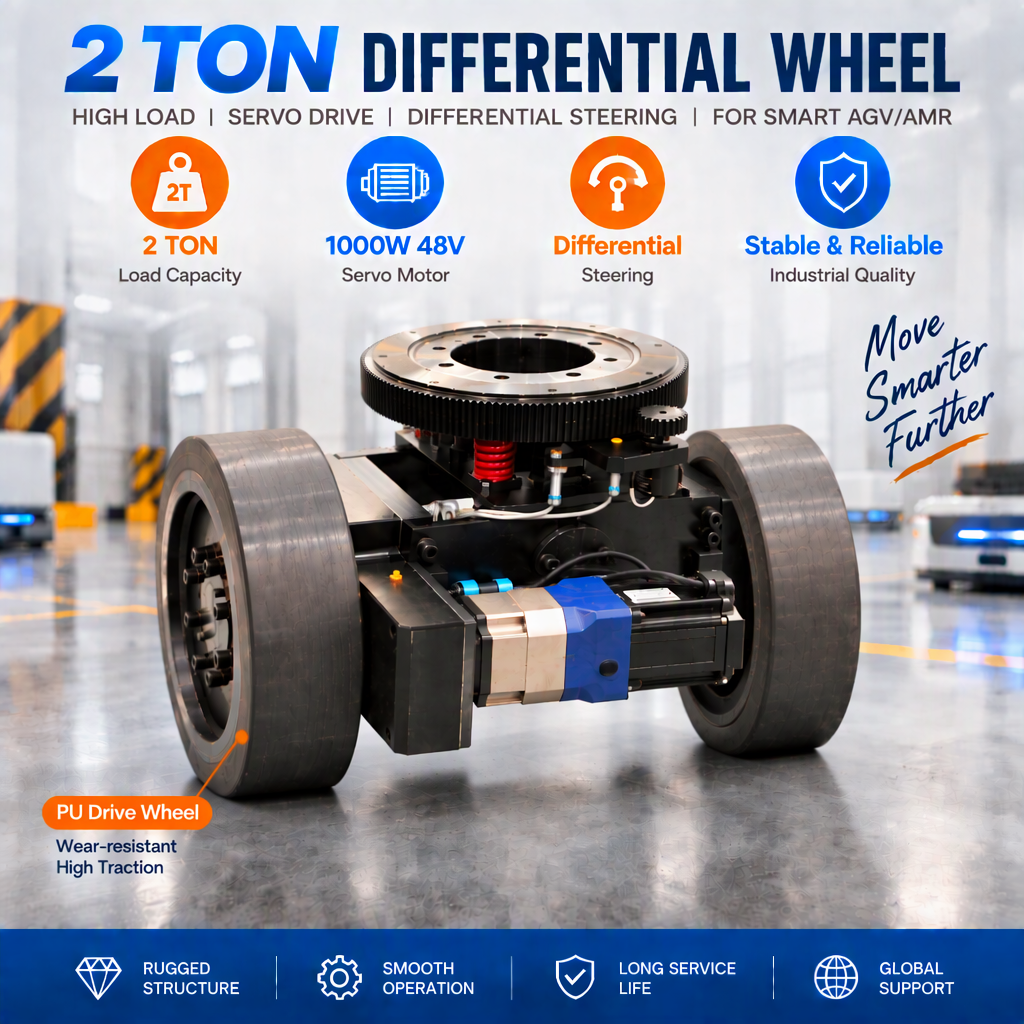
TZBOT 2000KG Heavy Duty Series AGV Wheel 1000w 48V Strong Power Mobile Robot Differential Drive Wheel with Spring Suspension
Strong 48 V traction for heavy mobile robots. Ask for moisture and salt-mist protection options when the robot will operate near Nha Trang port warehouses, processing plants or coastal cold stores.
- 2000 kg
- 1000 W
- 48 V
- Spring suspension
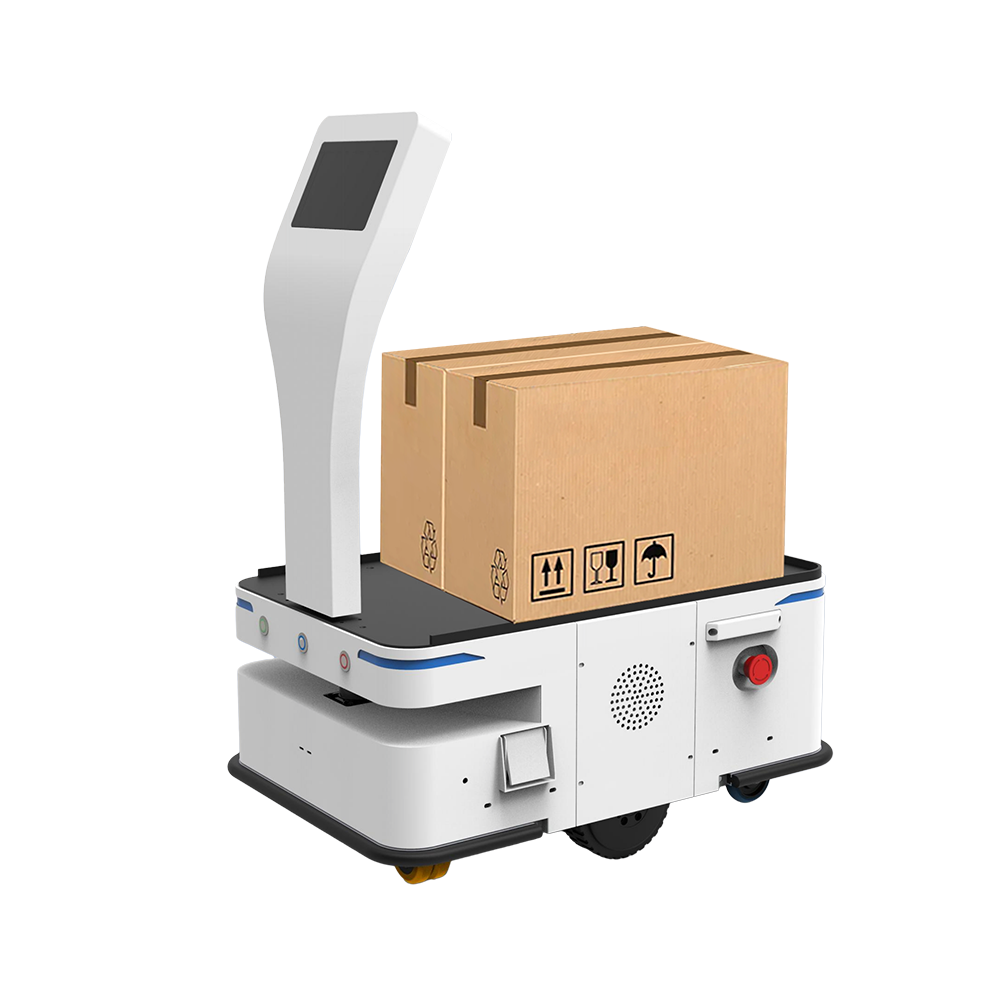
TZBOT High Precision Guidance Laser Slam Navigation Amr Robot 80kg Carrying Capacity Material Handling Amr Robot with 7 Inch HMI
A compact laser SLAM AMR for flexible routes where magnetic tape is impractical. The 80 kg carrying capacity suits resort back-of-house supply, retail replenishment and clean material handling.
- 80 kg
- Laser SLAM
- 7-inch HMI
- Flexible route
Why Nha Trang Buyers Need a Battery-and-Drivetrain Checklist, Not a Price-Only Quote
A low-priced AGV lithium battery quote can hide cost in the drive system. For Nha Trang projects, buyers should evaluate the battery pack, drive wheel, controller, navigation and service plan as one operating system.
Nha Trang is a coastal city in Khanh Hoa Province with a diversified economy built on tourism, seafood processing, port activity, retail and supporting logistics. Warehouses and resorts in the area often operate mixed shifts, and many sites cannot tolerate a full day of downtime for a charging fault or wheel replacement. That makes battery selection and mechanical integration a commercial decision, not only a technical one. Buyers comparing AGV lithium battery factories and exporters should therefore ask how the proposed pack will communicate with the vehicle controller, how the drive wheel is sealed, and how spare parts reach central Vietnam.
Coastal humidity, salt-laden air and seasonal heat make environmental protection important. A battery pack may be rated for warehouse duty, yet the controller enclosure, connectors and wheel bearings can still corrode if the vehicle is specified for open or semi-open areas. Request IP ratings, conformal coating, stainless fasteners, anti-corrosion treatments and a maintenance schedule. For the battery side, confirm the BMS functions: overcharge and over-discharge protection, temperature sensing, cell balancing and CAN or RS485 communication. LiFePO4 is often preferred for stationary warehouse and hospitality logistics because of its thermal stability and cycle life, while higher-energy-density chemistries require stricter thermal management and charging discipline.
For imports into Vietnam, the exporter should provide UN38.3 test documentation, MSDS, a test summary, packaging compatibility information, and clarity on state of charge for shipping. Battery-only shipments and battery-in-equipment shipments can have different transport requirements. Torqen's role is to reduce motion-side risk: drive wheels, servo or BLDC controllers, motors, magnetic/RFID sensors and laser SLAM AMR platforms that can be matched with a qualified lithium battery pack and BMS. That separation of responsibility is useful during sourcing, because the battery factory and the AGV drive exporter can each be held to clear specifications.
Where Lithium-Battery AGVs Fit in the Nha Trang Market
Battery-powered vehicles are most useful where quiet operation, clean floors, flexible routing and zero tailpipe emissions matter. These six scenarios reflect actual material-flow patterns in and around Nha Trang.
Seafood processing & cold chain
Move crates between freezing rooms, packing lines and dispatch areas. Specify sealed drive units, spring suspension and low-temperature battery BMS settings. Wet floors and cleaning chemicals make IP protection and bearing quality decisive.
Resort, hotel & retail back-of-house
Quiet AMRs can carry linen, beverages, amenities and replenishment supplies through service corridors. Laser SLAM navigation avoids magnetic tape in guest-facing areas, while 24 V platforms keep charging simple.
Port, warehouse & distribution
Pallet-transfer robots require high traction and stable starts. A 48 V lithium pack paired with a 2000 kg differential drive wheel and matched servo controller supports heavier duty cycles and fast opportunity charging.
Manufacturing & building materials
Factories using repetitive routes can benefit from magnetic-guided AGVs with low infrastructure cost. Monitor battery cycle depth and shift patterns to avoid oversizing the pack while undersizing the drive wheel.
Healthcare & pharmacy logistics
Clean, quiet transport for supplies and records favours compact AMRs and horizontal drive wheels. Battery charging should be planned away from patient areas, with clear thermal and electrical safety procedures.
Food, beverage & supermarket supply
Chilled and ambient zones place different demands on lithium batteries. Opportunity charging near receiving docks can improve uptime, but the charger, BMS and vehicle controller must share the same voltage and communication protocol.
Four Trends Influencing AGV Lithium Battery Sourcing in Nha Trang
Vietnam's automation growth is not uniform. Coastal sites often prioritise corrosion resistance, service response and charging flexibility over headline energy density.
LiFePO4 plus opportunity charging
Warehouse and hospitality teams are moving toward LiFePO4 packs and shorter, more frequent charging. This reduces range anxiety but places new emphasis on charger quality, BMS balancing and drive-system efficiency.
Green logistics and productivity pressure
Rising labour costs and sustainability targets are pushing Nha Trang businesses to pilot electric AGVs and AMRs. Buyers now ask for energy consumption per task, not only battery capacity in Ah.
Salt-mist and humidity-ready design
Coastal operations increasingly specify anti-corrosion coatings, sealed connectors, stainless hardware and spare-part kits. A battery pack alone cannot compensate for a corroded wheel bearing or controller terminal.
Local service and spare-part readiness
Integrators in central Vietnam value exporters that can provide drawings, parameter files and fast spare-part support. A complete bill of materials from one motion supplier shortens commissioning and maintenance.
How to Audit an AGV Lithium Battery Factory or Exporter for Nha Trang
Use this comparison framework when shortlisting suppliers. The goal is to verify safety, integration and after-sales evidence before samples are approved.
| Audit area | What to request | Why it matters in Nha Trang |
|---|---|---|
| Cell and pack traceability | Cell brand, batch records, BMS specification, wiring diagram, capacity test report and cycle-life data. | Coastal heat and humidity accelerate imbalance and terminal corrosion. Traceability helps diagnose field faults quickly. |
| Transport and safety documents | UN38.3 test summary, MSDS, IEC 62619 or equivalent pack safety evidence, CE or RoHS where applicable, and shipping state-of-charge instructions. | Importers need clear documents for sea and air freight to Vietnam. Missing paperwork can delay delivery and increase demurrage. |
| Environmental protection | IP rating of battery enclosure and connectors, salt-spray test evidence, anti-corrosion treatment, high-temperature charging limits and ventilation guidance. | Nha Trang sites can combine salt air, cleaning chemicals and seasonal heat. Protection must cover the entire vehicle, not only the cells. |
| Drivetrain integration | Voltage compatibility, controller communication protocol, regenerative-braking behaviour, drive-wheel current limits and emergency-stop logic. | A battery pack that is electrically healthy can still destabilise the drive if controller parameters and BMS limits are mismatched. |
| Warranty and spare parts | Warranty terms, replaced-part lead times, recommended spares kit, maintenance intervals and engineering contacts for central Vietnam. | Fleet uptime depends on fast access to wheels, controllers and sensors. Ask how the exporter supports commissioning after delivery. |
Information-gain tip: before requesting a quotation, prepare these five values: gross vehicle weight, target speed, maximum gradient, available chassis height, and battery voltage / capacity. These values determine the drive-wheel torque, reduction ratio, wheel diameter and controller current more reliably than a generic "AGV wheel" request.
| Nha Trang use case | Typical payload / voltage | Recommended drive / control | Battery selection note |
|---|---|---|---|
| Resort, retail and back-of-house logistics | 80–500 kg / 24 V | Horizontal drive wheel or compact laser SLAM AMR | Prioritise quiet operation, safe charging areas and predictable opportunity-charging windows. |
| Seafood cold store and processing | 500–1500 kg / 48 V | Heavy-duty differential drive with spring suspension | Specify low-temperature BMS limits, sealed connectors and corrosion-resistant hardware. |
| Port warehouse and pallet transfer | 1000–2000 kg / 48 V | 2000 kg traction differential steering wheel plus matched servo controller | Size the pack for peak current, not only average energy. Confirm regenerative-braking compatibility. |
| Flexible facility with frequent layout changes | 80–300 kg / 24 V or 48 V | Laser SLAM AMR with HMI and drive-wheel servo package | Balance battery capacity against charger location; avoid routing the robot through unauthorised areas for charging. |
Why Torqen Is a Trusted AGV Motion Exporter for Nha Trang Projects
Zhejiang Torqen Technology Co., Ltd. has manufactured AGVs, AGV drive wheel assemblies, motors, servo/BLDC controllers and navigation sensors since 2015. Torqen is not a lithium cell manufacturer; it is the motion and control partner that helps battery-pack factories, exporters and integrators deliver a compatible AGV platform.
Factory-verified quality
ISO 9001:2015 quality management, Intertek onsite verification, eight patents and five in-house testing instruments. Prototypes undergo extended-duration testing before production release.
OEM / ODM customisation
Sample-based and design-based customisation include motor power, voltage, reduction ratio, wheel diameter and tread, encoder type, brake options and mounting interfaces. Buyer-label packaging is available.
Matched electronics
Servo and BLDC drivers are matched to Torqen drive wheels, with magnetic guide sensors, RFID position sensors and lidar options. This reduces the risk of incompatible torque limits and wiring during commissioning.
Export-ready support
Payment methods include T/T, L/C, D/P, D/A, credit card, PayPal, Western Union and escrow. Delivery terms include FOB, CFR, CIF, EXW, CIP, FCA, CPT, DDU and express. Multi-currency quoting is supported.
Years in drive technology since 2015
Patents awarded for AGV designs
In-house testing instruments
Team scale within the 51–100 employee range

Zhejiang Torqen Technology Co., Ltd. — founded in 2015, ISO 9001:2015 certified and Intertek onsite-verified.

Export-focused sales and engineering support for AGV drive, control and sensor projects, with a reported 97.9% inquiry response rate.
From Battery-Powered AGV Specification to Shipment in Six Steps
A predictable process for buyers who need samples, documentation and production consistency.
Requirement review
Share load, speed, gradient, battery voltage, chassis height and Nha Trang operating environment.
Engineering proposal
Motor, reducer, wheel, controller and sensor are matched; drawings and parameters are provided.
Prototype build
Sample or design-based customisation is produced for fit and function checking.
Endurance testing
Extended runs and parameter checks reduce the risk of early field failure in humid conditions.
Mass production
Manufacturing is controlled under ISO 9001:2015 with inspection at defined stages.
Inspection and delivery
Final inspection, export packing and shipping support for Vietnam-bound orders.
AGV Lithium Battery Buying FAQ for Nha Trang Buyers
Practical answers for importers, integrators and factory teams comparing battery factories, exporters and AGV hardware suppliers.
Are AGV lithium batteries shipped to Nha Trang regulated as dangerous goods?
Yes, lithium batteries are commonly regulated for transport. Ask the exporter for UN38.3 test documentation, an MSDS, a test summary, proper packaging information and the shipping state of charge. Battery-only shipments and battery-in-equipment shipments may require different documentation, so confirm the terms with your freight forwarder before booking sea or air freight to Vietnam.
Which battery chemistry is better for Nha Trang: LiFePO4 or NMC?
LiFePO4 is often preferred for warehouse, resort, retail and cold-chain AGVs because it offers good thermal stability and long cycle life. NMC can offer higher energy density, but it usually requires stricter thermal management, charging discipline and enclosure design. The right choice depends on duty cycle, charger location, safety policy and whether the vehicle operates in a temperature-controlled area.
Should a Nha Trang AGV use 24 V or 48 V?
Compact AMRs and light back-of-house logistics often use 24 V. Higher payloads, pallet transfer and longer shifts usually favour 48 V because lower current reduces losses and heat. Do not mix a 24 V drive wheel with a 48 V pack unless the controller and motor are explicitly rated and configured for that system. Voltage matching should be confirmed at quotation stage.
How do I calculate the lithium battery capacity for an AGV?
Start with measured or estimated energy consumption per task, not only motor wattage. For a first estimate, multiply average current by duty hours, then divide by the usable depth of discharge and add a margin for humidity, heat, hills and battery ageing. Confirm peak current with the drive-wheel and controller supplier. A slightly larger pack can be safer than a smaller pack forced into deep cycles, but oversizing adds cost and weight.
What drive wheel is best for humid seafood cold stores in Nha Trang?
A heavy-duty differential drive wheel with spring suspension is often a practical choice because it maintains traction over floor transitions and protects the gearbox. Ask for sealed bearings, suitable IP protection, corrosion-resistant fasteners and a tread compound that remains stable at low temperature. Cleaning chemicals matter too, so the wheel and controller enclosure should be specified for the actual washdown or wipe-down routine.
Can Torqen support OEM / ODM integration with a battery-pack partner?
Yes. Torqen supports sample-based and design-based customisation, including motor power and voltage, reduction ratio, wheel diameter, tread material, encoder type, brake options and mounting interfaces. The engineering team can provide driver parameters, wiring guidance and drawings so the battery-pack factory or vehicle integrator can align BMS limits, controller settings and drive-wheel behaviour before mass production.
Which certificates and buyer checks matter most?
For the motion side, verify ISO 9001:2015, Intertek onsite verification, patent records and finished-product inspection. For the battery side, request UN38.3, IEC 62619 or equivalent pack safety evidence, MSDS and cell traceability. Buyers should also check warranty terms, spare-part lead times and whether the supplier can support commissioning in central Vietnam. A low price is not a quality certificate.
What payment and delivery terms are available for Nha Trang orders?
Torqen supports T/T, L/C, D/P, D/A, MoneyGram, credit card, PayPal, Western Union, cash and escrow, with quoting in USD, EUR, JPY, CAD, AUD, HKD, GBP and CNY. Delivery terms include FOB, CFR, CIF, EXW, CIP, FCA, CPT, DDU and express delivery. For Nha Trang projects, confirm whether the battery pack and AGV components will ship together or separately, because documentation and dangerous-goods handling can differ.
Ready to Shortlist a Battery-Compatible AGV Platform for Nha Trang?
Send your payload, speed, gradient, chassis height and battery voltage. Our application engineers will recommend a matched drive wheel, controller and navigation configuration for your Nha Trang project.
