Eight Factory-Direct Products for Medan Automation Projects
These eight components cover the core of an AGV traction system: heavy-duty drive wheels, horizontal and vertical drive units, a mapping controller, laser SLAM navigation, and robotic composite chassis. Buyers can source a single replacement part or build a matched drive train from one supplier.
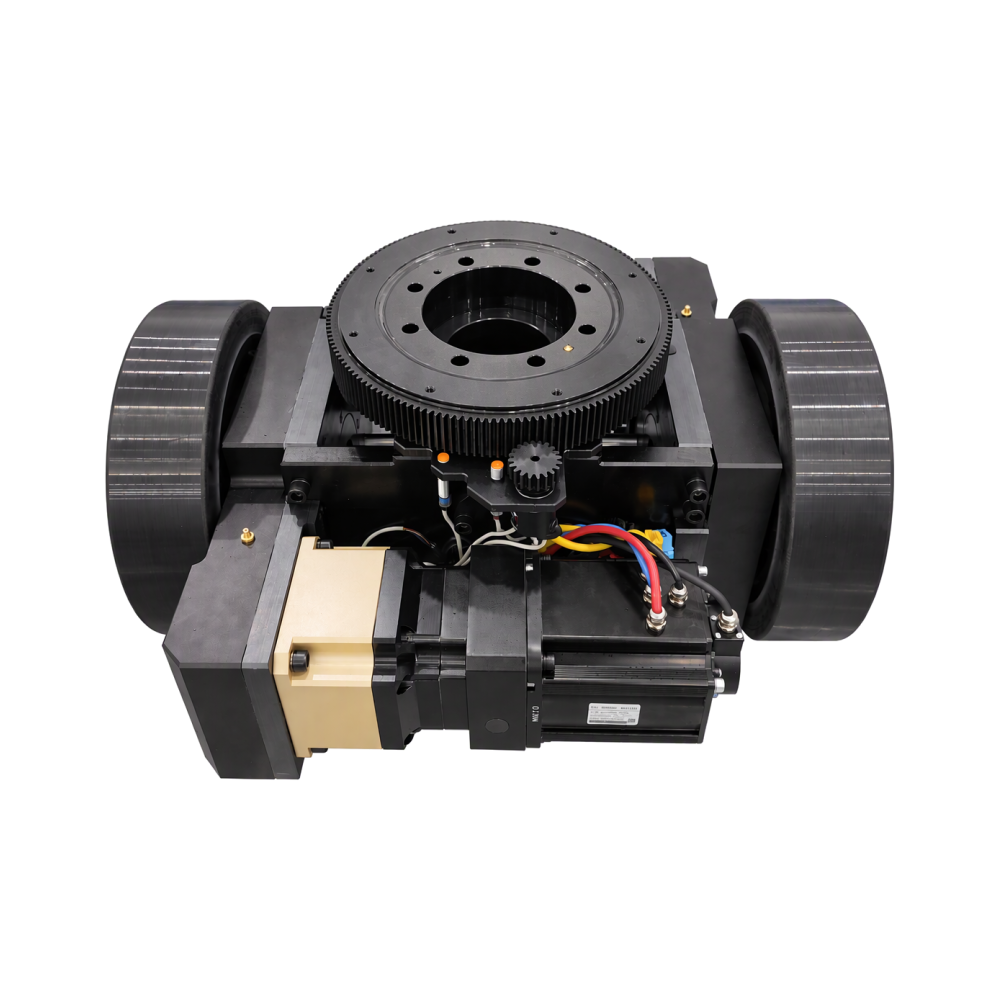
TZBOT Heavy Duty 3000kg Differential Drive Wheel
A robust 3,000 kg-class differential drive assembly for heavy pallet movers, container-yard carts and industrial traction platforms. The integrated motor and reducer package is suited to Medan projects that need high traction, stable braking and low maintenance in dusty environments.
- 3000 kg bearing capacity
- Differential drive
- Heavy material handling
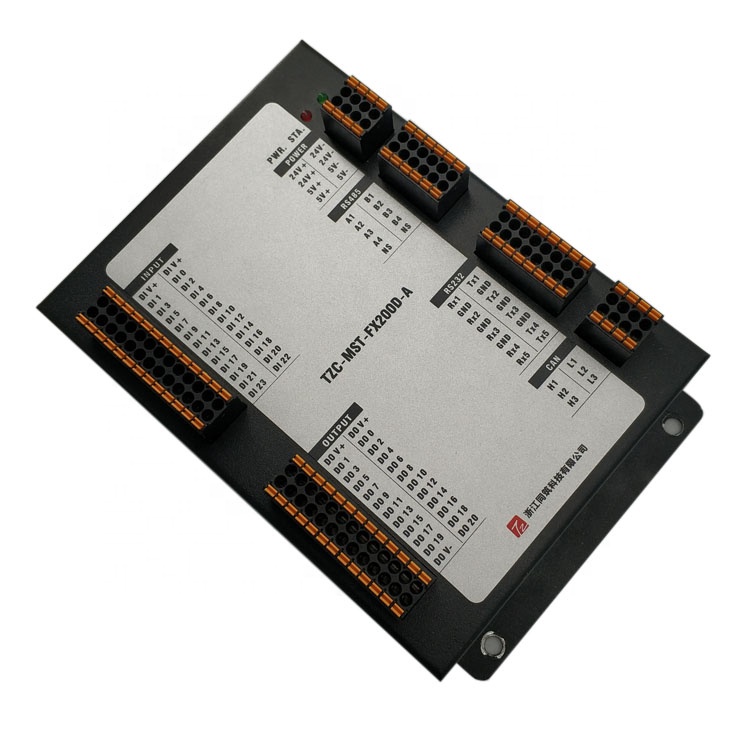
TZBOT TZC-MST-FX200D-A Smart AGV Controller
A compact mapping and auto-guide controller for AGV builders that need a practical navigation brain. It supports route teaching and guide control, making it useful for mixed manual-to-automated warehouse pilots in Medan and North Sumatra.
- Mapping and auto guide
- AGV navigation control
- Integration ready
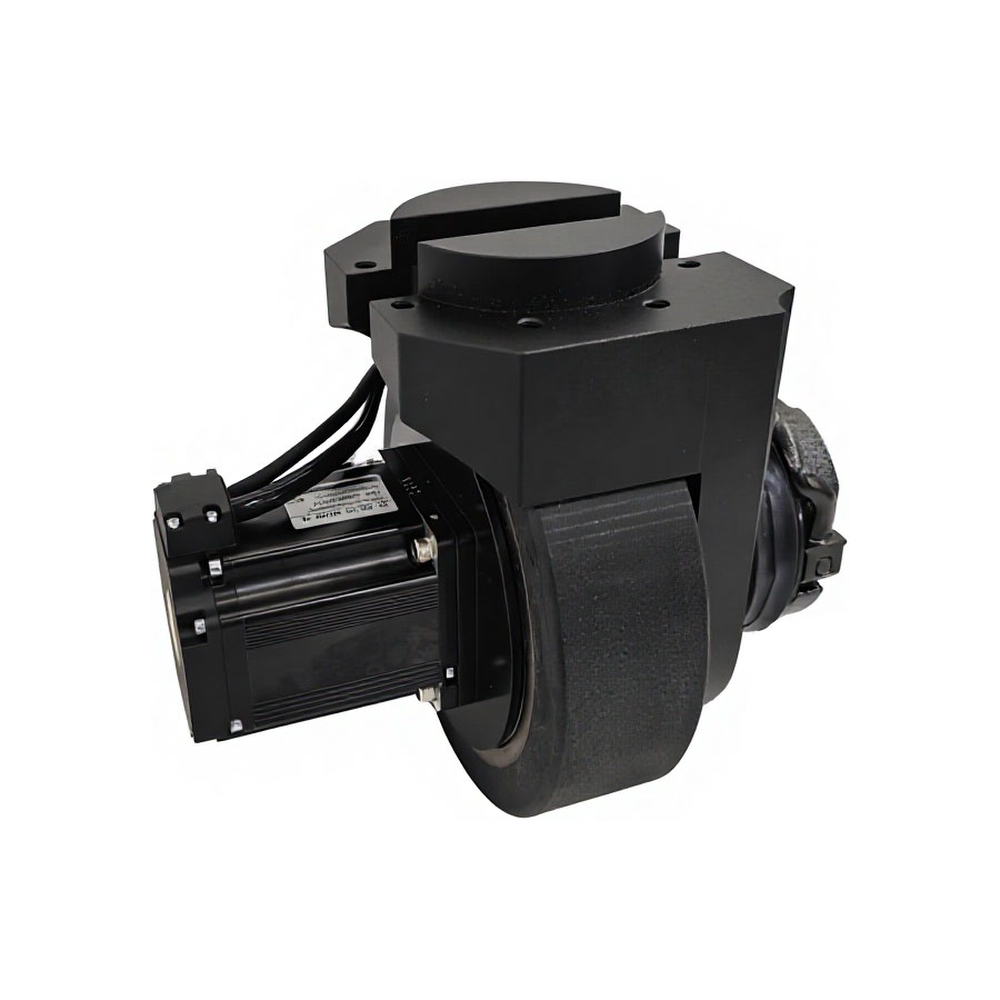
TZBOT 1000kg Horizontal Drive Wheel with 1000W Servo Motor
A horizontal-layout traction unit for low-clearance chassis. It fits 1,000 kg material handling carts, mobile workstations and automated towing platforms where vertical mounting space is limited but reliable servo control is required.
- 1000 kg capacity
- 1000 W servo motor
- Horizontal drive
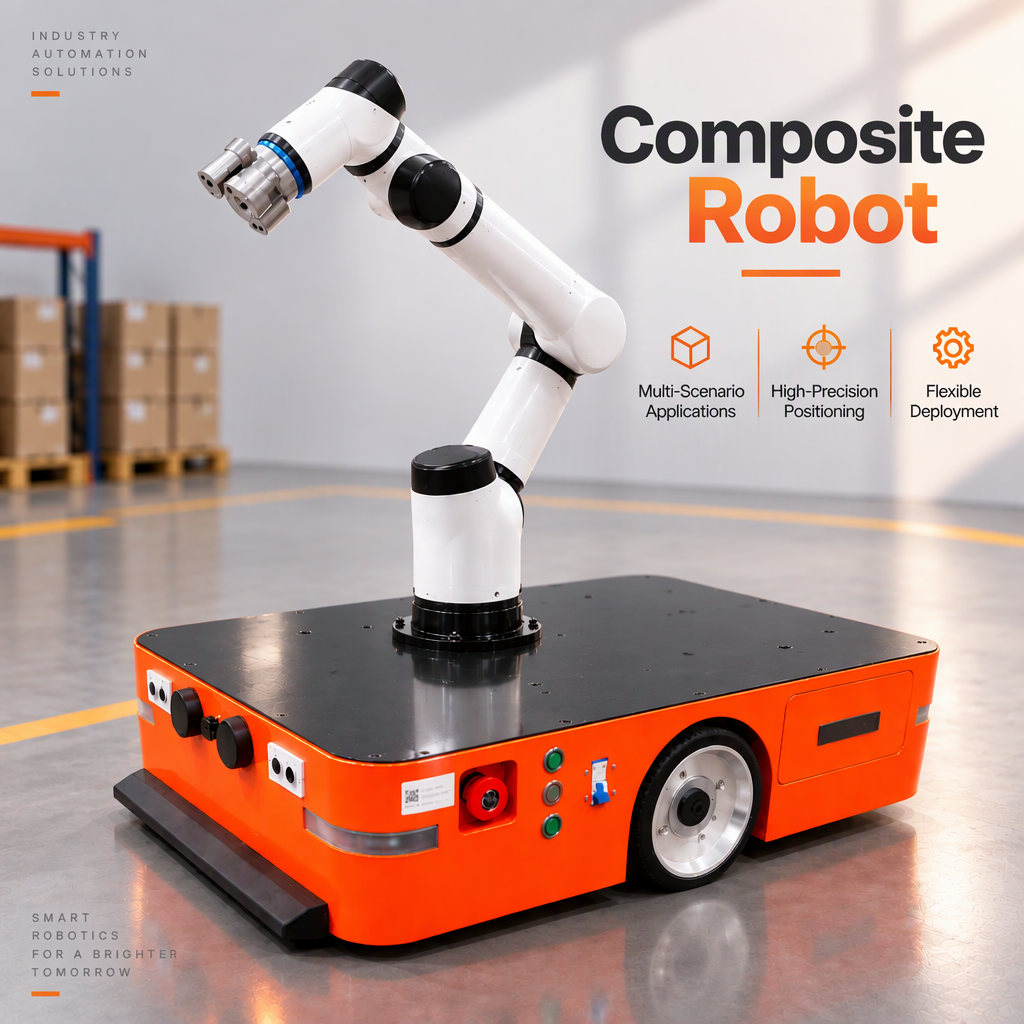
TZBOT 200kg Backpack AGV with Robotic Arm
A magnetic-guided composite robot with a 200 kg load chassis and robotic-arm integration. It is useful for repetitive pick-and-place, machine tending, inspection and small-parts assembly in electronics or automotive component plants.
- 200 kg load chassis
- Magnetic guidance
- Robotic arm integration
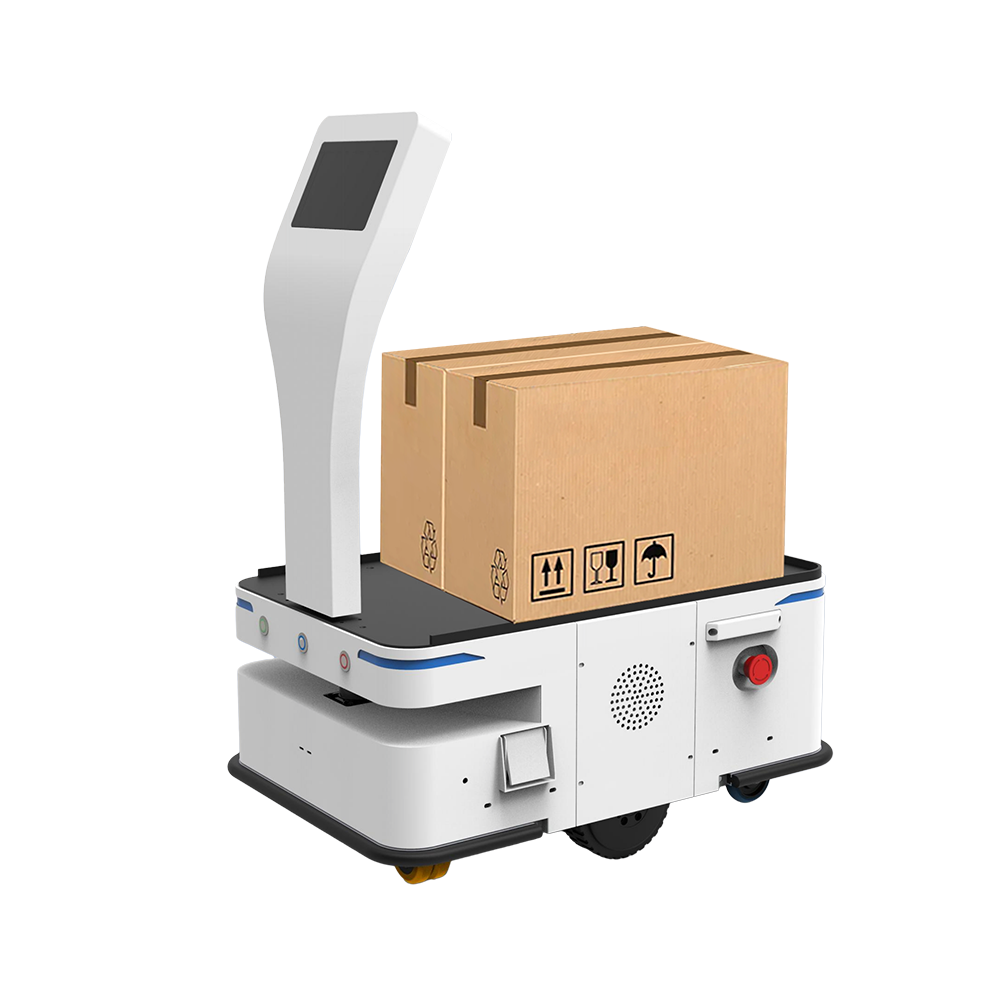
TZBOT Laser SLAM 80kg Material Handling AMR
A laser SLAM navigation AMR with a 7-inch HMI for flexible routes without floor tape. It suits Medan facilities that change layouts frequently, run mixed SKUs, or need natural-feature navigation in e-commerce and light manufacturing.
- 80 kg carrying capacity
- Laser SLAM
- 7-inch HMI
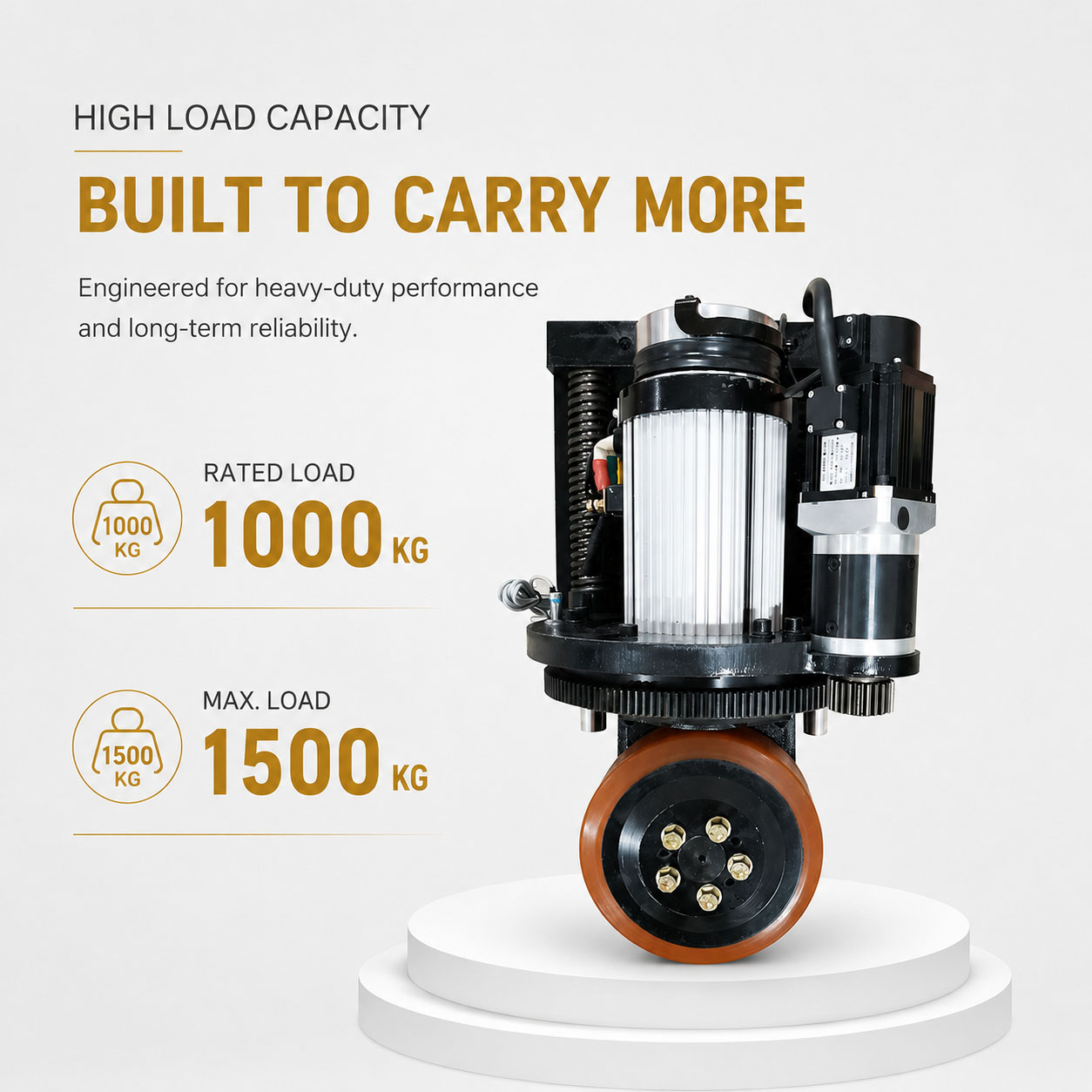
TZBOT 1000kg AGV Forklift Driving Wheel with Suspension
A 1,000 kg bearing-duty drive wheel with a 1,500 W servo motor and suspension for automatic forklifts and tricycle-type AGVs. Suspension helps maintain wheel contact on less-than-perfect industrial floors, reducing vibration and traction loss.
- 1000 kg bearing duty
- 1500 W servo motor
- Suspension design
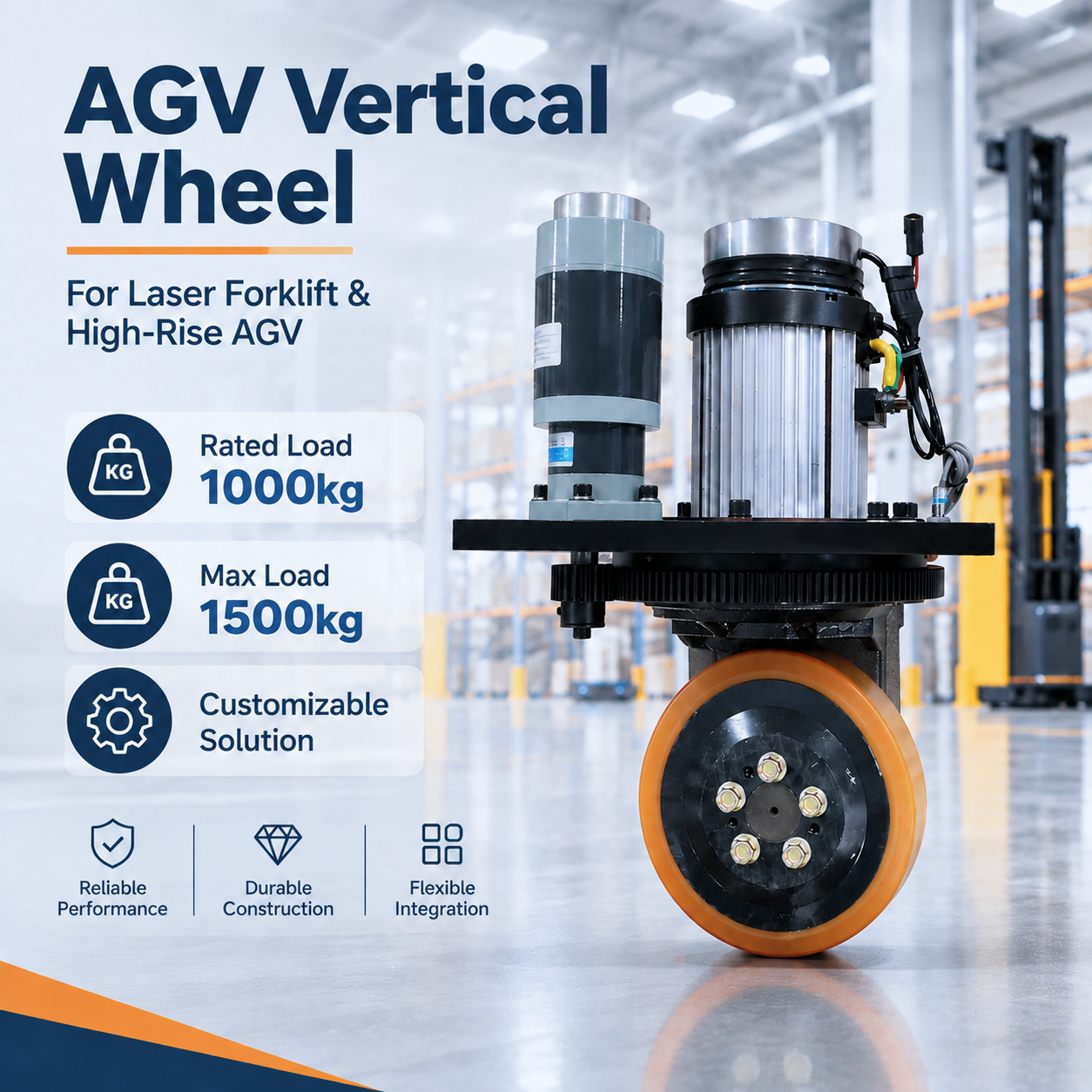
TZBOT 1500W Vertical Electric Traction Drive Wheel
A vertical driving unit with 2,590 r/min and 1,500 W electric traction for steering forklift accessories and compact drive modules. It is a practical choice for space-constrained chassis that still need responsive steering and reliable torque.
- 1500 W traction
- 2590 r/min
- Vertical drive unit
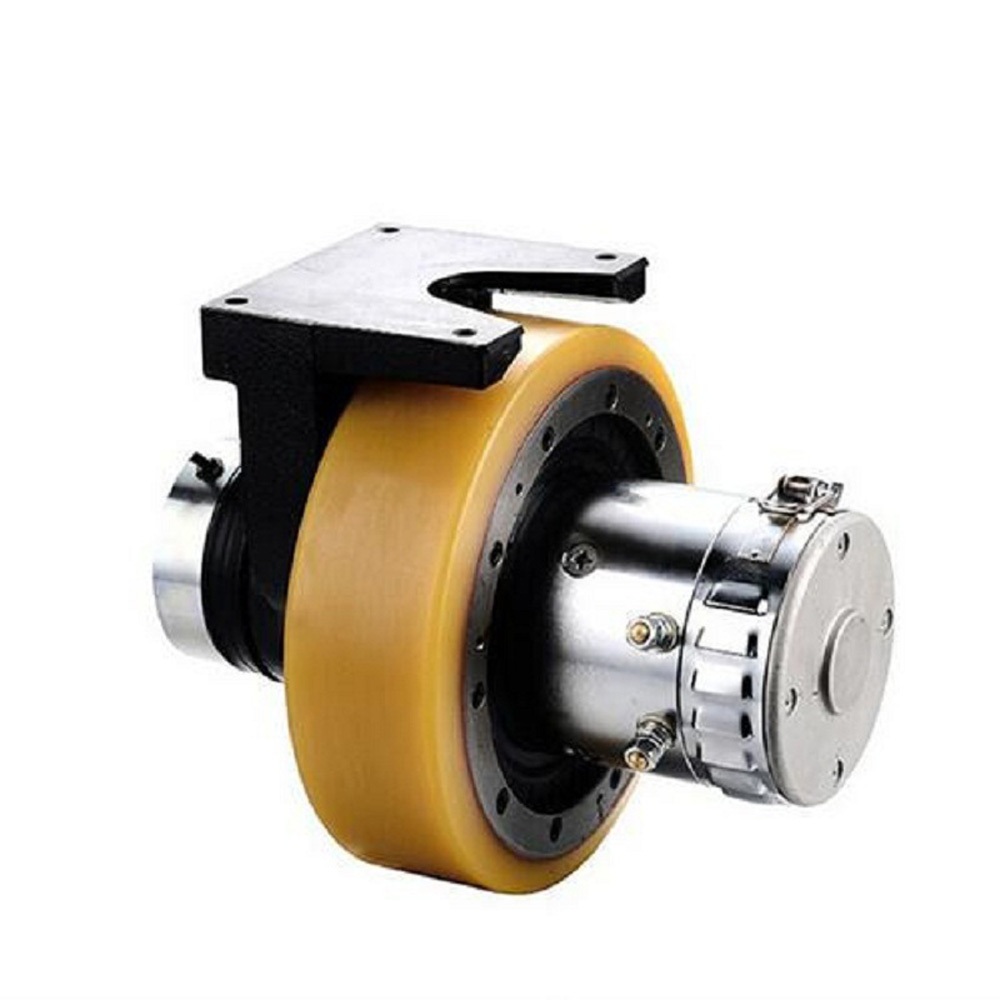
TZBOT TZ18-D12 1200W 24V Horizontal Drive Wheel
A 24 V, 1,200 W horizontal wheel assembly with omnidirectional automatic steering capability. It supports agile movement and precise positioning in dense storage, production cells and compact logistics areas where every square metre matters.
- 1200 W / 24 V
- Omnidirectional steering
- Horizontal wheel unit
One Factory for the Complete AGV Traction Drive Train
Buying wheels, motors, drivers and sensors from separate vendors increases integration risk. Torqen designs, matches and tests them together, so Medan OEMs and end users can move from specification to a working prototype with fewer unknowns.
Matched mechanical and electronic design
Drive wheels, servo and BLDC controllers, motors and navigation sensors are engineered as a system. This reduces compatibility issues during commissioning and simplifies spare-parts planning.
Test-led release before shipment
Five in-house testing instruments support finished-product inspection, and prototypes undergo extended-duration testing before production parts are released. Buyers receive traceable quality records.
OEM/ODM flexibility
Sample-based customization, design-based customization, OEM production, design services and buyer-label packaging are available. Motor power, voltage, reduction ratio, wheel diameter, tread, encoder and mounting interfaces can be adapted.
Export-ready terms to Medan
Flexible payment and delivery terms include T/T, L/C, D/P, D/A, PayPal and escrow, with FOB, CIF, EXW, CIP, FCA, CPT, DDU and express options for Indonesian buyers.
Where Traction AGVs Fit in Medan’s Logistics and Manufacturing Economy
Medan is one of Sumatra’s largest urban economies and a gateway for goods moving through Belawan Port, Kualanamu airport, the Trans-Sumatra Toll Road and industrial areas such as Kawasan Industri Medan. For local distributors, manufacturers and logistics operators, the practical question is not whether automation is fashionable, but where a traction AGV can remove repeated movement, reduce product damage and stabilise throughput during labour peaks.
This is why Medan buyers often start with a focused automation cell: a pallet transfer route, a line-side replenishment loop, a cross-docking lane, or a repetitive machine-tending task. A successful pilot depends on the traction drive, navigation method, floor condition and service plan being specified together. Torqen’s product range covers these variables with differential, horizontal, vertical and suspension drive units, plus controllers and sensors that can be matched in-house.
- For warehouse operators: start with a 1,000 kg horizontal drive or a 3,000 kg differential unit, then define guide paths, safety zones and charging points.
- For OEM integrators: combine Torqen drive wheels with matched servo/BLDC controllers and mapping or magnetic guide sensors to shorten development cycles.
- For factories: use compact AMRs or composite robot chassis for line-side delivery, inspection and machine tending where fixed conveyors are too rigid.
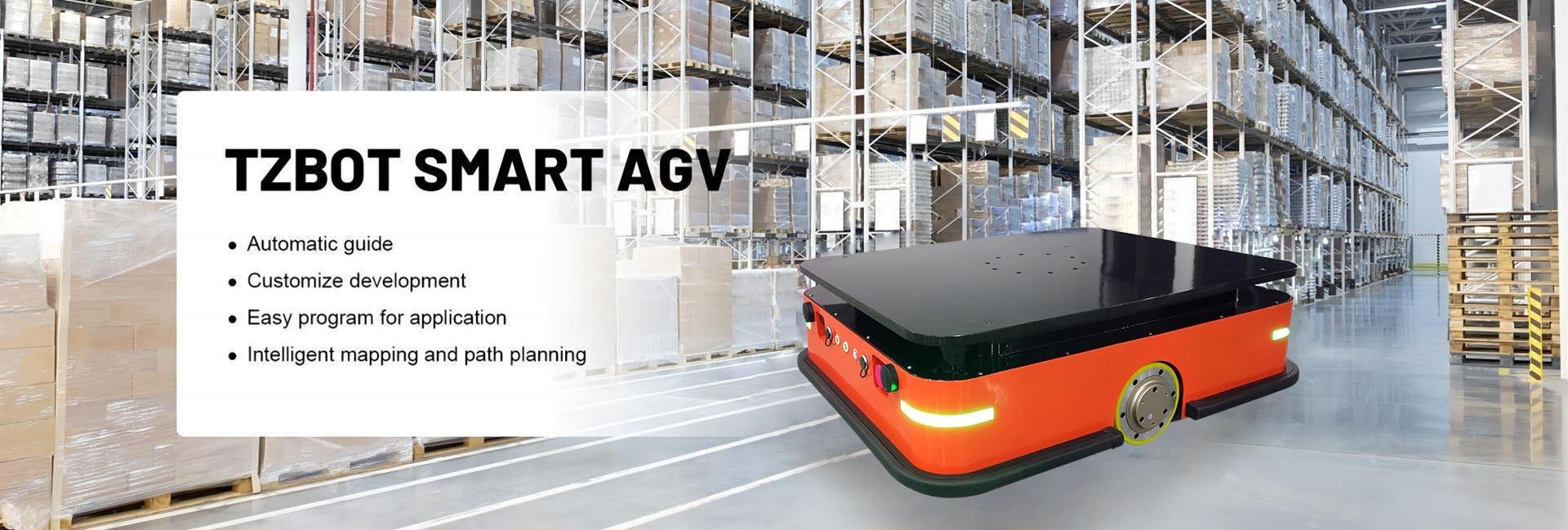
Six Practical Traction AGV Use Cases for Medan Buyers
These scenarios reflect common material-flow challenges in North Sumatra. The right configuration depends on load, route, floor, battery strategy and the level of local technical support available.
Warehouse and distribution centres
Use horizontal drive wheels and differential units for pallet transfer, cross-docking and shelf-to-person replenishment. Keep routes simple at first, then add RFID or QR stations for junction control and speed zones.
Belawan port and customs-linked logistics
Heavy-duty 3,000 kg differential drive assemblies suit container-yard carts, cross-dock trolleys and heavy pallet movers. For ramps, dust and continuous duty, specify braking, tread and maintenance intervals early.
Palm oil, rubber and agro-processing
Dust, humidity and long shifts make service access important. Choose drive units with robust sealing and easy inspection, and plan spare wheels, controllers and sensors before the rainy-season peak.
FMCG and e-commerce fulfilment
Laser SLAM AMRs and 200–1,000 kg drive platforms support flexible picking, packing and dispatch flows. Natural-feature navigation reduces disruption when racking or packing lines are rearranged.
Automotive parts and electronics assembly
The 200 kg backpack AGV with robotic arm and the 80 kg laser SLAM AMR are suited to repetitive machine tending, inspection and small-parts delivery. Clean routes and stable Wi-Fi help HMI and fleet coordination.
Cold chain and pharmaceutical distribution
Condensation, cleaning routines and safety zones should be reviewed before deployment. Specify HMI language, emergency-stop behaviour, battery charging strategy and after-sales response for cold-room access.
What Is Changing in Medan’s Intralogistics Market?
Local buyers are moving from isolated automation trials to repeatable deployment. The strongest projects combine a clear material-flow problem, a serviceable drive system and a realistic local support plan.
From fixed magnetic tape to hybrid navigation
Magnetic guide sensors remain cost-effective for stable routes, but Medan warehouses increasingly combine RFID position tags, QR stations and laser SLAM. Hybrid navigation gives operators a migration path: fixed routes for high-repeatability lanes, natural-feature navigation for changing layouts.
Higher payload traction for port-linked logistics
Belawan Port and the Trans-Sumatra corridor create demand for 1,000–3,000 kg traction platforms. Buyers are paying more attention to wheel tread, suspension, braking and thermal performance because a heavy AGV that loses traction can stop an entire cross-dock lane.
Serviceability is becoming a purchasing criterion
Local maintenance access, Indonesian-language documentation, spare-parts availability and remote commissioning support now influence vendor selection. A lower-priced drive wheel is not economical if a replacement takes weeks to arrive during peak season.
Indicative application fit for Medan projects
This qualitative dashboard helps buyers frame a first conversation. It is not a market statistic; it reflects how often Torqen’s product configurations are requested for these material-flow tasks.
Specification checklist before requesting a quote
- Gross vehicle weight, payload and load centre.
- Target speed, acceleration, braking distance and daily duty cycle.
- Floor flatness, ramps, thresholds, dust, humidity and wash-down routine.
- Battery voltage, charging window, available chassis height and mounting space.
- Preferred navigation method, safety sensors and local service plan.
Questions Medan Buyers Ask Before Ordering Traction AGVs
These answers reflect common sourcing, shipping and integration questions from Indonesian buyers. For project-specific compliance, always confirm with your customs broker and local technical team.
Are you an AGV supplier and exporter to Medan, and which shipping route is used?
Yes. Zhejiang Torqen Technology Co., Ltd. supplies AGV drive wheels, controllers, sensors, complete mobile platforms and accessories to overseas buyers. For Medan, shipments are typically arranged to Belawan Port or via express courier for samples and urgent spare parts. We can discuss FOB, CIF, EXW, DDU and other delivery terms based on your forwarder and customs preferences.
Which traction AGV product should a Medan warehouse start with?
Start with the material-flow problem. For pallet transfer in a distribution centre, a 1,000 kg horizontal drive wheel or a 3,000 kg differential drive assembly is often a practical baseline. For flexible e-commerce routes, an 80 kg laser SLAM AMR may be more suitable for pilot deployment. For machine tending, the 200 kg backpack AGV with robotic arm can be evaluated. Share your load, route and floor data and Torqen engineers can recommend a configuration.
What is the typical lead time for samples and production orders?
Lead time depends on whether the item is a standard catalogue product or an OEM/ODM configuration. Standard samples can usually be quoted with a shorter schedule, while customized motors, wheels, encoders or mounting interfaces require engineering review and prototype testing. Production timing also depends on quantity and shipping method. Provide your target installation date early so the quotation can include realistic sampling and freight assumptions.
Can you support OEM/ODM customization for Indonesian voltage and chassis requirements?
Yes. Torqen offers sample-based customization, design-based customization, OEM production, design services and buyer-label packaging. Typical customizations include motor power and voltage, reduction ratio, wheel diameter and tread material, encoder type, brake options and mounting interfaces. For Medan projects, buyers should specify the battery voltage, charger input, control architecture and any local power-protection requirements.
How is product quality verified before shipment?
The quality management system is certified to ISO 9001:2015, and the facility has been verified onsite by Intertek. Torqen uses five in-house testing instruments for finished-product inspection, and prototypes undergo extended-duration testing before production parts are released. Buyers can request inspection documentation, test records and packing details as part of the order confirmation process.
What after-sales support is available for Medan buyers?
Support includes integration assistance such as wiring diagrams, driver parameter files and commissioning guidance, plus spare-parts supply and fault analysis backed by production records. Online response is available around the clock, with a 97.9% inquiry response rate. For critical projects, discuss a local integrator, maintenance training and recommended spare-parts kit before shipment.
What payment methods, currencies and delivery terms are accepted?
Accepted payment methods include T/T, L/C, D/P, D/A, MoneyGram, credit card, PayPal, Western Union, cash and escrow. Currencies include USD, EUR, JPY, CAD, AUD, HKD, GBP and CNY. Delivery terms include FOB, CFR, CIF, EXW, CIP, FCA, CPT, DDU and express delivery. Final terms are confirmed in the quotation.
Do we need special local certification for AGV components in Indonesia?
Certification requirements depend on the product, application and current Indonesian regulations. Torqen provides ISO 9001:2015 quality documentation and product information for customs and technical review. Buyers should confirm any SNI, electrical-safety, wireless or industry-specific requirements with their customs broker, local integrator or compliance consultant before placing a production order.
Zhejiang Torqen Technology Co., Ltd. at a Glance
Founded in 2015, Torqen designs and manufactures automatic guided vehicles, AGV drive wheel assemblies, DC/AC motors, encoders, reducers, motor controllers, caster and PU wheels, and in-wheel motor units for automation builders worldwide.
Complete drive-train supply
One supplier for drive wheels, motors, drivers, sensors, smart controllers and accessories reduces integration friction and simplifies procurement documentation.
Verified manufacturing profile
ISO 9001:2015 certification, Intertek onsite verification, 8 patents, a 1,000–3,000 m² factory and a 51–100 person team support repeatable production.
Engineering-led customization
OEM/ODM support covers motor power, voltage, reduction ratio, wheel diameter, tread, encoder, brake and mounting interfaces. Prototypes are tested before release.
Export and service readiness
Flexible payment and delivery terms, 4.9/5 buyer rating, trade-show experience and 24/7 online response help Medan buyers manage cross-border purchasing.
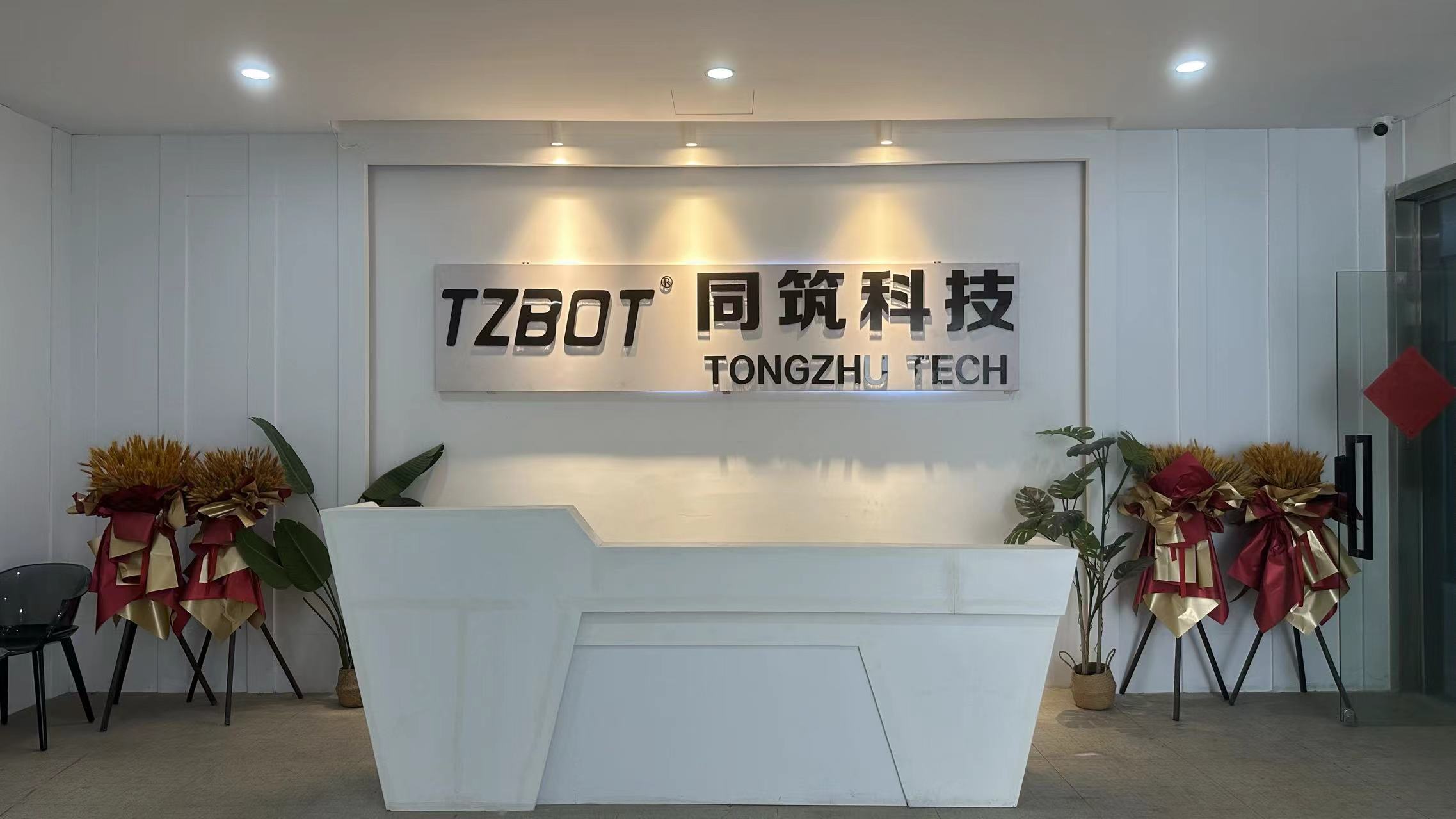
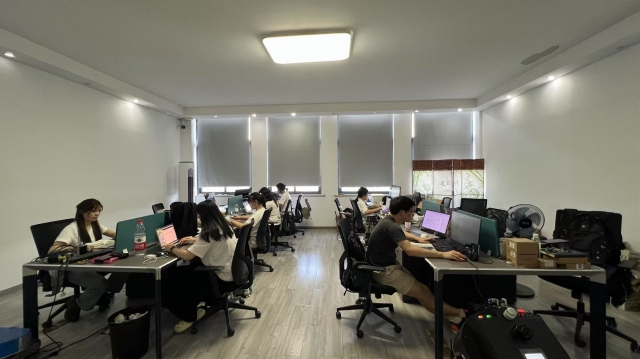
- ISO 9001:2015
- Intertek onsite-verified
- 8 patents
- 5 testing instruments
- OEM / ODM
- Buyer-label packaging
- Trade-show proven
- Global export
From Medan Specification to Shipment in Six Steps
A transparent process for engineering buyers who need predictable sampling, testing and production.
Requirement review
Load, speed, voltage, floor condition and chassis height are assessed.
Engineering proposal
Motor, reducer, wheel and controller are matched; drawings are shared.
Prototype build
Sample-based or design-based customization is produced for evaluation.
Endurance testing
Extended-duration runs and parameter checks reduce launch risk.
Mass production
ISO 9001:2015 controlled manufacturing with traceable records.
Inspection and delivery
Final inspection, export packing and shipping to Belawan or your forwarder.
Application engineering support for Medan integrators
Torqen can supply wiring diagrams, driver parameter files and commissioning guidance so your team can integrate a traction drive faster. For repeat builds, we can discuss buyer-label packaging, spare-parts kits and production scheduling.

Request a Medan-Specific Traction AGV Quote
Share your payload, route, floor condition, battery voltage and target timeline. Torqen engineers will recommend a drive wheel, controller and navigation configuration for your Medan warehouse, port logistics or factory project.
info@torqenbot.com