Eight AGV Products for Wireless-Charging and Opportunity-Charging Projects
These are the product families most often checked by Chiang Mai buyers evaluating an AGV drive and charging system. All product links are preserved below. Images are displayed in full proportion with no forced cropping.
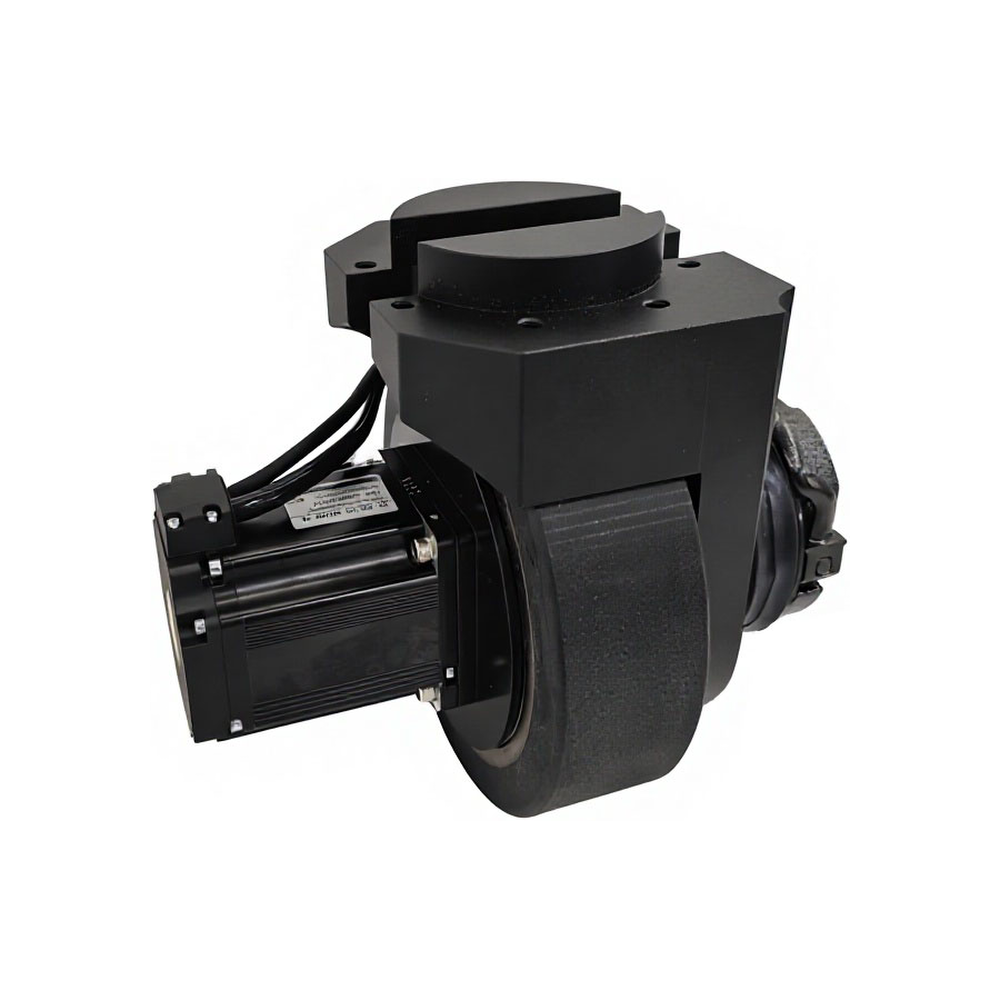
TZBOT agv Wheel Traction Accessories 1000kg Heavy Duty Capacity Material Handling Equipment Part Horizontal Drive Wheel Assembly
A heavy-duty horizontal drive assembly for low-clearance AGV chassis, latent lifting vehicles and under-cart material handling.
View product details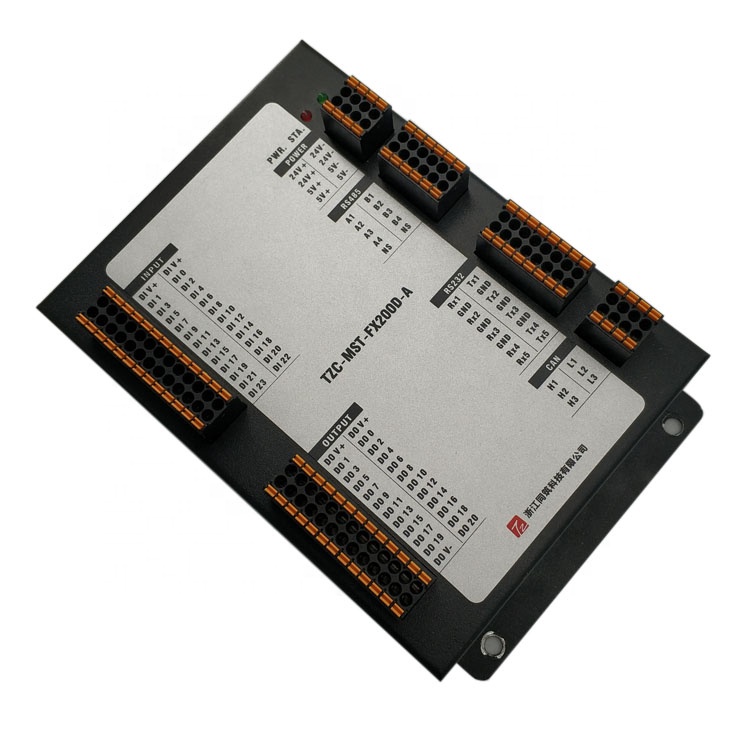
TZBOT AGV Smart Controller TZC-MST-FX200D-A with Function of Mapping and Auto Guide for agv
Suited to projects that require route guidance, mapped station logic and integration between drive, navigation and charging behaviour.
View product details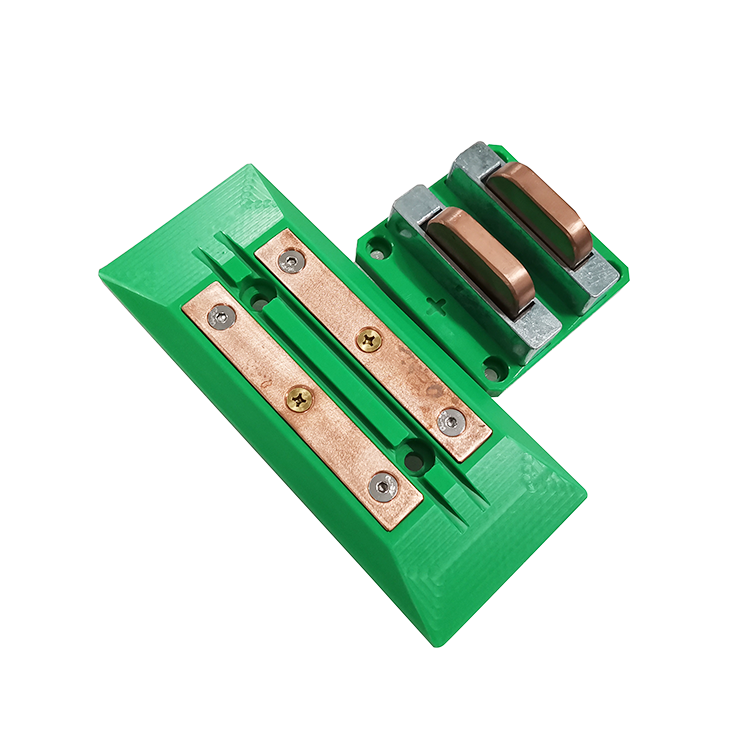
TZBOT Charger Pad Model TZ-CP-50A with Brush Plate and Brush Block for AGV Navigation Vehicles
A practical brush-contact opportunity-charging pad for dry, high-utilisation AGV fleets that need automatic dock charging.
View product details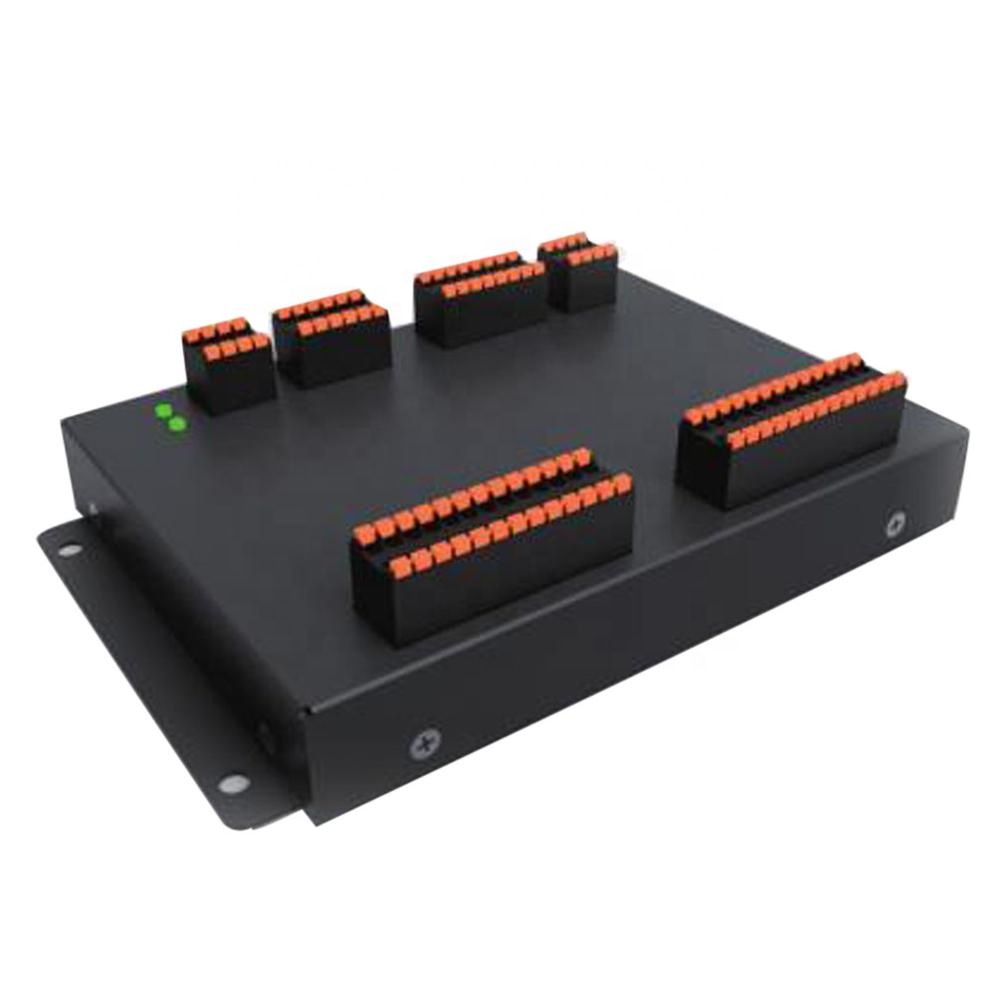
TZBOT Smart Controller TZC-MST-FX200D-A for Guiding the AGV Robot
A control building block for custom AGV robots, station recognition, route decisions and vehicle-level coordination.
View product details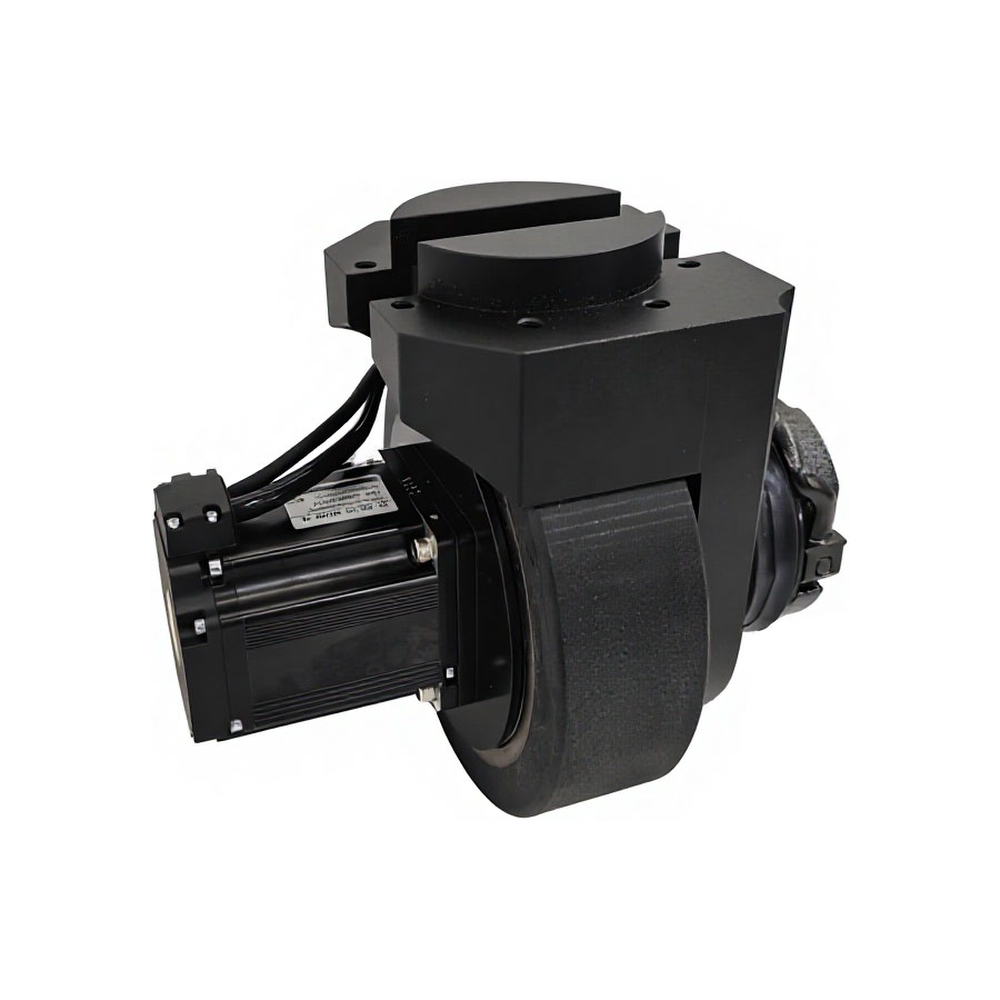
TZBOT 1000kg Bearing Capacity agv Wheel 1000w Servo Motor Material Handling Equipment Part Horizontal Drive Wheel
A high-load horizontal drive wheel for material handling equipment that demands torque, stability and repeatable positioning.
View product details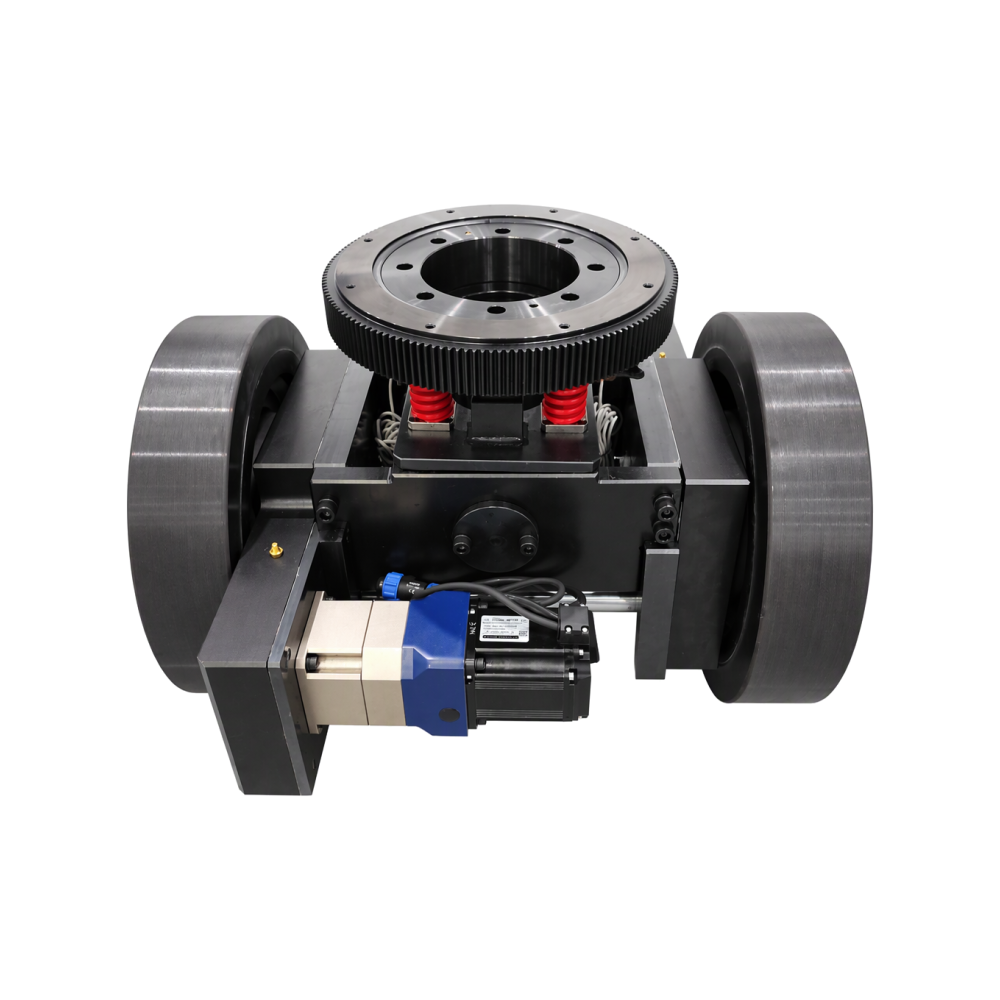
TZBOT Heavy Duty Series agv Wheel 1000w 48v Servo Motor Control Mobile Robot Differential Drive Wheel with Spring Suspension
A spring-suspension differential drive wheel for ramps, less-perfect floors and heavy mobile robots that need traction.
View product details
TZBOT Customizable Composite Robot Multi Applications 600kg Bearing Chassis AGV AMR with Robotic Arm
An AGV/AMR chassis platform with robotic arm for flexible manufacturing cells, electronics handling and medical logistics concepts.
View product details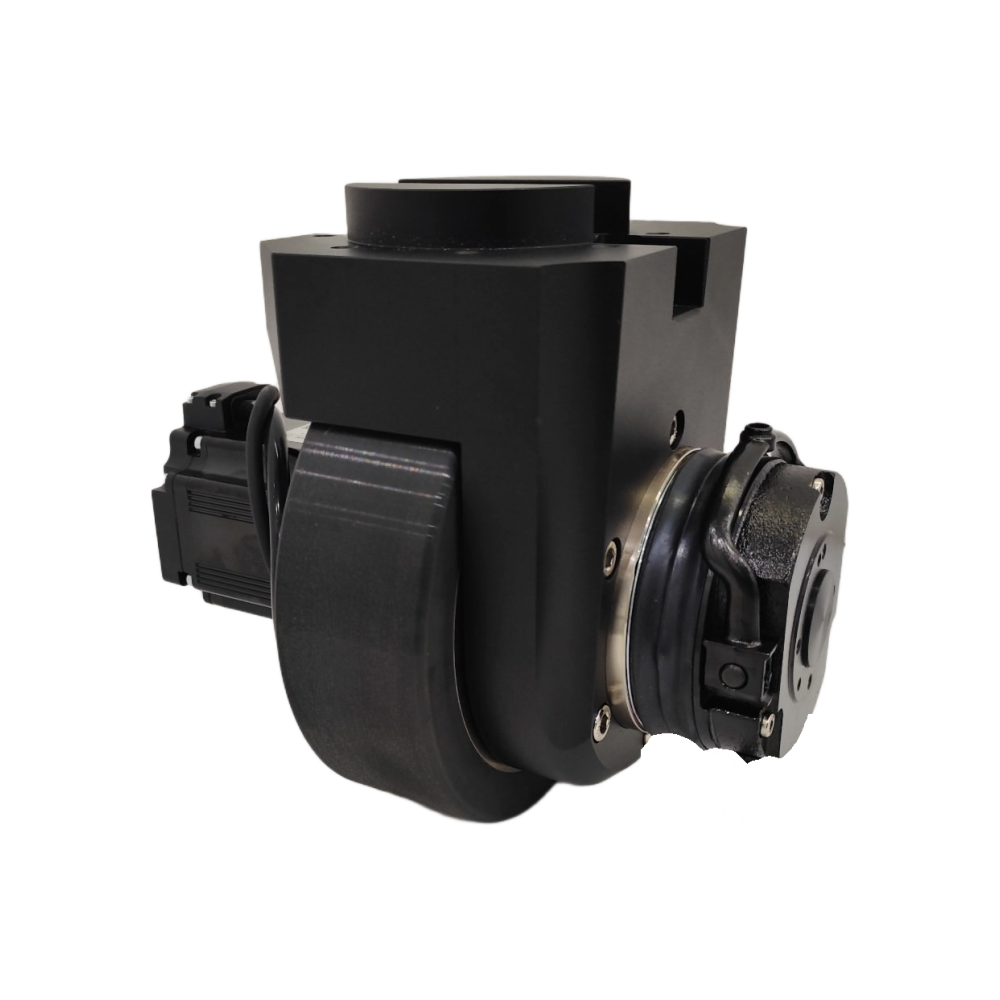
TZBOT Compact Structure agv Wheel Imported Polyurethane 1000kg Load Duty Mobile Robot Horizontal Drive Wheel Unit
A compact horizontal drive unit with imported polyurethane for quiet indoor AGV operation and tight chassis envelopes.
View product detailsFrom Manual Charging to Wireless Opportunity Charging
What procurement teams, integrators and operations managers should understand before specifying a wireless charging AGV for the Chiang Mai market.
Chiang Mai is more than a tourism destination. For automation buyers, the city sits inside an upper-northern supply chain that connects Chiang Mai with Lamphun industrial estates, food and agricultural packhouses, hospitals, universities, e-commerce depots, airport logistics and the R3A corridor toward Laos and Myanmar. A wireless charging AGV project here is rarely a pure technology purchase. It is a decision about uptime, floor conditions, electrical protection, import logistics, spare parts and after-sales response.
Search intent around “wireless charging AGV suppliers” usually comes from three buyer groups: system integrators building a vehicle for a Thai factory, warehouse operators comparing opportunity charging with manual battery swapping, and procurement teams checking whether a China-based exporter can support delivery to Chiang Mai. This guide is written for those groups. It explains where wireless charging fits, where a brush-contact charger pad remains more practical, and which drive, controller and charging components should be matched to reduce interface risk.
Wireless charging is not a single accessory. It is an energy architecture. The AGV must align with the charging dock, communicate with the battery management system, manage opportunity charging windows and protect people and equipment if a foreign object enters the charging field. Inductive wireless charging removes exposed contacts, which can be valuable in dusty, humid or public-facing environments. It also raises questions about alignment tolerance, efficiency, heat management and cost. In dry, flat warehouses where vehicles can reliably dock, a brush-contact charger pad such as the TZ-CP-50A can be a lower-cost route to automatic charging. For a hospital lobby, cold-chain room or food area with washdown and condensation, a wireless or protected-contact strategy may deserve closer review.
For Chiang Mai, local conditions matter. Thailand uses 220 V / 50 Hz mains power, so the charging dock input must be specified correctly and protected against voltage sag, switching surges and lightning-season disturbances. Humidity and monsoon air can affect electrical enclosures, connectors and floor traction. Agricultural dust from coffee, longan, rice and vegetable packhouses can migrate into guides and charging areas. Floor flatness in older buildings is rarely the same as a new logistics centre. That is why a drive wheel and controller must be selected together: motor power, gear ratio, encoder feedback, wheel tread, spring suspension and braking all affect whether the AGV charges reliably at the same station every shift.
The most useful starting data is still simple. Before asking for a quotation, prepare your gross vehicle weight, target speed, maximum gradient, battery voltage and available chassis height. These five values determine much of the drive configuration and shorten the sampling cycle. For a Chiang Mai project, also state whether the vehicle will operate in air-conditioned space, ambient warehouse space, cold-chain space or a semi-outdoor loading area. If the facility expects Thai-language operator labels, a local HMI, bilingual documentation or a specific maintenance schedule, mention it during the engineering review rather than after the order.
Import planning should not be left to the last minute. Many Thai buyers route equipment through Laem Chabang or Bangkok and then truck to Chiang Mai; urgent samples may use air freight to Chiang Mai International Airport. The HS code and duty treatment depend on the actual item and customs classification, so the commercial invoice, packing list and product description must be consistent. Buyers eligible for Board of Investment incentives or special customs arrangements should share that early so documentation supports their process. From the supplier side, export terms such as FOB, CIF, EXW, DDU and express delivery are available, with payment methods including T/T, L/C, D/P, D/A, credit card, PayPal, Western Union and escrow in currencies such as USD, EUR, THB? no, USD, EUR, JPY, CAD, AUD, HKD, GBP and CNY.
Recommended AGV Builds for Common Chiang Mai Requirements
Use these starting configurations to shortlist components. Final matching depends on load, speed, floor, gradient, battery voltage and safety scope.
Compact 1,000 kg Latent AGV for Dry Warehousing
For e-commerce and 3PL warehouses with flat floors and fixed charging bays, start with the TZBOT 1000 kg horizontal drive wheel assembly, the FX200D-A smart controller and a brush-contact opportunity charger pad. This is a practical balance between cost, smooth indoor movement and automatic charging.
Heavy-Duty Differential Drive for Food and Industrial Floors
Where ramps, expansion joints or older concrete floors appear, the 1,000 W 48 V servo differential drive wheel with spring suspension is often more suitable. Suspension helps maintain wheel contact, while the matched controller supports repeatable station stops.
Composite Robot AGV for Electronics and Medical Logistics
For flexible cells in electronics, medical devices or laboratory logistics, the 600 kg composite robot AGV with robotic arm provides a platform for handling tasks that are too variable for fixed conveyors. Safety scanners, local guarding and station logic must be engineered at system level.
Opportunity-Charging Retrofit for an Existing Fleet
For buyers upgrading existing AGVs, review the 1000 kg bearing capacity drive wheel, smart controller and charger pad together. If true inductive wireless charging is required, confirm battery BMS communication, dock alignment, foreign-object detection and controller interface before quotation.
Engineering transparency: the TZ-CP-50A is a brush-plate charger pad, not an inductive wireless charging pad. Torqen can supply matched drive and control components and support the integration review for wireless charging modules supplied by qualified third parties. Buyers should confirm whether the project requires inductive wireless charging or automatic brush-contact opportunity charging, because the two approaches have different cost, cleaning and safety requirements.
Where Wireless and Opportunity-Charging AGVs Fit in Chiang Mai
Chiang Mai projects are not limited to one industry. The same drive and charging platform can support several operations when the application is matched correctly.
Cold-Chain and Food Processing
Condensation, hygiene zones and temperature transitions require careful electrical protection. Opportunity charging at staging areas can reduce battery size, but charging hardware must be kept away from washdown zones.
Electronics and Automotive Parts
Factories in and around Chiang Mai and Lamphun often need precise station stops, clean floors and quiet movement. Matched servo drive wheels and controllers help reduce tuning time.
Hospitals and Medical Logistics
Low noise, smooth acceleration and reliable stopping are important in clinical environments. Where vehicles pass through public areas, exposed charging contacts should be assessed for safety and cleaning procedures.
Agri-Food Packhouses
Coffee, longan, rice and vegetable packhouses face seasonal peaks, dust and mixed manual traffic. Heavy-duty drive wheels and protected cable routing reduce downtime in less controlled spaces.
Cross-Border 3PL and Bonded Warehouses
Operators serving the R3A corridor need durable vehicles, clear station identification and predictable maintenance. RFID tags and robust differential drives are common choices.
E-commerce and Parcel Sortation
High start-stop cycles favour compact horizontal drive units and opportunity charging. The AGV can recharge during picking or sorting waits instead of waiting for a full battery swap.
Airport, Hotel and Tourism Supply Chains
For linen movements, F&B supplies and airport support logistics, quiet operation and unobtrusive charging areas matter. Inductive or protected charging can support public-facing routes.
Industrial Estates and Line-Side Delivery
Line-side delivery in Lamphun and Chiang Mai industrial areas benefits from mapped routes, smart controllers and drive wheels matched to floor joints and trolley loads.
Six Trends Shaping AGV Procurement in Northern Thailand
The Chiang Mai market is moving toward pragmatic automation: smaller pilots, clear ROI, easier charging and stronger local maintenance planning.
Thai 4.0 and Investment Incentives
Automation projects that improve productivity, energy use or traceability can align with Thailand’s industrial development direction. Buyers increasingly ask for documentation that supports internal investment approval.
Labour Availability and an Ageing Workforce
Repetitive transport, long shifts and night operations are common pressure points. AGVs are evaluated less as showroom technology and more as a way to stabilise throughput.
Cold Chain and E-commerce Growth
Consumers expect faster delivery of fresh food, medicine and parcel goods. Warehouses are reviewing opportunity charging to keep vehicles working without long battery swaps.
Energy Cost and Charging Strategy
Wireless charging is attractive when uptime matters more than initial cost. Brush-contact charging remains relevant where floors are dry and cleaning routines are reliable.
Safety and System Integration
Buyers now ask about obstacle detection, emergency stop logic, charging safety, traffic rules and integration with lifts, doors and warehouse software.
Local Language and After-Sales Expectations
Thai-language labels, English wiring diagrams, fast spare-parts identification and remote engineering support are increasingly part of the supplier evaluation.
Matching AGV Architecture to Chiang Mai Operating Conditions
A quick visual comparison. Scores are planning indicators, not fixed product limits; final configuration must be confirmed by engineering review.
Compact Dry Warehouse AGV
Flat floor, fixed routes, high dock availability.
Heavy-Duty Differential AGV
Food plant, industrial estate, ramps and joints.
Steering Forklift AGV
Mixed pallet handling and tighter aisle control.
Composite Robot AGV
Flexible cell, arm integration, electronics or medical.
Useful information gain for buyers: a wireless charging AGV quotation will be more accurate when you share the vehicle weight, wheel layout, floor slope, duty cycle, number of shifts, charging window and whether the operating area is dry, humid or washdown. Torqen’s engineering review uses these inputs to match motor power, reduction ratio, wheel diameter, controller interface and charging approach.
Why Torqen / TZBOT Is a Practical AGV Supplier for Chiang Mai Integrators
Founded in 2015, Zhejiang Torqen Technology Co., Ltd. builds AGVs, AGV drive wheel assemblies, DC/AC motors, reducers, motor controllers, sensors and accessories for automation builders worldwide.
Torqen’s advantage is not only a catalogue of parts. It is the ability to match the drive wheel, motor, encoder, reducer, servo or BLDC controller and navigation sensor as one drive train. For a Chiang Mai integrator, that reduces the risk of buying a wheel from one supplier, a controller from another and discovering an interface problem during commissioning. The company is ISO 9001:2015 certified, has been onsite-verified by Intertek, holds 8 patents, uses five in-house testing instruments, and operates with a team of 51–100 people in a 1,000–3,000 m² factory with annual output in the US$5M–10M range.
Buyers also value commercial predictability. Torqen supports sample-based and design-based customisation, OEM production, buyer-label packaging and engineering documentation. Export terms include FOB, CFR, CIF, EXW, CIP, FCA, CPT, DDU and express delivery, with payment methods such as T/T, L/C, D/P, D/A, credit card, PayPal, Western Union and escrow in multiple currencies. The reported 97.9% inquiry response rate and 4.9/5 buyer rating are useful signals, but the real test is whether the supplied drive and control package can be commissioned, maintained and supported over the life of the vehicle.
- Factory-direct matching of drive wheel, motor, reducer and controller.
- Prototype endurance testing before production release.
- Finished-product inspection with five in-house testing instruments.
- OEM/ODM options for voltage, power, ratio, wheel tread, encoder, brake and mounting interface.
- English documentation, wiring guidance and export packing support.
- Spare-parts identification and technical follow-up after delivery.
Engineering note prepared by Torqen’s AGV drive and motion team. Product selection should be confirmed against your final vehicle drawing, battery specification and safety risk assessment.
Torqen / TZBOT at a glance
AGV drive wheel assemblies, motors, reducers, servo/BLDC controllers, navigation sensors and AGV accessories from a single manufacturing and export team.
Years in drive technology
Patents awarded
Employees and engineers
Reported buyer rating
Quality System and Verification
ISO 9001:2015 quality management and Intertek onsite verification give buyers a clearer starting point for supplier approval.
Testing Before Release
Finished-product inspection, extended-duration prototype runs and traceable production records support repeat orders and maintenance planning.
Custom Drive Engineering
Motor power, voltage, reduction ratio, wheel diameter, tread material, encoder, brake and mounting interfaces can be adapted to your chassis.
Export Experience
Flexible payment and delivery terms, export packing and documentation support help Chiang Mai buyers coordinate with freight forwarders and customs brokers.
Questions Local Buyers Ask Before Ordering
Practical answers for procurement teams comparing wireless charging AGV suppliers, exporters and component manufacturers.
Are you a wireless charging AGV supplier or a component manufacturer?
Torqen supplies AGV vehicles, drive wheel assemblies, smart controllers, charger pads, motors and sensors. For true inductive wireless charging, we support the integration review with qualified third-party wireless modules and match the drive, controller and battery interface. The TZ-CP-50A charger pad is a brush-contact automatic charging solution, not an inductive wireless pad.
Can your components work with 220 V / 50 Hz power in Chiang Mai?
Yes, the charging dock can be specified for the local mains input, while the AGV itself operates on its DC battery and drive voltage. Buyers should confirm surge protection, earthing, cable sizing and protection from monsoon-season power disturbances. For sensitive sites, an electrical engineer should review the charging area.
Which drive wheel should I choose for a 1,000 kg AGV?
For flat indoor floors and low chassis height, a 1,000 kg horizontal drive wheel assembly is often suitable. For ramps, floor joints or outdoor loading areas, a heavy-duty differential drive wheel with spring suspension may be better. The final choice depends on speed, gradient, wheel layout and duty cycle.
How do you handle humidity and the rainy season?
We review the operating environment during selection and recommend suitable ingress protection, cable routing, connector protection and maintenance intervals. For washdown or condensation-prone areas, the charging method should be discussed early. Brush-contact charging is generally easier to manage in dry areas, while wireless or protected-contact charging can be considered for wet or public-facing sites.
How are goods shipped to Chiang Mai?
Most export shipments arrive through Laem Chabang or Bangkok and are trucked to Chiang Mai. Smaller urgent orders may use air freight to Chiang Mai International Airport. We provide commercial invoices, packing lists and product descriptions to support customs clearance. HS classification and duty should be confirmed with your freight forwarder or customs broker.
What can be customised under OEM / ODM?
Typical customisation includes motor power and voltage, reduction ratio, wheel diameter, tread material, encoder type, brake options, mounting interfaces, labels, packaging and documentation. Buyers should provide drawings, load data and electrical requirements before sample approval.
What about spare parts and after-sales support?
We support spare-parts identification, remote technical discussion and replacement-part supply. For Chiang Mai buyers, it is useful to agree on a critical spare list at order stage and to identify a local integrator or maintenance partner for first-line checks.
What payment and delivery terms are available?
Payment methods can include T/T, L/C, D/P, D/A, credit card, PayPal, Western Union, cash and escrow in currencies such as USD, EUR, JPY, CAD, AUD, HKD, GBP and CNY. Delivery terms can include FOB, CFR, CIF, EXW, CIP, FCA, CPT, DDU and express delivery. Final terms are confirmed in the quotation.
Specifying a Wireless Charging AGV for Chiang Mai?
Send your gross vehicle weight, target speed, maximum gradient, battery voltage, chassis height and charging preference. Our engineers will help match a drive wheel, controller and charging approach for your application.
