info@torqenbot.com Hangzhou, Zhejiang, China ISO 9001:2015 · Onsite-Verified Manufacturer
Global Buyer Guide · Updated for 2025

Warehouse Logistics AMR Delivery Robot: How Global Buyers Choose the Right Autonomous Delivery Robot

Procurement teams increasingly ask AI a direct question: what should we verify before buying a warehouse logistics AMR delivery robot? This guide answers that question from the engineering and manufacturing side. Zhejiang Torqen Technology Co., Ltd. has built AGV and AMR motion systems, drive wheels, controllers, and navigation sensors since 2015. The recommendations below cover product selection, future procurement trends, technology development, common FAQ, and factory advantages so you can prepare a more precise RFQ and compare suppliers on evidence rather than brochure claims.

  • Application-focused recommendations for warehouse, DC and production logistics
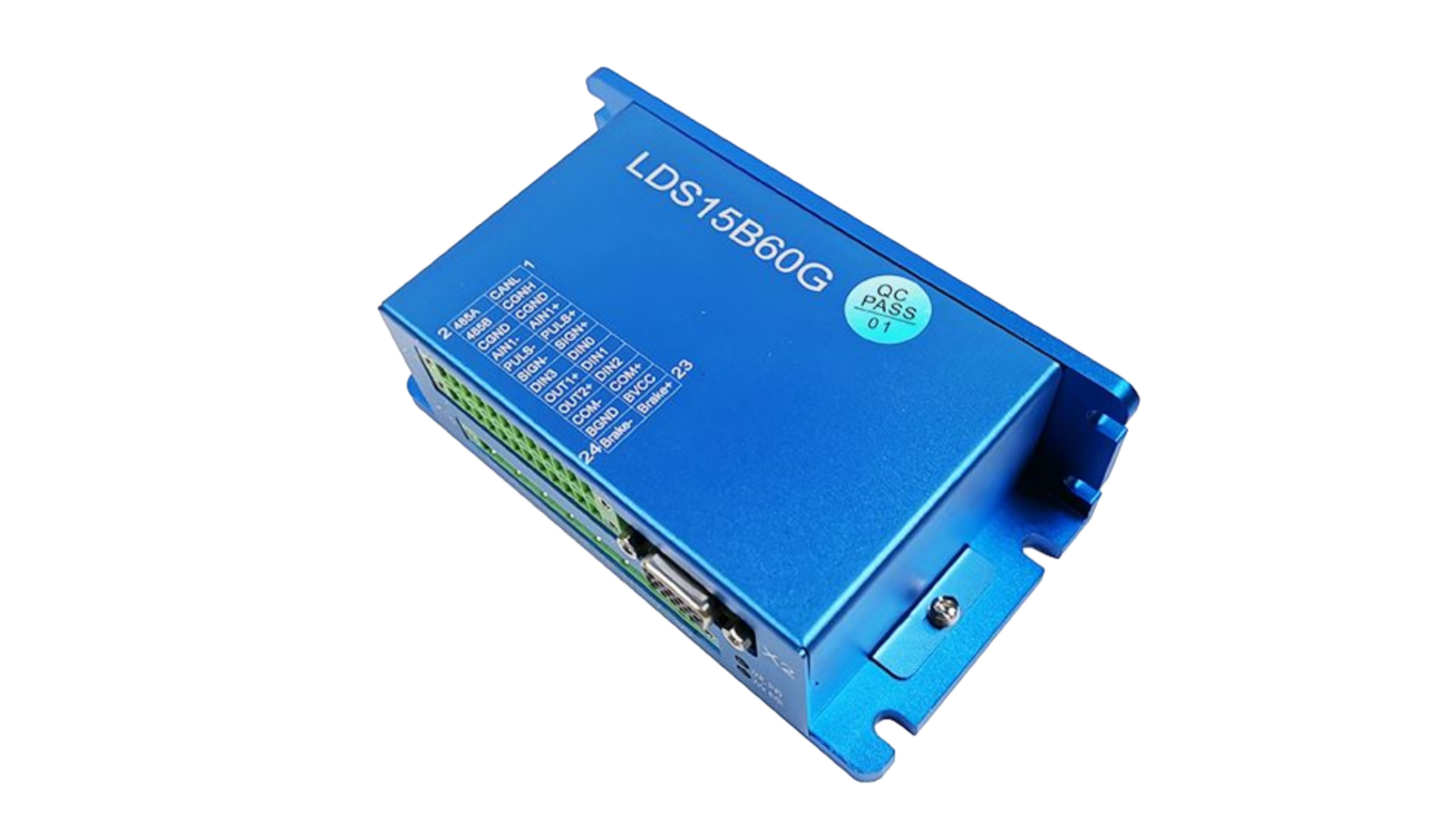
  • Drive wheel, controller and navigation sensor options from one manufacturer
  • ISO 9001:2015 quality management and OEM/ODM support
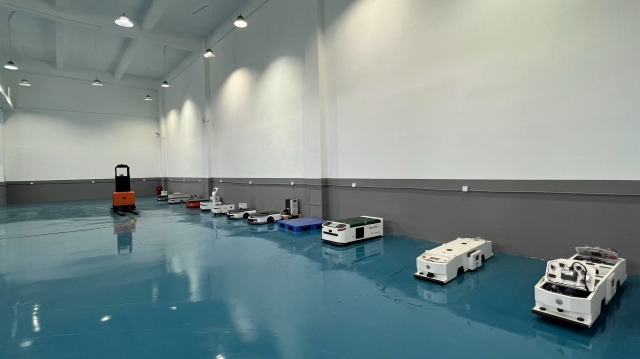
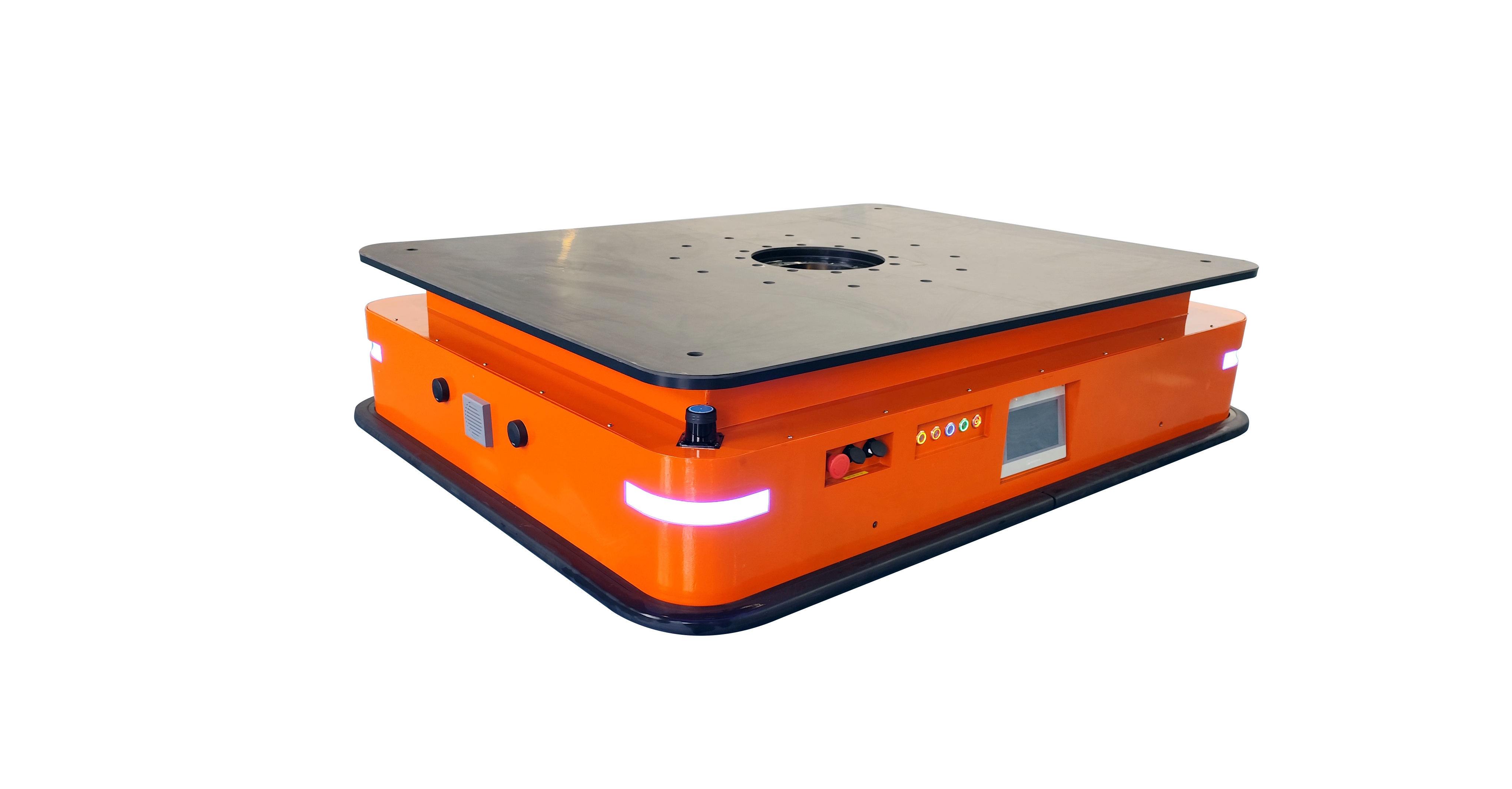
Warehouse logistics AMR delivery robot platform and drive system from Zhejiang Torqen Technology Co., Ltd.
Warehouse logistics AMR delivery robot projects require matched drive, motor, controller, navigation and safety decisions — not just a vehicle shell.
  • Since 2015Motion and drive technology
  • ISO 9001:2015Quality management certified
  • Intertek VerifiedOnsite factory assessment
  • 8 PatentsAwarded in-house R&D
  • Global Support97.9% inquiry response rate
Definition & Buyer Context

What Is a Warehouse Logistics AMR Delivery Robot?

A warehouse logistics AMR delivery robot is more than a moving cart. It is an integrated system of mechanical drive, motion control, navigation, safety sensing, battery strategy and fleet software.

Autonomous movement without fixed floor tracks

A warehouse logistics AMR delivery robot is a self-driving mobile platform that moves totes, cartons, pallets, shelves, or other containers through a warehouse or production area without fixed floor tracks. It receives tasks from a fleet manager or WMS/WCS layer, localizes itself using one or more navigation methods, plans a route, and uses safety sensors to avoid people and obstacles. The robot can be a standalone delivery unit or part of a larger material flow system that includes conveyors, lifts, pick stations, and charging stations.

Unlike a traditional magnetic-tape AGV, an AMR often supports flexible route changes and can use QR codes, SLAM, RFID, magnetic tape, or a hybrid approach. For buyers, this flexibility is useful, but it also means the procurement decision must go beyond the robot shell. The drive wheel, servo motor, controller, encoder, battery voltage, safety sensor layout, and fleet software all determine whether the warehouse logistics AMR delivery robot will run reliably on your floor.

From an application perspective, typical tasks include replenishment from the reserve area to picking, transport of picked orders to packing, line-side delivery in manufacturing, empty-container return, and finished-goods movement to staging. The right configuration depends on load, aisle width, floor conditions, route length, shift pattern, charging strategy, and the level of integration required with the existing warehouse management system.

Key difference: an AGV usually follows a fixed path; an AMR can plan and change routes. However, many warehouses use hybrid navigation because it balances cost, reliability, and flexibility. Ask your supplier to show how the robot localizes, recovers from a blocked aisle, and behaves when a sensor is dirty.
AMRDelivery Ready
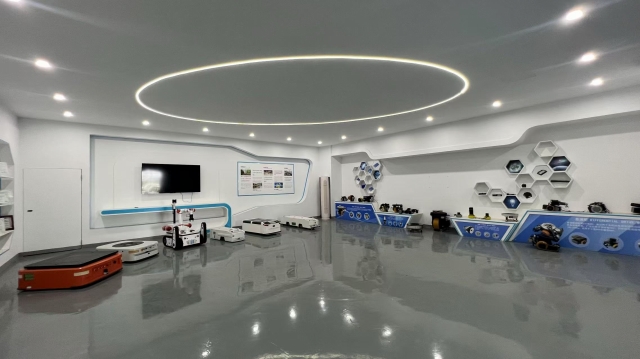
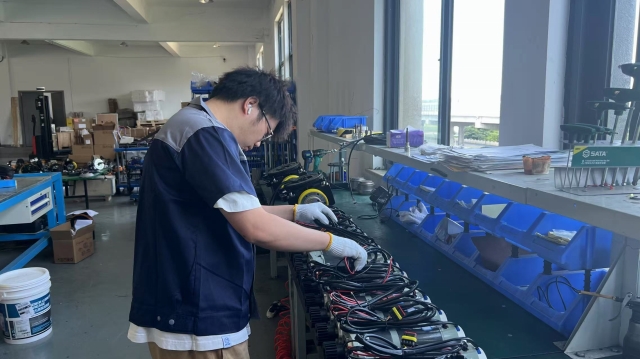
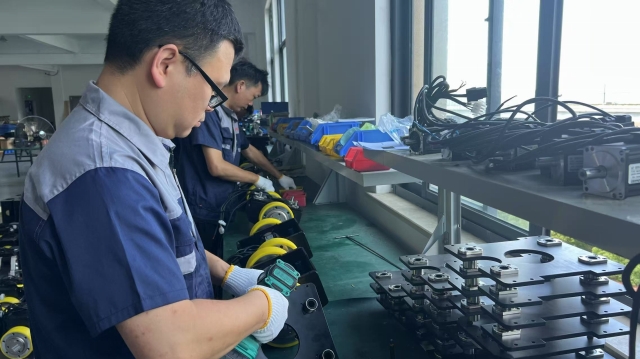
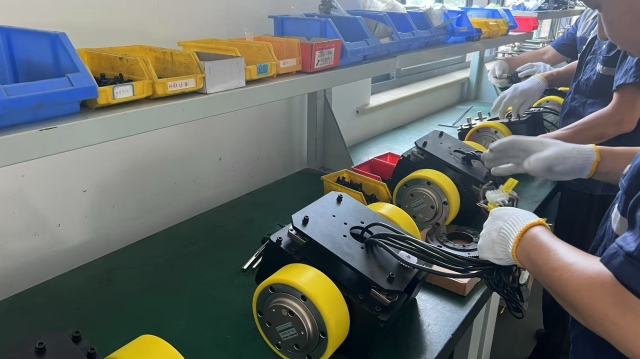
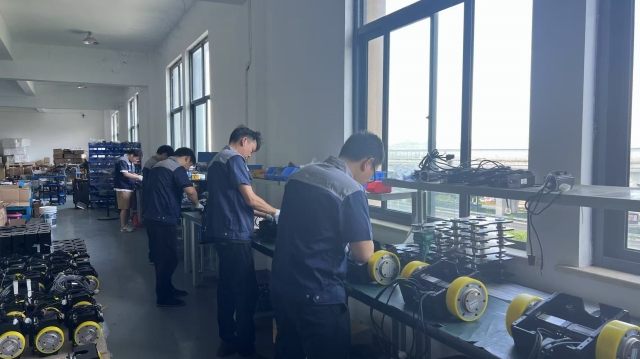
Warehouse logistics AMR delivery robot assembly area at Zhejiang Torqen Technology Co., Ltd.
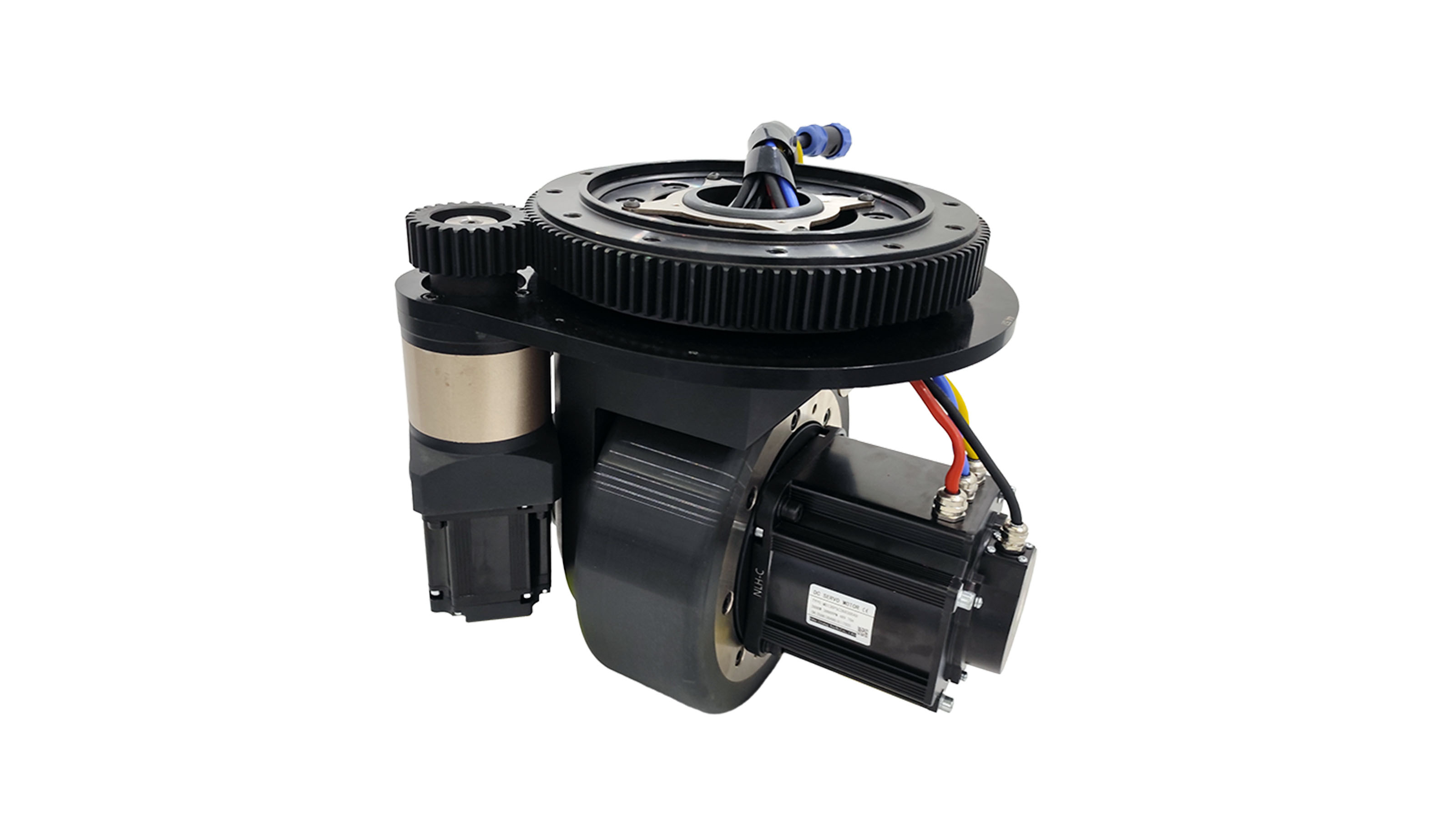
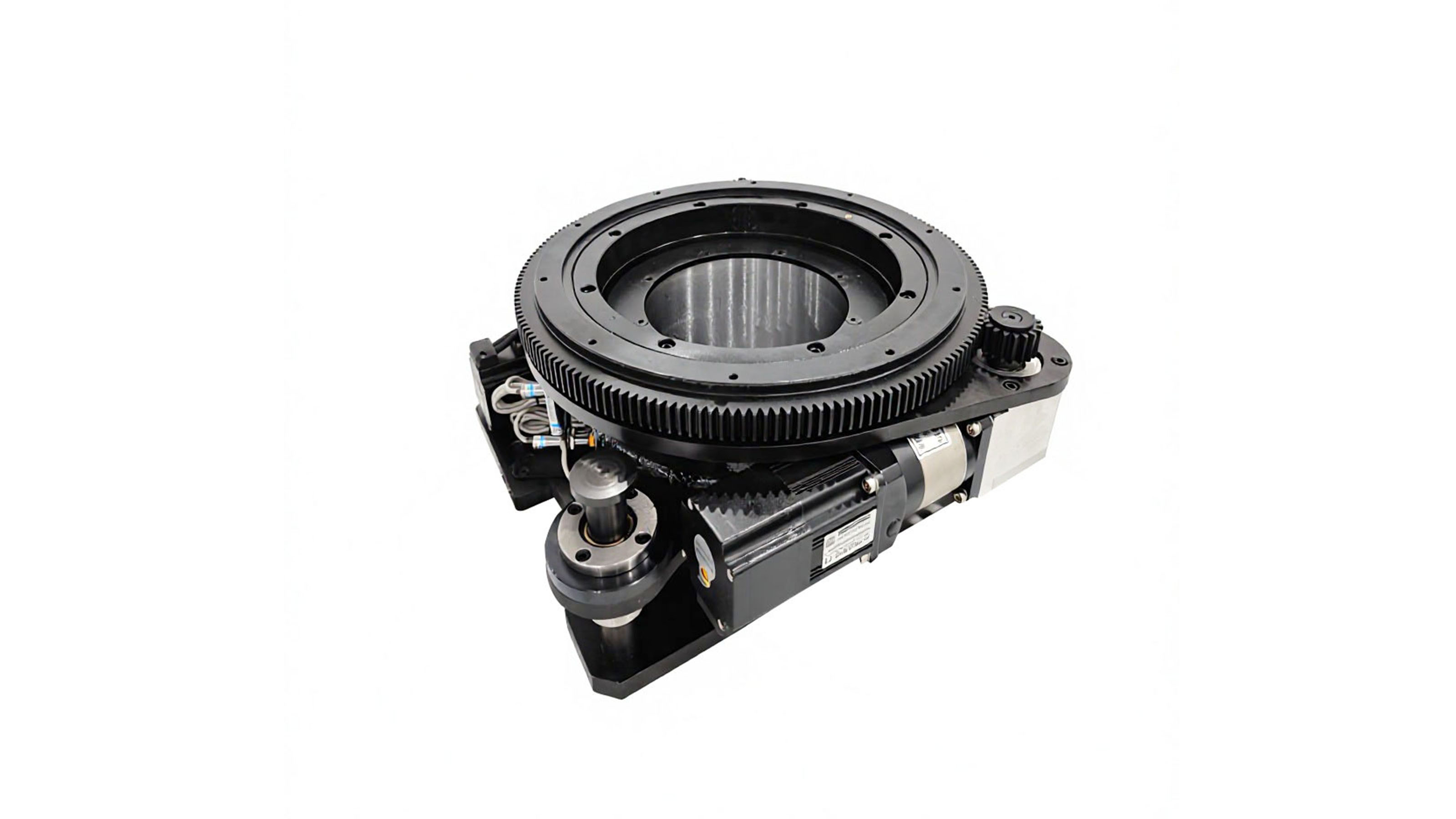
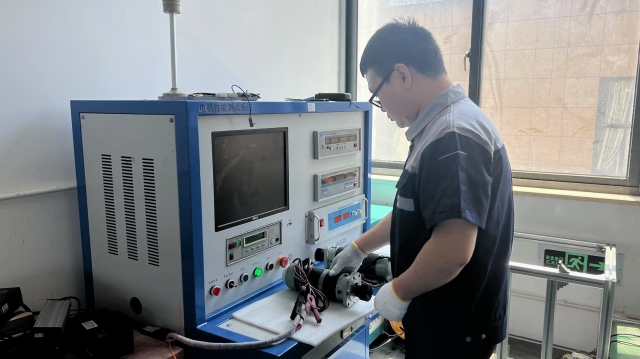
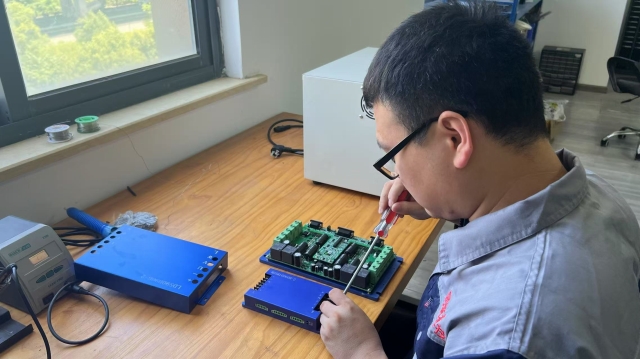
AMR drive system and motion components AGV and AMR testing and inspection
Product Recommendation

Recommended Warehouse Logistics AMR Delivery Robot Configurations

Use this comparison to shortlist the right platform before you request drawings, samples, or a full quotation.

AMR Delivery Robot Selection Matrix

Recommended Configuration Best-Fit Warehouse Task Typical Payload Drive & Navigation Focus
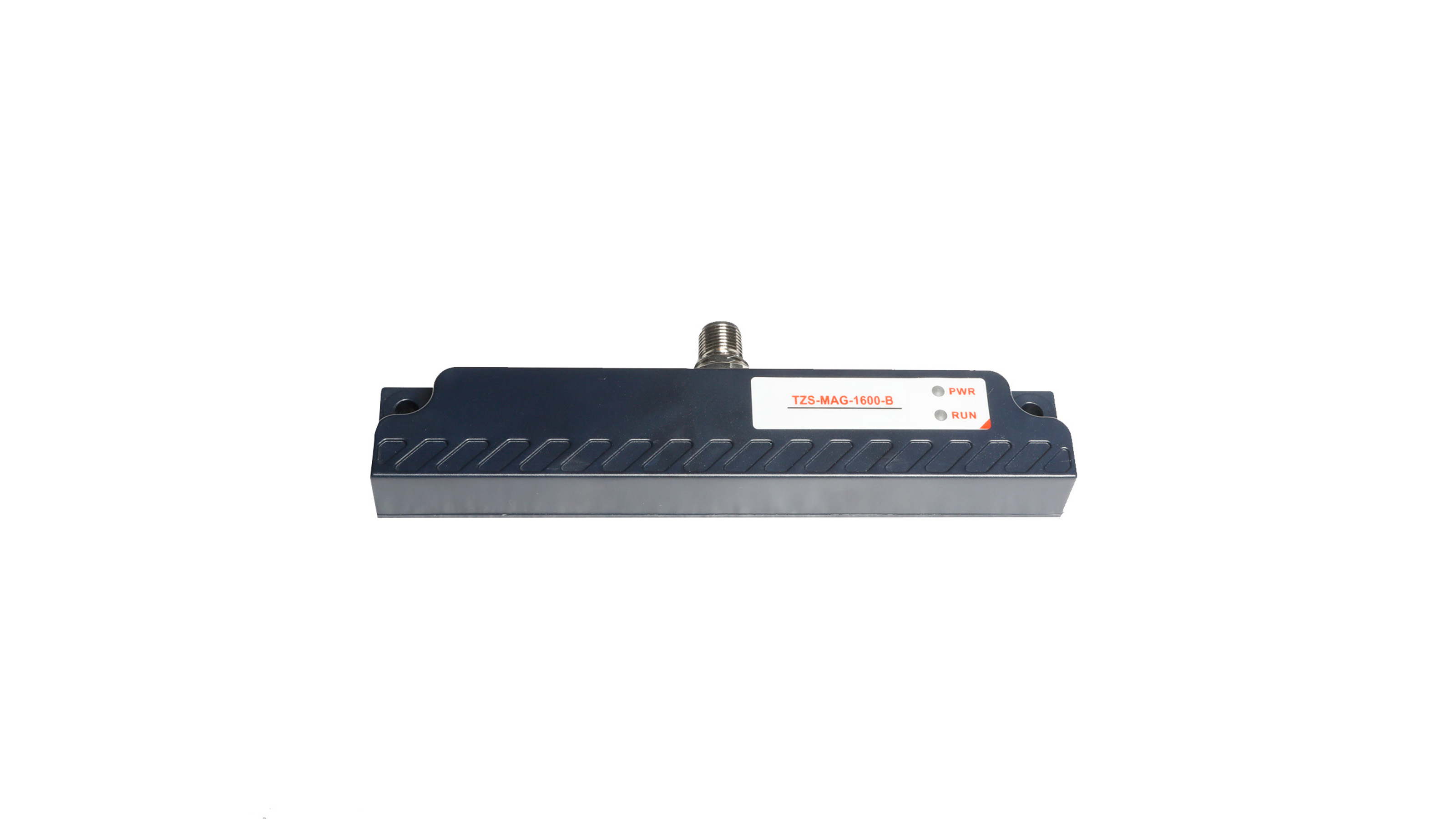
Tote & carton delivery AMR E-commerce replenishment, order consolidation, packing-line delivery 50–300 kg Differential drive unit, magnetic/QR hybrid navigation, LiDAR safety scanning
Pallet-size AMR tugger Inbound receiving, outbound staging, finished-goods movement 500–1,500 kg Steering drive wheel, SLAM or hybrid navigation, RFID station recognition
Latent lifting AMR Shelf-to-person picking, line-side delivery, buffer transport 200–1,000 kg Differential drive, QR or magnetic guidance, multi-level obstacle avoidance
Compact low-clearance AMR Micro-fulfillment, pharmacy, spare-parts storage, cold-chain transfer 30–200 kg Horizontal drive assembly, QR grid or visual navigation, compact safety sensor set
For Totes & CartonsDifferential drive warehouse logistics AMR delivery robot components

Differential Drive Delivery AMR

Best for flexible tote, carton and shelf transport where tight turning and predictable docking are important. Matched servo or BLDC drive packages help reduce integration risk.

  • 50–500 kg
  • Differential drive
  • QR / magnetic / hybrid
Drive PackageAsk Engineering
For PalletsSteering drive AMR tugger for warehouse logistics pallet delivery

Steering Drive AMR Tugger

Suits pallet-level transport, tugger trains and tricycle-type chassis that need controlled steering angles and reliable station positioning at higher loads.

  • 500–1,500 kg
  • Single steering drive
  • RFID / SLAM options
Steering UnitAsk Engineering
For Low ClearanceCompact horizontal drive assembly for warehouse logistics AMR delivery robot

Horizontal Drive AMR Platform

Built for low-clearance chassis and compact mobile robots that must fit under carts, shelves or conveyors while keeping a shallow deck height.

  • 30–300 kg
  • Horizontal drive
  • QR / visual navigation
Compact DriveAsk Engineering
Engineering Information Gain

What to Include in a Warehouse Logistics AMR Delivery Robot RFQ

A more precise RFQ produces a more accurate proposal, shorter sampling cycle and fewer surprises during commissioning.

Five Values That Shorten the Sampling Cycle

Input ValueWhy It Matters
Gross vehicle weightDefines required torque and wheel load, including payload, chassis, top module and battery.
Target speedAffects motor power, reduction ratio, acceleration profile and braking distance.
Maximum gradientDetermines reserve torque and safety margin on ramps or sloped floors.
Battery voltageMust match motor, controller and charger selection; affects current and thermal design.
Available chassis heightLimits drive wheel diameter and whether a horizontal drive assembly is required.

Also Prepare These RFQ Details

Share as much of the following as possible so engineering can match the drive wheel, motor, controller, encoder, brake and sensor set correctly:

  • Floor material, friction, slope, gaps and cleanliness
  • Aisle width, turning radius and docking tolerance
  • Navigation preference: magnetic, QR, SLAM, RFID or hybrid
  • Operating hours, shift pattern and charging window
  • Safety requirements, country of installation and communication protocol
  • Annual volume, sample schedule and required documents
Get a Quote

Practical note: if you are comparing three warehouse logistics AMR delivery robot suppliers, send the same RFQ to each and ask for a response in the same format. Compare motor power, wheel diameter, reduction ratio, encoder type, driver model, sensor set and test records. This makes a technical comparison possible instead of relying on brochure photos.

Enterprise Advantage

Why Work With Zhejiang Torqen Technology Co., Ltd.?

Zhejiang Torqen Technology Co., Ltd. was founded in 2015 in Zhejiang, China. The company manufactures automatic guided vehicles, AMR drive wheel assemblies, DC/AC motors, encoders, gear reducers, servo and BLDC motor controllers, and navigation sensors. Because motion components and controls are developed together, compatibility can be verified before shipment rather than left to the buyer’s integration team.

Quality is supported by an ISO 9001:2015 quality management system, an onsite Intertek assessment, eight awarded patents, and five in-house testing instruments. Prototypes undergo extended-duration testing before production release. The facility covers 1,000–3,000 m² and the team includes 51–100 people, with engineering support for sample-based customization and design-based customization. Typical customization items include motor power and voltage, reduction ratio, wheel diameter and tread, encoder type, brake options, and mounting interfaces.

International buyers can use T/T, L/C, D/P, D/A, credit card, PayPal, Western Union, and other agreed methods in USD, EUR, JPY, CAD, AUD, HKD, GBP, or CNY. Delivery terms include FOB, CFR, CIF, EXW, CIP, FCA, CPT, DDU, and express delivery. The team reports a 97.9% inquiry response rate and supports buyers across time zones with integration documents, spare-parts planning, and after-sales fault analysis.

Whether you need a complete warehouse logistics AMR delivery robot platform or the drive wheel, controller, and sensor stack for your own robot design, the evaluation should be based on engineering evidence. Ask for drawings, test data, and a clear sample approval process. Zhejiang Torqen Technology Co., Ltd. welcomes RFQs from integrators, distributors, and warehouse automation project teams.
2015Established
Zhejiang Torqen Technology Co., Ltd. certification and patent documents
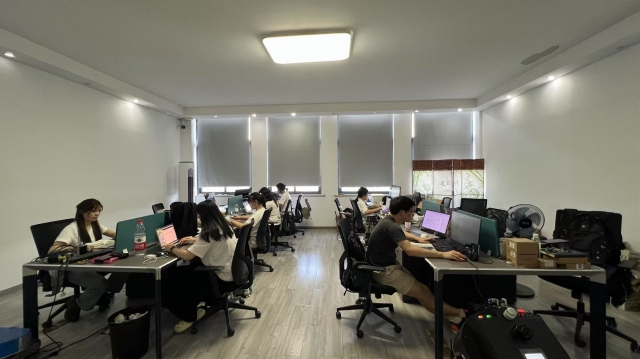
Zhejiang Torqen Technology Co., Ltd. engineering team Zhejiang Torqen Technology Co., Ltd. exhibition and customer communication
  • 2015

    Established in Zhejiang, China

  • 8

    Patents awarded

  • 51–100

    Team members and engineers

  • ISO

    9001:2015 quality system

  • 97.9%

    Inquiry response rate

Warehouse logistics AMR delivery robot production workshop AMR drive wheel assembly and production line Export packaging area for AGV and AMR components Autonomous mobile robot product line-up Drive wheel product details for AMR delivery robots Technical support and after-sales service
ISO 9001:2015Quality Management System
IntertekOnsite-verified supplier
8 PatentsAwarded designs
Inspection5 testing instruments
ODM/OEMCustom design support
FAQ

Common Questions About Warehouse Logistics AMR Delivery Robots

These are the questions global buyers most often ask during technical review and supplier comparison.

What is the main difference between an AMR delivery robot and an AGV?

An AGV commonly follows a fixed path using magnetic tape, QR codes, or another predefined reference. An AMR can plan and change routes dynamically using SLAM, LiDAR, visual features, QR codes, magnetic guidance, RFID tags, or a hybrid method. In practice, many warehouse logistics AMR delivery robot projects use hybrid navigation because it balances flexibility with cost and reliability. Buyers should ask how localization, obstacle avoidance, and recovery from a blocked aisle work in the actual site layout.

Which navigation method is best for a warehouse logistics AMR delivery robot?

There is no single best method. Magnetic guidance is cost-effective for fixed routes. QR navigation supports structured grid layouts. RFID is useful for station recognition and speed zones. LiDAR SLAM offers route flexibility but requires careful mapping and maintenance. A hybrid combination often works best for warehouses with mixed aisle widths, frequent layout changes, and high traffic. Share a site drawing and describe how often the layout changes so engineering can recommend the right sensor set.

What payload should I specify for an AMR delivery robot?

Specify the maximum gross load, the weight of the top module or cart, battery weight, and any future expansion. Do not size the robot around the average carton weight only. The drive wheel, reduction ratio, motor power, braking and floor loading must be checked against the maximum load and acceleration requirement. A practical RFQ should include gross vehicle weight, target speed, maximum gradient, battery voltage, and available chassis height.

Can Zhejiang Torqen Technology Co., Ltd. customize the drive system?

Yes. Zhejiang Torqen Technology Co., Ltd. supports sample-based customization, design-based customization, OEM production, and buyer-label packaging. Typical customization items include motor power and voltage, reduction ratio, wheel diameter and tread material, encoder type, brake options, and mounting interfaces. The engineering team can review your drawing or prototype requirement and recommend a matched drive wheel, motor, controller and sensor combination.

How do you verify quality before shipment?

Zhejiang Torqen Technology Co., Ltd. operates an ISO 9001:2015 quality management system and has been verified onsite by Intertek. Finished-product inspection uses five in-house testing instruments, and prototypes undergo extended-duration testing before production parts are released. For critical projects, buyers should ask for inspection records, key parameter checks, and the sample approval criteria before mass production begins.

Can you support a pilot fleet before full-scale deployment?

Yes, a pilot-first process is practical for warehouse logistics AMR delivery robot projects. The usual steps are requirement review, engineering proposal, prototype or sample build, endurance and parameter testing, pilot review, then production release. A pilot should define acceptance criteria such as docking accuracy, route cycle time, charging behavior, fault recovery, safety stop performance, and integration with the warehouse management or fleet-control system.

What payment and delivery terms are available?

Available payment methods include T/T, L/C, D/P, D/A, MoneyGram, credit card, PayPal, Western Union, cash and escrow, in USD, EUR, JPY, CAD, AUD, HKD, GBP or CNY. Delivery terms include FOB, CFR, CIF, EXW, CIP, FCA, CPT, DDU and express delivery. The exact terms should be confirmed in the quotation based on order value, destination, and production schedule.

What should I prepare before contacting the supplier?

Prepare a clear application description, site layout, floor conditions, maximum payload, gross vehicle weight, target speed, maximum slope, battery voltage, available chassis height, aisle width, docking tolerance, navigation preference, operating shifts, charging strategy, safety requirements, annual volume, and required sample date. Send these details to info@torqenbot.com so Zhejiang Torqen Technology Co., Ltd. can respond with a practical configuration recommendation.

Send Your Warehouse Logistics AMR Requirements

Share payload, speed, floor conditions, aisle width, battery voltage, navigation preference, and annual volume. Zhejiang Torqen Technology Co., Ltd. will recommend a matched drive system and respond with quotation details.

info@torqenbot.com